Litter and Boxes for a Cat as Wide as a British Shorthair
One of the lesser-discussed challenges of living with a British Shorthair is simply finding a litter box that truly accommodates their magnificent, weighty frame. Many cat owners find themselves constantly cleaning up messes or observing their beloved feline struggling to maneuver in boxes designed for daintier breeds, leading to frustration for both cat and human. This guide is here to walk you through everything you need to know about selecting the perfect litter boxes and litter for your wide, wonderful British Shorthair, ensuring their comfort, hygiene, and your peace of mind.
Understanding the British Shorthair's Unique Physique and Needs
The British Shorthair is a truly distinctive breed, not just for their stunning looks but also for their robust build and particular habits. These characteristics play a huge role in determining what kind of litter box setup will actually work for them, and often, what works for a typical house cat simply won't cut it. Ignoring these unique traits can lead to all sorts of preventable problems.
The British Shorthair's Cobby Body and Its Impact on Litter Box Choice
If you've ever had the pleasure of lifting a British Shorthair, you know they're solid. They're described as "cobby," meaning they have a stocky, muscular build with a broad chest and short, powerful legs. An adult male can easily weigh upwards of 12-18 pounds, and females are not far behind. This isn't just a matter of How Much a Male British Shorthair Weighs; it's about their overall body mass and how they move. When a cat this substantial enters a litter box, they need space to turn around comfortably, dig, and squat without feeling cramped. A standard litter box, designed for an average-sized cat of 8-10 pounds, will feel like a tiny closet to a British Shorthair, leading to discomfort and potentially even accidents outside the box.
Imagine trying to use a small airplane bathroom when you're a person of generous proportions. You can probably get in there, but it’s an awkward experience, and you're not going to be thrilled about it. Your British Shorthair feels the same way about a too-small litter box. They need room to perform their natural bathroom behaviors, which involve a bit of excavation and then careful covering. If they can't pivot properly, they might end up with their rear hanging over the edge, or they might feel so constrained that they just decide to relieve themselves elsewhere. This isn't defiance; it's a lack of appropriate facilities for their impressive physique.
Furthermore, a cat that feels uncomfortable or unstable in its litter box might try to spend as little time there as possible. This rushed behavior can lead to incomplete elimination or not covering their waste properly, which can then contribute to odor issues in your home. It’s a cascading problem stemming from a simple lack of size consideration. Investing in an extra-large box from the outset prevents a myriad of future headaches and keeps your British Shorthair happy and hygienic.
How Their Dense Coat Affects Litter Preferences
British Shorthairs are famous for their incredibly dense, plush coats that stand away from their body, giving them that teddy bear look. It's truly a magnificent feature, but it does come with some practical considerations, especially when it comes to litter. What a British Shorthair's Coat Is Like is a topic in itself, but for litter, the key takeaway is that their coat is a magnet for dust and small particles. A fine, dusty litter might cling to their fur, especially around their paws and hindquarters, and then be tracked all over your house. This is not only annoying for you but can also be irritating for them.
Beyond the tracking, dusty litters can be a respiratory irritant for any cat, but with a British Shorthair's generally calm and somewhat sedentary nature, they're not always as quick to shake off irritants as a more agile, active breed. Inhaling fine dust repeatedly as they dig can potentially contribute to respiratory issues over time. While most cats will try to groom off anything stuck to their fur, ingesting dusty litter particles isn't ideal for their digestive system either. This makes choosing a low-dust or dust-free litter paramount.
Another aspect of their coat is its insulating quality. While fantastic for keeping them warm, it can make them feel warmer than other cats in an enclosed space. This ties into the discussion of covered boxes later, but it also means that if litter material itself holds a lot of moisture or heat, it might become uncomfortable. You want a litter that is quick-drying and doesn't create a humid, unpleasant environment, especially if it's clinging to their already thick fur.
Considering Their Calm Demeanor and Privacy Needs
British Shorthairs are renowned for their placid, easygoing temperament. They're generally not highly active or prone to high-strung behavior. What a British Shorthair Does All Day often involves a lot of napping, leisurely patrolling, and seeking out quiet, comfortable spots. This calm demeanor extends to their bathroom habits as well. They appreciate predictability and a sense of security. A litter box in a high-traffic, noisy area of the house, or one that feels exposed, might cause them stress and lead them to avoid it.
While they aren't typically a "hiding" breed in the way some more anxious cats might be, they still value their privacy for sensitive activities. They need a quiet, undisturbed spot where they can feel safe and unhurried. Think about how you prefer your own bathroom – likely not next to the blaring TV or right in the middle of a busy hallway. Your British Shorthair feels much the same. A sense of calm and routine around their litter box routine helps reinforce good habits and prevents stress-related eliminations outside the box.
This quiet nature also means they might be less tolerant of sudden changes to their environment, including their litter box setup. If you need to change litter types or box locations, do so gradually to allow them to adjust. A cat that isn't prone to expressing distress loudly might simply start avoiding the box rather than meowing to complain. Paying attention to their subtle cues is important, and providing a consistent, comfortable, and private bathroom space is a key part of their overall well-being.
Choosing the Right Size and Type of Litter Box
Once you understand the fundamental needs stemming from your British Shorthair's unique characteristics, the choices for litter boxes become much clearer. It’s less about fancy features and more about practical considerations that cater to their large size and calm disposition. Skipping these essential steps can lead to ongoing frustration for both you and your beloved feline.
Why Bigger is Always Better for a British Shorthair
Let's get straight to it: when it comes to a British Shorthair, you simply cannot go too big with a litter box. Their substantial, cobby bodies require ample room to move, dig, squat, and turn around without feeling restricted. A cramped space can lead to a cat feeling vulnerable, uncomfortable, and may even result in them partially missing the box. Imagine a cat with Why a British Shorthair Is Built to Look Heavy trying to pivot in a standard-sized box – it's just not going to work gracefully. They need enough space to turn a full 360 degrees and cover their waste thoroughly, which is a natural feline instinct.
The ideal dimensions for a British Shorthair's litter box would be at least 24 inches long by 18 inches wide, if not larger. Many commercial "large" or "jumbo" boxes still fall short of this, so don't be afraid to look at unexpected options. Large storage bins, cement mixing tubs from hardware stores, or even specially designed extra-large boxes from pet supply retailers like Chewy can be excellent choices. The key is floor space. A spacious box encourages good litter habits because your cat feels comfortable and secure performing their essential bathroom functions. If they feel crowded, they might rush, half-bury their waste, or even start to eliminate outside the box in protest, leading to frustrating cleanup missions for you.
Think of it as providing a comfortable restroom versus a tiny, inconvenient porta-potty. Your British Shorthair deserves the former. More space also means the litter itself stays cleaner longer around the edges, as waste is less likely to be trodden into the parts of the box your cat uses to stand and maneuver. This contributes to better hygiene overall and potentially reduces the frequency of full litter changes, which is a bonus for you.
Open vs. Covered Boxes: A British Shorthair's Perspective
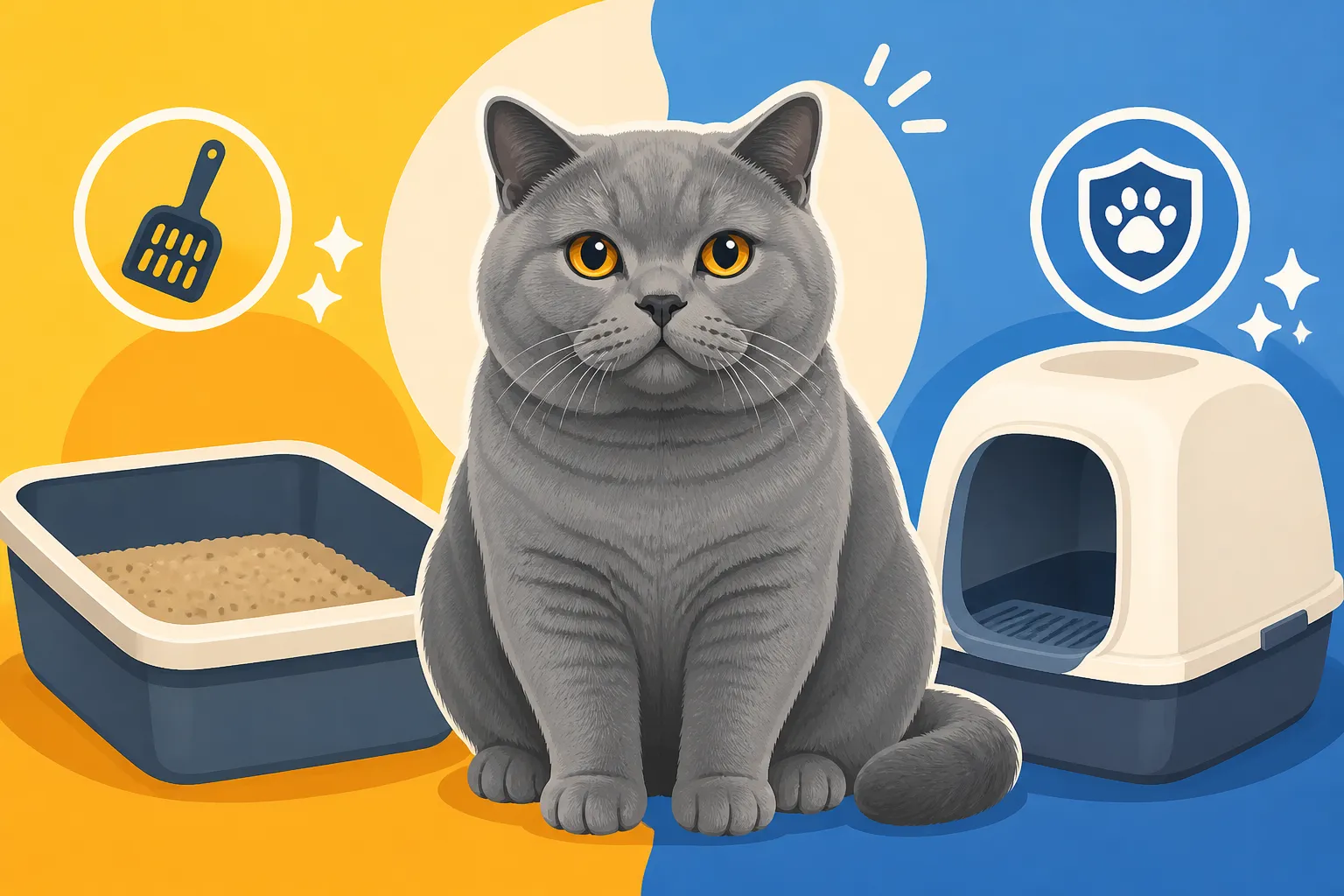
This is a hot topic among cat owners, and for a British Shorthair, the answer leans heavily towards open boxes. While a covered box might appeal to us humans for its promise of odor containment and visual discretion, it often creates a less-than-ideal environment for a large, dense-coated cat. The primary issue with covered boxes, especially those with small openings, is ventilation. A British Shorthair's thick coat can make them prone to feeling warmer, and a closed-off box quickly traps heat, humidity, and odors, turning it into an unpleasant sauna for your cat. This can be a major deterrent, making them avoid the box entirely.
Moreover, covered boxes often restrict the very movement we discussed earlier. The low ceiling and narrow entrance can make turning around or digging awkward for a cobby cat. They might hit their head, feel trapped, or struggle to get in and out, especially as they get older and less agile. Some British Shorthairs can be quite sensitive to strong smells, and a covered box concentrates odors, which can be off-putting. While you might appreciate the aesthetics, your cat prioritizes comfort and air circulation.
An open-top litter box, even a very large one, allows for much better air circulation, keeping the environment inside fresher for your cat. It also provides an easy entry and exit, which is particularly beneficial for senior British Shorthairs or those who might be Arthritis in an Older British Shorthair. If visual discretion is a concern for you, consider placing an open box within a discreet nook, behind a screen, or inside a specially designed litter box enclosure that offers plenty of internal space and air vents. The goal is to provide privacy without sacrificing comfort and airflow for your British Shorthair.
Entry Height Matters for Comfort and Accessibility
The height of the litter box entrance is another critical, yet often overlooked, factor for British Shorthairs. While kittens and adult cats in their prime can usually hop into most standard boxes without an issue, this changes as they mature and, especially, as they age. A cat with a cobby body, and especially one prone to Obesity Is the British Shorthair's Real Disease, might find a high-sided entrance challenging to navigate. Imagine having to jump over a small fence every time you need to use the toilet – it gets tiresome, or even painful, very quickly if you have stiff joints or extra weight. This is why Why a Heavy British Shorthair Needs a Low Sided Box is such a crucial consideration.
For adult British Shorthairs, a box with an entry height of around 5-7 inches is generally manageable. However, as your cat enters its senior years, or if you have a kitten just learning the ropes, a lower entry point becomes essential. Many jumbo storage bins can be modified by cutting a U-shaped dip in one side, creating an easy walk-in entrance while keeping the other sides high enough to contain litter. This provides maximum comfort and ensures accessibility, which is vital for preventing accidents due to difficulty entering the box.
If you opt for a standard high-sided box (which are great for containing litter scatter), consider placing a small, sturdy step stool or ramp outside the entrance. This allows your British Shorthair to easily step up and into the box without straining their joints or feeling uncomfortable. This foresight not only promotes good litter box habits but also contributes to your cat's overall well-being and longevity, minimizing physical stress on their hips and knees as they get older.
Selecting the Ideal Litter Material for British Shorthairs
Choosing the right litter material is almost as important as the box itself for your British Shorthair's comfort and your home's hygiene. With their dense coats and generally calm disposition, certain litters are far more suitable than others. It's not just about what smells good to us; it's about what feels good and is safe for them.
Clumping Clay: The Popular Choice and Its Considerations
Clumping clay litter remains the most popular choice for many cat owners, and it can work well for British Shorthairs, but with significant caveats. Its main advantages are its excellent clumping ability, which makes scooping urine simple and efficient, and its widespread availability. When a British Shorthair uses the box, you want tight, firm clumps that are easy to remove completely, minimizing odors and keeping the rest of the litter fresh. Many owners find brands like Dr. Elsey's or Tidy Cats offer good clumping performance.
However, the primary concern with traditional clumping clay for British Shorthairs is dust. Many varieties, especially cheaper ones, can be quite dusty. This fine dust can cling to their thick fur, particularly around their paws and hindquarters, and then be tracked throughout your home. More importantly, this dust can be irritating to their respiratory system and can be ingested during grooming. For a British Shorthair, who might spend a little more time in the box digging due to their size, the exposure to dust can be higher. Look for "99% dust-free" or "low-dust" formulations explicitly. While no litter is truly 100% dust-free, some brands are significantly better than others.
Another consideration is scent. Many clay litters come heavily perfumed to mask odors. While this might seem appealing, strong artificial fragrances can be overwhelming and even irritating to a cat's sensitive nose. Some British Shorthairs might be put off by these scents and avoid the box. Opt for unscented or very lightly scented varieties to prioritize your cat's comfort. Remember, a truly clean box with regular scooping is the best odor control, not heavy perfumes.
Silica Gel: Low Dust, High Absorption
Silica gel litter, often seen in crystal form, offers an appealing alternative, especially for British Shorthair owners concerned about dust and tracking. Its biggest advantage is its incredibly low dust content, which is a huge plus for your cat's respiratory health and for keeping your home cleaner. The crystals are also larger and less likely to cling to a British Shorthair's dense coat, reducing tracking significantly compared to fine clay litter. Brands like Fresh Step or PetSafe offer good silica gel options.
The absorption capacity of silica gel is another major benefit. These crystals are designed to absorb moisture and trap odors effectively for a longer period. While you still need to scoop solid waste daily, the urine is absorbed by the crystals, and you typically stir the litter to distribute moisture. A full litter change is needed less frequently, often every 2-4 weeks, depending on the number of cats and box size. This can be a convenience for busy owners.
However, silica gel does have its drawbacks. Some cats dislike the texture under their paws; it can feel quite different from traditional clay. The sound of the crystals shifting can also be unfamiliar. It's generally more expensive per bag than clay litter, though the extended change intervals can sometimes offset this cost. Also, if a British Shorthair is accustomed to digging extensively, they might find the silica crystals less satisfying for their natural burying instincts. If transitioning, mix it gradually with their current litter to allow them to adjust.
Natural Litters: Wood, Paper, and Corn Options
The market for natural litters has expanded significantly, offering excellent choices for British Shorthair owners looking for eco-friendly, low-dust, and often fragrance-free options. These include litters made from wood pellets, recycled paper, corn, or even walnut shells. Each type has its own set of pros and cons, but they generally shine in areas where clay litters fall short for British Shorthairs.
Wood pellet litter, for instance, is highly absorbent, naturally deodorizing, and virtually dust-free. It has a distinctive woody scent that is natural and usually well-tolerated by cats. The pellets break down into sawdust when wet, which some cats find less appealing for digging, but others don't mind. Recycled paper litter is another very low-dust option, often soft on paws, and excellent for cats with respiratory sensitivities. It's often non-clumping, which means you'll need to change the entire box more frequently, but clumping paper options are becoming more available.
Corn and walnut-based litters offer good clumping ability, natural odor control, and are often very low in dust. They tend to be softer on paws than wood pellets or silica gel. Brands like World's Best Cat Litter (corn-based) or Naturally Fresh (walnut-based) are popular choices and can be found at retailers like Amazon or Chewy. The primary considerations for these natural options are usually cost (they can be more expensive) and sometimes a slightly different texture that some cats might need time to adjust to. With a British Shorthair's dense coat, the low dust and reduced tracking benefits of these natural litters are often well worth exploring.
Here's a quick comparison of common litter types for your British Shorthair:
| Litter Type | Dust Level | Odor Control | Clumping Ability | Texture for Paws | Cost | Notes |
|---|---|---|---|---|---|---|
| Clumping Clay | Moderate-High | Good | Excellent | Fine, granular | Low-Moderate | Look for "99% dust-free" and unscented versions. Good for scooping but can track. |
| Silica Gel | Very Low | Excellent | Absorbs, doesn't clump liquid | Crystals, coarser | Moderate-High | Great for dust and odor, less tracking. Some cats dislike texture. |
| Wood Pellets | Very Low | Excellent | Non-clumping/Breaks down | Soft (when dry) | Moderate | Natural woody scent, absorbent. Requires full changes more often if non-clumping. |
| Corn-based | Low | Good | Excellent | Soft, granular | Moderate-High | Natural, biodegradable, good clumping. Can have a natural earthy smell. |
| Recycled Paper | Very Low | Moderate | Variable | Soft, light | Moderate | Very gentle on paws, highly absorbent. May require more frequent full changes depending on clumping type. |
Strategic Placement and Number of Litter Boxes
It’s easy to think of a litter box as just a functional item, something to tuck away out of sight. However, for your British Shorthair, its placement and the number of boxes available are critical to their happiness and your home's cleanliness. Getting this right can prevent many common behavioral issues before they even start.
The "N+1" Rule: Ensuring Enough Options
This is perhaps the most fundamental rule in multi-cat households, but it also has strong merits even for single British Shorthairs: always have "N+1" litter boxes, where N is the number of cats. So, if you have one British Shorthair, you should aim for at least two litter boxes. If you have two cats, aim for three. This isn't just about having backups; it's about providing choice and reducing potential stress or competition.
Even a solo British Shorthair benefits from having multiple boxes. Cats often have preferences; one box might be designated for urine, another for feces. Or perhaps they prefer a certain location at different times of the day. Having a choice means they are less likely to be "holding it" or feeling forced to use a box they'd rather avoid for some reason (e.g., if it's just been used and they prefer a fresh spot). For a large breed that spends a fair amount of time sleeping, having boxes on different floors of a multi-story home, or in different parts of a large single-story home, makes access easier and more convenient. This is particularly important for older cats who might have Arthritis in an Older British Shorthair and find navigating stairs or long distances challenging.
For multi-cat homes with British Shorthairs, the N+1 rule is non-negotiable. Even if your British Shorthair is famously placid, they might not appreciate sharing a single litter box with another feline, regardless of how friendly they are. Scent marking and territorial instincts are powerful, and forcing cats to share too few resources can lead to stress, avoidance, and inappropriate elimination. Adequate box provision ensures each cat feels secure and has clean options available, significantly reducing the likelihood of litter box aversion or territory disputes.
Privacy and Accessibility: Where to Put the Boxes
Once you have the right number of boxes, the next step is strategic placement. For a British Shorthair, privacy and accessibility are paramount. Remember their calm demeanor; they appreciate a quiet, undisturbed environment for their bathroom needs. This means avoiding high-traffic areas like busy hallways or living rooms where people are constantly passing by or loud noises occur. A laundry room might seem like a good spot, but the sudden noise of a washing machine or dryer starting can be startling and off-putting.
Ideal locations include quiet corners of rooms, spare bathrooms, under stairwells (if well-lit and easily accessible), or even in a spacious closet with the door propped open. The key is to find spots where your British Shorthair can feel safe and unhurried while doing their business. They should be able to approach, enter, use, and exit the box without feeling trapped or exposed. Avoid placing boxes directly next to their food and water bowls; cats naturally prefer to keep these areas separate.
Accessibility also means considering your cat's physical capabilities. If you have a multi-level home, ensure there's at least one box on each floor your British Shorthair frequents. For older cats or those with mobility issues, placing boxes in easily reachable spots, perhaps with lower sides or a ramp, is crucial. Regularly checking How Often an Old British Shorthair Needs Weighing might also clue you into health changes that necessitate more accessible litter box setups. The goal is to make using the litter box as easy and stress-free as possible, encouraging consistent good habits.
Avoiding Problematic Locations (Noisy, High-Traffic)
Placing a litter box in a problematic location is a surefire way to invite trouble with any cat, and especially with a British Shorthair who values their peace and quiet. High-traffic areas are generally the worst offenders. Imagine trying to relax in a public restroom with people constantly coming and going, maybe even staring or making loud noises. That's essentially what you're asking your cat to do if their box is in a busy hallway, a child's playroom, or right next to a frequently used doorway. Your British Shorthair will likely feel vulnerable, exposed, and quickly develop an aversion to the box.
Noisy environments are another major no-go. Areas near loud appliances like washing machines, dryers, dishwashers, or even a booming television can make a cat feel uneasy. The sudden, unpredictable sounds can startle them mid-use, creating a negative association with the litter box location. Even if the noise isn't constant, the potential for it can be enough to make them seek out quieter alternatives for elimination, often to your carpet's detriment.
Finally, think about extreme temperatures. Placing a litter box in a cold, drafty garage or a hot, stuffy utility closet can make the experience uncomfortable for your British Shorthair. Their dense coat means they regulate temperature a bit differently, and they will seek out comfortable ambient temperatures. Just as you wouldn't want to use an uncomfortable toilet, your cat will avoid a litter box that is too hot or too cold. Always prioritize your British Shorthair's comfort and sense of security when choosing litter box spots, and you'll be rewarded with consistent use.
Maintaining Litter Box Hygiene and Routine
Keeping the litter box clean isn't just about controlling odors; it's fundamental to your British Shorthair's health and happiness. Cats are naturally fastidious creatures, and a dirty box is a leading cause of inappropriate elimination. For a large, dense-coated breed like the British Shorthair, a rigorous cleaning routine is even more vital.
Daily Scooping is Non-Negotiable
This is the golden rule of litter box management for any cat, but especially when you have a British Shorthair. Their size means they produce more waste than smaller breeds, and a dirty box becomes unappealing very quickly. Daily scooping, at least once, but ideally twice a day, is absolutely non-negotiable. This involves removing all urine clumps and solid waste. Neglecting this leads to a buildup of odor, bacteria, and a completely unhygienic environment that your British Shorthair will likely reject.
Think about it from their perspective: would you want to step into a toilet that hasn't been flushed? Of course not! Your British Shorthair, with their keen sense of smell, feels the same way. A box that isn't scooped regularly can become so offensive that your cat starts looking for alternative, cleaner places to go – like your rugs, potted plants, or laundry piles. This isn't spite; it's a desperate attempt to find a clean place to relieve themselves.
Regular scooping also helps you monitor your British Shorthair's health. Changes in urine volume, stool consistency, or frequency of use can be early indicators of health issues such as Urinary Problems in a British Shorthair or Why a British Shorthair Gets Constipated. Catching these changes early can mean the difference between minor intervention and a serious veterinary emergency. A good quality metal scooper, rather than flimsy plastic, will make the job much more efficient and effective, especially with large, heavy clumps.
Deep Cleaning Schedule for British Shorthair Boxes
While daily scooping handles the immediate waste, a more thorough deep cleaning is essential to prevent bacterial buildup and lingering odors that even the best clumping litter can't entirely mask. For a British Shorthair's litter box, you should aim for a complete litter change and box wash at least once every 2-4 weeks. If you have multiple cats using the same box, or if the box is smaller than ideal, you might need to do this more frequently.
The deep cleaning process involves completely emptying all the old litter, scrubbing the box thoroughly with warm water and a mild, unscented soap. Avoid harsh chemical cleaners, ammonia-based products, or strong disinfectants, as these can leave residues or odors that are toxic or repulsive to cats. A simple dish soap or a diluted vinegar solution works perfectly. Rinse the box thoroughly until no soap residue or smell remains, then allow it to air dry completely before refilling with fresh litter. This ensures there's no residual moisture that could encourage bacterial growth.
If you notice a persistent odor even after deep cleaning, it might be a sign that the plastic box itself has absorbed too much smell and porosity, and it's time to replace it. Plastic is absorbent, and over time, cat urine can seep into micro-scratches and pores, making it impossible to truly sanitize. Having a rotation of boxes, or using durable, non-porous materials where possible, can extend the life of your litter box setup.
Addressing Odor Control Without Overpowering Scents
Odor control is a major concern for most cat owners, especially with larger breeds like British Shorthairs. The best odor control strategy begins with vigilant daily scooping and regular deep cleaning, as mentioned above. Removing the source of the odor immediately is far more effective than trying to mask it. Good quality, highly absorbent clumping litter (or an effective alternative like silica gel or corn litter) also plays a crucial role by trapping odors at the source.
When considering additional odor control, be very wary of heavily scented litters, air fresheners, or deodorizers that you sprinkle into the litter. While these might smell pleasant to human noses, they can be incredibly irritating and off-putting for your British Shorthair. Cats have a much more sensitive sense of smell, and artificial fragrances can cause them to avoid the litter box entirely. Some chemicals in these products can also be harmful if ingested during grooming. Always prioritize your cat's comfort over your desire for a lemon-fresh bathroom.
If you feel you need extra odor neutralization, consider activated charcoal inserts that can be placed near the litter box but not in it, or simply ensure good ventilation in the area where the boxes are kept. Baking soda, sprinkled lightly on the bottom of the clean box before adding litter, can be a safe and effective natural deodorizer. The key is subtlety and ensuring that any efforts to control odor don't inadvertently deter your British Shorthair from using their designated facilities.
Troubleshooting Common Litter Box Issues with British Shorthairs
Even with the perfect setup, sometimes issues arise. British Shorthairs, despite their generally easygoing nature, can develop litter box problems. Understanding the potential causes and how to address them is crucial to maintaining a harmonious household.
When a British Shorthair Misses the Box
Finding a puddle or solid waste outside the litter box can be incredibly frustrating, but it's vital to remember that a cat not using the litter box is almost never "spite." It's a clear signal that something is wrong. For a British Shorthair, there are several common culprits when they miss the box. First, revisit the box size and type. Is it truly large enough for them to be comfortable? Does it offer enough privacy without being too enclosed? Is the entry height still appropriate, especially if they've gained weight or are aging? How to Tell a Chunky British Shorthair From a Fat One isn't just about appearance; it's about mobility.
Next, consider the cleanliness. Have you been diligent with daily scooping? Is it time for a deep clean and fresh litter? A British Shorthair will absolutely avoid a dirty box. The type of litter itself could also be an issue – is it too dusty, too heavily scented, or does it have an unpleasant texture under their paws? Cats can develop sudden aversions to litter they once used. Gradual changes are key if you suspect the litter is the problem.
Finally, and perhaps most importantly, rule out any underlying medical conditions. Urinary Problems in a British Shorthair like UTIs or bladder stones can cause pain during urination, leading the cat to associate the box with discomfort and seek other places. Arthritis can make it painful to get into and out of the box, or to squat. A vet visit for a full check-up should always be your first step when a British Shorthair starts eliminating outside the box, even if you suspect a behavioral cause. This ensures their physical well-being is addressed first.
Sudden Changes in Litter Box Habits
A sudden change in litter box habits, such as going more frequently, straining, or avoiding the box altogether, is a red flag that demands immediate attention. While behavioral issues are possible, medical problems are often the root cause for British Shorthairs. As mentioned, urinary tract infections are common and cause pain and discomfort, leading to urgency or avoiding the box. Signs a British Shorthair Is Unwell often include changes in litter box use.
Another medical culprit could be constipation or diarrhea. If your British Shorthair is straining and producing hard, dry stools, or conversely, having very loose stools, this can lead to discomfort and avoidance of the box. Why a British Shorthair Gets Constipated can be due to diet, dehydration, or other issues, and needs veterinary assessment. Digestive upset can make the box an unpleasant place.
Stress and anxiety, though less common as primary drivers for British Shorthairs than medical issues, can also manifest as changes in litter box habits. A new pet, a house move, a change in routine, or even construction noise outside can trigger anxiety. If medical causes have been ruled out, then you can explore environmental factors. Ensure plenty of litter boxes (N+1 rule!), that they are clean, and in quiet, secure locations. Provide extra comfort and reassurance during periods of change.
The Link Between Obesity and Litter Box Accessibility
Obesity is a serious and prevalent issue in British Shorthairs, largely due to their love of food and low activity levels. Obesity Is the British Shorthair's Real Disease and it dramatically impacts their quality of life, including their ability to comfortably use a litter box. An overweight British Shorthair might struggle to climb over high sides, turn around in a standard box, or even squat properly. This physical discomfort can directly lead to accidents outside the box.
If your British Shorthair is overweight or obese, immediately assess your litter box setup. You absolutely need extra-large, open-top boxes with very low entry points. Consider using storage tubs with one side cut down to create a walk-through entrance. The goal is to make access as effortless as possible. A cat that is in pain or physically struggling will find an easier, more accessible spot, even if it's your pristine carpet.
Addressing the obesity itself is also paramount. Work with your vet to implement a safe and effective weight loss plan. How to Put a British Shorthair on a Diet often involves portion control and encouraging gentle play. As your British Shorthair loses weight, their mobility will improve, and their comfort in the litter box will naturally increase. Until then, make every effort to accommodate their current physical limitations to prevent inappropriate elimination and further stress.
Special Considerations for British Shorthair Kittens and Seniors
The needs of a British Shorthair aren't static throughout their lives. Their journey from a tiny, clumsy kitten to a majestic, sometimes arthritic senior requires adjustments to their litter box setup. Foresight in these areas can prevent problems before they start.
Kitten-Friendly Litter Boxes and Litters
Bringing home a British Shorthair kitten is an exciting time, but their tiny size and developing coordination require specific litter box considerations. While you might be tempted to get a regular-sized box, kittens, especially very young ones, need ultra-low entry points. They're still learning to navigate their world, and a high-sided box can be an insurmountable hurdle. A small, shallow tray or even a disposable aluminum roasting pan can serve as an excellent temporary kitten litter box. As they grow, you can gradually introduce slightly higher sides, but always ensure easy access.
Litter choice for kittens is also crucial. Avoid clumping clay litters for very young kittens. They are naturally curious and prone to mouthing or even eating things, and ingesting clumping litter can cause severe gastrointestinal blockages. Stick to non-clumping, natural litters like recycled paper pellets or shredded paper for the first few months. These are safe if ingested in small amounts and are soft on delicate kitten paws. Once they are a bit older and reliably no longer mouth their litter (typically around 3-4 months), you can slowly transition to a low-dust, clumping litter if preferred, mixing it gradually with their current litter.
Placement is also key for kittens. Keep their litter box easily accessible and relatively close to their primary living and play areas. They have tiny bladders and aren't always able to hold it for long or travel far distances. As they gain confidence and control, you can gradually move boxes to more discreet locations, following the N+1 rule. Training a British Shorthair kitten to use the litter box is generally straightforward due to their natural instincts, but making it as easy as possible for them ensures quick success.
Adapting for the Aging British Shorthair
As your British Shorthair enters its senior years, typically around the age of 10-12, their physical capabilities will inevitably change. The Age a British Shorthair Is Considered Senior means it's time to start thinking proactively about their comfort and accessibility. Arthritis is a common concern in older cats, and those magnificent, heavy bodies of British Shorthairs can put extra strain on their joints. A litter box with high sides that was once easy to hop into can become a painful barrier.
Transition to litter boxes with very low entry points. As mentioned earlier, large storage bins with a cut-out section for a walk-through entrance are ideal. You might also need to increase the number of boxes, placing them closer to where your senior British Shorthair spends most of their time, especially near their favorite sleeping spots. If they're struggling to make it to a box on a different floor, add one where they can easily reach it.
Their coat might also become less easy to groom as they age, especially if they are stiff or overweight. Why an Aging British Shorthair Stops Grooming means that even low-dust litter can accumulate more easily. Regular, gentle combing and careful litter choices become even more important to prevent dingleberries or matting around the hindquarters. Ensure the litter material is soft on their often-arthritic paws. Soft, fine-grained litters or paper pellets might be preferred over coarse crystals or large wood pellets.
Medical Conditions Affecting Litter Box Use
Beyond age-related mobility issues, several medical conditions commonly seen in British Shorthairs can directly impact their litter box habits. We've already touched on urinary tract infections and constipation, but there are others. Kidney disease, for example, can lead to increased thirst and urination, meaning your cat will need to go to the bathroom more frequently and produce more urine. This necessitates more frequent scooping and potentially even more boxes to accommodate the increased output.
Diabetes in a British Shorthair, particularly if uncontrolled, can also lead to excessive urination and thirst. Diabetes in a British Shorthair can profoundly affect their routine and comfort. If your cat is suddenly producing much larger clumps of urine, it's a sign to get them to the vet for a check-up. Any sudden change in output, either an increase or a decrease, warrants veterinary attention.
Cognitive dysfunction, or "feline dementia," can also affect older British Shorthairs, leading to disorientation and forgetting where the litter box is. In these cases, increasing the number of boxes, placing them in highly visible and easily accessible locations, and maintaining a consistent routine become incredibly important. While it's never fun to deal with accidents, understanding that they stem from a physical or medical cause, rather than naughtiness, helps you approach the situation with empathy and provide the best care for your beloved British Shorthair.
Disclaimer
This article is for general informational purposes only and does not constitute professional advice. Laws, prices and regulations vary by location and change over time. Consult a qualified professional for guidance on your specific situation.