Why a British Shorthair Gets Constipated
Few things are quite as worrying for a cat parent as seeing your beloved British Shorthair straining in the litter box, clearly uncomfortable and getting nowhere. It’s a frustrating and often painful experience for them, and it leaves us feeling helpless, wondering what’s going on inside and how we can bring them relief. This guide is here to walk you through why British Shorthairs, with their unique physiology and often laid-back lifestyles, are particularly prone to constipation, how to spot the signs, and most importantly, what steps you can take to prevent and treat this common issue.
Understanding Constipation in Your British Shorthair
When your furry, round-faced companion isn't having regular, comfortable bowel movements, it's a sign that something is amiss in their digestive system. Constipation isn't just a minor inconvenience; it can lead to significant discomfort and, if left unaddressed, serious health complications for your British Shorthair.
What Constipation Looks Like in a British Shorthair
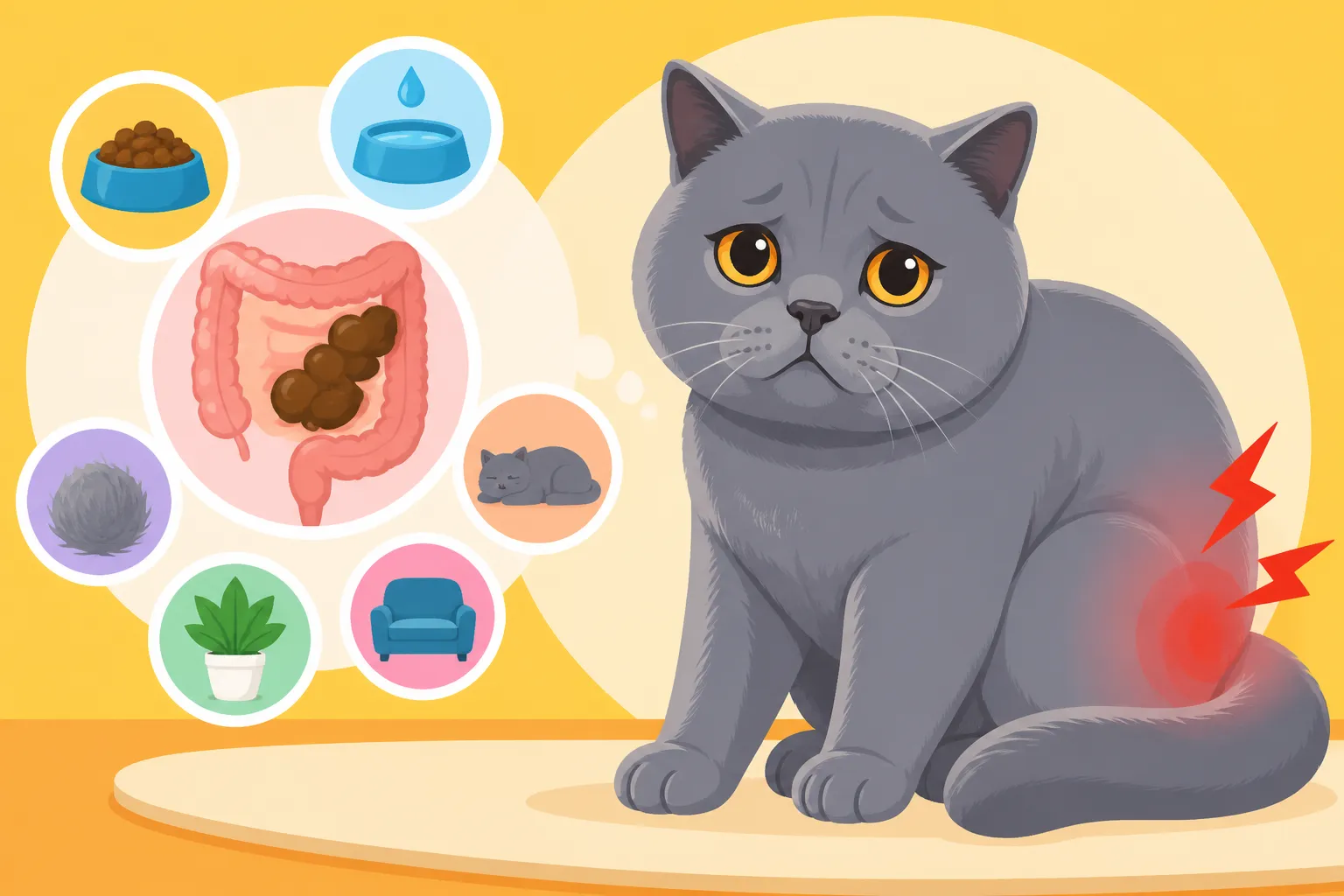
Spotting constipation in a British Shorthair can be tricky because, like many cats, they're experts at hiding their discomfort. However, there are several key indicators that something might be wrong. The most obvious sign is a change in their litter box habits. You might notice your British Shorthair going into the litter box frequently, assuming the position, and straining for a long time without producing much, or anything at all. Sometimes, you might hear them vocalizing – a low growl or a strained meow – which is a clear cry for help given how quiet these cats usually are.
When they do manage to pass stool, it will likely be very hard, dry, and often small, pebble-like pieces. Normal cat stool should be well-formed but pliable, like Play-Doh. If it's rock-hard, that's a red flag. Beyond the litter box, you might observe a decrease in their appetite, or a general lethargy that's more pronounced than their usual calm demeanor. They might become withdrawn, less interested in interaction, or even show signs of abdominal discomfort if you try to pet their belly. Recognizing these subtle shifts is crucial, especially for a breed known for its stoicism.
It's also important to differentiate between an occasional hard stool and true constipation, which is a persistent problem. If your cat hasn't had a bowel movement in 24-48 hours, or if they are consistently straining, it's time to take action. Left unchecked, constipation can progress to obstipation, a severe form where the colon becomes so impacted that the cat can no longer pass stool, even with extreme effort. This can then lead to megacolon, a chronic and debilitating condition where the colon loses its ability to contract and push waste through.
Why Constipation Is a Serious Concern
For a British Shorthair, chronic or severe constipation isn't just about discomfort; it poses significant risks to their overall health. First and foremost, the prolonged presence of fecal matter in the colon leads to further dehydration of the stool, making it even harder to pass. This creates a vicious cycle that exacerbates the problem. The constant straining can also lead to secondary issues, such as rectal prolapse, where part of the rectum protrudes from the anus, or even perineal hernias.
Beyond the physical strain, the toxins absorbed from retained waste can make your cat feel generally unwell, leading to nausea, vomiting, and a complete loss of appetite. When a cat stops eating, especially for more than a day or two, they are at risk of developing hepatic lipidosis, or fatty liver disease, a life-threatening condition where the liver becomes overwhelmed with fat. This is particularly dangerous for British Shorthairs who are already predisposed to obesity.
The chronic pain and discomfort associated with constipation can also impact their mental well-being, leading to increased stress and a decrease in their quality of life. Owners might initially dismiss straining as a minor issue, but it's a clear signal that the body's natural waste elimination process is severely compromised. Early recognition and intervention are key to preventing these more severe outcomes and ensuring your beloved British Shorthair remains healthy and happy.
Common Causes Behind British Shorthair Constipation
British Shorthairs, with their distinctive features and laid-back personalities, have a few traits that can unfortunately make them more susceptible to constipation. Understanding these specific vulnerabilities is the first step toward prevention and effective management.
Dietary Factors and Hydration
One of the primary culprits behind constipation in British Shorthairs often lies in their diet and, crucially, their water intake. Many commercial dry cat foods, while convenient, can be very low in fiber, which is essential for maintaining healthy bowel motility. Fiber adds bulk to the stool, making it easier to pass, and helps retain water. If your British Shorthair is primarily on a dry kibble diet without sufficient supplementary moisture, they might not be getting enough of this vital component.
Furthermore, British Shorthairs are notoriously poor drinkers. They often prefer still water and might not drink enough from a static bowl, leading to chronic dehydration. Their dense, plush coats, while beautiful, don't help matters as they can contribute to increased internal heat, subtly raising their need for water without them actively seeking it out. When the body is dehydrated, it tries to reabsorb as much water as possible from the colon, resulting in hard, dry stools that are difficult and painful to pass. This is why paying attention to How Much Water a British Shorthair Should Drink is so important.
An exclusive dry food diet without a counterbalancing wet food component can also worsen dehydration. Wet food, by its very nature, provides a significant amount of moisture, helping to keep stools soft and easy to pass. This is a topic we delve into further when discussing Whether Wet Food Keeps a British Shorthair Slimmer, as moisture content is a huge factor in digestive health and weight management. Sudden changes in diet, introducing new foods too quickly, or even giving too many inappropriate treats can also upset their sensitive digestive system, leading to temporary constipation.
Hairballs and Grooming Habits
The magnificent, dense, and "crisp" coat of a British Shorthair is one of its most defining features. However, this beautiful coat comes with a significant digestive challenge: hairballs. As British Shorthairs groom themselves, they inevitably swallow loose fur. While a certain amount of ingested hair is normal for any cat, the sheer density of a British Shorthair's coat, as explained in Why a British Shorthair's Coat Feels Crisp, means they ingest a considerable amount.
If this ingested hair isn't passed efficiently through the digestive tract, it can accumulate in the stomach or intestines, forming a hairball. These hairballs, especially large ones, can act like a blockage, impeding the normal flow of food and waste, leading directly to constipation. Their generally low activity level also plays a role here. Unlike more energetic breeds that might have a more active digestive system, a British Shorthair's sedentary nature means gut motility might be slower, making it harder to push hairballs through.
The problem is further compounded if your British Shorthair is overweight. An obese cat might struggle to groom certain areas of its body, particularly its back, leading to matted fur and even more ingested hair. If you've ever wondered Why an Overweight British Shorthair Stops Grooming Its Back, this is part of the challenge. This combination of a thick coat, often sedate lifestyle, and potential for obesity creates a perfect storm for hairball-induced constipation.
Lifestyle and Environmental Stressors
Beyond diet and grooming, a British Shorthair's lifestyle and environment can significantly influence their digestive regularity. These cats are known for being calm and generally quite independent, but their low-energy disposition can be a double-edged sword. While it makes them wonderful, laid-back companions, their sedentary nature, often discussed in relation to How Active a British Shorthair Is, means they don't get a lot of physical activity. Lack of movement can slow down gut motility, making the digestive process less efficient and increasing the likelihood of constipation. Exercise helps stimulate the intestinal muscles, aiding the passage of waste.
Environmental factors can also play a subtle yet powerful role. Stress and anxiety, even in a seemingly serene British Shorthair, can impact their digestive system. Changes in their routine, the introduction of a new pet, moving to a new home, or even a sudden change in their owner's schedule can cause stress, which can manifest as digestive upset, including constipation. British Shorthairs are creatures of habit, and disruptions can throw them off balance.
Litter box issues are another critical, often overlooked, cause. If a British Shorthair finds their litter box unappealing – perhaps it's not clean enough, too small, or located in a noisy, high-traffic area – they might try to hold their stool for as long as possible. This reluctance to use the box can lead to the stool becoming harder and drier, making it more difficult to pass when they finally do go. Ensuring you have an appropriately sized and maintained litter box is key, a topic explored further in Which Litter Box Size a British Shorthair Needs.
Underlying Health Conditions
Sometimes, constipation isn't just about diet or lifestyle; it can be a symptom of a more serious underlying health issue. British Shorthairs are generally a healthy breed, but like all cats, they can develop conditions that affect digestion.
Obesity is a major concern for British Shorthairs, given their propensity to gain weight. Obesity Is the British Shorthair's Real Disease for a reason. Excessive weight can put pressure on internal organs, including the colon, and significantly reduce a cat's mobility, making it harder for them to comfortably posture in the litter box or even move enough to stimulate healthy digestion.
Older British Shorthairs might develop arthritis, which makes bending and squatting in the litter box painful. If it hurts to go, they might hold it, leading to constipation. This is a common issue as they age, as detailed in discussions about Arthritis in an Older British Shorthair. Similarly, neurological disorders affecting the nerves in the colon can impair its ability to contract and move waste along.
Kidney disease is another critical concern. As kidneys fail, cats often become dehydrated, and this systemic dehydration directly contributes to hard, dry stools. Monitoring Signs a British Shorthair's Kidneys Are Failing can help identify this link. Other conditions, like hyperthyroidism (especially in older cats, as discussed in Hyperthyroidism in an Older British Shorthair), can alter gut motility, although it more commonly causes diarrhea, it can sometimes lead to constipation or fluctuating bowel habits. Diabetes, inflammatory bowel disease, tumors, or even enlarged anal glands can also be culprits. Certain medications, such as those for pain relief or allergies, can also have constipation as a side effect. It's crucial not to self-diagnose but to seek veterinary advice if you suspect an underlying health problem.
Diagnosing and Treating Constipation
When your British Shorthair is struggling with constipation, knowing when to get professional help and what to expect can ease your worry and lead to faster relief for your feline friend. Don't delay—early intervention is always best.
When to Seek Veterinary Care
It’s completely understandable to try a few home remedies when you first notice your British Shorthair having a slightly harder stool or minor straining. However, there are definite red flags that indicate it's time to call your veterinarian immediately. If your cat hasn't had a bowel movement in 24-48 hours, or if they are straining excessively without producing any stool, that's a serious concern. Beyond this, look out for other signs of distress: repeated vomiting, lethargy, loss of appetite, abdominal pain (they might react negatively if you try to touch their belly), or if they generally seem unwell.
British Shorthairs are particularly stoic and often hide pain, so if you notice any of these more pronounced symptoms, it means they are likely in significant discomfort. Waiting it out can allow the problem to escalate, potentially leading to obstipation or megacolon, which are much harder and more painful to treat. Never underestimate constipation in a cat; it can quickly become a medical emergency. A quick call to your vet can provide peace of mind and, more importantly, get your cat the help they need before the situation becomes critical.
What to Expect at the Vet
When you take your British Shorthair to the vet for constipation, the first step will typically be a thorough physical examination. Your vet will gently palpate your cat's abdomen to feel for impacted stool in the colon and assess for any tenderness or masses. They'll also check for dehydration. Sometimes, a rectal exam might be performed, especially if anal gland issues are suspected.
To get a clearer picture, your vet will likely recommend diagnostic tests. X-rays are very common and highly effective for visualizing the extent of fecal impaction in the colon, as well as ruling out other obstructions like foreign bodies or tumors. Blood tests may also be recommended to check for underlying systemic diseases that could be contributing to constipation, such as kidney disease or hyperthyroidism. These tests can reveal if there are metabolic imbalances that need to be addressed. For instance, testing for issues like Hyperthyroidism in an Older British Shorthair is crucial, as hormonal imbalances can affect digestion.
Your vet will also ask you detailed questions about your cat’s diet, litter box habits, hydration, and any recent changes in their routine or environment. Be prepared to discuss everything from the type of food they eat to how often you see them drink water. Diagnostics and treatment, especially for chronic issues, can add up, but knowing that you're proactively managing your cat's health can make a huge difference. Pet insurance providers like Healthy Paws can be a great option for helping to mitigate the costs of unexpected veterinary care, including extensive diagnostics and ongoing treatment for conditions like constipation.
Treatment Options
Once your veterinarian has diagnosed the cause and severity of your British Shorthair's constipation, they will formulate a treatment plan tailored to your cat's specific needs. For mild cases, dietary adjustments might be the first line of defense. This often involves increasing fiber content through supplements like psyllium husk or canned pumpkin, or transitioning to a prescription high-fiber diet. Increasing moisture intake is also critical, typically by switching to a wet food diet or adding water to their current food.
For more moderate to severe cases, medical interventions may be necessary. Stool softeners like Lactulose or Miralax (polyethylene glycol) are commonly prescribed to help draw water into the colon, softening the stool and making it easier to pass. Prokinetic drugs, such as Cisapride, might be used to stimulate the muscles of the colon to encourage more effective contractions and movement of waste. Enemas, administered by the vet, can provide immediate relief by softening and flushing out impacted stool from the lower colon. It’s absolutely vital that you never attempt to give your cat an enema at home with human products, as many are toxic to felines.
In very severe situations, particularly if the cat is obstipated or developing megacolon, manual de-obstipation may be required. This procedure involves removing the impacted stool manually under sedation or anesthesia, as it can be quite painful. Once the immediate crisis is resolved, the focus will shift to managing the underlying cause and implementing long-term preventative strategies to avoid recurrence. This might include ongoing medication, specialized diets, and addressing any chronic health conditions that predispose your British Shorthair to constipation.
Preventing Constipation: Proactive Care for Your British Shorthair
Prevention is always better than cure, especially when it comes to something as uncomfortable as constipation. With a British Shorthair, a proactive approach to their diet, hydration, grooming, and lifestyle can make all the difference in keeping their digestive system running smoothly.
Optimizing Diet and Hydration
One of the most impactful changes you can make to prevent constipation in your British Shorthair is to optimize their diet and ensure they are consistently well-hydrated. Many veterinarians and breeders advocate for a diet rich in wet food. Wet food naturally provides a higher moisture content, which is crucial for soft, easily passable stools. If a complete switch isn't feasible, try to incorporate wet food into at least one meal a day or mix a little water into their dry kibble.
Adding appropriate fiber can also be incredibly helpful. Small amounts of plain, canned pumpkin (not pumpkin pie filling!) or a veterinarian-approved psyllium husk supplement can work wonders. Always introduce new dietary elements gradually to avoid upsetting their stomach. To encourage water intake, try using a feline-friendly water fountain, which many cats prefer over still water bowls because of the movement and aeration. Placing multiple water bowls in different locations around the house, some ceramic or glass, others stainless steel, can also entice them. You can even add a tiny splash of tuna juice (in water, not oil) to their water bowl to make it more appealing. Remember that Portion Control Is the Whole Job With a British Shorthair for overall health, and this also plays into digestive regularity by preventing obesity-related mobility issues.
Regular Grooming and Hairball Management
Given the British Shorthair's dense, plush coat, consistent grooming is non-negotiable for preventing hairball-related constipation. Aim for daily combing, especially during shedding seasons. A good quality metal comb with both fine and wide teeth, such as a sturdy Healthy Paws branded comb, is often more effective than a brush at reaching the undercoat and removing loose hairs before your cat can ingest them. We discuss the specifics of what tools work best in Which Comb a British Shorthair Needs.
During periods of heavy shedding, which often occur a couple of times a year, sometimes referred to as The Two Weeks a British Shorthair Drops Its Undercoat, you might need to increase combing frequency. Regular grooming not only reduces ingested hair but also helps to keep their coat healthy and free of mats, which can be uncomfortable and further impede their own grooming efforts. There are also various hairball remedies available, from specialized diets designed to help hair pass through, to palatable gels and chews that lubricate the digestive tract. Discuss with your vet which hairball management product would be most suitable for your British Shorthair, keeping in mind their individual needs and preferences.
Encouraging Movement and Environmental Enrichment
Even though British Shorthairs are not known for their boundless energy, encouraging regular physical activity is vital for stimulating healthy digestion. A sedentary lifestyle directly contributes to slow gut motility, so getting your British Shorthair off the sofa, even for short bursts, is important. This doesn't mean you need to turn them into an acrobat; even gentle play can make a difference. We explore strategies for Getting a Low Energy British Shorthair to Move in more detail.
Invest in interactive toys like wand toys, laser pointers (used carefully and always ending with a tangible reward), or puzzle feeders that dispense treats. Daily play sessions of 10-15 minutes can significantly help. While they might not be avid climbers, consider sturdy cat trees with wide platforms or ramps for older cats to encourage some vertical movement and exploration. A comfortable, clean, and easily accessible litter box in a quiet location is also paramount. If their litter box is unappealing or difficult to enter due to high sides, they might hold their waste, leading to constipation. Ensure the box is appropriate for their size and weight, and scooped frequently.
Routine Veterinary Care and Monitoring
Regular veterinary check-ups are fundamental to a proactive approach to your British Shorthair's health, including preventing constipation. These routine visits allow your vet to monitor your cat's overall health, catch any subtle changes early, and address potential issues before they become serious. During an annual (or biannual for seniors) wellness exam, your vet will perform a physical assessment, including palpating the abdomen to check for any abnormalities in the digestive tract. This is a great time to ask questions about your cat’s digestive habits, stool consistency, and overall well-being. Keeping up with How Often a British Shorthair Needs a Wellness Exam is crucial for catching problems before they spiral.
Blood work, especially for older British Shorthairs, can help detect underlying conditions like kidney disease, diabetes, or hyperthyroidism that could contribute to constipation. If your cat has a history of constipation, your vet might recommend more frequent check-ups or specific dietary and lifestyle adjustments to manage the issue. Don't hesitate to discuss any changes you've noticed in your cat's eating habits, energy levels, or litter box routine. Early detection and management of any health issues are key. And remember, having pet insurance like Healthy Paws can provide peace of mind, ensuring you're financially prepared for any necessary diagnostics, treatments, or long-term care plans your veterinarian recommends to keep your British Shorthair thriving.
Disclaimer
The information provided in this article is for general informational purposes only and is not a substitute for professional veterinary advice. Always consult with a qualified veterinarian for any health concerns or before making any decisions related to your pet's health and treatment.