Obesity Is the British Shorthair’s Real Disease
It’s a heartbreaking sight that's become far too common: a British Shorthair, revered for its robust, teddy bear physique, slowly but surely becoming genuinely overweight. Many of us, myself included, have fallen into the trap of admiring their natural heft and not recognizing when "chunky" crosses the line into unhealthy "fat." The truth is, obesity isn't just a cosmetic issue for our beloved round-faced companions; it's arguably the most insidious and widespread health challenge they face, silently chipping away at their lifespan and quality of life. This comprehensive guide will delve deep into why British Shorthairs are so prone to weight gain, how to spot the signs, and, most importantly, how to reclaim their health and vitality.
Understanding the British Shorthair's Predisposition to Weight Gain
Let's be honest, those adorable round faces and sturdy bodies are part of what draws us to British Shorthairs. But what many owners don't realize is that these very characteristics, combined with their inherent temperament, create a perfect storm for weight gain. It’s not just about overfeeding; it’s a complex interplay of genetics, metabolism, and lifestyle that puts them at a higher risk than many other breeds.
The Sedentary Lifestyle Factor
One of the biggest culprits in British Shorthair obesity is their wonderfully calm and composed nature. Unlike some other breeds that are constantly zooming around, these cats are masters of relaxation. They're content to lounge on a sunny windowsill, observe the world from a comfortable perch, or simply nap for hours on end. While this makes them ideal companions for quiet households, it also means they naturally burn fewer calories.
Think about it: a cat that barely moves beyond the food bowl and the litter box isn't expending much energy. Their energy needs are significantly lower than a cat that actively hunts, plays vigorously, or explores constantly. This means that even seemingly modest food portions can quickly lead to an caloric surplus, where more calories are consumed than burned, inevitably resulting in weight gain. It's a classic case of their lovable chill demeanor working against their physical health if we're not vigilant. You can learn more about Why a British Shorthair Gains Weight So Easily and how their natural behavior contributes to this problem.
Genetic and Metabolic Leanings
Beyond their calm disposition, British Shorthairs seem to have a metabolic setup that makes them particularly efficient at storing calories as fat. While there isn't one specific "obesity gene" identified, the breed's history and development have likely favored a more robust, "cobby" build, which can translate into a propensity for weight retention in modern, domesticated settings.
Anecdotally, many breeders and vets observe that British Shorthairs gain weight quite readily, even on diets that might keep other breeds lean. Their dense, plush coats can also mask early signs of weight gain, making it harder to notice those extra pounds creeping on. This genetic tendency means we, as owners, need to be extra diligent about their diet and activity levels, almost as if their bodies are wired to gain weight more easily than other felines.
The Role of Neutering and Age
Neutering, while essential for population control and preventing certain health issues, significantly impacts a cat's metabolism. After being spayed or neutered, a British Shorthair's caloric needs can drop by as much as 20-30%. This sudden shift means that if their food intake isn't adjusted accordingly, weight gain is almost guaranteed. It's a cruel trick of nature, where a procedure designed for their welfare also opens the door to another health challenge.
Furthermore, as British Shorthairs age, their activity levels tend to decline even further. An older cat might spend even more time sleeping and less time playing, which means their metabolic rate naturally slows. This combination of reduced activity and a slower metabolism makes older British Shorthairs especially vulnerable to obesity, often leading to a vicious cycle where excess weight exacerbates age-related conditions like arthritis, making movement even harder.
Recognizing the Signs of an Overweight British Shorthair
One of the trickiest parts of British Shorthair ownership is accurately assessing their weight. Their dense, plush coats and naturally broad, cobby build can be incredibly deceptive, making it easy to mistake a truly overweight cat for one that's simply "big-boned" or "fluffy." However, ignoring these signs can have serious long-term consequences.
Beyond the Scale: Body Condition Scoring
Relying solely on the number on the scale can be misleading because individual cats, like people, come in different sizes and frames. A 14-pound male British Shorthair might be perfectly healthy, while a 14-pound female could be significantly overweight. This is where body condition scoring (BCS) becomes invaluable. BCS is a hands-on assessment that helps you evaluate your cat's fat reserves, giving you a much clearer picture than just weight alone.
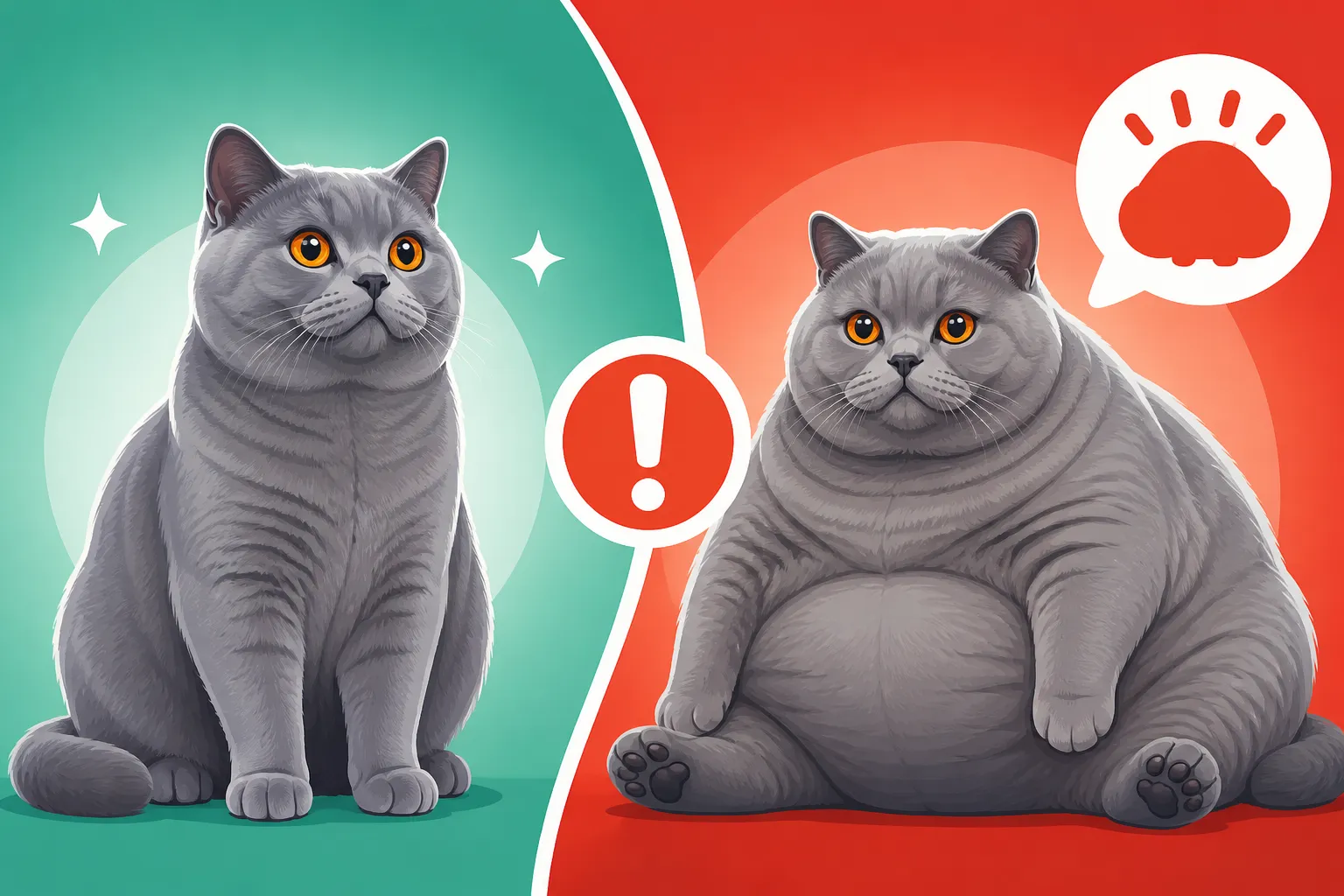
A good BCS ranges from 1 to 9, with 5 being ideal. A score of 1 indicates emaciation, while 9 signifies severe obesity. To perform a BCS, you need to gently feel your cat's ribs, spine, and waist. Ideally, you should be able to feel their ribs with a thin layer of fat over them, much like the back of your hand. If you have to press hard to feel them, or can't feel them at all, your cat is likely overweight. Similarly, they should have a discernible waist when viewed from above, and a slight abdominal tuck when viewed from the side. You can explore How to Tell a Chunky British Shorthair From a Fat One for more nuanced distinctions.
Physical Cues and Behavioral Changes
Beyond the direct assessment of body fat, there are numerous other physical and behavioral changes that can signal an overweight British Shorthair. These are often subtle at first but become more pronounced as the weight increases. For instance, notice if your cat struggles with grooming, especially around their back or hindquarters. The extra weight can make it physically impossible for them to reach these areas, leading to a dull, matted, or greasy coat.
Changes in activity levels are another major clue. Is your British Shorthair even less inclined to play than usual? Do they move slower, jump less, or avoid activities they once enjoyed, like climbing onto the sofa or their favorite cat tree? Watch for heavy breathing or panting after minimal exertion, or increased lethargy. You might also notice a difference in their gait, as their joints struggle under the added strain. These are all subtle cries for help from a body carrying too much weight. Learning Signs a British Shorthair Is Overweight can help you catch these issues early.
The Importance of Regular Weigh-Ins
While BCS is crucial, regular weigh-ins still play an important supporting role, especially when you're actively managing weight loss. Once you've established an ideal weight for your individual British Shorthair (ideally with your vet's guidance), weekly or bi-weekly weigh-ins can help you track progress and make necessary adjustments to their diet.
It's best to use the same scale and weigh your cat at the same time of day for consistency. Many pet owners find a baby scale or a kitchen scale suitable for this purpose, as it offers more precision for feline weights. This consistent monitoring helps you stay on top of any creeping weight gain and gives you the data needed to discuss progress with your veterinarian. Knowing What a Healthy British Shorthair Weighs on the Scale is a good starting point, but always factor in your cat's individual build.
The Hidden Dangers: Health Risks Associated with British Shorthair Obesity
Obesity in British Shorthairs is not just about aesthetics; it's a profound health crisis that can lead to a cascade of serious medical conditions, significantly impacting their quality of life and shortening their lifespan. Many owners are shocked to learn the true extent of the damage those extra pounds can cause internally.
Joint Problems and Arthritis
One of the most immediate and visible consequences of excess weight is the strain it places on your British Shorthair's joints. Their naturally sturdy build is designed to carry a certain amount of weight, but once that limit is exceeded, the cartilage in their joints begins to wear down faster. This accelerated wear and tear often leads to the development or worsening of arthritis, especially in older cats.
Imagine carrying a heavy backpack all day, every day. That's what it feels like for an overweight cat. Every step, every jump, every movement becomes a painful reminder of the burden. This pain, in turn, discourages movement, creating a vicious cycle where reduced activity leads to more weight gain, which then exacerbates the arthritis. Owners often miss the subtle signs of joint pain, such as reluctance to jump, stiffness after resting, or even changes in litter box habits if entry becomes difficult. This is why What Obesity Does to a British Shorthair's Joints is a critical concern for this breed.
Diabetes Mellitus
Perhaps one of the most frightening consequences of feline obesity is the increased risk of developing Type 2 diabetes mellitus. When a cat carries too much fat, their body's cells become resistant to insulin, the hormone responsible for regulating blood sugar. This insulin resistance means that glucose (sugar) can't get into the cells where it's needed for energy, leading to dangerously high blood sugar levels.
The signs of Diabetes in a British Shorthair can include increased thirst, increased urination, unexplained weight loss (despite eating well), and a dull coat. Managing feline diabetes involves daily insulin injections, special diets, and frequent veterinary check-ups, which can be a significant financial and emotional burden for owners. While some cats can achieve diabetic remission with aggressive weight loss, it's a condition that's far better prevented than treated.
Hepatic Lipidosis (Fatty Liver Disease)
Obesity significantly increases a British Shorthair's risk of developing hepatic lipidosis, often referred to as fatty liver disease. This life-threatening condition occurs when an overweight cat stops eating, even for a short period (as little as 2-3 days). When the body senses starvation, it mobilizes fat reserves to the liver for processing. However, an obese cat's liver can become overwhelmed by the sheer amount of fat, leading to a buildup that impairs liver function.
The liver effectively "shuts down," leading to a medical emergency that requires intensive veterinary care, including force-feeding (often through a feeding tube) and supportive therapy. The prognosis for hepatic lipidosis can be guarded, and prevention through maintaining a healthy weight is paramount. This severe condition highlights What Obesity Does to a British Shorthair's Liver and underscores the urgency of addressing weight issues.
Other Health Complications
The list of health complications doesn't stop there. Overweight British Shorthairs are also more susceptible to:
- Urinary Tract Issues: Excess fat around the bladder can make it difficult for cats to fully empty their bladder, increasing the risk of urinary tract infections and bladder stones.
- Skin Problems: As mentioned, obese cats often struggle with grooming, leading to mats, dandruff, and skin infections, particularly around their hindquarters.
- Cardiovascular Disease: While British Shorthairs are already predisposed to heart conditions like HCM, obesity can exacerbate the strain on the cardiovascular system, potentially worsening existing heart disease or contributing to its development.
- Anesthesia Risks: If an overweight British Shorthair needs surgery for any reason, the anesthesia poses a greater risk due to decreased respiratory function and the difficulty in accurately dosing medications.
- Reduced Lifespan: Perhaps the most sobering statistic is that obese cats, on average, live shorter lives than their lean counterparts. Every extra pound can shave months or even years off their precious time with you.
These health risks underscore that British Shorthair obesity is not a trivial matter. It demands proactive intervention and a commitment to long-term health management. Organizations like Healthy Paws pet insurance can offer a financial safety net for unexpected vet bills related to chronic conditions like diabetes or arthritis that can arise from obesity, but prevention is always the best medicine.
Crafting a Healthy Diet Plan for Your British Shorthair
Once you’ve identified that your British Shorthair is carrying too much weight, the next, and arguably most crucial, step is to implement a strategic and healthy diet plan. This isn't just about feeding less; it's about feeding smart, understanding caloric needs, and making informed choices about the type of food you offer.
The Power of Portion Control
The absolute cornerstone of weight management for a British Shorthair is strict portion control. These cats are generally not self-regulators; they will eat whatever you put down, and sometimes more! Free-feeding, where food is left out all day, is a recipe for disaster for this breed. It makes it impossible to monitor intake and almost guarantees overconsumption. This is precisely Why Free Feeding Ruins a British Shorthair and leads to obesity.
Instead, measure every meal precisely. Consult your veterinarian for a personalized caloric target based on your cat's current weight, ideal target weight, and activity level. Many cat food labels provide feeding guidelines, but these are often generalized and may overestimate the needs of a sedentary British Shorthair. Start with a conservative amount, usually divided into two or three smaller meals throughout the day. This schedule not only helps with weight management but also satisfies your cat's natural feeding rhythms, preventing long periods of hunger.
Choosing the Right Food
The type of food you offer your British Shorthair plays a significant role in their weight and overall health. Generally, a high-quality wet food diet is often recommended for weight loss and maintenance in cats. Wet food has several advantages: it’s typically lower in calories per serving than dry kibble, has a higher moisture content (which helps with satiety and urinary health), and often contains higher protein levels.
Look for foods that list meat (chicken, turkey, beef, fish) as the first ingredient and avoid excessive fillers, by-products, or large amounts of carbohydrates. While grain-free diets are popular, the focus should really be on digestible protein and moderate fat, rather than just eliminating grains. Some British Shorthairs do well on a combination of wet and a small amount of dry food, but if they are overweight, transitioning to an all-wet diet can be very beneficial. Your vet might also recommend a prescription weight-loss diet, specifically formulated to be lower in calories while still providing essential nutrients and promoting a feeling of fullness.
The Problem with Treats and Table Scraps
It's tough to resist those pleading eyes, but treats and table scraps are significant contributors to feline obesity. Even a few small treats a day can add hundreds of extra calories, completely derailing a carefully planned diet. Many commercial cat treats are surprisingly high in calories and offer little nutritional value.
If you must give treats, choose low-calorie options specifically designed for cats, or even better, use a portion of their regular daily kibble as treats. You can also offer small amounts of cooked, unseasoned lean meat like chicken or turkey as a high-value, species-appropriate treat. Absolutely avoid giving table scraps, as many human foods are toxic to cats or simply too high in fat, salt, and sugar. It's a hard habit to break, but understanding the caloric impact of every little extra can motivate you to say no, or to choose healthier alternatives for your British Shorthair.
Here’s a simplified example of how daily caloric intake can change:
| British Shorthair Status | Estimated Daily Calorie Needs (kcal) | Food Example (Hypothetical) | Daily Intake (Cups/Cans) | Implications for Weight |
|---|---|---|---|---|
| Ideal Weight (Lean) | 180-200 kcal | High-quality Wet Food | ~1.5 – 2 small cans | Maintains healthy weight |
| Overweight (Sedentary) | 220-250 kcal (or more) | High-quality Wet Food | ~2 – 2.5 small cans | Leads to continued gain |
| Weight Loss Diet | 150-170 kcal | Prescription Weight-Loss Food | ~1.2 – 1.5 small cans | Promotes healthy loss |
Note: These are estimated values. Always consult your veterinarian for specific caloric recommendations for your cat.
Remember, consistency is key. Even a single day of overfeeding can slow progress. Stick to the plan, measure accurately, and don't get discouraged if the weight loss is slow – slow and steady wins the race for your British Shorthair's health. You'll find more details on How Many Calories a British Shorthair Needs to guide your specific plan.
Encouraging Activity in a Sedentary British Shorthair
It’s no secret that British Shorthairs are champions of the quiet life. While this makes them wonderfully calm companions, it also means they require a bit more motivation to get moving. Physical activity is just as important as diet in managing and preventing obesity, but convincing a British Shorthair to embrace their inner athlete can feel like an uphill battle.
Making Playtime Irresistible
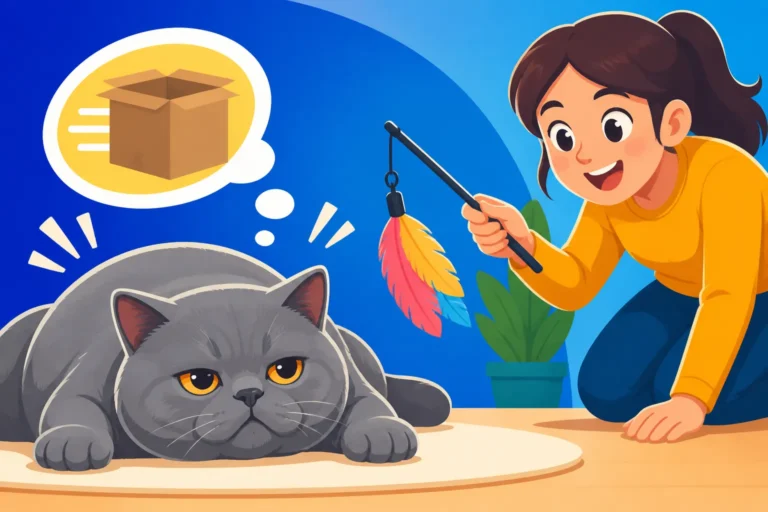
The trick to encouraging activity in a British Shorthair is to tap into their natural instincts and make playtime genuinely engaging, rather than a chore. Forget vigorous, high-energy games that might suit a Bengal; instead, focus on activities that stimulate their hunting drive without requiring excessive exertion. Think about short, frequent play sessions – even 5-10 minutes a few times a day can make a big difference.
Wand toys with feathers or small, fluttering attachments are often a hit, mimicking birds or insects. Drag them slowly across the floor, making them dart and hide, encouraging your British Shorthair to stalk and pounce. Laser pointers can work, but always end a laser session by letting them "catch" a physical toy to avoid frustration. Puzzle feeders are also fantastic. Instead of putting all their food in a bowl, divide a portion into several puzzle feeders around the house. This forces them to "work" for their food, engaging both their mind and body. This helps tackle How to Get a British Shorthair to Move from the couch.
Environmental Enrichment for Movement
Environmental enrichment goes beyond just active play; it’s about making your British Shorthair's living space stimulating enough to encourage natural movement throughout the day. Vertical spaces are key, even for a breed that isn't known for being a prolific climber. A sturdy cat tree with wide platforms that they can comfortably jump onto and off can be a great way to add some low-impact exercise.
Consider placing food bowls or water fountains on different levels, or even in different rooms, so they have to walk a bit further for their necessities. Rotating toys, providing scratching posts in various locations, and offering window perches where they can watch the world go by can all contribute to a more active daily routine. Even simple things, like hiding treats (small, diet-appropriate ones!) in different spots around the house, can turn mealtime into a scavenger hunt, prompting them to explore and move.
Harness Training and Outdoor Exploration
While not every British Shorthair will take to it, some can be successfully harness trained, opening up a whole new world of outdoor exploration. This doesn't mean letting them roam free, but rather supervised walks in a safe, enclosed garden or even a quiet park. The mental stimulation and sensory input from being outside can be incredibly enriching, and the physical act of walking on varied terrain provides excellent low-impact exercise.
Start slow with harness training, letting your British Shorthair wear the harness for short periods indoors, gradually associating it with positive experiences like treats or playtime. Never force them into it. If they seem stressed, it’s not for them. For those that do enjoy it, even a 15-20 minute stroll a few times a week can significantly boost their activity levels and mental well-being, directly combating the sedentary lifestyle that often leads to obesity.
Working with Your Veterinarian to Manage British Shorthair Obesity
While there's a lot you can do at home, managing British Shorthair obesity is truly a team effort that absolutely requires the guidance and expertise of your veterinarian. They are your best resource for creating a safe, effective, and sustainable weight loss plan tailored to your cat's individual needs.
Initial Assessment and Health Screening
The very first step your vet will take is a thorough physical examination and an honest assessment of your British Shorthair's current health. This involves accurately determining their body condition score, weighing them, and discussing their current diet, activity levels, and any behavioral changes you've observed. Your vet will also want to rule out any underlying medical conditions that could be contributing to weight gain or making weight loss more challenging.
This might include blood tests to check thyroid function (though hyperthyroidism typically causes weight loss, it's good to rule out) or to screen for early signs of diabetes. They might also assess for Arthritis in an Older British Shorthair if your cat is showing signs of joint pain. This initial screening is crucial because it helps establish a baseline, identifies any co-existing conditions that need management, and ensures that the weight loss plan won't inadvertently harm your cat. Remember, suddenly drastically cutting calories can be dangerous for cats, so a vet's supervision is non-negotiable.
Developing a Tailored Weight Loss Plan
Based on the initial assessment, your veterinarian will help you develop a customized weight loss plan. This isn't a one-size-fits-all approach; it will be specific to your British Shorthair's age, current weight, target weight, activity level, and any underlying health issues. This plan will typically include:
- Target Weight and Timeline: Your vet will help you determine a realistic and healthy target weight and a sensible timeline for achieving it. Healthy feline weight loss is slow and steady, usually around 0.5-2% of their body weight per week. Faster weight loss can lead to hepatic lipidosis, a dangerous liver condition.
- Caloric Intake Calculation: They will calculate the precise daily caloric intake your British Shorthair needs to lose weight safely, often recommending a reduction of 20-30% from their maintenance calories.
- Food Recommendations: Your vet might recommend a specific prescription weight-loss diet, which are formulated to be low in calories but high in protein and fiber to help your cat feel full. They can also guide you on the best type and brand of over-the-counter food if a prescription diet isn't necessary or feasible.
- Activity Suggestions: They'll offer practical advice on how to increase your cat's activity levels in a way that's appropriate for their age and physical condition.
This personalized plan takes the guesswork out of weight loss, giving you clear, actionable steps to follow. Many pet insurance providers, such as Healthy Paws, cover diagnostic tests and treatments for illnesses that can be caused or exacerbated by obesity, like diabetes or severe arthritis, highlighting the financial implications of not addressing weight issues proactively.
Regular Follow-Up and Adjustments
Weight loss is rarely a linear journey, and regular follow-up appointments with your veterinarian are essential. These check-ups allow your vet to monitor your British Shorthair's progress, celebrate successes, and make any necessary adjustments to the diet or exercise plan.
During these visits, your cat will be weighed, their body condition score will be reassessed, and your vet will discuss any challenges or concerns you've encountered. They might tweak the caloric intake, suggest different types of food, or recommend new ways to encourage activity. These ongoing consultations ensure that the weight loss journey remains safe, effective, and sustainable, paving the way for your British Shorthair to achieve and maintain a healthy weight for years to come. Remember, consistency and patience are key, and your vet is your most valuable ally in this process.
Long-Term Management and Prevention Strategies
Achieving a healthy weight for your British Shorthair is a huge accomplishment, but the journey doesn't end there. Maintaining that healthy weight and preventing relapse requires a lifelong commitment to the habits and strategies you've established. It's about integrating these changes into your daily routine, making them a permanent part of your cat's life.
Sustaining Weight Loss: The New Normal
Once your British Shorthair reaches their ideal weight, it's tempting to relax the rules, but this is often where owners inadvertently allow the weight to creep back on. Instead, think of the healthy habits you've built as the "new normal." Their portion-controlled meals, structured playtimes, and regular weigh-ins should continue.
Your veterinarian will help you transition your cat from a weight-loss diet to a maintenance diet, adjusting their caloric intake to sustain their ideal weight rather than continue losing. This often means a slight increase in food but still strictly portion-controlled and with attention to quality. The goal is to find that sweet spot where they are neither gaining nor losing weight, maintaining optimal health. This ongoing vigilance is crucial because it's far easier to prevent weight gain than to battle it repeatedly.
Lifelong Habits for a Healthy British Shorthair
Prevention is always better than cure, and for British Shorthairs, instilling lifelong healthy habits from kittenhood can largely prevent obesity. Even if you adopt an adult cat, it's never too late to start.
- Consistent Portion Control: This is paramount from day one. Never free-feed a British Shorthair. Establish a mealtime routine with measured portions and stick to it, regardless of their age.
- Regular, Engaging Play: Integrate short, frequent play sessions into your daily schedule. Even 10-15 minutes twice a day can make a big difference over their lifetime, keeping their metabolism active and their minds stimulated.
- Smart Treat Choices: If treats are part of your routine, ensure they are low-calorie and given sparingly. Consider using puzzle feeders or interactive toys that dispense their regular kibble portion instead of extra treats.
- Annual Veterinary Check-ups: These are vital for monitoring weight, discussing diet adjustments as your cat ages, and catching any potential health issues early. Your vet can provide guidance on Caring for a British Shorthair Past Ten when their metabolism naturally slows further.
- Body Condition Scoring at Home: Regularly feel your British Shorthair's ribs and check their waistline. Their dense coat can hide changes, so a hands-on approach is essential to catch any creeping weight gain early. Review How to Feel a British Shorthair's Ribs Through the Plush to perfect this technique.
These habits, consistently applied, will give your British Shorthair the best chance at a long, healthy, and active life, free from the burdens of obesity. Investing in pet insurance, like a policy from Healthy Paws, when your British Shorthair is young and healthy can also provide peace of mind for future unexpected health issues, regardless of weight.
Debunking Common Myths About British Shorthair Weight
When it comes to British Shorthairs and their weight, there are so many misconceptions floating around. It's easy to fall prey to these myths, often leading to owners unknowingly letting their cats become overweight. Let's clear up some of the most common misunderstandings.
"They're Supposed to Be Big-Boned and Chunky"
This is perhaps the most prevalent myth, and one that often prevents owners from recognizing obesity in their British Shorthair. While it's true that British Shorthairs are a moderately large, heavily boned, and "cobby" breed, with a naturally broad chest and muscular body, there's a distinct difference between being "big-boned" and being "fat." Their breed standard calls for substance and power, but not excess fat.
A truly healthy British Shorthair, even one that's large, should still have a discernible waist when viewed from above, and you should be able to feel their ribs easily with gentle pressure, covered by a thin layer of fat. Their natural heft comes from muscle and bone, not blubber. This misunderstanding often leads owners to overlook early weight gain, thinking it's just part of their breed's charm. It's crucial to differentiate between a muscular, substantial cat and one that has unhealthy fat deposits. This distinction is explored in more detail in How to Tell a Chunky British Shorthair From a Fat One.
"Their Fluffy Coats Make Them Look Bigger"
Another common defense for an overweight British Shorthair is that their dense, plush coat simply makes them appear larger than they are. While their luxurious fur can indeed add to their impressive silhouette and mask a few extra pounds, it should never be an excuse to ignore actual fat accumulation.
The coat might obscure the visual signs of a waist or a tucked abdomen, but it doesn't hide the underlying fat. This is why body condition scoring, which involves physically feeling your cat's body, is so vital for this breed. You need to use your hands to feel past the fur to assess their ribs, spine, and hip bones. If their coat truly hides their weight, then a hands-on assessment is even more critical, not less. Relying purely on visual cues with a British Shorthair is a recipe for missed weight problems.
"My British Shorthair Isn't Very Active, So He Doesn't Need Much Food"
While it's true that a sedentary British Shorthair needs fewer calories than an active cat, this statement often leads to an underestimation of just how little food they truly need to maintain a healthy weight. Many owners, knowing their cat is calm, still feed portions that are appropriate for a more active breed or lifestyle.
The reality is that their already low activity levels, combined with their metabolic predisposition to gain weight, mean their caloric requirements are surprisingly modest. If your British Shorthair is particularly laid-back and enjoys lounging, their food intake needs to be extremely precise and often lower than what you might intuitively think. It emphasizes the need for strict portion control and calorie calculation, often with veterinary guidance, rather than just a general assumption. Understanding How Many Calories a British Shorthair Needs is paramount for this particular breed's tendency towards inactivity.
Disclaimer
The information provided in this article is for general informational purposes only and does not constitute veterinary advice. Always consult with a qualified veterinarian for any health concerns or before making any decisions about your British Shorthair's diet, exercise, or medical care. The author and publisher are not responsible for any adverse effects that may result from the use of the information contained herein.