How Long British Shorthair Kittens Stay Off a Type B Queen
It’s every British Shorthair breeder's worst nightmare: you have a beautiful litter of kittens, but the queen is blood type B, and some of those precious babies might be type A or AB, putting them at grave risk from their own mother’s milk. This isn't just a theoretical concern; it's a silent killer called Neonatal Isoerythrolysis (NI), which can cause healthy, thriving kittens to fade rapidly within their first few days. This guide will meticulously walk you through exactly how long British Shorthair kittens must stay off a Type B queen to survive, why this period is so crucial, and how to manage the situation to give them the best possible start.
Understanding Neonatal Isoerythrolysis (NI) in British Shorthairs
Neonatal Isoerythrolysis, or NI, is a heartbreaking condition that can affect British Shorthair kittens, and it all boils down to an incompatibility between the queen's blood type and her kittens'. It’s a silent threat because the kittens appear perfectly healthy at birth, only to decline after nursing. The key to prevention is understanding the underlying cause and taking swift, decisive action.
The Genetic Mismatch: Why Type B Queens are a Concern
To grasp NI, we first need to talk about feline blood types. Just like humans, cats have different blood types, though the system is simpler. The primary blood types in cats are A, B, and AB. Most cats are Type A, but the British Shorthair breed has a significantly higher prevalence of Type B cats compared to many other breeds. In fact, studies have shown that a substantial percentage of British Shorthairs carry or express the B blood type, which makes this a particularly important topic for owners and breeders alike. You can learn more about How many British Shorthairs are Blood Type B to understand the breed's specific genetic landscape.
The problem arises when a Type B queen is bred to a Type A or Type AB stud, resulting in Type A or AB kittens. A Type B queen naturally produces very strong antibodies against Type A red blood cells. These antibodies are present in her bloodstream and, critically, are concentrated in her colostrum – that vital first milk produced immediately after birth. Type A and AB kittens, on the other hand, have Type A antigens on their red blood cells. It's this combination that sets the stage for disaster.
The Danger in the First Milk: Colostrum's Role
Colostrum is usually a kitten's first line of defense, packed with antibodies that protect them from diseases in their early, vulnerable weeks. It’s what gives them passive immunity. However, in the case of a Type B queen and Type A/AB kittens, this life-giving substance becomes a poison. When Type A or AB kittens nurse from a Type B queen, they ingest her colostrum, which contains those potent anti-A antibodies.
A newborn kitten's gut is unique; for the first 24 to 48 hours of life, it's permeable, meaning it can absorb large, intact protein molecules – like antibodies – directly into the bloodstream. This is a critical biological mechanism for transferring immunity. However, if those antibodies are hostile, as is the case with a Type B queen's anti-A antibodies, they attack the kitten's own Type A red blood cells. This leads to the destruction of their red blood cells, a process called hemolysis, which causes severe anemia and can rapidly lead to organ damage and death. This is why Why the First Day of Colostrum Matters to a British Shorthair takes on such a devastating meaning in this scenario.
Recognizing the Signs: What Neonatal Isoerythrolysis Does to a British Shorthair Kitten
The cruel irony of NI is that affected kittens are born seemingly healthy and robust. They might nurse enthusiastically, bond with their mother, and appear normal for the first few hours. However, as the ingested antibodies begin to destroy their red blood cells, symptoms start to emerge.
Common signs of NI, which sadly demonstrate What Neonatal Isoerythrolysis does to a British Shorthair Kitten, include:
- Fading: Kittens become weak, lethargic, and stop nursing. They may seem listless and detached from the litter.
- Pale Mucous Membranes: The gums, inner eyelids, and other mucous membranes may appear pale due or even yellowish (jaundiced) due to the destruction of red blood cells.
- Reddish-brown Urine: The breakdown of red blood cells releases hemoglobin, which can be excreted in the urine, giving it a dark, reddish-brown color.
- Lack of Weight Gain: Healthy kittens gain weight steadily. Kittens affected by NI will fail to gain weight or even lose it.
- Tail Tip Necrosis: In some cases, the tail tip may become necrotic (tissue death) and eventually fall off. This is due to poor circulation and oxygen delivery.
- Sudden Death: Tragically, many affected kittens simply fade and die within the first 2-3 days of life, often without exhibiting all the classic signs.
Once these clinical signs are apparent, the prognosis is often grim. While there are some desperate attempts to intervene, such as blood transfusions, success rates are generally low, particularly after significant damage has occurred. This highlights why prevention is absolutely paramount.
The Absolute Critical Period: How Long British Shorthair Kittens Must Stay Off the Type B Queen
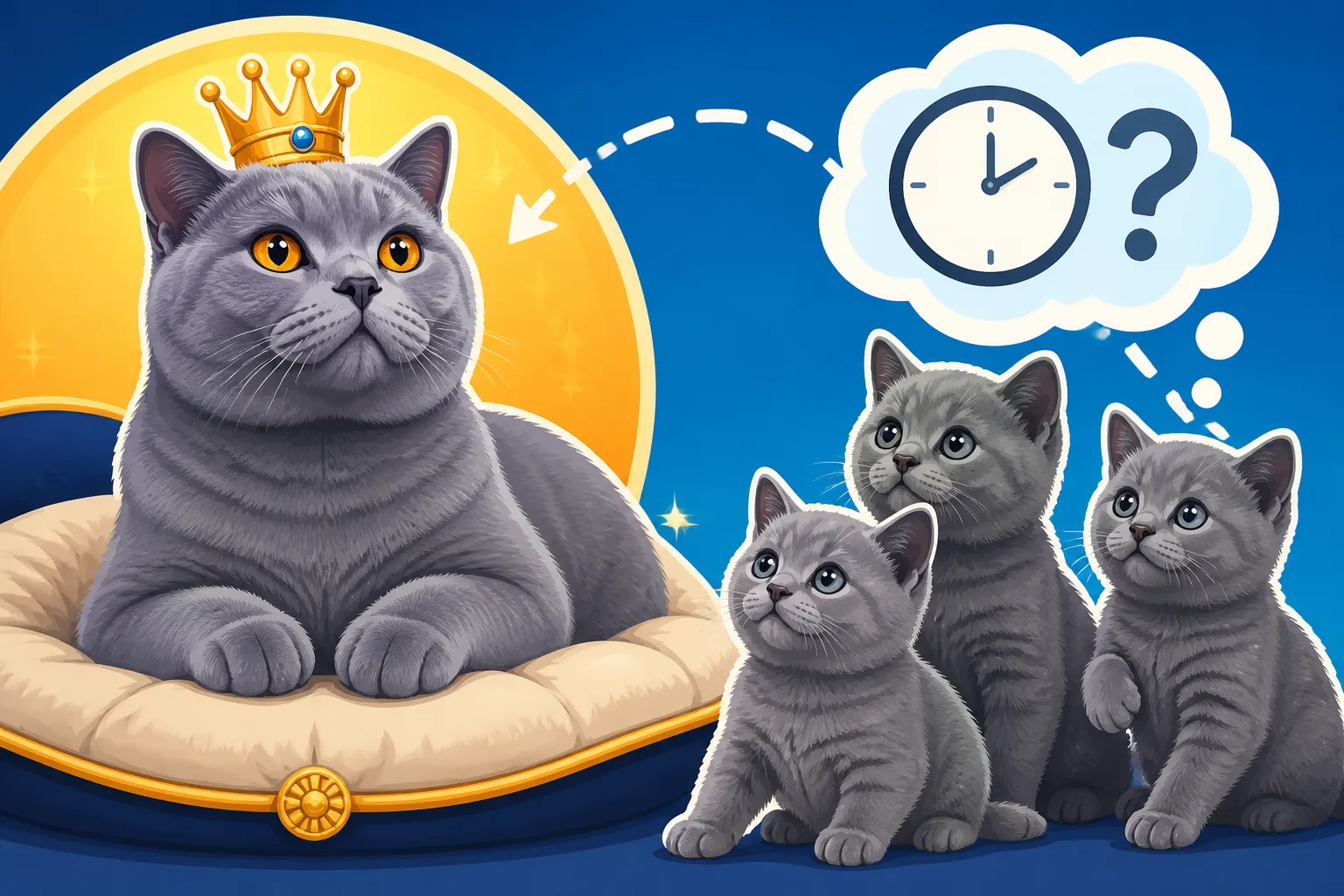
This is the core of the matter, and where immediate, knowledgeable action is the difference between life and death for these vulnerable kittens. The answer is precise and critical: British Shorthair kittens at risk of NI must be prevented from nursing from a Type B queen for the first 24 to 48 hours of their lives.
The 24-48 Hour Imperative: Why This Window is Non-Negotiable
The 24 to 48-hour timeframe is not an arbitrary suggestion; it's based on the biology of the kitten's gut. During this crucial period, the kitten's intestinal lining is capable of absorbing large molecules like antibodies. After approximately 24 to 48 hours, a process known as "gut closure" occurs. The cells lining the intestine mature, and the ability to absorb large, intact proteins diminishes significantly. Once the gut has closed, even if the kitten ingests colostrum containing anti-A antibodies, those antibodies will no longer be absorbed into the bloodstream in quantities sufficient to cause NI.
Therefore, the moment a Type A or AB kitten from a Type B queen takes its first suckle of colostrum, the clock starts ticking on potential red blood cell destruction. Preventing any colostrum intake during this window is the only truly effective way to safeguard these kittens. This is the period during which you absolutely cannot compromise.
A Detailed Plan for Separation and Substitute Feeding
Managing this critical period requires careful planning, a calm demeanor, and swift action. Here’s a step-by-step guide to safely separate and care for at-risk kittens:
- Pre-Labor Blood Typing: The absolute best approach is prevention. If you know your queen is Type B, you must blood type the prospective tom. If the tom is Type A or AB, then you know there's a risk of NI. Ideally, a Type B queen should only be bred to a Type B tom to completely eliminate the risk of NI. This is part of What a British Shorthair Breeder Should Have Tested.
- Immediate Separation at Birth: As soon as each kitten is born, identify its blood type. This is often done using rapid blood typing cards (e.g., Alvedia Quick Test) that can give results in minutes from a tiny drop of blood from the umbilical cord. Any kitten identified as Type A or AB must be immediately removed from the queen before they can nurse even once. Do not wait to see if they will be affected; assume they will be.
- Warmth and Environment: Separated newborns are incredibly fragile. Place them in a warm, quiet incubator or a well-bedded box with a consistent heat source (like a SnuggleSafe heat pad or a warmed rice sock, carefully monitored to prevent overheating). Their body temperature must be maintained.
- Substitute Colostrum/Milk:
- If available, a Type A foster queen: The ideal scenario is to have a Type A foster queen who has recently given birth and can provide her own colostrum and milk. This offers the best natural immunity and nutrition.
- Kitten Milk Replacer (KMR): If a foster queen isn't an option, you must use a high-quality kitten milk replacer. Brands like Royal Canin or PetAg KMR are widely available. Ensure it's warmed to body temperature before feeding. Follow the mixing instructions meticulously.
- Alternative Colostrum: In some cases, breeders might collect and freeze colostrum from a Type A queen. This can be defrosted and given to the at-risk kittens during their first 24 hours. Alternatively, if the breeding pair was planned and the tom is Type B, colostrum from that specific litter's queen can be carefully collected and stored for emergency use, assuming she is Type A. But never give a Type A/AB kitten colostrum from a Type B queen.
- Feeding Schedule: Newborns need to be fed frequently, typically every 2-3 hours around the clock. Use a kitten-specific feeding bottle or an eyedropper, being very careful to prevent aspiration.
- Stimulation: After each feeding, gently stimulate the kittens' anogenital area with a warm, damp cotton ball to encourage urination and defecation, as the queen would normally do.
- Monitoring: Keep a close eye on their weight gain, activity levels, and overall health. They should be strong, vocal (when handled), and gain weight daily. This is key for How British Shorthair Kittens Are Hand Reared to Survive.
This separation is incredibly stressful for both the queen and the kittens, but it is a necessary, life-saving measure. The queen will often call for her missing kittens, and it's vital to provide her with reassurance and care, even as you focus on the kittens' survival.
What Happens If Kittens Nurse Even Briefly
The unfortunate truth is that even a brief period of nursing from a Type B queen can be enough to trigger NI in Type A or AB kittens. Because the gut is so permeable, a small amount of colostrum containing those potent antibodies can be rapidly absorbed.
If you discover that a Type A or AB kitten has nursed from a Type B queen, your options are extremely limited:
- Activated Charcoal: Some vets might suggest administering activated charcoal if ingestion is suspected very soon after nursing (within an hour or two) to try and bind antibodies in the gut before they are absorbed. However, this is largely anecdotal and not a guaranteed solution.
- Plasma Transfusion: In severe cases, a transfusion of plasma from a Type A cat might be attempted to try and dilute or neutralize the circulating anti-A antibodies, but this is a complex and often unsuccessful procedure in tiny, fragile newborns.
- Supportive Care: Primarily, treatment becomes supportive care: keeping the kitten warm, hydrated, and nourished, and monitoring for signs of anemia. However, once the hemolytic process begins, it's very difficult to stop. This makes effective intervention to How to Save a British Shorthair Kitten From Isoerythrolysis incredibly challenging once symptoms appear.
This stark reality underscores why prevention—complete separation during that 24-48 hour window—is the only reliable path to ensuring the kittens' survival.
Post-Separation Management and Long-Term Health
Once the critical 24-48 hour period has passed, the immediate danger of Neonatal Isoerythrolysis from colostrum ingestion is over, as gut closure has occurred. However, the journey isn't quite finished.
Safe Reintroduction and Ongoing Monitoring
After the 24 to 48 hours, Type A or AB kittens can typically be safely reintroduced to their Type B mother. At this point, her milk no longer contains the harmful concentration of anti-A antibodies, and even if it did, the kittens' guts are no longer permeable to absorb them.
Here's how to manage the reintroduction:
- Gradual Introduction: While the scientific risk is gone, it's a good idea to reintroduce them gradually. Allow the queen to sniff the kittens through a kennel or a mesh barrier first.
- Supervised Nursing: Place the kittens with the queen under close supervision. Observe how the queen reacts to them and how they begin to nurse. Most queens will readily accept their kittens back and quickly resume maternal duties.
- Continued Observation: For the next few days, continue to monitor the kittens closely for any signs of illness or distress. While NI from colostrum is no longer a threat, newborns can succumb to other issues. Ensure they are nursing effectively, gaining weight, and passing urine and stool normally.
- Queen's Well-being: Pay attention to the queen's behavior. She might be anxious after the separation, so reassure her and ensure she has a quiet, comfortable environment.
The bond between a queen and her kittens is powerful, and it's a beautiful moment when they can safely be reunited.
Ensuring Proper Nutrition and Development
Kittens who were hand-reared for the first 24-48 hours need to continue to thrive. While they can now nurse from their mother, some might be slower to adapt or might have missed out on vital early immunological benefits.
- Weight Tracking: Continue to weigh kittens daily to ensure consistent weight gain. Any kitten falling behind needs extra attention and perhaps supplemental bottle feeding, even if back with the queen.
- Supplements: Discuss with your vet if any specific supplements are needed, especially if the kittens missed out on all natural colostrum.
- Bonding: Ensure they are bonding well with their mother and littermates. Socialization is crucial for their development.
- Long-term Outlook: Provided they did not ingest harmful colostrum and were managed correctly, these kittens should develop into perfectly healthy British Shorthairs and their How Long a British Shorthair Lives on Average should not be impacted.
Blood Typing for All British Shorthair Kittens: A Crucial Step
While the immediate crisis might pass, knowing the blood types of all kittens in the litter is incredibly important for responsible pet ownership and future breeding.
- For Pet Owners: If you are getting a British Shorthair kitten, knowing its blood type is valuable information, especially if it ever needs a blood transfusion in an emergency. Your vet can perform a simple blood test at any age. While Whether a Pet British Shorthair Needs Blood Typing isn't strictly necessary for a spayed/neutered pet, it can offer peace of mind for emergencies.
- For Future Breeding: If a kitten is destined for a breeding program, its blood type is non-negotiable information. A Type B cat should never be bred to a Type A cat (unless the breeder is prepared to hand-rear all Type A/AB offspring), and a Type A cat carrying the b gene should be handled with care. Breeders must understand Which British Shorthair Pairing Causes Neonatal Isoerythrolysis to make ethical choices.
- Maintaining Records: Keep meticulous records of all blood typing results for your cats. This is a cornerstone of responsible breeding and transparency.
A reliable vet, like those found through services supported by Healthy Paws pet insurance, can help you navigate these tests and provide ongoing care, easing the financial burden should complex health issues arise.
Preventing Neonatal Isoerythrolysis: Breeder Responsibilities and Ethical Practices
The best treatment for Neonatal Isoerythrolysis is prevention. This means informed breeding choices and meticulous preparation long before kittens are even conceived.
Mandatory Pre-Breeding Blood Type Testing
For any British Shorthair breeding program, blood typing of all breeding cats is not just recommended; it's absolutely mandatory. This goes for both queens and prospective studs. What a British Shorthair Blood Type Test Costs is a minor expense compared to the heartbreak and potential loss of an entire litter.
Here’s why it’s so critical:
- Identify Type B Queens: Knowing a queen is Type B before breeding allows you to make an informed decision about her mate.
- Select Compatible Studs: A Type B queen should only be bred to a Type B stud if you want to eliminate the risk of NI entirely. In this pairing, all kittens will be Type B, meaning no anti-A antibodies will be present, and they can nurse safely. This directly answers Whether a Type B British Shorthair Queen Can Be Bred Safely – yes, but only with a Type B tom.
- Understand Risk: If a Type B queen is bred to a Type A stud (even one that carries the b allele, making him genetically Ab), there's a 50% chance of Type A kittens. If the Type A stud doesn't carry the b allele (is AA), then all kittens will be Type A, meaning 100% of the litter will be at risk of NI. Understanding Which Tom a Type B British Shorthair Should Be Bred To is paramount to responsible breeding.
- Reduce Stress and Loss: Proactive testing and pairing save lives, reduce stress for the queen and the breeder, and prevent the profound grief of losing an entire litter to a preventable condition.
Ethical Considerations for British Shorthair Breeders
Responsible breeding goes beyond simply producing beautiful kittens; it's about safeguarding the health and future of the breed. For British Shorthairs, this includes actively working to reduce the incidence of NI.
- Transparency: Breeders should be transparent about the blood types of their breeding animals and the potential risks involved in specific pairings. Providing certificates of blood typing for parents to prospective buyers is a sign of a reputable breeder.
- Prioritizing Health: The health and well-being of the kittens should always be the top priority. This sometimes means making difficult breeding decisions, such as choosing a less "flashy" stud if he's the right blood type.
- Education: Breeders have a responsibility to educate new owners about NI, especially if they are purchasing a kitten from a litter where there was a blood type mismatch.
- Genetic Diversity: While aiming for Type B x Type B pairings is ideal to prevent NI, breeders must also consider overall genetic diversity. This is a delicate balance, and sometimes carefully managed "risky" pairings (Type B x Type A) are undertaken for genetic reasons, but only with the absolute commitment to hand-rearing at-risk kittens for the first 48 hours. This requires significant resources and dedication.
The journey of a British Shorthair kitten from birth to thriving adult can be complex, and conditions like Neonatal Isoerythrolysis underscore the immense responsibility that breeders and owners carry. By understanding the science, acting swiftly, and prioritizing proactive health measures, we can ensure that more of these adorable, round-faced companions get the healthy start they deserve.
| Action Item | Timing | Rationale |
|---|---|---|
| Blood Type Queen and Stud | Pre-breeding | Essential to predict NI risk in kittens. |
| Blood Type Newborn Kittens (Umbilical Cord) | Immediately at birth | Identify Type A/AB kittens from Type B queen before nursing. |
| Separate At-Risk Kittens | Immediately at birth, before first nurse | Prevent ingestion of anti-A antibodies in colostrum. |
| Provide Substitute Milk/Colostrum | First 24-48 hours | Ensure nutrition and immunity (if type-compatible colostrum available). |
| Maintain Warmth and Stimulate Eliminations | First 24-48 hours and beyond | Critical for newborn survival and development. |
| Reintroduce Kittens to Queen | After 24-48 hours (gut closure) | Safe for natural nursing; queen's milk no longer harmful. |
| Monitor Health and Weight | Daily, ongoing | Ensure kittens are thriving and catching up developmentally. |
| Blood Type All Kittens | Before rehoming (or at first vet visit) | Valuable information for future breeding or emergency medical care. |
Disclaimer
Please remember that the information provided in this article is for educational purposes only and should not be considered a substitute for professional veterinary advice. Always consult with a qualified veterinarian for any health concerns or before making any decisions about your British Shorthair's care, breeding, or treatment.