Whether the British Shorthair Is a Healthy Breed
One of the biggest concerns for any pet parent, especially those looking into a specific breed like the British Shorthair, is whether they're setting themselves up for a lifetime of vet bills and heartache. It's completely natural to worry about the health of such a beloved companion, particularly when you invest so much love and care into them. This guide aims to thoroughly explore the health profile of the British Shorthair, uncovering common issues, preventative measures, and what you can realistically expect throughout their life.
Understanding the British Shorthair's General Health and Lifespan
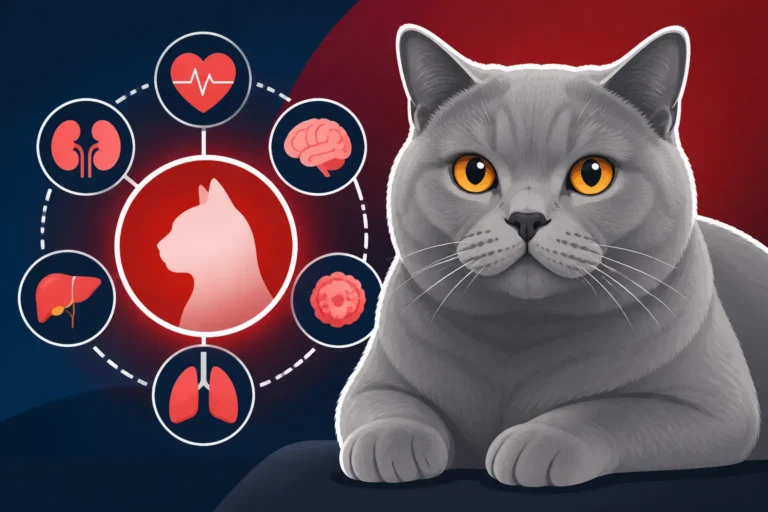
When you look at a British Shorthair, with their sturdy build and calm demeanor, you might imagine they're the picture of robust health. And for the most part, you'd be right! They are generally considered a healthy breed, known for their resilience. However, like any purebred animal, they do have certain predispositions and health considerations that prospective and current owners should be aware of. It's not about being alarmist, but about being informed and prepared, because an ounce of prevention is truly worth a pound of cure.
What to Expect for Their Average Lifespan
The good news is that British Shorthairs typically enjoy a wonderfully long life, often stretching well into their teens. On average, you can expect a British Shorthair to live anywhere from How Long a British Shorthair Lives on Average, with many reaching 15 years or even more with proper care. I've known several personally who have comfortably sailed past the 18-year mark, still purring and enjoying their naps in sunny spots. This isn't a fragile breed; they're built to last, provided their basic health needs are met consistently.
Factors like diet, environment, regular veterinary check-ups, and even their genetic lineage all play a significant role in determining how long your particular British Shorthair will grace your home with their presence. A cat that's kept indoors, fed a high-quality diet, maintains a healthy weight, and receives prompt medical attention for any issues is much more likely to live a full and vibrant life. It's truly a partnership: you provide the care, and they offer years of quiet, loving companionship.
General Resilience and Common Kitty Ailments
British Shorthairs are typically quite stoic, which can be both a blessing and a curse. They rarely complain and often endure discomfort in silence, a trait common among many cat breeds. This means you need to be observant of subtle changes in their behavior or routine to catch potential issues early. They're not prone to a host of obscure genetic disorders, but they can, of course, fall victim to the same common ailments that affect all cats, such as dental disease, parasites, and certain infections.
Vaccinations, regular parasite control, and routine vet visits are paramount for keeping these common issues at bay. Don't skip those yearly check-ups, even if your British Shorthair seems perfectly healthy. Your vet can spot things you might miss and address them before they become serious. For instance, dental health is a huge one; many cats suffer silently from painful gingivitis or tooth resorption that could be managed or prevented with routine care and professional dental cleanings.
Genetic Predispositions to Watch For in British Shorthairs
While generally healthy, the British Shorthair breed does have a few genetic predispositions that responsible breeders screen for, and that owners should be aware of. It’s not a guarantee your cat will get any of these, but understanding the risks helps you be proactive. These aren't usually things you can prevent entirely, but early detection and management can make a world of difference in their quality of life.
Hypertrophic Cardiomyopathy (HCM)
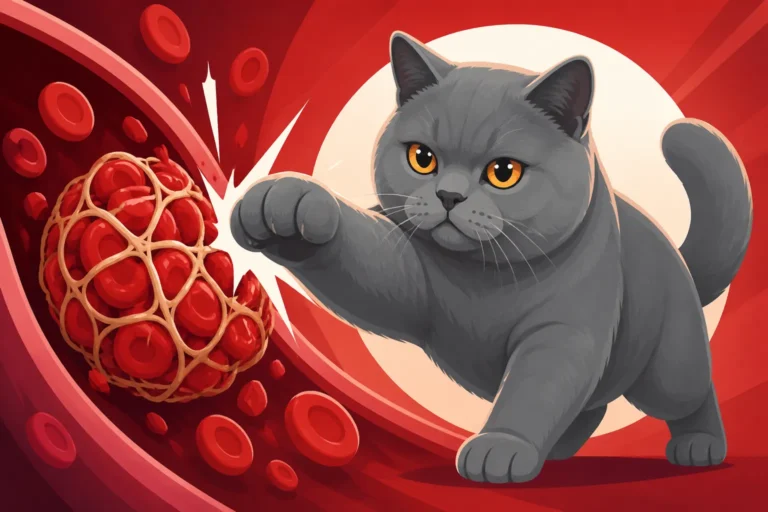
Hypertrophic Cardiomyopathy, or HCM, is hands down the most widely discussed and concerning genetic health issue in British Shorthairs. It's a progressive disease that causes the muscular walls of the heart to thicken, making it harder for the heart to pump blood effectively. It can lead to heart failure, blood clots, or sudden death. The frustrating part for British Shorthair enthusiasts is that HCM in a British Shorthair Has No DNA Test unlike in some other breeds like the Maine Coon.
This means that screening for HCM in British Shorthairs relies heavily on regular cardiac ultrasounds, or "echos," performed by a board-certified veterinary cardiologist. A clear echo doesn't mean your cat will never develop HCM, but it indicates they are clear at the time of the scan. Many dedicated breeders will have their breeding cats scanned annually to try and keep the disease out of their lines. For pet owners, understanding The Yearly Echo That Replaces a British Shorthair Gene Test is crucial for early detection, which can extend and improve your cat's life with appropriate medication.
Polycystic Kidney Disease (PKD)
Polycystic Kidney Disease (PKD) is another genetic condition that historically affected British Shorthairs. It’s characterized by the development of multiple fluid-filled cysts in the kidneys, which grow over time and can eventually lead to kidney failure. The good news here is that for PKD, there is a reliable DNA test! Polycystic Kidney Disease Came Into the British Shorthair With the Persians, largely through the outcrossing that helped rebuild the breed after World War II.
Thanks to the DNA test, responsible breeders have made significant strides in eliminating PKD from British Shorthair lines. Most reputable breeders today will ensure their breeding cats are DNA tested clear for PKD. If you're getting a kitten, always ask to see the parents' PKD test results. For an adult British Shorthair whose history you don't know, a simple, non-invasive cheek swab can confirm their PKD status, giving you peace of mind. Regular vet checks and keeping your cat well-hydrated can help support kidney health generally, though PKD is a structural issue.
Blood Type B and Neonatal Isoerythrolysis
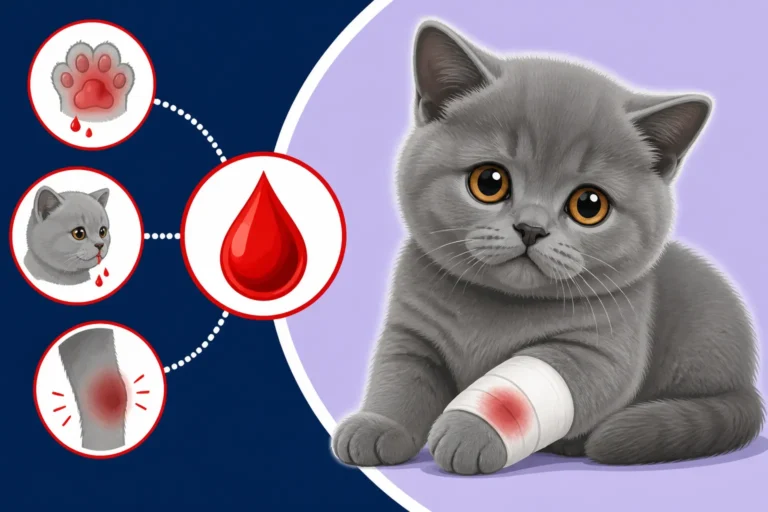
This might sound a bit obscure, but understanding blood types is absolutely critical for breeders, and still relevant for pet owners in certain situations, such as transfusions or if you happen to get an intact cat. The British Shorthair breed has a higher prevalence of blood type B compared to many other breeds. While seemingly innocuous, Blood Type B and the British Shorthair Kittens It Kills when a blood type B queen (female cat) is bred to a blood type A tom (male cat).
In such a pairing, the kittens can inherit blood type A from the father. When these type A kittens nurse from a type B mother, they ingest antibodies in the colostrum that destroy their red blood cells, leading to a fatal condition known as Neonatal Isoerythrolysis. This typically happens within the first few days of life, and the kittens often fade quickly. For pet owners, knowing your cat's blood type is important if they ever need a blood transfusion, as a mismatch can be life-threatening. Reputable breeders test their cats for blood type to avoid these tragic pairings, which is one of the many reasons What a British Shorthair Breeder Should Have Tested.
Common Ailments Tied to British Shorthair Traits
Beyond the genetic predispositions, British Shorthairs often face common health challenges that are somewhat tied to their specific physical traits and laid-back personalities. Being aware of these can help you better manage their overall health and potentially prevent issues before they become serious.
The Ever-Present Risk of Obesity
Let's be real: British Shorthairs are incredibly charming, and their round, plush appearance makes it easy to accidentally overfeed them. They often look naturally chunky, which can obscure actual weight gain. However, Obesity Is the British Shorthair's Real Disease and it's a silent epidemic in the breed. Their low activity level combined with a hearty appetite creates a perfect storm for packing on the pounds. It’s not just about looking "too cuddly"; obesity is a serious health risk.
Excess weight can lead to a cascade of health problems, including diabetes, arthritis (especially hard on their sturdy but not indestructible joints), liver disease, and even reduced lifespan. It also makes grooming difficult, particularly around their back and hindquarters, which can lead to skin issues. Portion control and encouraging gentle play are your best defenses. Don't free-feed your British Shorthair, and measure their food carefully. If you suspect your cat is overweight, your vet can help you establish a safe and effective weight loss plan. It’s an ongoing battle for many BSH owners, but a critical one.
Dental Disease: A Silent Affliction
Just like people, cats are susceptible to dental problems, and British Shorthairs are no exception. Gingivitis, plaque, tartar buildup, and ultimately periodontal disease are incredibly common. Gingivitis in a British Shorthair can start subtly, with reddened gums, and progress to painful infections, tooth loss, and even systemic health issues as bacteria from the mouth enter the bloodstream. Because cats are so adept at hiding pain, you might not even realize your beloved pet is suffering.
Regular dental check-ups, ideally once a year as part of their routine wellness exam, are crucial. Your vet will examine their teeth and gums for any signs of trouble. Many cats will eventually need professional dental cleaning under anesthesia to remove plaque and tartar below the gum line. Daily tooth brushing at home is the gold standard for prevention, but let's be honest, few cats tolerate it. Dental treats, water additives, and specialized diets can help, but they are generally not a substitute for professional care when needed.
Urinary Tract Issues
Urinary problems in cats are unfortunately quite prevalent, and British Shorthairs can certainly experience them. Urinary Problems in a British Shorthair can range from urinary tract infections (UTIs) to more serious conditions like bladder stones (urolithiasis) or Feline Idiopathic Cystitis (FIC), which is stress-related inflammation of the bladder. Male cats, especially, are at risk for urinary blockages, which are life-threatening emergencies.
Signs of urinary issues include frequent trips to the litter box, straining to urinate, crying in the litter box, urinating outside the box, or blood in the urine. If you notice any of these, it's critical to see your vet immediately. Keeping your British Shorthair well-hydrated is key to promoting urinary health. Encouraging water intake through water fountains, offering wet food, and ensuring a clean, accessible litter box (or multiple boxes) can go a long way in prevention.
Age-Related Health Concerns for Senior British Shorthairs
As our British Shorthairs enter their golden years, typically around the age of 10 or 12, their health needs begin to shift. Caring for a British Shorthair Past Ten involves a proactive approach, regular veterinary care, and an understanding that their bodies are changing, just like ours do. While it's tough to see them slow down, recognizing and addressing age-related issues can help them maintain a high quality of life.
Arthritis and Joint Pain
Those sturdy, cobby bodies that are so characteristic of the British Shorthair can start to feel the effects of age. Arthritis, or degenerative joint disease, is very common in older cats, especially those who may have carried extra weight in their younger years. You might notice your senior British Shorthair moving a little slower, being less keen to jump onto their favorite window perch, or struggling to use a high-sided litter box. They might also appear stiff after a long nap.
Cats are masters at hiding pain, so overt limping is rare. Instead, look for subtle changes: reluctance to jump, difficulty grooming (especially their back or tail), changes in litter box habits, or a general decrease in activity. Your vet can diagnose arthritis through physical examination and sometimes X-rays. Management often involves pain relief medication, joint supplements (like glucosamine and chondroitin), comfortable, accessible sleeping spots, and possibly ramps to help them reach elevated areas safely. Maintaining a healthy weight throughout their life is the best prevention against severe arthritis.
Hyperthyroidism and Kidney Disease
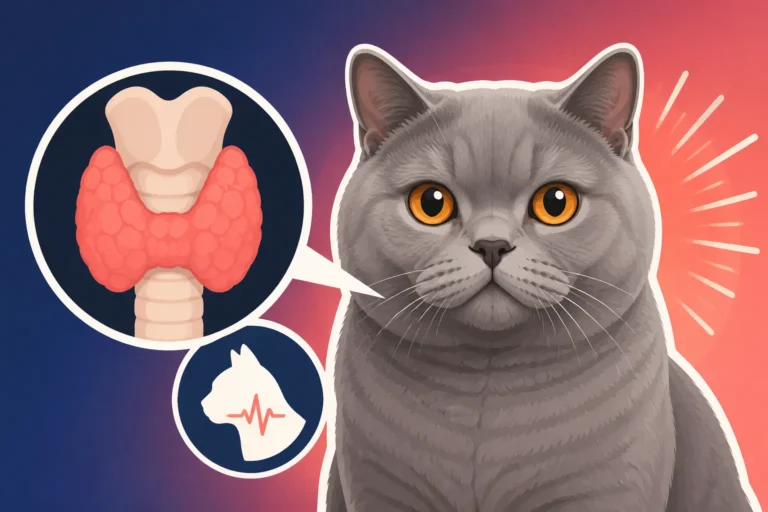
Two other common ailments that tend to crop up in older British Shorthairs are hyperthyroidism and chronic kidney disease. Hyperthyroidism is a condition where the thyroid gland produces too much thyroid hormone, speeding up the cat's metabolism. Hyperthyroidism in an Older British Shorthair can manifest as weight loss despite a ravenous appetite, increased thirst and urination, hyperactivity, vomiting, diarrhea, and a poor coat condition. It's diagnosed with a simple blood test.
Chronic kidney disease (CKD), on the other hand, is a progressive decline in kidney function. It's very common in older cats of all breeds. The kidneys gradually lose their ability to filter waste products from the blood, leading to a buildup of toxins. Symptoms often include increased thirst and urination, weight loss, decreased appetite, vomiting, and lethargy. Early detection through routine blood work, especially during senior wellness exams, is vital, as dietary management and medications can slow the progression of the disease and improve quality of life.
The Importance of Senior Wellness Exams
Because older cats are prone to multiple health issues that can develop gradually and silently, regular senior wellness exams become even more critical. Many vets recommend twice-yearly check-ups for cats over the age of 10. These visits typically include a thorough physical exam, blood work (including a full chemistry panel and thyroid screen), and a urinalysis. Early detection of conditions like kidney disease, hyperthyroidism, diabetes, and even some cancers can allow for earlier intervention, leading to better outcomes and a longer, happier life for your British Shorthair.
Preventative Care: The Foundation of British Shorthair Health
You might hear a lot about specific diseases, but truly, the cornerstone of a healthy British Shorthair lies in consistent, thoughtful preventative care. This isn't just about reacting to illness; it's about setting them up for success from day one and maintaining that strong foundation throughout their life. This is where you, as a loving owner, make the biggest difference.
Regular Veterinary Check-ups and Vaccinations
This cannot be stressed enough: regular vet visits are non-negotiable. Even if your British Shorthair seems perfectly healthy, those annual (and twice-annual for seniors) check-ups are vital. These visits allow your vet to perform a comprehensive physical examination, catch subtle changes that might indicate early disease, and discuss any concerns you might have. Think of it as their annual "MOT" or health MOT.
Beyond the physical exam, regular vaccinations are crucial for protecting your British Shorthair from common feline infectious diseases. Your vet will recommend a vaccination schedule tailored to your cat's lifestyle and local risks. Core vaccines typically include rabies and the FVRCP vaccine (Feline Viral Rhinotracheitis, Calicivirus, and Panleukopenia). Don't forget parasite control either; regular deworming and flea/tick prevention are essential, especially for cats that have any outdoor access or come into contact with other animals. Pet insurance providers, like Healthy Paws, often highlight the importance of preventative care and regular vet visits as a means to maintain good health and detect issues early.
Diet and Weight Management
Given their predisposition to obesity, diet and strict weight management are paramount for British Shorthairs. It’s not about deprivation, but about appropriate nutrition and portion control. Your British Shorthair needs a high-quality, protein-rich diet that supports their muscle mass without excess calories. Wet food is often recommended over dry kibble alone, as it provides higher moisture content, which can be beneficial for urinary tract health and satiety.
A Quick Guide to Healthy Weight Management
| Age/Stage | Dietary Needs | Key Considerations |
|---|---|---|
| Kitten (0-12 months) | High protein, calorie-dense for growth | Ensure proper kitten-specific formula, monitor growth |
| Adult (1-10 years) | Balanced protein/fat, moderate calories for maintenance | Portion control is crucial; avoid free-feeding |
| Senior (10+ years) | Easily digestible, potentially lower phosphorus/sodium | May need specific senior or prescription diets, monitor weight |
Always measure your cat's food. "Eyeballing it" is a recipe for weight gain. If you're unsure about how much to feed, consult your vet; they can help you calculate the ideal caloric intake based on your cat's age, activity level, and current body condition. Regular weigh-ins at home can also help you track their progress and catch any upward creep in weight before it becomes a problem.
Grooming and Dental Hygiene
While British Shorthairs have a relatively low-maintenance coat, it still requires regular care to prevent mats, reduce shedding, and promote skin health. Their dense, plush coats benefit from weekly (or even bi-weekly during shedding seasons) combing with a good quality metal comb. This helps remove loose fur and prevents hairballs. You can learn more about Why a Comb Beats a Brush on a British Shorthair.
Beyond coat care, dental hygiene is absolutely critical. As mentioned, dental disease is rampant in cats. Ideally, you should aim to brush your British Shorthair's teeth daily, or at least a few times a week, using a cat-specific toothbrush and toothpaste. If that's not feasible, talk to your vet about other options like dental rinses, water additives, or specialized dental diets. Don't forget nail trims every few weeks to prevent overgrowth and ingrown claws. Keeping on top of these basic grooming tasks is not just for aesthetics; it's a vital part of their overall health.
Recognizing Signs of Illness in a British Shorthair
One of the biggest frustrations and challenges for British Shorthair owners is that these cats are incredibly stoic. They've mastered the art of hiding discomfort, a survival instinct from their wild ancestors. This means you need to be an observant detective, looking for subtle clues that something isn't quite right. Early detection truly is the key to successful treatment for many feline ailments. Signs a British Shorthair Is Unwell can be very subtle, so pay close attention.
Behavioral Changes
A change in your cat's usual behavior is often the first, and sometimes only, indication of illness. While your British Shorthair is known for being calm and perhaps a bit lazy, any significant deviation from their normal routine should raise a red flag. Are they suddenly hiding more than usual? Are they less interactive, or perhaps even more clingy? Have they stopped playing entirely, or are they refusing to use their scratching post?
Loss of appetite or a sudden decrease in thirst are serious signs, as is an unusual increase in either. Changes in their litter box habits, such as straining, frequent urination (or attempts), urinating outside the box, or changes in stool consistency, warrant immediate veterinary attention. Any sudden aggression, excessive vocalization (which is unusual for this quiet breed), or unusual lethargy should also be investigated. Even a slight decrease in their famous purr could be a sign something is amiss.
Physical Indicators
Beyond behavior, there are several physical signs that can point to a health problem. Regularly giving your British Shorthair a gentle once-over during cuddle time can help you become familiar with what's normal for them. Look for any changes in their coat: dullness, greasiness, excessive shedding, or mats. An unkempt appearance, especially if they usually groom meticulously, could indicate they're not feeling well or are having difficulty reaching certain areas due to pain or obesity.
Check their eyes for discharge, redness, or cloudiness. Look at their nose for dryness, discharge, or crusting. Examine their ears for any redness, discharge, or foul odor. Their gums should be pink, not pale or red, and their breath shouldn't be overly foul (though "kitty breath" is rarely minty fresh). If you can, gently feel their body for any lumps, bumps, or tender spots. Any persistent vomiting, diarrhea, coughing, sneezing, or difficulty breathing (open-mouth breathing is an emergency!) needs immediate veterinary attention. These aren't minor issues, and swift action can be life-saving.
Working with Your Vet and Breeder for Optimal Health
Ensuring your British Shorthair lives a long, healthy life isn't a solo mission. It's a team effort involving you, your veterinarian, and, ideally, a responsible breeder. Each plays a crucial role in providing the best possible care and making informed decisions throughout your cat's life.
Choosing a Responsible British Shorthair Breeder
The journey to a healthy British Shorthair often begins before you even bring them home. Choosing a responsible breeder is perhaps the most critical step. A good breeder is dedicated to the health and welfare of their cats and the breed as a whole. They will be transparent about their breeding practices, health testing, and the lineage of their kittens. They should freely provide proof of health screenings for common genetic issues, such as negative DNA tests for PKD and annual echocardiograms for HCM on all breeding cats.
A reputable breeder will also ensure their kittens are well-socialized, have their first vaccinations, and are dewormed before going to their new homes. They will often provide a health guarantee and be a lifelong resource for you. Avoid breeders who can't provide health records, seem uninterested in vetting you as an owner, or sell kittens that are too young (typically less than 12-14 weeks). A responsible breeder acts as your first line of defense against many health issues by carefully curating their breeding lines.
Building a Strong Relationship with Your Veterinarian
Your veterinarian is your primary partner in your British Shorthair's health journey. Establishing a strong, trusting relationship with a vet who is knowledgeable about feline health – and ideally, familiar with breed-specific considerations – is invaluable. Don't be afraid to ask questions, voice concerns, and discuss all available options for diagnosis and treatment. A good vet will take the time to explain things clearly and involve you in decision-making.
Regular communication with your vet means being proactive. If you notice even subtle changes in your cat, call them. Don't wait until things escalate. They can offer advice, suggest an appointment, or reassure you. It's also wise to discuss diet, lifestyle, and any supplements or preventative treatments with your vet before implementing them. They have the medical expertise to guide you best. When considering pet insurance like Healthy Paws, remember that a strong vet-owner relationship helps ensure you're getting the most out of your coverage by following recommended care.
The Value of Pet Insurance
While not directly preventative care, pet insurance can be a game-changer when unexpected health issues arise. Even with the best preventative care and a responsible breeder, illnesses and accidents can happen. British Shorthairs, despite their general hardiness, are not immune to unforeseen health problems, and specialized treatments for conditions like HCM can be costly.
A good pet insurance policy, such as those offered by Healthy Paws, can help alleviate the financial burden of veterinary emergencies, specialist consultations, surgeries, and ongoing treatments. This allows you to make medical decisions based on what's best for your cat, rather than solely on your budget. It's an investment in peace of mind, ensuring you can provide the best possible care without added stress during an already difficult time.
The Role of Lifestyle in British Shorthair Health
Beyond genetics and professional medical care, your British Shorthair's daily lifestyle profoundly impacts their long-term health and well-being. From their environment to their mental stimulation, every aspect contributes to a holistic picture of health. You have a significant role in shaping this.
Creating an Enriched and Safe Indoor Environment
British Shorthairs are typically indoor cats, which is generally safer for them, protecting them from traffic, fights, diseases from other animals, and predators. However, an indoor life must be enriched to prevent boredom and promote physical activity. While they aren't climbers by nature, they do appreciate vertical space. Sturdy cat trees (look for ones designed for heavier cats!), window perches, and access to sunny spots are important.
Puzzle feeders can provide mental stimulation and slow down eating, which helps with weight management. Regular play sessions, even short ones, are crucial for burning calories and engaging their hunting instincts. Rotate toys to keep things interesting. A clean and consistent home environment also reduces stress, which can contribute to various health issues, including Feline Idiopathic Cystitis. Consider adding a water fountain to encourage increased water intake, which is beneficial for kidney and urinary health.
Gentle Exercise and Mental Stimulation
Let's face it, British Shorthairs aren't known for their Olympic-level athleticism. They much prefer napping in a sunbeam to chasing a laser pointer for hours. However, a sedentary lifestyle directly contributes to obesity and its associated health problems. It's your job to gently encourage them to move. Short, consistent play sessions are more effective than trying to force a marathon play session once a week.
Wand toys with feathers or fuzzy attachments are often a hit. Try dragging toys slowly across the floor to engage their hunting drive. Even a few minutes of play, two or three times a day, can make a huge difference in their physical and mental health. Engaging their minds with puzzle feeders or interactive toys also helps prevent boredom, which can sometimes lead to overeating or destructive behaviors. Remember, even a calm cat needs some form of daily stimulation to stay truly healthy.
Stress Reduction
Cats are creatures of habit and can be sensitive to changes in their environment, and British Shorthairs are no exception. Stress can manifest in various ways, including changes in appetite, litter box issues, over-grooming, or increased hiding. Major life changes like moving, adding a new pet or family member, or even changes in your routine can be stressful for them.
Providing predictable routines, quiet spaces where they can retreat, and consistent interaction can help mitigate stress. Feliway diffusers, calming pheromones, can also be helpful in anxious cats. Addressing potential sources of stress and creating a calm, predictable home environment is an often-overlooked but vital component of overall feline health.
Disclaimer
The information provided in this article is for general informational purposes only and is not intended as a substitute for professional veterinary advice. Always consult with a qualified veterinarian for any health concerns or before making any decisions related to your pet's health and treatment.