HCM in a British Shorthair Has No DNA Test
It’s a truly heartbreaking situation for any British Shorthair owner to face the news of their beloved chunky companion being diagnosed with Hypertrophic Cardiomyopathy, or HCM. The frustration only compounds when you realize that, unlike some other breeds, there isn't a straightforward DNA test available to identify this devastating heart condition in our wonderful BSH cats. This guide is here to walk you through everything you need to know about HCM in British Shorthairs, why genetic testing isn't an option, and how you can best protect and care for your furry family member.
The Devastating Reality of HCM in British Shorthairs
Hearing the term "heart disease" for your British Shorthair can be incredibly scary, and for good reason. Hypertrophic Cardiomyopathy is a serious, progressive condition that unfortunately disproportionately affects certain breeds, and our lovely British Shorthairs are definitely on that list. It’s a silent thief, often progressing without obvious symptoms until it’s quite advanced, leaving owners feeling blindsided and helpless. Understanding what it is and how it impacts your cat is the first step in facing this challenge head-on.
What is Hypertrophic Cardiomyopathy?
At its core, Hypertrophic Cardiomyopathy is a disease where the muscle walls of a cat's heart, particularly the left ventricle, become abnormally thick. Imagine a strong, flexible muscle that's meant to pump blood efficiently throughout the body; with HCM, these walls become stiff and bulky. This thickening reduces the size of the heart chambers, meaning less blood can be held and pumped with each beat. Think of trying to squeeze water through a narrower pipe – the flow is restricted, and the heart has to work much harder to get blood where it needs to go. This increased effort puts immense strain on the heart over time, making it less and less efficient.
This condition isn't just about a thicker heart muscle; it leads to a cascade of problems. The heart struggles to relax properly, hindering its ability to fill with blood. The valves might not function as well, causing leaks or turbulence in blood flow, which veterinarians might detect as a heart murmur. The ultimate result is a heart that can't supply enough oxygenated blood to the body, leading to a range of potential complications. For a British Shorthair, a breed known for its calm demeanor and tendency towards being a bit of a couch potato, these changes can be incredibly subtle at first, making early detection particularly challenging without proper screening.
How HCM Affects Your British Shorthair's Life
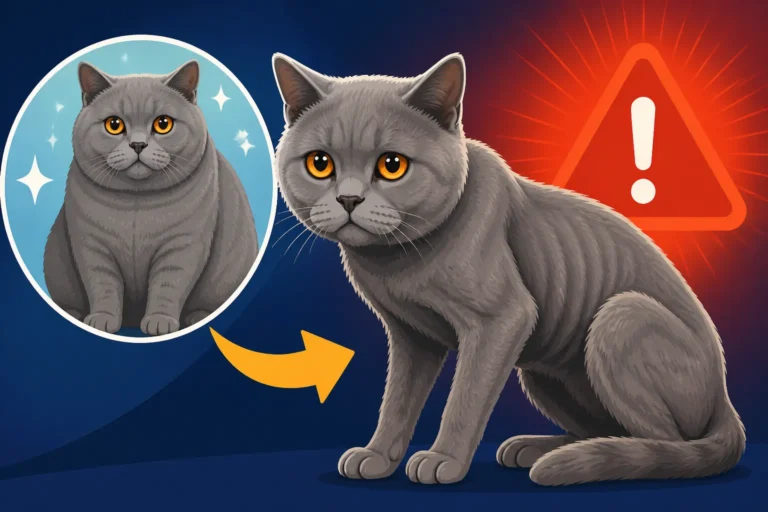
The impact of HCM on a British Shorthair can vary wildly, from cats living for years with no outward signs to others suffering severe, rapid decline. This unpredictability is one of the most agonizing aspects for owners. Initially, your cat might seem perfectly normal, enjoying their naps and quiet interactions. But internally, their heart is working overtime, slowly deteriorating. Many cats remain asymptomatic for a long time, leading to the devastating potential for sudden death, often without any prior warning whatsoever. This is why regular screening is so critical.
As the disease progresses, or if it develops quickly, you might start to see subtle changes. Your British Shorthair, already a low-energy breed, might become even less active, reluctant to play even with their favorite feather wand. They might sleep more, eat less, or simply seem "off." Unfortunately, by the time many cats show clear signs, the disease is already quite advanced, often progressing to congestive heart failure. This is when fluid starts to build up, usually in or around the lungs, making breathing incredibly difficult. You might notice your cat breathing rapidly, panting, or even struggling for breath. Another terrifying complication is the formation of blood clots within the heart chambers, which can then travel and block blood flow to other parts of the body, most commonly the hind legs. This is known as a saddle thrombus, a painful and often fatal event that causes sudden paralysis. It’s a truly horrific scenario that no owner ever wants to witness. For a deeper dive into the specific ways HCM impacts their heart, you can explore What HCM Does to a British Shorthair's Heart. Recognizing the early, often subtle, indicators can be crucial; for more information on spotting these, see Signs a British Shorthair Has Heart Disease.
The Frustrating Absence of a DNA Test for British Shorthair HCM
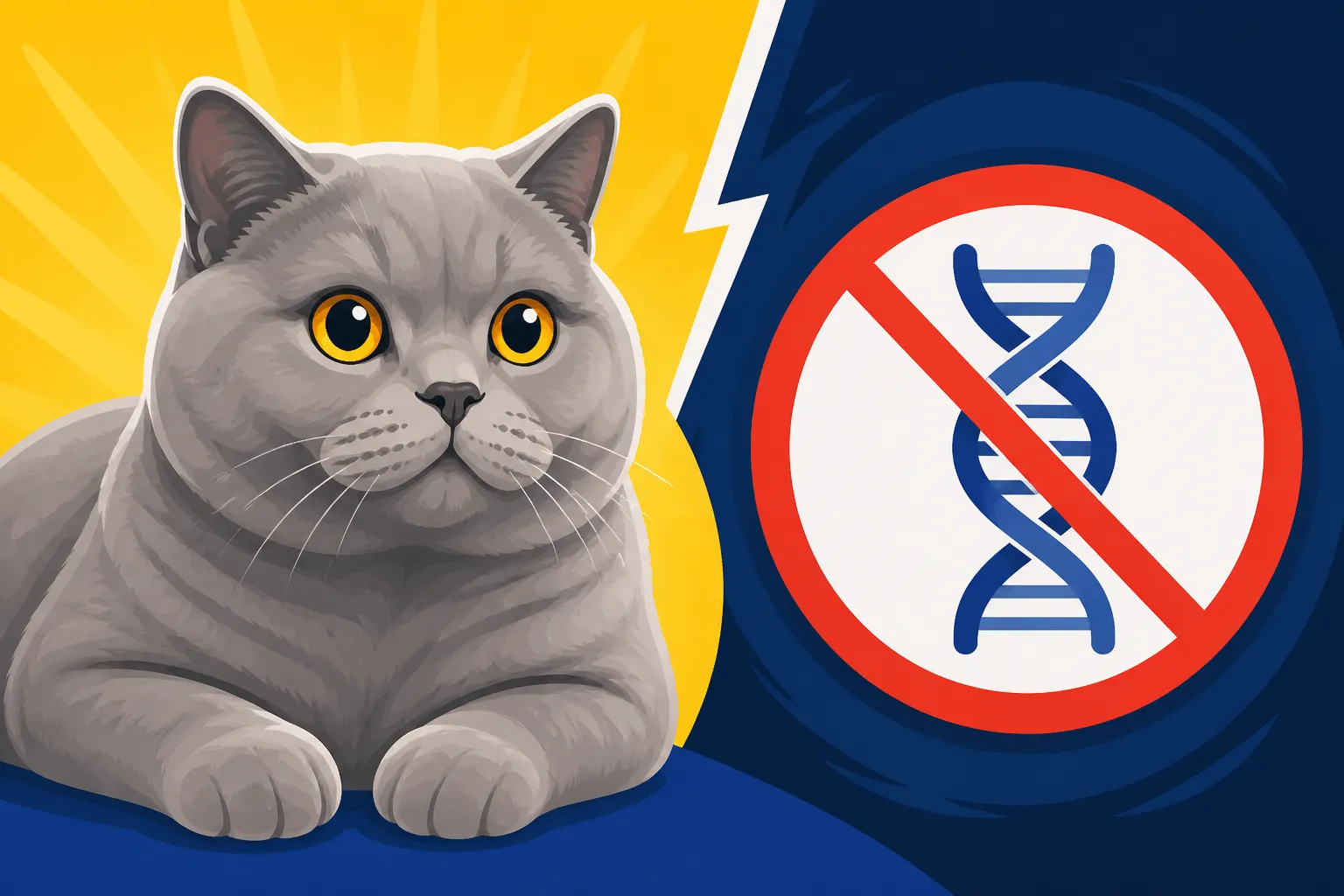
It's natural to feel frustrated, even angry, when you learn there's no simple genetic test for HCM in British Shorthairs. Other breeds have them, so why not ours? This isn't due to a lack of effort or scientific interest; rather, it speaks to the complex genetic underpinnings of the disease within the British Shorthair population. We all wish for an easy blood test that could tell us definitively if our beloved cat carries this risk, but the reality is far more intricate.
Why No Genetic Test Exists Unlike Other Breeds
When we talk about DNA tests for HCM in cats, the most common example many people think of is the one for Maine Coons or Ragdolls. These tests look for a specific mutation in a gene called MYBPC3. This particular mutation has been identified as a significant cause of HCM in those breeds, making a DNA test a reliable screening tool. If a cat tests positive for this mutation, we know it's genetically predisposed to developing HCM. This offers a clear, actionable path for breeders and owners.
However, for the British Shorthair, it’s a completely different story. Despite extensive research, scientists have yet to identify a single, specific gene mutation that is consistently linked to HCM across the breed. This suggests that HCM in British Shorthairs is likely polygenic, meaning it’s caused by a combination of multiple genes, possibly interacting with environmental factors. It's not one "bad" gene, but rather a complex interplay of several genes that contribute to the risk. This makes developing a simple, reliable DNA test incredibly difficult, if not impossible, with current technology. Researchers continue to explore the genetic landscape of British Shorthairs, but finding a definitive marker has proven elusive. For a more detailed explanation, take a look at Why There Is No British Shorthair HCM Gene Test and Why Breeders Cannot DNA Test British Shorthair HCM. The scientific challenge is immense, and it’s why we must rely on other methods for screening.
The Misconception of Using Other Breed Tests
Given the existence of DNA tests for other breeds, it’s understandable that some owners or even less informed breeders might wonder if they could simply use, say, the Maine Coon HCM DNA test for their British Shorthair. The answer, definitively, is no. This is a crucial point that needs to be widely understood, as attempting to use such a test can lead to a false sense of security or unnecessary alarm.
The genetic mutation detected by the Maine Coon (or Ragdoll) HCM DNA test is specific to those breeds and the particular genetic pathways involved in their form of HCM. It's like trying to use a key for one lock on a completely different lock; it simply won't work. A British Shorthair could have a perfectly healthy MYBPC3 gene, test "clear" on a Maine Coon DNA panel, and still develop severe HCM because their disease is caused by different, unidentified genetic factors. This could lead an owner to believe their cat is safe when it is not, causing them to forgo the appropriate screening methods. Conversely, a test might return an uninterpretable result or a false positive, causing undue stress and potentially leading to a healthy cat being unnecessarily removed from a breeding program. This misconception underscores the importance of breed-specific knowledge and relying on validated scientific methods. To learn more about why these tests are not interchangeable, please read Whether the Maine Coon Test Works on a British Shorthair.
The Gold Standard for HCM Screening: Regular Echocardiograms
Since a DNA test isn't an option for our British Shorthairs, we must rely on the best diagnostic tool available: the echocardiogram. This non-invasive procedure is the cornerstone of responsible breeding and pet ownership when it comes to managing HCM. It might feel like a hassle or an added expense, but it's truly the only way to get a clear picture of your British Shorthair's heart health.
What an Echocardiogram Reveals
An echocardiogram is essentially an ultrasound of the heart. It’s a remarkable piece of diagnostic technology that allows veterinary cardiologists to visualize the heart's structure and function in real-time. During the procedure, a technician or cardiologist will gently shave a small area on your cat's chest to ensure good contact for the ultrasound probe. Then, using ultrasound gel, they'll glide the probe over the chest, and images of the heart will appear on a monitor. It's completely non-invasive and generally doesn't require sedation for most calm British Shorthairs, though some may benefit from a mild sedative to ensure they remain still and comfortable for the best imaging.
What are they looking for? Quite a lot! The cardiologist will meticulously measure the thickness of the heart muscle walls, particularly the left ventricle. They'll assess the size of the heart chambers, looking for any dilation or narrowing. They'll also observe how well the heart valves are functioning and evaluate the blood flow through the heart using Doppler technology. This allows them to detect any turbulence or blockages, which might indicate abnormal pressure or structural issues. The expertise of a board-certified veterinary cardiologist is paramount here, as they are specifically trained to interpret these intricate images and identify even subtle changes that could indicate early HCM. Their trained eye can differentiate between a naturally robust British Shorthair heart and one that is developing early signs of thickening. For a deeper understanding of how this procedure is performed, check out How a British Shorthair's Echo Is Performed.
When and How Often to Screen Your British Shorthair
Establishing a consistent screening schedule is vital for both breeding cats and beloved pets. For breeding British Shorthairs, the recommendations are quite specific to minimize the risk of passing on the condition. Kittens intended for breeding should ideally have their first echo between 10-12 months of age. This initial screen provides a baseline and helps ensure they are structurally sound before entering a breeding program. After that, annual echocardiograms are strongly recommended for all breeding cats throughout their breeding career. This annual screening is crucial because HCM can develop at any age, even in cats that have previously screened clear.
For pet British Shorthairs, the guidelines can be a bit more flexible but are still highly recommended. Many owners choose to start screening around 1-2 years of age, or even earlier if there's a known family history of HCM. After the initial screen, if the cat is clear, subsequent screenings might be recommended every 1-2 years, or more frequently if any abnormalities are detected or if their lineage has a higher prevalence of HCM. Even if your cat has no symptoms and a clear echo, things can change. Consider the case of a seemingly healthy British Shorthair named Winston, who at age five, despite yearly clear echos, showed early signs of thickening at his annual check-up. This highlights why consistency is key. Understanding When a British Shorthair Should Have Its First Echo and How Often a British Shorthair Needs an Echo are critical pieces of information for every BSH owner. Don't wait until symptoms appear, as by then, the disease may be quite advanced. It's always best to be proactive. More details on starting screening can be found in The Age a British Shorthair Should Start Screening.
Managing and Treating HCM in Your British Shorthair
Receiving an HCM diagnosis for your British Shorthair is undoubtedly frightening, but it's important to remember that it's not an immediate death sentence. Advances in veterinary cardiology mean that many cats with HCM can live comfortably for extended periods with proper management and medication. The key is early detection and a commitment to ongoing care in partnership with your veterinary team.
Understanding the Stages of HCM and Treatment Options
Veterinarians typically categorize HCM into different stages, which helps guide treatment decisions. In the earliest stage, known as "occult" or "asymptomatic" HCM, the heart thickening is present, but the cat shows no outward signs of illness. At this stage, some cardiologists may recommend starting certain medications to potentially slow the progression of the disease, though this is debated and depends on the individual cat and severity of the changes. The focus is often on monitoring and preventing complications.
As the disease progresses to symptomatic stages, treatment becomes more robust. Medications aim to address specific issues:
- Beta-blockers (like Atenolol) help slow the heart rate and allow the heart to fill more effectively, reducing the heart's workload.
- ACE inhibitors (such as Benazepril or Enalapril) help relax blood vessels, making it easier for the heart to pump blood.
- Diuretics (like Furosemide) are used when congestive heart failure develops to remove excess fluid from the lungs, easing breathing difficulties.
- Anti-coagulants (such as Clopidogrel, often called Plavix) are crucial for cats at high risk of forming blood clots, which can lead to devastating saddle thrombus.
The specific combination and dosage of these medications will be tailored to your British Shorthair by a cardiologist. The goal isn't to cure HCM, as there is no cure, but to manage the symptoms, improve the heart's function, prevent complications, and ultimately enhance your cat's quality of life for as long as possible. For a closer look at the different medications used, explore Which Medication a British Shorthair With HCM Takes. It's a complex regimen, but highly effective for many cats. Further details on how the condition is generally treated can be found in How a British Shorthair With HCM Is Treated. This is where having pet insurance like Healthy Paws can truly be a lifesaver, helping to cover the often significant costs of ongoing prescriptions and specialist consultations, allowing you to focus on your cat's care rather than the financial strain.
Living with a British Shorthair with HCM
Once your British Shorthair has been diagnosed with HCM, your role as an owner becomes even more critical. Living with an HCM cat means a heightened awareness of their well-being and a proactive approach to their health. One of the most important things you'll be asked to do at home is to monitor their resting respiratory rate. This involves counting your cat's breaths per minute while they are sleeping peacefully. An increase in this rate can be an early indicator of fluid accumulation in the lungs, signaling the onset of congestive heart failure, and warrants an immediate call to your vet.
Beyond breath counts, observe their energy levels, appetite, and any changes in their usual quiet demeanor. Are they suddenly more lethargic? Are they refusing food they once loved? Any subtle shift can be important. Regular follow-up appointments with your veterinary cardiologist will be essential, usually every few months, depending on the stage of the disease and how well your cat is responding to medication. Creating a calm, predictable environment is also beneficial, as stress can put extra strain on a compromised heart. While the prognosis for HCM varies greatly – some cats live for many years post-diagnosis, while others decline more rapidly – your dedication to their care can significantly impact their longevity and comfort. For an understanding of what to expect regarding lifespan after diagnosis, refer to How Long a British Shorthair Lives After an HCM Diagnosis. It's a journey that requires patience, vigilance, and a whole lot of love.
The Breeder's Responsibility in Combating HCM
For anyone considering bringing a British Shorthair into their home, whether as a pet or for breeding, understanding the breeder's role in combating HCM is paramount. Responsible breeders are the first line of defense against this genetic predisposition, and their commitment to rigorous screening and ethical practices directly impacts the health and longevity of the breed. It's a commitment that goes beyond simply producing beautiful kittens; it's about safeguarding the future of the British Shorthair.
Ethical Breeding Practices and Screening Programs
Ethical British Shorthair breeders understand that despite the lack of a DNA test, they bear a significant responsibility in minimizing the incidence of HCM. This responsibility primarily revolves around continuous, diligent screening of their breeding cats using echocardiograms. No breeding cat should be allowed to produce offspring without a recent, clear echocardiogram performed by a board-certified veterinary cardiologist. Furthermore, this screening should be ongoing, with annual echoes performed throughout the cat's breeding career, as HCM can develop later in life even in previously clear cats.
Beyond individual cat screening, responsible breeders also consider the pedigree and family history. If a breeding cat, or any of its close relatives (parents, siblings, offspring), is diagnosed with HCM, that cat should be immediately removed from the breeding program. This strict adherence to screening and removal is crucial for reducing the prevalence of the disease within the breed. Transparency is another hallmark of an ethical breeder; they should be eager to share copies of all health screening results, not just for the parents of the kitten but ideally for several generations back. They understand that these practices, though costly and time-consuming, are non-negotiable for the health of their lines. To get a comprehensive picture of what health tests a British Shorthair breeder should be conducting, please consult What a British Shorthair Breeder Should Have Tested. It's about making tough decisions for the greater good of the breed. For specifics on breeding affected cats, see Whether an Affected British Shorthair Should Be Bred.
What Prospective Owners Should Ask Breeders
When you're looking for a British Shorthair kitten, it's easy to get swept up in the cuteness. However, it's essential to do your due diligence and ask pointed questions about health screening. A reputable breeder will welcome these questions and have readily available answers and documentation. Start by asking about the HCM screening history of both parents, and ideally, their parents (the grandparents of your potential kitten). Don't just accept a verbal assurance; ask to see copies of the actual cardiologist reports. These reports should clearly state the date of the echo, the name of the board-certified veterinary cardiologist who performed it, and the results ("Normal" or "No evidence of HCM").
It’s also wise to inquire about the overall health history of their breeding lines. Have any cats in their pedigrees developed HCM? What is their policy if a kitten they've sold develops HCM later in life? A health guarantee, though not always financial, should reflect a breeder's commitment to the health of their kittens. Be wary of breeders who claim their lines are "HCM-free" without providing verifiable, ongoing echo results, or who offer a DNA test result for HCM, as we know this doesn't exist for British Shorthairs. This level of transparency gives you peace of mind that you're supporting a breeder who genuinely cares about the long-term health of their cats. Remember, asking to see these results is not being intrusive; it's being a responsible prospective owner. For more information on what health results to expect, consider Whether a British Shorthair Breeder Shows Echo Results. Having a plan for potential health issues, perhaps through pet insurance like Healthy Paws, can also be a proactive step even before you bring your kitten home, covering unforeseen vet bills.
The Financial Burden of HCM and How to Prepare
Let's be realistic: owning a British Shorthair can be a significant financial commitment, and that commitment only increases if you face a health challenge like HCM. The costs associated with screening, diagnosis, and long-term treatment can be substantial. Understanding these potential expenses upfront allows you to prepare and make informed decisions, ensuring you can provide the best possible care for your beloved companion without added financial stress.
Cost of Screening and Diagnosis
The first major expense related to HCM, even before a diagnosis, is the cost of regular echocardiograms. These specialist scans are not cheap, and their ongoing nature means they represent a recurring investment in your cat's health. The cost of a single echocardiogram for a British Shorthair can vary significantly depending on your geographic location and the veterinary cardiology clinic. In a major city like London or New York, you might expect to pay anywhere from £300-£700 (or $400-$900 USD) for a comprehensive cardiac ultrasound performed by a board-certified specialist. This fee usually includes the cardiologist's time for the scan, their expert interpretation of the images, and a detailed report.
For a breeding cat, this cost is incurred annually, sometimes for many years, adding up considerably over their lifetime. Even for a pet cat, if you follow the recommended screening schedule every 1-2 years, these costs accumulate. This doesn't even account for the initial general vet consultation fees, which might precede a referral to a cardiologist. It's a necessary expense that reflects the specialized equipment and expertise required. Knowing What a British Shorthair Echo Costs and considering What a British Shorthair's Yearly Echo Costs can help you budget for preventative care, which is always more manageable than emergency treatment.
Long-Term Treatment Expenses
Once an HCM diagnosis is made, the financial commitment shifts from screening to long-term management and treatment. This is where the costs can truly begin to mount. Most cats diagnosed with symptomatic HCM will require a regimen of daily medications, often for the rest of their lives. These medications, such as beta-blockers, ACE inhibitors, and anti-coagulants, need to be refilled regularly, leading to monthly prescription costs that can easily range from £50-£200 ($60-$250 USD), depending on the specific drugs, dosages, and your pharmacy. Over months and years, these add up to thousands.
Beyond daily medications, there's the ongoing cost of follow-up visits with the cardiologist, which might include repeat echocardiograms to monitor the disease's progression and adjust medication. These follow-ups can occur every 3-6 months. Then there's the potential for emergency veterinary care. If your British Shorthair goes into congestive heart failure or develops a saddle thrombus, the cost of hospitalization, emergency diagnostics, and intensive treatment can quickly skyrocket into the thousands, even tens of thousands, of pounds or dollars. These are critical, often life-saving interventions that you simply cannot afford to forgo. This is precisely why investing in comprehensive pet insurance early on, from a provider like Healthy Paws, is one of the smartest financial decisions you can make. It can help cover a significant portion of these ongoing treatment costs, including specialist visits, medications, and emergency care, providing immense peace of mind. Knowing Whether Insurance Covers a British Shorthair's HCM is vital to understanding your coverage options.
| HCM Aspect | Description | Typical Cost (Annual/Event) | Pet Insurance Coverage Potential |
|---|---|---|---|
| Echocardiogram (Screening) | Specialist heart ultrasound for early detection | £300-£700 / $400-$900 (yearly) | Often covered if not pre-existing |
| Initial Vet Consultation | General check-up, referral if murmur heard | £50-£100 / $60-$120 | Yes |
| Daily Medications | Beta-blockers, ACE inhibitors, etc. for life | £600-£2400 / $720-$3000 (yearly) | Yes |
| Cardiologist Follow-ups | Monitoring disease progression, med adjustments | £150-£400 / $200-$500 (2-4x/year) | Yes |
| Emergency Treatment (e.g., CHF) | Hospitalization, oxygen, IV meds | £1000-£5000+ / $1200-$6000+ | Yes |
| Saddle Thrombus Treatment | Intensive care, pain management, surgery (rarely) | £2000-£10,000+ / $2500-$12000+ | Yes |
| Genetic Test (BSH HCM) | Not available for British Shorthairs | N/A | N/A |
Disclaimer
This article is intended for informational purposes only and does not constitute professional veterinary advice. Always consult with a qualified veterinarian or a board-certified veterinary cardiologist for any health concerns or before making any decisions regarding your British Shorthair's medical care.