Which Tests the British Shorthair Health Panel Covers
Bringing a British Shorthair into your life is an incredible joy, but it also comes with a big responsibility: ensuring their long-term health and happiness. For many prospective owners, and even those who've had these wonderful felines for years, understanding what a comprehensive "health panel" for a British Shorthair truly covers can feel like navigating a maze. There's so much information out there, often conflicting, and the last thing you want is to miss a crucial test that could impact your beloved cat's well-being. This guide aims to clear up that confusion, meticulously detailing the essential health tests that responsible British Shorthair breeders and owners should be aware of, helping you advocate for the best possible care for your plush companion.
Understanding the Core Genetic Health Concerns for British Shorthairs
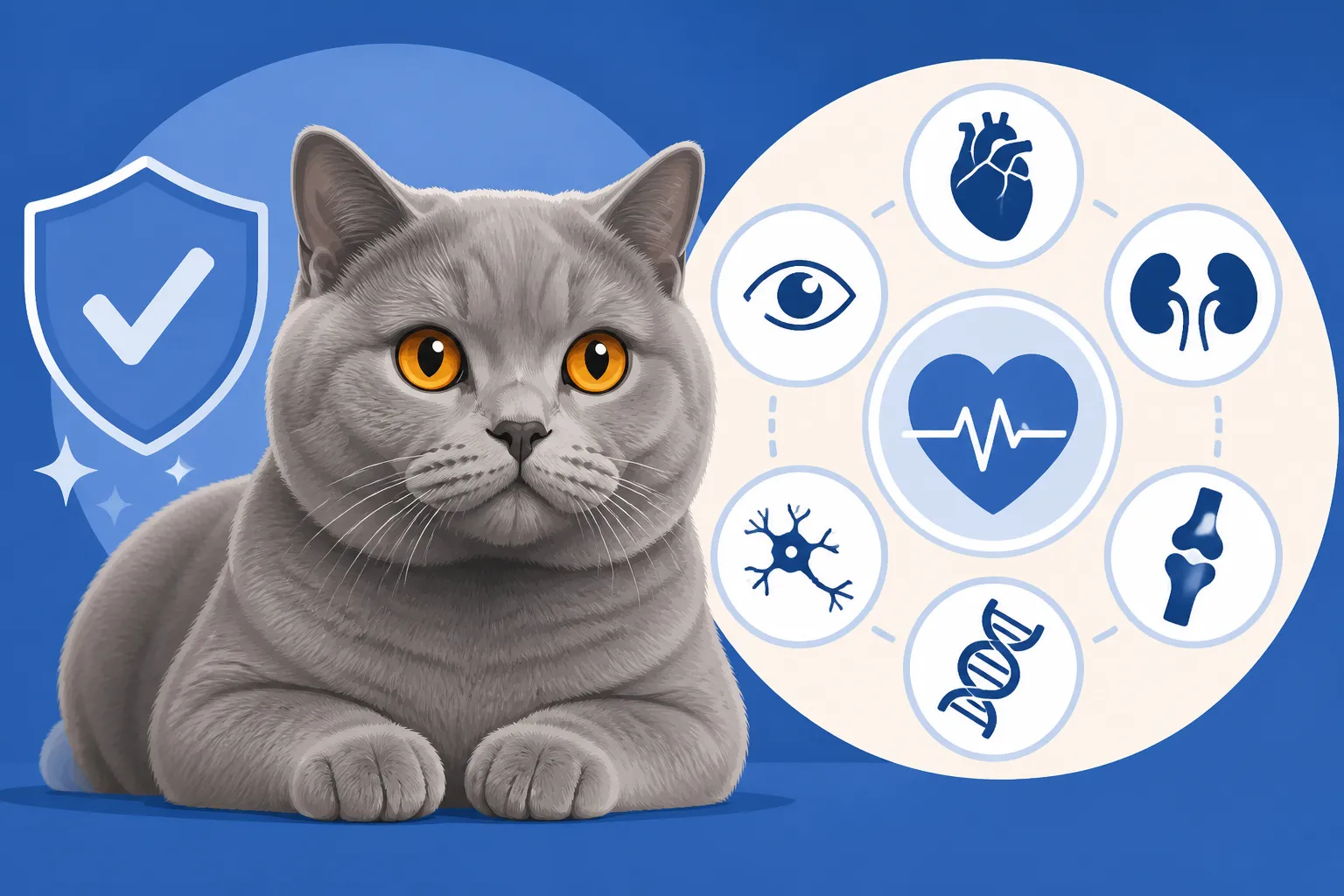
When we talk about a "health panel" for a British Shorthair, we're really looking at a set of screenings specifically tailored to the predispositions of the breed. These aren't just general vet checks, though those are vital too. These are targeted efforts to catch or prevent conditions that, unfortunately, have become associated with the breed's genetic lineage. Knowing these tests and their purpose empowers you to make informed decisions and ask the right questions, whether you're choosing a kitten or managing an adult cat's health.
Hypertrophic Cardiomyopathy HCM Screening
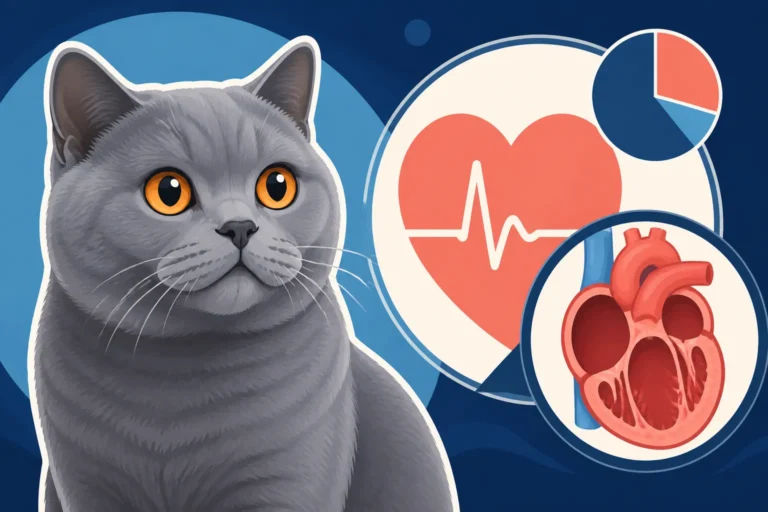
This is arguably the most critical health concern for British Shorthairs, and rightly so. Hypertrophic Cardiomyopathy (HCM) is a heartbreaking heart condition where the walls of the heart's main pumping chamber thicken, making it harder for the heart to pump blood effectively. It's often silent, meaning cats can appear perfectly healthy until a sudden, severe event occurs, which is incredibly distressing for any owner.
Because there's no reliable DNA test for HCM in British Shorthairs, unlike some other breeds, screening relies on regular echocardiograms. An echocardiogram is essentially an ultrasound of the heart, performed by a veterinary cardiologist, that allows them to visualize the heart's structure and function in real-time. Reputable breeders will have their breeding cats scanned yearly, or at least every one to two years, to monitor for any signs of the disease. This ongoing screening is vital because HCM can develop at any age, even in cats with previously clear scans. When looking for a kitten, always ask to see recent echocardiogram results for both parents. This commitment to regular screening is one of the most significant indicators of a breeder's dedication to the health of their lines. The article, The Yearly Echo That Replaces a British Shorthair Gene Test, goes into more depth on this crucial process.
Polycystic Kidney Disease PKD Testing
Polycystic Kidney Disease (PKD) is another inherited condition that British Shorthairs can be prone to, primarily because of the historical outcrossing with Persian cats during the breed's reconstruction. PKD causes fluid-filled cysts to form in the kidneys, which gradually grow over time, eventually impairing kidney function and leading to kidney failure. Unlike HCM, there's a highly effective DNA test for PKD, which is fantastic news for the breed.
The PKD1 DNA test is a simple cheek swab or blood test that can definitively tell you if a cat has the gene for PKD. A cat only needs one copy of the gene to develop the disease, and two copies are lethal, usually resulting in kittens that don't survive. The good news is that thanks to widespread DNA testing, PKD is now largely considered to be well on its way to being eradicated in responsible British Shorthair breeding programs. However, it's still absolutely essential to confirm that both parents of a kitten have been tested and are negative for the PKD gene. If you're acquiring an adult British Shorthair, particularly from a rescue or if their history is unknown, getting them tested is a simple, proactive step you can take. You can learn more about its history in the breed through Polycystic Kidney Disease Came Into the British Shorthair With the Persians.
Essential Blood and Genetic Screenings
Beyond the major structural diseases like HCM and PKD, there are other crucial genetic and blood-related tests that form part of a comprehensive health panel for a British Shorthair. These tests address specific genetic predispositions that, while perhaps less commonly discussed, are no less important for ensuring the well-being of individual cats and maintaining the health of the breed overall.
Blood Type Determination
You might not think about your cat's blood type until an emergency, but for British Shorthairs, it's a critical piece of information, especially for breeding. The primary reason for blood typing British Shorthairs is to prevent Neonatal Isoerythrolysis (NI), a potentially fatal condition in kittens. Certain breeds, including the British Shorthair, have a higher incidence of blood type B. If a blood type B queen (female cat) is bred to a type A or AB tom (male cat), and she has type A or AB kittens, her colostrum (first milk) will contain antibodies against the kittens' red blood cells. When the kittens nurse, these antibodies attack their red blood cells, leading to severe anemia, jaundice, and often death within the first few days of life.
A simple blood test, or even a specialized blood typing card, can determine a cat's blood type. For breeding cats, knowing their blood type is non-negotiable. Type B queens should only be bred to type B toms to completely avoid NI. For pet owners, knowing your cat's blood type can be life-saving in an emergency requiring a blood transfusion. While less common, it’s good information for your vet to have on file. The article Blood Type B and the British Shorthair Kittens It Kills delves into the mechanics of this critical issue.
Hemophilia B Screening
Hemophilia B is a rare but serious inherited bleeding disorder that can affect British Shorthairs. Cats with hemophilia B lack or have insufficient amounts of a specific clotting factor (Factor IX), which means their blood cannot clot properly. This can lead to excessive bleeding from minor injuries, prolonged bleeding after surgery (like neutering), or even spontaneous internal bleeding, which is incredibly dangerous.
Fortunately, there is a DNA test available for Hemophilia B, allowing breeders to identify carriers of the gene. This is crucial because, like many X-linked disorders, females can be carriers without showing symptoms, while males who inherit the gene will be affected. Responsible breeders will test their breeding stock to ensure they are not unknowingly passing on this gene. If a cat is a carrier, they should ideally be removed from a breeding program, or if breeding is deemed absolutely necessary for other genetic reasons, then careful mating with non-carrier partners is essential to prevent affected kittens. If you're curious, Hemophilia B in a British Shorthair offers more details on this condition.
Here's a quick overview of the key health panel tests for British Shorthairs:
| Test Name | What It Screens For | Testing Method | Importance |
|---|---|---|---|
| Echocardiogram (Echo) | Hypertrophic Cardiomyopathy (HCM) | Cardiac Ultrasound | Crucial for monitoring heart health, no DNA test available. |
| PKD1 DNA Test | Polycystic Kidney Disease | DNA (cheek swab/blood) | Highly effective in eradicating PKD from breeding lines. |
| Blood Typing | Cat's blood group (A, B, AB) | Blood test / Card test | Prevents Neonatal Isoerythrolysis in kittens, vital for transfusions. |
| Hemophilia B DNA Test | Hemophilia B (bleeding disorder) | DNA (cheek swab/blood) | Identifies carriers to prevent affected offspring. |
| General Vet Exam | Overall health, weight, dental, listen to heart/lungs | Physical Examination | Baseline health, early detection of common issues. |
| Routine Bloodwork | Organ function, red/white blood cells, thyroid (seniors) | Blood sample | Comprehensive internal health check, especially for older cats. |
Broader Wellness Checks and Emerging Concerns
While genetic tests form the foundation of a British Shorthair's health panel, they are far from the whole picture. A truly comprehensive approach involves regular, proactive veterinary care that addresses general wellness, nutrition, and common age-related conditions. It's about looking at the whole cat, not just their genetic predispositions.
General Veterinary Examinations and Diagnostics
Beyond specific breed tests, routine veterinary check-ups are paramount. Your British Shorthair should have at least one thorough wellness exam annually, and potentially twice a year as they enter their senior years, typically around age ten. During these visits, your vet will perform a full physical examination, checking everything from their coat and skin to their teeth, ears, and eyes. They'll listen to their heart and lungs, palpate their abdomen, and check their joints for any signs of discomfort or arthritis, a common concern as cats age, especially for a sturdy breed like the British Shorthair.
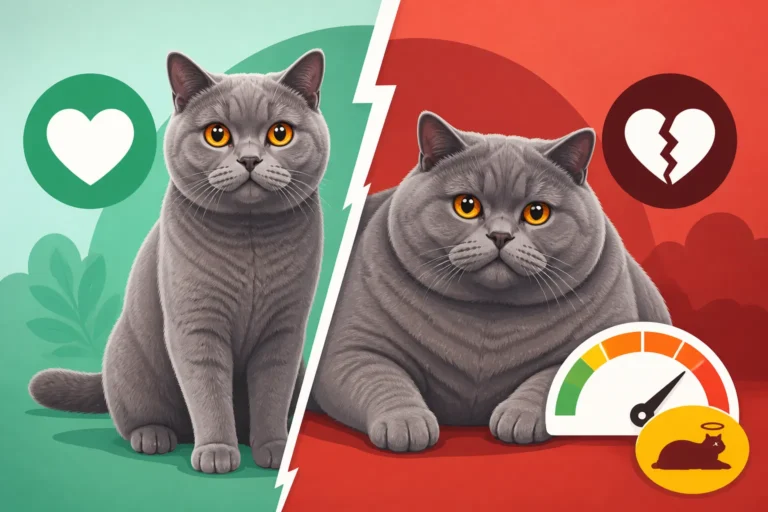
These regular check-ups are also crucial for monitoring weight, which is a big deal for this breed. British Shorthairs are naturally heavy-boned and have a dense, plush coat that can hide extra pounds, making it tricky to tell How to Tell a Chunky British Shorthair From a Fat One. Obesity is a significant health risk for British Shorthairs, contributing to conditions like diabetes and arthritis. Your vet can provide guidance on diet and exercise. They may also recommend routine bloodwork, particularly for older cats, to screen for issues like hyperthyroidism, kidney disease, and diabetes, which can quietly develop over time. Early detection of any of these conditions can significantly improve the prognosis and quality of life for your cat. Don't forget to ask your vet about What a British Shorthair's Yearly Bloodwork Should Cover.
The Importance of a Comprehensive Health History
A health panel isn't just about the tests your cat has undergone; it's also about the health history of their lineage. A truly responsible British Shorthair breeder will be transparent and forthcoming with health documentation for their breeding cats, not just for the individual kitten you're considering. This includes showing proof of recent HCM echocardiograms for both parents, PKD DNA test results, and blood typing. They should also be able to discuss the general health of the lines, including any incidence of other issues, even if rare.
This comprehensive approach helps you understand the genetic landscape your kitten is coming from and highlights a breeder's commitment to improving the breed's health. When you adopt a kitten, you’re not just taking home a cute fluffball; you're taking on their genetic inheritance. Having this information upfront can give you peace of mind and help you prepare for potential future health needs. It's also why many owners consider pet insurance from providers like Healthy Paws. While insurance might not cover pre-existing conditions, having a plan in place from a young age can help manage the costs of unexpected illnesses or injuries that might arise, or even those breed-specific issues that are not pre-existing at the time of enrollment. Knowing what to expect regarding health tests and costs is part of What a British Shorthair Breeder Should Have Tested.
Proactive Care Beyond Screening
Finally, a health panel truly extends into the ongoing, proactive care you provide every single day. This includes proper nutrition – a carefully portioned, high-quality diet to prevent the breed's natural tendency towards Obesity Is the British Shorthair's Real Disease. Regular grooming, despite their seemingly low-maintenance coat, helps manage shedding and prevent mats, especially during their "blowing coat" seasons. Dental care, which can be easily overlooked, is critical, as gingivitis is common in cats and can lead to more severe health issues.
Ensuring a stimulating environment, even for a calm British Shorthair, is also part of holistic health. While they might be content to lounge, encouraging play and mental engagement helps maintain a healthy weight and overall well-being. Thinking about comprehensive health means considering how all these daily factors intertwine with genetic predispositions. For example, while HCM is genetic, managing obesity can reduce strain on the heart, even if it doesn't prevent the disease itself. Companies like Healthy Paws help owners manage these ongoing, sometimes substantial, veterinary expenses, offering reassurance that you can provide the best care without financial stress. It’s about being prepared for a fulfilling life with your British Shorthair, knowing you've done everything you can to ensure they thrive.
Disclaimer
This article is for general informational purposes only and does not constitute professional advice. Laws, prices and regulations vary by location and change over time. Consult a qualified professional for guidance on your specific situation.