The Yearly Echo That Replaces a British Shorthair Gene Test
It's incredibly disheartening when you know a beloved breed like the British Shorthair is prone to a serious condition like Hypertrophic Cardiomyopathy (HCM), yet there isn't a simple genetic test to screen for it effectively. Many British Shorthair owners and breeders face this constant worry, feeling helpless against a disease that can strike silently. This comprehensive guide aims to shed light on why the yearly echocardiogram has become the absolute cornerstone of managing HCM in British Shorthairs, offering the best proactive approach we currently have.
Understanding HCM in British Shorthairs: A Silent Threat
Hypertrophic Cardiomyopathy (HCM) is a condition that thickens the heart muscle, specifically the walls of the left ventricle, which is the main pumping chamber of the heart. This thickening makes it harder for the heart to pump blood efficiently, and it can affect how well the heart relaxes to fill with blood. For British Shorthairs, this isn't just a theoretical risk; it's a very real, very present concern that breeders and owners must contend with. This breed, known for its robust appearance and calm demeanor, can harbor this insidious disease without showing any obvious symptoms until it's quite advanced. It's a cruel irony that such a stoic cat can be silently battling such a severe illness.
What is HCM and Why is it a Concern for British Shorthairs?
At its core, HCM is a primary disease of the heart muscle itself, not caused by other underlying conditions like high blood pressure or hyperthyroidism. The muscle walls become abnormally thick, reducing the volume of blood the heart can hold and pump with each beat. This means the heart has to work much harder to circulate blood throughout the body. What HCM Does to a British Shorthair's Heart can vary in severity, with some cats living for years with mild thickening, while others experience rapid progression and devastating complications. The concern for British Shorthairs specifically arises from their genetic predisposition. While other breeds, like Maine Coons, have an identifiable genetic marker for HCM, the British Shorthair's genetic landscape for this disease is far more complex and, as yet, unmapped. This makes the standard diagnostic approach for other breeds simply not applicable.
The Frustrating Reality of No DNA Test for British Shorthair HCM
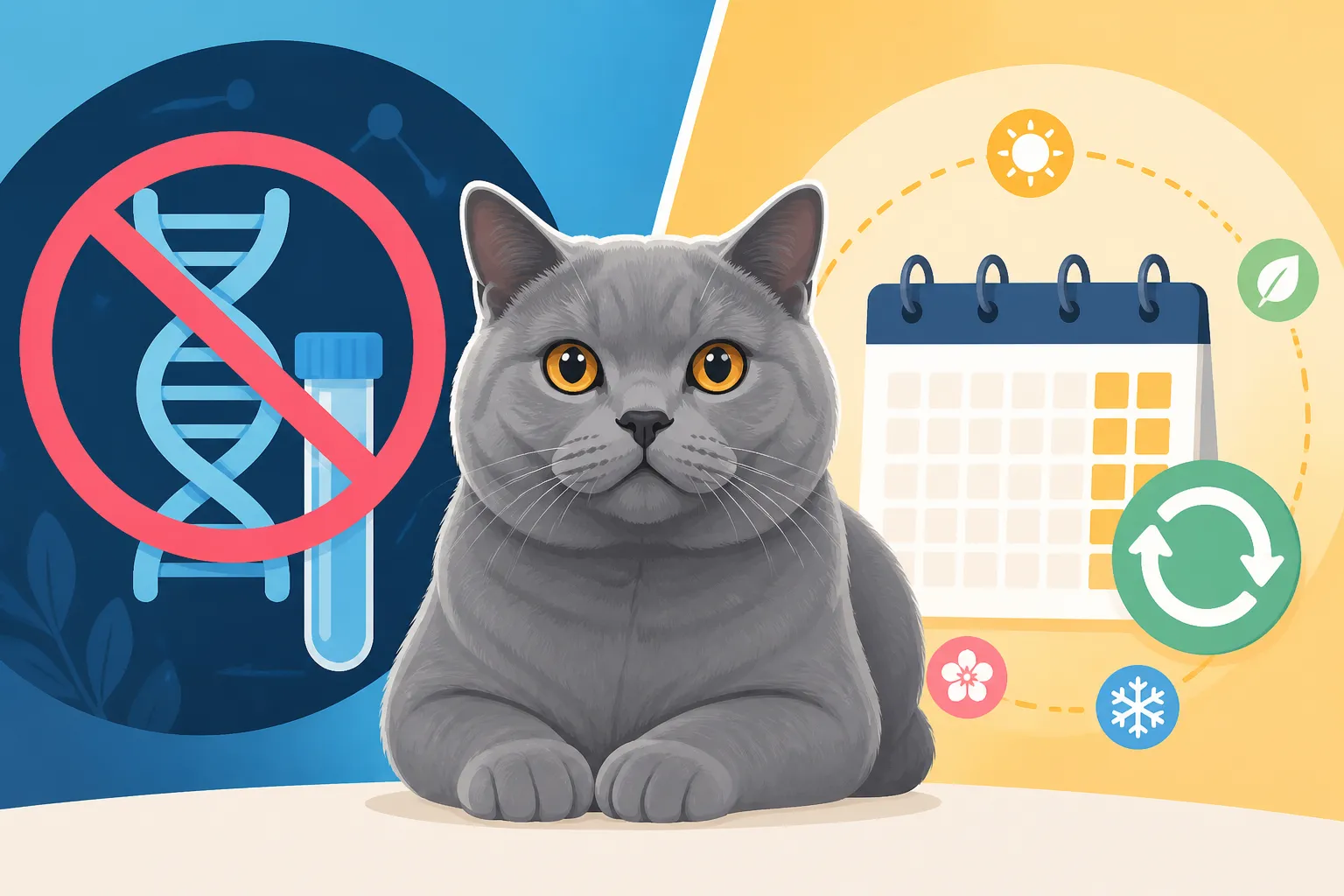
The absence of a reliable DNA test for HCM in British Shorthairs is, frankly, one of the biggest frustrations for both ethical breeders and concerned pet owners. You see other breeds benefiting from a simple cheek swab that can determine if their cat is clear, a carrier, or affected, allowing for informed breeding decisions and early detection strategies. However, for our beloved British Shorthairs, this isn't an option. As we discussed in HCM in a British Shorthair Has No DNA Test, the genetic mutations linked to HCM in other breeds, like the Maine Coon's MYBPC3 gene mutation, are not the culprits in the British Shorthair population. This means that if you've heard about a "gene test" for HCM, it's crucial to understand that it does not apply to the British Shorthair, and relying on such a test would give a false sense of security.
How HCM Progresses in British Shorthairs
The progression of HCM in British Shorthairs is highly variable, which adds another layer of difficulty to its management. Some cats might develop mild thickening that remains stable for years, while others can progress rapidly from a normal heart to severe disease within a short period. The Age HCM Usually Appears in a British Shorthair can range widely, from young adulthood to senior years, though it's often diagnosed in middle-aged cats. As the disease advances, the heart's ability to function properly diminishes, leading to potential complications such as congestive heart failure, where fluid builds up in the lungs, or arterial thromboembolism, commonly known as "saddle thrombus," a devastating condition where blood clots form and block blood flow, often to the hind legs. These complications are what we desperately try to prevent through regular screening.
Why the Yearly Echocardiogram is Essential for British Shorthairs
Given the lack of a genetic test, the echocardiogram stands alone as the most effective tool for screening and diagnosing HCM in British Shorthairs. It's not just a fancy ultrasound; it's a dynamic, real-time look into the heart's structure and function, allowing veterinary cardiologists to detect the subtle changes that signify the onset or progression of HCM. Without this annual check-up, you're essentially flying blind, hoping for the best while a silent killer might be lurking.
The Purpose of an Echo in Detecting HCM
An echocardiogram uses sound waves to create a moving image of the heart, allowing a specialist to visualize the heart muscle, its chambers, and the great vessels in exquisite detail. For detecting HCM, the echo is indispensable because it directly measures the thickness of the ventricular walls and assesses the heart's pumping and relaxation functions. It can identify the characteristic thickening of the left ventricular muscle that defines HCM, often long before any clinical signs manifest. This early detection is paramount, as it allows for proactive management and can significantly improve the cat's quality of life and potentially extend their lifespan. Unlike a simple X-ray, which can only show the overall size of the heart and fluid in the lungs, an echo provides a detailed view of the heart's internal architecture, making it the gold standard.
How a Cardiac Ultrasound Provides Critical Information
During a cardiac ultrasound, a trained cardiologist can precisely measure the thickness of the heart walls, the size of the heart chambers, and the efficiency of the heart valves. They can also observe blood flow through the heart using Doppler technology, looking for turbulent flow or leakage, which can indicate issues like dynamic outflow tract obstruction – a common feature in HCM where the thickened muscle obstructs blood flow out of the heart. This comprehensive assessment goes far beyond what a general practitioner can achieve with a stethoscope. A murmur heard with a stethoscope, for example, is merely a symptom that could point to many issues, whereas the echo provides the definitive diagnosis. It gives a complete picture, telling us not just if there's a problem, but where, how severe, and how the heart is being affected.
The Limitations of Other Diagnostic Methods
It's easy to wish for a simpler, less invasive way to check for HCM, but unfortunately, other methods fall short when it comes to early and accurate detection in British Shorthairs. A routine physical exam might reveal a heart murmur, but as mentioned, a murmur doesn't automatically mean HCM, nor does its absence rule it out. Many cats with HCM, especially in its early stages, have no detectable murmur. Blood tests, while useful for screening for other conditions like hyperthyroidism (which can mimic some HCM symptoms) or assessing kidney function, do not directly detect HCM. While a proBNP blood test can indicate heart stress or strain, it's not specific for HCM and cannot replace the detailed structural information provided by an echocardiogram. It’s a tool for triage, not for definitive diagnosis, and it certainly doesn't tell us the extent of the thickening. Relying solely on these less precise methods means potentially missing the disease until it's far advanced, making intervention much harder.
The Echocardiogram Procedure: What to Expect
If the idea of your British Shorthair going for an echo sounds daunting, you're not alone. Many owners feel anxious about veterinary procedures, especially those involving specialists. However, understanding what to expect can help ease your mind and prepare your cat for the smoothest experience possible. For a British Shorthair, known for their generally calm and tolerant nature, the procedure is usually quite manageable.
Preparing Your British Shorthair for the Echo
Preparation for a yearly echo for your British Shorthair is usually minimal, which is a relief! Typically, no fasting is required, as the procedure doesn't involve anesthesia or sedation unless your cat is exceptionally anxious or fractious, which is rare for this placid breed. It's often recommended to keep your cat calm and maybe avoid a frantic play session right before the appointment. Transport in a secure, comfortable carrier is key. You might want to line it with a familiar blanket or one that smells like home to provide comfort. Some cardiologists might suggest bringing a favorite treat or toy to help keep your cat distracted and happy during the process. The less stress your cat experiences on the way to the clinic, the better they will tolerate the procedure itself.
The Actual Process: What Happens During the Scan
When you arrive at the clinic, your British Shorthair will likely be taken to a quiet room where the cardiologist or a veterinary technician will gently position them. The cat usually lies on their side on a padded table with a cutout for the ultrasound probe to access the chest wall. A small patch of fur on the chest might be shaved, and ultrasound gel will be applied to ensure good contact between the probe and the skin. This gel is harmless and easily wiped off afterwards.
The cardiologist will then use a handheld transducer (the ultrasound probe) to scan different areas of the chest, capturing various views of the heart. You'll typically be present during the scan, which can be reassuring for both you and your cat. The entire process generally takes between 20 to 45 minutes, depending on the cat's cooperation and the complexity of the heart's findings. Most British Shorthairs, with their easygoing temperament, tolerate this very well.
Ensuring Comfort and Minimizing Stress for Your Cat
The focus during the echo is always on keeping your British Shorthair as comfortable and stress-free as possible. The veterinary team will speak in soft, reassuring tones and handle your cat gently. If your cat shows signs of discomfort, they might be given breaks or repositioned. For British Shorthairs, their inherent calm nature often works in their favor, making sedation unnecessary. However, if a cat is particularly stressed or reactive, a very mild sedative might be considered, but this is a last resort to ensure the safety of the cat and the accuracy of the scan. Providing a familiar scent from home, keeping the room quiet, and even having you present to stroke and reassure your cat can make a world of difference. The goal is a positive experience, so your cat doesn't dread future yearly visits.
Deciphering the Echo Results: What the Vet Looks For
Once the echocardiogram is complete, the cardiologist will meticulously review the images and measurements. This is where their specialized training really comes into play, as they're looking for subtle signs and significant changes that indicate the presence or progression of HCM. Understanding what they're evaluating can help you feel more informed about your cat's health.
Key Measurements and Indicators of HCM
During the echo, the cardiologist takes a battery of measurements. The most critical ones for HCM include the thickness of the left ventricular free wall (LVFWd) and the interventricular septum (IVSd) during diastole (when the heart is relaxed). Abnormal thickening, usually exceeding 5.5-6.0 mm, is a primary indicator of HCM. They also assess the size of the left atrium, which can dilate as the disease progresses due to increased pressure. Measurements of the aorta and pulmonary artery, as well as fractional shortening and ejection fraction, give insight into the heart's pumping ability. These numbers, combined with the visual assessment of valve function and blood flow, paint a complete picture of your cat's cardiac health. A trained eye can differentiate between normal variations and pathological changes.
Understanding the Different Stages of HCM
A British Shorthair’s HCM diagnosis isn't a one-size-fits-all situation; it's often staged to guide management. While exact staging systems can vary slightly, they generally follow categories:
- Stage A: Cats at high risk of developing HCM (e.g., British Shorthairs with affected relatives), but currently no structural heart changes are detected. This emphasizes the need for continued screening.
- Stage B1: HCM is present, but the left atrium is not significantly enlarged, and there is no evidence of congestive heart failure. These cats might need monitoring but not necessarily immediate medication.
- Stage B2: HCM is present with moderate to severe left atrial enlargement, but still no signs of congestive heart failure. These cats are at higher risk for complications like clots and might benefit from preventative medication.
- Stage C: HCM is present with current or previous evidence of congestive heart failure. These cats require aggressive medical management to control fluid buildup and support heart function.
- Stage D: End-stage HCM, where the cat is refractory to standard medical treatments for heart failure.
This staging helps determine the appropriate monitoring frequency and treatment plan, which is crucial for conditions like British Shorthair with HCM is treated.
The Importance of a Board-Certified Cardiologist
While your general veterinarian is fantastic for routine care, when it comes to something as nuanced as diagnosing and managing HCM, a board-certified veterinary cardiologist is truly indispensable. These specialists have undergone extensive additional training and certification specifically in animal cardiology. They possess the expertise to interpret complex echocardiogram images, recognize subtle signs of disease that a general practitioner might miss, and make the most accurate diagnosis. Furthermore, their knowledge of the latest research and treatment protocols ensures your British Shorthair receives the best possible care. For an informed decision on Why a Cardiologist Should Scan a British Shorthair, their specialized skill set is invaluable and directly impacts the long-term prognosis for your cat.
| HCM Stage | Heart Status Description | Symptoms | Recommended Action |
|---|---|---|---|
| A | At risk, no structural changes | None | Yearly echo screening |
| B1 | HCM present, mild thickening, normal left atrium | None | Yearly echo, close monitoring |
| B2 | HCM present, significant thickening, enlarged left atrium | None | Yearly echo, anti-clotting/heart meds |
| C | HCM with congestive heart failure | Lethargy, difficulty breathing, coughing | Intensive medical treatment, frequent vet visits |
| D | End-stage heart failure, unresponsive to treatment | Severe respiratory distress, poor quality of life | Palliative care, quality of life assessment |
The Financial and Emotional Investment of Regular Screening
Let's be real, owning a British Shorthair, particularly one committed to health screening, is an investment – both financially and emotionally. The yearly echocardiogram isn't a cheap procedure, and the cumulative cost over a cat's lifetime can add up significantly. This reality often leads to difficult decisions for owners, but understanding the value and considering options like pet insurance can make this journey more manageable.
Breakdown of the Costs Involved with Yearly Echoes
The cost of a British Shorthair echo can vary depending on your location, the clinic, and whether it's performed by a specialist cardiologist or a general vet (though a specialist is highly recommended). On average, you can expect a single echocardiogram to cost anywhere from $300 to $700 or even more in metropolitan areas or at university veterinary hospitals. This expense becomes a recurring one, year after year, for the lifespan of your cat. For a British Shorthair that lives, say, 12 to 15 years, that's a substantial cumulative cost for screening alone. When a British Shorthair should have its first echo is typically around one year of age, meaning these costs begin early in their life. It's a significant commitment, but one that is crucial for responsible ownership of this breed.
The Peace of Mind Versus the Financial Burden
It’s a tough balancing act, isn't it? On one hand, the peace of mind that comes from knowing your beloved British Shorthair's heart is being regularly monitored is priceless. Early detection of HCM means timely intervention, which can prevent much suffering and extend their healthy life. On the other hand, those yearly bills can quickly become a heavy financial burden, especially if you have multiple cats or if an actual diagnosis leads to even more expensive treatments. Many owners grapple with this internal conflict, wanting the best for their feline companions but also needing to manage their household budget. This is a very real, very valid struggle, and it's why it's so important to be prepared for the financial realities of owning a British Shorthair before you bring one home.
Considering Pet Insurance for Ongoing Care
This is where pet insurance can truly shine as a lifeline for British Shorthair owners. Many comprehensive pet insurance plans, such as those offered by Healthy Paws, can help cover the costs of diagnostic procedures like echocardiograms, as well as any subsequent treatments for conditions like HCM. While routine screenings might sometimes fall under wellness plans (if offered and purchased separately), if your cat receives an HCM diagnosis, the ongoing veterinary care, medications, and emergency treatments can quickly escalate into thousands of dollars. Insuring a British Shorthair early, before any pre-existing conditions are diagnosed, is key. Healthy Paws, for example, is known for its comprehensive coverage that can significantly reduce your out-of-pocket expenses, allowing you to focus on your cat's health rather than the vet bill. It’s definitely worth researching as part of your overall financial plan for your British Shorthair.
Managing a British Shorthair with an HCM Diagnosis
Receiving an HCM diagnosis for your British Shorthair can be devastating, but it's not a death sentence. With proper management and a dedicated approach, many cats with HCM can live comfortably for years. The key is understanding the treatment options, monitoring their quality of life, and working closely with your veterinary cardiologist.
Treatment Options and Medications
Once HCM is diagnosed, especially if it's progressing or causing complications, a cardiologist will typically prescribe medications to manage the condition. The goals of medication are usually to slow heart rate, reduce the heart's workload, improve blood flow, and prevent clot formation. Common medications include beta-blockers (like atenolol), calcium channel blockers (like diltiazem) to help the heart muscle relax, and ACE inhibitors (like benazepril) to reduce blood pressure. Diuretics, such as furosemide, are used if congestive heart failure develops to remove excess fluid from the lungs. Additionally, for cats with left atrial enlargement, a blood thinner like clopidogrel is often prescribed to reduce the risk of a saddle thrombus, a severe complication where a clot blocks blood flow. How a British Shorthair with HCM is treated is a dynamic process, and the specific drug regimen will be tailored to your cat's individual needs and stage of disease.
Prognosis and Quality of Life Considerations
The prognosis for a British Shorthair with HCM varies greatly depending on the severity of the disease at diagnosis, the cat's response to medication, and whether complications develop. Some cats live with HCM for many years with good quality of life, especially if diagnosed early and managed effectively. Others might have a more aggressive form of the disease. The focus should always be on maintaining a good quality of life. This means regular check-ups, medication compliance, and attentive observation at home for signs of worsening condition, such as increased respiratory rate or lethargy. As discussed in How Long a British Shorthair Lives After an HCM Diagnosis, the lifespan can be quite variable, but proactive care makes a significant difference. Your cardiologist will guide you on what to expect and how to monitor your cat's well-being.
Living with an HCM Positive British Shorthair
Living with an HCM positive British Shorthair requires vigilance and commitment. You’ll need to administer medications, often daily, sometimes multiple times a day. Monitoring their breathing at home is crucial; an elevated resting respiratory rate can be an early sign of congestive heart failure. You might need to make dietary adjustments, particularly if your cat develops heart failure and requires a low-sodium diet. Providing a calm, stress-free environment is also important, as stress can put additional strain on the heart. Regular follow-up appointments with your cardiologist, typically every 3-6 months, are essential to adjust medications and monitor disease progression. This journey can be emotionally taxing, but the bond you share with your British Shorthair makes every effort worthwhile. Remember that companies like Healthy Paws can help alleviate the financial burden of these ongoing treatments, allowing you to focus on loving and caring for your feline friend.
Breeding Responsibly: The Role of Echocardiograms
For British Shorthair breeders, the yearly echocardiogram isn't just a recommendation; it's an ethical imperative. Without a gene test, it’s the only reliable method to screen breeding cats and make informed decisions to reduce the incidence of HCM within the breed. Responsible breeding practices are the cornerstone of safeguarding the future health of British Shorthairs.
Why Breeders Must Perform Yearly Echoes on Breeding Cats
Ethical British Shorthair breeders understand that their responsibility extends far beyond producing cute kittens; it involves actively working to improve the health and longevity of the breed. This means diligently screening all breeding cats for HCM using annual echocardiograms performed by a board-certified cardiologist. Since there's no genetic test, breeders cannot simply test once and be done. HCM can develop at various ages, so continuous screening is necessary to detect late-onset cases. A cat that is clear one year might develop HCM the next. This rigorous screening helps breeders identify affected cats and remove them from breeding programs, minimizing the risk of passing on the predisposition to future generations. This commitment is part of What a British Shorthair Breeder Should Have Tested comprehensively.
Making Informed Decisions to Reduce HCM Prevalence
The results of these yearly echoes are critical for breeders to make informed decisions. A breeder receiving a clear echo result for a breeding cat gives them confidence in that cat's immediate cardiac health. Conversely, if a breeding cat is diagnosed with HCM, even a mild form, it should be immediately retired from the breeding program to prevent further spread of the disease. Furthermore, the pedigrees of affected cats can be studied to identify potential lines that may carry a higher risk, allowing breeders to make more judicious pairing choices. This continuous feedback loop of screening, data collection, and selective breeding is the only way to chip away at the prevalence of HCM in the British Shorthair breed, steadily working towards healthier bloodlines.
The Ethical Responsibilities of British Shorthair Breeders
Ethical responsibility in breeding British Shorthairs involves full transparency and commitment to health. Breeders should openly share the echocardiogram results of their breeding cats with prospective buyers, demonstrating their dedication to screening. They should also provide a health guarantee against HCM, understanding that even with regular screening, no breeder can guarantee a cat will never develop the disease. However, they can guarantee they've done everything in their power to minimize the risk. Beyond screening, ethical breeders also educate new owners on the importance of continued yearly echocardiograms for their kittens, reinforcing that this lifelong commitment is vital. This comprehensive approach, including meticulous record-keeping and participation in health databases, collectively works towards a healthier future for the British Shorthair breed.
Beyond the Echo: Comprehensive Health for Your British Shorthair
While the yearly echocardiogram is paramount for British Shorthairs due to HCM, it's just one piece of the larger health puzzle. A holistic approach to your cat's well-being involves understanding other common health concerns, maintaining a healthy weight, and committing to overall preventative care.
Other Important Health Screenings for British Shorthairs
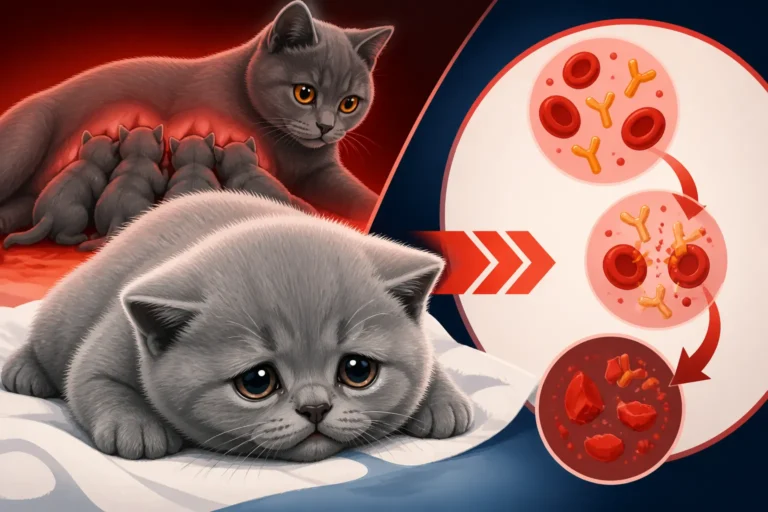
Beyond HCM, there are other crucial health screenings and considerations for British Shorthairs. Polycystic Kidney Disease (PKD) is another hereditary condition, though thankfully, a DNA test for PKD is available and widely used in British Shorthairs, making it much easier to screen for. Blood typing is also essential for breeding cats to prevent fatal neonatal isoerythrolysis in kittens. Regular veterinary check-ups should include routine bloodwork, especially as your cat ages, to monitor kidney, liver, and thyroid function. Dental health is also a big one, as British Shorthairs are prone to gingivitis, so regular dental cleanings and at-home care are important. For a deeper dive, consider reviewing What a British Shorthair Breeder Should Have Tested for a full picture of breed-specific health panels.
The Link Between Obesity and Heart Health
British Shorthairs are notoriously good eaters and possess a relaxed, sedentary nature, which unfortunately makes them highly susceptible to obesity. And obesity, my friends, isn't just about looking "chunky"; it's a serious health risk that exacerbates many conditions, including heart disease. An overweight British Shorthair's heart has to work harder to pump blood to a larger body mass, increasing strain and potentially worsening existing cardiac issues or even contributing to the development of new ones. It also leads to Diabetes in a British Shorthair and Arthritis in an Older British Shorthair. Therefore, rigorous portion control and encouraging even minimal exercise are not just about aesthetics; they are critical components of preventative health care for their heart and overall well-being. Keeping a British Shorthair at a healthy weight is one of the most impactful things you can do for their long-term health.
General Wellness and Preventative Care
Finally, remember the fundamentals of good pet ownership: a high-quality diet appropriate for their age and activity level, fresh water available at all times, a clean and enriching environment, and regular grooming. Consistent nail trims, ear checks, and at-home dental care all contribute to their overall health. Most importantly, never skip routine veterinary check-ups. These annual visits are not just for vaccinations; they're an opportunity for your vet to perform a thorough physical exam, discuss any changes in your cat's behavior or habits, and catch potential problems early. This proactive approach, coupled with diligent HCM screening, gives your British Shorthair the very best chance at a long, healthy, and happy life by your side. Remember, preventive care is always less expensive and less stressful than treating an advanced illness, and many regular check-ups can also be covered by comprehensive pet insurance plans, like those offered by Healthy Paws, making it easier to stay on top of your British Shorthair's wellness needs.
Disclaimer
This article is intended for informational purposes only and does not constitute veterinary advice. Always consult with a qualified veterinary professional, ideally a board-certified cardiologist, for any health concerns or before making any decisions about your British Shorthair's care.