Diabetes in a British Shorthair
Discovering that your beloved British Shorthair has diabetes can be a truly overwhelming moment. You've probably noticed them drinking and peeing more, perhaps losing weight despite eating well, and you're worried sick about what this diagnosis means for their future. This comprehensive guide is here to walk you through everything you need to know about diabetes in British Shorthairs, from understanding the condition to managing it effectively and ensuring your cherished companion continues to live a full, happy life.
Understanding Diabetes in British Shorthairs
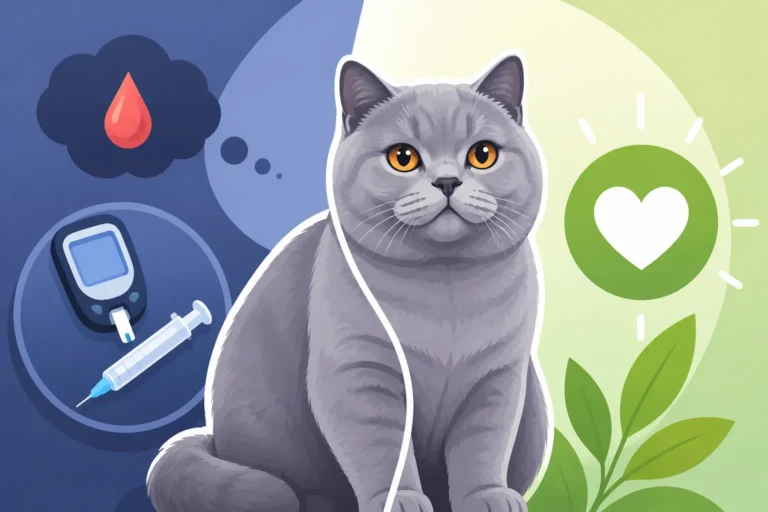
Diabetes Mellitus, often simply called diabetes, is a complex metabolic disease that affects many cats, and our sweet British Shorthairs are, unfortunately, no exception. It's a condition where the body can't properly use glucose (sugar), its primary energy source, either because it doesn't produce enough insulin or because its cells don't respond to the insulin that is produced. This leads to high blood sugar levels, which can cause a cascade of health problems if not managed.
What is Feline Diabetes Mellitus?
At its core, feline diabetes mellitus means that your cat's body isn't processing sugar as it should. Think of insulin as a key that unlocks your cells, allowing glucose from food to enter and provide energy. Without enough insulin, or if the key doesn't work, glucose stays in the bloodstream, leading to hyperglycemia (high blood sugar). This excess sugar then spills into the urine, pulling water with it, which explains why diabetic cats drink and urinate so much. There are two main types, much like in humans, though Type II is far more common in cats.
Type I diabetes, also known as insulin-dependent diabetes, occurs when the pancreas produces little to no insulin. This is quite rare in cats. Type II diabetes, non-insulin-dependent diabetes, is the prevalent form in felines. Here, the pancreas either produces insufficient insulin to meet the body's needs, or the body's cells become resistant to the effects of insulin, or both. This resistance is often linked to obesity and can sometimes be reversible, especially with early intervention. It’s a frustrating reality for many cat owners, as it often stems from lifestyle factors that are hard to combat in our sometimes-lazy British Shorthairs.
Why British Shorthairs are Prone to Diabetes
It's heartbreaking to think our furry family members might face such a condition, but British Shorthairs do have a predisposition to diabetes, largely due to their build and typical lifestyle. This breed is known for its quiet, somewhat sedentary nature, and their propensity to gain weight can unfortunately set the stage for metabolic issues. When you combine their love for lounging with a hearty appetite, it's easy to see how they can become overweight.
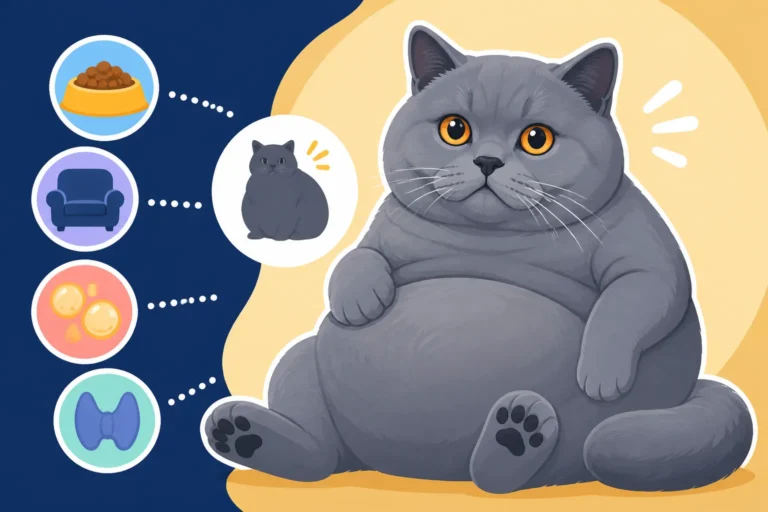
Obesity is widely recognized as the biggest risk factor for Type II diabetes in cats. Excess body fat can lead to insulin resistance, making it harder for the body to use glucose effectively. Considering that Obesity Is the British Shorthair's Real Disease, it's not surprising that diabetes often follows. Male cats, neutered cats, and older cats are also at a higher risk. If your British Shorthair is an older, neutered male who enjoys his naps more than playtime, the risk factors begin to add up. Keeping a close eye on their weight and activity from a young age is paramount to mitigating this risk, even if they give you the grumpy cat stare every time you try to get them to play.
Recognizing the Signs and Symptoms
Catching diabetes early can make a significant difference in its management and your British Shorthair's long-term health. However, cats are masters of disguise when it comes to illness, so you need to be observant and know what subtle changes to look for in their behavior and habits. Don't beat yourself up if you missed something; they truly are skilled at hiding discomfort.
Early Warning Signals to Watch For
The earliest signs of diabetes often revolve around changes in thirst and urination. You might notice your British Shorthair drinking more water than usual, constantly hovering around the water bowl or even seeking out unusual water sources like a dripping tap. This increased thirst, medically known as polydipsia, is directly linked to the body trying to flush out excess sugar through the kidneys. Naturally, with more water going in, more urine comes out.
You'll likely see more frequent trips to the litter box, and the litter clumps might be larger or more numerous than before. This is polyuria. Another common early sign is an unexplained weight loss, despite your cat seeming to eat just as much, if not more, than usual. This is incredibly frustrating to witness; you’re feeding them, they seem hungry, but the weight just drops off. This happens because their cells aren't getting the glucose they need for energy, so the body starts breaking down fat and muscle for fuel. If you're noticing Signs a British Shorthair Is Overweight, and then suddenly they're losing weight, it's a critical signal to talk to your vet.
Advanced Symptoms and Emergency Situations
As diabetes progresses without treatment, the symptoms can become more severe and potentially life-threatening. You might observe a marked decrease in energy, with your typically calm British Shorthair becoming even more lethargic and less interested in any form of play, even the slow-motion kind they usually tolerate. Their coat might start to look dull, unkempt, or greasy, as they might not be grooming themselves as effectively due to feeling unwell.
One of the most serious complications is diabetic ketoacidosis (DKA), a medical emergency where the body, unable to use glucose, starts breaking down fat too rapidly, producing toxic byproducts called ketones. Signs of DKA include severe lethargy, vomiting, diarrhea, refusal to eat, and a distinct sweet or fruity smell to their breath. If you notice any of these severe signs, especially labored breathing or complete disinterest in their surroundings, it's crucial to seek immediate veterinary attention. Another devastating, albeit less common, complication is diabetic neuropathy, which can cause weakness in the hind legs, sometimes leading to a plantigrade stance where the cat walks on its hocks (ankles).
Diagnosing and Managing Diabetes
Receiving a diabetes diagnosis can feel daunting, but remember that feline diabetes is a manageable condition, and with consistent care, your British Shorthair can still have a great quality of life. The key is working closely with your veterinarian to establish a tailored treatment plan.
The Diagnostic Process at the Vet
If you suspect your British Shorthair might have diabetes, your first stop, of course, is the vet. They'll start by discussing your cat's symptoms and medical history. Then, they'll perform a thorough physical exam, checking for signs like weight loss, dehydration, or any changes in their coat or overall demeanor. The definitive diagnosis typically involves blood and urine tests.
Blood tests will measure blood glucose levels, looking for persistently high readings. They'll also check for fructosamine levels, which give an average blood glucose over the past two to three weeks, helping to differentiate true diabetes from stress-induced hyperglycemia, which can sometimes occur in cats at the vet's office. Urine tests will check for the presence of glucose and ketones. Elevated glucose in the urine (glucosuria) confirms the kidneys are trying to excrete excess sugar. These tests, part of What a British Shorthair's Yearly Bloodwork Should Cover, are vital for an accurate diagnosis and for ruling out other conditions that might present similar symptoms.
Treatment Options: Insulin, Diet, and Lifestyle
The cornerstone of diabetes management in most British Shorthairs is insulin therapy. Your vet will prescribe a specific type of insulin and a dosing schedule, typically administered via injection under the skin once or twice a day. This might sound scary at first, but with a little practice, it becomes a routine part of your day, much like giving them their food. Your vet or vet tech will teach you how to draw up the insulin and give the injections safely and painlessly. It’s truly amazing how quickly you and your cat can adapt to this new normal.
Dietary changes are equally crucial. A high-protein, low-carbohydrate wet food diet is often recommended to help stabilize blood sugar levels. This type of diet mimics what a cat would naturally eat and helps reduce the glucose load on their system. Your vet will guide you on appropriate brands and portion sizes. Beyond diet and insulin, incorporating more activity can significantly help. While British Shorthairs aren't known for their Olympic athleticism, even short, regular play sessions can improve insulin sensitivity and help with weight management. This holistic approach is often the most successful path to managing the disease.
Living with a Diabetic British Shorthair
Managing a diabetic cat is a commitment, but it’s one that brings immense satisfaction as you see your beloved British Shorthair regain their vitality. It requires dedication, consistency, and a little bit of patience from your side.
Daily Routine and Home Care
The daily routine for a diabetic British Shorthair revolves around consistent feeding times and insulin administration. It's often recommended to feed your cat before or immediately after giving insulin to ensure there's food available for the insulin to act upon. Your vet will advise on the best schedule. Consistency is key here; try to stick to the same times each day, even on weekends, to keep their blood sugar levels as stable as possible.
Monitoring your cat's appetite, water intake, and urination is also part of the daily care. Keep a log of these observations, as they provide valuable information for your vet appointments. You might also be asked to perform home blood glucose monitoring, which involves taking a tiny blood sample (usually from an ear vein) and using a glucometer. While this can seem intimidating initially, many owners find it empowering as it gives them a clearer picture of their cat's response to insulin and diet. Products like the AlphaTrak meter are designed specifically for pets and can make this process a bit easier. This kind of diligent monitoring can lead to more stable regulation and fewer vet visits in the long run.
Preventing Complications and Monitoring Health
Preventing complications is a major focus when living with a diabetic British Shorthair. Beyond consistent insulin and diet, regular veterinary check-ups are essential to adjust insulin dosages, assess overall health, and catch any potential issues early. These check-ups will typically include blood tests to measure fructosamine levels and ensure the diabetes is well-controlled. Your vet might also want to check for conditions like What Obesity Does to a British Shorthair's Liver which can sometimes be linked to metabolic issues.
It's crucial to be vigilant for signs of hypoglycemia (low blood sugar), which can occur if too much insulin is given or if your cat doesn't eat enough after an injection. Symptoms include weakness, disorientation, trembling, and even seizures. Always have a source of rapidly absorbed sugar, like corn syrup or honey, on hand to rub on their gums if you suspect hypoglycemia, and contact your vet immediately. Regular monitoring of their body condition is also important; aiming for a healthy weight helps improve insulin sensitivity and reduces the risk of other health problems.
The Role of Diet and Exercise in Management
For a breed like the British Shorthair, known for its love of comfort and food, diet and exercise are not just supplementary but fundamental pillars of diabetes management. They can truly make or break the success of treatment.
Tailoring a Diabetic-Friendly Diet
When your British Shorthair is diagnosed with diabetes, one of the first and most impactful changes you'll make is to their diet. The goal is to minimize carbohydrates, which break down into glucose quickly, and maximize protein. A high-protein, low-carbohydrate diet helps stabilize blood sugar by providing a steady release of energy and reducing the post-meal glucose spike. This approach is significantly more effective than many commercial "light" or "senior" foods which might still be too high in carbs.
Many vets recommend prescription diabetic diets, such as Purina DM or Royal Canin Diabetic, which are specifically formulated for this purpose. However, some over-the-counter wet foods that meet the high-protein, low-carb criteria can also be suitable. Always discuss specific food choices and portion sizes with your vet to ensure they meet your cat's individual needs. Portion control is absolutely non-negotiable for a diabetic British Shorthair, as Portion Control Is the Whole Job With a British Shorthair. It’s easy for them to overeat, so precise measurements are key to maintaining a healthy weight and stable blood sugar.
Encouraging Movement in a Sedentary Breed
Let's be honest, getting a British Shorthair to enthusiastically engage in exercise can feel like trying to convince a monarch to do manual labor. They are, after all, famously relaxed. However, even small increases in activity can make a significant difference in managing their diabetes and overall health. Exercise helps their cells become more responsive to insulin, reducing insulin resistance.
Instead of expecting a marathon, aim for short, consistent play sessions throughout the day. Interactive toys like wand toys or feather teasers can often pique their interest, even if it's just for five to ten minutes at a time. Laser pointers can be a hit, but always end with a tangible toy they can "catch" to prevent frustration. Climbing structures, such as sturdy cat trees or shelves, can encourage vertical exploration, which burns more calories than horizontal lounging. Remember, How to Get a British Shorthair to Move often involves understanding their inherent calm nature and finding activities that align with it, rather than forcing them into high-energy play. Every little bit of movement counts towards better health.
Financial Considerations and Support
A diabetes diagnosis means a significant commitment, not just of time and emotional energy, but also financially. It’s important to be realistic about the costs involved and explore available support options.
The Costs of Diabetic Care
Managing feline diabetes is an ongoing expense, and it’s one that catches many owners by surprise. The costs typically include insulin, syringes, potentially a glucometer and test strips for home monitoring, and the special prescription diet food. Regular vet visits for blood glucose checks and adjustments to insulin dosages also add up. For example, What Insulin Costs a British Shorthair Owner can vary significantly depending on the type and dosage, but it's a recurring monthly expense.
Initial diagnostic tests, emergency vet visits for complications like DKA, and potential long-term issues such as neuropathy can all contribute to substantial bills. It’s not uncommon for the yearly cost of managing a diabetic cat to run into the hundreds, if not thousands, of dollars. This is why many owners, especially those Caring for a British Shorthair Past Ten, find themselves weighing the financial strain against their deep love for their pet. Being prepared for these costs is an important part of making the best decisions for your cat.
Pet Insurance and Support Networks
Given the considerable financial outlay, pet insurance can be an invaluable resource for owners of diabetic British Shorthairs. Policies from providers like Healthy Paws can help cover a significant portion of the costs associated with chronic conditions, including medications, vet visits, and emergency treatments. While pre-existing conditions are usually not covered, if your British Shorthair was insured before the diabetes diagnosis, many plans will help with ongoing treatment. It's always worth exploring your options and understanding the fine print of any insurance policy.
Beyond insurance, a strong support network can make a world of difference. Your veterinary team is your primary resource, offering guidance, training, and emotional support. Joining online forums or local pet owner groups focused on diabetic cats can also provide a community where you can share experiences, ask questions, and gain practical tips from others who understand what you're going through. Knowing you're not alone in this journey can be incredibly reassuring.
Disclaimer
The information provided in this article is for general informational purposes only and does not constitute veterinary advice. Always consult with a qualified veterinarian for any health concerns or before making any decisions related to your pet's medical care. Individual needs and conditions may vary.