Arthritis in an Older British Shorthair
It’s heartbreaking to see your once spry and playful British Shorthair start to slow down, struggling with movements that used to be second nature. The stiffness, the reluctance to jump, the quiet withdrawal – these can all be incredibly subtle signs that your beloved feline friend is experiencing arthritis, a common and often debilitating condition in older cats. This comprehensive guide is here to help you understand what arthritis means for your senior British Shorthair, how to recognize its often-hidden symptoms, and most importantly, how to work with your vet to manage their pain and ensure they live out their golden years as comfortably and happily as possible.
Understanding Arthritis in Senior British Shorthairs
Arthritis, or osteoarthritis, is a degenerative joint disease that causes inflammation, pain, and stiffness in the joints. It's not just a "dog thing" or a "human thing"—it's a very real and often underdiagnosed issue in our feline companions, especially as they enter their senior years. For British Shorthairs, with their distinctive build, understanding this condition is even more critical.
What Arthritis Means for Your Cat
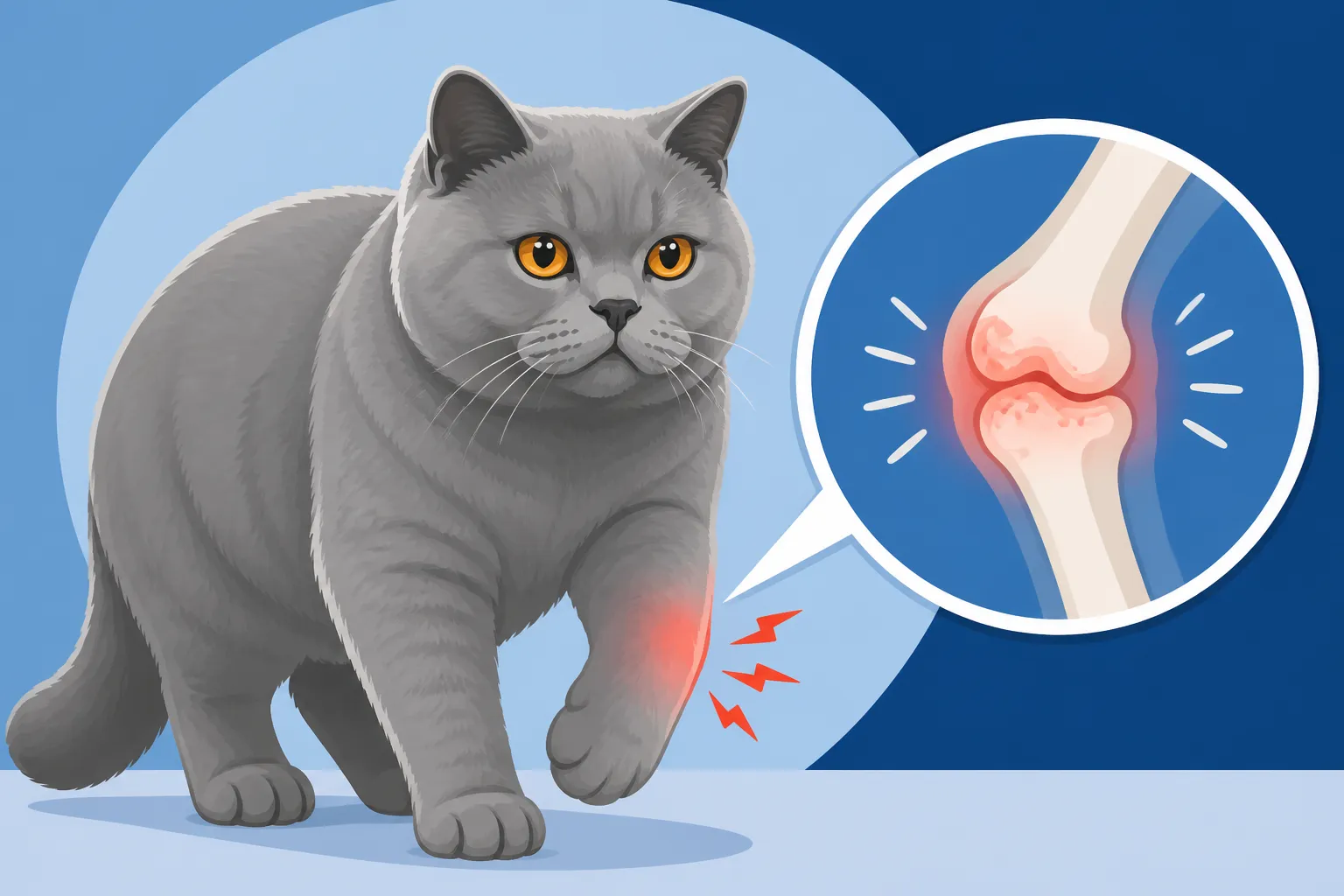
Imagine waking up every day with stiff, aching joints. That’s often the reality for cats suffering from arthritis. Over time, the smooth cartilage that cushions the ends of bones within a joint begins to wear down. This erosion leads to bone-on-bone friction, causing inflammation, pain, and a decreased range of motion. It's a progressive disease, meaning it gets worse over time, and sadly, there's no cure. However, there are many ways to manage the pain and improve your cat's quality of life significantly. The pain can range from a dull ache to sharp, debilitating jolts, making even simple movements like stepping into a litter box or climbing onto a favorite perch an ordeal. This chronic discomfort affects not just their physical abilities but also their overall demeanor and happiness.
It's a misconception that cats don't get arthritis because they're small or agile. In fact, studies show that a significant percentage of older cats, some estimates putting it as high as 90% in cats over 12 years old, show radiographic evidence of arthritis. The challenge lies in their incredible ability to mask pain, a survival instinct that often delays diagnosis. Your British Shorthair might not cry out or limp overtly, making it easy to mistake their slowing down for just "old age." But beneath that stoic exterior, they could be hurting, which is why paying close attention to subtle changes is so vital. Catching it early can make a huge difference in managing the progression and keeping your cat comfortable.
Why British Shorthairs Are Prone to Arthritis
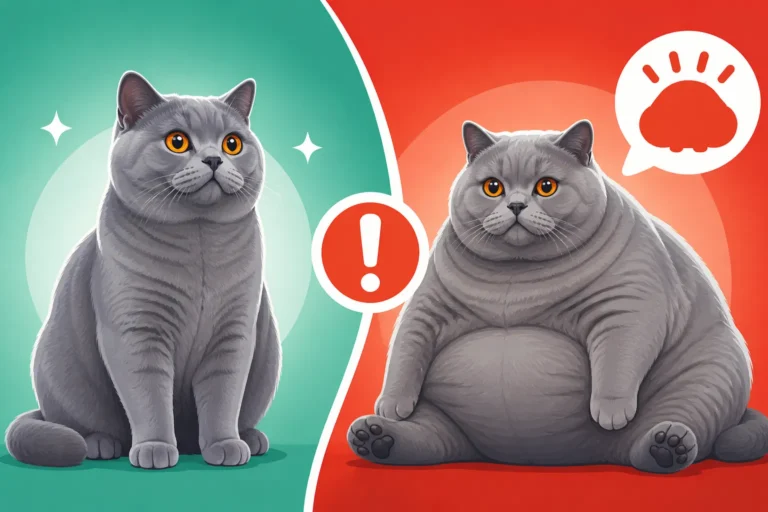
While any cat can develop arthritis, certain breeds, including the British Shorthair, may have a higher predisposition due to their genetics and distinctive physical characteristics. Their sturdy, cobby build, often associated with a heavier frame and dense musculature, can put additional stress on their joints, particularly the hips, elbows, and spine. This is especially true if a British Shorthair is carrying even a few extra pounds, which can happen easily given their propensity for a relaxed lifestyle and love for food. We talk a lot about how Obesity Is the British Shorthair's Real Disease and this certainly contributes to joint issues.
Furthermore, some British Shorthairs might inherit joint conformation issues, or structural abnormalities in their joints, that make them more susceptible to wear and tear. For example, conditions like hip or elbow dysplasia, while less commonly discussed in cats than in dogs, can affect some individuals and contribute to early-onset or more severe arthritis. Their short, thick legs, while charming, are designed for power and stability rather than high-impact acrobatics, and repeated lower-impact stresses over a long lifespan can certainly take their toll on the cartilage and joint capsules. Maintaining a healthy weight and ensuring appropriate nutrition from a young age can go a long way in delaying the onset or reducing the severity of arthritis in these wonderful cats.
Recognizing the Subtle Signs of Arthritis
One of the biggest hurdles in managing arthritis in cats is recognizing the signs. Our feline friends are masters of disguise, often hiding discomfort until it's quite advanced. This means owners need to be extra vigilant and look for changes that might seem minor but cumulatively point towards joint pain.
Behavioral Changes to Watch For
The most telling signs of arthritis in a British Shorthair often manifest as shifts in their behavior rather than overt limping. You might notice your cat becoming less active or less willing to engage in activities they once loved. Perhaps they used to greet you at the door with enthusiasm, but now they stay put, or their climb onto the sofa is more of a clumsy scramble than a graceful leap. A cat who suddenly prefers lying on the floor instead of their favorite window perch might be trying to tell you something. They might even stop using their cat tree if it becomes too painful to navigate. Consider if your British Shorthair seems to be avoiding interactions, spending more time alone, or even showing a slight aggression when touched in certain areas. This isn't them being "grumpy"; it's a pain response.
Grooming habits can also change dramatically. An older British Shorthair with arthritis may find it painful to twist and reach certain areas of their body, especially their lower back or tail base. This can lead to a coat that appears less well-maintained, matted, or flaky in those hard-to-reach spots. Conversely, some cats may over-groom painful joints in an attempt to soothe themselves, leading to bald patches or skin irritation. A reduction in play, a decrease in appetite, or even changes in litter box habits (e.g., urinating outside the box because it's too difficult to step into) can all be subtle red flags that your cat is experiencing discomfort. Keeping an eye on What Changes in a British Shorthair After Ten can help you identify these shifts early.
Physical Indicators and Movement Issues
Beyond behavioral shifts, there are specific physical indicators and changes in movement patterns that can signal arthritis. While a pronounced limp is rare in cats until the disease is severe, you might observe a stiffness, particularly after they've been resting for a while. Watch how your British Shorthair stands up, stretches, or walks away. Is their gait a little stilted? Do they favor one leg without lifting it completely? You might notice a subtle change in their posture, perhaps a hunched back or a reluctance to extend their limbs fully.
Observe their jumping abilities. A cat that once effortlessly cleared the kitchen counter might now hesitate, need multiple attempts, or choose a lower perch instead. They might even forego jumping entirely, opting for ramps or steps if available. Watch them climb stairs – do they take them one at a time instead of two? Do they seem less balanced or more cautious? You might also notice muscle atrophy, especially in their hind legs, as they use those muscles less due to pain. Gently feeling their joints for warmth, swelling, or crunching sounds (crepitus) can sometimes reveal issues, but this is best left to a vet who knows how to palpate joints without causing undue stress or pain.
The Challenge of Detecting Pain in Cats
Detecting pain in cats, particularly the chronic, insidious pain of arthritis, is notoriously difficult. Cats are incredibly adept at hiding illness and discomfort, a trait inherited from their wild ancestors where showing weakness meant becoming prey. This instinct is so strong that they will often push through pain to maintain an appearance of normalcy, making it challenging for even the most attentive owner to spot a problem until it's quite advanced.
It's common for cat owners to assume their older cat is simply "slowing down" or "getting lazy" when, in reality, they're battling constant joint pain. They rarely vocalize their pain with loud meows or whimpers, preferring to suffer in silence. Instead, their pain manifests as subtle behavioral adjustments: they might sleep more, play less, become less interactive, or change their grooming habits. They may avoid being picked up, or flinch if a particular area is touched. This means you, as their caregiver, need to act as a detective, looking for cumulative small changes rather than waiting for obvious lameness. This proactive observation is crucial, as early intervention can significantly slow the progression of arthritis and improve your British Shorthair's comfort. An experienced veterinarian, especially one who understands how A British Shorthair Hides Pain, will be your best partner in identifying and addressing this silent suffering.
Diagnosing Arthritis in Your Older British Shorthair
Once you suspect your British Shorthair might be suffering from arthritis, the next crucial step is to get a professional diagnosis from your veterinarian. This isn't always straightforward, given cats' pain-masking abilities, but a thorough vet will know what to look for.
The Veterinary Examination Process
When you bring your British Shorthair to the vet with concerns about arthritis, the examination will typically begin with a comprehensive history. Your vet will ask you detailed questions about any changes you've observed in your cat's behavior, mobility, activity levels, appetite, and litter box habits. Be prepared to discuss even the most subtle shifts, as these seemingly minor details can provide crucial clues. Having a written log of changes, perhaps noting when your cat stopped jumping onto the bed or started having trouble with stairs, can be incredibly helpful.
Following the history, your vet will perform a thorough physical examination. This involves observing your cat's gait and posture, both standing and walking, if possible. They will gently palpate (feel) your cat's joints, carefully assessing for signs of pain, swelling, reduced range of motion, and crepitus (a crackling or grinding sound or sensation within the joint). They'll also check for muscle atrophy, particularly in the hind limbs, which is a common indicator of chronic pain and disuse. Sometimes, the exam needs to be done quietly and calmly, as some cats may tense up or become defensive if they anticipate pain. It's not uncommon for vets to see a "stiffer" gait or a reluctant stretch during these evaluations.
Imaging and Other Diagnostic Tools
While a physical examination can certainly raise suspicions of arthritis, definitive diagnosis often requires imaging. X-rays are the most common diagnostic tool used to confirm arthritis in cats. These images can reveal changes within the joints such as bone spurs (osteophytes), joint space narrowing, and areas of increased bone density, all indicative of degenerative joint disease. Your vet might take X-rays of the hips, knees, elbows, shoulders, and spine, depending on where they suspect the problem lies.
In some cases, your vet might suggest other diagnostic tools. For example, a thorough blood workup might be recommended to rule out other underlying health issues that could mimic arthritis symptoms or complicate treatment, such as kidney disease, hyperthyroidism (common in older cats), or diabetes. While less common for routine arthritis diagnosis in cats due to their small size and the need for specialized equipment, advanced imaging techniques like MRI or CT scans could be used in complex cases to get a more detailed view of the joint structures and surrounding soft tissues. For instance, if there's suspicion of a soft tissue injury in addition to degenerative changes, these advanced scans can provide invaluable information. These diagnostic steps are vital for tailoring the most effective treatment plan for your British Shorthair.
Managing Arthritis Pain and Improving Quality of Life
While arthritis can’t be cured, effective management can dramatically improve your British Shorthair's comfort and quality of life. A multi-modal approach, combining medical treatments, nutritional support, and environmental adjustments, typically yields the best results.
Medical Treatment Options
The cornerstone of medical treatment for feline arthritis is pain management. Non-Steroidal Anti-Inflammatory Drugs (NSAIDs) are often prescribed as they work to reduce both pain and inflammation. Medications like robenacoxib (Onsior) or meloxicam (Metacam) are commonly used and formulated specifically for cats, though careful monitoring of kidney function is essential, especially in older cats. Your vet will likely perform blood tests before and during NSAID therapy to ensure your cat's kidneys are healthy enough to process the medication safely.
For cats who cannot tolerate NSAIDs or need additional pain relief, other options exist. Gabapentin, an analgesic and anticonvulsant, can be very effective for neuropathic pain and also has a mild sedative effect, which can be beneficial for anxious cats. Amantadine, another medication, works differently to help with chronic pain. More recently, newer therapies specifically targeting feline pain pathways have emerged. For example, monoclonal antibody treatments, like Solensia, are revolutionary and offer monthly injections that specifically target Nerve Growth Factor (NGF), a key mediator of pain, without the potential side effects associated with NSAIDs. This can be a game-changer for many cats, providing sustained pain relief with a high safety profile. Your vet will discuss which option is best suited for your British Shorthair's individual needs and health status.
Nutritional and Supplement Support
Beyond prescription medications, dietary adjustments and supplements can play a significant role in managing arthritis in your British Shorthair. Overweight cats experience much greater stress on their joints, so achieving and maintaining a healthy weight is paramount. Your vet might recommend a prescription weight-loss diet or advise on portion control and appropriate calorie intake. For more on this, check out our guide on How Many Calories a British Shorthair Needs.
Joint supplements are also widely recommended. These typically contain ingredients like glucosamine and chondroitin sulfate, which are building blocks for cartilage and may help slow its degradation. Omega-3 fatty acids, particularly EPA (eicosapentaenoic acid), found in fish oil, are powerful natural anti-inflammatories. You can find these in specially formulated cat foods, liquid supplements, or capsules. Brands like Cosequin and Dasuquin are popular choices for their proven efficacy. While supplements aren't a quick fix and don't replace prescription medications, they can work synergistically to reduce inflammation and support joint health over the long term, contributing to your cat’s overall comfort. Always consult your vet before adding any supplements to your cat's regimen to ensure they are safe and appropriate.
Environmental Modifications for Comfort
Creating a comfortable and accessible environment for your arthritic British Shorthair is just as important as medical interventions. Think about how their pain affects their daily movements and make adjustments accordingly.
- Easy Access to Resources: Ensure food and water bowls, and litter boxes, are easily accessible on the ground floor. Consider low-sided litter boxes to make stepping in and out less painful. You might also need more litter boxes to reduce the distance your cat has to travel.
- Comfortable Resting Spots: Provide soft, orthopedic beds in easily accessible, warm spots, away from drafts. Elevated beds or beds with memory foam can provide extra cushioning and support for aching joints. Many cats enjoy heated beds, especially in cooler weather, as the warmth can soothe stiff muscles.
- Ramps and Steps: To eliminate the need for jumping, install ramps or pet steps to allow easy access to favorite high spots like sofas, beds, or window perches. This protects their joints from the impact of jumping down and saves them from the pain of jumping up.
- Non-Slip Surfaces: If you have slick floors (hardwood, tile), consider placing rugs or runners in areas your cat frequents. This provides better traction, reducing the risk of slips and falls, which can be very painful for arthritic cats.
These simple yet thoughtful modifications can make a world of difference in your British Shorthair's daily comfort and independence, showing them how much you care for their well-being.
Lifestyle Adjustments and Long-Term Care
Living with an older British Shorthair with arthritis requires ongoing commitment to managing their condition through proactive lifestyle adjustments and regular veterinary care. It's about empowering them to live their best life, despite the challenges of aging joints.
The Importance of Weight Management
I cannot stress this enough: weight management is absolutely paramount for a British Shorthair with arthritis. Even a slight increase in body weight significantly exacerbates joint pain and accelerates cartilage degeneration. Their naturally cobby build can already put strain on their joints, and excess weight compounds this problem dramatically. Imagine carrying a backpack filled with bricks all day – that's what extra pounds feel like on aching joints.
Regularly weighing your British Shorthair at home can help you stay on track. If they are overweight, work closely with your vet to establish a safe and gradual weight loss plan. This often involves precise portion control, a diet specifically formulated for weight management, and encouraging gentle exercise. Remember, crash dieting can be dangerous for cats, leading to serious liver issues. A slow, steady approach, coupled with monitoring by your vet, is key. Maintaining an ideal body condition will not only reduce joint pain but also improve their overall health and longevity. It's truly one of the most impactful things you can do for an arthritic cat.
Gentle Exercise and Enrichment
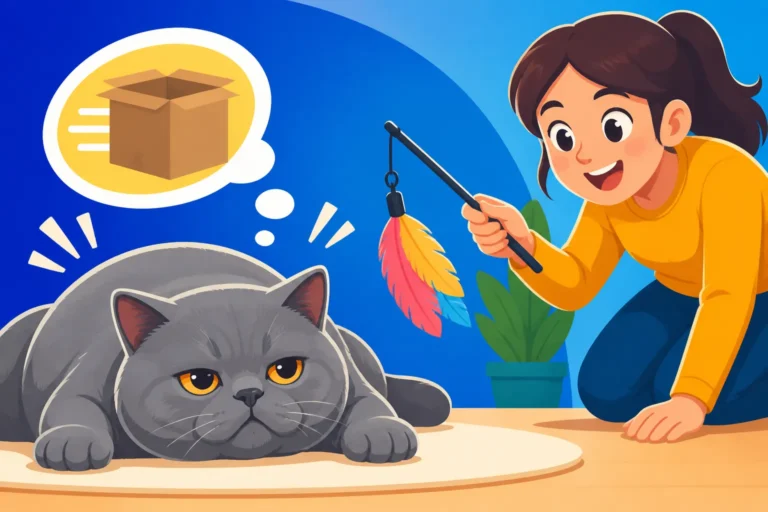
While your British Shorthair may be less enthusiastic about playing, gentle, controlled exercise is still important to maintain muscle mass, flexibility, and prevent stiffness. The key is gentle and controlled. Avoid activities that involve high jumps or sudden impacts. Instead, focus on short, low-impact play sessions.
Think about interactive toys that encourage stretching and slow movement rather than intense chasing. A feather wand toy dragged slowly across the floor, or a treat puzzle that requires gentle pawing, can engage their minds and bodies without overstraining joints. Consider setting up a laser pointer session where the light moves slowly, allowing them to track and stalk without sudden lunges. If your cat enjoys it, even short walks on a harness and leash in a safe, quiet area can be beneficial, encouraging natural movement and exploration. For tips on how to get A British Shorthair That Would Rather Not to move, check out our dedicated article. The goal is to keep them moving, but comfortably and safely, for a few minutes several times a day rather than one long, strenuous session.
Proactive Care and Regular Vet Visits
Long-term management of arthritis in an older British Shorthair hinges on proactive care and consistent communication with your veterinarian. Since arthritis is a progressive disease, your cat's needs will change over time, and their treatment plan will need to be adjusted accordingly.
Regular veterinary check-ups, typically every six months for senior cats, are crucial. During these visits, your vet can assess the progression of the arthritis, evaluate the effectiveness of current pain management strategies, and make any necessary modifications. They'll monitor your cat's weight, muscle condition, and overall health, paying close attention to organ function (especially kidneys and liver) if your cat is on long-term medications. These visits are also an opportunity to discuss any new symptoms you've noticed or concerns you have. Don't wait until your cat is visibly suffering; small adjustments along the way can prevent pain from escalating. An excellent pet insurance provider, like Healthy Paws, can also help ease the financial burden of these ongoing treatments and diagnostic tests, allowing you to prioritize your British Shorthair's comfort without undue stress. Investing in regular, proactive care is the best way to ensure your British Shorthair lives out their golden years with dignity and as much comfort as possible.
What to Expect as Arthritis Progresses
Even with the best management, arthritis is a progressive condition. Understanding what to expect as it advances can help you prepare and continue to provide the best possible care for your British Shorthair.
Changing Mobility and Independence
As arthritis progresses, you may notice further reductions in your British Shorthair's mobility and independence. What was once a slight stiffness might become a more pronounced reluctance to move. They might spend significantly more time sleeping, or become less interested in exploring their environment. Activities like self-grooming, especially reaching their hindquarters, might become nearly impossible, leading to a duller, potentially matted coat. This is where you, as their caregiver, step in to help with gentle brushing, ensuring their hygiene is maintained.
Their ability to access their preferred spots might diminish further, making ramps and steps even more critical. You might notice them struggling more with the litter box, potentially leading to accidents outside the box because stepping over the edge or squatting is too painful. This isn't a behavioral problem; it's a physical limitation. At this stage, ensure they have easy-access litter boxes on every floor they frequent, filled with soft, fine litter. Their sense of balance might also be affected, leading to occasional wobbles or falls, particularly on slick surfaces. It’s a sad reality, but adapting your home to their declining abilities is a profound act of love.
Adapting Pain Management Strategies
As arthritis advances, the initial pain management strategy might need to be re-evaluated and adjusted. What once provided adequate relief may no longer be enough. This is why regular veterinary check-ups are so crucial. Your vet might increase the dosage of existing medications, add a new medication to the regimen, or explore different classes of drugs to address the increased pain. For example, if your cat was initially managed with just an NSAID, your vet might add gabapentin or explore the monthly Solensia injections to provide more comprehensive pain control.
It's also important to remember that cats can develop other age-related conditions, such as kidney disease or heart issues, which can influence which medications can be safely used. For example, NSAIDs must be used with extreme caution, or not at all, in cats with compromised kidney function. Your vet will conduct regular blood tests to monitor these underlying conditions, ensuring that the chosen pain management protocol is both effective and safe for your British Shorthair's overall health. Don't hesitate to communicate any changes in your cat's comfort level; your observations are invaluable in helping your vet fine-tune their treatment.
Maintaining Quality of Life and End-of-Life Discussions
The ultimate goal in managing progressive arthritis is to maintain your British Shorthair's quality of life for as long as possible. This means keeping them comfortable, engaged, and free from debilitating pain. Continue to provide the environmental modifications, nutritional support, and gentle interaction they need. Focus on creating positive experiences, even if they're small – a favorite treat, a gentle head scratch, or a warm, cozy nap spot.
However, there may come a time when, despite all efforts, the pain becomes unmanageable, or their quality of life significantly deteriorates. This is an incredibly difficult reality for any pet owner, but having open and honest conversations with your veterinarian about your cat's prognosis and quality of life is essential. Vets use various tools, like quality of life scales, to help assess your cat's physical and emotional well-being. These discussions, though heartbreaking, allow you to make informed, compassionate decisions, ensuring your beloved British Shorthair doesn't suffer unnecessarily. Pet insurance plans like those from Healthy Paws can also offer support for palliative care, ensuring you have options during these sensitive times.
| Symptom Category | Mild Arthritis | Moderate Arthritis | Severe Arthritis |
|---|---|---|---|
| Mobility | Slight stiffness after rest, hesitant to jump to highest spots. | Noticeable stiffness, prefers lower jumps, struggles with stairs, reduced activity. | Pronounced lameness, avoids jumping, difficult standing/lying down, limited movement. |
| Behavior | Less active, sleeps more, reduced play interest. | Seeks isolation, irritable when handled, changes in grooming (some matted fur). | Constant hiding, aggressive/painful reactions to touch, complete lack of grooming. |
| Physical | Subtle changes in gait, slightly less muscle mass. | Muscle atrophy, favoring limbs, possible subtle joint swelling. | Significant muscle atrophy, obvious joint swelling, visible changes in posture (e.g., hunched back). |
| Grooming | Misses a few spots, especially on back. | Noticeably unkempt coat on hindquarters, some matting. | Unable to groom hindquarters, extensive matting, skin irritation. |
| Litter Box | Occasional hesitancy entering box. | Struggles to enter/exit, possible accidents near box. | Frequent accidents outside box, difficulty squatting. |
Disclaimer
This article is for general informational purposes only and does not constitute professional advice. Laws, prices and regulations vary by location and change over time. Consult a qualified professional for guidance on your specific situation.