How Often a British Shorthair Brings Up a Hairball
Ah, the dreaded hairball! If you're a British Shorthair parent, you know that tell-tale gagging sound all too well. It’s certainly not the most glamorous part of cat ownership, but it's a reality for many of these plush-coated companions. This guide is here to walk you through what's normal, what's concerning, and how you can help your beloved British Shorthair manage those furball surprises.
Understanding Hairballs in British Shorthairs
It's a truth universally acknowledged in the cat world: where there's a cat, there will eventually be a hairball. But for British Shorthairs, it feels like it's an even more common occurrence. Their magnificent, dense coats are truly a wonder, but they also come with their own set of challenges when it comes to grooming and digestion. Let's delve into why these charming felines seem to be particularly prone to bringing up a hairball.
Why British Shorthairs Are Prone to Hairballs
The key to understanding why your British Shorthair might be a champion hairball producer lies in their stunning coat. Unlike some breeds with sleeker, single coats, the British Shorthair boasts a distinctive, plush double coat that stands away from its body. If you've ever run your hands through their fur, you'll know it's incredibly soft and dense, almost like a teddy bear. This density means there's simply more fur to shed, and consequently, more fur to ingest during their meticulous self-grooming sessions.
Imagine a thick, luxurious carpet – that's essentially what your British Shorthair's coat is like. When they groom themselves, their barbed tongues act like tiny brushes, grabbing loose and dead hairs. With such a voluminous coat, it’s inevitable that a significant amount of this fur gets swallowed. While a small amount of ingested hair usually passes through their digestive system without a hitch, the sheer volume from a British Shorthair's coat can sometimes be overwhelming. This is particularly true during seasonal shedding periods, often referred to as when The Two Weeks a British Shorthair Drops Its Undercoat. During these times, you might find yourself combing out handfuls of fur, and your cat will be doing the same with their tongue.
Their generally calm and rather sedentary nature also plays a role. British Shorthairs are known for being quite laid-back; they prefer lounging on the sofa to scaling the highest cat tree. This lower activity level can mean a slower digestive system compared to more energetic breeds. A slower gut transit time gives ingested fur more opportunity to accumulate rather than passing through smoothly. It's a double-edged sword: we love them for their placid demeanor, but it does contribute to this common issue.
The Natural Process of Hairball Formation
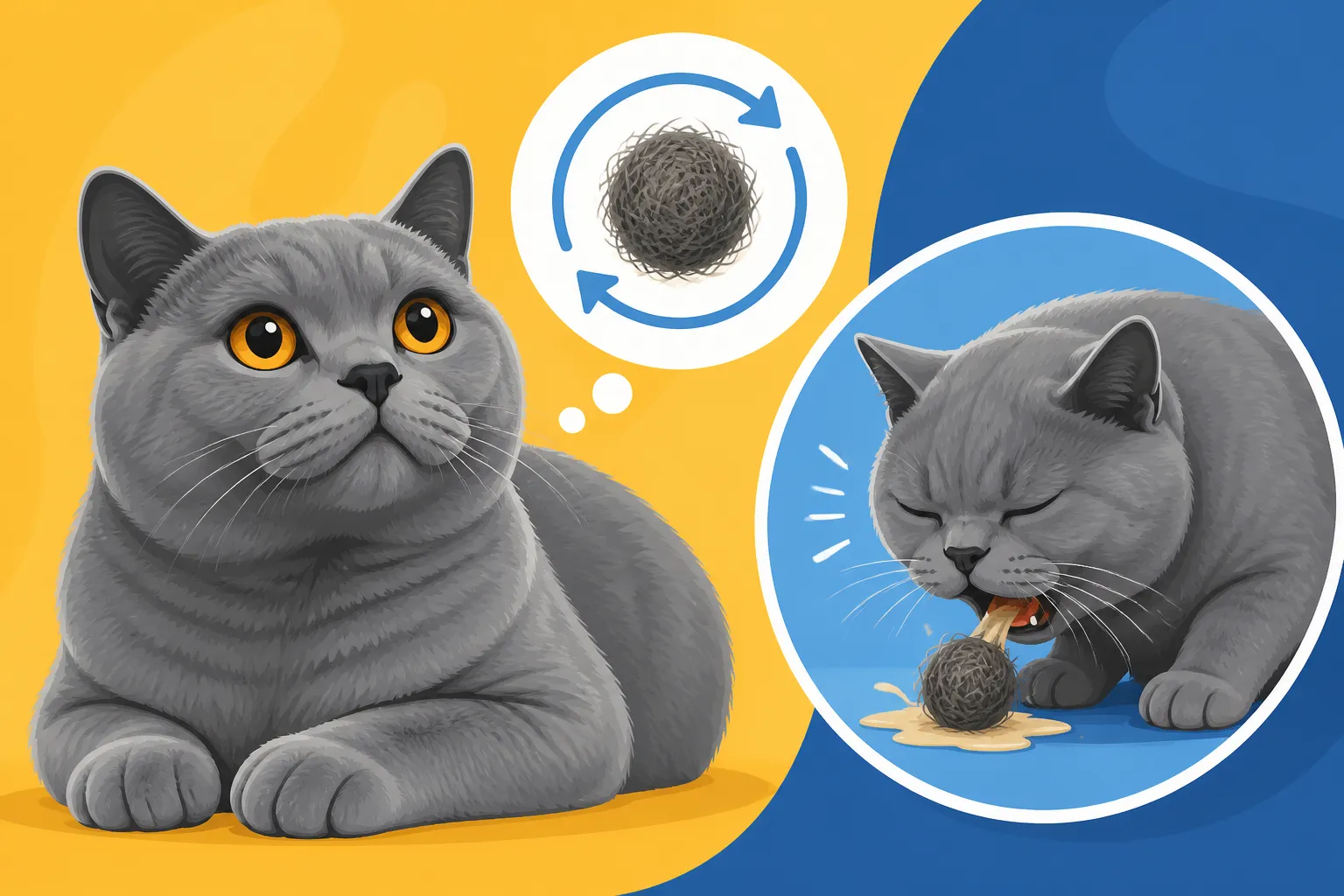
So, what exactly is a hairball, and how does it form? It sounds rather unpleasant, and frankly, it often is. When your British Shorthair grooms, their unique barbed tongue effectively removes loose and dead hair from their coat. This ingested hair then travels down into their stomach. For the most part, nature has a pretty good system in place: this fur, along with other indigestible materials, typically passes through the digestive tract, ending up in their feces. It's a silent, unseen process that happens every day.
However, sometimes the volume of ingested hair is simply too much for the digestive system to handle. This is where the "ball" comes in. Instead of moving through, the fur starts to accumulate in the stomach. Over time, it compacts into a cylindrical shape, often resembling the esophagus it's just traveled up. It's not usually a perfect sphere, despite the name! This accumulated mass, mixed with stomach acids and food particles, can become too large or dense to pass into the intestines.
When the cat's body detects this indigestible mass in the stomach, it triggers a natural reflex: vomiting. This is the cat's way of expelling the hairball, preventing it from causing a blockage further down the digestive tract, which can be a very serious, life-threatening condition. While witnessing your beloved pet retching and then producing a damp, cylindrical mass of fur isn't pleasant, it's actually a sign that their body's natural defense mechanism is working as it should. It means they're managing to clear the obstruction themselves. The concern arises when they can't expel it or when it happens with alarming frequency.
How Often is "Normal" for a British Shorthair?
This is the million-dollar question for many British Shorthair owners. What constitutes a normal frequency for hairballs, and when should you start raising an eyebrow and considering a vet visit? The truth is, there's no single magic number, as it can vary quite a bit. However, we can look at common experiences and factors that influence this frequency to give you a better idea.
Factors Influencing Hairball Frequency
Understanding the variables at play can help you gauge if your British Shorthair's hairball habits are within a reasonable range or if something might need a closer look.
Age: Just like with humans, a cat's body changes with age, and this includes their digestive efficiency and grooming habits.
- Kittens: Young British Shorthair kittens typically don't experience many hairballs because their coats aren't fully developed, and they haven't been grooming extensively for very long. Plus, their playful energy often means a more active digestive system.
- Adults: Adult British Shorthairs, especially those between 1-7 years old, are often in their prime for coat density and grooming. This is usually when you'll see the most consistent hairball activity. If they're healthy and you're grooming regularly, perhaps one hairball every few weeks to once a month might be considered "normal."
- Seniors: Older British Shorthairs, generally those over ten years old, can be a mixed bag. Some may groom less vigorously due to arthritis or general stiffness, leading to fewer ingested hairs. Others might develop slower digestive systems or other health issues like Gingivitis in a British Shorthair that make grooming uncomfortable, leading to less efficient clearing of fur. If your senior British Shorthair starts having more hairballs or struggles to pass them, it could be a sign of an underlying issue that needs veterinary attention.
Grooming Habits: This one seems obvious, but it's crucial. Some British Shorthairs are absolute neat freaks, constantly licking and preening their gorgeous coats. The more they groom, the more fur they ingest. If you have a particularly fastidious British Shorthair who seems to spend half its day perfecting its plush appearance, you might simply see more hairballs as a result. Conversely, a cat who grooms less might have fewer hairballs, but could also develop mats or skin issues.
Seasonality: There are definite peaks and troughs in hairball frequency, largely dictated by the seasons. British Shorthairs, like many double-coated breeds, have distinct shedding cycles.
- Spring and Fall: These are typically the heaviest shedding seasons. In the spring, they're shedding their thick winter undercoat to prepare for warmer weather. In the fall, they're preparing for winter by shedding thinner hairs and growing a denser coat. During these periods, you should expect to see an increase in hairballs, despite your best efforts with brushing. This is when regular, even daily, combing is most critical. How Often a British Shorthair Needs Combing can make a huge difference.
Diet: What goes in definitely affects what comes out (or up!).
- Fiber Content: Diets rich in digestible fiber can help move hair through the digestive tract more efficiently. Many commercial "hairball control" foods are formulated with higher fiber levels for this very reason.
- Moisture Content: Cats are not naturally big drinkers, and a diet consisting solely of dry kibble might not provide enough moisture to aid digestion. Wet food can be incredibly beneficial in this regard, helping to keep things moving. Whether Wet Food Keeps a British Shorthair Slimmer is often debated, but its moisture content is certainly a plus for digestive health.
- Specific Brands: Brands like Royal Canin and Hill's Science Diet offer specific hairball control formulas designed to support digestive health and minimize hairball formation. Consulting your vet about a suitable diet is always a good idea.
Underlying Health Issues: Sometimes, an increase in hairballs or difficulty passing them isn't just about the fur itself, but a symptom of a broader health concern.
- Digestive Problems: Inflammatory bowel disease, food sensitivities, or other gastrointestinal issues can hinder the normal passage of hair, leading to more frequent or difficult hairballs.
- Dental Issues: If your British Shorthair has dental pain, perhaps from a fractured tooth or severe gingivitis, grooming can become uncomfortable. They might still groom but less effectively, leading to more fur ingestion, or they might groom less, leading to matted fur and then excessive grooming once the discomfort subsides or is ignored.
- Obesity: An overweight British Shorthair may struggle to groom its back or hindquarters effectively. Why an Overweight British Shorthair Stops Grooming Its Back is a common issue, leading to neglected fur and potentially more hairballs when they do manage to reach those areas. This can also lead to other issues like Diabetes in a British Shorthair.
- Stress/Anxiety: Believe it or not, stress can lead to overgrooming in some cats, as it's a self-soothing behavior. This excessive grooming can, in turn, lead to more ingested fur and hairballs.
Generally, for a healthy adult British Shorthair, producing one hairball every few weeks to once a month might be considered "normal," especially during shedding seasons. If you're consistently seeing more than that, or if the act of passing them seems particularly strenuous, it's definitely time to pay closer attention.
When to Be Concerned: Signs of a Problem
While hairballs are a relatively common, albeit unpleasant, part of owning a British Shorthair, there are definite red flags that should prompt a call to your veterinarian. It’s crucial to distinguish between a routine hairball and a potential medical emergency like a gastrointestinal blockage. Signs a British Shorthair Is Unwell often manifest subtly, so keen observation is key.
Here's when to be concerned:
- Frequent or Persistent Retching/Gagging Without Producing a Hairball: This is perhaps the most immediate warning sign. If your British Shorthair is repeatedly making that characteristic retching sound, hunching over, and trying to vomit, but nothing (or only a small amount of foamy liquid) comes up, it could indicate a hairball that is stuck or a more serious blockage. This is distressing for them and needs immediate attention.
- Loss of Appetite or Refusal to Eat: Cats with a hairball blockage or other digestive issues will often stop eating. If your usually food-motivated British Shorthair (and let's face it, most British Shorthairs are!) suddenly turns up their nose at their favorite meal, especially for more than 12-24 hours, it's a serious concern. This can quickly lead to hepatic lipidosis, a dangerous liver condition, particularly in British Shorthairs who are Why a British Shorthair Is Built to Look Heavy and can quickly become What an Overweight British Shorthair Costs at the Vet.
- Lethargy or Hiding: A British Shorthair that suddenly becomes unusually quiet, withdrawn, refuses to play, or hides away could be experiencing pain or significant discomfort. This is often a general sign of illness in cats, and when combined with other digestive symptoms, points strongly to a problem.
- Changes in Stool: Keep an eye on the litter box. If your cat is straining to defecate, producing very small, hard stools, or hasn't used the litter box to pass feces for an extended period, it could mean a hairball has moved into the intestines and is causing an obstruction. Conversely, persistent diarrhea can also be a sign of digestive upset.
- Abdominal Pain or Tenderness: If your cat vocalizes when you gently touch their abdomen, or if their belly appears distended or hard, this is a clear sign of discomfort and potential blockage.
- Repeated Vomiting (not just hairballs): If your cat is vomiting frequently, and it’s not just fur, but food, bile, or foamy liquid, and it continues for more than 24 hours, it warrants a vet visit. This could be a blockage or another severe gastrointestinal issue.
- Weight Loss: Any unexplained weight loss over a short period, especially when accompanied by other symptoms, is a red flag. This might suggest a chronic issue affecting nutrient absorption or a significant illness. Why Weight Loss in an Old British Shorthair Is a Warning is particularly important, as senior cats are already more vulnerable.
If you observe any of these symptoms, don't hesitate to contact your veterinarian. Hairball blockages can be incredibly dangerous, sometimes requiring surgery, and delaying treatment can have severe consequences. It's always better to be safe than sorry when it comes to your British Shorthair's health. For example, my client once had a British Shorthair named Winston who was usually very vocal about dinner time. One evening, he just wasn't interested, and for two days, he retched with nothing coming up. We rushed him to the vet, and it turned out to be a massive hairball that had completely obstructed his small intestine. Timely intervention saved his life. This is where pet insurance, like a policy from Healthy Paws, can offer peace of mind, knowing you’re covered for unexpected emergencies like this.
Here’s a quick overview of what to look for:
| Symptom | Normal Hairball Activity (Usually) | Concerning Hairball Activity (Seek Vet Care) |
|---|---|---|
| Frequency | Every few weeks to once a month (more during shedding) | Multiple times a week, daily, or sudden increase without clear cause |
| Production | Hairball is successfully brought up after retching | Repeated retching/gagging with no hairball, or only foamy liquid |
| Appetite | Remains normal, eats shortly after passing hairball | Loss of appetite, refusal to eat for >12-24 hours |
| Behavior | Returns to normal activity quickly after passing hairball | Lethargy, hiding, unusual quietness, disinterest in play |
| Stool | Normal bowel movements | Straining, constipation, absence of stool, or persistent diarrhea |
| Vomiting | Primarily hairballs, possibly some clear liquid | Frequent vomiting of food, bile, or persistent clear/foamy liquid (not just fur) |
| Abdominal Pain | None | Sensitivity, distension, or pain when abdomen is touched |
| Weight | Stable | Unexplained weight loss |
Managing Hairballs in Your British Shorthair
Now that we understand why British Shorthairs are so prone to hairballs and when to be concerned, let's talk about what we can do to help them. Proactive management is truly the key to minimizing these unsightly surprises and keeping your cat comfortable and healthy.
Proactive Grooming Strategies
The most effective weapon against hairballs is preventing excess fur from being ingested in the first place, and that means grooming!
Regular Combing: This is your primary defense. British Shorthairs require consistent grooming, especially given their dense double coats.
- Frequency: Aim for at least 2-3 times a week, but during peak shedding seasons (spring and fall), daily combing might be necessary. This isn't just about preventing hairballs; it also keeps their coat healthy and prevents matting, which can be painful for them.
- The Right Tool: Forget those soft bristled brushes that just glide over the top layer. You need a good quality metal comb, often called a Greyhound comb or a fine-toothed steel comb. This type of comb can penetrate their thick outer coat and reach the dense undercoat, where most of the loose fur resides. A deshedding tool like a Furminator should be used with extreme caution, if at all, as it can damage the guard hairs of a British Shorthair's unique coat, making it less crisp and protective. Why a Comb Beats a Brush on a British Shorthair is a topic I feel strongly about – the right tool makes all the difference. When combing, ensure you're gently but firmly working through their coat, from head to tail, especially focusing on areas where they can't easily reach themselves, like their back.
- Making it Positive: Introduce grooming early in kittenhood and make it a pleasant experience. Offer treats, gentle praise, and keep sessions short if your cat isn't keen. My British Shorthair, Bartholomew, loves his comb-out sessions, mostly because he gets a delicious tuna treat afterwards.
Professional Grooming: While many British Shorthairs can be maintained at home, some owners find professional grooming beneficial, especially during heavy shedding periods or if their cat is particularly resistant to home grooming. A professional groomer can often get more loose fur out in one session than you might manage over a week, using specialized tools and techniques. They can also check for mats in hard-to-reach areas or assess skin health. This isn't usually a weekly expense, but a seasonal one that can really cut down on hairballs.
Wiping Down: A simple damp cloth can work wonders! After a combing session, or even just as a quick daily routine, gently wipe your British Shorthair's coat with a damp (not wet) cloth. This helps pick up any remaining loose hairs that the comb might have missed and also adds a nice shine to their fur. It's a quick way to reduce the amount of fur they'll inevitably swallow during their next self-grooming session.
Dietary Adjustments and Supplements
Beyond grooming, what your British Shorthair eats plays a huge role in how well their digestive system handles ingested fur.
High-Fiber Diets: Many premium cat food brands offer formulas specifically designed for hairball control. These diets typically have an increased fiber content, often from ingredients like beet pulp, psyllium husk, or pea fiber. This added fiber acts like a "sweep" in the digestive tract, helping to bind with ingested hair and move it through the gut more smoothly, reducing the chances of it forming a compacted hairball. When choosing a food, look for reputable brands that have undergone feeding trials, like Royal Canin Hairball Care or Hill's Science Diet Hairball Control. Always transition your cat to new food gradually over 7-10 days to avoid upsetting their stomach.
Wet Food: Increasing the moisture content in your British Shorthair's diet can significantly aid digestion and the passage of hair. Cats naturally get a lot of their moisture from their food. A diet primarily consisting of dry kibble means they need to drink more water to stay hydrated, and sometimes they just don't drink enough. Wet food provides crucial hydration that helps soften the stool and keeps the digestive system moving, making it easier for fur to pass through. How Much an Adult British Shorthair Eats can be deceiving, as wet food is often less calorically dense than dry, so you may need to feed more by volume.
Supplements: There are several types of hairball supplements available:
- Petroleum-based Gels: These palatable gels (often flavored with malt or chicken) work by lubricating the digestive tract, allowing hair to slide through more easily. They don't make the cat cough up the hairball, but rather help it pass in the stool. Brands like Laxatone or Petromalt are common. You usually give a small amount directly to your cat or on their paw.
- Natural Oils: Some owners have anecdotal success with adding a tiny amount of olive oil, flaxseed oil, or coconut oil to their cat's food, though this should be done sparingly and under vet guidance, as too much can cause diarrhea and unwanted weight gain.
- Probiotics: A healthy gut microbiome is essential for overall digestive health. While not directly for hairballs, a good probiotic supplement can support gut function, which in turn might help with the passage of fur.
Before making any significant dietary changes or adding supplements, it's always best to consult with your veterinarian. They can help you choose the best option based on your British Shorthair's specific needs and health status. Remember, What a British Shorthair's Yearly Bloodwork Should Cover can help rule out underlying issues that might be contributing to excessive hairballs. Investing in your cat's health through preventative measures, and having a good pet insurance plan like Healthy Paws for when things go unexpectedly wrong, really brings peace of mind.
Environmental Enrichment and Hydration
Sometimes, tackling hairballs goes beyond just grooming and diet; it involves looking at their overall lifestyle and environment.
Encouraging Play: British Shorthairs are known for their calm demeanor, but a little activity goes a long way. A sedentary cat's digestive system can be slower, making it harder for ingested fur to pass through. Engaging your British Shorthair in regular play sessions can boost their metabolism and get their digestive system moving more efficiently.
- Targeted Play: They might not be sprinters, but they enjoy short bursts of play with wand toys that mimic prey. A laser pointer can also get them moving, though always end a laser session with a tangible toy they can "catch" to prevent frustration. Getting a Low Energy British Shorthair to Move might require some creativity, but even 10-15 minutes of interactive play a couple of times a day can make a difference. This also helps manage their weight, as What a British Shorthair Should Weigh is crucial for their long-term health, and obesity can exacerbate grooming issues.
Water Intake: Hydration is absolutely critical for digestive health. Water helps lubricate the digestive tract and keeps stool soft, making it easier for fur to pass. Cats, especially those on a dry kibble diet, can often be subtly dehydrated.
- Water Fountains: Many cats prefer fresh, running water over still water in a bowl. A ceramic or stainless steel cat fountain can encourage them to drink more. Whether a British Shorthair Needs a Water Fountain is a question many owners ask, and for many, the answer is a resounding yes!
- Multiple Water Bowls: Place several water bowls around your home in quiet, accessible locations. Ensure they are wide and shallow, as some cats dislike their whiskers touching the sides of the bowl.
- Cleanliness: Always keep water bowls sparkling clean. Stagnant or dirty water is unappealing and can deter drinking.
Litter Box Maintenance: While seemingly unrelated, a clean and accessible litter box contributes to a cat's overall well-being and can indirectly influence grooming and digestive health. Stress can lead to overgrooming, and a dirty litter box is a significant source of stress for many cats. A comfortable cat is a healthy cat. Ensure you have enough litter boxes (at least one per cat, plus one extra), and keep them scooped daily. For a larger breed like the British Shorthair, consider larger, low-sided litter boxes to ensure easy access and comfort. Which Litter Box Suits a British Shorthair is an important consideration for their size and comfort.
By combining diligent grooming, a supportive diet, good hydration, and encouraging a bit of activity, you can significantly reduce the frequency and severity of hairballs in your British Shorthair. It's about a holistic approach to their care, ensuring their unique features don't become a constant source of discomfort for them, or unpleasant surprises for you!
Disclaimer
The information provided in this article is for general informational purposes only and is not a substitute for professional veterinary advice. Always consult with a qualified veterinarian regarding any health concerns or before making any decisions about your pet's health, diet, or treatment.