Why an Overweight British Shorthair Stops Grooming Its Back
It’s heartbreaking to see your usually pristine British Shorthair struggling to keep themselves clean, especially when you notice their back getting a little matted or dusty. You know they want to groom, but they just can’t seem to reach. This common frustration for owners of overweight British Shorthairs isn't just cosmetic; it's a clear sign that something deeper is amiss, impacting their health and comfort. This comprehensive guide will delve into why this happens, the underlying issues it highlights, and, most importantly, how you can help your beloved companion get back to their naturally fastidious self.
The British Shorthair's Innate Grooming Drive
Cats are famously fastidious creatures, spending a significant portion of their waking hours meticulously grooming themselves. It’s not just about looking good; it’s a vital part of their physical and mental well-being. For British Shorthairs, with their plush, dense coats, this innate drive to keep clean is particularly important.
Grooming as an Essential Feline Behavior
Grooming serves a multitude of purposes for a cat. Firstly, it keeps their fur clean and free of dirt, loose hair, and parasites. Their barbed tongues act like natural combs, distributing natural oils across their coat, which helps maintain its waterproofing and insulating properties. It also aids in thermoregulation, as the evaporation of saliva helps cool them down in warm weather. Beyond the physical, grooming is a self-soothing behavior, a way for cats to de-stress and calm themselves. A cat that stops grooming is often a cat in distress, whether physical or emotional.
Moreover, regular self-grooming helps prevent matting, especially in a breed like the British Shorthair with its incredibly dense, short, and resilient coat. Their fur is often described as "crisp" and "standing away from the body" because of its thick undercoat. This unique texture, while beautiful, requires consistent attention to prevent tangles and knots, even if they aren't as prone to severe matting as long-haired breeds. A healthy British Shorthair will typically manage this task with ease, keeping their coat in tip-top condition without much human intervention.
For the British Shorthair specifically, their calm and self-sufficient nature often means they're not asking for constant human help with their hygiene. They are proud, independent creatures who take their personal upkeep very seriously. So, when a British Shorthair starts neglecting their grooming, particularly in hard-to-reach areas like their back, it's a significant red flag that their usual routines are being disrupted, and they are silently struggling with a problem that is beyond their control. It's a sign that their physical capabilities are being compromised, making a once effortless task feel impossible.
The British Shorthair's Meticulous Nature and Coat Characteristics
British Shorthairs are known for their calm, dignified demeanor, and this extends to their personal care. They are generally very tidy cats, and their plush, double coat, while short, is incredibly dense. This density means it provides excellent insulation but also requires consistent grooming to remain healthy and free of loose undercoat. When a British Shorthair is in prime condition, their coat will literally stand away from their body, springy and soft to the touch, indicating good health and diligent self-care.
Their coat, which gives them their distinctive "teddy bear" look, is a marvel of natural engineering. It's designed to protect them from the elements and keep them comfortable. The outer guard hairs are somewhat coarser, while the undercoat is soft and thick. This combination requires a specific action from their tongue to effectively clean and de-shed. Any impediment to this process can quickly lead to a buildup of loose hair, dander, and oils, particularly in areas they can no longer reach, like the middle of their back or the base of their tail.
Observing a well-groomed British Shorthair reveals how much effort they put into their appearance. They twist, stretch, and contort their bodies into impressive shapes to ensure every inch is covered. When an owner starts noticing that familiar "damp patch" from licking is absent from their cat's back, or that the fur looks dull and matted in that area, it’s not because the cat has become lazy or uncaring. It’s a physical limitation, and understanding the unique characteristics of their coat helps us realize just how much their grooming routine is foundational to their overall health and aesthetic.
How Excess Weight Creates a Physical Barrier to Grooming
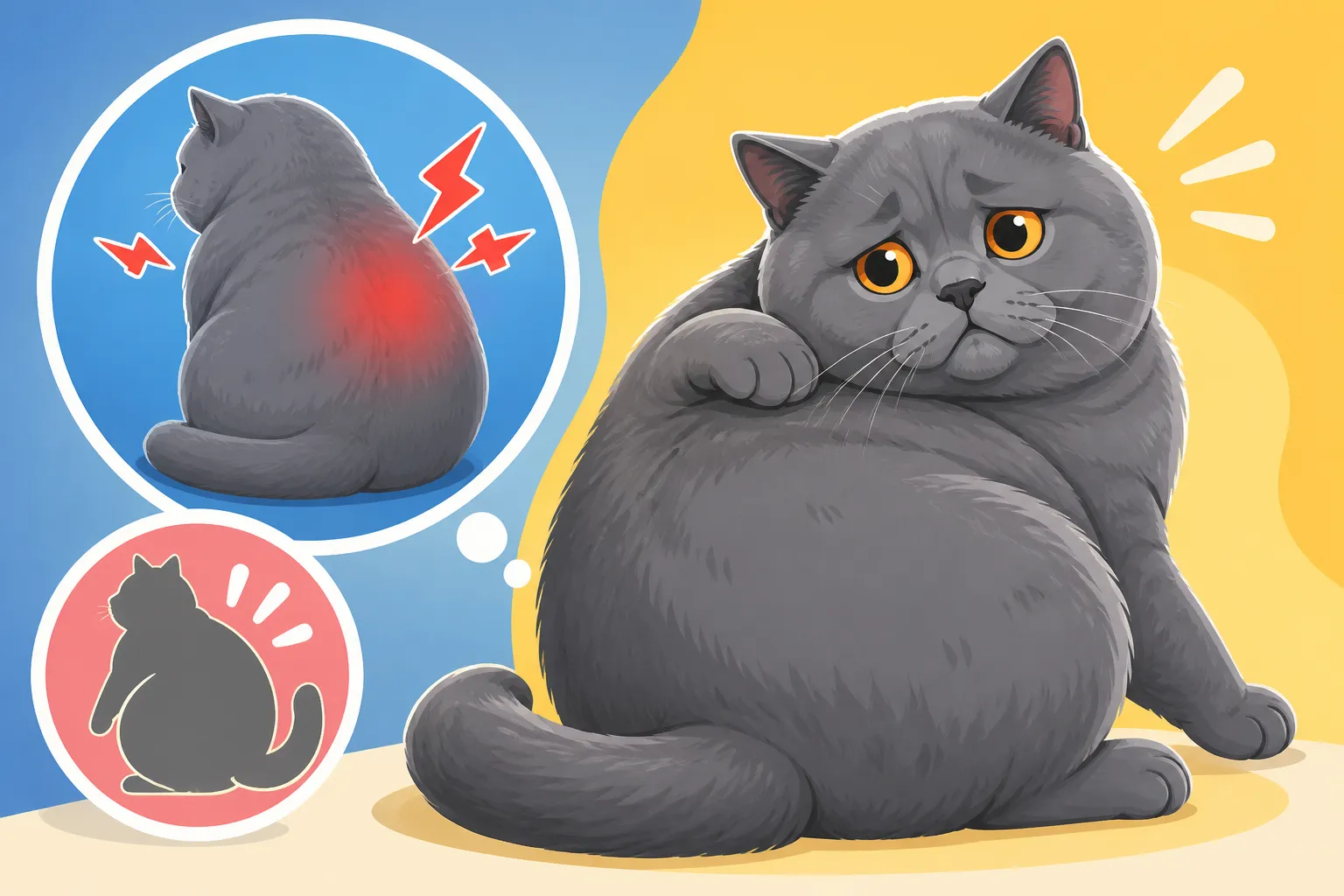
The most immediate and obvious reason an overweight British Shorthair stops grooming its back is simply that it cannot physically reach. Their bodies are no longer designed for the acrobatics required for thorough self-cleaning.
The Mechanics of Feline Self-Grooming
Think about how a cat grooms. They stretch, arch their back, twist their spine, and use their flexible necks and barbed tongues to reach every nook and cranny. They are incredibly agile, capable of reaching almost their entire body, including their shoulders, flanks, and the base of their tail. This involves a complex interplay of muscle movement, spinal flexibility, and balance. A healthy cat can easily bend their body into a "U" shape or extend their neck almost impossibly to lick their lower back or hind legs. Their powerful hind legs also play a role, used to scratch ears and faces.
This intricate dance of flexibility and dexterity is something we often take for granted until it’s compromised. Each stroke of the tongue not only cleans but stimulates the skin, removes loose fur, and spreads natural oils. It's a full-body workout for a cat, and every part of their anatomy, from their flexible spine to their strong neck muscles, is engaged in the process. When this finely tuned system is disrupted by excess body mass, the simple act of turning one's head to lick a shoulder or twisting to reach the back becomes a monumental, often impossible, task.
When a British Shorthair can no longer perform these movements due to a burgeoning waistline, the areas that suffer first are typically those most difficult to access: the middle and lower back, and sometimes even the hindquarters. This physical inability is not a choice; it's a direct consequence of their body shape being altered by extra fat. They might try, struggling and straining, but ultimately, they are defeated by their own physical limitations, leading to frustration for the cat and concern for the owner.
The "Too Far to Reach" Problem for an Overweight Cat
Imagine trying to touch your own back if you suddenly gained a significant amount of weight around your torso and belly. It would be incredibly difficult, if not impossible, to twist and reach the same spots you once could effortlessly. The same principle applies to an overweight British Shorthair. Their characteristic "cobby" body type, already naturally broad and muscular, becomes even wider and more rigid when laden with excess fat.
The round, chunky physique that many people adore in a British Shorthair can, unfortunately, become a health detriment when it crosses the line into obesity. The extra padding around their midsection prevents them from bending and twisting their spine with the necessary flexibility. Their belly might get in the way, blocking their head and tongue from reaching their lower back. The fat deposits on their back itself can create a physical barrier, making the area effectively "too far away" for their tongue to cover. They simply cannot contort their bodies enough to perform the thorough grooming they instinctively crave.
This physical barrier is often the primary cause of poor grooming on the back. Owners might observe their cat making valiant, but ultimately futile, attempts to reach these spots, stretching and straining before giving up with a sigh. It's not a lack of desire; it's a fundamental physical limitation imposed by the excess weight. The cat feels the itch, the discomfort of a dirty coat, but their body simply won't allow them to alleviate it, leading to visible matting and poor coat condition in these neglected areas.
Restricted Movement and Joint Strain
Beyond the simple "can't reach" factor, obesity places immense strain on a cat's skeletal and muscular systems. Every movement becomes harder, every stretch more demanding. A British Shorthair is built with strong bones and a solid frame, but even their sturdy build can't fully compensate for carrying too much weight. The spine and major joints, such as the hips and elbows, are constantly under increased pressure.
When an overweight British Shorthair attempts to groom, they are essentially trying to perform acrobatic feats with added ballast. This puts their joints through an unnatural range of motion under strain. The simple act of twisting their body, arching their back, or lifting a paw to scratch can become painful or lead to fatigue. Over time, this chronic strain can contribute to the development or worsening of conditions like arthritis, making grooming an increasingly agonizing prospect. What Obesity Does to a British Shorthair's Joints is a crucial topic here, as the impact of weight goes far beyond aesthetics.
Imagine trying to tie your shoes with a heavy backpack on and sore knees. You might manage it, but it would be uncomfortable and you'd likely avoid doing it more than necessary. For an overweight British Shorthair, grooming their back is akin to this. The restricted movement and potential joint pain make the entire process an ordeal. This physical discomfort quickly creates a deterrent, leading the cat to simply give up on trying to reach their back, leaving it ungroomed and vulnerable to various skin and coat issues.
The Pain and Discomfort That Deter Grooming
It’s not just about reaching; sometimes, it’s about the pain of trying. Obesity often brings with it a host of secondary health issues, many of which involve chronic pain or discomfort that makes the already difficult task of grooming even more unbearable.
Obesity's Link to Arthritis and Joint Pain
One of the most insidious consequences of obesity in cats, especially in a solid breed like the British Shorthair, is the increased risk and severity of arthritis and joint pain. Their sturdy build can give a false sense of invulnerability, but extra weight puts significant stress on all weight-bearing joints – hips, knees, ankles, and even the spine. Over time, this constant pressure wears down cartilage, leading to inflammation, stiffness, and chronic pain.
When a cat has arthritis, even subtle movements can cause discomfort. Grooming requires a great deal of flexibility and reaching, which can be excruciating for a cat with aching joints. Arching the back to reach the base of the tail, twisting the spine to groom the flanks, or lifting a leg to scratch an ear all become challenging and painful tasks. Your British Shorthair, who once effortlessly coiled into a ball to groom their belly, might now find even lying in certain positions uncomfortable, let alone contorting themselves for grooming. Arthritis in an Older British Shorthair is something to be aware of, as even younger obese cats can develop these issues.
It's a vicious cycle: the pain discourages movement, which contributes to further weight gain and muscle loss, exacerbating the joint issues. Owners might misinterpret their cat's reduced activity as laziness, when in reality, the cat is in chronic pain and trying to minimize movements that cause discomfort. This underlying pain is a huge factor in why they stop grooming their back – it simply hurts too much to try.
The Cycle of Pain and Neglect
The relationship between pain and neglected grooming creates a cruel cycle for an overweight British Shorthair. As mentioned, the physical act of grooming becomes painful due to joint strain or developing arthritis. This pain leads the cat to avoid or reduce grooming, especially in the more demanding areas like their back.
When grooming is neglected, several problems start to emerge. The fur on their back can become matted, oily, or develop dandruff. These issues, in turn, can cause further skin irritation, itching, or even infections, leading to more discomfort. Imagine having an itchy back that you simply cannot reach, and every attempt to do so causes a sharp twinge in your joints. This new discomfort adds to the existing pain, creating an overwhelming sensation that the cat tries to escape by simply not trying to groom at all.
This cycle is not only physically detrimental but also mentally taxing for the cat. A cat's instinct is to be clean, and being unable to achieve this state can lead to stress, anxiety, or even depression. They might withdraw, become less interactive, and generally seem less content. Breaking this cycle requires addressing both the underlying pain and the weight issue, along with providing supportive grooming.
Beyond Physical Aches: General Lethargy
While joint pain is a major contributor, another factor that deters grooming in an overweight British Shorthair is general lethargy. Carrying around extra weight is exhausting. It takes more energy to perform everyday activities, from walking to jumping, and yes, even grooming. Just like humans, obese cats often have reduced stamina and energy levels.
A British Shorthair, while not known for being exceptionally hyperactive, is still a cat that enjoys bursts of play and exploration. However, when they are overweight, even these moderate activities become tiring. The thought of engaging in the sustained effort required for thorough grooming can feel overwhelming. They might start a grooming session but quickly give up, preferring to rest rather than push through the discomfort and exhaustion. Why a British Shorthair Gains Weight So Easily explains why this lethargy can set in more rapidly for this breed.
This general lack of energy means that grooming, which is an energy-intensive activity, gets prioritized lower on their list of tasks. They might manage to groom easier-to-reach areas, but the more strenuous act of contorting and twisting to reach their back is simply too much effort. This lethargy compounds the physical inability and pain, further cementing the pattern of neglected grooming.
Secondary Skin Issues and Other Factors
The problem extends beyond mere inability or discomfort. An overweight British Shorthair can develop specific skin conditions directly related to their excess weight and the subsequent lack of proper grooming, creating a host of new problems.
Skin Folds and Dermatitis in Overweight British Shorthairs
One of the most unpleasant side effects of significant weight gain in British Shorthairs is the development of skin folds. These folds can appear around the neck, flanks, and especially near the tail and hindquarters, areas already difficult for an obese cat to groom effectively. These warm, moist, and often dark crevices become perfect breeding grounds for bacteria and yeast.
When these skin folds are left uncleaned due to poor grooming, they can quickly lead to a painful condition known as skin fold dermatitis. This inflammation is characterized by redness, irritation, itching, a foul odor, and sometimes even open sores or infection. The skin in these areas becomes macerated and breaks down, making the cat even more uncomfortable. The very act of grooming these irritated areas would be painful, creating a cruel paradox: the cat needs to groom but cannot because of the pain, which is exacerbated by the lack of grooming.
Owners might notice a greasy feel to the fur in these areas, along with a distinct smell, well before visible sores appear. This is a tell-tale sign of accumulating oils, dirt, and moisture that the cat cannot address. Addressing this often requires not only weight loss but also regular cleaning of the affected skin folds by the owner, possibly with medicated wipes or shampoos prescribed by a vet. Why an Overweight British Shorthair Gets Skin Problems delves deeper into these specific dermatological issues.
Dandruff, Flakiness, and Odor
A healthy British Shorthair's coat should be clean, soft, and relatively free of dandruff. However, when an overweight British Shorthair cannot groom its back, you'll quickly notice a deterioration in coat quality, particularly in the neglected areas. Dead skin cells, which would normally be removed during grooming, accumulate, leading to visible dandruff and flakiness.
The lack of proper oil distribution also contributes to this. Grooming spreads the natural oils produced by the skin, keeping the coat healthy and moisturized. Without this process, the skin can become dry and flaky, while the fur itself might become greasy in some spots and dry in others. This imbalance not only looks unpleasant but can cause itching and discomfort for the cat.
Furthermore, the buildup of skin cells, oils, and general dirt can lead to an unpleasant odor emanating from the neglected areas. This isn't just a surface smell; it's a sign of a compromised skin barrier and potential bacterial overgrowth. It's a noticeable and often upsetting change for owners who are used to their British Shorthair's clean, fresh scent. This combination of dandruff, flakiness, and odor signals a significant breakdown in their natural hygiene, all stemming from their inability to properly groom their back.
Psychological Impact and Reduced Motivation
While physical limitations are paramount, it’s also important not to underestimate the psychological impact of obesity and the associated grooming difficulties on a British Shorthair. Cats are incredibly sensitive creatures, and their well-being is deeply intertwined with their ability to perform natural behaviors. Being unable to groom properly, a behavior ingrained since kittenhood, can lead to frustration, stress, and even a degree of depression.
A cat that feels uncomfortable in its own skin, burdened by excess weight and experiencing chronic pain, may become less playful, less interactive, and more withdrawn. Their motivation to engage in any activity, including grooming, can diminish. They might spend more time sleeping, not just due to lethargy but also as a coping mechanism or a sign of overall malaise. This reduced motivation is not laziness; it’s a symptom of their diminished quality of life.
The British Shorthair is typically a calm and composed breed, but persistent discomfort and the inability to self-soothe through grooming can subtly alter their temperament. They might become more irritable, less tolerant of handling, or simply appear generally unhappy. Addressing the physical challenges through weight loss and supportive care is crucial not only for their bodily health but also for restoring their mental and emotional well-being, allowing them to regain their natural confidence and grooming drive.
The Unseen Consequences of Neglected Grooming
When a British Shorthair stops grooming its back, the visible problems like dull fur and matting are just the tip of the iceberg. Beneath the surface, a cascade of health issues can develop, posing serious risks to their overall well-being.
Matting and Tangles
The most immediate and obvious consequence of neglected grooming, especially in the dense coat of a British Shorthair, is the development of mats and tangles. While their short hair means they are less prone to the severe, tight mats seen in long-haired breeds, an ungroomed British Shorthair can still develop significant knots, particularly around the lower back, flanks, and behind the ears.
These mats are not just unsightly; they are painful. As the fur becomes tangled and compact, it pulls on the skin, causing discomfort, irritation, and even bruising. Mats can also restrict movement, adding to the cat's reluctance to groom. Furthermore, they can trap moisture, dirt, and debris against the skin, creating an ideal environment for skin infections. Removing severe mats often requires professional intervention, which can be a stressful and potentially painful experience for the cat, sometimes even requiring sedation.
For a British Shorthair, whose coat is designed to be pristine and resilient, matting is a stark indicator of underlying health issues, primarily obesity. It signals that the cat can no longer maintain its basic hygiene, and prompt action is needed to prevent the situation from worsening. Regular combing by the owner can help, but it's a temporary solution if the root cause of the weight problem isn't addressed. Where a British Shorthair Mats can shed light on the common areas.
Hairballs and Digestive Upset
It might seem counterintuitive, but an overweight British Shorthair that isn't grooming effectively can actually suffer more from hairballs. While they aren't efficiently removing loose fur from their back, they are still grooming other accessible areas. The problem is that the quality of grooming is compromised. When the coat is unkempt and loaded with loose undercoat, the fur they do ingest when grooming accessible areas is often excessive.
The inability to properly groom also means they might be ingesting more shed hair from all over their body, as the entire coat quality deteriorates. This accumulation of hair in the digestive tract can lead to frequent hairballs, which can be distressing for both cat and owner. In severe cases, hairballs can cause digestive upset, constipation, or even life-threatening intestinal blockages that require veterinary intervention.
A healthy grooming routine is essential for managing shedding and preventing hairball issues. When that routine breaks down due to obesity, the cat's digestive system bears the brunt of the problem. Owners might notice increased vomiting of hairballs, a sign that the cat’s natural hair management system is failing. This makes it even more important to address the obesity and help them return to effective grooming. How Often a British Shorthair Brings Up a Hairball can indicate what is normal versus problematic.
Skin Infections and Parasite Havens
A matted, dirty, and moist coat on an overweight British Shorthair creates a welcoming environment for various skin infections and external parasites. As discussed, skin folds can harbor bacteria and yeast, leading to dermatitis. Beyond folds, any area of matted fur creates a localized microclimate that is ripe for microbial growth.
The fur can become caked with fecal matter, particularly around the hindquarters, which an obese cat might struggle to reach and clean after using the litter box. This unsanitary condition introduces bacteria directly onto the skin, increasing the risk of bacterial skin infections (pyoderma). These infections are itchy, painful, and often require veterinary treatment with antibiotics or antifungal medications.
Furthermore, a neglected coat is a prime target for parasites. Fleas, mites, and ticks find refuge in matted, uncleaned fur. The cat cannot effectively scratch or groom them away, allowing infestations to take hold and proliferate. This exacerbates itching and discomfort, potentially leading to allergic reactions (like flea allergy dermatitis) and further skin damage from excessive scratching. Ultimately, an ungroomed back due to obesity transforms a once healthy coat into a vulnerability, inviting a host of unpleasant and painful health problems.
Reversing the Trend: A Path to Healthy Weight and Better Grooming
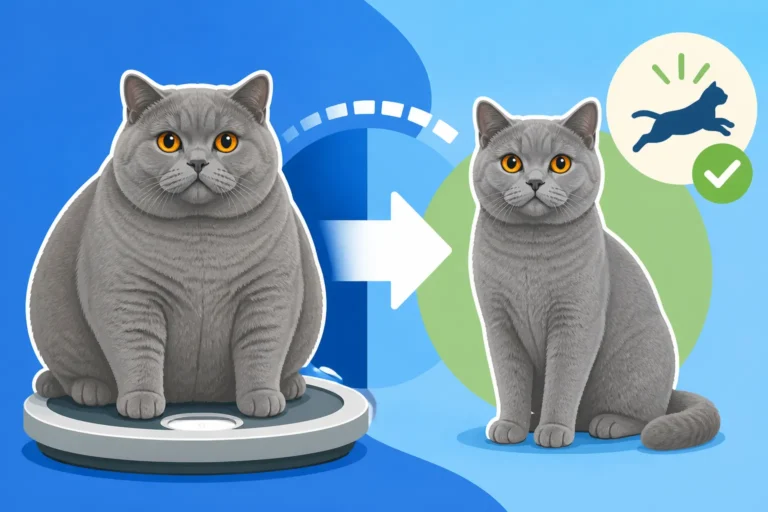
The good news is that helping your overweight British Shorthair regain its grooming abilities is entirely possible, but it requires a dedicated approach focusing on the root cause: their weight. This isn't a quick fix, but a journey towards a healthier, happier cat.
The Cornerstone: Dietary Adjustments and Portion Control
The absolute foundation for helping an overweight British Shorthair is a strict dietary overhaul. It's often said that "you can't out-exercise a bad diet," and this is especially true for the calm and less active British Shorthair. They are truly "built to eat," and will often consume whatever is available, making free-feeding a significant culprit in their weight gain.
The first step is to accurately determine your cat's ideal weight and then calculate the appropriate caloric intake for gradual, safe weight loss. This should always be done in consultation with your veterinarian, who can rule out any underlying medical conditions contributing to weight gain and recommend a specific diet plan. Often, this involves transitioning to a veterinary prescription weight-loss diet, which is typically higher in protein and fiber to promote satiety, lower in calories, and fortified with nutrients to support health during weight loss. These specialized foods can be readily found through your vet or reputable online retailers like Chewy or Amazon, ensuring consistent availability of the exact formulation needed.
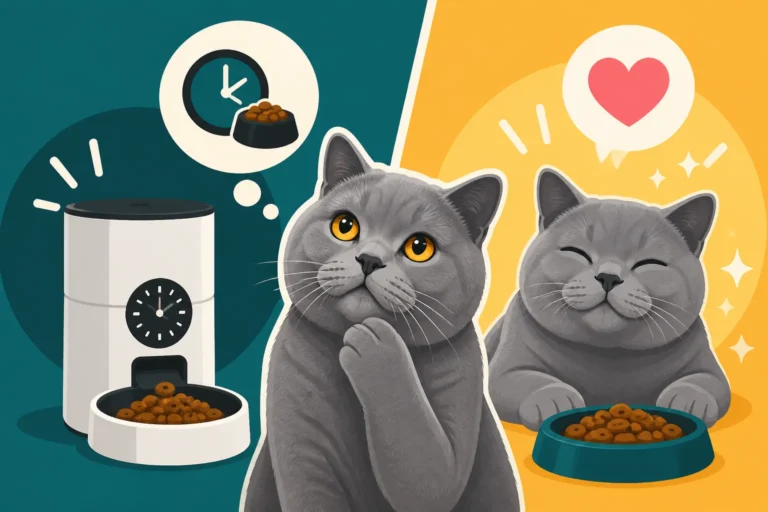
Crucially, portion control is non-negotiable. Weighing your cat's food with a digital kitchen scale for every meal is essential. Moving from free-feeding to scheduled meals, two or three times a day, can help regulate their metabolism and make them feel more satisfied. For many British Shorthairs, wet food can be particularly beneficial for weight loss, as its higher water content helps them feel full with fewer calories. Remember, crash diets are extremely dangerous for cats and can lead to serious liver problems, so slow and steady is the key. How Many Calories a British Shorthair Needs and Why Free Feeding Ruins a British Shorthair offer more detailed guidance on this.
Encouraging Movement and Play
While diet is paramount, incorporating more activity into your British Shorthair's day is the perfect complement to their weight loss journey. This breed isn't known for being a high-energy dynamo, and an overweight British Shorthair is even less likely to self-motivate for play. Therefore, it's up to you, their devoted owner, to become their personal trainer.
Start with short, gentle play sessions, perhaps 5-10 minutes, several times a day. Choose toys that encourage movement without requiring excessive jumping or agility, especially if they have joint pain. Laser pointers, feather wands, or toys that can be dragged across the floor can be highly effective. The goal isn't Olympic-level performance, but consistent, low-impact activity. You might find that puzzle feeders, which dispense food or treats only when the cat interacts with them, can turn mealtime into a mental and physical exercise. Place these feeders in different locations, perhaps even up a low ramp, to encourage exploration and movement. How to Get a British Shorthair to Move provides excellent strategies for this.
Consider investing in a sturdy cat tree with broad platforms or ramps rather than steep jumps, to make vertical exploration more accessible and safer for a heavier cat. Even simple things like encouraging them to follow you from room to room or making them "hunt" for their food by placing small portions in various spots around the house can add up to increased daily activity. Consistency is key here; a little movement every day is far more beneficial than sporadic, intense sessions that might leave them sore or discouraged. The goal is to make movement enjoyable again, connecting it to positive reinforcement like praise or a tiny, diet-appropriate treat.
The Importance of Veterinary Guidance
Embarking on a weight loss program for your British Shorthair should always begin with a thorough veterinary examination. Your vet is your most valuable partner in this process. They can perform blood tests to rule out underlying medical conditions such as thyroid issues or diabetes, which can contribute to weight gain or make weight loss more complicated. They can also assess your cat's current body condition score, help you determine a realistic target weight, and calculate the precise caloric intake needed for safe and effective weight loss.
Your veterinarian can also recommend appropriate weight loss diets, whether it's a specific prescription food or guidance on formulating a balanced diet with commercially available options. They can advise on the safest rate of weight loss, as losing weight too quickly can be dangerous for cats, potentially leading to hepatic lipidosis (fatty liver disease). Regular weigh-ins at the vet clinic, typically monthly, will allow them to monitor your cat's progress, make necessary adjustments to the diet, and address any concerns promptly. What an Overweight British Shorthair Costs at the Vet often includes these crucial initial consultations and follow-up visits.
Beyond diet, your vet can provide strategies for managing any concurrent issues like arthritis, prescribing pain relief or joint supplements to make your British Shorthair more comfortable and willing to move and groom. They can also help you identify specific exercises that are safe and beneficial for your individual cat. Remember, tackling obesity is a team effort, and your vet's expertise is indispensable in ensuring a healthy and successful journey for your feline friend.
Supportive Grooming and Environmental Aids
While the ultimate goal is for your British Shorthair to resume self-grooming, while they are losing weight, they will need significant help from you. Providing supportive grooming and making environmental adjustments can ease their discomfort and aid in their transition back to self-sufficiency.
Manual Grooming Techniques for Overweight Cats
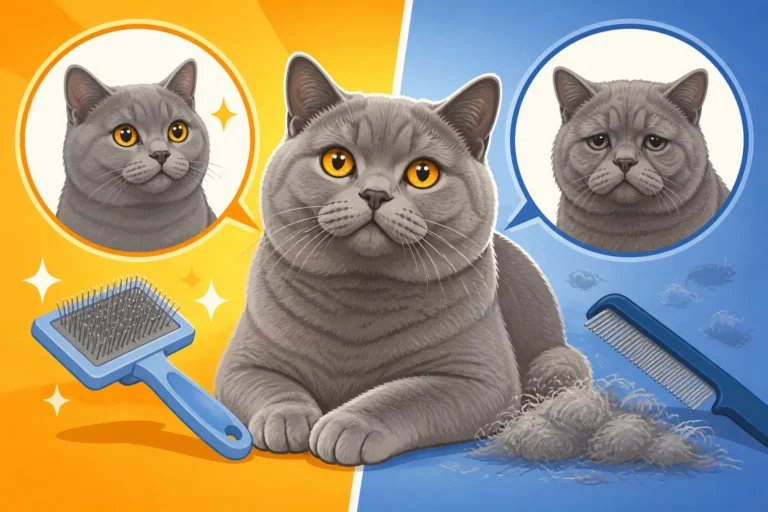
Since your overweight British Shorthair cannot reach its back, you become their temporary groomer. Regular manual grooming is crucial to prevent matting, remove loose fur, and keep their skin healthy. Start with a gentle approach, using a wide-toothed metal comb, which is excellent for penetrating their dense undercoat without pulling. Brushes, particularly slicker brushes, can be too harsh for a British Shorthair's delicate undercoat and might only skim the surface. A good quality steel comb will do a much better job. You can find excellent options on Amazon or Chewy.
Aim for short, frequent grooming sessions, perhaps 5-10 minutes daily. This prevents the cat from becoming overwhelmed and helps them get used to the routine. Focus on the areas they struggle to reach, like their back, hindquarters, and the base of their tail. Be extra gentle, especially if you suspect they have any sore spots or skin irritation. If you encounter mats, don't pull! Instead, try to work them out gently with your fingers or a mat breaker, or trim them carefully with blunt-nosed scissors if they are too severe, always being mindful of the skin underneath. Which Comb a British Shorthair Needs highlights the importance of the right tools.
Beyond combing, you can use a damp, warm cloth to wipe down their back and hindquarters. This helps remove dander, dirt, and excess oils, providing a refreshing cleanse that mimics the effect of self-grooming. For cats with significant skin fold issues, your vet might recommend specific medicated wipes. These supportive grooming efforts not only keep your cat comfortable and clean but also provide an opportunity for bonding and allow you to monitor their skin for any emerging issues.
Creating an Accessible Environment
Making your home more accessible can significantly reduce the physical challenges your overweight British Shorthair faces, making their life more comfortable and indirectly supporting their grooming efforts by making them more mobile. Consider the height of their litter box. A high-sided box, while great for containing litter, can be a painful obstacle for a cat with limited mobility or arthritis. Opt for a low-sided litter box that allows for easy entry and exit, reducing strain on their joints. There are many large, low-entry options available through online retailers.
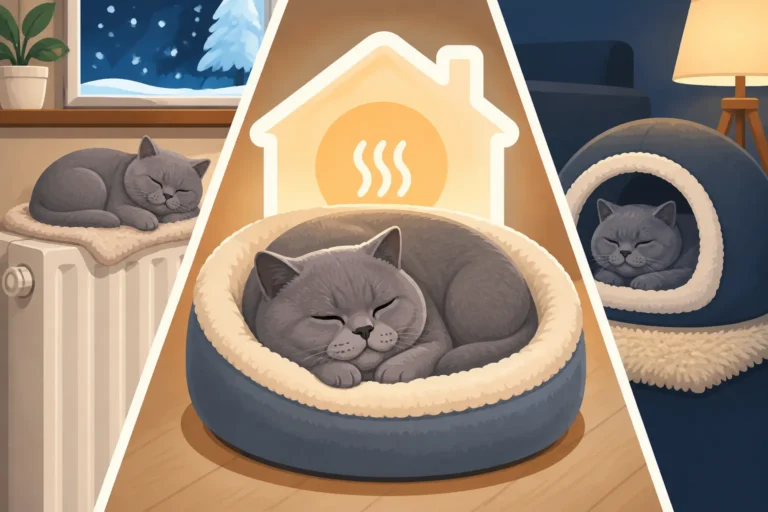
Similarly, access to their favorite resting spots, like a soft bed on the sofa or a window perch, might now be a struggle. Provide ramps or sturdy pet stairs to these elevated areas. This allows them to reach their preferred spots without painful jumps, which can further aggravate joint issues. You could also place additional comfortable beds on the floor in quiet, warm areas.
Ensure their food and water bowls are easily accessible. If you have a multi-cat household and one cat is on a diet, consider microchip-activated feeders (available on Amazon or Chewy) that only open for the designated cat. This prevents the overweight cat from stealing food and ensures they stick to their prescribed diet. By removing these daily physical hurdles, you help reduce their overall discomfort, conserve their energy, and encourage a more active and engaged lifestyle, which is a step towards healthier self-grooming.
When to Seek Professional Grooming Help
Sometimes, despite your best efforts, the coat of an overweight British Shorthair can become too matted or dirty for home care alone. This is when professional grooming becomes not just a luxury, but a necessity. A professional cat groomer has the tools, expertise, and experience to safely and effectively address severe matting and extensive coat buildup.
Professional groomers can often remove mats without causing undue stress or pain to your cat, which can be difficult for an inexperienced owner. They can also provide a thorough bath to remove accumulated oils, dander, and odors, giving your cat a fresh start. For particularly severe cases, or for cats that are very stressed by grooming, some vets offer sedated grooming services to ensure the cat's comfort and safety. Whether a British Shorthair Needs a Groomer can help owners decide.
Beyond just cleaning, a professional groomer can offer advice on maintaining your British Shorthair's coat, recommending specific tools and techniques that might work best for their unique fur type and your cat's temperament. Regular professional grooming can be an invaluable part of the weight loss journey, providing immediate relief from a heavy, matted coat and helping to prevent future problems while your cat works towards regaining its ability to self-groom. Think of it as a reset button that makes the path to independent grooming much smoother.
Disclaimer
This article is for general informational purposes only and does not constitute professional advice. Laws, prices and regulations vary by location and change over time. Consult a qualified professional for guidance on your specific situation.