Where a British Shorthair Should Sleep in Winter
It's the crisp chill of winter, and you're probably snuggled up with a warm drink, but have you ever stopped to think about where your beloved British Shorthair is spending their long winter naps? These wonderful, plush companions might look like they're built for cold weather, but they still have very specific needs when the temperatures drop. This guide will help you understand their natural comfort zones and how to create the coziest, safest sleeping spots for your British Shorthair during the colder months, ensuring they stay happy, healthy, and wonderfully warm.
Understanding Your British Shorthair's Natural Winter Comforts
When winter rolls around, many of us assume our British Shorthairs are perfectly equipped to handle the chill. After all, they look like little teddy bears with their dense coats, right? While they certainly possess some natural advantages, it's a common misconception to think they are immune to the cold or don't need our help to find optimal warmth. Their calm demeanor often means they won't loudly complain, but that doesn't mean they aren't seeking out the best, warmest spots on their own.
The British Shorthair's Built-in Winter Coat
Your British Shorthair’s coat is truly a marvel of nature, especially when it comes to keeping them insulated. It's often described as "crisp" or "plush," standing away from the body, and that's not just for looks – it's a functional design. This coat isn't just one layer; it’s a double coat, consisting of a coarser outer guard hair layer and a very dense, soft undercoat. This undercoat is what truly provides the insulation, trapping a layer of warm air close to their skin. Think of it like a natural down jacket. A British Shorthair's Coat Stands Away From Its Body explains this beautifully.
However, even with this impressive natural insulation, it has its limits. This coat is designed for general temperate climates, not necessarily for prolonged exposure to drafts or very low indoor temperatures that we might tolerate but they wouldn't choose. A British Shorthair will still feel the cold, especially if they are sitting on a cold floor or near a leaky window for too long. Their plushness can give a false sense of security; while it helps, it doesn't make them invincible against a truly chilly environment.
Why They Seek Warmth: Instinct and Comfort
The urge to seek warmth is deeply ingrained in all felines, and your British Shorthair is no exception. While their ancestors might have been hardy The British Shorthair Started as a British Street Cat, adapting to varied conditions, modern British Shorthairs are typically indoor-only pets, accustomed to consistent home temperatures. Their natural activity level is generally quite low; they're not typically running around burning off tons of energy to generate internal heat. This means they rely more on their environment to maintain their core body temperature. How Much a British Shorthair Sleeps also plays into this; if they're sleeping for long stretches, they need a consistently warm spot to avoid getting chilled.
Imagine yourself curling up for a long nap. You'd instinctively gravitate towards the coziest, warmest spot, wouldn't you? Cats are no different. They're constantly evaluating their surroundings for the most comfortable microclimates. This is why you'll often find them basking in a sunbeam, even in winter, or seeking out the warmest blanket. It's not just about luxury; it's about comfort and energy conservation. Their low-energy lifestyle means they prefer to conserve calories by finding warmth, rather than expending energy to stay warm.
Crafting the Perfect Winter Sleeping Sanctuary
Creating the ideal winter sleeping spots for your British Shorthair isn't just about throwing down a blanket. It's about strategic placement, thoughtful bedding choices, and considering their unique needs, especially as they get older.
Prime Locations for Warmth and Security
Choosing the right location for their winter bed is paramount. Forget drafty hallways or cold, tiled floors. Your British Shorthair will thrive in spots that offer both warmth and a sense of security.
- Elevated Spots: Cats love to observe their domain from a higher vantage point, and elevated spots often escape floor drafts, making them naturally warmer. Consider a sturdy cat tree, a window perch (away from drafty windows, or with a thick curtain between), or a safe shelf. If they usually prefer a Whether a British Shorthair Prefers a Floor Bed, ensure that floor spot is well-insulated with a thick rug or extra blankets.
- Quiet, Secluded Corners: British Shorthairs are generally calm, but they still appreciate a sense of privacy and security, especially when sleeping deeply. A corner of a room, tucked away from heavy foot traffic or loud noises, provides a safe haven. This also helps shield them from drafts that might sweep through open spaces.
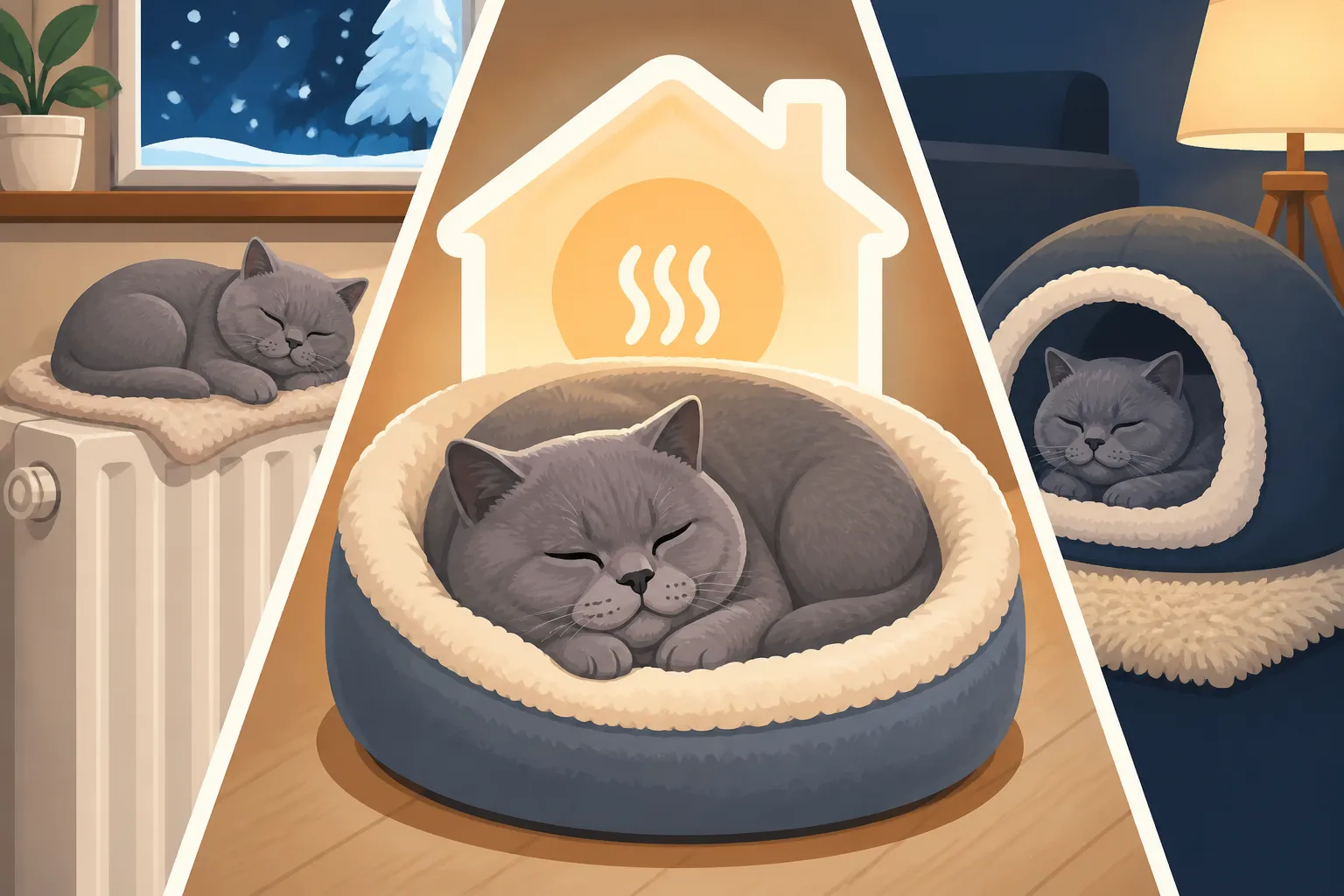
- Near, but Not On, Heat Sources: Placing a bed near a radiator, a fireplace (safely guarded, of course), or a warm air vent can be incredibly appealing. The key is "near," not "on." Direct heat can be too intense and even dry out their skin or fur. A good rule of thumb is to place their bed a comfortable distance away, so they can feel the ambient warmth without being roasted.
- Sunbeam Hotspots: Throughout the day, watch where the sunbeams fall in your home. These are natural warmth magnets. A bed placed in a sunny spot will be a favorite for daytime naps. Just make sure they can move into the shade if they get too warm.
Avoid placing their primary sleeping spot in areas prone to drafts, like near exterior doors or large, single-pane windows. Even their thick coat won't entirely protect them from a constant cold breeze.
The Art of Layering: Beds, Blankets, and Beyond
Once you've identified the perfect location, it's time to furnish it for ultimate coziness. The right bedding can make all the difference in insulating your British Shorthair from the cold.
- Insulated and Bolstered Beds: Look for beds with high sides or bolsters. These create a little nest, trapping warmth and offering a sense of security. Materials like faux fur, Sherpa, or microfleece are excellent choices for softness and warmth. A donut-shaped bed or a cave-style bed can be particularly appealing as they allow your cat to curl up completely, maximizing body heat retention. Many pet retailers like Chewy or Amazon offer a fantastic selection of these.
- The Power of Blankets: Don't underestimate a good, soft blanket. Even if your British Shorthair doesn't always burrow, having a fleece or wool blanket draped over their bed or in their favorite spot allows them the option to nestle in. Some British Shorthairs love to knead and burrow, so a soft, lightweight blanket gives them the means to create their own warm cocoon.
- Heated Beds and Mats (with Caution): For extra warmth, especially if your home gets quite chilly or you have an older cat, a heated pet bed or mat can be a godsend. These typically operate at a low, safe temperature, just above body heat. However, always ensure they are specifically designed for pets and have safety features like automatic shut-off. Never use a human heating pad, which can get too hot. If you use one, ensure your cat can easily move off it if they get too warm, giving them full control over their temperature.
When selecting bedding, consider durability and ease of cleaning. Accidents happen, and a machine-washable bed or blanket is a lifesaver.
Considering Age and Health in Bedding Choices
As your British Shorthair ages, their ability to regulate body temperature and tolerate cold often diminishes. An older cat might have Arthritis in an Older British Shorthair, making it harder to jump onto high places, or a thinning coat which can happen with age. Caring for an Old British Shorthair becomes even more critical during winter.
- Elderly Cats and Orthopedic Beds: For senior British Shorthairs, look for orthopedic beds with memory foam. These not only provide superior insulation but also support aching joints, making sleep much more comfortable. A low-sided bed or a ramp might be necessary to help them access their favorite warm spot without strain.
- Cats with Health Conditions: If your British Shorthair has a chronic illness, such as Hyperthyroidism in an Older British Shorthair (though this often makes them hotter) or What HCM Does to a British Shorthair's Heart, maintaining a consistent, comfortable temperature is vital for their overall well-being. Discuss with your vet if extra warmth, like a heated bed, is advisable for their specific condition. Their veterinarian might recommend a slightly warmer environment than for a younger, healthier cat.
- Monitoring Body Condition: An overweight British Shorthair might have more natural insulation, but that doesn't mean they can't get cold. Conversely, if your older British Shorthair is losing weight, Why Weight Loss in an Old British Shorthair Is a Warning and indicates they may struggle more to stay warm. Keep a close eye on their body condition and adjust bedding as needed.
Spotting the Signs: Is Your British Shorthair Truly Warm?
Your British Shorthair is notoriously stoic, and they often hide signs of discomfort or illness. This means you need to be a diligent observer to ensure they aren't getting too cold, especially when temperatures plummet outside.
Behavioral Cues of Being Too Cold
Cats communicate in subtle ways, and understanding their body language is key to knowing if they're struggling with the cold.
- Hunching or Tucking Themselves Tightly: If your British Shorthair is curled into a very tight ball, almost like a donut with their head tucked under their body, it’s a classic sign they’re trying to conserve body heat. While they often sleep curled up, an extraordinarily tight curl, especially accompanied by other signs, suggests they're feeling chilly.
- Seeking Extreme Heat Sources: Constantly trying to wedge themselves behind a radiator, or lying directly on a hot air vent for extended periods, indicates they are actively seeking warmth beyond what their normal comfortable spot provides. They might even try to burrow under blankets more than usual, even if they aren't typically a burrower.
- Shivering or Trembling: This is a more obvious, but thankfully less common, sign. Shivering in a cat is a serious indicator that they are very cold and need immediate warmth. If you see your British Shorthair shivering, wrap them in a warm blanket and consider seeking veterinary advice, as prolonged cold can lead to hypothermia.
- Reduced Activity and Lethargy: While British Shorthairs are generally calm, a noticeable drop in their already low activity levels could be a sign of discomfort, including being too cold. They might seem more sluggish, less interested in playing (even for a cat that Play for a British Shorthair That Would Rather Not), or simply spend an excessive amount of time in one spot, unwilling to move.
It’s important to remember that British Shorthairs are champions at hiding discomfort. Don't wait for dramatic shivering. Look for the subtle changes in their preferred sleeping positions or where they choose to spend their time.
Physical Indicators of Cold Stress
Beyond behavior, there are a few physical clues that can tell you if your British Shorthair is feeling the chill.
- Cold Ears and Paw Pads: Gently feel your cat's ears and paw pads. While they won't be as warm as their core body, if they feel distinctly cold to the touch, it suggests their body is diverting blood flow to their core, which is a mechanism to conserve heat.
- Huddling with Others: If you have multiple British Shorthairs or other pets, observe if they are huddling together more than usual. This communal sleeping is another instinctive way to share and conserve body heat.
- Changes in Coat Condition: While their coat is dense, extreme cold can sometimes affect its overall health and appearance. If you notice their coat seems less plush or they're not grooming as meticulously (Why an Overweight British Shorthair Stops Grooming Its Back can also cause this), it might be worth checking their ambient temperature. However, this is usually a secondary sign.
- Less Appetite (in severe cases): While not directly related to a sleeping spot, a cat that is consistently too cold might also show a reduced appetite or seem generally unwell. This would indicate a more severe issue, and veterinary attention would be warranted.
If you suspect your British Shorthair is consistently cold, consider adjusting your home’s thermostat, adding more insulated beds, or using a safe heated pet mat.
| Sign of Cold | Behavioral Cue | Physical Indicator | Action to Take |
|---|---|---|---|
| Mild Cold | Tightly curled, seeking sunny spots | Slightly cool ears/paws | Add more blankets, ensure bed is off floor, check for drafts. |
| Moderate Cold | Constantly seeking direct heat, burrowing more than usual | Consistently cool ears/paws, reduced activity | Provide a heated bed (safe for pets), increase room temperature, ensure multiple warm options. |
| Severe Cold | Shivering, trembling, extreme lethargy | Very cold ears/paws, rigid posture | Wrap in warm towels, contact vet immediately, provide immediate warmth. |
Holistic Winter Care for Overall Well-being
Providing a warm sleeping spot is a fantastic start, but keeping your British Shorthair cozy and healthy in winter goes beyond just their bed. A holistic approach to winter care considers their nutrition and the overall environment.
Maintaining Core Body Temperature Through Nutrition
What your British Shorthair eats can play a role in how well they withstand the cold. Proper nutrition helps maintain a healthy metabolism, which in turn generates body heat.
- Balanced Diet: Ensure your British Shorthair is on a high-quality, balanced diet. A good diet provides the necessary nutrients and calories for energy and warmth. Avoid sudden, drastic changes in food unless recommended by your vet, but always aim for food that supports their general health. How Much an Adult British Shorthair Eats should be portion-controlled to avoid obesity, but ensure it's meeting their needs.
- Hydration is Key: Just as important as food is water. Dehydration can affect a cat's overall health and their ability to regulate body temperature. Ensure they always have access to fresh, clean water. Some cats prefer running water from a fountain, which can encourage them to drink more. Consider offering wet food, especially if your cat isn't a big drinker, as it provides additional moisture.
- Avoid Overfeeding (But Don't Starve Them): While a little extra insulation might seem helpful, Obesity Is the British Shorthair's Real Disease. An overweight cat faces numerous health problems, from joint issues to Diabetes in a British Shorthair, which can make them less resilient to environmental changes, not more. Stick to their recommended daily calorie intake and avoid excessive treats. The goal is a healthy body condition, not a fat one, as a healthy metabolism is far more effective for warmth than extra fat.
Environmental Control: Keeping the Home Cozy
Your British Shorthair spends all their time indoors, so the ambient temperature of your home is crucial. You don't need to turn your house into a sauna, but consistent, comfortable warmth makes a huge difference.
- Consistent Indoor Temperature: Aim for a consistent indoor temperature that is comfortable for you and doesn't fluctuate wildly. Generally, a temperature between 68-72°F (20-22°C) is ideal for most cats. Avoid drastic drops in temperature overnight, as this is when cats are often most still and vulnerable to getting chilled.
- Block Drafts: Identify and block any drafts from windows or doors. Use draft stoppers, seal gaps, or ensure curtains are heavy enough to insulate. Even a small, persistent draft can make a sleeping area uncomfortable.
- Humidity Levels: Winter air, especially with indoor heating, can become very dry. While not directly related to warmth, low humidity can contribute to dry skin, respiratory irritation, and static electricity in your cat’s plush coat. A humidifier can help maintain a comfortable humidity level (around 40-60%) which contributes to their overall well-being and comfort.
- Access to Sunlight: Even in winter, sunlight streaming through a window can provide natural warmth and a sense of well-being. Ensure your British Shorthair has access to safe, sunny spots where they can bask, taking advantage of solar gain. Just make sure they can retreat to shade if it gets too warm. How a British Shorthair Copes With Heat is also important to consider; they shouldn't be trapped in a spot that gets too hot.
By paying attention to these details – from their diet to the warmth of their surroundings – you can ensure your stoic, fluffy British Shorthair enjoys a winter filled with cozy naps and comfortable living. They might not always show their appreciation with enthusiastic purrs or cuddles, but a warm, content cat is a happy cat, and that’s the best reward any owner could ask for.
Disclaimer
This article is for general informational purposes only and does not constitute professional advice. Laws, prices and regulations vary by location and change over time. Consult a qualified professional for guidance on your specific situation.