How Often a British Shorthair Needs a Bath
One of the most common questions I hear from new British Shorthair parents, or even those considering bringing one of these magnificent felines into their home, is about bathing. It's a natural concern because we all want our pets to be clean and healthy, but the truth is, a British Shorthair's grooming needs are quite unique. This comprehensive guide is here to cut through the myths and provide realistic, empathetic advice on how often your British Shorthair truly needs a bath, and how to approach it when the rare occasion arises.
Understanding the British Shorthair Coat for Bathing
Before we even think about turning on the tap, it’s crucial to understand what makes a British Shorthair’s coat so special. It's not just fur; it's a meticulously designed natural garment that usually does a fantastic job of taking care of itself. Without this understanding, you might actually do more harm than good by trying to impose a bathing schedule that isn't suited to their unique needs.
The Unique Texture of a British Shorthair's Coat
A British Shorthair's coat is often described as 'crisp' or 'dense.' It's not soft and silky like a Persian, nor fine like a Siamese. Instead, it's a plush, double coat that feels almost like a thick wool blanket. This incredible density means that the individual hairs are packed very closely together, providing superb insulation and protection. This unique texture is one of the hallmarks of the breed, giving them that classic teddy bear look that everyone adores.
This isn't just for aesthetics, though. This dense, off-standing coat serves a functional purpose, keeping them warm and dry in their native climate. The guard hairs are strong and resilient, and underneath lies a thick, soft undercoat. When you comb them, you'll notice how the fur seems to spring back, almost resisting being flattened. This natural resilience is why a British Shorthair’s coat tends to stand away from their body, contributing to their round, substantial appearance. A British Shorthair's Coat Stands Away From Its Body This structure also makes them quite adept at self-cleaning, as dirt and debris often sit on the surface rather than becoming deeply embedded.
Understanding the unique texture means recognizing that it’s inherently designed to be low-maintenance in terms of bathing. Trying to wash this coat too frequently can be counterproductive, disrupting its natural balance and potentially making it harder for your cat to regulate their body temperature and maintain skin health. Their coat really is a marvel of natural engineering, and a big part of their care involves respecting its inherent design.
How the Coat Manages Dirt and Oils
The British Shorthair's coat isn't just about texture; it's also about a natural system of oil production and shedding that helps it manage dirt and stay clean. Their skin produces natural oils that coat each hair, acting as a protective barrier. These oils repel water and dirt, making it harder for foreign substances to penetrate the dense fur and reach the skin. It’s like their own built-in waterproofing and stain-resistant treatment!
Beyond the oils, British Shorthairs are meticulous self-groomers. They spend a significant portion of their day licking and cleaning themselves. Their barbed tongues are incredibly effective at removing loose fur, dander, and small bits of debris from their coat. This constant grooming distributes those natural oils evenly, keeps their fur tidy, and helps prevent mats, especially in the thick undercoat. They also shed seasonally, with a heavier "blow" of their undercoat in spring and sometimes autumn. This natural turnover of fur also helps to keep the coat fresh and clean, as older, dirtier hairs are replaced with new ones. How Much a British Shorthair Sheds
Because of this efficient natural system, external bathing is rarely necessary for hygiene purposes alone. Interfering too much with these natural processes by over-bathing can actually strip away those essential oils, leaving their skin dry and irritated, and their coat less able to protect itself. It can even lead to the skin overproducing oils to compensate, making the coat greasier in the long run. The general rule of thumb is that if your British Shorthair is healthy and able to groom themselves, they're doing a much better job than you ever could with a shampoo bottle.
When a British Shorthair Might Need a Bath
While routine bathing is generally not recommended for British Shorthairs, there are certainly specific situations where a bath becomes a necessary evil, or even a helpful intervention. These instances are usually less about routine hygiene and more about unforeseen accidents or medical necessities. Knowing when to reach for the shampoo is just as important as knowing when not to.
Accidental Messes and Sticky Situations
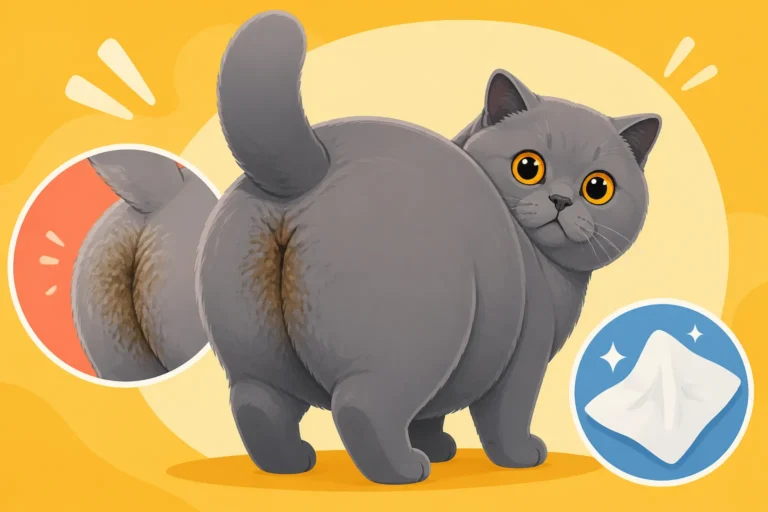
Let's face it, cats are curious creatures, and sometimes that curiosity leads them into rather unfortunate situations. Your impeccably clean British Shorthair might, against all odds, decide that exploring a spilled pot of paint or a sticky honey jar is a brilliant idea. Or perhaps they've had a messy encounter with something truly unsavory, like mud, grease, or even their own stool if they've had an upset tummy. In these scenarios, self-grooming simply won't cut it, and a targeted bath or spot clean becomes essential.
For localized messes, try spot cleaning first. A damp cloth with a tiny bit of cat-safe shampoo can often tackle a specific area without needing a full immersion. However, if the mess is extensive, toxic, or particularly greasy, a full bath is unavoidable. The key here is to act quickly to prevent your cat from ingesting the substance during their own cleaning attempts. Remember, patience and a calm approach are paramount, as a stressed cat will make the process much harder for everyone involved. Sometimes, a full bath is the only way to ensure they are truly clean and safe from ingesting harmful residue.
Medical Reasons for Bathing
Beyond accidental spills, there are specific medical conditions that might necessitate bathing your British Shorthair, always under the guidance of your veterinarian. For example, if your cat develops a severe skin allergy that causes itching, flaking, or excessive oiliness, a vet might prescribe medicated shampoos. These specialized shampoos are designed to soothe irritated skin, reduce inflammation, or treat specific skin infections. Skin Allergies in a British Shorthair They're not just for cleaning; they're an active part of the treatment plan.
Another common medical reason for bathing is a flea infestation. While topical treatments are often preferred, a flea bath can be an effective way to remove a large number of fleas quickly, especially for kittens or cats who cannot tolerate other treatments. Likewise, certain fungal infections, like ringworm, often require medicated baths as part of a multi-pronged treatment strategy. It’s absolutely vital in these cases that you only use shampoos specifically recommended by your vet, as human shampoos or even generic cat shampoos can exacerbate existing skin problems or offer no therapeutic benefit. Always consult your vet before using any medicated shampoo, as they will provide specific instructions on frequency and application to ensure the best outcome for your beloved British Shorthair.
Age-Related Grooming Challenges
As our cherished British Shorthairs age, their ability to meticulously groom themselves can sometimes decline. Just like humans, senior cats can develop conditions that make contorting into those difficult-to-reach positions a real challenge. Arthritis is a common culprit, making joints stiff and painful, which means they might struggle to reach their lower back, tail, or hind legs. Arthritis in an Older British Shorthair You might notice their coat looking a bit unkempt, greasy, or even matted in these areas because they simply can't bend and stretch like they used to.
Obesity, unfortunately a common issue for British Shorthairs who love their food and naps, can also hinder self-grooming. A portly cat simply can't reach around their ample belly to clean their entire back or hindquarters effectively. What Obesity Does to a British Shorthair's Joints In these situations, regular grooming assistance from you becomes vital, and this might occasionally include a gentle bath to help keep their coat clean and free of dander and mats. These baths should be infrequent and approached with extreme sensitivity, focusing on comfort and warmth, and using a mild, moisturizing cat shampoo. It's about helping them maintain dignity and comfort, rather than adhering to a strict bathing schedule. Why an Aging British Shorthair Stops Grooming When caring for an older British Shorthair, gentle assistance with grooming can make a world of difference to their overall well-being. Caring for an Old British Shorthair
The Infrequency of Routine Bathing
It's a common misconception that all pets need regular baths, but for the vast majority of healthy British Shorthairs, this couldn't be further from the truth. Their entire physiological makeup and behavioral patterns are geared towards self-sufficiency in the grooming department. Embracing this natural instinct, rather than fighting it, is key to their health and happiness.
The Myth of Regular Baths for British Shorthairs
Let's debunk it right away: your British Shorthair does not need a regular, routine bath. Unlike some dog breeds that require frequent washing due to their skin type, activity levels, or coat texture, a healthy British Shorthair with a properly maintained coat rarely needs a full scrub down. The idea of bathing them once a month, or even every few months, for general hygiene is simply a myth that doesn't apply to this magnificent breed. Many British Shorthair owners go years without ever giving their cat a full bath, and their cats remain perfectly clean and healthy.
The main reason for this infrequency is the delicate balance of their skin and coat. Their skin produces natural oils that keep their fur supple, protected, and help repel dirt and moisture. Frequent bathing, especially with harsh or inappropriate shampoos, strips away these vital oils. This can lead to a cascade of problems: dry, flaky, itchy skin, a dull and brittle coat, and even an overproduction of oils as the skin tries desperately to rebalance itself. This overproduction can actually make your cat greasier and dirtier faster, trapping you in a cycle of unnecessary bathing. Respecting their natural self-grooming abilities is the best approach for a healthy British Shorthair coat.
Grooming Alternatives to Bathing
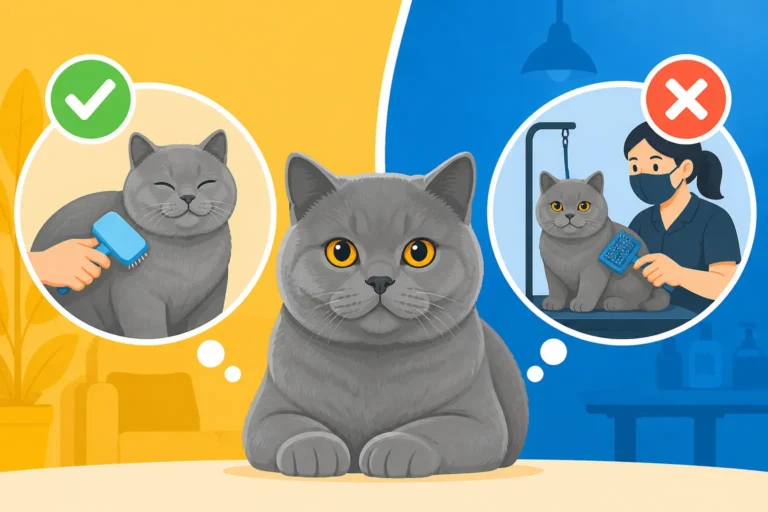
Instead of reaching for the shampoo, the best way to keep your British Shorthair's coat in tip-top condition is through regular, consistent grooming alternatives. The cornerstone of this is daily or weekly combing. Their dense, crisp coat benefits immensely from a good comb-through, which helps remove loose hair, dander, and prevents mats from forming, particularly in their thick undercoat. A wide-toothed metal comb is often more effective than a brush, as it can penetrate deep into the dense fur without damaging the delicate guard hairs. How Often a British Shorthair Needs Combing
Beyond combing, you can employ other simple, non-wet methods to keep them fresh. A damp cloth, perhaps with a tiny bit of warm water, can be used to wipe down any visibly soiled areas, especially after a messy meal. There are also waterless shampoos or grooming wipes available that can provide a quick freshen-up without the stress of a full bath. These can be particularly useful for managing slight grease on the coat or if your cat tends to be a bit lax in their self-grooming. You can find a good selection of specialized combs, wipes, and waterless shampoos on online retailers like Chewy or Amazon, making it easy to stock up on these grooming essentials. Remember, consistent dry grooming is the unsung hero of British Shorthair coat care.
Preparing for the Rare British Shorthair Bath
When a bath truly becomes necessary for your British Shorthair, preparation is absolutely everything. This isn't a casual undertaking. A British Shorthair, being the dignified and often reserved creature they are, typically views water with deep suspicion, if not outright disdain. Going in unprepared can turn a necessary task into a traumatic experience for both of you. A little foresight and planning will make the process as smooth and stress-free as possible.
Gathering Your Supplies
Before you even think about coaxing your British Shorthair into the bathroom, make sure every single item you need is within arm's reach. You don't want to be fumbling for shampoo or a towel while trying to keep a damp, displeased cat in a tub. First and foremost, you need a high-quality, cat-specific shampoo. Human shampoos are far too harsh for a cat's skin and can cause irritation. Look for a gentle, pH-balanced formula, perhaps one designed for sensitive skin or to be tearless. Brands like Burt's Bees for Pets, Earthbath, or TropiClean offer good options, which you can easily find on Chewy or Amazon. Which Shampoo Suits a British Shorthair
Next, gather plenty of soft, absorbent towels – at least two or three, maybe more if your cat has a particularly dense coat. A non-slip mat for the bottom of the tub or sink is crucial to give your cat secure footing and prevent slips, which can cause panic. You'll also want a cup or small pitcher for rinsing, as a continuous stream of water from a tap can be intimidating. Have some high-value, calming treats ready for positive reinforcement before, during (if possible), and especially after the bath. Lastly, consider having a helper on hand, as two sets of gentle hands are often better than one when dealing with a potentially uncooperative feline.
Creating a Calm Environment
The environment where you bathe your British Shorthair is almost as important as the supplies themselves. Cats are highly sensitive to their surroundings, and a stressful atmosphere will only escalate their anxiety. Start by ensuring the room is warm. A cold bathroom will make an already unhappy cat even more miserable. Close all doors and windows to prevent any escape attempts and to minimize drafts. A calm, quiet atmosphere is paramount, so turn off any loud music or televisions.
Consider running the water before bringing your cat into the room so they don't associate the sound with their impending fate. Place the non-slip mat in the tub or sink, and fill it with just a few inches of lukewarm water – enough to wet their paws without submerging them entirely at first. If your British Shorthair has shown aversion to water in the past, or if they are generally quite timid, a pheromone spray or diffuser in the bathroom a little while beforehand might help create a more relaxed mood. Approach your cat calmly, speak in a soothing voice, and avoid any sudden movements. Remember, the goal is to make this infrequent experience as minimally stressful as possible. How a British Shorthair Reacts to Water
The Step-by-Step Bathing Process
Alright, you've decided the bath is essential, you've gathered your supplies, and you've prepped the environment. Now comes the moment of truth. Remember, this isn't a race; it's a careful, deliberate process designed to minimize stress for your British Shorthair. Patience and gentleness are your best tools here.
Gentle Wetting and Shampooing
Bringing your British Shorthair into the prepared bathing area should be done calmly. Gently place them in the tub or sink, ensuring they have stable footing on the non-slip mat. Start by slowly and gently wetting their coat using the cup or pitcher. Avoid pouring water directly onto their face; instead, wet their body first, working from their neck down towards their tail and legs. Their dense coat can be surprisingly resistant to water at first, so be patient and thorough. You want to get the water right down to the skin, not just wet the surface fur.
Once their body is thoroughly wet, apply a small amount of cat-specific shampoo, starting from their neck and working your way back. Lather gently, massaging the shampoo into their coat and skin. Pay special attention to areas that might be particularly soiled or prone to mats, like their belly, hindquarters, and armpits. All the while, talk to your cat in a calm, reassuring voice. Be extremely careful to avoid getting shampoo in their eyes, ears, or mouth. A good trick is to use a damp washcloth to gently clean their face and head without using shampoo, as this area is particularly sensitive. This step needs to be thorough yet efficient, as your cat will likely want to get this over with quickly. How to Bathe a British Shorthair That Objects
Rinsing Thoroughly and Drying
Rinsing is arguably the most crucial part of the bathing process. Any shampoo residue left on your British Shorthair's coat can cause severe skin irritation, itching, and dryness, defeating the purpose of the bath entirely. Using your cup or pitcher, begin rinsing from their neck downwards, making sure the water runs clear. You will likely need to rinse far more than you think. Keep rinsing and feeling their fur; it should feel squeaky clean, without any slippery or soapy residue. Again, avoid their face, ears, and eyes directly with the water stream.
Once you are absolutely certain all the shampoo is gone, it's time for drying. Immediately wrap your British Shorthair in a thick, absorbent towel, gently blotting and squeezing out as much water as possible. Do not rub vigorously, as this can tangle their dense fur. Replace the first damp towel with a fresh, dry one and continue blotting. British Shorthairs have thick coats, so they will hold a lot of water. Keep them in a warm, draft-free room to prevent them from getting chilled. Some cats might tolerate a low-heat, low-speed hairdryer specifically designed for pets, held at a safe distance, but many will find the noise and sensation terrifying. If they don't, stick to towel drying. Providing a warm, comfortable bed or a soft blanket for them to burrow into post-bath will help them calm down and finish drying themselves.
Post-Bath Care and Monitoring
The bath itself might be over, but the care doesn't stop there. The period immediately following a bath is crucial for ensuring your British Shorthair recovers comfortably and for monitoring for any adverse reactions. A little extra attention now can prevent discomfort and help reinforce a positive, or at least tolerable, association with the experience.
Comfort and Warmth After the Bath
After the trauma (from your cat's perspective, at least!) of a bath, your British Shorthair will need to feel safe, warm, and secure. Even after thorough towel drying, their dense coat can retain a significant amount of moisture, making them susceptible to chills. Provide a warm, quiet, and draft-free space where they can finish drying naturally. This might be a favorite bed with extra blankets, or a carrier lined with soft towels in a warm room. Avoid letting them roam into cold areas of the house or near open windows.
Offer them some of their favorite treats or a small meal to help them settle and associate the post-bath period with positive experiences. Gently comb their fur once it's mostly dry to prevent any tangles that might have formed during the bath. Keep a close eye on them for the next few hours to ensure they aren't shivering excessively or showing signs of being overly stressed. A bit of post-bath sulking is entirely normal for a British Shorthair, but prolonged shaking or lethargy might warrant a call to your vet. Remember, warmth and comfort are key to their recovery and well-being after such an unusual event.
Observing for Skin Irritation or Stress
Even with the best intentions and the gentlest approach, a bath can sometimes cause temporary irritation or stress for your British Shorthair. It's important to monitor them closely in the days following the wash. Check their skin for any signs of redness, flakiness, or excessive scratching, which could indicate dryness or an allergic reaction to the shampoo, even if it was cat-specific. If you notice persistent itching or discomfort, a call to your vet is a good idea.
Beyond physical signs, observe their behavior. Some cats might be a little more withdrawn, quiet, or even act a bit grumpy for a day or so after a bath – this is often just their way of recovering from a stressful event. However, if they become unusually lethargic, refuse to eat, or show significant changes in their litter box habits, these could be signs of more serious stress or an underlying issue, and veterinary attention would be warranted. By being observant and responsive to your British Shorthair's needs after their rare bath, you can ensure their quick recovery and reinforce their trust in you as their primary caregiver.
| Reason for Bathing | Frequency | Alternatives to Full Bath | Considerations |
|---|---|---|---|
| Routine Hygiene | Almost Never (if healthy & self-grooming) | Daily/Weekly Combing | Over-bathing strips natural oils, can cause skin issues. Why a British Shorthair's Coat Feels Crisp |
| Accidental Messes | As Needed (rare) | Spot Cleaning | Act quickly to prevent ingestion of harmful substances. Use cat-specific shampoo. |
| Medical Conditions | As Prescribed by Vet (rare) | Vet Treatments | Only use medicated shampoos recommended by a professional. Consult vet first. |
| Age-Related Grooming Issues | Infrequently (as needed for senior cats) | Gentle Combing, Wipes | Focus on comfort, warmth, and gentle handling for older cats. |
Disclaimer
This article is for general informational purposes only and does not constitute professional advice. Laws, prices and regulations vary by location and change over time. Consult a qualified professional for guidance on your specific situation.