How Much a British Shorthair Sheds
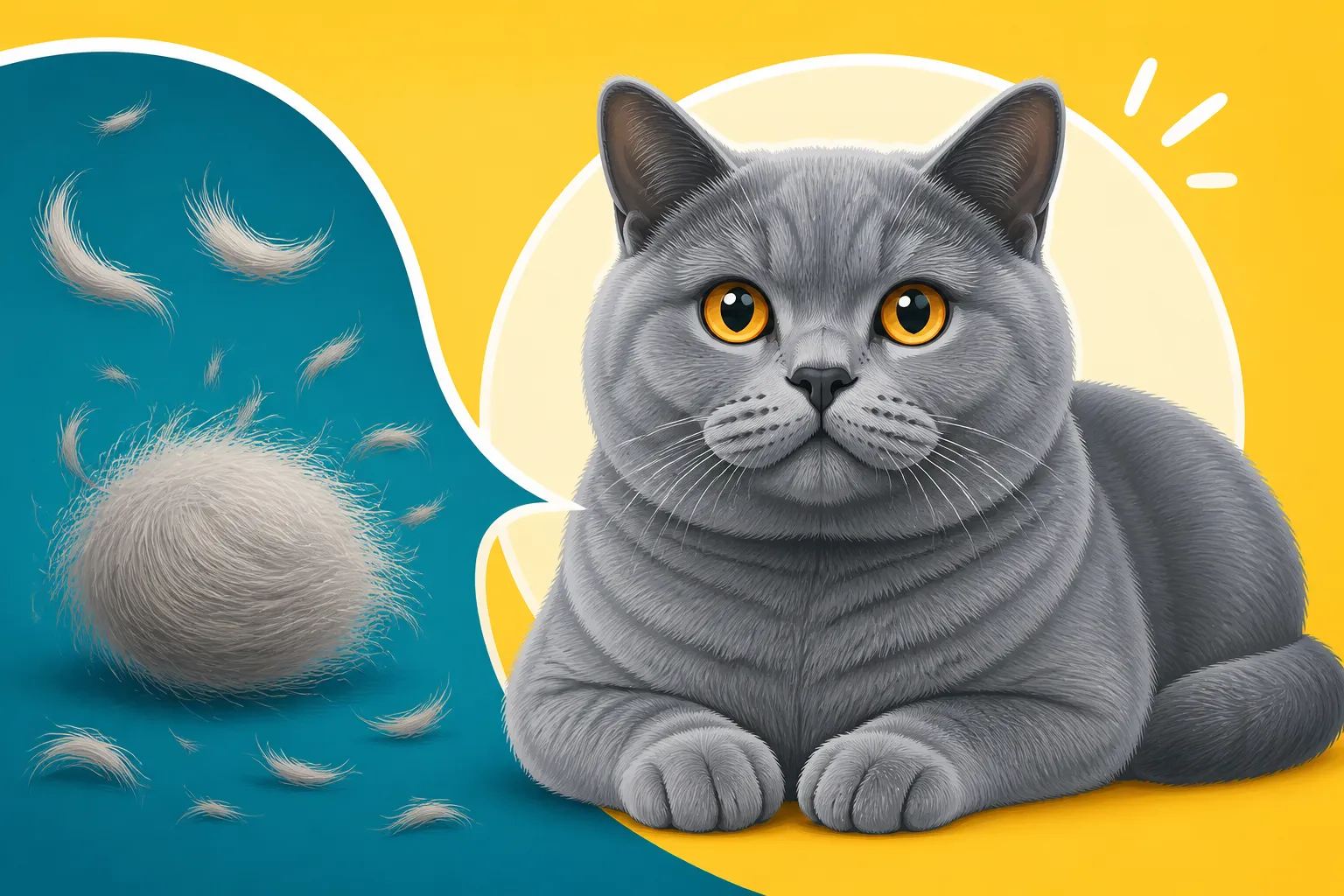
If you've ever owned a British Shorthair, you know that their absolutely stunning, plush coat is one of their most defining features. It's like petting a velvet cloud, thick and luxurious, a dense blanket of fur that makes them look like adorable, stoic teddy bears. But that incredible coat, as beautiful as it is, comes with a universal challenge for every British Shorthair owner: shedding. It's not a question of if they shed, but how much, and navigating the fluffy fallout can feel like a never-ending battle against rogue fur tumbleweeds. This comprehensive guide will delve deep into the shedding habits of your beloved British Shorthair, helping you understand why they shed, when it's most prolific, and crucially, how you can manage it effectively to keep both your home and your cat comfortable.
Understanding the British Shorthair Coat
Before we can tackle the shedding, it's essential to truly appreciate the unique structure of a British Shorthair's coat. It's not just "short hair"; it's a specific kind of short hair that contributes significantly to their iconic appearance and, yes, their shedding patterns. Many people fall in love with their look without fully grasping the mechanics behind that plushness.
The Unique Texture and Density
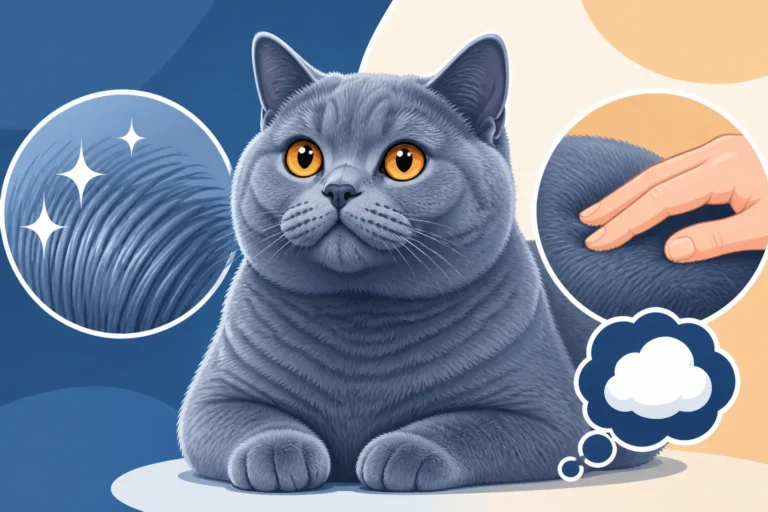
A British Shorthair's coat is often described as "crisp" or "firm" to the touch, and it literally stands away from their body, creating that wonderful, rounded silhouette. It's a double coat, meaning it has two distinct layers. The outer layer consists of guard hairs, which are slightly coarser and provide protection, while the undercoat is much softer, denser, and incredibly insulating. Think of it like a finely woven wool blanket. This density is a marvel of natural engineering, designed to keep them warm and protected, especially in their historical origins as resilient working cats in cooler climates. This isn't a flimsy, thin coat; it's robust, and that robustness directly translates to the volume of fur that eventually needs to come out.
The individual hairs themselves are short, but there are so many of them packed into every square inch. When you stroke a British Shorthair, you feel the springy resistance of that dense fur. This isn't a cat with fine, silky hair that lies flat. Instead, the stiff, upright nature of the coat means that loose hairs don't always fall out immediately or silently. They tend to cling within the remaining fur, waiting for the right moment (or the right piece of furniture) to make their grand exit. Why a British Shorthair's Coat Stands Up goes into more detail about this fascinating characteristic.
The British Shorthair's Undercoat and Guard Hairs
As mentioned, the British Shorthair boasts a thick undercoat, which is the primary contributor to the "plush" feel and, predictably, the bulk of the shedding you'll encounter. This undercoat is made up of fine, downy hairs that provide excellent insulation. Below these soft undercoat hairs, there's a layer of coarser, thicker guard hairs. These guard hairs protect the cat's skin from the elements, like rain and dirt, and also contribute to the overall color and pattern of the coat.
The interplay between these two layers is crucial. When a British Shorthair sheds, it's not just the top layer of guard hairs coming out. The vast majority of the shedding is the undercoat, which needs to be replaced regularly to maintain its insulating properties and overall health. If these loose undercoat hairs aren't removed, they can become trapped, leading to mats, skin irritation, and an even more pronounced shedding problem. It’s a bit like having a shed full of old insulation that needs to be cleared out before new, fresh material can take its place. Understanding that you're dealing with a double coat helps set realistic expectations for grooming and managing the sheer volume of fur. Whether a British Shorthair Has an Undercoat dives deeper into the specifics of this double layer.
The Reality of British Shorthair Shedding
Let's cut to the chase: British Shorthairs shed. A lot. Anyone telling you otherwise is either mistaken or has a magical, non-shedding unicorn British Shorthair (if so, please share your secret!). Their dense, plush coats are designed to insulate, and part of that natural cycle involves shedding old or damaged hair to make way for new growth. This isn't a flaw; it's just how their magnificent coats work.
Year-Round Shedding: A Constant Companion
Unlike some breeds that have very distinct "shedding seasons," British Shorthairs tend to be fairly consistent year-round shedder. You'll likely find a steady presence of their fur on your clothes, furniture, and floors, regardless of the month. This continuous shedding is simply the natural turnover of their dense coat. Every hair has a lifecycle, and once it's completed its job, it needs to be replaced. For a cat with such an abundance of hair, this means a continuous, low-level release of fur.
Don't be surprised to brush your British Shorthair and still find fur on your lap five minutes later. This is completely normal for the breed. It's not a sign of illness, usually, but rather a constant reminder of their luxurious upholstery. This steady shedding means that managing their coat isn't a seasonal chore, but rather an ongoing commitment. Think of it less as a sprint and more as a marathon when it comes to keeping your home fur-free.
Seasonal "Coat Blows": When Things Get Intense
While British Shorthairs shed year-round, there are definitely periods when things ramp up significantly. These are often referred to as "coat blows" or seasonal shedding, and they typically occur twice a year, usually in spring and autumn.
- Spring Shed: As the days lengthen and temperatures rise, your British Shorthair will start shedding their thick winter undercoat to prepare for the warmer months. This can be quite dramatic, with noticeable clumps of fur coming out during grooming, and you might feel like your cat is literally "blowing" their coat. This is a natural adaptation, helping them regulate their body temperature.
- Autumn Shed: Conversely, in the autumn, as the weather cools, they'll shed some of their lighter summer coat to make way for a denser, more insulating winter coat. While often less intense than the spring shed, it's still a period where you'll see an increase in loose fur.
During these peak shedding times, your regular grooming routine will need to be stepped up considerably. What might be a couple of times a week normally could become daily sessions during a coat blow. Failing to remove this dead fur can lead to discomfort for your cat, matting, and an even greater spread of fur throughout your home. It’s during these times that you truly appreciate the value of a good lint roller and a powerful vacuum cleaner. Which Months a British Shorthair Sheds Most offers a closer look at the timing of these seasonal events.
Factors Influencing Shedding Levels
Several factors can influence how much a British Shorthair sheds, beyond the natural coat cycle. It's not always just about the season; individual circumstances play a huge role.
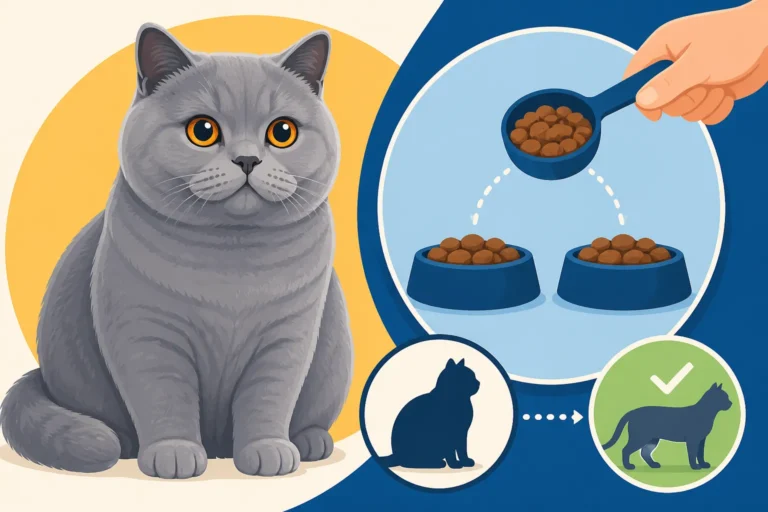
- Diet and Nutrition: A high-quality diet rich in essential fatty acids (like Omega-3s and Omega-6s) can contribute to a healthier coat and potentially reduce excessive shedding. Poor nutrition, on the other hand, can lead to a dull, dry coat and increased shedding as the hair follicles are weaker. Look for cat foods with real meat as the primary ingredient and good sources of these beneficial fats.
- Health and Stress: Underlying health issues can manifest as excessive shedding. Parasites, skin allergies, hormonal imbalances, and even stress can all contribute to a cat losing more fur than usual. If you notice a sudden, dramatic increase in shedding, bald patches, or skin irritation, a vet visit is definitely in order. A stressed cat might overgroom or shed due to physiological responses.
- Environment: Indoor cats, especially those in temperature-controlled homes, may shed more consistently year-round and have less distinct seasonal "blows" compared to outdoor cats (though most British Shorthairs are indoor-only for safety and health). The artificial lighting and consistent warmth can disrupt the natural cues that trigger seasonal shedding, leading to a more continuous, albeit sometimes lighter, release of fur.
- Age: Kittens have a softer, finer coat that gradually transitions to the dense adult coat. Older cats might experience changes in coat texture and density, which can also affect shedding patterns. An aging cat might also struggle with self-grooming, leading to more trapped fur. What Changes in an Aging British Shorthair's Coat discusses this in more detail.
- Individual Variation: Just like people, every British Shorthair is an individual. Some will naturally shed more than others, even within the same litter or bloodline. There's a spectrum, and what's "normal" for one cat might be slightly different for another.
Managing British Shorthair Shedding: Essential Tools and Techniques
Dealing with British Shorthair shedding isn't about stopping it entirely (which is impossible), but rather about managing it effectively. This means consistent, appropriate grooming to remove loose fur before it ends up on your sofa or in your cat's stomach as a hairball.
The Importance of Regular Combing, Not Brushing
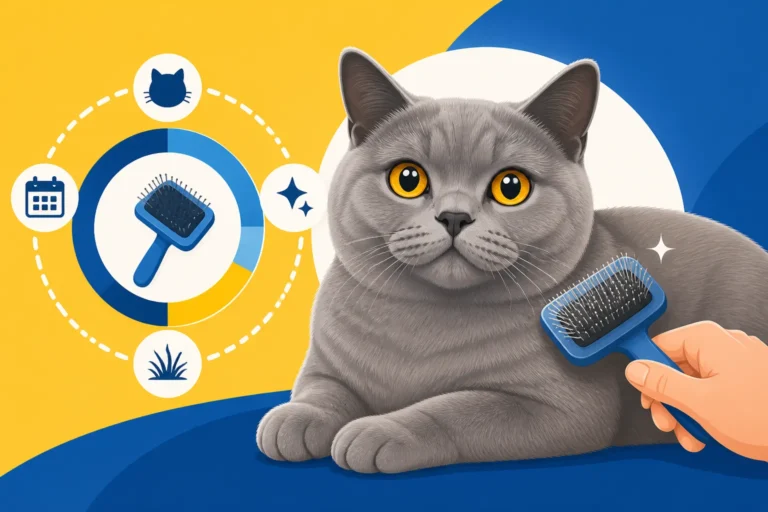
This is perhaps the most crucial distinction for British Shorthair owners. Their dense, plush coat often responds much better to combing than to traditional brushing, especially with certain types of brushes. A slicker brush, while effective for some breeds, can actually break the delicate guard hairs of a British Shorthair, damaging the coat and potentially irritating the skin. Instead, a sturdy, wide-toothed metal comb is your best friend.
Combing helps to gently work through the dense undercoat, reaching deep down to pull out loose, dead hairs without damaging the healthy fur. Regular combing, even just a few minutes every day or every other day, can make a monumental difference in the amount of fur you find around your home. During a seasonal coat blow, daily combing is practically mandatory. It's not just about aesthetics; it's about keeping your cat comfortable, preventing mats, and reducing the ingestion of fur that leads to hairballs. Why a Comb Beats a Brush on a British Shorthair expands on this vital grooming advice.
Choosing the Right Grooming Tools
Selecting the right tools is paramount for effective and comfortable grooming of your British Shorthair. Investing in quality items specifically designed for dense, double coats will save you a lot of frustration and keep your cat happier.
- Wide-toothed Metal Comb: As discussed, this is your primary tool. Look for one with both wide and medium-spaced teeth. Brands like Andis or Safari make excellent, durable metal combs that you can find easily on Chewy or Amazon. The wider teeth are great for initial detangling and getting through the thickest parts of the coat, while the finer teeth can then be used to collect the remaining loose undercoat.
- Undercoat Rake (Used Sparingly): An undercoat rake can be very effective, if used correctly and sparingly. It's designed to pull out the loose undercoat without cutting the guard hairs. However, aggressive or improper use can still cause irritation or damage. Use it gently, following the direction of hair growth, and primarily during peak shedding seasons. Always check the tool's teeth; some can be quite sharp.
- Rubber Curry Brush (Grooming Glove): While not as effective for deep undercoat removal, a rubber curry brush or a grooming glove can be wonderful for distributing natural oils, stimulating circulation, and picking up loose surface hairs, especially those that come out during petting. Many cats enjoy the massage-like feel of these tools. They're great for a quick daily pass-over.
- Nail Clippers: While not directly for shedding, keeping your British Shorthair's nails trimmed is part of overall grooming. Their thick claws can snag on things, and untrimmed nails can cause discomfort. Which Clippers Suit a British Shorthair's Thick Claws offers tips on this.
When using any tool, always be gentle and make grooming a positive experience. Start with short sessions, offer treats, and praise your cat. If they resist, don't force it; try again later. Consistency is more important than duration.
| Grooming Tool | Best Use Case | Frequency | Notes |
|---|---|---|---|
| Wide-toothed Metal Comb | Deep undercoat removal, detangling, daily maintenance | Daily to every other day, more during shedding seasons | Gentle, thorough, essential for British Shorthairs |
| Undercoat Rake | Heavy shedding, seasonal coat blows | Sparingly, 1-2 times a week during peak shedding | Use with caution, can irritate skin if used too aggressively |
| Rubber Curry Brush/Glove | Surface fur removal, massage, distributing oils | Daily | Good for quick touch-ups and cats who dislike combs |
| Slicker Brush | Avoid for British Shorthairs | Never | Can damage guard hairs, not suitable for their coat type |
Dealing with Mats and Tangled Fur
Even with regular combing, a British Shorthair's dense coat can occasionally develop mats, especially in areas like behind the ears, under the armpits, or around the hind legs. These mats are not just unsightly; they can be very painful for your cat, pulling on their skin and potentially leading to skin infections if moisture gets trapped underneath.
If you find a small mat:
- Be Patient and Gentle: Never try to rip or cut a mat out with scissors unless you are absolutely sure of what you're doing, as it's incredibly easy to cut the skin.
- Use a Mat Splitter or Dematting Comb: These specialized tools, available on Amazon or Chewy, are designed to carefully slice through the mat, making it easier to comb out the individual strands. Work slowly from the edge of the mat, teasing it apart rather than pulling.
- Apply a Detangling Spray (Optional): Some pet-safe detangling sprays can help loosen the fur and make the process easier.
- Work in Small Sections: Don't try to tackle the whole mat at once. Break it down into smaller, manageable sections.
- Seek Professional Help: For large, tight, or numerous mats, it's always best to consult a professional groomer or your vet. They have the tools and expertise to safely remove mats, often with specialized clippers, minimizing stress and discomfort for your cat. This might sometimes involve sedation for very severe cases, but it's far safer than attempting it at home and causing injury. Where a British Shorthair Mats provides more specific areas to watch out for.
Impact of Shedding on Your Home and Health
The impact of British Shorthair shedding extends beyond just the appearance of your cat's coat. It affects your living environment and can even have implications for your cat's health. Understanding these impacts can help you be better prepared and more proactive in managing the situation.
Fur Around the House: What to Expect
Let's be real: if you own a British Shorthair, fur is going to be a permanent fixture in your home. It's just part of the deal. You'll find it on your clothes, clinging to your upholstery, dusting your floors, and occasionally even finding its way into your food (we've all been there!). This isn't a sign that you're a bad housekeeper; it's simply the reality of living with a magnificent, plush-coated cat.
- Vacuuming: A good quality vacuum cleaner with strong suction and pet hair attachments will become your most-used appliance. Regular vacuuming, especially during seasonal shedding, is key.
- Lint Rollers: Keep them handy by every door and in your car. They are invaluable for quick touch-ups on clothing before you head out. You can buy multi-packs on Chewy to keep them stocked in every room.
- Furniture Covers: Consider washable covers for your favorite sofas and chairs, or dedicated cat blankets, which can be easily laundered to remove accumulated fur.
- Air Purifiers: While they won't eliminate all fur, air purifiers with HEPA filters can help capture airborne fur and dander, improving air quality, especially if you have mild allergies.
Embrace the fur. It's a small price to pay for the joy and companionship your British Shorthair brings. Think of it as glitter – once it's in your home, it's never truly gone. What British Shorthair Fur Does to Furniture gives a more detailed (and probably relatable) account of this domestic reality.
Hairballs and Digestive Health
One of the most concerning impacts of shedding, especially heavy shedding, is the formation of hairballs. When a British Shorthair grooms itself, their barbed tongue acts like a natural comb, pulling loose fur from their coat. This fur is then ingested. While a small amount usually passes harmlessly through their digestive system, an accumulation of too much fur can form a "hairball" (which is actually more of a compact cylinder of fur) that needs to be regurgitated.
While occasional hairballs are normal for cats, frequent or large hairballs can be a sign that your cat is ingesting too much fur. This can lead to:
- Vomiting: The most obvious sign.
- Loss of Appetite: If a hairball is causing discomfort or blockage.
- Constipation: In some cases, hair can contribute to blockages further down the digestive tract.
- Lethargy: General unwellness due to digestive issues.
To mitigate hairball issues:
- Regular Grooming: This is your number one defense. The more loose fur you remove with a comb, the less your cat will ingest.
- Hairball Control Diets: Many cat food brands offer specialized formulas designed to help fur pass more easily through the digestive tract. These often contain increased fiber.
- Hairball Remedies: Over-the-counter hairball pastes or treats, usually containing mild laxatives, can help lubricate the digestive tract and aid in the passage of fur. Always consult your vet before starting any new supplements.
- Increased Hydration: Ensuring your cat drinks enough water can also help with digestive motility. Consider a water fountain to encourage drinking.
If your British Shorthair is frequently struggling with hairballs despite your best efforts, it's time for a vet visit to rule out any underlying health concerns.
Allergies and British Shorthairs
For those with allergies, the question of shedding often comes hand-in-hand with concerns about allergens. It's a common misconception that cat allergies are solely caused by fur. In reality, cat allergies are primarily triggered by proteins found in a cat's saliva, urine, and dander (dead skin flakes). These allergens cling to the fur, which then gets distributed throughout the environment through shedding.
So, while a British Shorthair's dense coat and propensity for shedding will indeed spread more fur (and thus more allergens) around your home, they are not inherently "more allergenic" than other breeds just because they shed a lot. No cat breed is truly 100% hypoallergenic. However, cats that shed less might distribute fewer allergens, simply because there's less physical shedding happening.
If you or a family member has cat allergies, spending time with a British Shorthair before committing to adoption is crucial. Even with their charming personality and stoic demeanor, living with constant allergic reactions can significantly impact your quality of life and the cat's well-being. How Much a British Shorthair Sets Off Allergies offers a candid discussion on this sensitive topic.
Debunking Shedding Myths and Misconceptions
There's a lot of misinformation out there about cat shedding, and British Shorthairs are no exception. Let's clear up a couple of common myths to help you approach shedding with a realistic and informed perspective.
The "Hypoallergenic" Myth
This is one of the most persistent myths in the pet world, and it's particularly relevant when discussing British Shorthairs. As mentioned before, no cat breed is truly hypoallergenic. The term "hypoallergenic" implies "less allergenic," but even that is often a spectrum. A British Shorthair is definitely not considered a hypoallergenic breed. Their dense double coat and year-round shedding mean they will distribute allergens (dander, saliva proteins) widely throughout your home.
If you have severe cat allergies, a British Shorthair is generally not the right choice for you. While some individuals might have milder reactions to specific cats, relying on anecdotal evidence can lead to heartbreak. The notion that you can somehow "train" a cat not to be allergenic, or that certain colors shed less, is simply false. Allergies are a biological reaction to proteins, not directly to the fur itself, though fur is the primary vehicle for those proteins to spread. Always spend significant time with any cat you're considering adopting if allergies are a concern, and remember that shedding is a natural process for these wonderful felines.
Diet and Shedding: What You Need to Know
While diet can significantly improve coat health and reduce excessive or unhealthy shedding, it's a myth to think that a magic food can stop shedding entirely. Shedding is a natural process of hair turnover; it won't ever cease. However, a poor diet can absolutely exacerbate shedding and lead to a dull, dry, and brittle coat that sheds even more than usual.
A high-quality, balanced diet is fundamental for healthy skin and coat. Look for foods that:
- Are rich in animal protein: Cats are obligate carnivores, and animal protein provides the amino acids necessary for strong hair growth.
- Contain essential fatty acids: Omega-3 and Omega-6 fatty acids are crucial for skin hydration and coat luster. Ingredients like fish oil or flaxseed oil are good indicators.
- Include vitamins and minerals: A complete and balanced food will provide all the necessary micronutrients to support overall health, including skin and coat.
If you suspect your cat's shedding is linked to diet, consider:
- Upgrading their food: Moving from a budget brand to a higher-quality kibble or even incorporating wet food can make a difference. Which Food Suits a British Shorthair provides more comprehensive advice on this topic.
- Supplements: Your vet might recommend a fish oil supplement if your cat's diet is lacking in essential fatty acids. Don't add supplements without professional advice.
- Hydration: Ensure your cat is drinking plenty of fresh water. Dehydration can affect skin and coat health.
Remember, diet supports healthy shedding, it doesn't eliminate shedding. It's about ensuring the hair that grows is strong and healthy, and that the natural shedding process is as efficient and healthy as possible.
Conclusion
Living with a British Shorthair means embracing their magnificent, dense coat, and with it, the reality of shedding. It’s a constant, low-level release of fur that escalates into significant "coat blows" during seasonal changes. This isn't a problem to be solved, but a characteristic to be managed through consistent, gentle grooming, using the right tools like a wide-toothed metal comb, and providing a high-quality diet.
While you'll never completely eliminate fur from your home, taking proactive steps can drastically reduce its impact and keep both you and your stoic, plush companion happy and healthy. Understanding why they shed, when it's most intense, and how to best intervene will make all the difference in maintaining that iconic, beautiful British Shorthair appearance while keeping hairballs and fur tumbleweeds at bay.
Disclaimer
This article is for general informational purposes only and does not constitute professional advice. Laws, prices and regulations vary by location and change over time. Consult a qualified professional for guidance on your specific situation.