Portion Control Is the Whole Job With a British Shorthair
One of the biggest struggles British Shorthair owners face isn't just getting their beloved feline companion to eat, it's managing how much they eat. These charming, plush-coated cats are absolute masters of looking perpetually hungry, and their calm, sedentary nature means those extra calories can quickly lead to unwanted weight gain. This guide is here to walk you through the essential art of portion control, transforming frustration into a healthy, balanced life for your British Shorthair.
The British Shorthair's Unique Relationship With Food
If you've spent any time with a British Shorthair, you'll know they have a certain gravitas, a quiet dignity that extends even to their eating habits. But beneath that stoic exterior often lies a profound love for food, and a body type that doesn't forgive overindulgence easily. Understanding these inherent traits is the first step toward effective portion control.
Built for Bulk, Not for Speed
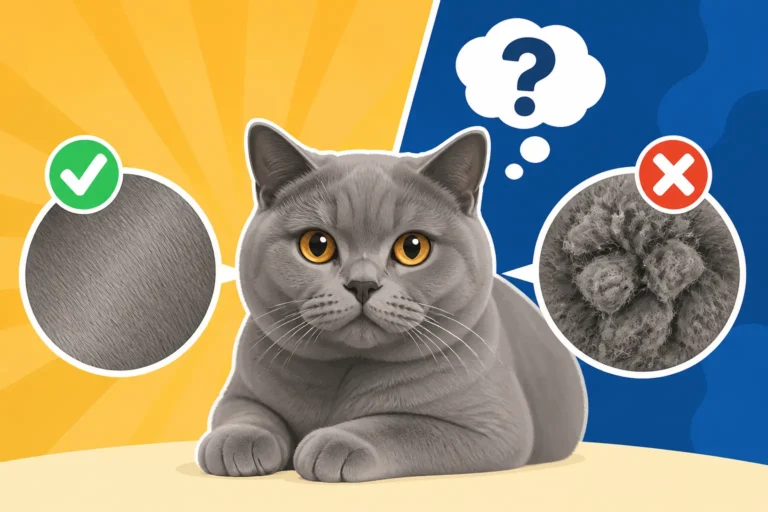
British Shorthairs are renowned for their "cobby" build – a broad chest, sturdy legs, and that iconic round head. They are a large, substantial breed, and they are meant to feel weighty and solid. However, this natural robustness can easily mask excess fat, making it challenging to tell if your cat is simply well-built or genuinely overweight. Their dense, plush coats, which stand away from their body, only add to this illusion of size, often hiding a growing paunch underneath. It’s easy to look at their impressive physique and think they need more food to maintain it, when in reality, their energy requirements are often much lower than you might assume for such a substantial animal.
Unlike more active, leaner breeds that might zoom around the house, British Shorthairs are typically calm, laid-back creatures. They prefer lounging in a sunbeam or observing the household from a comfortable perch rather than engaging in strenuous play. This lower activity level means they simply don't burn as many calories as a high-energy cat might. A sedentary lifestyle coupled with a hearty appetite is a recipe for weight gain, and it's a battle many British Shorthair owners find themselves fighting, often without realizing the extent of the problem until it's quite advanced.
The challenge, then, is to feed a cat that looks naturally large and feels dense, but whose metabolic needs are quite modest. You want them to have that wonderful, solid British Shorthair feel, not a soft, squishy layer of fat that compromises their health. It's a fine line to walk, and it requires vigilance and a solid understanding of their individual needs, which often differ significantly from the general guidelines found on many cat food bags.
The Silent Eater
One of the most endearing, and sometimes exasperating, qualities of the British Shorthair is their generally quiet demeanor. They aren't typically vocal cats, and while some will offer a sweet chirp or a soft trill, they rarely engage in the dramatic, demanding meows that other breeds use to signal their hunger. This can be a real trap for owners, because a lack of vocal protest doesn't mean a lack of desire for food.
A British Shorthair is far more likely to subtly appear in the kitchen, perhaps sitting and staring intently at you, or quietly weaving between your legs as you prepare your own meal. They might try to lead you to their food bowl with a soft nudge or a patient gaze, rather than a full-blown caterwaul. This polite, understated approach can make it easy to misinterpret their signals, or worse, to succumb to their charm and offer an extra bite, just because they look so appealingly hopeful. Many owners find themselves inadvertently overfeeding because their British Shorthair never really "complains" loudly about their portion size, they just accept whatever is given.
This quiet acceptance means you, as the owner, have to be extra diligent. You can't rely on your British Shorthair to tell you loudly when they're truly hungry or full. You have to be the one setting the boundaries and understanding their nutritional requirements. It’s a responsibility that falls squarely on your shoulders, and it’s why understanding How Many Calories a British Shorthair Needs is so incredibly important for their long-term health. Don't let their polite silence trick you into thinking they couldn't possibly manage another kibble.
Why They'll Eat Whatever You Put Down
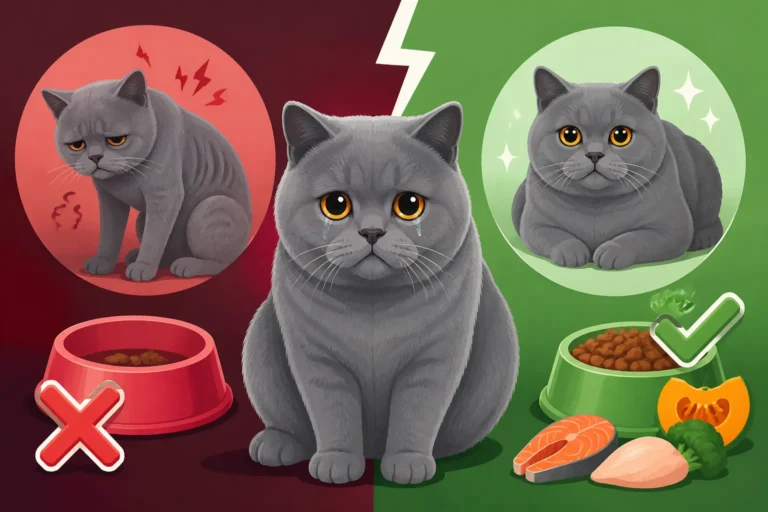
Let's be frank: many British Shorthairs simply lack an "off" switch when it comes to food. Unlike some cats who will graze politely and leave food in their bowl when they're full, a British Shorthair often operates on the principle of "if it's there, I'll eat it." This isn't necessarily greed; it's often an instinctual drive, perhaps a holdover from their more humble origins where food wasn't always guaranteed.
This lack of self-regulation is a significant factor in why portion control is not just important, but absolutely critical for the breed. If you leave a bowl full of kibble out all day, many British Shorthairs will steadily work their way through it, often consuming far more calories than their body actually needs. This tendency makes free feeding a particularly risky strategy for this breed, almost guaranteeing a slow but steady weight gain over time. The problem is exacerbated by how much they enjoy their food; they truly savor each bite, making it hard for owners to resist the urge to provide more.
Consider the scenario of a British Shorthair who finishes their meal and then sits by the empty bowl, looking up at you with those big, soulful eyes. It’s incredibly difficult to resist filling it up again, even if you know they've had enough. This is where your resolve comes in. You are their guardian, and protecting them from their own enthusiastic appetite is a key part of responsible ownership. This intrinsic desire to eat what’s available means that human intervention and strict portion control are not optional, they are fundamental to preventing Obesity Is the British Shorthair's Real Disease.
Understanding Your British Shorthair's Calorie Needs
Estimating how much food your British Shorthair actually needs can feel like a guessing game, especially when they always seem to want more. However, there's a science to it, and understanding the core principles can empower you to make informed decisions that keep your furry friend at a healthy weight.
Calculating Basal Metabolic Rate and Activity Levels
At the heart of any calorie calculation is your cat's Basal Metabolic Rate (BMR) – the number of calories they burn just existing, without any activity. For a calm, relatively inactive breed like the British Shorthair, this BMR is a crucial starting point. Your veterinarian is the best resource for accurately calculating this, as they can take into account factors like your cat's current weight, ideal target weight, and any underlying health conditions. They often use specific formulas or online calculators designed for felines.
Once the BMR is established, an activity factor is applied. For a British Shorthair, this factor will typically be on the lower end of the scale, perhaps 1.0 to 1.2 times their BMR, given their predisposition for lounging over leaping. An extremely active cat might have a factor of 1.6 or higher, but that's just not typical for our plushy companions. This is why generic "active cat" recommendations on food labels are often far too high for a British Shorthair.
It’s a collaborative effort with your vet. They might ask about your cat's daily routine: how much do they play? Do they have access to a cat tree? Do they spend most of their day sleeping? These details help paint a clearer picture of their energy expenditure. This initial calculation is a roadmap, not a rigid set of rules, and it will need adjustment based on how your cat's weight changes over time.
Factors Influencing Calorie Requirements
A British Shorthair's calorie needs aren't static; they change throughout their life and depend on several key factors. Age is a big one: kittens, with their boundless energy and rapid growth, require significantly more calories per pound of body weight than an adult cat. As they mature, especially after they "fill out" around two to three years of age, their caloric needs will stabilize and then slowly decrease into their senior years. The Age a British Shorthair Is Considered Senior often brings a further reduction in metabolic rate.
Their activity level, as mentioned, is paramount. A British Shorthair who has a daily interactive play session, even if it's a short one, will burn slightly more calories than one who truly just sleeps all day. Neutering or spaying also significantly impacts metabolism. Fixed cats tend to have lower metabolic rates and are more prone to weight gain, making portion control even more critical after the procedure. This is Why a Neutered British Shorthair Gains Faster. Environmental factors, such as living in a cooler home where they expend more energy to stay warm, or medical conditions, can also play a role, making regular vet check-ups essential for ongoing dietary adjustments.
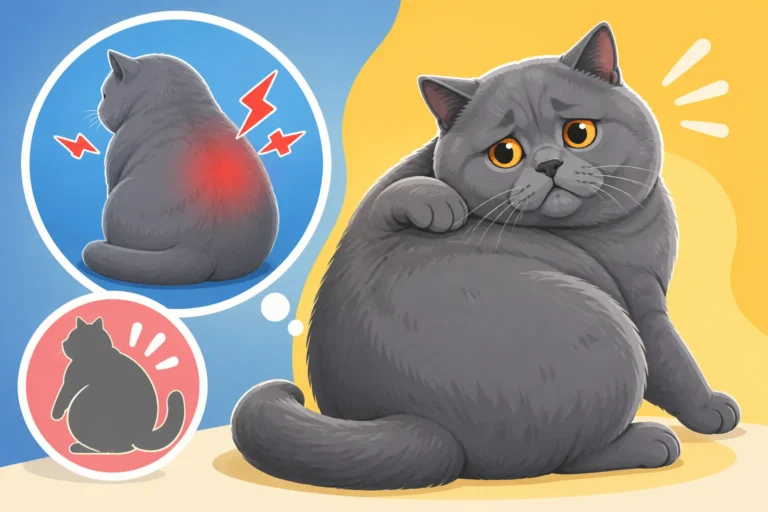
Breeders often caution new owners that a British Shorthair continues to develop and gain muscle and bone density until they are around 3-5 years old. This is different from gaining fat. It's important to distinguish between healthy growth and unhealthy weight gain. A healthy British Shorthair will gain mass and become more substantial, but they should always maintain a discernible waist and avoid a sagging belly that touches the ground when they walk.
The Danger of "Recommended" Serving Sizes
You’ve probably seen the feeding guidelines on the back of every bag or can of cat food: "Feed X cups per Y pounds of body weight." The problem is, these are incredibly broad recommendations designed for a vast spectrum of cats, not specifically for your unique British Shorthair. Many commercial cat food companies calculate these based on the needs of a moderately active cat, which often overestimates the requirements of a typical, laid-back British Shorthair.
Following these recommendations blindly can easily lead to overfeeding. For instance, if the bag suggests feeding "1/2 cup for a 10-15 lb cat," and your British Shorthair weighs 12 pounds but is quite sedentary, that 1/2 cup might be too much, especially if the food is calorie-dense. You might even find yourself buying larger bags of food from places like Chewy or Amazon, thinking you're getting a deal, only to unknowingly accelerate your cat's weight gain because you're following general guidelines.
The best approach is to treat these guidelines as a starting point at best, and then meticulously adjust based on your British Shorthair's actual body condition. Start on the lower end of the recommended range, monitor their weight and body score closely, and be prepared to reduce portions if you see any upward trend on the scale. Remember, the goal isn't to hit a specific number on the bag, but to achieve and maintain your cat's ideal body condition, which for a British Shorthair means feeling solid and muscular, not squishy and round. You really need to know What a Healthy British Shorthair Weighs on the Scale for accurate tracking.
The Pitfalls of Free Feeding a British Shorthair
Free feeding – leaving a bowl of kibble out for your cat to graze on whenever they please – is a common practice for many busy cat owners. It seems convenient, and for some cats with excellent self-regulation, it can even work. However, for a British Shorthair, free feeding is almost a guaranteed path to obesity and a host of related health issues.
Constant Availability Leads to Constant Snacking
Imagine having a buffet available to you 24/7. Even if you're not truly hungry, the sheer availability and convenience might tempt you to grab a bite. The same applies to British Shorthairs. When food is constantly accessible, their innate desire to eat what's there kicks in, leading to frequent, often unconscious, snacking throughout the day and night. This isn't about hunger; it's about opportunity and the pleasure of eating.
This constant nibbling racks up calories quickly. A few kibbles here, a few kibbles there, and suddenly, they've consumed an entire day's worth of food, or more, without even having distinct "meals." This grazing pattern can also disrupt their natural digestive rhythms and make it harder for their bodies to properly process nutrients. It's a subtle accumulation of calories that silently contributes to weight gain, often without the owner realizing how much their cat is truly consuming. This is a primary reason Why Free Feeding Ruins a British Shorthair for their health.
Furthermore, constant access to food can diminish the value of meal times. If food is always there, it's not a special event, and it doesn't provide the mental enrichment and routine that scheduled meals offer. It transforms food from a necessary fuel source into a constant, passive indulgence, making it harder to introduce dietary changes if they become necessary later on.
Monitoring Intake Becomes Impossible
One of the most significant drawbacks of free feeding, particularly for a British Shorthair, is that it makes it virtually impossible to accurately monitor how much food your cat is actually eating. If you simply top up a bowl that always has some kibble in it, how can you know if your cat ate 1/4 cup or 1 cup that day? The answer is, you can't.
This lack of precise measurement is a huge problem when you're trying to manage weight or ensure your cat is getting adequate nutrition. Without knowing their exact intake, you can't identify if they're eating too much, or conversely, if they've suddenly lost their appetite, which could be an early sign of illness. Imagine trying to manage a diet without ever knowing how many calories you consume! It's an exercise in futility.
Moreover, if you ever need to transition your cat to a new food due to dietary needs or allergies, free feeding makes this process incredibly difficult. You won't know if they're actually eating the new food or just picking around it. Portion control, through scheduled meals, provides clarity and control, which are absolutely essential for the long-term health and well-being of your British Shorthair.
Multi-Cat Households and Food Aggression
If you have more than one cat in your household, free feeding becomes even more problematic, especially with the British Shorthair's love for food. In a multi-cat environment, free feeding can lead to one cat becoming significantly overweight while another struggles to get enough. The more dominant or food-motivated cat, often the British Shorthair in this scenario, will naturally gravitate towards the shared food source and consume more than their fair share.
This can result in significant imbalances. You might have one chunky British Shorthair and another, perhaps more timid, cat who isn't getting adequate nutrition. It can also lead to subtle food aggression or stress around meal times, even if there aren't overt fights. One cat might guard the bowl, making it intimidating for others to approach. This hidden stress can manifest in other behavioral issues, such as inappropriate urination or increased anxiety.
The solution in a multi-cat home is almost always individual, scheduled feeding in separate, designated spaces, or the use of microchip-activated feeders. These feeders, often available on Amazon or Chewy, only open for the cat whose microchip they recognize, ensuring that each cat eats only their own portion. This not only controls portions but also alleviates potential stress and ensures that all cats in the household are eating appropriately for their individual needs.
Implementing Effective Portion Control Strategies
Moving from free feeding or simply topping up the bowl to a structured portion control plan might seem daunting, but it's one of the most impactful changes you can make for your British Shorthair's health. It's about establishing a routine and a clear understanding of their dietary needs.
Scheduled Meals: The Cornerstone of Healthy Eating
The most fundamental and effective strategy for portion control is to transition your British Shorthair to scheduled meals. This means feeding them a specific, measured amount of food at predetermined times each day. For most adult British Shorthairs, two meals a day, usually morning and evening, works perfectly. For kittens, or cats with certain medical conditions, three smaller meals might be more appropriate, but always consult your vet.
Scheduled meals offer numerous benefits. Firstly, it gives you complete control over their caloric intake. You know exactly how much they're eating each day, making it easy to adjust portions up or down as needed based on their body condition. Secondly, it establishes a routine, which cats, including British Shorthairs, thrive on. They learn when to expect food, which can reduce anxiety and even curb begging behavior once they understand the new schedule.
Finally, scheduled meals make food a more enriching experience. The anticipation of mealtime can be a form of mental stimulation. When the food appears, they eat with gusto, knowing it's a dedicated eating period. Any food left after 15-20 minutes should be picked up, which helps prevent grazing and ensures they eat when they're truly ready. This transition might take a few days of adjustment, but your British Shorthair will quickly adapt to the new rhythm.
The Right Measuring Tools: Accuracy Is Paramount
When it comes to portion control, guesswork simply won't cut it, especially with a breed as prone to weight gain as the British Shorthair. A standard cup measure from your kitchen might seem adequate, but there's a huge variation in what constitutes a "cup" of kibble depending on the brand, density, and even the shape of the kibble. Overestimating by just a few pieces of kibble each day can add up to significant weight gain over months.
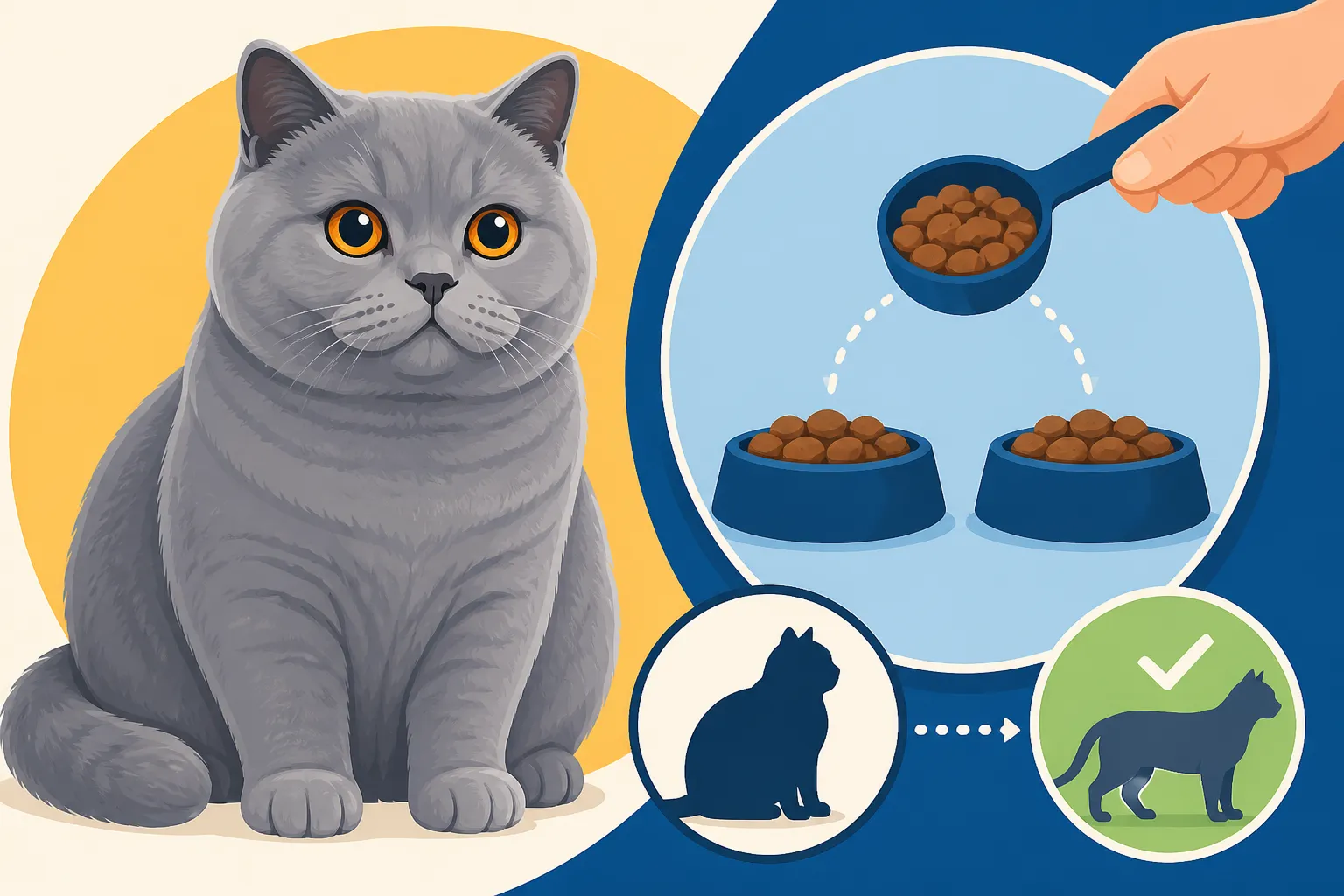
To ensure accuracy, invest in a digital pet food scale. These scales allow you to measure food in grams or ounces, which is far more precise than volumetric measurements like cups. Most cat food bags will have caloric information per gram or ounce, allowing you to easily calculate your cat's exact intake. For example, if your vet recommends 200 calories a day and your food has 350 calories per 100 grams, you know exactly how many grams to feed. These scales are readily available on platforms like Amazon or Chewy and are a worthwhile investment in your cat's health.
Even if you don't use a scale for every meal, having one to periodically check your scoop's accuracy can be incredibly helpful. Measure your usual scoop of kibble on the scale to understand its true weight, then adjust your portion size accordingly. This meticulous approach might seem obsessive at first, but it eliminates variables and gives you peace of mind that your British Shorthair is getting precisely what they need. You need to understand How Much a British Shorthair Should Actually Eat down to the gram.
Choosing the Right Food Type
The type of food you offer your British Shorthair plays a significant role in successful portion control and weight management. While dry kibble can be convenient, its high caloric density and often lower moisture content can contribute to overeating and insufficient hydration. Many British Shorthairs thrive on a diet that incorporates a significant amount of wet food.
Wet food generally has a much higher moisture content, which helps with hydration and provides a greater feeling of fullness with fewer calories. A cat eating wet food often feels more satisfied with a smaller actual calorie count compared to eating an equivalent calorie amount in dry kibble. This can be particularly beneficial for British Shorthairs, helping to manage their appetite while ensuring they stay well-hydrated, which is important for urinary health.
If dry food is your primary choice, opt for high-quality, protein-rich formulas. Protein helps cats feel satiated and supports muscle mass, which is crucial for a cobby breed like the British Shorthair. Avoid foods with excessive fillers or carbohydrates, as these can contribute to weight gain and provide less nutritional value. Remember that Whether Wet Food Costs More Than It Saves a British Shorthair is a consideration, but the health benefits often outweigh the initial price difference. When comparing foods, always look at the guaranteed analysis and caloric content per serving, not just the brand name.
| Food Type | Pros | Cons | Ideal For British Shorthairs |
|---|---|---|---|
| Dry Kibble | Convenient, can be left out longer, often cheaper | High calorie density, low moisture, easy to overeat | Best used with strict portioning and careful monitoring |
| Wet Food | High moisture, promotes satiety, good for hydration | Can be more expensive, spoils quickly if left out | Excellent for weight management and hydration; often recommended |
| Raw/Fresh Food | High protein, natural ingredients, high moisture | Requires careful preparation/sourcing, can be costly | Can be highly beneficial with vet guidance and proper handling |
Managing Treats and Snacking
We all love to spoil our British Shorthairs with treats. Their soft purrs and adoring gazes can melt even the strongest resolve. However, treats and extra snacks are often the silent saboteurs of portion control and weight management.
Treats Are Not a Meal Replacement
It's a common misconception that if a treat is "cat-specific," it's automatically healthy and can be given liberally. While treats are formulated for cats, they are almost always calorie-dense and designed to be palatable, not nutritionally complete. They are supplementary, not a replacement for a balanced meal. Giving treats frequently, or in large quantities, can quickly push your British Shorthair over their daily caloric limit, negating all your efforts with portion-controlled meals.
Think of treats as you would for yourself: a small indulgence, not a significant part of the daily diet. Many owners make the mistake of feeding treats throughout the day, often without even thinking about the calorie count. Those seemingly innocent crunchy snacks can add up to hundreds of extra calories, especially for a cat with lower energy needs like a British Shorthair. It’s critical to remember that every single treat, no matter how small, counts towards their daily caloric intake.
The issue isn't just the calories, but also the behavioral aspect. If treats are given too freely, your British Shorthair might start expecting them and become less interested in their actual meals. This can lead to fussiness or begging, making it harder to maintain a healthy eating routine. Reserve treats for specific purposes, like training, positive reinforcement during stressful situations (like vet visits or nail trims), or as a very small, infrequent reward.
Low-Calorie Alternatives and Enrichment
If you want to give your British Shorthair a "treat" without adding significant calories, consider low-calorie alternatives or forms of enrichment that don't involve food. A small piece of cooked, plain chicken or fish (without seasoning) can be a much healthier and more satisfying treat than processed cat snacks. Even a tiny lick of tuna water (packed in spring water, not oil) can be a huge motivator.
Beyond food, consider alternative forms of affection and stimulation. A new toy from Chewy, a dedicated play session with a wand toy, or even just some extra cuddle time on the sofa can be far more rewarding and calorie-free. British Shorthairs appreciate gentle attention and often respond well to interactive play, even if it's brief. This not only builds your bond but also provides mental and physical stimulation, helping to burn a few extra calories. You might be surprised at Which Toys a British Shorthair Will Actually Chase.
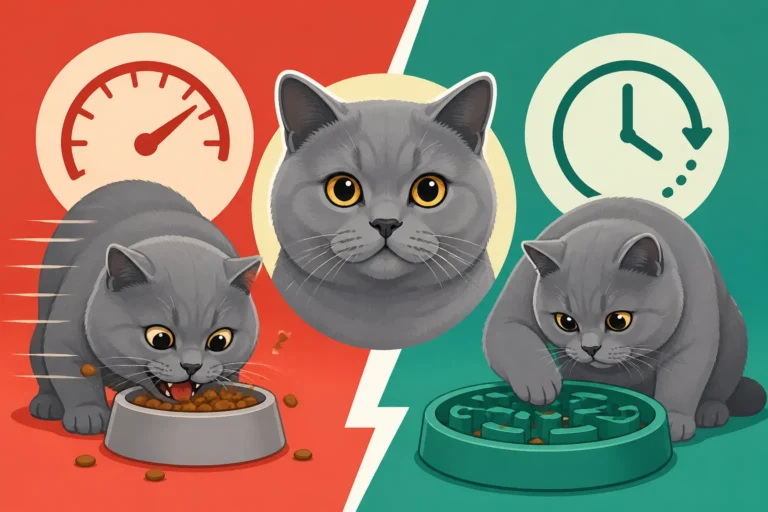
Puzzle feeders are another excellent form of enrichment that can turn mealtime into a game and slow down eating, making the portion last longer. Instead of giving extra treats, load a portion of their regular kibble into a puzzle feeder. This makes them work for their food, engages their natural hunting instincts, and provides mental stimulation, all without adding unwanted calories.
The Impact of Human Food
Sharing your human food with your British Shorthair might seem like a loving gesture, but it's a slippery slope that can quickly undermine portion control and introduce unhealthy habits. Human foods are often high in fats, sugars, and salts, and can contain ingredients that are toxic to cats (like onions, garlic, grapes, chocolate). Even small amounts of "safe" human food can disrupt their delicate digestive system and contribute significantly to calorie creep.
A tiny bite of cheese here, a little dollop of yogurt there – these seemingly harmless additions can add up rapidly. Cats are obligate carnivores, and their digestive systems are not designed to process many human foods. Beyond the caloric impact, feeding human food can lead to pickiness with their regular, nutritionally balanced cat food, making meal times more challenging. They might start to hold out for the "good stuff" from your plate, refusing their perfectly formulated cat food.
The best practice is to avoid feeding human food entirely. Establish clear boundaries from the start: human food is for humans, and cat food is for cats. This consistency is key, especially if you have a British Shorthair who is an expert at looking utterly deprived. It might be tough to resist those pleading eyes, but you are doing them a favor by protecting their health and maintaining a clear distinction between what's appropriate for their diet and what's not.
Dealing with a British Shorthair Who Begs
Ah, the "begging British Shorthair." It's a phenomenon many owners encounter. Despite having just eaten a perfectly portioned meal, they might still appear to be pleading for more. This behavior can be incredibly challenging to manage, but understanding its root causes and implementing consistent strategies can make a big difference.
Understanding Their Motivation
When your British Shorthair seems to be begging for food, it's not always because they are truly starving. Often, their motivation is more complex than simple hunger. It could be habit: if they've previously been free-fed or regularly received extra treats, they've learned that persistently asking yields rewards. They're smart creatures, and they'll continue a behavior that has worked for them in the past.
Sometimes, begging can be a bid for attention. British Shorthairs are generally calm, but they do enjoy interaction with their humans. If you typically respond to their food requests with a pat, a conversation, or a trip to the food bowl, they might associate "asking for food" with getting your undivided attention. In a quiet household, this can become their primary method of engaging with you.
It can also simply be boredom. A British Shorthair left alone for much of the day might seek stimulation, and for a food-motivated cat, that often translates into seeking out food or the ritual surrounding it. Before assuming your cat is genuinely hungry, consider these other motivations. Often, a few minutes of play or a gentle stroke can satisfy their desire for interaction just as effectively as a treat, without adding unnecessary calories.
Strategies to Curb Begging Behavior
To effectively curb begging, consistency is your most powerful tool. Once you've established scheduled, portion-controlled meals, stick to them rigidly. Do not give in to their pleas between meals, no matter how cute or persistent they are. This requires strong willpower, especially when those round, copper eyes are fixed on you. Every time you give in, even just a tiny bit, you reinforce the begging behavior.
Instead of food, redirect their attention. If they start begging while you're eating dinner, try engaging them with a favorite toy from Amazon or Chewy, or initiate a short play session in another room. You can also ignore the behavior completely, turning your back or leaving the room if necessary. This teaches them that begging does not lead to a reward. It's tough love, but it works.
Consider using automated feeders for their scheduled meals. These devices, which release food at set times, can help remove you from the "food provider" role, making the feeder the source of meals rather than you. This can reduce begging aimed directly at you, as they learn to associate the feeder's sound with food rather than your presence in the kitchen.
The "Grumpy Face" Is Not Always Hunger
One of the most charming, yet misleading, aspects of the British Shorthair is their perpetually "grumpy" or serious expression. Those full cheeks, round eyes, and slightly downturned mouth can make them look deeply displeased, even when they're perfectly content. This expression, combined with their quiet nature, can easily be misinterpreted as a sign of profound hunger or dissatisfaction, even after they've just finished a meal.
As an owner, you need to learn to differentiate between their natural facial expression and actual signs of distress or hunger. A British Shorthair's "grumpy face" is simply part of their breed standard, a permanent fixture of their charming appearance. It doesn't necessarily mean they're suffering from starvation or are unhappy with their diet. In fact, many British Shorthairs are incredibly content and well-fed behind those serious looks.
Instead of relying on their facial expression, pay attention to other cues: their body condition, their energy levels (for them!), and their actual behavior. Are they truly trying to get to the food? Are they restless or agitated? Or are they just sitting there, looking magnificent and slightly miffed, as is their natural state? Learning to read your British Shorthair's actual body language and not just their default expression is crucial for effective portion control and avoiding unnecessary overfeeding. How to Read a British Shorthair's Face can be a great resource.
Advanced Portion Control and Weight Management
Sometimes, simply cutting back on food isn't enough, or your British Shorthair might have specific needs that require a more tailored approach. This is where advanced strategies, often involving your veterinarian, come into play to ensure long-term health and successful weight management.
When to Consider Prescription Diets
If your British Shorthair is significantly overweight, struggling to lose weight on a conventional diet, or has developed weight-related health issues like diabetes or arthritis, your veterinarian might recommend a prescription weight management diet. These foods are specifically formulated to be lower in calories, higher in fiber to promote satiety, and often higher in protein to help maintain muscle mass during weight loss.
Prescription diets are not just "light" versions of regular food; they are carefully balanced to provide all essential nutrients while safely reducing caloric intake. They are typically only available through veterinary clinics, ensuring that their use is guided by a professional who can monitor your cat's progress and adjust the diet as needed. This can be a critical step for a British Shorthair whose weight has become a serious health concern, as discussed in What Obesity Does to a British Shorthair's Joints or Diabetes in a British Shorthair.
It's important to understand that these diets are a medical tool. They should not be used without veterinary supervision. Your vet will establish a target weight, a timeline for weight loss, and specific feeding instructions. This holistic approach, combining expert guidance with specialized nutrition, offers the best chance for successful and sustainable weight reduction for your British Shorthair. This is When a Vet Puts a British Shorthair on a Prescription Diet.
Incorporating Play and Activity
While portion control is paramount for British Shorthairs, increasing their activity level, even modestly, can significantly aid in weight management. These are not typically high-energy cats, so "exercise" for a British Shorthair might look different than for other breeds. It's about finding ways to gently encourage movement and calorie burning.
Short, consistent play sessions are key. Aim for 10-15 minutes, once or twice a day, using interactive toys like feather wands or laser pointers (used responsibly, ending with a physical reward). British Shorthairs might be a bit lazier, but many will engage with a toy that truly captures their attention. Don't expect them to run marathons, but even a few minutes of chasing and pouncing can make a difference. Puzzle feeders, as mentioned before, not only slow down eating but also make them "work" for their food, adding a mental and physical component to mealtime.
Creating an enriched environment can also encourage movement. A sturdy cat tree, particularly one with broad platforms that can accommodate their substantial size, provides opportunities for climbing and observation. Placing food bowls on different levels or at a slight distance can encourage them to move more between meals. Even something as simple as scattering a portion of their kibble for them to "hunt" can be more engaging than eating from a bowl. Remember, How to Get a British Shorthair to Move often requires patience and creativity.
Regular Weight Monitoring
You can't manage what you don't measure. For a British Shorthair on a weight management plan, regular weight monitoring is non-negotiable. This means weighing your cat at home on a weekly or bi-weekly basis, and having them weighed at the veterinary clinic during check-ups. This allows you to track progress, identify plateaus, and make timely adjustments to their diet or activity plan.
A simple digital baby scale can work well for weighing your cat at home. Place a small, non-slip mat or blanket on it for comfort, and gently place your cat on the scale. Make sure to record their weight accurately and consistently. This data is invaluable for showing your veterinarian their progress and informing any necessary changes to their diet. It also empowers you, the owner, to see the tangible results of your efforts.
Beyond the scale, regularly assessing your British Shorthair's Body Condition Score (BCS) is crucial. This involves feeling their ribs, spine, and waist. You should be able to easily feel their ribs with a light touch, without seeing them prominently. They should have a discernible waist when viewed from above, and their belly should tuck up slightly, not sag. This hands-on assessment, combined with the scale weight, gives a comprehensive picture of their physical health. This is a critical step in knowing How to Tell a Chunky British Shorthair From a Fat One.
Long-Term Success and Maintaining a Healthy Weight
Achieving a healthy weight for your British Shorthair is a fantastic accomplishment, but it's not the end of the journey. Maintaining that healthy weight requires ongoing vigilance, adjustment, and a deep understanding that portion control is a lifelong commitment.
The Lifelong Commitment
For a breed like the British Shorthair, which is inherently prone to weight gain, portion control is not a temporary diet; it's a permanent lifestyle change. Once your cat reaches their ideal weight, you can't simply revert to old habits without risking a quick return to obesity. Their metabolism will always lean towards calorie conservation, and their appetite will likely remain robust.
This means continuing with scheduled, measured meals, maintaining strict control over treats and human food, and ensuring consistent, if gentle, physical activity. It's about building healthy habits into your daily routine and making them second nature. It takes dedication, but the reward is a healthier, happier British Shorthair who is more comfortable, more mobile, and at a lower risk for serious weight-related illnesses.
Think of it as setting your British Shorthair up for the longest, most comfortable life possible. You are actively investing in their longevity and quality of life. The consistent effort pays off over the years, preventing the discomfort of excess weight and the expense of treating related conditions. This dedication is a testament to the love you have for your plush-coated companion.
Adjusting Portions as They Age
Just as a British Shorthair's calorie needs change from kittenhood to adulthood, they will continue to evolve into their senior years. As cats age, their metabolism often slows down further, and their activity levels can decrease even more than in their adult years. This means their caloric requirements will likely reduce over time, requiring further adjustments to their portion sizes.
An older British Shorthair might also experience dental issues, making dry kibble harder to chew, or develop conditions that necessitate a change in diet, such as kidney disease or hyperthyroidism. Regular veterinary check-ups, ideally twice a year for seniors, are crucial for monitoring these changes. Your vet can advise on age-appropriate nutrition and make recommendations for dietary adjustments or specialized senior formulas. Caring for a British Shorthair Past Ten means being extra mindful of these changes.
It's a delicate balance; while you need to prevent weight gain, you also want to ensure your aging British Shorthair is getting adequate nutrition to maintain muscle mass and support organ function. Sudden, unexplained weight loss in an older cat is always a red flag and warrants immediate veterinary attention. Continuous, careful monitoring and adaptation are the keys to successful long-term weight management throughout every stage of your British Shorthair's life.
Celebrating Small Victories
Let's be honest, trying to manage a British Shorthair's weight can sometimes feel like a slow, uphill battle. It requires patience, consistency, and a fair bit of willpower to resist those adorable, pleading eyes. That's why it's so important to celebrate the small victories along the way. Did your cat ignore a piece of food dropped on the floor? That's a win! Did they engage in an extra five minutes of play? Another win! Did the scale show a slight downward trend? Celebrate it!
These small achievements aren't just for you; they're for your cat too. Positive reinforcement, even if it's just a heartfelt "good boy" and a gentle stroke, can help them associate healthy behaviors with positive attention. Don't underestimate the power of your praise. Remember that How Long a British Shorthair Diet Takes can be months, or even a year, so maintaining motivation is crucial.
The journey to a healthy weight for your British Shorthair is a marathon, not a sprint. There will be days when you feel frustrated, or when their begging seems particularly effective. But by staying committed to portion control, understanding their unique needs, and consistently applying these strategies, you are ensuring your British Shorthair lives the longest, healthiest, and happiest life possible. And that, truly, is the whole job.
Disclaimer
This article is for general informational purposes only and does not constitute professional advice. Laws, prices and regulations vary by location and change over time. Consult a qualified professional for guidance on your specific situation.