Whether a British Shorthair Mats
One common worry for cat owners is dealing with mats in their furry friend's coat. For British Shorthair owners, it's natural to wonder if their beloved, plush-coated companion is prone to these tangled nuisances. While the British Shorthair's unique fur type offers some natural resistance, mats can still form under certain circumstances, and understanding why and how to prevent them is key to keeping your cat comfortable and healthy. This comprehensive guide will delve into the specifics of the British Shorthair coat, explore the reasons behind matting, and provide actionable advice on effective grooming strategies.
Understanding the British Shorthair Coat Type
The British Shorthair is renowned for its dense, plush coat that gives it a distinctive teddy bear appearance. This isn't just for aesthetics; the coat has specific characteristics that play a significant role in its grooming needs and propensity for matting.
The Unique Structure of a British Shorthair's Fur
The British Shorthair's coat is often described as "crisp" or "hard" to the touch, and it stands away from the body rather than lying flat. This is due to its unique double coat. You see, they have a thick, soft undercoat for insulation, which is then covered by shorter, more resilient guard hairs. These guard hairs are denser and provide that lovely, plush feel. It's truly a marvel of natural engineering, designed to keep them warm and protected. The combination of these two layers, standing proud, creates that signature full-bodied look we all adore.
The density of this coat is truly remarkable. If you've ever run your fingers through a British Shorthair's fur, you'll feel how springy and resilient it is. This isn't just random fluff; it's a carefully balanced system of fine, woolly undercoat hairs and stronger outer hairs. Each hair shaft is designed to resist bending and breaking easily, contributing to the overall integrity of the coat. This physical structure is a primary reason why many British Shorthair owners might initially think matting isn't a major concern for their breed. For more on this, check out A British Shorthair's Coat Stands Away From Its Body.
Why This Coat is Typically Resistant to Matting
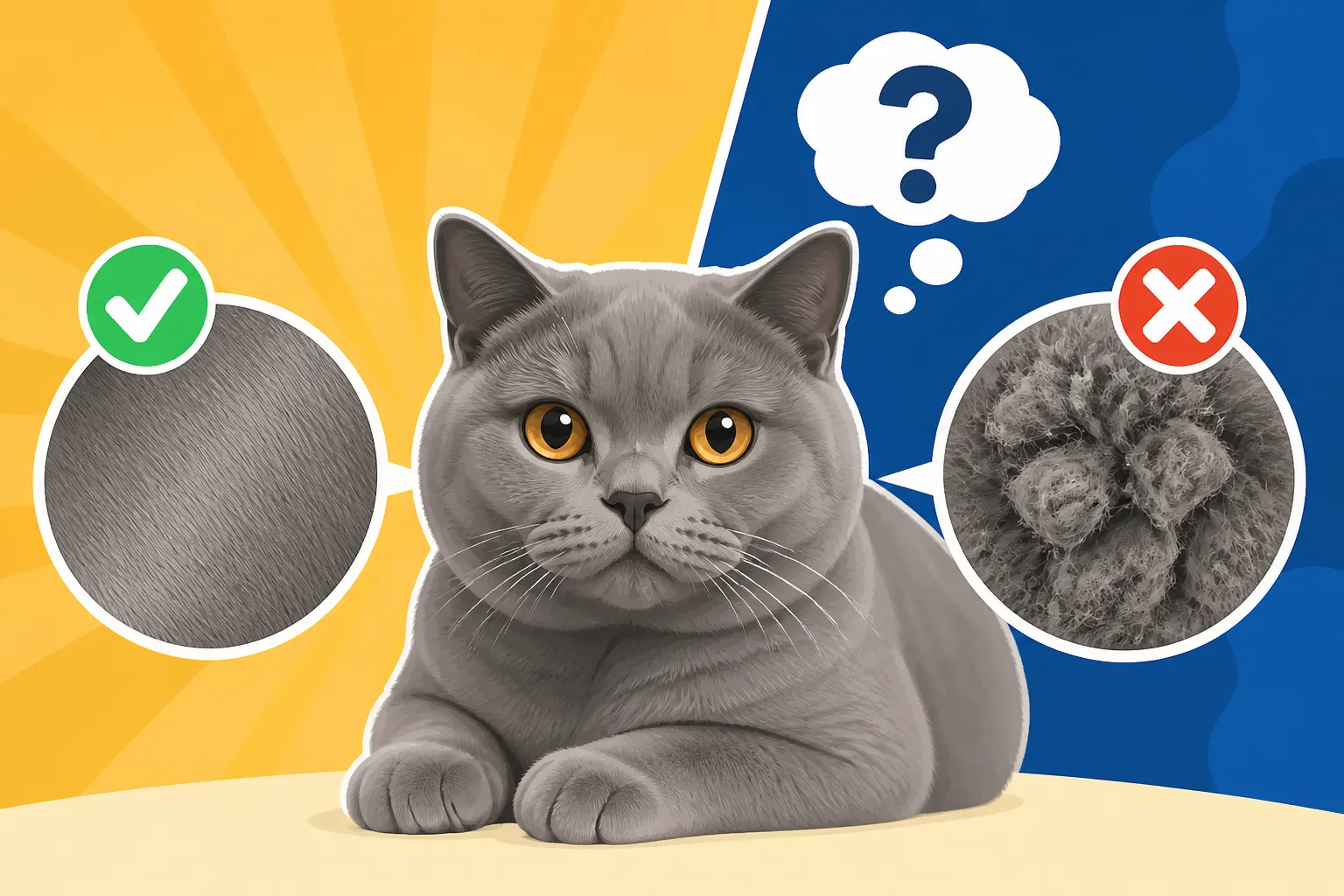
Compared to long-haired breeds like Persians or even some medium-haired cats, British Shorthairs generally have a lower risk of severe matting. The reason lies in that unique coat structure. Because the hairs are relatively short and stand away from the body, they tend to tangle less with each other. There's less surface area for individual hairs to intertwine and knot tightly, which is often the precursor to a full-blown mat. It's like comparing a short, bristly broom to a long, flowing mop – one is just less likely to get knotted up on its own.
The natural oils produced by your British Shorthair's skin also play a role in maintaining coat health and flexibility, further reducing the likelihood of matting. These oils help to keep the individual hairs smooth and lubricated, allowing them to glide past one another more easily instead of snagging. However, while the coat is resistant, it's certainly not immune. Factors like shedding cycles, lack of grooming, or underlying health issues can absolutely turn that plush, beautiful fur into a matted mess. It's a testament to good genetics, but not a pass to skip grooming altogether. Understanding What a British Shorthair's Coat Is Like can provide even more insight into this fascinating aspect of the breed.
Factors That Can Lead to Matting in British Shorthairs
While their coat is generally resilient, several factors can turn your British Shorthair's low-maintenance coat into a tangled nightmare. It's crucial to be aware of these potential pitfalls to keep your furry friend comfortable and mat-free.
Seasonal Shedding and Undercoat Management
Even with their relatively short fur, British Shorthairs have a dense undercoat that sheds, particularly during seasonal changes. This is often referred to as "blowing their coat," and it usually happens in spring and autumn as they adjust to warmer or cooler temperatures. During these periods, the old, dead undercoat hairs need to be removed. If they aren't, they can get trapped within the remaining healthy coat, intertwining and forming dense knots, especially in areas where friction is common. Imagine trying to comb through a pile of loose wool stuck within another layer of wool – that's what's happening to their undercoat if not properly managed.
The sheer volume of shedding during these times can be surprising, even for an experienced British Shorthair owner. It's not just a few stray hairs; it's a significant amount of fluffy undercoat. If you're not brushing regularly, these dead hairs will clump together, creating perfect breeding grounds for mats. It's a common mistake to assume that because their hair is short, shedding isn't a big deal, but with a British Shorthair's density, it absolutely is. For tips on managing this, you might find The Two Weeks a British Shorthair Drops Its Undercoat particularly helpful.
Lifestyle and Environmental Influences
Your cat's daily life and environment can also contribute to matting. For instance, if your British Shorthair is particularly active or enjoys exploring tight spaces, their coat might experience more friction, leading to tangles. Similarly, areas where the fur rubs against surfaces frequently, such as under the chin where they might scratch, behind the ears from head rubs, or under their armpits from movement, are common trouble spots. Even sleeping positions can play a role; if they consistently sleep curled in a tight ball, certain areas of their fur might get compressed and tangled.
Humidity in your home or exposure to dampness can also make a coat more prone to matting. Wet fur, especially if not dried properly, tends to clump and knot more easily as it dries. While British Shorthairs are typically indoor cats, accidental encounters with water or even damp areas can be problematic. Furthermore, if your cat happens to get sticky substances like tree sap, spilled food, or even certain medications in their fur, these can quickly create stubborn mats that are difficult to remove without intervention.
Health Issues and Grooming Neglect
Underlying health issues can significantly impact a British Shorthair's ability or willingness to groom themselves, directly leading to matting. Cats are fastidious creatures, but conditions like arthritis, dental pain, obesity, or even internal discomfort can make it painful or impossible for them to reach and groom certain parts of their body, especially their back or hindquarters. An overweight British Shorthair, for example, often struggles to bend and reach all areas, leaving their lower back and rear susceptible to tangles and even soiled fur. This is a sad reality that can lead to significant discomfort. You can learn more about this in Why an Overweight British Shorthair Stops Grooming Its Back.
Beyond physical limitations, a cat feeling generally unwell due to illness might simply lack the energy or motivation to maintain its coat. Grooming then falls by the wayside, and mats can form rapidly. Of course, the most obvious cause of matting is simply a lack of regular grooming from the owner. Life gets busy, we forget, or we underestimate the need, but neglecting even a "low-maintenance" coat for too long will inevitably lead to problems. It's a commitment that, when overlooked, can cause pain and require costly professional intervention.
The Importance of Regular Grooming to Prevent Mats
Regular grooming isn't just about keeping your British Shorthair looking good; it's a vital part of their overall health and well-being. Preventing mats before they start is far easier and less stressful for both you and your cat than trying to remove them later.
Essential Tools for British Shorthair Coat Care
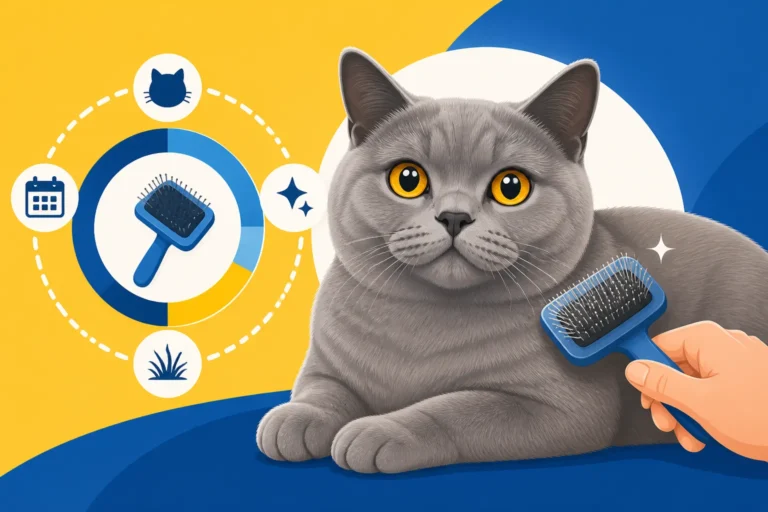
Having the right tools is half the battle when it comes to grooming your British Shorthair. Forget the soft brushes often marketed for general cat grooming; they just won't cut it for this dense coat. What you really need is a good quality metal comb, preferably one with both wide and fine teeth. The wide teeth are excellent for gently working through the bulk of the coat, while the finer teeth can tackle smaller tangles and ensure you're reaching down to the undercoat. Many experienced owners swear by a sturdy stainless steel comb. You can often find excellent options on sites like Amazon or Chewy, which cater specifically to pet grooming needs.
In addition to a comb, a deshedding tool can be incredibly useful, especially during those heavy shedding seasons. These tools are designed to safely remove loose undercoat without damaging the topcoat. However, it's crucial to use them sparingly and correctly, as overuse can irritate the skin or damage the guard hairs. Always read the instructions and use a light hand. Remember that a slicker brush is generally not recommended for a British Shorthair's coat, as it can be too harsh and may actually break the delicate guard hairs, compromising the coat's integrity. For more on this, check out Why a Comb Beats a Brush on a British Shorthair and Why a Slicker Damages a British Shorthair's Coat.
Establishing a Consistent Grooming Routine
Consistency is truly the magic word when it comes to preventing mats. For most British Shorthairs, a good combing session two to three times a week is sufficient, but during peak shedding seasons, you might need to increase that to every other day or even daily. The goal is to remove dead hair before it has a chance to clump and tangle. Make grooming a positive experience from a young age by using treats and gentle praise. Start with short sessions, focusing on areas your cat tolerates, and gradually extend the time.
A good routine involves systematically combing through the entire coat, working in small sections. Pay extra attention to those friction areas we discussed earlier: behind the ears, under the chin, in the armpits, and around the hindquarters. These are the prime locations where mats like to form. If your British Shorthair is older or has mobility issues, these areas become even more critical to monitor and groom frequently. The calmer and more cooperative your cat is during grooming, the easier and more effective the process will be. How Often a British Shorthair Needs Combing offers more detailed advice on frequency.
Addressing Problem Areas Proactively
Don't wait for a full-blown mat to appear before you act. Proactive checks of common problem areas are vital. Run your hands over your cat's body regularly, feeling for any small knots or clumps forming. These tiny tangles are much easier to tease out with your fingers or the wide-toothed side of your comb than a large, dense mat. If you find a small knot, be patient. Gently work it apart with your fingers first, then use the comb, always pulling away from the skin, not directly on it.
Consider using a detangling spray specifically formulated for cats, especially if your British Shorthair has a tendency for dry skin or static electricity, which can worsen tangles. These sprays can help lubricate the fur and make it easier to comb through. Always ensure any products you use are cat-safe and non-toxic, as your cat will undoubtedly groom themselves after you've used them. Being proactive means catching these issues when they're minor inconveniences, preventing them from escalating into painful and time-consuming problems.
How to Safely Remove Mats from a British Shorthair's Coat
Finding a mat in your British Shorthair's coat can be alarming, but panic won't help. Approaching the situation calmly and using the right techniques is essential to avoid causing pain or injury to your cat.
Gentle Detangling Techniques
For small, loose mats, gentle detangling is often possible at home. First, arm yourself with patience, a good metal comb, and perhaps some cornstarch or a cat-safe detangling spray. Start by sprinkling a small amount of cornstarch directly onto the mat; this helps to absorb excess oil and give you some grip, making the hairs less slippery and easier to separate. Alternatively, a detangling spray can lubricate the hairs, allowing them to slide apart more readily.
Next, using your fingers, try to gently tease the edges of the mat apart. Do not pull directly on the mat, as this will pull on the skin and be painful for your cat. Once you've loosened the edges a bit, use the wide-toothed side of your comb. Start at the very tips of the mat, working only a few hairs at a time, and gradually work your way closer to the skin. Hold the skin firmly at the base of the mat to minimize pulling. This is slow work, and it might take several short sessions to get through a stubborn tangle. Always keep an eye on your cat's comfort level and stop if they become stressed or agitated. If your cat tolerates it, treats and praise are your best friends here.
When Professional Help is Necessary
There are definitely times when removing mats at home is simply not feasible, safe, or kind to your cat. If a mat is large, very tight against the skin, or if there are multiple mats, especially in sensitive areas, it's time to call in a professional groomer or your veterinarian. Mats that are severely matted can restrict blood flow, pull on the skin, and cause significant pain and discomfort, even leading to skin infections underneath. Trying to cut these out yourself with scissors is incredibly risky due to how tightly the skin can be pulled into the mat. You could easily cut your cat's skin, leading to a trip to the emergency vet.
A professional groomer has specialized tools, like clippers designed for cat fur, and the expertise to safely shave off mats without injuring your cat. In cases of severe matting, especially if the mats are causing skin irritation or discomfort, your vet might recommend sedation for the grooming process to ensure your cat's comfort and safety. Don't feel guilty about seeking professional help; it's the responsible choice for your cat's well-being. It’s important to know Whether a British Shorthair Needs a Groomer in these situations.
Post-Mat Removal Care
After a mat has been successfully removed, whether by you or a professional, your British Shorthair will need a little extra care. If the mat was shaved off, the skin underneath might be red, irritated, or even bruised. Keep an eye on the area for any signs of infection, such as swelling, discharge, or increased tenderness. Your vet might recommend a soothing cream or a gentle antiseptic wash for the affected skin.
It’s also crucial to prevent future mats. This means redoubling your efforts with a consistent grooming routine, as discussed earlier. Make sure you're regularly checking the areas where mats previously formed. This is the perfect opportunity to re-evaluate your grooming tools and techniques. Perhaps a different type of comb, available on Chewy or Amazon, might work better, or maybe you need to adjust the frequency of your grooming sessions. Remember, a single mat is a signal that your current routine might need an adjustment to keep that magnificent British Shorthair coat in tip-top condition.
Common Misconceptions About British Shorthair Matting
When it comes to British Shorthair coats, there are a few myths and misunderstandings floating around. Clearing these up can help owners provide the best care for their feline companions.
The Myth of the "No-Maintenance" Coat
One of the biggest misconceptions about British Shorthairs is that their coats are entirely "no-maintenance" simply because they're short-haired. While it's true that they don't require the daily, intensive grooming of a Persian or a Maine Coon, calling their coat "no-maintenance" is a dangerous oversimplification. Their dense double coat, while resistant to some types of tangles, still requires regular attention to prevent matting and keep the skin healthy. Neglecting their coat can lead to serious problems, especially during shedding seasons or if the cat develops health issues affecting its self-grooming.
This myth often leads new owners to underestimate the importance of regular combing, only to discover painful mats forming later. The reality is that all cats, regardless of coat length, benefit from regular grooming. It's not just about mat prevention; it helps distribute natural oils, removes loose hair that would otherwise be ingested (leading to hairballs!), and provides an excellent opportunity for you to bond with your cat and check for any skin issues, lumps, or parasites. A British Shorthair might not need a professional groomer every month, but they certainly need you to be hands-on with a comb.
Comparing British Shorthair Coats to Other Breeds
It's tempting to compare the British Shorthair's coat to other short-haired breeds and assume their grooming needs are identical. However, the British Shorthair's unique density and "crisp" texture set it apart. For example, breeds like the Siamese have very short, fine, single coats that rarely, if ever, mat. A Russian Blue or a Chartreux, while also having dense blue coats, generally have a softer, slightly less "standing" coat than the British Shorthair, and their matting propensity might differ slightly. Even within short-haired breeds, there's a wide spectrum of coat types.
The key differentiator for the British Shorthair is that robust undercoat and the way the guard hairs stand away from the body. This structure, while beneficial in many ways, means that when dead undercoat does get trapped, it creates a very solid, dense mat that can be surprisingly difficult to remove. This is why tools like a good metal comb are so crucial, compared to just a rubber brush that might suffice for a single-coated breed. Understanding these subtle differences is crucial for tailored care, ensuring your British Shorthair gets the specific attention its unique coat requires to stay beautiful and healthy. It also highlights why their coat is so iconic!
Comprehensive Care for a British Shorthair's Coat Health
Maintaining a healthy, mat-free coat for your British Shorthair goes beyond just combing. It's a holistic approach that considers their diet, overall health, and even their environment.
The Role of Nutrition in Coat Health
What your British Shorthair eats directly impacts the health and luster of their coat. A high-quality diet rich in essential fatty acids, such as Omega-3 and Omega-6, is crucial for healthy skin and a shiny, resilient coat. These nutrients help maintain skin elasticity, reduce dryness, and contribute to the strength of each hair shaft, making it less prone to breakage and, consequently, matting. Look for cat foods that list real meat as the primary ingredient and are fortified with these beneficial oils.
Conversely, a diet lacking in proper nutrients can lead to dull, dry, brittle fur that's more prone to tangling and shedding excessively. If your cat's coat suddenly seems less plush or appears flaky, it might be a sign to review their diet with your veterinarian. Sometimes, specific supplements, like fish oil, can be added under veterinary guidance to boost coat health. Always ensure your British Shorthair has access to fresh water, as hydration also plays a vital role in skin and coat condition. Dehydrated skin can be dry and itchy, leading to excessive scratching which can cause mats.
Environmental Considerations for Optimal Coat Condition
Your British Shorthair's living environment also contributes to their coat's health. While they are mostly indoor cats, factors like indoor humidity, dust, and allergens can affect their skin and fur. Low humidity, especially in heated homes during winter, can dry out their skin and coat, making it more prone to static and breakage. Consider using a humidifier if you notice your cat's skin becoming dry or flaky. Regular vacuuming and dusting can also minimize airborne allergens that might irritate your cat's skin, leading to scratching that creates tangles.
Ensure their sleeping areas are clean and comfortable. A dirty bed can contribute to skin issues and greasy fur, which mats more easily. Also, minimize exposure to harsh chemicals or strong perfumes in your home, as these can irritate sensitive feline skin. Providing a clean, stable environment helps keep your British Shorthair's skin calm and their coat thriving, reducing the likelihood of issues that can lead to matting.
Regular Vet Check-ups and Early Detection
Routine veterinary check-ups are an indispensable part of comprehensive coat care. Your veterinarian can identify underlying health issues that might manifest as coat problems, such as skin allergies, parasites, hormonal imbalances, or metabolic diseases. For instance, an increase in shedding or a change in coat texture can sometimes be an early indicator of a health problem that your vet can diagnose and treat. They can also offer professional advice on diet, supplements, and grooming techniques tailored to your individual cat's needs.
Early detection of any skin or coat abnormality, whether it's excessive shedding, dry patches, or the very first signs of matting, allows for prompt intervention. This prevents minor issues from escalating into more serious conditions that are harder to treat and more uncomfortable for your British Shorthair. Remember, your vet is your partner in keeping your cat healthy from the inside out, ensuring that beautiful, plush coat remains a source of joy, not a cause for concern. Caring for an Old British Shorthair also touches on how changes in coat can signal aging or health issues.
| Matting Risk Factor | British Shorthair Susceptibility | Grooming Action Needed |
|---|---|---|
| Coat Length | Low (short-haired) | Regular combing, but less frequent than longhairs |
| Coat Density | High (dense undercoat) | Thorough combing to reach undercoat, deshedding tools |
| Seasonal Shedding | Moderate to High | Increased combing frequency during spring/fall |
| Obesity/Mobility Issues | Moderate to High | Extra attention to hard-to-reach areas (back, hindquarters) |
| Poor Nutrition | Moderate | High-quality diet with essential fatty acids |
| Environmental Factors | Low to Moderate | Manage humidity, clean bedding, avoid irritants |
| Health Conditions | Moderate | Regular vet check-ups, address underlying illness |
| Grooming Neglect | High (regardless of breed) | Consistent, regular combing to prevent accumulation |
Disclaimer
This article is for general informational purposes only and does not constitute professional advice. Laws, prices and regulations vary by location and change over time. Consult a qualified professional for guidance on your specific situation.