How Much a Female British Shorthair Should Weigh
It can be incredibly tricky to figure out if your lovely female British Shorthair is carrying the right amount of weight. Their naturally cobby, rounded physique can make it really hard to tell what's "fluff" and what's actual fat, leaving many owners scratching their heads. This guide will walk you through understanding healthy weight ranges for your female British Shorthair, how to assess her condition beyond just the number on the scale, and what to do if you suspect she's too light or too heavy.
The British Shorthair Build and What's Normal for a Female
British Shorthairs are magnificent, substantial cats. They are known for their dense, plush coats and their robust, rounded bodies. This distinct build, often described as "cobby," means they naturally look a bit heavier than many other breeds. It’s easy to misunderstand this and either think a healthy cat is overweight, or worse, miss the signs that an actually overweight cat is in trouble. For female British Shorthairs, this confusion can be even greater, as they are typically smaller than their male counterparts but still possess that characteristic stockiness.
Dispelling the "Tiny Female" Myth
Let's get one thing straight right off the bat: there's no such thing as a truly "tiny" adult British Shorthair, even for a female. While male British Shorthairs are generally larger and more massively built, sporting those impressive jowls and broader heads, females are by no means dainty. They are still solid, muscular cats with significant bone structure. If you're expecting a petite little thing, you might be surprised by the sheer heft of a healthy female British Shorthair. This is why it's so important to understand their breed standard and what a robust female looks and feels like. They need to be substantial to properly represent the breed, not just a smaller version of a typical house cat. What Cobby Means in a British Shorthair really delves into this unique body type.
Many people, especially those new to the breed, might see their female British Shorthair looking less bulky than a male and assume she's meant to be quite small. This can lead to underfeeding if they're trying to achieve an unrealistic, slender figure, or overfeeding if they're trying to "bulk her up" to match a male's size. Neither approach is healthy. A female BSH should be muscular and well-proportioned for her gender, with a distinct presence that's far from fragile.
Average Weight Ranges for Adult Females
So, what are we actually aiming for when we talk about a healthy weight for an adult female British Shorthair? Generally, an adult female British Shorthair will weigh somewhere between 9 to 14 pounds (approximately 4 to 6.3 kg). Now, this is a broad range, and it's absolutely crucial to remember that it's just that – a guide. Just like people, cats have individual variations in genetics, frame size, and muscle mass. Some females might naturally sit at the lower end of that spectrum, while others might comfortably and healthily carry a bit more weight closer to the higher end. What's most important isn't hitting an exact number, but rather ensuring your cat's weight is appropriate for her individual frame.
Consider a cat like Willow, a gorgeous blue British Shorthair queen who sits at a lean 10 pounds. She's active for her breed, enjoys chasing a feather wand, and you can easily feel her ribs. Then there's Daisy, another blue female, who weighs 13 pounds but has a slightly larger bone structure and is incredibly solid. You can still feel Daisy's ribs without pressing hard, and she has a noticeable waist. Both are healthy, but their absolute weight differs. It really shows how much variation there can be. What a British Shorthair Weighs and How Big It Gets provides more context on overall breed size.
The Impact of Age and Neutering
Two significant factors that can heavily influence a female British Shorthair's weight are her age and whether she has been spayed (neutered). Young kittens and adolescents will naturally weigh less and be leaner than their adult counterparts. A female British Shorthair typically doesn't reach her full adult size and weight until she's around three to five years old. So, a one-year-old female might still be filling out, and her weight might increase naturally over the next couple of years. What a British Shorthair Should Weigh at One Year details this developmental stage.
Neutering is perhaps the biggest game-changer. Once spayed, a female British Shorthair's metabolism often slows down, and her hormonal balance shifts. This makes her far more prone to weight gain, sometimes quite rapidly, if her diet isn't adjusted. Many owners report that their once lean, active cat starts to put on weight steadily after the procedure. This isn't a flaw in your cat; it's a physiological change that demands a proactive approach to diet and exercise. It's not uncommon for a spayed female to gain a pound or two within a year if her caloric intake isn't carefully monitored.
| Factor | Impact on Female British Shorthair Weight |
|---|---|
| Age (Kitten) | Rapid growth, leaner build. Weight increases steadily but is much lower than adult range. Focus is on healthy development, not adult weight. |
| Age (Adult) | Full skeletal and muscular development achieved, typically between 3-5 years. Weight stabilizes within the average 9-14 lb range, depending on individual frame. |
| Age (Senior) | Metabolism may slow further, activity often decreases. Risk of obesity can increase if diet isn't adjusted. Conversely, some older cats may experience muscle loss or underlying health issues leading to weight loss. Caring for a British Shorthair Past Ten is vital here. |
| Neutering | Significant metabolic slowdown. Increased appetite and reduced energy expenditure common. High risk of weight gain if calorie intake is not reduced post-surgery. Proactive diet management is crucial. |
Beyond the Scale: How to Assess Your Female British Shorthair's Body Condition
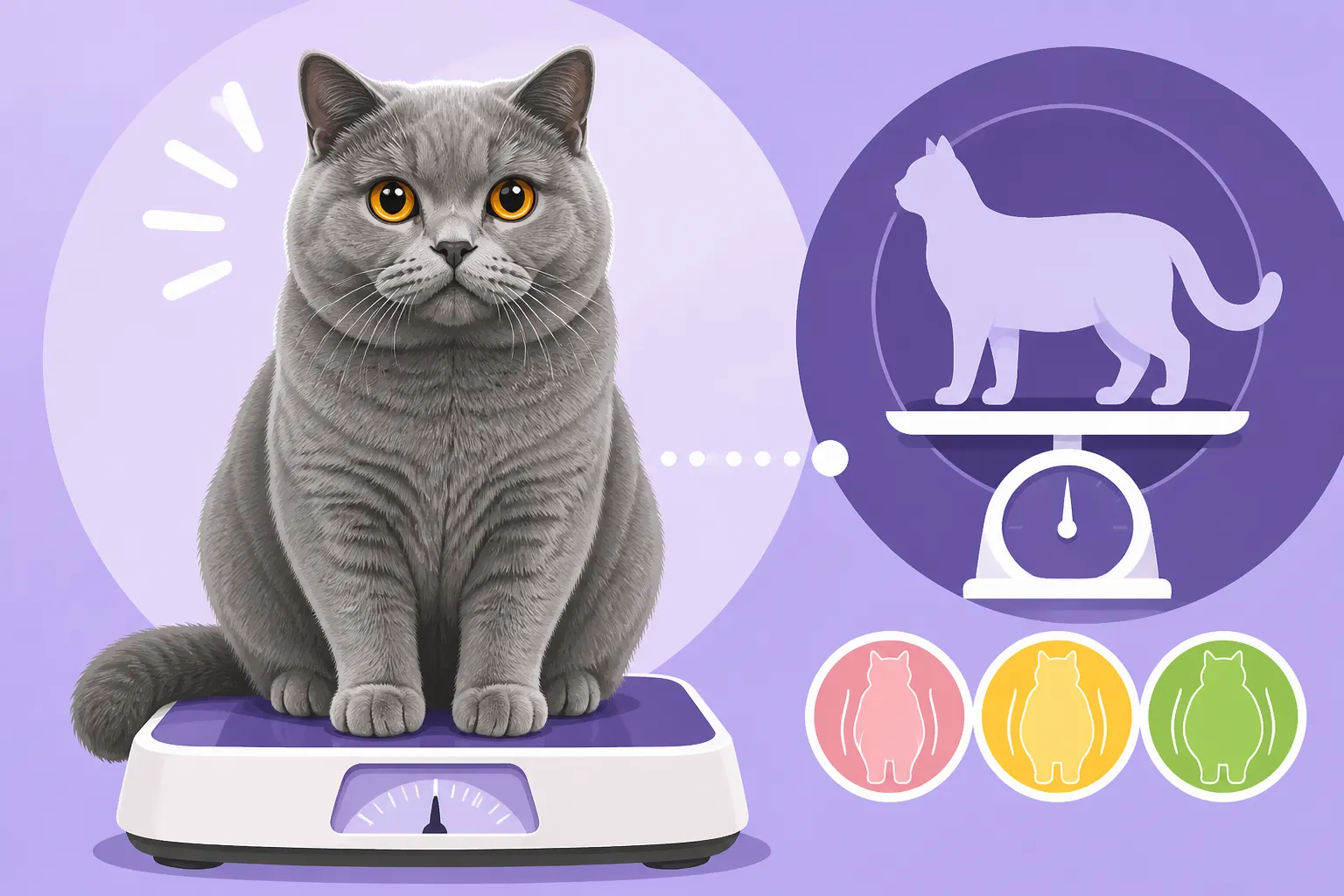
Relying solely on the number on the scale for a British Shorthair, especially a female, can be incredibly misleading. Their incredibly dense, plush coat and naturally stocky build can hide a multitude of sins – or successes! This is where Body Condition Scoring (BCS) becomes your best friend. BCS is a much more accurate and practical method for assessing your cat's health, allowing you to "feel" past the fluff and truly understand her physical state.
The Importance of Body Condition Scoring
Body Condition Scoring is a universally recognized system used by veterinarians and cat professionals to evaluate a cat's level of body fat. Instead of a single number, it uses a scale, typically from 1 to 5 or 1 to 9, where a middle score (like 3/5 or 5/9) represents an ideal, healthy weight. A lower score means underweight, and a higher score means overweight or obese. The beauty of BCS is that it accounts for individual variations in frame size and breed characteristics, making it far more valuable than a simple weight measurement. It helps you understand if your cat is truly How to Tell a Chunky British Shorthair From a Fat One.
For a British Shorthair, whose luxurious coat can add an illusion of extra bulk, BCS is absolutely essential. You might weigh your cat and think she's within the "normal" range, but a quick BCS check could reveal she's actually carrying too much fat under all that fur. Conversely, a cat who seems "lean" on the scale might still be perfectly healthy if her body condition score is ideal. It trains your eye and your hands to recognize what a healthy British Shorthair feels like.
Hands-On Assessment: Feeling for Ribs and Waist
This is where you get tactile with your feline friend! Don't be shy; a gentle but thorough examination is needed to properly assess your British Shorthair's body condition.
-
Feeling the Ribs: Start by gently running your fingertips along your cat's sides, just behind her shoulders. You should be able to feel her ribs with minimal pressure, almost like feeling the knuckles on the back of your hand. You shouldn't see them, but you should definitely be able to feel them distinctively, one by one, without having to press hard. If you have to dig your fingers in, or you can't feel them at all, she's likely carrying too much fat. If they feel extremely prominent with no effort, she might be too thin. How to Feel a British Shorthair's Ribs Through the Plush is a must-read for this technique.
-
Checking the Spine and Hip Bones: Move your hands to her back, along her spine, and down towards her hip bones. Similar to the ribs, you should be able to feel the bony prominences of the spine and hip bones with a slight cushion of muscle and fat over them. They shouldn't be sharp or completely undetectable. If you can clearly see the hip bones sticking out, or the spine feels very prominent, it's a sign she's underweight. If you can't feel them at all, she's likely overweight.
-
Assessing the Waist: Gently place your hands on either side of her body, just behind her last rib, where her waist should be. When viewed from above, a healthy female British Shorthair should have a discernible waist, a slight inward curve, just before her hips. It won't be as dramatic as in some other breeds, given their cobby nature, but it should still be there. If she looks like a straight-sided sausage or even bulges out, she's carrying extra weight.
These hands-on assessments are crucial for getting an accurate picture. You might even want to look at various cat food options on Chewy that are specifically formulated for weight management, which often include clear feeding guidelines based on body condition.
Visual Cues: Understanding Your Cat's Shape
While touching is essential, visual cues also play a role, especially once you know what to look for beneath that gorgeous coat.
-
View from Above: Look down at your British Shorthair from directly above her. As mentioned, you should see a slight indentation or "waist" just behind her ribs. If her sides are parallel, or if she bulges out, she's likely overweight. A pear shape, wider at the back than the front, is a strong indicator of excess weight.
-
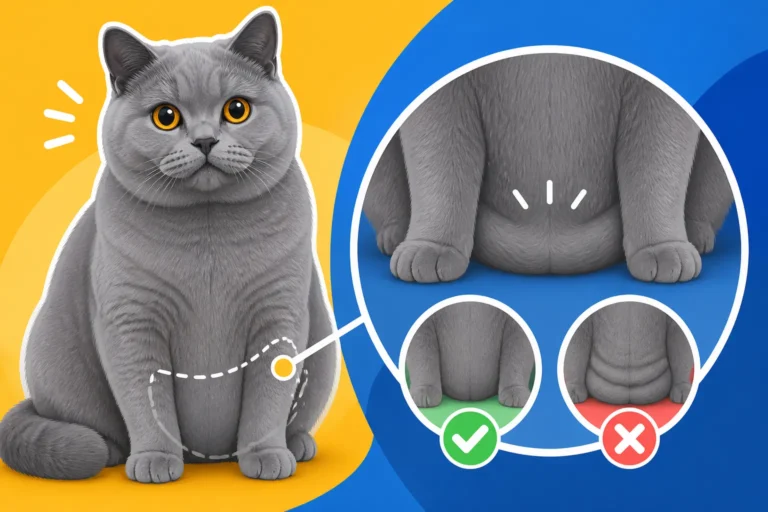
View from the Side: Observe your cat from the side. Her abdomen should tuck up slightly behind her rib cage. There shouldn't be a prominent "paunch" or saggy belly, although it's important to distinguish between actual fat and the primordial pouch, which is a normal flap of skin and fat that hangs near their hind legs. Whether a British Shorthair's Belly Pouch Is Fat explores this distinction in detail. If her tummy hangs low and swings when she walks, and it's not just the primordial pouch, she's probably overweight. Her back should be relatively flat, not dipping or humping due to excess fat.
-
Overall Shape: A healthy British Shorthair, even a female, should have a rounded, muscular appearance, but with definition. She shouldn't look like a perfectly smooth, undefined ball. You should see the underlying structure of muscle and bone, subtly covered by her plush coat. If you're struggling to get a clear picture, consider taking a photo from above and the side – sometimes a fresh perspective helps. Then, compare your cat's appearance to a reliable Body Condition Score chart, many of which can be found through resources on Amazon or veterinary websites.
Common Weight Challenges and How to Address Them in Females
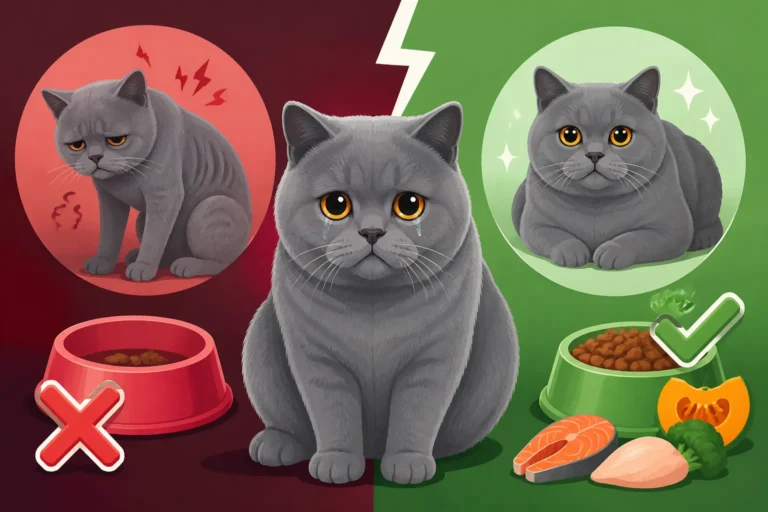
It’s an unfortunate truth that British Shorthairs, both male and female, are particularly prone to becoming overweight. Their calm, often sedentary nature combined with a healthy appetite means they can pack on the pounds surprisingly quickly. As a cat owner, it’s a constant vigilance game, and it can feel like you're fighting a losing battle sometimes, but trust me, it's a battle worth winning for their health and longevity.
The Sneaky Onset of Overweight Issues
One of the biggest frustrations for British Shorthair owners is how easily and subtly weight gain can creep up. Your female British Shorthair might seem perfectly fine one day, and then a few months later, she's noticeably heavier. This breed doesn't tend to run around like a maniac, burning off calories. Instead, they prefer lounging in sunbeams, observing the world with a regal air, and moving only when strictly necessary – usually for food or a quick trip to the litter box. Why a British Shorthair Gains Weight So Easily highlights these inherent tendencies.
Their dense coat is also a master of disguise. A slight increase in girth can be easily masked by the volume of their fur, making visual detection difficult until the weight gain is quite significant. By the time you notice a pronounced paunch or a lack of a waist, your cat might already be a few pounds overweight. This isn't just about aesthetics; obesity in cats is a serious health risk, contributing to conditions like diabetes, arthritis, and liver disease. Recognizing the early signs and taking action is key.
Strategies for Healthy Weight Management
If you've assessed your female British Shorthair and determined she's carrying too much weight, or even if you just want to prevent future weight gain, a multi-faceted approach is usually most effective. It's not about crash dieting, which can be dangerous for cats, but about sustainable lifestyle changes.
-
Portion Control and Appropriate Diet: This is hands-down the most critical step. Free-feeding, where food is left out all day, is a recipe for obesity in British Shorthairs. You need to know exactly how much she's eating. Consult your vet to determine an appropriate daily caloric intake for her target weight. Then, measure her food precisely at each meal. Invest in a proper measuring cup or a small kitchen scale for accuracy.
- Food Choice: Consider a high-quality, high-protein, moderate-fat cat food. Wet food can be particularly helpful for weight loss because its higher moisture content makes cats feel fuller with fewer calories. Many brands offer “weight control” or “light” formulations. Veterinary-prescribed diets can be excellent options, but always discuss these with your vet first. How to Put a British Shorthair on a Diet offers a full guide.
-
Increase Activity (Even a Little Bit!): This is often the hardest part for a British Shorthair owner. These cats are not known for their boundless energy. However, even small, consistent bursts of activity can make a difference.
- Interactive Play: Use wand toys, laser pointers (with a treat at the end to "catch" the dot), or puzzle feeders to engage her hunting instincts. Aim for 5-10 minute play sessions, two or three times a day. Even if she just watches the toy for a bit before a quick pounce, it's better than nothing.
- Vertical Space: Encourage climbing by providing sturdy cat trees or shelves. While they might not be expert climbers, the effort of getting up and down can add to their daily exercise.
- Puzzle Feeders: These are fantastic for slowing down eating and making your cat "work" for her meals, converting mealtime into a form of mental and physical enrichment.
-
Regular Monitoring: Weigh your cat weekly or bi-weekly at home and continue performing body condition scoring. This helps you track progress and make adjustments to her diet and exercise plan as needed. A gradual weight loss of 0.5% to 2% of her body weight per week is generally considered safe.
When to Seek Veterinary Advice
While you can do a lot at home, your veterinarian is your most important partner in managing your female British Shorthair's weight. Don't hesitate to seek their advice if:
- You're unsure about her body condition: Your vet can accurately perform a BCS and tell you exactly where your cat stands.
- She's rapidly gaining or losing weight: Sudden, unexplained weight changes can be indicators of underlying health issues.
- She's struggling to lose weight despite your efforts: Your vet can rule out medical reasons for weight gain (like hypothyroidism, though rare in cats) or recommend a prescription weight-loss diet.
- You notice changes in her behavior, appetite, or litter box habits: These could be signs of diabetes, arthritis, or other obesity-related complications. Signs a British Shorthair Is Unwell should always be taken seriously.
- She's already significantly overweight or obese: In these cases, a structured, medically supervised weight loss plan is essential to ensure her health and safety. Your vet can provide specific caloric recommendations and guide you through the process, helping to prevent issues like hepatic lipidosis (fatty liver disease) that can occur with rapid weight loss in obese cats. What Obesity Does to a British Shorthair's Liver is a severe concern.
The Journey to a Healthy Weight: A Long-Term Commitment
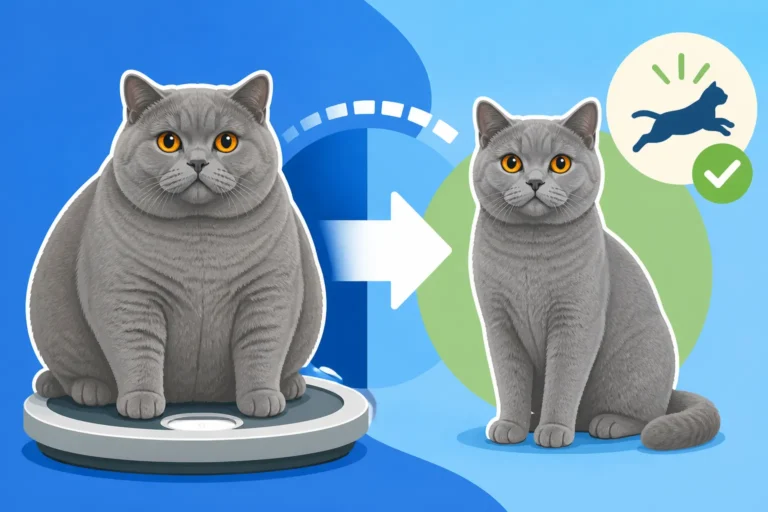
Helping your female British Shorthair achieve and maintain a healthy weight isn't a quick fix; it's a marathon, not a sprint. It requires patience, consistency, and a deep understanding of her individual needs. But the rewards – a happier, healthier cat with a potentially longer lifespan – are immeasurable.
Consistency is Key
In the world of cat weight management, consistency is truly the unsung hero. It's about establishing a routine and sticking to it, day in and day out. This means consistent meal times, consistent portion sizes, and consistent attempts at engaging her in play. Cats are creatures of habit, and they thrive on predictability. If your feeding routine is erratic, or if you sometimes give in to extra treats, it can undermine all your hard work.
Think about it from her perspective: if she gets an extra snack one day, she'll likely expect it again. Being firm but loving with her diet isn't mean; it's caring. Consider using an automatic feeder if your schedule is unpredictable, as these can deliver precise portions at set times, removing the temptation for you to overfeed and creating a reliable routine for your cat. This dedication ensures that her body has a stable intake of nutrients and calories, allowing her metabolism to adjust and function optimally for weight management.
Celebrating Small Victories
The path to a healthy weight can feel slow, especially with a breed like the British Shorthair where visual changes might take time due to their dense coats. It's easy to get discouraged if the scale doesn't move as fast as you'd like. This is why it's so important to celebrate the small victories along the way.
Did you manage to get an extra five minutes of playtime out of her today? Fantastic! Did you notice her waistline seems just a tiny bit more defined when you do her BCS? That's progress! Is she showing slightly more energy, even if it's just for a moment? These are all positive signs that your efforts are paying off. Focus on these incremental improvements rather than fixating solely on the end goal. These little celebrations not only keep you motivated but also acknowledge the positive changes in your cat's well-being. It's a testament to your dedication and her increasing comfort and health.
The Benefits of a Healthy Weight
Ultimately, all this effort is about providing your beloved female British Shorthair with the best possible quality of life. Maintaining a healthy weight significantly reduces her risk of developing a whole host of serious health problems. An overweight cat is at a much higher risk for:
- Diabetes Mellitus: Obesity is the leading risk factor for feline diabetes.
- Arthritis and Joint Pain: Carrying extra weight puts immense strain on her joints, leading to or exacerbating arthritis, especially as she ages. What Obesity Does to a British Shorthair's Joints is a stark reminder.
- Urinary Tract Issues: Overweight cats may be more prone to certain urinary problems.
- Cardiovascular Disease: Excess weight can strain the heart.
- Reduced Mobility and Grooming Difficulties: An overweight cat will find it harder to jump, play, and even groom herself effectively, leading to skin and coat issues. Why an Overweight British Shorthair Cannot Groom Its Back is a common symptom.
- Decreased Lifespan: Simply put, obesity shortens a cat's life. How Much Obesity Shortens a British Shorthair's Life underscores the severity.
By ensuring your female British Shorthair stays within her ideal weight range, you're not just preventing these issues; you're actively contributing to her overall comfort, happiness, and vitality. She'll be more mobile, more playful (even for a BSH!), and generally more comfortable. You are investing in more years of purrs, head boops, and those lovely, quiet moments of companionship that British Shorthairs are so cherished for. It truly is one of the most important aspects of Caring for an Old British Shorthair and her entire life.
Disclaimer
This article is for general informational purposes only and does not constitute professional advice. Laws, prices and regulations vary by location and change over time. Consult a qualified professional for guidance on your specific situation.