What a British Shorthair Should Weigh at One Year
It’s a common worry for British Shorthair owners, especially as their beloved kitten transitions into young adulthood: "Is my British Shorthair growing correctly? What should they weigh at one year old?" Many of us picture the quintessential chunky, round-faced British Shorthair, and it's easy to wonder if our own furball is on the right track or if we're doing something wrong. This guide aims to clear up the confusion, helping you understand the natural development of your British Shorthair and how to assess their healthy weight as they approach their first birthday.
Understanding British Shorthair Growth and Development
The British Shorthair is a truly magnificent breed, known for its distinctive cobby body, dense coat, and those wonderfully expressive round faces. But unlike some breeds that hit their adult size fairly quickly, British Shorthairs take their sweet time. This extended growth period can make it tricky to gauge their weight accurately at what might be considered "adulthood" for other cats.
The British Shorthair's Unique Growth Pattern
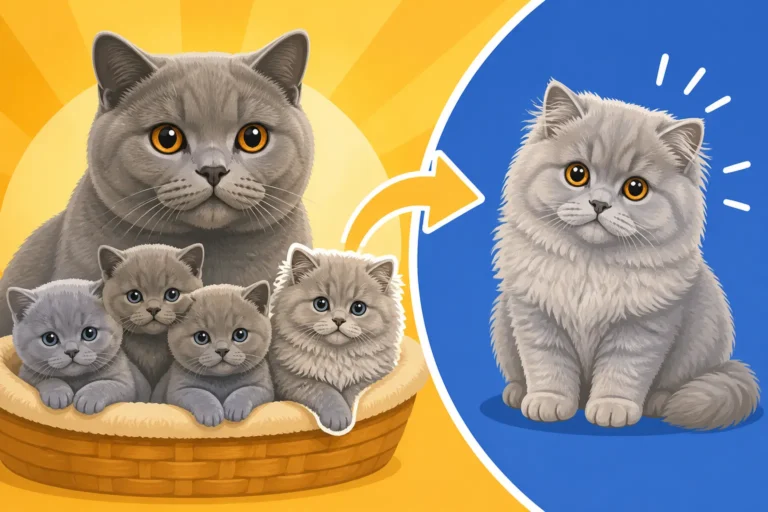
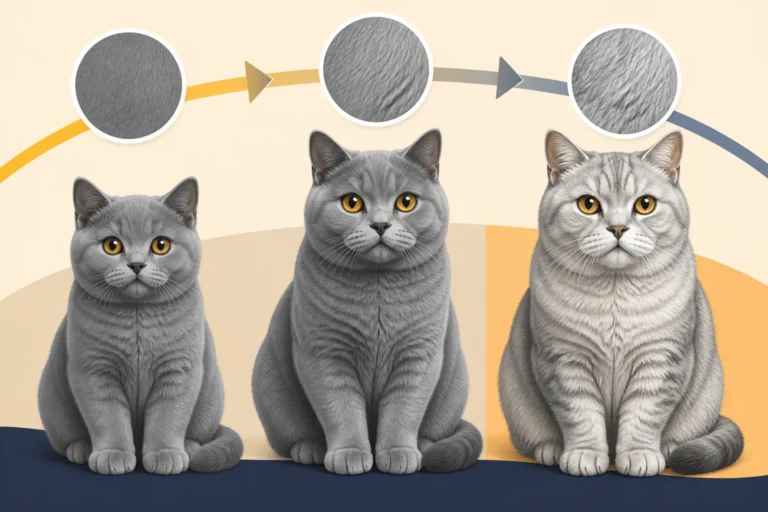
When you bring home a British Shorthair kitten, you're not just getting a cat; you're getting a work in progress! These cats develop slowly, maturing both physically and mentally over several years. While many cat breeds reach their full height and most of their weight by 12-18 months, a British Shorthair is still very much filling out. Their bones might have reached their maximum length, but their muscle mass and that characteristic "chunkiness" are still under construction. Think of it like a human teenager – they might be tall, but they still have a lot of filling out to do before they reach their adult physique. This gradual development is part of their charm, but it also means that a one-year-old British Shorthair often looks quite different from a fully mature three or four-year-old.
You'll notice that they continue to gain muscle and deepen through the chest. That famous round face, with those adorable full cheeks and jowls (especially in males), takes time to develop. So, while your British Shorthair might seem large at one year, they’re still building towards their true adult form. It’s a marathon, not a sprint, with these lovely cats. Don't be surprised if they continue to surprise you with their growth for another year or two, as you'll see discussed in When a British Shorthair Reaches Full Size.
Why One Year Isn't Necessarily Adult Weight
Because of their slower maturation, a one-year-old British Shorthair is typically not at their final adult weight. They are no longer a tiny kitten, but they haven't yet reached the peak of their breed-standard density and musculature. Many owners are surprised to learn that their British Shorthair will continue to fill out and gain weight, albeit at a slower pace, until they are around three to five years old. This means that a weight you see at one year old is just a checkpoint, a snapshot of their journey to full maturity.
Expecting them to be at their absolute heaviest at this point can lead to either overfeeding them to try and reach an arbitrary number, or unnecessary worry if they seem "smaller" than expected. It's crucial to remember that a one-year mark is simply a transition point. They are past the rapid growth phase of kittenhood but still have a significant amount of development ahead. Their weight at this stage is more about a healthy trajectory than a final destination.
Factors Influencing Weight at One Year
Several elements play a significant role in determining your British Shorthair's weight at one year. It's never just a single factor, but rather a combination of genetics, diet, activity, and whether they've been spayed or neutered.
Firstly, genetics are huge. Just like people, cats have genetic predispositions for size and build. A British Shorthair kitten from a line of smaller, more delicate cats might naturally be a bit lighter at one year than one from a line of exceptionally large, cobby parents. The breeder should be able to give you an idea of the parents' and grandparents' sizes, which can offer some insight into your kitten's potential adult size.
Secondly, diet and feeding practices are paramount. A kitten fed a high-quality, balanced diet will develop differently than one fed a substandard diet. Free-feeding, where food is always available, can lead to overconsumption even at a young age, potentially setting them up for obesity later on. We’ll delve more into this later, but for now, understand that controlled portions are key.
Thirdly, activity levels, even for a relatively calm breed like the British Shorthair, make a difference. While they aren't known for being hyperactive, some individuals are more playful and active than others. A cat that engages in more play and movement will likely have a leaner muscle mass than a more sedentary counterpart, even if their weight on the scale is similar.
Finally, and this is a big one, desexing. Spaying or neutering usually happens before one year of age for most kittens. This procedure significantly alters their metabolism and can lead to a tendency to gain weight more easily. Owners often notice that their British Shorthair starts to gain weight quite quickly after being spayed or neutered, and this can definitely impact their weight at the one-year mark. Many British Shorthair owners can attest to Why a Neutered British Shorthair Gains Faster.
What to Expect on the Scale at Twelve Months
So, after all that talk about individual variation and slow growth, you still want a number, right? It's natural! We want benchmarks to know if we're doing things right. While there isn't one single "correct" weight for every British Shorthair at one year, we can certainly give you a general range to help ease your mind.
The General Weight Range for One-Year-Olds
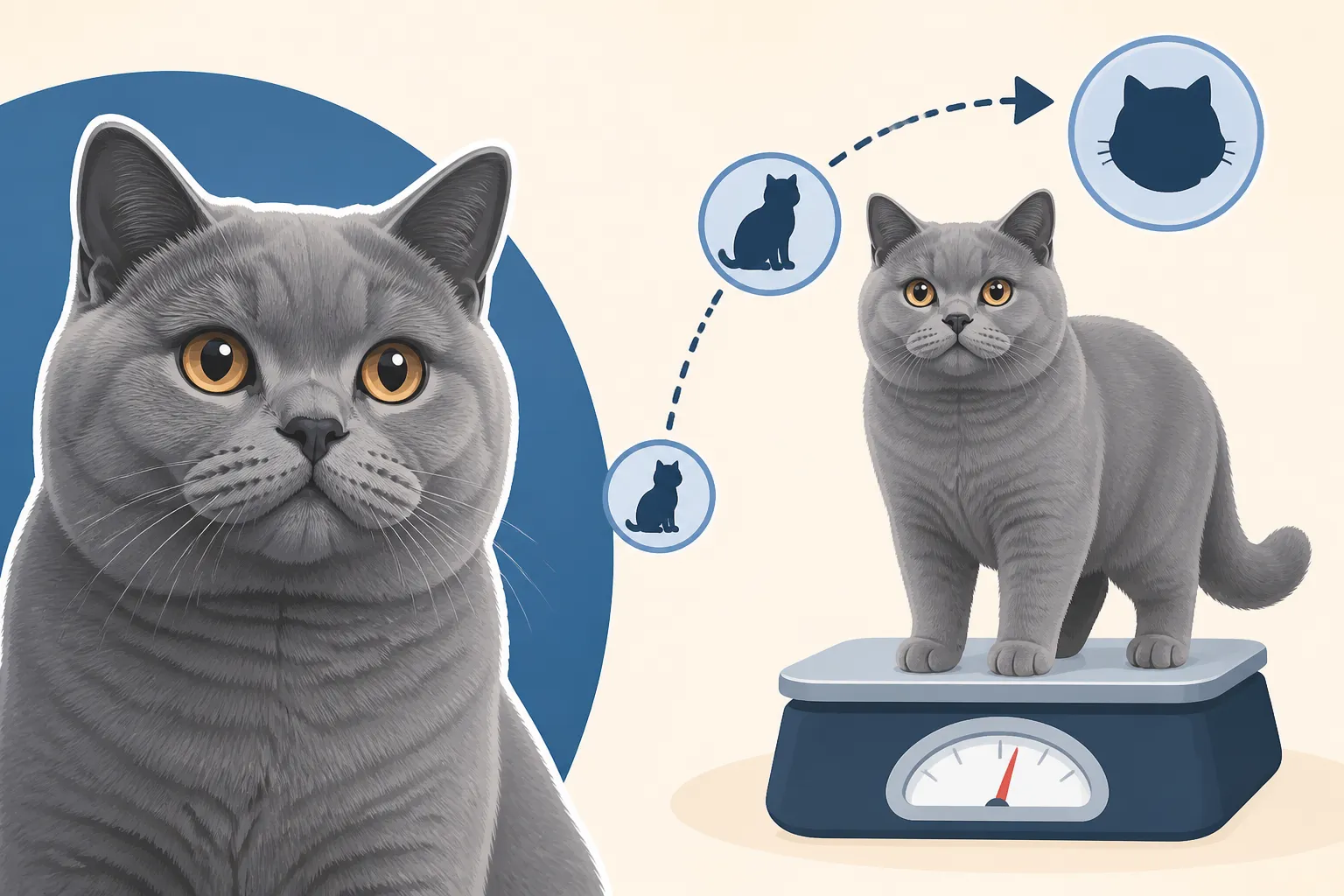
At one year of age, a British Shorthair is still developing, but they should have substantial weight. Typically, you can expect a male British Shorthair to weigh anywhere from 9 to 13 pounds (approximately 4 to 6 kg). Females, being generally smaller, usually fall into a range of 7 to 11 pounds (approximately 3 to 5 kg). These are broad ranges, and as we discussed, genetics and individual growth patterns play a huge part. Some males might even be a little heavier, and some females a little lighter, and still be perfectly healthy. The key isn't hitting an exact number, but rather ensuring they are growing steadily and their overall body condition is good.
It's helpful to remember that they are still very much in their growth phase, and while they might be on the heavier side compared to other cat breeds at this age, it's not their final weight. They will continue to broaden and deepen, adding more muscle and that characteristic British Shorthair density. You might compare their weight now to what they might be at two years old, as discussed in What a British Shorthair Should Weigh at Two Years.
Here's a quick overview of typical ranges:
| Trait | Typical Range at 1 Year | Full Adult Range (approx. 3-5 years) |
|---|---|---|
| Male British Shorthair | 9-13 lbs (4-6 kg) | 12-18 lbs (5.5-8 kg) |
| Female British Shorthair | 7-11 lbs (3-5 kg) | 9-15 lbs (4-7 kg) |
This table helps illustrate that there’s still quite a bit of filling out to do beyond the one-year mark. The numbers are a guide, not a rigid rule.
How to Accurately Weigh Your British Shorthair at Home
Getting an accurate weight measurement for your British Shorthair at home can be a bit of a challenge, especially if they’re not keen on sitting still on a scale. However, it's a valuable practice for monitoring their health. The easiest and most reliable method for home weighing involves using your own bathroom scale.
First, weigh yourself while holding your British Shorthair. Make sure they are calm and securely in your arms. This gives you a combined weight. Then, put your cat down and weigh yourself alone. Subtract your weight from the combined weight, and voila – you have your cat's weight. Repeat this a couple of times to ensure consistency. For really wiggly cats, a pet scale or even a kitchen scale (for smaller kittens or if your cat can fit comfortably) might be an option, but for a one-year-old British Shorthair, the "person plus cat" method is often the most practical.
It’s a good idea to weigh them at the same time of day, perhaps before breakfast, to minimize fluctuations due to food or water intake. Keep a little journal or a note on your phone to track their weight monthly. This allows you to spot trends, rather than fixating on a single number. A gradual increase is usually good, but a sudden drop or a rapid, unchecked gain warrants closer attention. Consistent monitoring, even if it’s just once a month, is a powerful tool for early detection of potential health issues or simply understanding their individual growth curve.
Beyond the Number: Body Condition Scoring
While the number on the scale is a helpful data point, it absolutely does not tell the whole story. For British Shorthairs especially, due to their naturally dense and plush coats, it can be deceiving. A British Shorthair can carry excess weight and still look quite round and "normal" because their coat masks their true body shape. This is why body condition scoring (BCS) is so incredibly important – it helps you assess their body fat and muscle mass. You really want to know How to Tell a Chunky British Shorthair From a Fat One.
Your veterinarian uses a BCS system, often on a 1-5 or 1-9 scale, to evaluate a cat's ideal weight. You can do a simplified version at home. Gently feel along your cat's sides. You should be able to feel their ribs with slight pressure, almost like feeling the back of your hand. If you have to press hard to feel them, or can't feel them at all, they might be overweight. If their ribs are very prominent with no fat covering, they might be underweight.
Next, look at them from above. Do they have a slight waist indentation after their ribs, before their hips? For British Shorthairs, this might be less pronounced than in leaner breeds, but there should still be some indication of a waist, not a straight line from chest to tail. Finally, check their belly. It should tuck up slightly, not sag down. A small "primordial pouch" (the loose skin flap near the hind legs) is normal, but it shouldn't be overly large or filled with fat. Getting a feel for How to Feel a British Shorthair's Ribs Through the Plush is an invaluable skill for any British Shorthair owner. It's a much more accurate indicator of their health than the scale alone, especially given their naturally robust build.
Addressing Weight Concerns in Your One-Year-Old British Shorthair
It's completely normal for concerns about your British Shorthair's weight to crop up around the one-year mark. Maybe they seem too slender, or perhaps they're already looking a little too round. The good news is that at this age, you have a fantastic opportunity to establish healthy patterns that will serve them well for their entire life. Early intervention is always easier than trying to course-correct years down the line.
When Your British Shorthair is Underweight
If your one-year-old British Shorthair feels a bit too bony, or the ribs, spine, and hip bones are easily visible without much palpation, they might be underweight. This isn't common for British Shorthairs who tend to gain weight readily, but it can happen. First, consider if they've been ill recently. Any gastrointestinal upset, dental issues, or other underlying health problems can lead to weight loss. Have they been eating their regular portions? Are they exhibiting any other symptoms like lethargy, vomiting, or diarrhea?
If they seem otherwise healthy and active, evaluate their diet. Are they getting enough calories for their age and activity level? Some kittens, even at one year, are still growing rapidly and might need a bit more food than you initially thought. Make sure you're feeding a high-quality, complete, and balanced cat food. Sometimes, simply increasing their portion slightly or adding a high-calorie wet food as a supplement can help. However, always consult your vet before making significant dietary changes, especially if you suspect an underlying health issue. They can rule out parasites, malabsorption, or other medical causes and guide you on a safe weight gain plan.
When Your British Shorthair is Overweight at One Year
This is a more common scenario for British Shorthair owners, as the breed has a natural propensity to become overweight. You might notice they have less of a waist, their ribs are hard to feel, or their belly seems a bit too full. If this sounds like your cat, don't despair! Catching it at one year is fantastic because it means you can establish better habits early on. The British Shorthair is notoriously calm, which, combined with their love for food, can be a recipe for packing on the pounds.
The first step is to critically evaluate their diet. Are you free-feeding? If so, this is often the biggest culprit. British Shorthairs thrive on portion control. Measure out their food precisely. Look at the calorie content of their food, not just the volume. Many cat foods are dense in calories, and a small serving can still be too much for a less active cat. Consider switching to a weight management formula if your vet recommends it. Remember that even small treats add up, so be mindful of how many extras you're giving. You might also find it helpful to look at How Many Calories a British Shorthair Needs to get a better understanding.
Secondly, increase their activity. We know, British Shorthairs aren't exactly athletes, but even short, engaging play sessions can make a huge difference. Using wand toys, laser pointers (with a physical "catch" at the end!), or even puzzle feeders can encourage movement. Instead of placing their food bowl in one spot, try scattering kibble or placing it in different locations to encourage them to "hunt" for it. This helps with both physical and mental stimulation. Companies like Chewy and Amazon offer a fantastic array of interactive toys and puzzle feeders that can help get your British Shorthair moving. Even a few minutes of play a few times a day can help them burn calories and build muscle.
Partnering with Your Vet for Optimal Weight
Whether your British Shorthair is underweight, overweight, or you're just unsure, your veterinarian is your best partner. Schedule a wellness check-up to discuss your concerns. Your vet can perform a thorough physical exam, accurately assess their body condition score, and rule out any underlying medical conditions that might be affecting their weight. For instance, sometimes a thyroid issue can cause unexpected weight gain or loss, though that's more common in older cats.
Your vet can also provide tailored advice on diet, recommending specific foods (including prescription options) and portion sizes based on your cat's individual needs, age, and activity level. They can help you create a safe and effective weight management plan, emphasizing slow and steady progress, which is crucial for feline health. Rapid weight loss in cats can lead to serious liver problems, so it's always best to have veterinary guidance. Don't hesitate to ask questions about What a British Shorthair's Yearly Bloodwork Should Cover if they recommend diagnostic tests to rule out health issues. Regular communication with your vet ensures your British Shorthair stays on the path to a long, healthy, and happy life.
Establishing Healthy Habits for Lifelong Wellness
The first year of your British Shorthair's life is a foundational period. The habits you establish now, particularly around diet and activity, will largely dictate their health and well-being for years to come. It’s much easier to prevent weight issues from developing than it is to reverse them once they’ve become entrenched. Thinking proactively about their care is one of the best gifts you can give your British Shorthair.
The Importance of Appropriate Feeding Regimes
When it comes to feeding your British Shorthair, consistency and precision are your best friends. These cats have an endearing love for food, and without proper management, they can quickly overindulge. Free-feeding, where a bowl of kibble is always available, is perhaps the biggest pitfall for this breed. While it seems convenient, it encourages grazing and overeating, making it nearly impossible to track exactly how much your cat is consuming. This is why Why Free Feeding Ruins a British Shorthair is such an important topic.
Instead, implement portion-controlled meals. Your vet can help you determine the ideal daily calorie intake for your specific cat, taking into account their current weight, ideal weight, and activity level. Divide this daily amount into two or three meals. This not only controls their intake but also establishes a routine, which many cats appreciate. Consider using a high-quality wet food for at least some of their meals. Wet food has a higher moisture content, which can help your British Shorthair feel fuller on fewer calories and also contributes to better hydration, supporting urinary tract health. Brands available on Chewy or Amazon often list calorie counts, making it easier to manage their intake. If you're using dry food, a slow feeder bowl or a puzzle feeder can help slow down their eating and add a touch of mental enrichment.
Encouraging Activity and Play
It’s no secret that British Shorthairs are not known for their boundless energy. They are often described as calm, placid, and quite content to observe the world from a comfortable spot on the sofa. However, "calm" shouldn't translate to "sedentary." Regular, even if short, bursts of activity are crucial for maintaining a healthy weight, building muscle, and providing mental stimulation. Many owners struggle with Getting a Low Energy British Shorthair to Move.
The trick is to find what motivates your British Shorthair. For some, it might be a feather wand toy that mimics bird-like movements, while others might prefer chasing a laser pointer dot (remember to end laser play with a tangible toy they can "catch" to prevent frustration!). Interactive toys that dispense treats can also be a big hit, encouraging them to work for their reward. Even a simple game of fetch with a crinkly ball can get them moving. Aim for 10-15 minute play sessions, two to three times a day. You don't need to turn them into an Olympic athlete; just enough to get their heart rate up and muscles working. These interactions also strengthen your bond and prevent boredom, which can sometimes lead to stress eating or destructive behaviors.
Regular Monitoring and Adjustments
Maintaining your British Shorthair’s ideal weight is an ongoing process, not a one-time fix. Their needs will change as they fully mature, and especially as they age. What works at one year might need adjustment at three, five, or ten years old. This is why regular monitoring is so critical.
Continue to weigh your cat at home monthly and perform those body condition scores. Pay attention to how their coat feels, their energy levels, and their overall demeanor. Are they moving around comfortably? Are they still keen on their meals, or are they begging incessantly? Any significant changes in weight, appetite, or activity should prompt a call to your veterinarian. As they move past their primary growth phase, their calorie requirements may decrease, and you might need to adjust their food intake to prevent them from becoming overweight. Conversely, if you notice unexplained weight loss in an older British Shorthair, it’s a strong signal that something might be amiss, as explored in Why Weight Loss in an Old British Shorthair Is a Warning. By staying vigilant and working closely with your vet, you can ensure your beloved British Shorthair enjoys a long, healthy, and happy life at their ideal weight.
Disclaimer
This article is for general informational purposes only and does not constitute professional advice. Laws, prices and regulations vary by location and change over time. Consult a qualified professional for guidance on your specific situation.