What an Aging British Shorthair’s Coat Looks Like
One of the most defining characteristics of our beloved British Shorthairs is that gorgeous, dense, plush coat – it's what makes them look like living teddy bears. But as our cherished companions get older, many owners start to notice subtle, and sometimes not-so-subtle, changes in that magnificent fur. This guide will walk you through what to expect from an aging British Shorthair's coat, why these transformations occur, and how you can help keep your senior feline looking and feeling their best.
The Subtle Shift in Coat Texture and Density
As a British Shorthair transitions into its senior years, typically around the age of seven to ten, you'll likely observe some changes in their iconic coat. It's a natural part of the aging process, just like with us humans, but it can still be a little disquieting when you first notice it. That once impossibly dense, crisp, and resilient fur might start to tell a different story.
A Less Plush and Crisp Feel
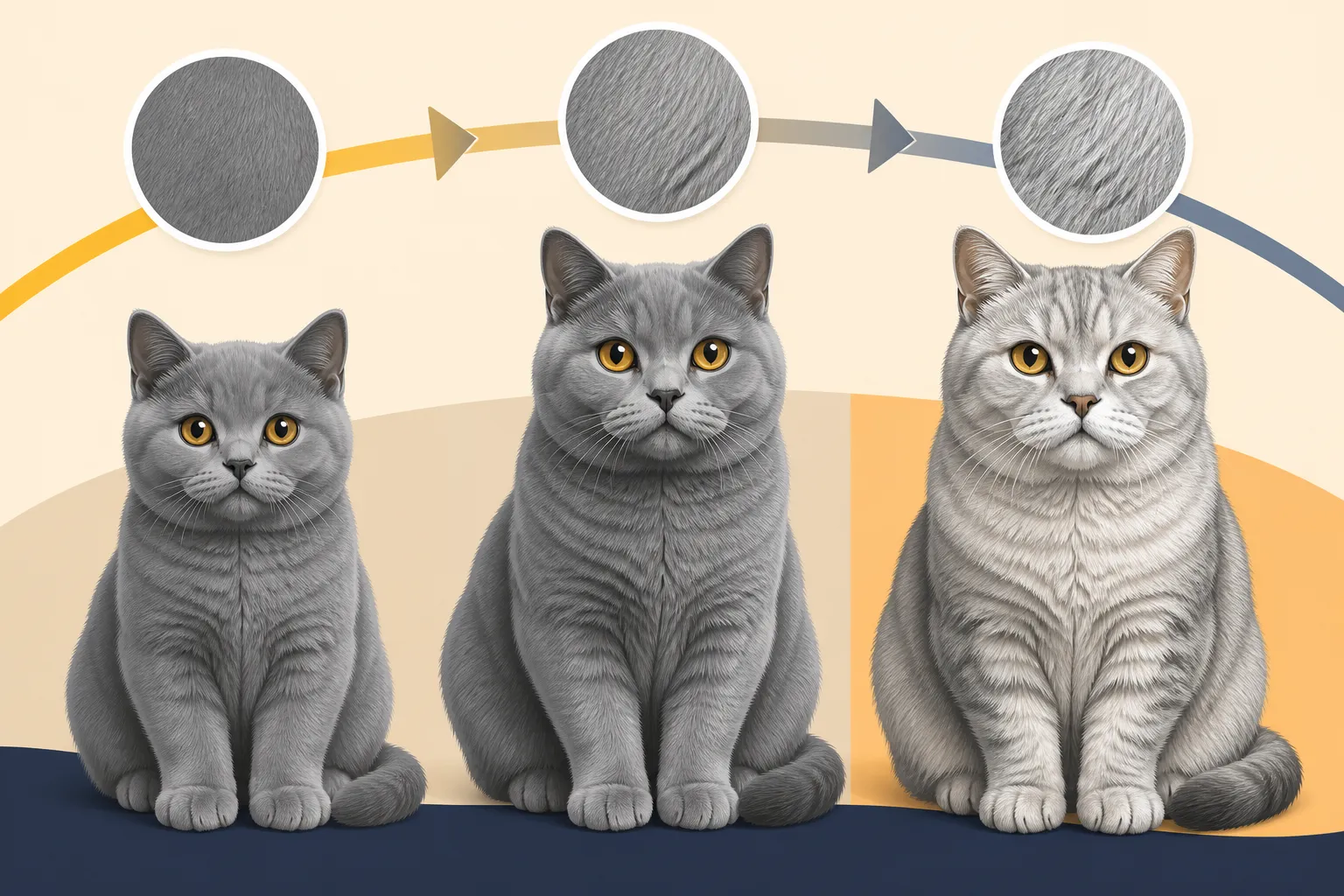
The hallmark of a young British Shorthair's coat is its incredible density and that distinctive "crisp" feel. Run your hand over a young BSH, and it should feel like a firm, plush carpet that springs back immediately. This is due to the unique structure of their double coat, with a thick undercoat and slightly longer, protective guard hairs. However, with age, this crispness can start to diminish. You might find that the coat feels a little softer, perhaps even slightly thinner when you stroke it. It doesn't have quite the same springiness it once did, and it might lie a little flatter against the body. It’s not necessarily a cause for alarm, but rather an indication of natural changes in hair follicle activity over time.
Think of it like an older, beloved wool rug – it still feels soft and warm, but it’s not quite as thick and springy as it was when it was brand new. The individual hairs themselves can become finer, and the growth cycle slows down. This leads to a less robust overall appearance. Many owners report that their senior BSH's coat simply isn't as "full" as it was in their prime. This can be especially noticeable on their flanks and back.
Changes in Coat Color and Sheen
It’s not just the texture that can change; the color and overall sheen of your British Shorthair's coat might also evolve. While blue British Shorthairs are famous for their uniform, rich grey-blue color, and other colors are prized for their depth, you might notice a subtle dulling or even a slight fading of the intensity with age. A deep blue might take on a slightly softer, almost dusty appearance. For cats with tabby patterns or point coloration, the contrast might become less stark.
Additionally, the natural sheen that reflects off a healthy young coat can lessen. A young British Shorthair's coat often has a lovely, subtle gleam, almost like polished velvet. In an older cat, this can be replaced by a duller, more matte finish. This isn't always about cleanliness; often, it's a reflection of reduced natural oil production in the skin and hair follicles, which typically keeps the coat vibrant and lustrous. A lack of regular, thorough self-grooming also plays a big part in this, as they might not be distributing those natural oils as effectively.
Thinning Hair and Patchiness
Perhaps the most visually striking change in an aging British Shorthair's coat can be a noticeable thinning of the fur, and in some cases, patchiness. While the BSH is renowned for its dense coat, older cats can experience hair loss, similar to how humans might thin with age. This might be a general reduction in density all over, making the coat appear sparser, or it could manifest in more specific areas.
Common spots where thinning might be observed include the flanks, the belly, the inner thighs, and sometimes even a slight recession around the temples or ears. Occasionally, you might even see some small, bald spots, particularly if the cat has been scratching or over-grooming due to underlying discomfort. This thinning isn't always uniform and can make the cat look a bit unkempt, even if they're otherwise trying to groom themselves. It’s important to monitor any significant or rapid hair loss, as this can be a sign of an underlying health issue rather than just normal aging.
Common Coat Problems in Senior British Shorthairs
Beyond the general aesthetic changes, older British Shorthairs can become more susceptible to certain coat-related issues that might not have been a problem in their younger years. These often stem from a combination of physiological changes and reduced mobility.
Increased Matting and Tangling
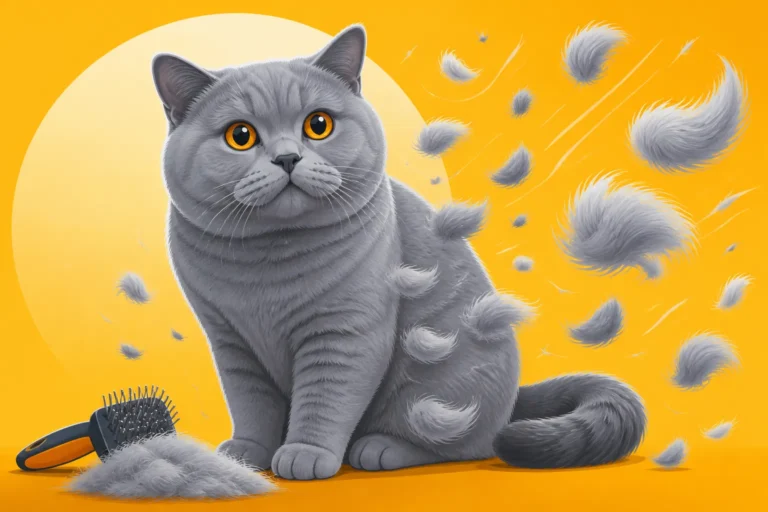
One of the most frustrating and uncomfortable issues for owners of aging British Shorthairs is the increased tendency for their cat's fur to mat and tangle. That super dense undercoat, which was so glorious in youth, can become a real challenge when grooming habits decline. What happens is that the loose, shed hair, instead of being removed by regular licking and combing, gets caught within the remaining fur. This creates knots and tangles that, if left unattended, quickly compact into painful mats.
These mats can pull on the skin, causing irritation, redness, and even open sores. They tend to form in areas where the cat has difficulty reaching, such as their lower back, hindquarters, armpits, and behind the ears. For a British Shorthair, whose coat is naturally very thick, even small mats can quickly become substantial and require professional intervention. It’s a sad reality that as cats get older, their flexibility isn't what it once was, making it harder for them to contort into positions needed for thorough self-grooming. This is why you might suddenly find sticky-out tufts or felted patches that simply weren't there before.
Dullness, Greasiness, or Flakiness
As mentioned, an aging coat can lose its natural sheen, but sometimes it goes beyond simple dullness. You might notice areas of greasiness, particularly along the spine or tail base. This can happen if the cat isn't effectively distributing natural oils, allowing them to accumulate in certain spots. Conversely, some cats might develop dry, flaky skin, visible as dandruff within their coat. This happens when the skin's natural moisture barrier is compromised, or due to a lack of essential fatty acids in their diet.
Both greasiness and flakiness can contribute to discomfort and itchiness, leading to more scratching, which in turn can further damage the coat and skin. These issues are often exacerbated by underlying health conditions. For instance, cats with Hyperthyroidism in an Older British Shorthair might have greasy, unkempt coats despite increased grooming, while those with poor circulation or kidney issues might develop dry, brittle fur. It's a clear sign that something is amiss, whether it's a grooming deficit or an internal health matter.
Uneven Shedding and Hair Loss
While all British Shorthairs shed, older cats might experience uneven shedding patterns or more pronounced hair loss than before. Instead of a general, uniform shedding, you might notice tufts of hair coming out, or more significant thinning in specific areas. This can be particularly true if the cat is experiencing stress, nutritional deficiencies, or certain medical conditions.
For example, a senior British Shorthair struggling with Arthritis in an Older British Shorthair might have difficulty reaching certain parts of their body to groom, leading to neglected areas where hair accumulates and eventually sheds unevenly, or where mats form. Internal parasites, while less common in indoor seniors, can also contribute to a poor coat condition and localized hair loss. Any significant or sudden change in shedding pattern or the development of bald patches warrants a trip to the vet to rule out medical causes.
Why These Coat Changes Occur in Older British Shorthairs
Understanding the root causes behind these coat transformations can help you better care for your senior British Shorthair. It’s a multifaceted issue, often involving a combination of reduced self-care capabilities, shifting nutritional needs, and the emergence of age-related health conditions.
Reduced Self-Grooming Capabilities
This is perhaps the biggest factor in coat changes for senior British Shorthairs. A young, healthy cat is incredibly flexible and fastidious, spending a significant portion of their day meticulously grooming every inch of their body. As they age, however, several things can hinder this essential activity. Joint pain from conditions like arthritis makes it painful to bend, stretch, and contort their bodies to reach their back, hind legs, or tail. What Obesity Does to a British Shorthair's Joints is a major contributing factor here, as extra weight puts immense strain on their frame.
Furthermore, dental issues like Gingivitis in a British Shorthair or missing teeth can make licking and chewing at their fur painful or ineffective. Their energy levels also decline, meaning they might simply not have the stamina for long grooming sessions. The result is areas of neglected fur, leading to matting, dullness, and a general unkempt appearance. It’s not that they don’t care; it’s that they physically struggle to perform a task that was once effortless. This is why you often see an older British Shorthair with a less pristine coat – they are literally unable to reach all the spots they need to.
Age-Related Health Conditions
Many health conditions common in senior cats can manifest through changes in their coat and skin. The coat is often a fantastic barometer for a cat's overall health.
- Kidney Disease: Cats with Signs a British Shorthair's Kidneys Are Failing often have dry, dull, and brittle coats. They may also develop a strong, unpleasant odor from their skin as toxins build up.
- Thyroid Issues (Hyperthyroidism): While less common, an overactive thyroid can sometimes lead to a greasy, matted, or patchy coat, even though the cat may be over-grooming.
- Diabetes: Diabetes in a British Shorthair can cause a dull, unhealthy coat and even skin infections due to impaired immune function.
- Cancer: Certain cancers can lead to significant changes in coat quality, including thinning or unusual textures. Which Cancers a British Shorthair Gets can sometimes present with skin and coat abnormalities.
- Parasites: Even indoor cats can pick up fleas or mites, which can cause intense itching, leading to excessive scratching and secondary skin infections that damage the coat.
Any notable change in coat condition should prompt a visit to the veterinarian. A thorough check-up, including What a British Shorthair's Yearly Bloodwork Should Cover, can help diagnose or rule out these underlying health concerns.
Nutritional Deficiencies
A balanced diet is crucial for a healthy coat at any age, but it becomes even more critical for senior cats. Their digestive systems might not absorb nutrients as efficiently, and their metabolism can change. If a senior British Shorthair's diet isn't providing adequate protein, essential fatty acids (like Omega-3 and Omega-6), and vitamins, their coat will suffer. Proteins are the building blocks of hair, and without enough, hair growth can slow and become brittle. Fatty acids are vital for skin health and a lustrous coat.
Many commercially available senior cat foods are formulated to address these changing nutritional needs. Fresh, balanced meals or specialized senior diets from reputable brands can be beneficial. It's not just about getting enough food, but the right kind of food. A diet lacking in specific nutrients can lead to a dull, dry, flaky, or excessively shedding coat. Weight loss in an older cat, even if they're still eating, can also point to issues with nutrient absorption, which will severely impact coat health. Why Weight Loss in an Old British Shorthair Is a Warning is something every owner needs to pay attention to.
Caring for an Aging British Shorthair's Coat
While some changes are inevitable, there's a lot you can do to support your senior British Shorthair's coat health and keep them comfortable. It often involves adjusting your grooming routine, optimizing their environment, and staying on top of their veterinary care.
Gentle and Regular Grooming Sessions
Since your senior British Shorthair might not be able to groom themselves effectively, you become their primary groomer. This means stepping up your combing routine, but doing so with extra care and patience. Instead of infrequent, long sessions, aim for shorter, more frequent grooming periods – perhaps 5-10 minutes daily.
- Choose the Right Tools: Ditch harsh slicker brushes that can pull at sensitive skin. Opt for a soft-bristled brush or a gentle wide-toothed comb that can navigate their dense fur without causing discomfort. A fine-toothed metal comb is excellent for getting through the undercoat, but use it carefully.
- Focus on Problem Areas: Pay special attention to areas prone to matting: under the chin, behind the ears, armpits, and around the hindquarters. If you find a small mat, try to gently tease it out with your fingers or the tip of a comb. Never pull. If it's too tight, a visit to a professional groomer or vet for careful shaving might be necessary to avoid pain.
- Make it Positive: Grooming should be a positive experience. Offer treats, gentle praise, and short breaks. If your cat resists, don't force it. Try again later. Patience is key. Whether an Aging British Shorthair Needs Combing More is definitely a yes, but it needs to be done gently.
Supporting Skin and Coat Health with Diet and Supplements
Nutrition plays a pivotal role. Ensure your senior British Shorthair is on a high-quality senior formula cat food that provides balanced nutrients, especially digestible proteins and essential fatty acids. Many owners find that adding a small amount of wet food to their diet helps with hydration, which also benefits skin and coat.
- Omega Fatty Acid Supplements: Discuss with your vet whether an Omega-3 fatty acid supplement might be beneficial. These can significantly improve skin hydration and coat luster, and some studies suggest they have anti-inflammatory properties, which could help with underlying arthritis. Products specifically formulated for cats can be found on Chewy or Amazon.
- Probiotics: Sometimes, improved gut health can lead to better nutrient absorption and thus a healthier coat. Your vet might recommend a probiotic supplement if they suspect digestive issues are contributing to poor coat quality.
- Hydration: Encourage water intake with fresh water bowls, a cat drinking fountain, or adding water to wet food. Good hydration is fundamental for skin health.
| Coat Characteristic | Young British Shorthair (Prime) | Aging British Shorthair (Senior) |
|---|---|---|
| Texture | Crisp, dense, springs back | Softer, less resilient, may lie flatter |
| Density | Very thick, full, plush | Thinner overall, less voluminous |
| Sheen | Luminous, healthy shine | Duller, more matte, can be greasy |
| Color | Vibrant, intense | Slightly faded, softer hue |
| Matting | Rare, self-groomed effectively | More prone to tangles and mats |
| Shedding | Consistent, manageable | May be uneven, more noticeable hair loss |
| Skin Condition | Smooth, pliable | May be drier, flakier, or greasy patches |
Regular Veterinary Check-ups
Never underestimate the importance of routine veterinary care, especially for a senior cat. Your vet is your best ally in maintaining your British Shorthair's overall health, which directly impacts their coat.
- Early Detection: Regular check-ups can catch underlying health issues like kidney disease, thyroid problems, or diabetes early, before they severely impact your cat's coat and quality of life. Caring for a British Shorthair Past Ten always involves diligent vet visits.
- Dental Health: Addressing Gingivitis in a British Shorthair or other dental issues can make a huge difference in their ability to groom comfortably.
- Pain Management: If arthritis is impacting their ability to groom, your vet can discuss pain management options that can improve their mobility and, by extension, their self-care.
- Weight Management: Keeping your British Shorthair at a healthy weight is crucial. Obesity Is the British Shorthair's Real Disease and it exacerbates many senior health issues, including their ability to groom. Your vet can help you devise a safe and effective weight management plan.
Remember, seeing changes in your British Shorthair's coat is a normal part of their journey into their golden years. With a little extra attention to grooming, a mindful approach to diet, and consistent veterinary care, you can help them maintain a healthy and comfortable coat for many years to come.
Disclaimer
This article is for general informational purposes only and does not constitute professional advice. Laws, prices and regulations vary by location and change over time. Consult a qualified professional for guidance on your specific situation.