Which Shampoo Suits a British Shorthair
Oh, the quest for the perfect shampoo for your British Shorthair! It’s not just about picking up any bottle from the pet aisle; these wonderful, plushy cats have unique coats and often sensitive skin that demands a little more thought. Many of us have been there, trying a product only to find it leaves their magnificent fur feeling off, or worse, irritates their skin. This guide will walk you through everything you need to know to choose a shampoo that will keep your British Shorthair's coat healthy, gleaming, and comfortable.
The Unique British Shorthair Coat and Why It Matters for Shampoo
Before we even get to the shampoo itself, let's talk about what makes your British Shorthair's coat so special. It's not just "fur"; it's a meticulously crafted insulating layer that needs specific care. Understanding its characteristics is the first step to choosing the right grooming products.
The Dense, Crisp Texture
If you've ever stroked a British Shorthair, you know their coat isn't like that of many other cats. It's incredibly dense and often described as "crisp" or "plush." It feels like a thick, velvety carpet rather than fine, silky strands. This density is a hallmark of the breed, a feature developed over centuries to protect them from the elements. Why a British Shorthair's Coat Is Called Crisp dives into this in more detail.
This unique texture means that dirt, dander, and loose hairs can get deeply embedded, making it harder to clean with just any shampoo. You need something that can penetrate this thick barrier effectively without stripping the natural oils that contribute to that lovely crispness. A shampoo that’s too heavy or leaves too much residue will weigh down the coat, losing that characteristic "stand-off" quality that makes their fur look so majestic.
Think of it like washing a very thick, high-pile rug versus a thin throw blanket. The rug needs a different approach, a product designed to work through its bulk. Your British Shorthair's coat is much the same.
The Double Coat and Shedding
Most British Shorthairs boast a double coat, consisting of a soft, insulating undercoat and slightly coarser guard hairs that form the protective outer layer. This double layer is fantastic for keeping them warm, but it also means serious shedding, especially during seasonal changes. You might have noticed that intense "blowing the coat" period where fur seems to appear everywhere. The Two Weeks a British Shorthair Drops Its Undercoat covers this annual event.
During these heavy shedding times, loose undercoat hairs can become trapped, leading to mats if not properly managed, and contributing to hairballs if ingested during grooming. A good shampoo can actually help release some of this loose fur, making subsequent brushing more effective. However, you need to be cautious; a harsh "deshedding" shampoo can sometimes do more harm than good by stripping the coat of its essential oils, leading to dry skin and an even more challenging grooming situation. The goal is to support the natural shedding process, not force it with aggressive chemicals.
Their coat density also means it can take a long time to dry after a bath, which is a factor to consider both for your comfort and theirs. How Long a British Shorthair Takes to Dry is a whole topic in itself!
Skin Sensitivity Under All That Plush
Beneath that glorious, dense fur, many British Shorthairs can have surprisingly sensitive skin. Like humans, cats can develop allergies or sensitivities to various ingredients found in shampoos, leading to itching, dryness, flakiness, or even hot spots. It’s frustrating when you’re trying to help them, only to find the product you chose causes more problems. Skin Allergies in a British Shorthair can be a real concern for owners.
Because their coat is so thick, it can be hard to spot skin issues until they become quite advanced. You might not see redness or irritation until you're deep into grooming. This makes choosing a gentle, non-irritating shampoo absolutely critical. The last thing you want is to cause discomfort to your already potentially water-averse feline friend, making future baths an even bigger battle. Prioritizing skin health is just as important as coat aesthetics.
Essential Features to Look for in a British Shorthair Shampoo
Now that we understand the intricacies of their coat and skin, let's talk about what specific qualities to seek out in a British Shorthair shampoo. It's about finding that sweet spot between effective cleaning and gentle care.
Hypoallergenic and Gentle Formulas
For British Shorthairs, "hypoallergenic" isn't just a buzzword; it's a practical consideration. These formulas are designed to minimize allergens and irritants, often by omitting common culprits like strong fragrances, dyes, sulfates, and parabens. If your cat has shown any signs of skin irritation in the past, or if you simply want to play it safe, a hypoallergenic shampoo is a wise choice.
A truly gentle formula will clean without stripping the natural oils from your cat's skin and coat. Look for shampoos specifically marketed for "sensitive skin" or "allergy relief" in cats. These are often pH-balanced and contain soothing ingredients. Remember, what feels gentle on human skin can still be too harsh for a cat, whose skin pH is different and far more delicate. Products available on platforms like Amazon or Chewy often list their ingredients clearly, allowing you to scrutinize them before purchase.
Choosing a mild option is especially important if you anticipate needing to bathe your British Shorthair more frequently, perhaps due to medical reasons or if they manage to get into something particularly messy. You want to maintain the health of their skin barrier, not compromise it.
Moisturizing and Skin-Soothing Ingredients
Even without overt allergies, many British Shorthairs benefit from shampoos that offer moisturizing and skin-soothing properties. Their dense coat can sometimes contribute to dryness, and ingredients that hydrate the skin can make a big difference in comfort and coat quality.
Look for key ingredients such as colloidal oatmeal, aloe vera, vitamin E, or various natural oils like coconut or argan oil. Colloidal oatmeal, in particular, is a time-honored ingredient for soothing itchy, dry, or irritated skin in both humans and animals. Aloe vera is another fantastic natural moisturizer and anti-inflammatory. These ingredients help to keep the skin supple and prevent flakiness, which can be an uncomfortable issue for your cat. A well-moisturized skin leads to a healthier, shinier coat, reducing static and improving overall coat texture.
Some shampoos might even include omega fatty acids, which can further support skin health from the outside in. Just be sure these ingredients are naturally derived and not synthetic fragrances disguised as beneficial components.
pH-Balanced for Feline Skin
This is a critical, yet often overlooked, factor. Human skin has a different pH level than feline skin. Our shampoos are formulated to match human skin pH, which is typically more acidic. Cat skin, on the other hand, is closer to neutral. Using a human shampoo on your cat can disrupt their skin's natural pH balance, leading to dryness, irritation, and creating an environment where bacteria or fungi can thrive.
Always choose a shampoo specifically labeled for cats, as these are formulated with the appropriate pH level to maintain your British Shorthair's skin integrity. This ensures that the shampoo cleans effectively without causing undue stress to their delicate skin barrier. Many reputable pet brands will highlight this feature on their packaging. Don't fall for the trap of thinking a gentle human baby shampoo is okay – it's not designed for a cat's unique physiology.
Maintaining the correct pH balance helps to preserve the natural protective layer of your cat's skin, which is their first line of defense against environmental irritants and pathogens. It's a small detail that makes a big difference in their long-term skin and coat health.
Recommended Shampoo Types and Brands for British Shorthairs
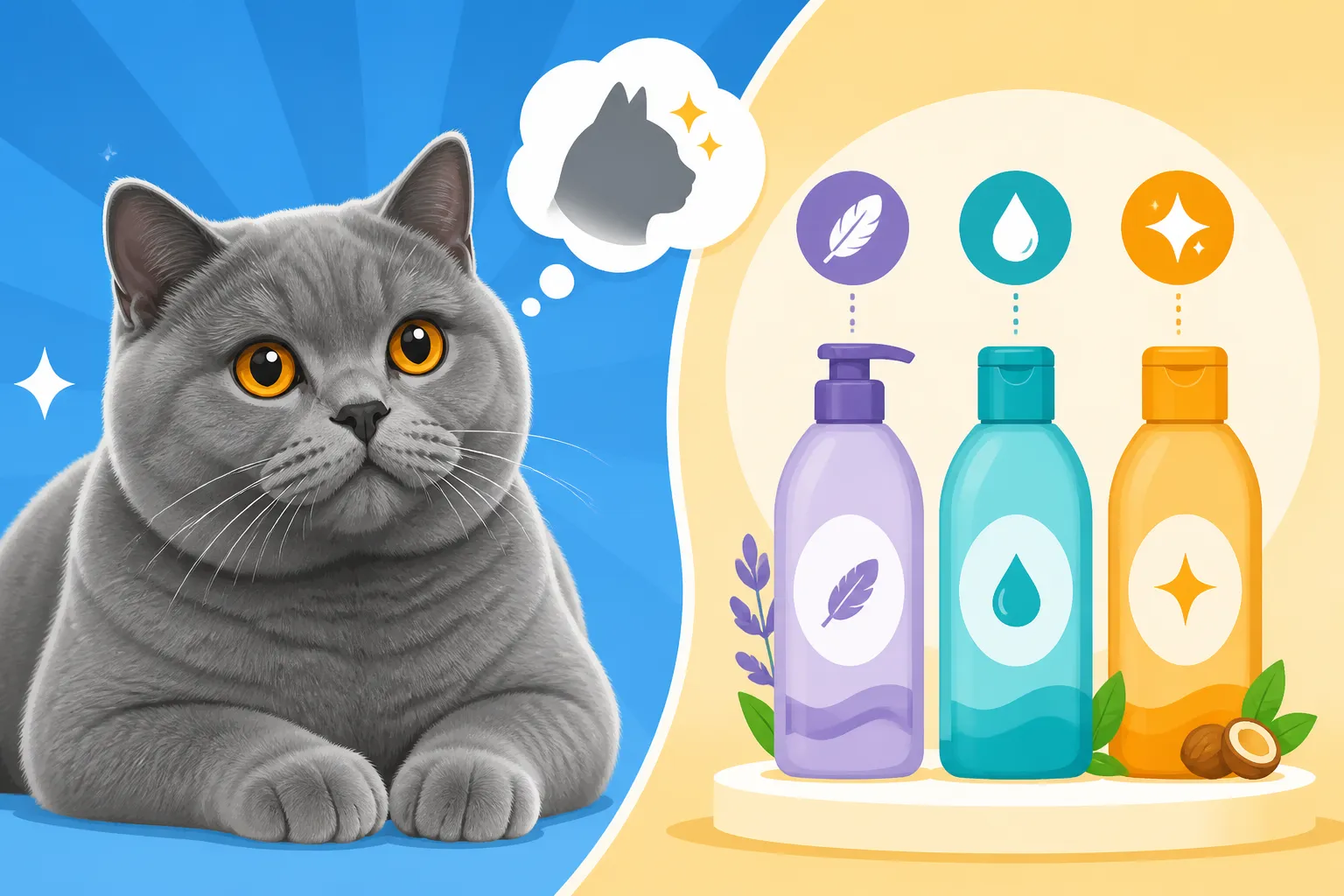
With so many options out there, it can feel overwhelming to pick the right one. Let's break down some common types of shampoos that are generally well-suited for a British Shorthair's distinct needs.
Oatmeal Shampoos for Hydration
As mentioned, oatmeal is a hero ingredient for sensitive skin. Oatmeal-based shampoos are fantastic for British Shorthairs because they gently cleanse while simultaneously soothing and moisturizing the skin. This helps combat any potential dryness under that thick coat and can relieve minor itching or irritation. They are typically very mild, making them a safe choice for regular use, especially if your cat has a history of sensitivity.
Brands like Earthbath, Burt's Bees for Cats, and Zymox often offer excellent oatmeal formulations that are well-regarded by cat owners. You can easily find these on online pet supply stores like Chewy or Amazon. When selecting an oatmeal shampoo, try to find one with as few added fragrances or dyes as possible, even if they claim to be "natural." The simpler the ingredient list, the better for sensitive British Shorthair skin. These shampoos work wonders in maintaining the softness and integrity of the fur, preventing it from becoming brittle or dry.
Deshedding Shampoos (with caveats)
During those heavy shedding seasons, you might be tempted by a "deshedding" shampoo. These products are designed to help loosen and release excess undercoat, which can be beneficial for a British Shorthair. However, they come with a significant caveat: some formulations can be quite strong.
If you opt for a deshedding shampoo, choose one specifically made for cats and look for a gentle, moisturizing formula. Brands like Furminator do offer cat-specific deshedding shampoos, but always read reviews and consider your cat's individual skin sensitivity. These shampoos can be effective in reducing the amount of loose hair in your home and potentially minimizing hairballs, but they should generally not be used for every single bath unless explicitly recommended by your vet. Overuse of potent deshedding formulas can dry out the skin and damage the coat. Pair a deshedding shampoo with a good conditioning treatment afterwards to restore moisture. For shedding prevention, remember that diet also plays a huge role, and quality nutrition can indirectly support a healthier coat.
A targeted deshedding regimen is usually best when done seasonally, rather than year-round, to avoid stripping the coat too often. Always follow the instructions carefully and watch for any signs of skin irritation.
Waterless Shampoos for Quick Freshen-Ups
Let's face it, not every British Shorthair enjoys bath time. How a British Shorthair Reacts to Water can range from mild annoyance to outright panic! For those cats who vehemently oppose water, or for quick clean-ups between full baths, waterless shampoos or dry foams can be a lifesaver. These products are applied directly to the fur, massaged in, and then brushed out, requiring no rinsing.
They are excellent for spot cleaning, deodorizing, or simply freshening up your cat's coat without the stress of a full bath. While they won't provide the deep clean of a traditional shampoo, they are invaluable for maintaining hygiene and comfort. Look for formulas that are alcohol-free and fragrance-free to prevent skin irritation. Brands like Espree, TropiClean, and Burt's Bees also offer good waterless options for cats.
Waterless shampoos are a great way to keep your British Shorthair looking and smelling fresh, especially if they are primarily indoor cats and don't get excessively dirty. They are also gentle enough for older cats who might find the stress of a full bath too much, or for simply managing What Changes in an Aging British Shorthair's Coat. Just remember that these are supplementary products and don't completely replace the occasional full bath for deep cleaning when necessary.
Shampoos to Steer Clear Of for Your British Shorthair
Just as important as knowing what to look for, is knowing what to avoid. Some shampoo types and ingredients are simply not suitable for your British Shorthair and can cause more harm than good.
Human Shampoos and Harsh Chemicals
This is probably the most common mistake new cat owners make: using human shampoo on their feline friends. As we discussed, human shampoos are formulated for a different skin pH and often contain ingredients that are too harsh for a cat's delicate skin. Sulfates, for example, are common foaming agents in human shampoos but can be very drying and irritating to cats. Strong synthetic fragrances, dyes, and preservatives are also frequent culprits of skin allergies and irritation in pets.
Even if a human shampoo claims to be "natural" or "gentle," it doesn't mean it's suitable for your cat. Stick to products specifically designed and labeled for cats. Their physiological differences mean that what's fine for us can be quite detrimental to them. Using human shampoos can strip their coat of essential oils, leading to dry, flaky skin, dull fur, and discomfort. In the long run, this can even compromise their skin's barrier function, making them more susceptible to skin issues.
Always check the label carefully, and if you're unsure, err on the side of caution and opt for a dedicated cat shampoo from a reputable pet brand found on sites like Chewy or your local pet store.
Overly Perfumed or Dye-Laden Products
While a pleasant scent might appeal to us, strong perfumes and artificial dyes in pet shampoos are generally a big no-no for British Shorthairs. Cats have a much more sensitive sense of smell than humans, and an overpowering fragrance can be highly irritating to their respiratory system and skin. Many fragrances are also made from a cocktail of chemicals that can trigger allergic reactions.
Artificial dyes serve no beneficial purpose for your cat's coat or skin health and are simply there for human aesthetic appeal. Like strong fragrances, they are unnecessary chemicals that increase the risk of irritation or allergic reactions. Your British Shorthair's natural coat color is beautiful as it is, and there's no need to enhance it with artificial colorants.
Opt for fragrance-free or naturally scented shampoos (e.g., subtle essential oils if your cat tolerates them, though even these can be a risk for some). If a shampoo has a strong, artificial smell, it's best to put it back on the shelf. The goal is a clean, healthy cat, not one that smells like a floral bouquet.
Shampoos Not Specifically Formulated for Cats
This might seem obvious, but it bears repeating: only use shampoos explicitly formulated for cats. Shampoos made for dogs, for instance, might also have a different pH balance or contain ingredients that are safe for canines but toxic or irritating to felines. Some dog shampoos contain permethrin or pyrethrin-based flea treatments, which are highly toxic to cats. This is a crucial safety concern.
Even within cat shampoos, be discerning. Products promising miraculous results or extremely low prices from unknown brands might cut corners on ingredient quality or safety. It's always better to invest a little more in a reputable brand that prioritizes feline health. Read labels carefully, and if you see any ingredients you're unsure about, do a quick search or consult your veterinarian. When buying online, places like Chewy and Amazon provide customer reviews which can offer insights into how other cat owners have found a product.
Ultimately, your British Shorthair's health and comfort should be the top priority. Sticking to cat-specific, gentle, and well-formulated shampoos is the best way to ensure a positive bathing experience and a beautiful, healthy coat.
Bathing Your British Shorthair: Beyond Just the Shampoo
Choosing the right shampoo is a huge step, but the bathing process itself also requires a little finesse, especially with a cat as particular as a British Shorthair. It's often not their favorite activity, but with preparation and patience, it can be less stressful for everyone involved. How Often a British Shorthair Needs a Bath is a rare event for most!
Preparing for a Stress-Free Bath
Preparation is key to minimizing stress during bath time. First, gather everything you'll need before you start: your chosen cat-specific shampoo, a gentle conditioner (optional but recommended for their dense coat), several towels (including one warm one for immediately after), a non-slip mat for the tub or sink, a small cup for rinsing, and perhaps some cotton balls for their ears. Consider wearing long sleeves to protect yourself from any stray claws, even from the most placid feline.
Brush your British Shorthair thoroughly before the bath. This helps to remove any loose fur and small mats, which will make the shampooing process much more effective and prevent matting from worsening when wet. How Often a British Shorthair Needs Combing should be fairly regular, not just before a bath. Having everything within arm's reach means you won't have to leave your cat unattended, even for a second, which can prevent escapes or further anxiety. Some owners even put a piece of tape over the drain to prevent claws getting caught.
A calm environment is also essential. Close the bathroom door, speak in soft tones, and avoid any sudden movements or loud noises. Some cats respond well to Feliway diffusers placed in the bathroom an hour before the bath, which can help create a more soothing atmosphere.
The Actual Bathing Process
Alright, deep breaths! The actual bathing process for a British Shorthair involves gentleness and efficiency. Start by using lukewarm water – never hot or cold – and only fill the tub or sink a few inches deep. Slowly and gently wet your cat, avoiding their face, ears, and eyes. Use a cup to pour water over their back and sides. Some cats tolerate a detachable shower sprayer on a very low setting, but usually, a cup is less startling.
Apply a small amount of your chosen shampoo, starting from the neck and working your way down their back and sides. Lather gently, massaging the shampoo into their dense coat, ensuring it penetrates all the way to the skin. Pay special attention to areas that tend to get dirtier, like their belly or hindquarters. Be mindful not to get shampoo in their eyes or ears. For their face, a damp washcloth with just water is usually sufficient. Remember, Whether a British Shorthair Needs a Bath often depends on how dirty they've truly gotten.
Rinse thoroughly, and this is crucial for a British Shorthair's dense coat. Any leftover shampoo residue can irritate their skin and make their fur feel greasy or look dull. Keep rinsing until the water runs clear and you can no longer feel any slipperiness on their fur. This might take longer than you expect, so be patient.
Post-Bath Care and Drying
Once your British Shorthair is thoroughly rinsed, gently lift them out of the water and immediately wrap them in a warm, absorbent towel. Blot, don't rub, to absorb as much water as possible. British Shorthairs have very dense coats, and they can get quite cold if not dried quickly. You might need several towels.
Many British Shorthairs will tolerate a hairdryer on the lowest, cool setting, held at a safe distance. If you use one, ensure the air is not hot and keep it moving to avoid overheating any one spot. The goal is to get them mostly dry to prevent chills and also to reduce the likelihood of matting as their fur dries. If your cat absolutely refuses the hairdryer, continue to towel dry and allow them to finish air-drying in a warm, draft-free room. You can give them a treat or a favorite toy as a reward for their cooperation.
After they are mostly dry, a final gentle comb-through can help fluff up their magnificent coat and ensure no tangles form. Their fur will often puff out beautifully once dry. Remember to praise them lavishly throughout the process, even if they're not thrilled. A positive association, however small, can make future baths a little easier.
| Shampoo Type | Key Benefit for British Shorthair | Considerations | Ideal Usage |
|---|---|---|---|
| Oatmeal-Based | Soothes sensitive skin, moisturizes, gentle cleansing. | Opt for fragrance/dye-free versions. | Regular maintenance, sensitive skin. |
| Deshedding | Helps release loose undercoat, reduces shedding. | Can be strong; use gentle, moisturizing formulas sparingly. | Seasonal use during heavy shedding periods. |
| Hypoallergenic | Minimizes irritants (fragrances, dyes, sulfates). | Essential for cats with known allergies or sensitivities. | Any British Shorthair, especially with skin issues. |
| Waterless/Foam | Quick clean-ups, deodorizing, no rinsing required. | Not a substitute for deep cleaning; alcohol-free is best. | Between full baths, reluctant bathers, spot cleaning. |
| Conditioner (Post-Shampoo) | Adds moisture, detangles, enhances coat shine. | Always cat-specific; rinse thoroughly. | After any traditional shampoo bath for coat health. |
Disclaimer
This article is for general informational purposes only and does not constitute professional advice. Laws, prices and regulations vary by location and change over time. Consult a qualified professional for guidance on your specific situation.