When a British Shorthair Needs a Sanitary Trim
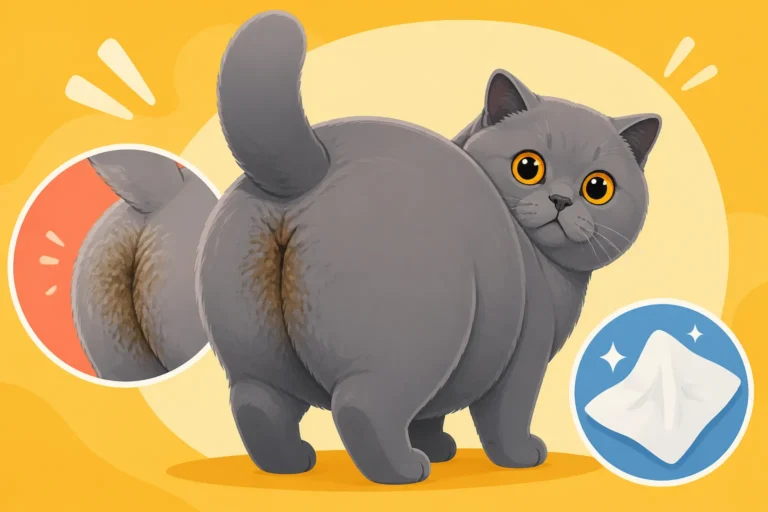
It's an unpleasant reality that many British Shorthair owners eventually face: discovering that their usually pristine cat has some… debris clinging to their backside. This isn't just a gross inconvenience; it's a sign that your British Shorthair might need a sanitary trim. This guide will walk you through why this happens, how to safely perform the trim, and most importantly, how to minimize the chances of it becoming a regular chore for both you and your beloved feline friend.
Understanding the Need for a British Shorthair Sanitary Trim
The British Shorthair, with its famously dense, plush coat, is generally a fastidious groomer. However, there are several reasons why they might struggle to keep their rear end clean, leading to the need for a sanitary trim. It's rarely a sign of laziness on their part, but rather an indication of an underlying issue that makes self-grooming difficult.
When Mobility Issues Arise
As British Shorthairs age, just like us, they can start to experience stiffness and reduced flexibility. What was once an easy stretch to reach their backside can become a painful contortion. Arthritis, a common ailment in older cats, especially in their hips and spine, makes these movements uncomfortable, if not impossible. Imagine trying to perform complex yoga poses when your joints ache; that's essentially what your senior British Shorthair might be feeling. Even without full-blown arthritis, a general decrease in agility and an increase in body mass can limit their reach.
A British Shorthair might begin to struggle around their senior years, which can start as early as ten years old. You might notice them favoring certain positions when lying down, being less enthusiastic about jumping, or just generally moving a bit slower. These subtle signs often precede the more obvious issue of a dirty rear. If your cat isn't able to comfortably bend and twist to clean themselves after using the litter box, bits of feces or even urine can become matted into the fur around their anus and genitals. This isn't just unhygienic; it can lead to skin irritation, infections, and discomfort. Caring for an Old British Shorthair discusses other aspects of senior care that can impact grooming.
Dealing with Digestive Upset and Loose Stools
While we all hope for perfectly formed, easy-to-pass stools, the reality is that cats, including British Shorthairs, can experience bouts of digestive upset. Diarrhea or even just very soft stools can be a nightmare for a cat with a dense coat around its backside. These softer, stickier eliminations don't simply drop clean; they cling. When this happens, your cat's attempt to clean themselves might just smear things further into their fur, creating a mess that rapidly hardens and causes a foul odor.
Dietary changes, stress, parasites, or underlying health issues can all contribute to temporary or chronic loose stools. If your cat suddenly develops diarrhea, a sanitary trim might be a temporary necessity to keep them comfortable and clean while you work with your vet to address the root cause of the digestive issue. Even a persistent tendency towards slightly soft stools can necessitate more frequent rear-end checks and trims. Why a British Shorthair Gets Constipated explores another common digestive challenge that can affect their hygiene.
The Impact of an Overweight or Obese British Shorthair
The British Shorthair is famously "cobby" and prone to gaining weight. While their plush coat can often hide the true extent of their girth, an overweight British Shorthair faces significant challenges with self-grooming. Their round, substantial bodies mean that reaching their hindquarters becomes physically impossible. Their belly can get in the way, making it difficult to bend, twist, or even effectively lick the areas that need cleaning.
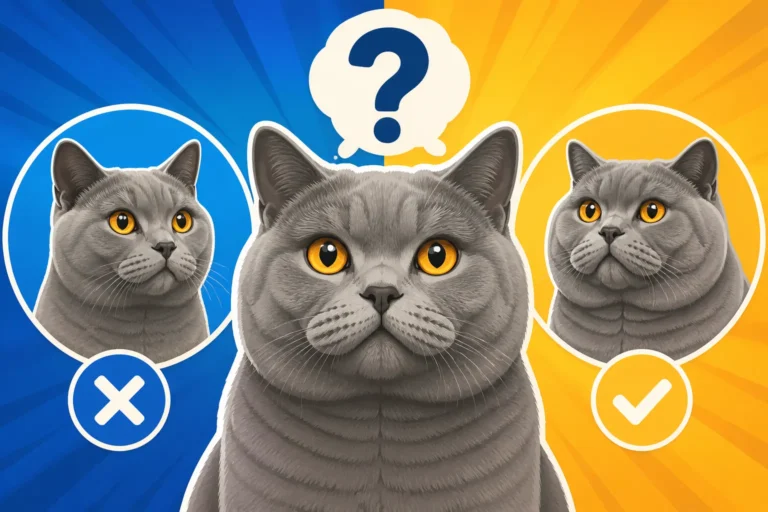
This isn't just about aesthetics; it's a serious health and hygiene issue. Excess weight puts strain on their joints, exacerbates mobility problems, and often means that areas like their lower back, tail base, and rear are neglected during grooming. Mats of fur, dander, and yes, even dried feces, can accumulate, leading to skin irritation, sores, and infections. Owners often struggle to tell if their cat is overweight due to their natural bulk, but How to Tell a Chunky British Shorthair From a Fat One can offer guidance. If you notice your British Shorthair consistently has a dirty rear, despite their best efforts, obesity is a strong contender for the cause. You might also notice Why an Overweight British Shorthair Stops Grooming Its Back, which is a clear indicator of limited mobility due to weight.
The Surprise of the Longer Coat: Dealing with a British Longhair Trait
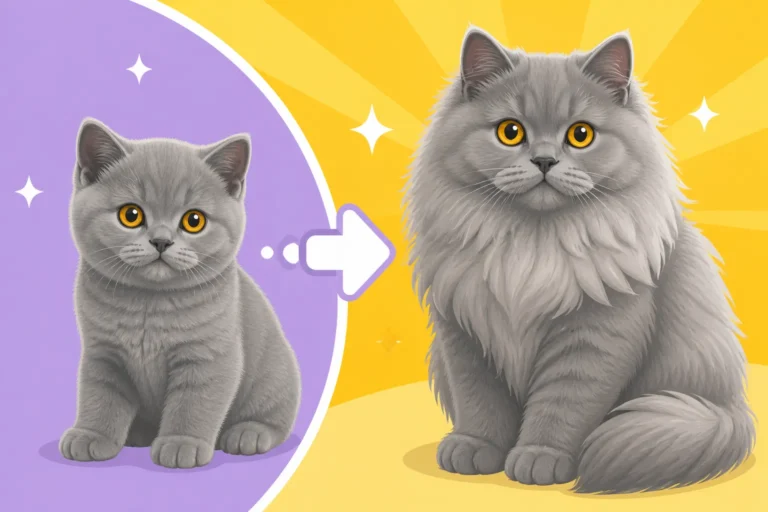
It might surprise some British Shorthair owners, but occasionally, a British Shorthair litter can produce a kitten with a longer coat. This is because the longhair gene can be carried silently through generations in the British Shorthair gene pool, a remnant from their rebuilding after the World Wars when Persians were outcrossed into the breed. These "British Longhairs" or "longhaired British Shorthairs" have a luxurious, flowing coat, particularly around their hindquarters and tail. While beautiful, this longer fur presents a much greater challenge for hygiene.
Even if your British Shorthair appears to be strictly shorthaired, some lines can carry a predisposition for slightly longer or denser fur around the "britches" area, making them more prone to collecting debris than others. If you have a British Shorthair with noticeably longer fur around their back legs and tail, even if not a full longhair, they are simply more susceptible to needing sanitary trims, especially if other factors like age or weight are also at play. This often comes as a surprise to owners who were expecting a strictly short coat, but Whether a Longhaired British Shorthair Exists sheds more light on this genetic quirk.
Preparing for and Performing a Sanitary Trim Safely
Trimming your cat's sensitive areas can be daunting, but with the right preparation and a calm approach, it's a task you can manage at home. The key is safety and making the experience as stress-free as possible for your British Shorthair.
Gathering the Right Tools
Before you even think about starting, gather everything you'll need. Rushing around mid-trim will only add to your cat's anxiety and increase the risk of an accident.
Here's a list of essential tools:
| Tool | Purpose | Notes |
|---|---|---|
| Small, Blunt-Nosed Scissors | Ideal for trimming small sections of fur, especially in delicate areas. The blunt tips reduce the risk of accidental pokes or cuts. | Look for grooming scissors specifically designed for pets, often found at pet supply stores or online retailers like Chewy or Amazon. |
| Electric Trimmers/Clippers (Small, Quiet) | Can be more efficient and safer for larger areas or thicker mats, as they pull less on the fur and avoid direct skin contact if used correctly. Look for models designed for delicate pet grooming, often labeled as "paw trimmers" or "face trimmers." | Opt for a cordless, low-noise model to minimize stress. Brands like Wahl or Andis offer good options. Always use a clean, sharp blade and ensure it doesn't get hot against the skin. |
| Fine-Tooth Metal Comb | To gently part the fur and assess the area, as well as to comb out any loose hairs or small mats before trimming. | A good quality steel comb is essential for any British Shorthair owner, as their dense coat can be prone to matting. Which Comb a British Shorthair Needs has more details. |
| Cornstarch or Styptic Powder | For minor nicks. Accidents happen, and having this on hand will help quickly stop any bleeding. | A small amount of cornstarch can be pressed onto a tiny cut. Styptic powder is more effective for larger nicks. |
| Treats | To reward positive behavior and create a positive association with the grooming process. | High-value treats are key! Think about something your cat absolutely loves. |
| Assistant (Optional but Recommended) | An extra pair of hands can be invaluable for gently holding your cat, providing reassurance, or even distracting them with treats. | If you have someone calm and patient who can help, it makes the process much smoother. |
| Towel/Mat | To provide a non-slip surface and catch loose fur. | A non-slip bath mat or a thick towel on a counter or table can give your cat more stability. |
Creating a Calm Environment
Your British Shorthair thrives on routine and a peaceful atmosphere. A sanitary trim isn't something to spring on them unexpectedly in a chaotic environment. Choose a quiet time of day when your cat is relaxed and you're not rushed. Make sure the room is warm, well-lit, and free from loud noises or distractions.
If your cat is particularly skittish about grooming, start with short, positive sessions. Just holding the clippers near them (even off) and offering treats can help build a positive association. Let them sniff the tools. If they seem comfortable, turn the clippers on briefly while still offering treats. The goal is to make them realize that these tools aren't scary and that grooming can lead to good things (like yummy treats!). This gradual introduction, especially if done regularly from kittenhood, can make all the difference in how your cat tolerates future grooming sessions.
Step-by-Step Trimming Guide
Once you have your tools and a calm cat, you can begin the trim. Remember to prioritize your cat's comfort and safety above all else. If they become too stressed, stop and try again later.
- Positioning: Gently place your British Shorthair on a non-slip surface. If you have an assistant, one person can gently hold the cat, providing reassurance and keeping them steady. You might find it easiest with your cat standing, or if they are very relaxed, lying on their side.
- Part the Fur: Using your fine-tooth metal comb, gently part the fur around the anal area and the back of the hind legs. This helps you clearly see the skin and any matted fur that needs addressing. Be incredibly gentle, as mats can pull on the skin and cause pain.
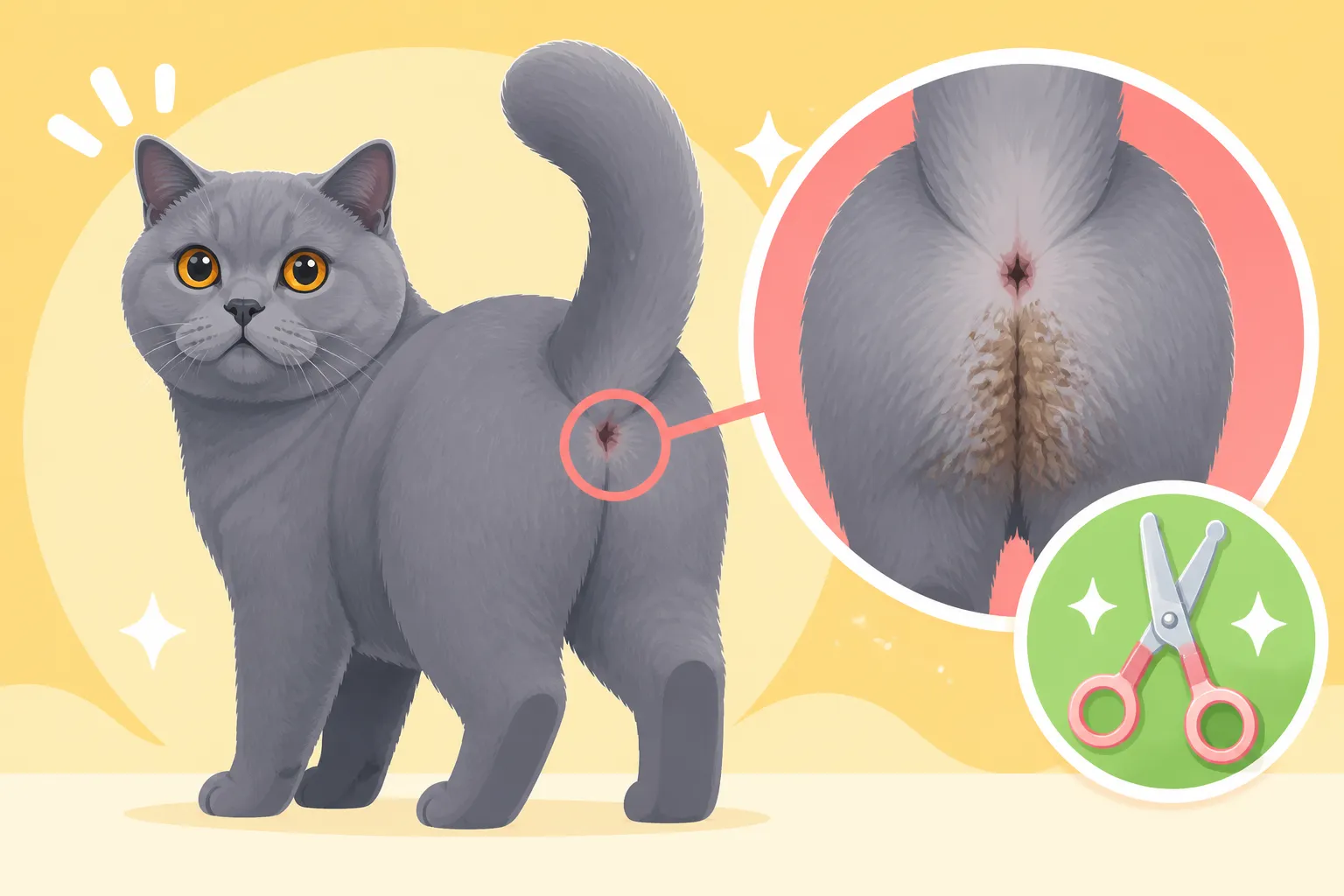
- Identify the "Danger Zone": The goal is to create a small, tidy area free of long fur, usually referred to as the "sanitary area" or "bikini line." This typically involves the fur directly around the anus and extending slightly down the insides of the hind legs and around the genitals. You want to trim enough so that feces and urine cannot cling, but not so much that you expose delicate skin unnecessarily.
- Scissors Technique (for smaller areas/detailed work): If using scissors, always point the blunt tips away from your cat's body. Use only the very tips of the scissors and cut parallel to the skin, never pointing directly at it. This is crucial. Use your fingers to gently hold the skin taut and away from the cutting line. Trim small sections of fur at a time, taking off a little at a time until you achieve the desired length. You want the fur short enough to prevent clinging, but not shaved down to the skin, as this can cause irritation or razor burn.
- Clipper Technique (for larger areas/thicker fur): If using clippers, choose a blade length that leaves a small amount of fur (e.g., 10 or 15 blade, depending on the clipper and desired length). Hold the skin taut with one hand and gently glide the clippers in the direction of hair growth. Avoid pressing down or going against the grain, as this can cause skin irritation. Be extra cautious around skin folds and the anus itself. Always monitor the clipper blade for heat; if it gets warm, stop and let it cool, or switch to a different blade.
- Check for Mats: Pay close attention to any mats that have already formed. Never try to cut directly into a mat with scissors, as the skin can be pulled into the mat and easily cut. Instead, try to carefully separate the mat from the skin with your fingers or a comb, then trim beneath it with blunt-nosed scissors, always keeping the scissors parallel to the skin and using your fingers as a guard between the blade and the skin. For very tight mats, it's safer to use clippers with a short blade, sliding them under the mat, parallel to the skin. If a mat is too tight or extensive, this is a job for a professional groomer or vet.
- Reward and Praise: Throughout the process, offer soft words of praise and small treats. As soon as you're done, give them a bigger reward and plenty of affection. You want them to associate the end of the trim with a positive experience.
- Clean Up: Wipe any loose fur off your cat and the work area. Clean and sterilize your tools.
Preventing the Need for Frequent Sanitary Trims
While a sanitary trim can be a necessary fix, our ultimate goal as British Shorthair owners should be to minimize its frequency by addressing the root causes. Prevention is always better than a cure, and for a British Shorthair, this often comes down to careful management of their diet, weight, and overall grooming routine.
The Role of Diet and Weight Management
The link between diet, weight, and grooming struggles in British Shorthairs is undeniable. A healthy weight is paramount for their overall well-being and their ability to keep themselves clean.
- Portion Control: British Shorthairs are notorious for their love of food and their tendency to become overweight. Portion Control Is the Whole Job With a British Shorthair isn't an exaggeration – it's a fundamental truth for this breed. Free-feeding is almost always a recipe for obesity in a British Shorthair. Instead, measure out their food precisely, twice a day, based on their ideal weight and activity level. Consult your vet for an accurate caloric recommendation.
- High-Quality, Appropriate Food: A diet rich in high-quality animal protein and appropriate for a cat's obligate carnivore needs can promote healthy digestion and better stool consistency. Some cats do better on wet food, which also provides essential hydration, potentially aiding in digestion. Fresh food options can be tailored to your cat's specific dietary needs, and many conventional premium brands also offer weight management formulas.
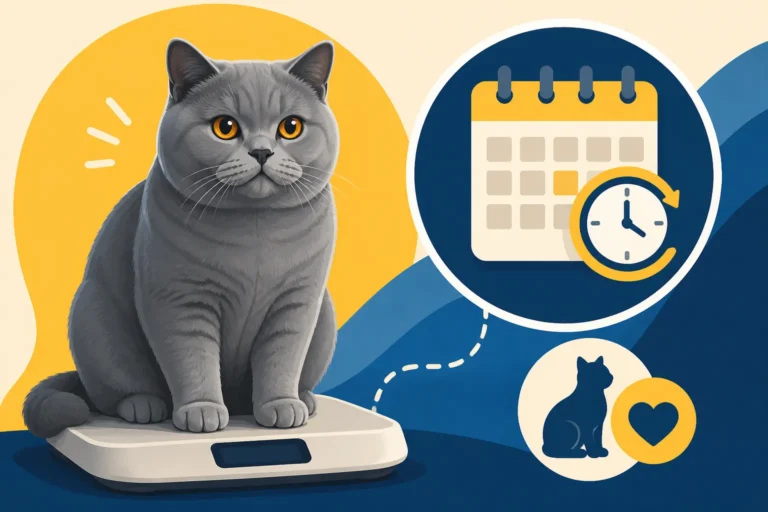
- Weight Loss Program: If your British Shorthair is already overweight, embarking on a controlled weight loss program is crucial. This involves reducing calorie intake (again, under vet guidance!) and increasing activity. How Long a British Shorthair Diet Takes can give you an idea of the commitment involved. Losing even a pound or two can significantly improve their flexibility and ability to groom. Remember, slow and steady weight loss is key to prevent serious health issues like hepatic lipidosis. What a British Shorthair Should Weigh at One Year provides a benchmark for healthy development.
Regular Grooming and Hygiene Checks
Even a perfectly healthy, ideal-weight British Shorthair benefits from regular grooming assistance from you. Their dense coat simply requires it.
- Daily Brushing/Combing: While a sanitary trim focuses on the rear, overall coat health plays a role. Regular combing, ideally daily or at least several times a week, prevents mats from forming anywhere on their body, including around their hindquarters. A good metal comb is essential for penetrating their thick undercoat. How a British Shorthair Takes to Brushing offers tips on making this a pleasant experience. During your combing sessions, always make it a point to inspect their rear end.
- "Spot Checks": After every litter box visit, especially if you notice a particularly messy stool, do a quick visual check of your cat's rear. A quick wipe with a pet-safe grooming wipe or a damp cloth might prevent a minor clinging issue from becoming a hardened mat that requires trimming. Early intervention is key!
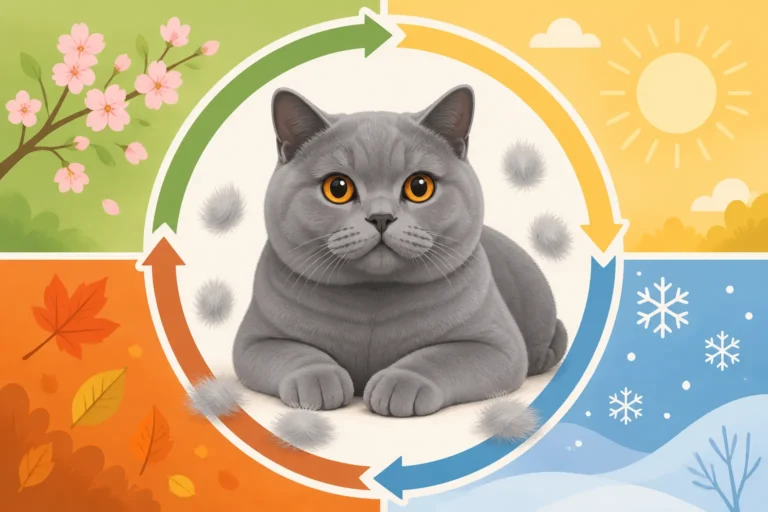
- Addressing Shedding: British Shorthairs have a double coat and can shed quite a bit, especially during seasonal changes. The Two Weeks a British Shorthair Drops Its Undercoat is a particularly intense time. Increased shedding can lead to more fur around the sanitary area, making it easier for waste to get trapped. Regular grooming during these periods is even more critical.
Addressing Underlying Health Issues
Sometimes, the need for a sanitary trim is a symptom of a deeper health problem. It's crucial not to just treat the symptom but to investigate the cause.
- Veterinary Check-ups: Regular vet visits are essential for identifying and managing health issues that contribute to poor grooming. Your vet can diagnose conditions like arthritis, dental problems (which can make grooming painful), inflammatory bowel disease, or other digestive upsets.
- Arthritis Management: If your older British Shorthair is struggling with mobility due to arthritis, your vet might recommend supplements, pain medication, or even physical therapy to improve their comfort and flexibility. Better mobility often means better self-grooming.
- Dental Health: Believe it or not, poor dental health can affect grooming. If your cat has painful teeth or gums (gingivitis is common), they might be reluctant to groom themselves properly, leading to neglect of hard-to-reach areas. Regular dental check-ups and cleanings can alleviate this.
- Hydration: Ensuring your cat drinks enough water is vital for overall health, including digestive regularity. Consider a water fountain, which often encourages cats to drink more by providing fresh, flowing water.
When to Call a Professional Groomer or Veterinarian
While you can often handle minor sanitary trims at home, there are times when it's best to call in the experts. Don't feel like a failure if you need professional help; it means you're prioritizing your cat's well-being and safety.
Signs You Need Expert Help
Knowing your limits is a sign of a responsible pet owner. Here are some situations where you should definitely reach out to a professional:
- Severe Matting: If the fur around your British Shorthair's rear is severely matted, tight against the skin, or extensive, do not attempt to cut it yourself. Trying to cut out large, dense mats at home is incredibly risky. The skin beneath mats can be very thin and easily cut, leading to painful wounds and infections. A professional groomer has specialized tools and experience to safely remove these mats, often using clippers designed to slide under the mat without damaging the skin.
- Aggression or Extreme Stress: If your British Shorthair becomes aggressive, hisses, scratches, or is extremely stressed and fearful during your attempts to trim, stop immediately. Forcing the issue can damage your bond and make future grooming impossible. A professional groomer is accustomed to handling difficult cats and often has techniques (and sometimes, a vet can offer mild sedation if absolutely necessary) to get the job done safely and with less trauma.
- Injury or Infection: If you notice any redness, swelling, open sores, or a foul odor (beyond just fecal matter) around your cat's rear, this could indicate an infection or injury. In such cases, a trip to the veterinarian is essential before any trimming is attempted. The vet can diagnose and treat the underlying issue and advise on how to proceed with grooming. You don't want to inadvertently spread infection or cause further pain.
- Lack of Confidence: If you simply don't feel confident or comfortable using scissors or clippers near such a sensitive area, that's perfectly okay. It's better to admit this and seek help than to accidentally injure your cat.
Benefits of Professional Grooming
Bringing your British Shorthair to a professional groomer or veterinary technician for a sanitary trim offers several advantages:
- Expertise and Equipment: Professionals have specialized training in feline anatomy and behavior, making them adept at handling even reluctant cats. They use high-quality, sharp clippers and other tools that provide a clean, quick, and safe trim. They understand how to hold the skin taut and work quickly to minimize stress.
- Safety First: Their primary concern is your cat's safety. They know how to identify skin issues, avoid nicks, and manage a cat's movements to prevent injury. They are also equipped to handle any unexpected reactions or difficulties.
- Thoroughness: A professional will ensure the trim is not only clean but also effective, removing enough fur to prevent future issues without over-trimming. They can also often give you tips for at-home care and identify other grooming needs that you might have missed.
- Less Stress for You and Your Cat: For cats who find grooming stressful, going to a professional can sometimes be a less anxiety-inducing experience than struggling with their owner. And for you, it removes the stress and worry of performing a delicate task.
Remember, a sanitary trim, whether done at home or by a professional, is a sign of your commitment to your British Shorthair's comfort and health. By understanding why it's needed and how to approach it safely, you can ensure your beloved companion stays clean, happy, and free from discomfort.
Disclaimer
This article is for general informational purposes only and does not constitute professional advice. Laws, prices and regulations vary by location and change over time. Consult a qualified professional for guidance on your specific situation.