How Long a British Shorthair Diet Takes
It's incredibly common for British Shorthair owners to look down at their beloved furball and realize that their once-sturdy cat has become a bit… well, portly. The question quickly shifts from "Is my cat fat?" to "How do I fix this, and how long is it going to take?" This guide is here to walk you through the realistic timeline and commitment involved in helping your British Shorthair shed those extra pounds safely and effectively, transforming what often feels like a daunting task into a manageable journey.
Understanding Why a British Shorthair Diet is a Marathon, Not a Sprint
When you embark on a weight loss journey with your British Shorthair, it's crucial to understand that it's not a quick fix. These wonderful cats have several characteristics that make weight loss a slower, more deliberate process compared to some other breeds. Think of it as a carefully planned expedition rather than a dash to the finish line.
Their Natural Predisposition to Weight Gain
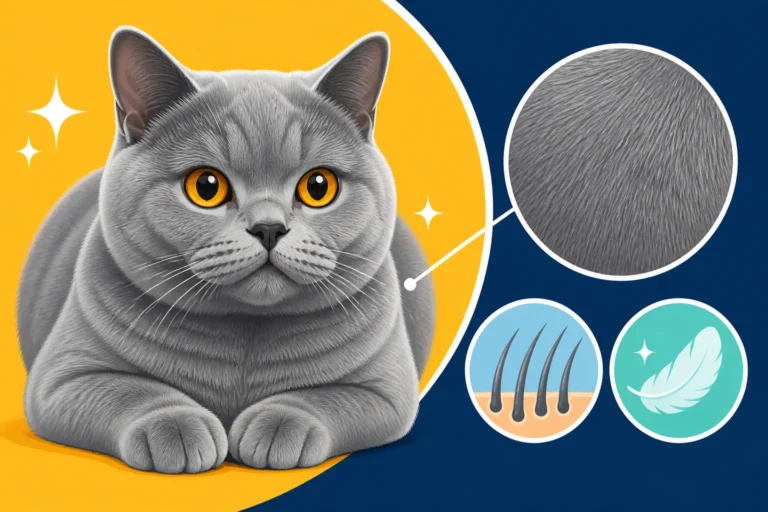
British Shorthairs are inherently built to be robust. They're cobby, meaning they have a stocky, muscular build with broad chests and short, strong legs. This gives them a naturally heavy appearance, which can sometimes mask early signs of excess weight. Their dense, plush coats can also make them look bigger than they are, creating a deceptive visual. It's easy to dismiss a little extra padding as "just their breed type." However, this very build, coupled with their notoriously calm and less active nature, means they are incredibly efficient at storing calories. They don't burn through energy like a Bengal or an Abyssinian, so every extra morsel counts. This is why Why a British Shorthair Gains Weight So Easily is such a common concern for owners.
The Low-Energy Lifestyle of a British Shorthair
Let's be honest, British Shorthairs are not known for their Olympic athleticism. They are the ultimate connoisseurs of comfort, preferring a cozy nap in a sunbeam or a quiet perch to a vigorous chase session. While this calm demeanor is part of their charm, it's also a significant factor in their weight management. A cat that spends most of its day lounging around simply doesn't require a high caloric intake. If their food portions aren't adjusted to match their minimal activity levels, those calories quickly accumulate as fat. It means that to even maintain weight, let alone lose it, their diet needs careful calibration. Getting a Low Energy British Shorthair to Move can feel like a heroic feat in itself, but it's a vital part of the equation.
Metabolism and Age Considerations
Just like humans, a cat's metabolism can slow down with age. As your British Shorthair transitions from a playful (albeit calm) kitten to a mature adult, and then into their senior years, their energy requirements will naturally decrease. A younger, more active cat might burn a few more calories just through daily movements, but an older British Shorthair, particularly one over the age of seven or eight, will have a much slower metabolic rate. This means that a diet that worked perfectly well for them at two years old might lead to weight gain at seven, even if the portions haven't noticeably changed. Hormonal changes after neutering also play a significant role, often leading to increased appetite and a further slowdown in metabolism. This compounding effect means that weight loss requires patience and consistent effort over an extended period.
Setting Realistic Expectations for Your British Shorthair's Weight Loss Journey
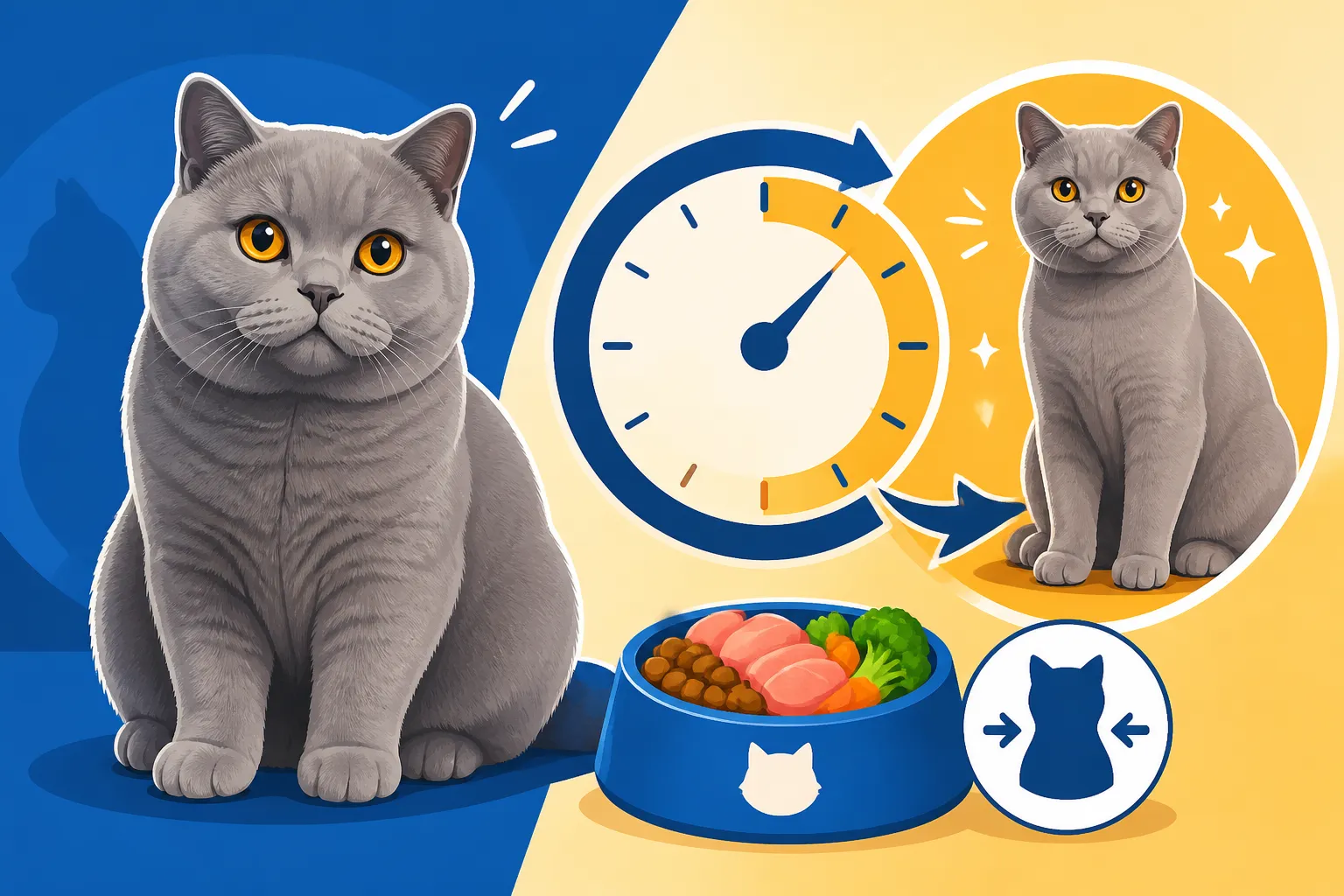
When you decide it's time for your British Shorthair to slim down, the first thing many owners ask is, "How long will this take?" The answer, while not always what people want to hear, is that it takes time – often several months, and sometimes even a year or more for significant weight loss. It’s a commitment, but one that drastically improves their quality of life and longevity.
The Healthy Rate of Weight Loss for Cats
For cats, veterinarians generally recommend a gradual weight loss of about 0.5% to 2% of their body weight per week. Anything faster than this can be dangerous, especially in obese cats, as it can lead to hepatic lipidosis (fatty liver disease), a severe and potentially fatal condition. This means if your British Shorthair weighs 15 pounds (about 6.8 kg) and needs to lose 3 pounds (about 1.4 kg), a healthy rate would be to lose roughly 0.075 to 0.3 pounds (34g to 136g) per week.
Let's put that into perspective with a hypothetical example:
| Starting Weight (kg) | Target Weight (kg) | Total Weight to Lose (kg) | Healthy Weekly Loss (0.5%-2%) | Estimated Weeks to Target (min) | Estimated Weeks to Target (max) |
|---|---|---|---|---|---|
| 6.8 (15 lbs) | 5.4 (12 lbs) | 1.4 (3 lbs) | 0.034 – 0.136 | 10 (at max rate) | 41 (at min rate) |
| 8 (17.6 lbs) | 6 (13.2 lbs) | 2 (4.4 lbs) | 0.04 – 0.16 | 12.5 (at max rate) | 50 (at min rate) |
As you can see, even for a relatively modest amount of weight, the process can span several months. This slow and steady approach ensures your cat's health and gives them time to adjust to their new dietary and activity routines.
Factors Influencing the Duration
The exact duration of your British Shorthair's diet depends on several individual factors:
- Amount of Weight to Lose: This is the most obvious factor. A cat needing to shed a few ounces will obviously finish their diet much quicker than one who needs to lose several pounds.
- Starting Health and Age: Younger cats with fewer health complications might lose weight a bit more efficiently. Older cats, or those with underlying health issues (like Diabetes in a British Shorthair), might have a slower, more challenging journey. Your vet will assess these factors.
- Consistency of Diet and Exercise: Strict adherence to the veterinarian-recommended food portions and a consistent effort to increase activity levels will yield faster, safer results. Sneaking extra treats or missing play sessions will inevitably prolong the process.
- Individual Metabolism: Every cat is unique. Some British Shorthairs might have a slightly faster metabolism than others, even within the breed, which can influence how quickly they respond to a diet.
- Owner Commitment: This is perhaps the biggest factor. Weight loss requires dedication. It means carefully measuring food, resisting those pleading eyes, and actively engaging your cat.
The "Slow and Steady Wins the Race" Rule
When it comes to feline weight loss, speed is the enemy. A rapid drop in weight can trigger serious health complications. The goal isn't to get your British Shorthair to their target weight as fast as possible; it's to get them there safely and sustainably. This means working closely with your veterinarian to establish a safe target weight and a sensible diet plan. They can help you determine How Many Calories a British Shorthair Needs to achieve a healthy deficit without risking their well-being. Think long-term health, not just immediate numbers on the scale. This approach also helps foster new, healthier habits for your cat and your household that are more likely to stick.
The Components of a Successful, Sustainable British Shorthair Diet Plan
Embarking on a weight loss journey for your British Shorthair isn't just about reducing food; it's about a holistic approach that tackles diet, activity, and consistent monitoring. It needs to be sustainable for both you and your cat.
Tailoring Dietary Changes
This is where the rubber meets the road. Simply cutting back on their current food might not be enough, and it could leave your cat feeling constantly hungry or lacking essential nutrients.
Choosing the Right Food
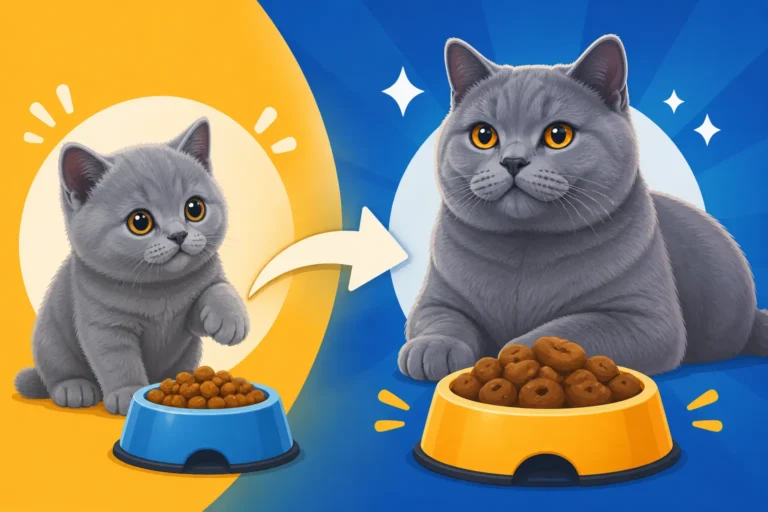
Your vet will likely recommend a specific weight-management diet. These foods are scientifically formulated to be lower in calories but still provide a high level of protein and all necessary vitamins and minerals. The higher protein content helps your British Shorthair maintain muscle mass while losing fat, and it can also help them feel fuller for longer. There are many options out there, from dry kibble to wet food, and even some fresh food services. You can often find these specialized diets through pet supply retailers like Chewy or Amazon, or directly from your vet's office. Whether Prescription Food Is Worth It for a British Shorthair is a common question, and for weight loss, the answer is often a resounding yes.
Implementing Strict Portion Control
This is non-negotiable for British Shorthairs. They are notorious for Why Free Feeding Ruins a British Shorthair. You absolutely must weigh or precisely measure every single morsel of food your cat consumes. Even a few extra kibbles each day can sabotage a diet. Your veterinarian will give you a specific caloric target or a recommended portion size for the weight-management food. Divide this into two or three meals a day. If you have multiple cats, consider microchip-activated feeders to ensure only the dieting cat eats their specialized food. This precision is critical; guessing simply won't work for a breed so prone to weight gain.
Integrating Gentle Exercise and Play
While your British Shorthair isn't likely to become a high-flying acrobat, incorporating more activity into their day is essential for burning calories and supporting overall health.
Structured Play Sessions
Aim for two to three short play sessions daily, perhaps 5-10 minutes each. Forget about high-impact activities; think about engaging their hunting instincts. Wand toys, laser pointers (used carefully, always ending with a tangible reward like a treat or toy they can "catch"), or even simple feather toys can work wonders. Focus on movements that encourage them to stand, stretch, and take a few steps. Puzzle feeders are fantastic for mental stimulation and making them "work" for their food, burning a few extra calories in the process. Some British Shorthairs might surprise you and enjoy a gentle game of fetch with a soft ball!
Environmental Enrichment
Make your home more inviting for movement. While they might not scale a huge cat tree, providing sturdy, accessible climbing options with ramps or wide, shallow steps can encourage a bit more vertical exploration. Place food and water bowls in different locations to make them walk a little further. Even moving their favorite nap spot slightly can introduce a tiny bit more movement into their day. Remember, for a British Shorthair, every little bit of activity helps. Read more about Play for a British Shorthair That Would Rather Not for creative ideas.
Consistent Monitoring and Adjustments
Weight loss isn't a straight line; there will be plateaus and unexpected shifts. Regular monitoring is key to staying on track.
Weekly Weigh-Ins
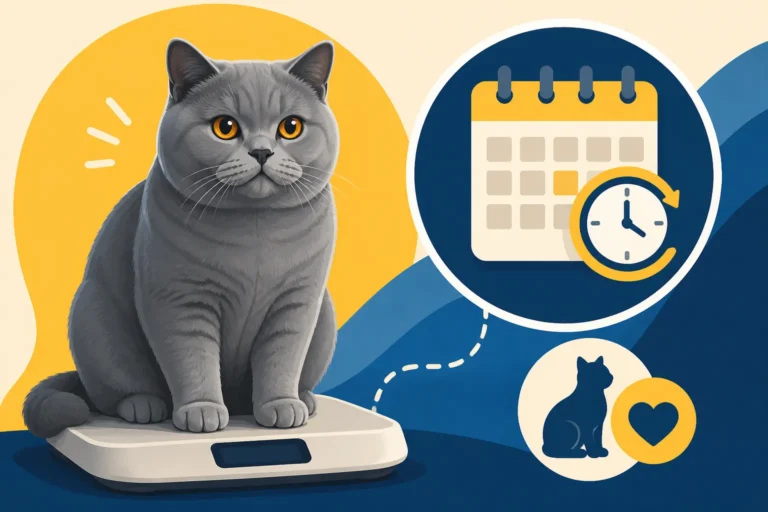
Your vet will likely advise weekly or bi-weekly weigh-ins. This needs to be done on the same scale, at the same time of day (ideally before their first meal), to ensure accuracy. How to Weigh a British Shorthair at Home might involve placing them in a carrier and weighing both, then subtracting the carrier's weight. Record these weights diligently. This data is vital for assessing progress and making informed adjustments.
Body Condition Scoring
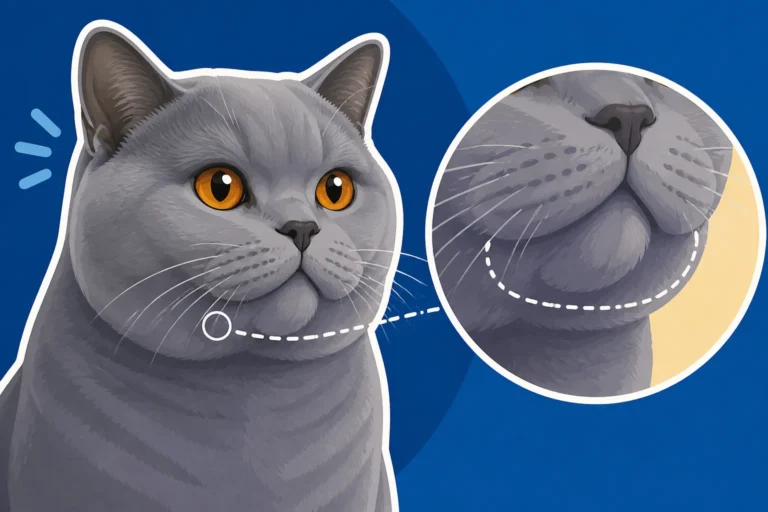
Beyond the number on the scale, regularly assess your British Shorthair's body condition. You should be able to feel their ribs with slight pressure, without them being visibly prominent. They should also have a discernible waist when viewed from above. If their ribs are difficult to feel, or they still have a significant sag in their belly, there's more work to be done. Your vet can show you How to Feel a British Shorthair's Ribs Through the Plush. This hands-on assessment complements the scale weight and gives a more complete picture of their physical state.
Troubleshooting and Maintaining Your British Shorthair's Healthy Weight
It's rare for a weight loss journey to be perfectly smooth. There will be bumps, plateaus, and the challenge of maintaining the new, healthy weight. Understanding how to navigate these is crucial for long-term success.
Dealing with Weight Loss Plateaus
You've been diligent, your British Shorthair has lost some weight, and then… nothing. The scale stops moving. This is a common and frustrating occurrence, known as a plateau. Don't despair; it doesn't mean your efforts are futile!
Why Plateaus Happen
As your cat loses weight, their body needs fewer calories to function. Their metabolism might adapt to the reduced intake, making it harder to shed additional pounds. Think of it like a car becoming more fuel-efficient once it's lighter. It's a natural physiological response. It can also be a sign that the current caloric intake, which was effective initially, is now merely maintaining their slightly lighter weight.
Breaking Through a Plateau
This is where your detailed weigh-in records and vet consultation become invaluable.
- Re-evaluate Caloric Intake: Your vet may recommend a slight further reduction in calories, as the cat's ideal weight might have shifted, or their metabolic needs have decreased. This is not a cue to drastically cut food, but a carefully calculated adjustment.
- Increase Activity (Safely): Can you add another 5-10 minute play session? Introduce a new, enticing toy? Make them work a little harder for their food in a puzzle feeder? Even small increases in movement can help break a plateau.
- Rule Out Medical Issues: Sometimes, a plateau can indicate an underlying medical condition that's hindering weight loss, such as a sluggish thyroid (though less common in cats than dogs). Your vet can perform tests to rule these out, particularly if you're dealing with an older British Shorthair. Hyperthyroidism in an Older British Shorthair can actually cause weight loss, so it's important for a vet to get a full picture.
Adjusting the Plan for Long-Term Success
Getting to a healthy weight is a victory, but staying there is the real challenge. Weight management is a lifelong commitment for a British Shorthair.
Transitioning to Maintenance
Once your British Shorthair reaches their target healthy weight, your vet will guide you on how to transition them to a maintenance diet. This usually means gradually increasing their food intake slightly from the weight-loss portions, but not returning to their old habits. They might stay on a specific "weight control" formula, or move to a high-quality adult maintenance food with very strict portioning. The key is finding that sweet spot where they maintain their ideal weight without gaining or losing.
Lifelong Monitoring
Regular weigh-ins should continue, perhaps monthly or every couple of months, just to ensure things are on track. Small fluctuations are normal, but if you notice a consistent upward trend, it's time to adjust portions or activity again before a significant problem develops. Remember, What a British Shorthair Should Weigh at Two Years might be different from their weight at ten. Their needs change over time.
The Bigger Picture: Improving Quality of Life
Beyond the numbers on the scale, remember why you started this journey. An overweight British Shorthair faces a higher risk of numerous health problems, including Arthritis in an Older British Shorthair, diabetes, urinary problems, and even certain cancers. They often struggle to groom themselves properly, leading to coat issues and discomfort, particularly Why an Overweight British Shorthair Stops Grooming Its Back.
By committing to their diet, you're not just reducing a number; you're significantly enhancing their quality of life. A healthier weight means more comfortable movement, better grooming habits, reduced strain on their joints and organs, and a greater chance of a longer, happier life. It's an investment that truly pays off, potentially giving you many more happy years with your beloved companion. The British Shorthair can live The Twelve to Seventeen Years a British Shorthair Gets, and maintaining a healthy weight is a huge part of reaching that potential.
Disclaimer
This article is for general informational purposes only and does not constitute professional advice. Laws, prices and regulations vary by location and change over time. Consult a qualified professional for guidance on your specific situation.