Play for a British Shorthair That Would Rather Not
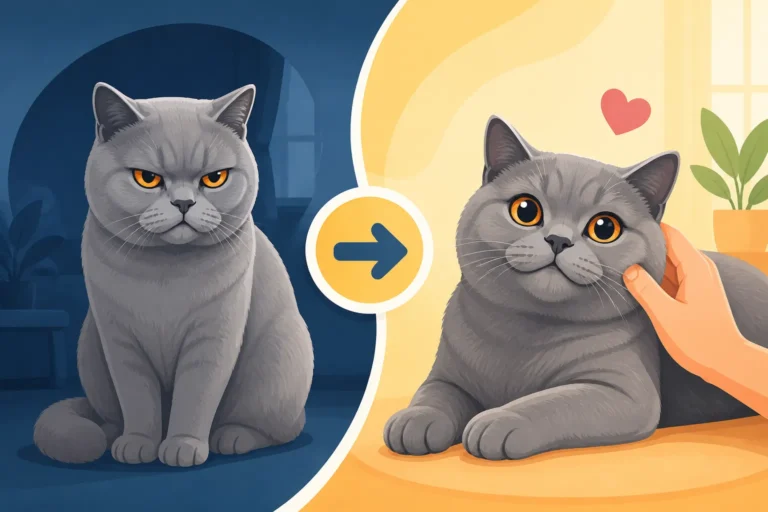
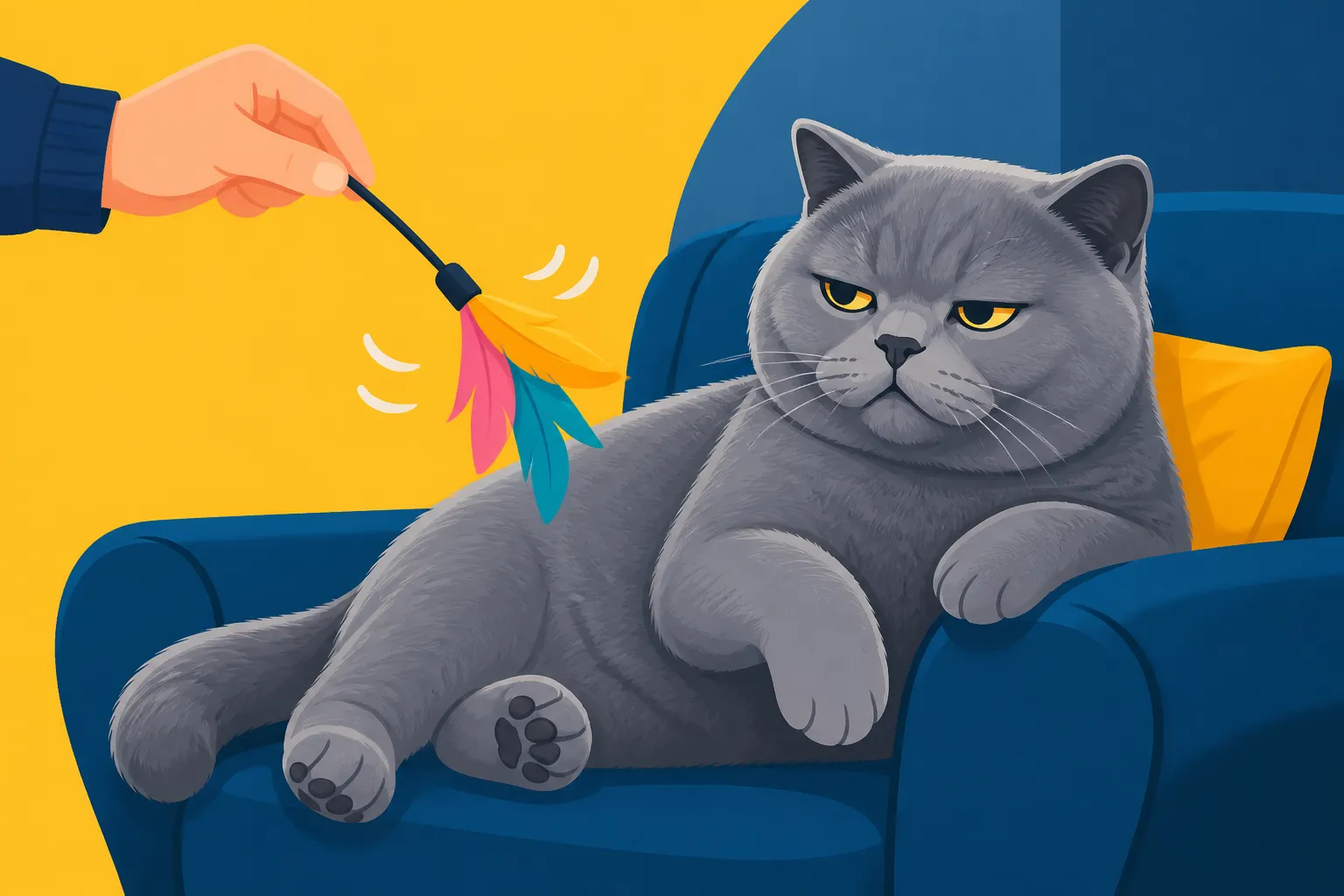
Many British Shorthair owners find themselves scratching their heads, wand toy in hand, wondering why their chunky, fluffy companion just stares back with an air of dignified indifference. It's a common frustration: you want to engage your beloved BSH, but they seem to view playtime as an optional, highly exertive activity they'd rather skip. This comprehensive guide will delve into understanding the British Shorthair's unique approach to play, offering strategies to spark their interest and keep them healthy and happy, even when they'd "rather not."
Understanding the British Shorthair's Play Ethos
It’s easy to look at a British Shorthair lounging on the sofa, seemingly uninterested in the world, and conclude they are simply lazy. However, it's more nuanced than that. Their play ethos is deeply rooted in their history and physical build, manifesting as a calm, deliberate, and often low-energy approach to activity. Understanding this is the first step to successful engagement.
The Sedentary Nature of the Breed
Let's be real, British Shorthairs aren't built for marathons or acrobatic feats. They possess a cobby, stocky build with powerful, short legs, which makes them incredibly sturdy but not exactly prone to boundless energy. Their dense, plush coats, while undeniably charming, can also make sustained, high-intensity activity less appealing, especially in warmer environments. Think of them as the stately, robust companions of the cat world, rather than the agile, spring-loaded sprinters. This inherent physical predisposition means their default mode is often one of serene relaxation. Expecting them to zoom around like a Bengal kitten is setting both of you up for disappointment. Instead, recognize and appreciate their natural inclination towards calm. You might wonder, How Far a British Shorthair Is Lazy or Just Calm? It's usually the latter.
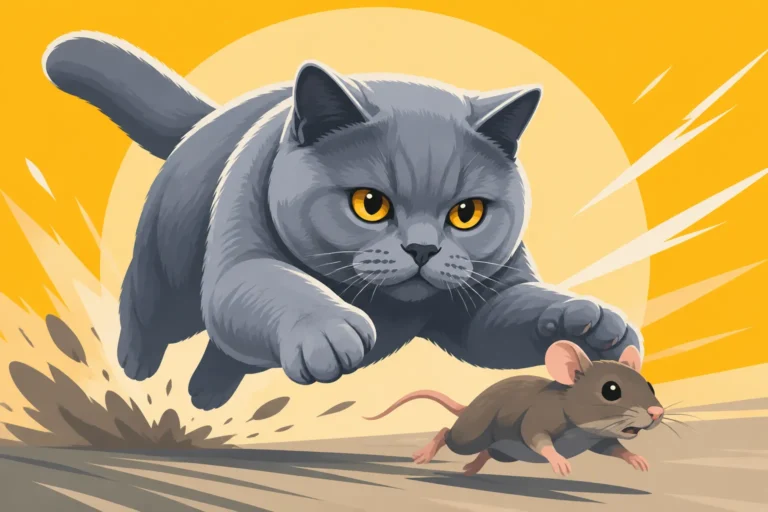
This doesn't mean they don't need activity; it simply means their activity will likely look different from other breeds. Many British Shorthair owners, myself included, have spent countless hours trying to coax a flicker of interest from a cat who simply looks at a dangling feather toy as if it's an insult to their intelligence. It’s not an insult, it's just their nature. Their ancestors were the robust street cats of Britain, and while they were certainly capable hunters, their hunting style was likely more about patient observation and a powerful, decisive pounce rather than prolonged chases. This heritage still echoes in their behavior today, influencing how they perceive and engage with play.
The "Observe First, Act Later" Mentality
If you've ever tried to initiate play with a British Shorthair, you've probably noticed their characteristic "stare." They don't typically lunge immediately. Instead, they will often sit, watch, and analyze the toy with an intense, unblinking gaze. This isn't disinterest; it's their analytical mind at work. They're assessing the situation, calculating the trajectory, and deciding if the effort is worth the reward. This "observe first, act later" mentality is a hallmark of their intelligence and their calm demeanor. They are not impulsive players; they are strategic hunters, even in play.
This means you, as the play facilitator, need to adapt your approach. Rushing in with a high-energy, erratic toy might actually overwhelm them or cause them to disengage entirely. Imagine a chess grandmaster being challenged to a game of tic-tac-toe; they might find it beneath their intellectual capabilities, or at least not stimulating enough to warrant immediate engagement. British Shorthairs often prefer a slower, more deliberate game that allows them to engage their minds as much as their bodies. This observational phase is crucial, and interrupting it can shut down the play instinct entirely. Give them space and time to evaluate before expecting a reaction.
Low Energy vs. True Disinterest
It’s crucial to distinguish between a British Shorthair’s naturally low energy levels and genuine disinterest or apathy, which could sometimes be a sign of underlying health issues. A healthy British Shorthair, even a calm one, will show some flicker of interest in play, even if it's subtle. They might track the toy with their eyes, twitch an ear, or give a slow, deliberate tail flick. These are all signs of engagement, even if they aren't leaping across the room. The problem often arises when owners mistake these subtle cues for outright boredom.
True disinterest, where a cat completely ignores a toy, turns its back, or shows no signs of tracking, could be cause for concern. It might indicate that they're feeling unwell, experiencing pain, or are simply overstimulated and need peace. Many older British Shorthairs, for instance, might play less due to Arthritis in an Older British Shorthair or other age-related discomforts. If your usually somewhat-engaged cat suddenly stops showing any interest, a vet visit might be in order. However, for most BSHs, what appears as "disinterest" is simply their unique, low-key way of engaging with the world, and with a bit of patience and the right techniques, you can tap into their inner hunter.
Deciphering Subtle Play Cues
Since British Shorthairs aren't known for overt expressions of excitement, learning to read their subtle play cues is vital. They communicate their interest and enjoyment in nuanced ways that can be easily missed if you're expecting boisterous antics. Paying attention to these small signals will help you understand when your cat is receptive to play and what kind of engagement they prefer.
The Slow Blink of Approval
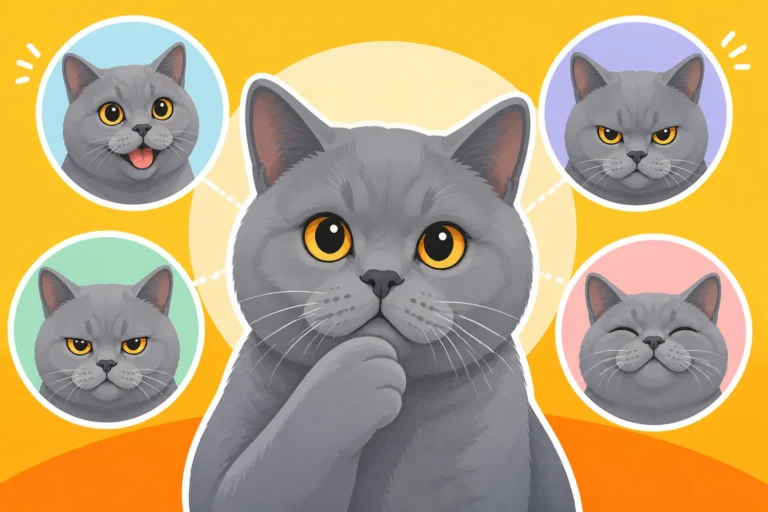
The slow blink is universally recognized as a sign of trust and affection in cats. When it comes to playtime, a slow blink can also signal that your British Shorthair feels comfortable, safe, and potentially receptive to your invitation to play. If you're wiggling a wand toy and your BSH responds with a calm gaze and a slow blink, it's a good sign that they're acknowledging your efforts and perhaps even appreciating the gesture. It's their way of saying, "I see what you're doing, and I'm considering it."
This isn't an immediate call to action, but rather an invitation for you to continue your gentle enticement. It means they're not stressed or annoyed by your presence, which is a crucial first step. If they were truly agitated, you'd see dilated pupils, flattened ears, or a swishing tail. The slow blink suggests an open, relaxed posture, making it an opportune moment to subtly increase the toy's movement or introduce a different texture. Think of it as a quiet nod of approval, encouraging you to proceed with caution and respect their pace.
The Tail Twitch and Eye Follow
While a full-blown tail swish often indicates agitation, a subtle tail twitch, particularly at the tip, is a common indicator of a British Shorthair's internal engagement with a potential "prey" item. Their eyes, too, are powerful communicators. If their pupils are slightly dilated (even in good light) and their gaze is locked onto the toy's movement, they are definitely "hunting" with their eyes, even if their body remains still. This intense focus is a strong cue that their predatory instincts are activated.
Imagine a lion observing its prey from a distance; its body might be still, but its eyes are tracking every movement, and its tail might give away a slight tremor of anticipation. Your British Shorthair is doing much the same. They might not launch themselves immediately, but their brain is fully engaged. This is your cue to maintain the suspense. Don't let the toy sit still for too long, but also avoid making it so fast or erratic that they can't track it. A slow, slithering motion that mimics realistic prey often works best, allowing them to follow and build up their internal momentum. How Long a British Shorthair Plays Before Stopping can often be short, so make these engaged moments count.
The Belly Wiggle of Anticipation
This is a particularly endearing and telling sign of an impending pounce. When a British Shorthair is truly engaged and about to strike, you might see a subtle "belly wiggle" or a slight rocking motion from side to side. Their hindquarters might lower slightly, and their legs might bunch up underneath them, preparing for a powerful, albeit short, burst of activity. This isn't a playful roll on their back; it's a genuine preparation for a controlled attack.
When you observe this belly wiggle, you've hit the jackpot! It means your patient enticement has paid off, and they are ready to act. At this point, make the toy briefly accessible before pulling it away, simulating the catch-and-release pattern of real hunting. This is where you reward their patience and allow them to feel the satisfaction of the "kill." This physical manifestation of readiness, though subtle, is often the culmination of their observational phase and a clear signal that they are ready to participate actively, even if just for a moment.
The Art of the Warm-Up
You wouldn't expect a human athlete to sprint without stretching, and similarly, a British Shorthair often needs a gentle "warm-up" to get into the play mood. They aren't likely to go from zero to sixty in a blink. The key is to gradually increase their interest and physical engagement, respecting their natural inclination for deliberation and calm.
The Gentle Lure of the Wand Toy
Wand toys are undoubtedly one of the most effective tools for engaging a British Shorthair, precisely because they allow you to control the pace and mimic natural prey movement. The trick is to start slow and subtle. Don't wave it wildly in their face. Instead, let the feather or toy attachment "skitter" along the floor, peeking out from behind furniture or under a rug. This triggers their innate hunting instinct, making it less about "play" and more about "prey."
A thin, flexible wand with a natural feather attachment often works wonders. Think about what a real mouse or bird would do: it wouldn't fly straight into a cat's face. It would hide, dart, and pause. Replicate that with your wand toy. Let the toy disappear from view for a second, then reappear a short distance away. This element of surprise and elusiveness is incredibly engaging for a British Shorthair. I've found great success with some of the more robust feather wands available on Amazon, which can withstand their strong grip when they finally pounce. The goal is to build anticipation and curiosity, making them want to investigate.
Short, Frequent Sessions
Given their lower energy levels, British Shorthairs often benefit more from multiple short play sessions throughout the day rather than one long, exhausting one. A five to ten-minute burst of focused play, two or three times a day, is often far more effective than a single thirty-minute session that leaves them panting and disinterested. This approach respects their stamina and keeps them from becoming bored or overwhelmed.
Think of it as little "snacks" of activity rather than a full meal. These frequent, brief periods of engagement keep their minds and bodies active without pushing them past their comfort zone. They’ll get the mental stimulation and physical movement they need, often without you even realizing how much they've done over the course of the day. This is also a fantastic strategy for managing their weight, as consistent, albeit short, activity helps burn calories. For more on this, you might find How Much Play Keeps a British Shorthair Slim insightful.
Incorporating Scent and Sound
Cats are incredibly reliant on their senses of smell and hearing, and you can leverage these to make playtime more enticing. Toys infused with catnip or silvervine can be powerful attractants, especially for a BSH who needs an extra nudge. Even if they don't respond enthusiastically to the physical toy, the scent alone can spark curiosity and a desire to investigate. Just be sure to rotate these types of toys, as their effectiveness can wane with constant exposure.
Beyond scent, subtle sounds can also draw them in. Some toys incorporate crinkly material, rustling elements, or even small bells (though be mindful not to use anything too loud or jarring). The sound of a crinkling ball rolling across the floor, mimicking the movement of small prey, can be incredibly effective. Sometimes, simply dragging a soft toy across a textured rug can create a sound that piques their interest. The key is to integrate sensory experiences that tap into their natural hunting instincts, making the toy feel more "alive" and worthy of their attention.
Tailoring Play to the British Shorthair Personality
One size does not fit all when it comes to cat play, and this is especially true for the British Shorthair. Their unique personality, build, and hunting style mean that certain types of toys and play scenarios will be far more effective than others. Understanding these preferences will make your efforts much more rewarding.
Ground-Based Prey Simulation
British Shorthairs are typically not big jumpers or climbers during play. Their sturdy build is much better suited to ground-based hunting. Therefore, toys that mimic small rodents, insects, or birds fluttering low to the ground are often the most successful. Think of a wand toy with a feather or fabric lure dragged slowly and erratically across the floor, or a small, lightweight ball that rolls and hides. The element of "peek-a-boo" – where the toy disappears behind an obstacle and then reappears – is particularly effective.
Avoid constantly dangling toys high in the air, or expecting them to scale a cat tree mid-chase. While they might occasionally bat at something dangling, their primary interest lies in tracking and pouncing on ground-level prey. Interactive laser pointers can also be engaging, but remember to always end a laser session by directing the beam onto a physical toy or treat so they can "catch" something tangible, preventing frustration. A good quality wand toy found on Amazon, designed for ground play, will quickly become your best friend.
Puzzle Feeders as Mental Stimulation
For a breed known for its intelligence and love of food, puzzle feeders are an absolute game-changer. These aren't just toys; they're enrichment tools that engage their minds and satisfy their natural foraging instincts. Instead of simply eating from a bowl, a British Shorthair has to "work" for their meal or treat by batting, nudging, or rolling the feeder to release kibble. This slows down their eating, prevents boredom, and provides crucial mental exercise. Whether a Puzzle Feeder Motivates a British Shorthair is almost always a resounding yes.
Puzzle feeders come in various designs, from simple treat balls to more complex labyrinths. Start with something easy to build their confidence, then gradually introduce more challenging options. This type of "play" is particularly valuable for British Shorthairs because it doesn't require high physical exertion but offers significant mental stimulation, which is just as important for their well-being. It turns mealtime into a stimulating activity, making them less prone to boredom-related behaviors and helping with weight management, especially important for a breed prone to being Why a British Shorthair Gains Weight So Easily.
Incorporating Hunting Games
While not traditional "play" in the energetic sense, structured hunting games cater directly to a British Shorthair's core instincts. This can involve hiding treats around the house, encouraging them to use their nose and intelligence to "hunt" for their rewards. Start with easy-to-find spots and gradually increase the difficulty. You might hide a few pieces of kibble under a blanket, inside an empty paper towel roll, or behind a piece of furniture.
Another form of hunting game involves toy retrieval, though this is less common with BSHs. Some might enjoy a game where you toss a soft toy a short distance, and they retrieve it, but don't force it. More typically, their "hunting game" involves stalking and capturing a wand toy lure, perhaps dragging it back to a favored spot before "killing" it with a few powerful bites. The satisfaction of the "catch" is paramount. Remember, these cats are hunters at heart, and providing outlets for this instinct, even in a domesticated setting, is vital for their happiness and behavioral health. This also helps with Getting a Low Energy British Shorthair to Move.
Here's a quick comparison of effective play methods for British Shorthairs:
| Play Method | Description | Benefits | Best For |
|---|---|---|---|
| Wand Toys | Slow, deliberate movements mimicking ground prey, peeking and hiding. | Taps into natural hunting instinct, controlled pace, builds anticipation. | Engaging observant BSHs, gentle warm-up, minimal exertion. |
| Puzzle Feeders | Dispense treats/kibble as the cat interacts with them. | Mental stimulation, slows eating, prevents boredom, low physical impact, aids weight management. | Intelligent BSHs, those needing diet control, enrichment when owners are busy. |
| Laser Pointers | Red dot moved on floor/walls, ending on a physical toy for a "catch." | Highly engaging, low effort for owner, encourages movement. | Stimulating visual hunters, short bursts of activity. Always end with a physical reward. |
| Hiding Treats | Placing small portions of food in various spots for the cat to find. | Satisfies foraging instinct, mental enrichment, encourages exploration. | British Shorthairs who are food-motivated, easy, low-impact activity. |
| Rolling Balls | Lightweight balls, especially those with crinkles or bells, rolled gently. | Simple chase, good for pouncing, satisfying "thump" noise. | Initial engagement, independent play, ground-level interaction. |
| Catnip/Silvervine | Sprinkled on toys or in designated areas. | Arouses curiosity, can stimulate playfulness, stress relief for some cats. | Boosting interest in existing toys, offering a novel sensory experience. (Not all cats respond equally). |
Overcoming the "Too Lazy to Play" Myth
It's a common misconception that British Shorthairs are inherently "lazy" and thus impossible to engage in play. While their energy levels are certainly lower than some breeds, true laziness is often a symptom of other issues rather than a defining characteristic. Owners can often overcome this perceived laziness with understanding, consistency, and addressing potential underlying factors.
The Importance of Weight Management
One of the biggest culprits behind a British Shorthair's reluctance to play is often excess weight. Their robust build can sometimes mask a developing weight problem, making it harder for them to move comfortably. An overweight cat will naturally be less inclined to run, jump, or even pounce, as these activities become physically challenging and even painful. Their joints feel the strain, their breathing can become labored, and their overall zest for activity diminishes. Obesity Is the British Shorthair's Real Disease, and it directly impacts their willingness to play.
If you suspect your BSH is overweight, addressing this is paramount. This isn't just about play; it's about their overall health and lifespan. Consult your vet to establish a safe weight loss plan, which typically involves precise portion control and a high-quality, often high-protein, low-calorie diet. As they shed excess pounds, you'll often notice a gradual increase in their energy and willingness to engage in play. Even a small reduction in weight can make a significant difference in their mobility and enthusiasm. How Many Calories a British Shorthair Needs is often less than you think.
Addressing Underlying Health Concerns
Sometimes, what appears to be "laziness" is actually a sign of an underlying health issue. Pain, discomfort, or general malaise can significantly reduce a cat's desire to play. Conditions like arthritis, dental pain, heart disease (like What HCM Does to a British Shorthair's Heart), or even hyperthyroidism in older cats can manifest as lethargy and a decreased interest in their usual activities. If your British Shorthair, who previously showed some interest in play, suddenly becomes completely withdrawn or averse to movement, it's time for a vet check-up.
A comprehensive veterinary examination can rule out or identify any medical conditions that might be impacting their energy levels. Catching these issues early can not only improve their quality of life but also restore their desire to play. Imagine trying to run and play when your joints ache or your teeth hurt; it’s simply not enjoyable. Regular wellness exams, especially as they age, are crucial for monitoring their health and catching these subtle changes before they significantly impact their behavior and well-being.
Patience and Consistency are Key
Perhaps the most important tools in your arsenal when trying to engage a reluctant British Shorthair are patience and consistency. You won't turn them into a high-energy dynamo overnight, and trying to force play will almost certainly backfire. Instead, approach playtime with a calm, persistent attitude. Offer play opportunities daily, even if they initially seem uninterested. The goal is to build a routine and positive association with playtime.
Consistency also means using similar methods and toys that you know they respond to, slowly introducing variety. If they ignore a toy today, try it again tomorrow, or at a different time of day. Their moods can shift, and sometimes all it takes is catching them at the right moment. Don't get discouraged by initial indifference; instead, view it as an opportunity to refine your approach. Over time, your consistent efforts will likely yield results, transforming a seemingly "lazy" cat into one who anticipates and enjoys their structured play sessions.
Integrating Play into Daily Routine
Making play a regular, predictable part of your British Shorthair's day is crucial for both their physical and mental health. Just like humans thrive on routine, cats often feel most secure and engaged when they know what to expect. This predictability can even make a reluctant player more willing to participate.
Fixed Play Times
Establishing fixed play times can work wonders for a British Shorthair. Cats are creatures of habit, and they quickly learn routines. If they know that every day, around the same time, you'll bring out the wand toy or the puzzle feeder, they will often start to anticipate it. This anticipation itself can build excitement and engagement, making them more receptive when the time comes.
Try to schedule play sessions around their natural activity peaks, which are often at dawn and dusk. These are the times when their wild instincts would naturally drive them to hunt. A short session before breakfast and another before dinner can align perfectly with their internal clock. Even if it's just five minutes, make it a non-negotiable part of your day. This consistent slot in their routine transforms playtime from a random event into an expected and valued interaction. How Much Play a British Shorthair Needs is often best delivered in these structured, short bursts.
Rotating Toys to Maintain Interest
Even the most beloved toy can become boring if it's always available. Cats, like children, thrive on novelty. To keep your British Shorthair engaged and to prevent them from becoming completely blasé about playtime, implement a toy rotation system. Have a selection of 3-5 different toys, but only keep 1-2 available at any given time. Store the others out of sight and bring them out on a rotating basis, perhaps once a week or every few days.
When a "new" old toy reappears, it often sparks renewed interest and excitement. It feels fresh and novel again, even if they've played with it before. This strategy also prevents overstimulation from too many choices and encourages them to truly engage with the toys that are present. Consider also cycling in catnip-infused toys or those treated with silvervine to add an extra layer of allure when you bring them back into rotation. This simple trick can make a huge difference in maintaining their playful curiosity.
Making Yourself Part of the Game
While independent play with puzzle feeders is great, nothing truly replaces interactive play with their human. You are not just a toy dispenser; you are part of the "hunting party." Your voice, your movements, and your presence add an irreplaceable dynamic to playtime. Many British Shorthairs prefer to play with you, rather than just near you. This means being actively involved in manipulating the wand toy, hiding the treats, or rolling the ball.
This interactive element deepens your bond and makes play a social activity, which many BSHs appreciate, despite their independent reputation. Don't just sit there and flick your wrist; get down on their level, mimic prey movements with genuine enthusiasm, and praise them when they pounce or engage. The emotional connection you bring to playtime is a powerful motivator. Your cat isn't just chasing a toy; they're engaging in a shared activity with their favorite human, and that makes all the difference.
Recognizing When Play Becomes Stress
While encouraging play is important, it's equally vital to recognize when your British Shorthair is no longer enjoying the interaction or when playtime tips into stress or discomfort. Because they are often so calm and stoic, their signs of distress can be subtle and easily overlooked. Pushing a cat past their comfort zone can lead to negative associations with play, making future engagement even harder.
Overstimulation Signs
British Shorthairs, with their deliberate nature, can become overstimulated quite easily, especially with overly frantic or prolonged play. Signs of overstimulation include flattened ears, dilated pupils (even in bright light), a stiff posture, a low, guttural growl, or a quick, agitated tail swish. They might also stop engaging and simply stare blankly, or even try to bat at your hand rather than the toy. These are all signals that they need a break.
If you observe any of these signs, immediately stop the play session. Don't try to push through it. Give your cat space and allow them to calm down. The goal is for play to be enjoyable and enriching, not a source of stress. Sometimes, switching to a different, less intense type of play, or simply offering a quiet cuddle, can help them decompress. Learning to read these signals will ensure that play remains a positive experience for your British Shorthair.
Age and Physical Limitations
As British Shorthairs age, their physical capabilities naturally decline, and their willingness to engage in energetic play may lessen. An older cat might have Arthritis in an Older British Shorthair, making jumping or fast movements painful. Their eyesight or hearing might not be as sharp, affecting their ability to track toys. What was once an easy pounce might now be a strained effort. Ignoring these limitations can lead to discomfort or injury.
For senior British Shorthairs, adapt play sessions to their capabilities. Opt for even shorter, gentler sessions. Focus on toys that require minimal movement, such as puzzle feeders or slow-moving ground toys. A soft toy that they can bat at from a comfortable lying position might be more appealing than a vigorous wand game. Always prioritize their comfort and well-being. Regular vet check-ups are especially important for older cats to manage any age-related conditions that might impact their mobility and playfulness. Caring for a British Shorthair Past Ten often means adjusting their activity levels.
The Fine Line Between Engagement and Annoyance
There's a delicate balance between gently encouraging play and inadvertently annoying your British Shorthair. Their independent nature means they value their personal space and quiet time. Constantly trying to initiate play when they're clearly not interested, or interrupting their naps, can lead to frustration on their part. They might start to avoid you during certain times or even become more withdrawn.
Respect your cat's boundaries. If they walk away from a toy, don't follow them relentlessly trying to re-engage. If they're deeply asleep, let them rest. Observe their body language; a cat who is comfortable and receptive will often be relaxed, perhaps with ears forward and eyes soft. If they're tense, ears slightly back, or giving you a "leave me alone" stare, heed their warning. The goal is to make play a cherished activity, not an obligation. By respecting their cues, you build trust and ensure they associate playtime with positive, voluntary interaction.
Environmental Enrichment Beyond Active Play
While active, interactive play is incredibly important, true enrichment for a British Shorthair extends beyond just chasing toys. Their environment plays a huge role in their overall well-being, providing mental stimulation and physical activity even when they're not actively "playing." Thoughtful environmental enrichment can significantly enhance a British Shorthair's quality of life, especially for those who are less inclined towards strenuous activity.
Vertical Space and Perches
Despite their sturdy build and preference for ground play, British Shorthairs still appreciate vertical space. Cats feel more secure and enjoy observing their territory from a height. Providing sturdy cat trees, wall-mounted shelves, or even clear spots on tall furniture can offer them valuable opportunities for climbing and perching, even if it's just a leisurely climb to a favored sunny spot. Just make sure whatever you provide is stable and strong enough to support their weight. Which Cat Tree a British Shorthair Uses should be chosen with their size and sturdiness in mind.
These elevated vantage points serve several purposes: they offer a sense of security, provide a better view of their surroundings (satisfying their observational nature), and give them a low-impact way to exercise their climbing muscles. A British Shorthair might not leap to the top of a multi-story cat tree in one go, but they will often enjoy a slow, deliberate ascent to a cozy perch for a nap or to simply watch the world go by. This kind of "passive" activity is still enrichment and contributes to their overall physical and mental health.
Window Watching and Bird Feeders
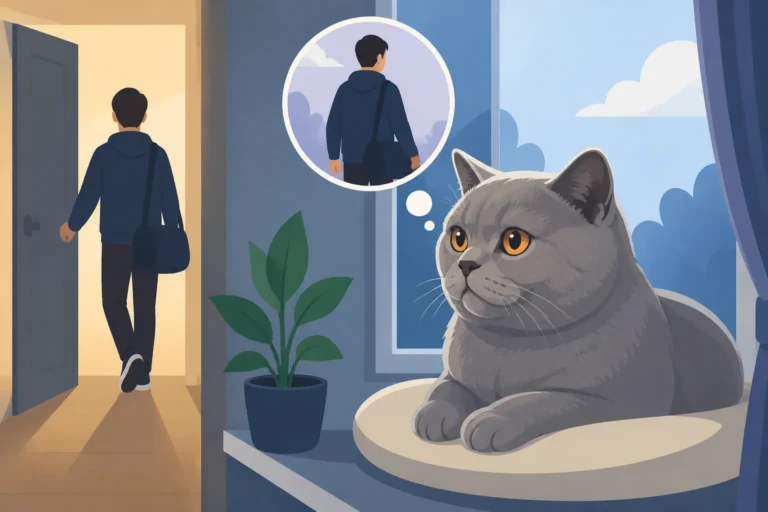
For an indoor-only British Shorthair, a window is their personal television. Providing clear, accessible window perches can be an incredibly enriching experience. The sights and sounds of the outside world – birds, squirrels, leaves rustling, people walking by – offer endless hours of mental stimulation. Even if they're just silently observing, their minds are engaged, and their hunting instincts are subtly satisfied.
To maximize this, consider placing a bird feeder outside a favored window. The regular visits from birds and squirrels will provide constant entertainment and stimulation for your British Shorthair. Just ensure the feeder is placed at a safe distance where the cat can observe without causing distress to the wildlife or trying to reach them. This kind of "nature viewing" is a perfect example of low-exertion enrichment that deeply satisfies a British Shorthair's natural curiosity and predatory drive without requiring them to physically exert themselves.
Scent and Sound Enrichment
We've touched on scent and sound in play, but these can also be integrated into their general environment for ongoing enrichment. Different safe scents can pique their curiosity. Beyond catnip, consider offering sniffs of things like olive leaf, honeysuckle, or even safe herbs like basil or mint (in small, controlled amounts, away from their food). Some British Shorthairs also respond well to pet-safe essential oil diffusers (ensure they are specifically designed for pets and used sparingly, as concentrated oils can be harmful).
Sound enrichment can include playing calming music designed for pets, or even nature sounds like birdsong or gentle waves. While they usually prefer a quiet environment, an occasional change in ambient sound can provide novel stimulation. Some cats enjoy the sound of a bubbling water fountain (which also encourages hydration!) or the gentle hum of an air purifier. The key is variety and observation: introduce new sensory experiences slowly and watch your British Shorthair's reaction to ensure it's enriching, not alarming. A pet-specific water fountain from Amazon, for instance, can serve dual purposes of hydration and gentle sound enrichment.
Disclaimer
This article is for general informational purposes only and does not constitute professional advice. Laws, prices and regulations vary by location and change over time. Consult a qualified professional for guidance on your specific situation.