How Long a British Shorthair Plays Before Stopping
It's a common dilemma for British Shorthair owners: you get out the wand toy, your beautiful round-faced companion gives a valiant swat or two, and then suddenly, they're just…watching. You might wonder if you're doing something wrong, if they're bored, or if they're even getting enough exercise. It can be baffling when you compare them to those high-energy breeds that seem to chase a laser pointer for an hour straight. The truth is, your British Shorthair's play style is simply different, and understanding how long a British Shorthair plays before stopping is key to successful and enriching interactions. This guide will help you decipher their unique play rhythms and ensure they get the right amount of activity, without forcing them into an Olympic sprint they never signed up for.
Understanding the British Shorthair's Play Ethic
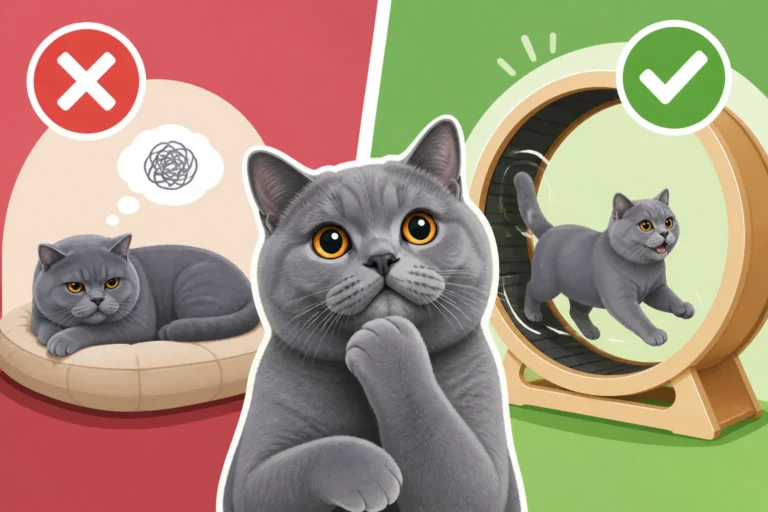
When you picture a cat playing, you might envision a whirlwind of athletic prowess, leaps, and bounds. With a British Shorthair, however, it's often a much more understated affair. Their very nature leans towards a calm, composed existence, which extends directly to their approach to playtime. It’s not that they don’t want to play, it’s just that their idea of a good game often involves shorter bursts of intense focus rather than prolonged periods of sustained activity.
The British Shorthair's Innate Calmness
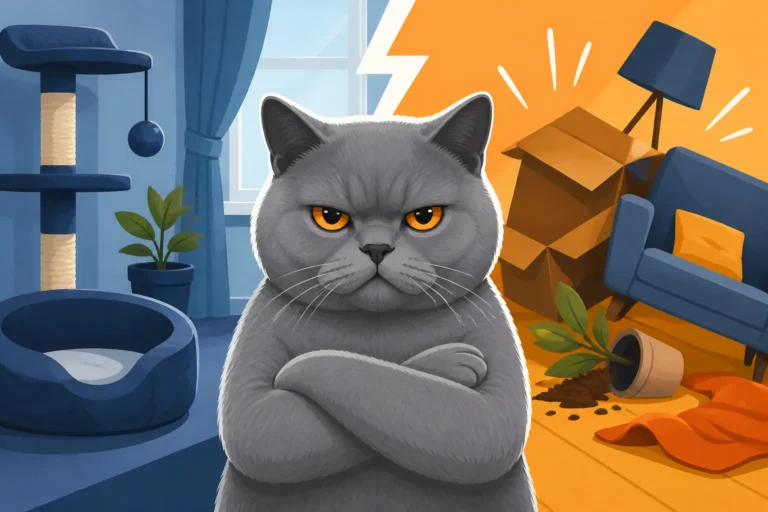
British Shorthairs are renowned for their placid, easygoing temperament. They are the quintessential "velvet brick" – sturdy, substantial, and generally quite content to observe the world from a comfortable vantage point, ideally a sofa cushion. This inherent calmness is one of their most beloved traits, making them wonderful companions for quiet households or those who appreciate a less demanding feline presence. This isn't laziness in a negative sense; it's simply their natural disposition. They don't have the high-strung energy of, say, an Abyssinian, nor the boundless curiosity of a Siamese that can keep them exploring and playing for what feels like hours. Instead, their energy conservation is a feature, not a bug. They appreciate comfort and routine, and a good nap often ranks higher than a vigorous chase. For more on their activity levels, you might want to read How Active a British Shorthair Is.
When they do engage, it's usually with a purpose. Their play often mimics hunting behavior: a slow stalk, a sudden pounce, and then a quick "kill." Once the "prey" is caught, the thrill of the hunt often dissipates rapidly. They don't need to bat the toy around for another twenty minutes. They've achieved their goal, and now it's time for a mental reset, perhaps a stretch, and definitely a return to their calm state. This brief, focused intensity is what they thrive on, rather than endless repetition. If you're struggling to get them interested, our article Play for a British Shorthair That Would Rather Not offers some fantastic tips.
The Energy of a Young British Shorthair vs. an Adult
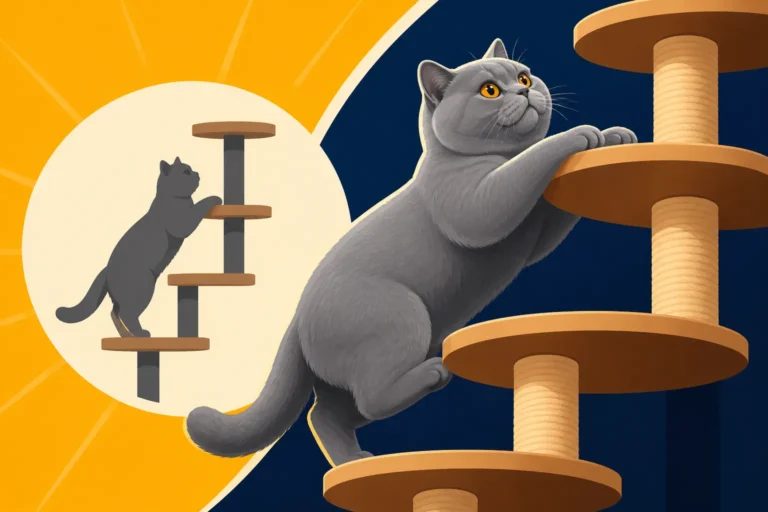
Naturally, a British Shorthair kitten will have more energy than an adult. Those little bundles of fluff are still exploring their world, developing their coordination, and burning off youthful exuberance. You'll see them zipping around, tumbling with siblings, and generally being much more boisterous. During this phase, their play sessions might indeed last a bit longer, perhaps 10-15 minutes at a time, and they'll be ready for several such sessions throughout the day. This is their period of rapid growth and learning, and active play is vital for their development. If you're wondering How Long a British Shorthair Acts Like a Kitten, you'll find that this high-energy phase typically lasts up to a year, sometimes a bit longer.
However, even as kittens, their play isn't usually the relentless, non-stop kind you see in some other breeds. They will still have definite "off" switches, collapsing into a heap for a nap after a vigorous few minutes. As they mature, usually around 1-2 years of age, their energy levels will begin to stabilize and trend towards that characteristic adult calmness. By the time they are three years old, many British Shorthairs have settled firmly into their mature, dignified routine, where extended play is a rarity. This transition is explored further in Why a British Shorthair Stops Playing at Three. An adult British Shorthair might be perfectly happy with just a few short, interactive playtimes a day, often only lasting 5-10 minutes each. This doesn't mean they're unhappy or bored; it simply means they've fulfilled their innate need for simulated hunting and are now ready for a well-deserved rest.
Typical Play Session Durations
So, if your British Shorthair isn't tearing through the house for hours, what is a normal play session? It’s important to recalibrate your expectations based on their breed-specific traits. We're talking quality over sheer quantity, and learning to recognize their cues is paramount.
What a 'Good' Play Session Looks Like
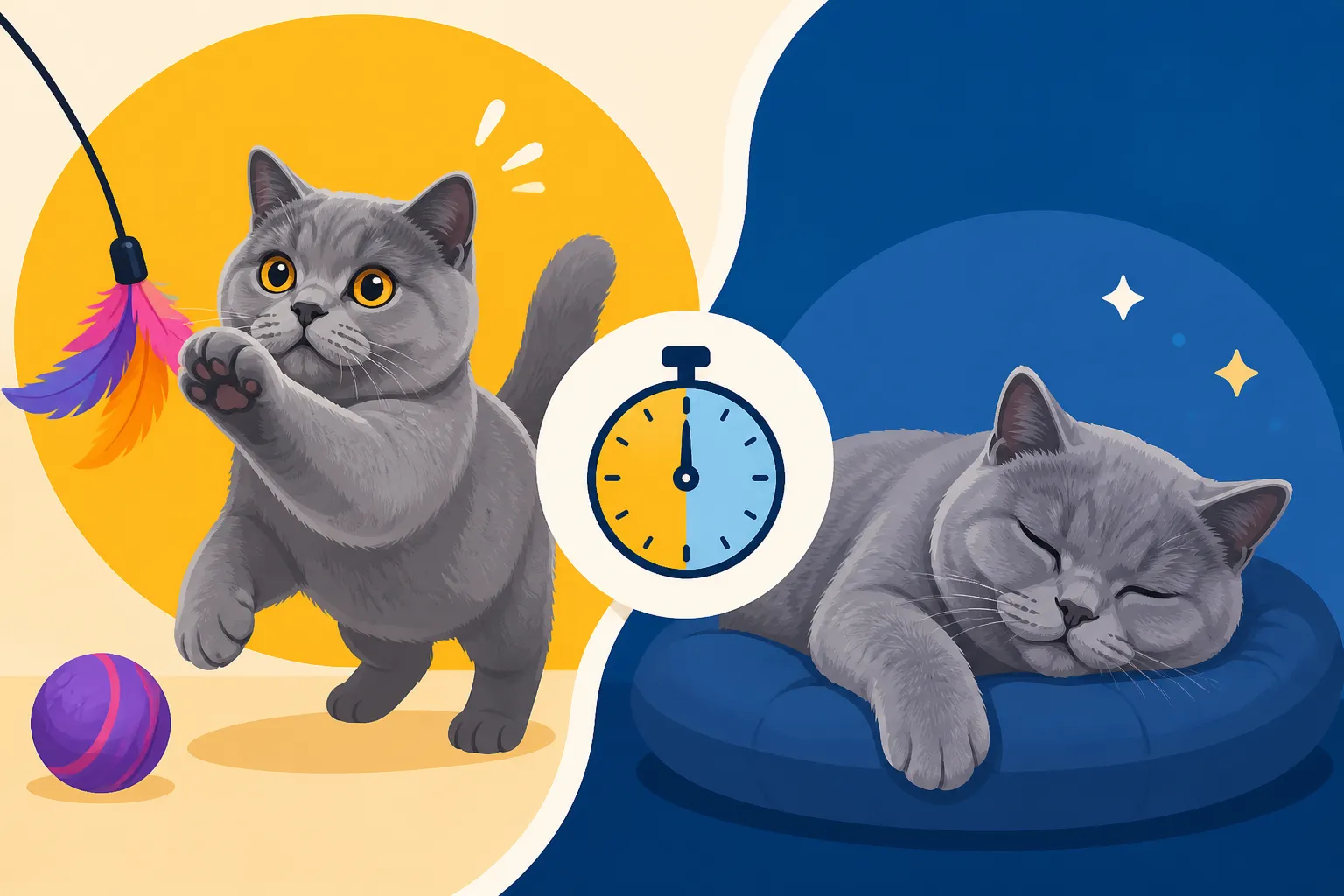
A good play session for a British Shorthair isn't measured in minutes, but in engagement. You're looking for focused attention, a twinkle in their eye, and those little preparatory wiggles before a pounce. A typical good session might last anywhere from 5 to 10 minutes for an adult, maybe a bit longer for a younger cat. The key is that during this time, they are actively participating, chasing, swatting, and engaging with the toy. They might stalk it, hide behind furniture, and then launch themselves into action. This mimics their natural hunting instincts.
Think of it as a series of mini-hunts. They focus intensely, use their keen senses, and expend a burst of energy, then they might disengage briefly, perhaps to observe, before deciding to "hunt" again. The goal isn't to exhaust them, but to satisfy that intrinsic prey drive. If you can get them to engage actively, even for just a few minutes, where they're pouncing, batting, and maybe even doing a little bunny kick, you've likely had a successful play session. Don't worry if it feels short; for a British Shorthair, a short, sharp blast of activity is often far more appealing and satisfying than a prolonged, half-hearted attempt.
Signs Your British Shorthair is Done Playing
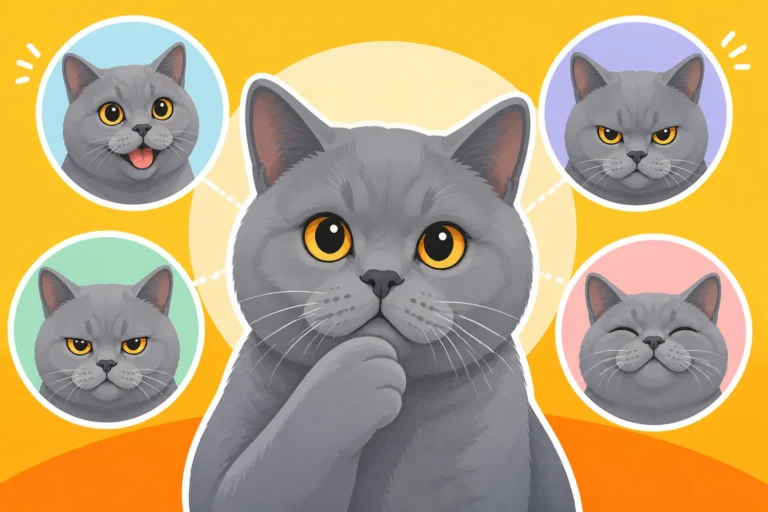
Learning to read your British Shorthair's cues is essential to understanding their play duration. They are not subtle when they're finished. When a British Shorthair has had enough, they will often quite literally walk away from the game. They might sit down and start grooming themselves, look out the window, or simply flop onto their side and ignore the toy you're still waving. Their gaze might lose its intensity, and their movements will slow. You might offer the toy, and they'll give it a half-hearted bat with a single paw, rather than a full pounce.
Sometimes, they might just sit and stare at the toy, or even at you, with an expression that clearly says, "I appreciate the effort, but I'm quite done now." This isn't rudeness; it's just their way of communicating. Pushing them past this point can actually be counterproductive, leading to frustration for both of you, and potentially making them less enthusiastic about future playtimes. It's better to end the session on a high note, even if it feels short, so they associate play with positive, satisfying experiences. Respecting their "done" signals is a big part of building trust and understanding with your British Shorthair.
Maximizing Play in Short Bursts
Since British Shorthairs prefer shorter, more intense play sessions, your strategy should revolve around making those brief moments count. It’s about choosing the right tools and integrating play naturally into their day, rather than expecting them to perform like an acrobatic circus cat.
Engaging Them with the Right Toys and Techniques
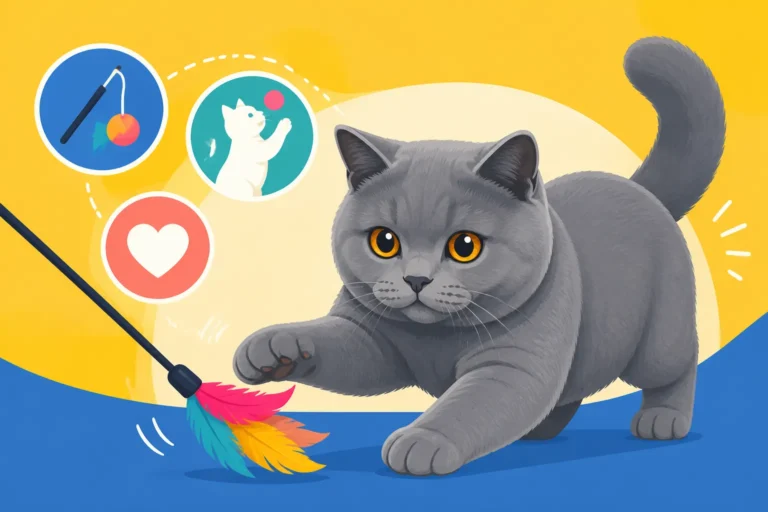
The type of toy makes a huge difference. Forget about a pile of random plastic balls; British Shorthairs often respond best to interactive toys that simulate prey. Wand toys with feathers, ribbons, or small soft animals attached are often winners. These allow you to control the movement, mimicking the erratic, darting motions of a mouse or bird. Dragging the toy along the floor, hiding it around corners, and making it "pounce" from behind obstacles will engage their hunting instincts far more than simply throwing a toy for them to chase. You can find some excellent interactive wand toys and other cat enrichment items on Amazon, allowing you to experiment with what your particular cat prefers. Remember to let them "catch" the toy frequently to provide that satisfying conclusion to the hunt.
Laser pointers can be great for getting them moving, but always end a laser session by pointing the light onto a physical toy or treat that they can "catch." This prevents the frustration of never actually capturing their elusive prey. Puzzle feeders are another fantastic option for mental stimulation, making them work for their food rather than just eating from a bowl. Again, there are many innovative designs available on Amazon that can keep their minds sharp and encourage a little activity. For more ideas on what gets them going, take a look at Which Toys a British Shorthair Will Actually Chase.
Integrating Play into Daily Routines
The secret to ensuring your British Shorthair gets enough play isn't about setting aside a huge block of time; it's about consistency. Think of two or three short, scheduled playtimes throughout the day. A quick 5-minute session in the morning before you leave for work, another when you get home, and one before bedtime can work wonders. These routine bursts of activity become an anticipated part of their day. Playing before meal times can be particularly effective, as it taps into their natural "hunt, catch, eat" cycle.
For a breed that's not naturally inclined to self-exercise, consistency from you is critical. You might notice them waiting for you around the usual play time, or even giving you a gentle head-bonk as a reminder. Even if they initially seem reluctant, gentle encouragement and making yourself available for play at consistent times will often get them engaged. Consider these short bursts as mini-workouts and mental challenges that break up their day of napping and observing. Our guide Getting a Low Energy British Shorthair to Move delves deeper into strategies for encouraging activity.
The Importance of Consistent, Short Play
While the play sessions might be brief, their impact is anything but. Regular, even short, bursts of activity are incredibly important for a British Shorthair's overall health and well-being, helping to combat common issues and enrich their lives.
Preventing Obesity Through Regular, Brief Activity
British Shorthairs are notoriously prone to weight gain. Their calm demeanor means they don't burn many calories on their own, and their dense, plush coats can cleverly disguise extra pounds. This makes even a few minutes of daily active play absolutely crucial. Those short bursts of chasing and pouncing can help burn calories, boost metabolism, and keep their muscles toned. It’s a proactive step in preventing obesity, which can lead to a host of health problems like diabetes, arthritis, and liver issues. Obesity Is the British Shorthair's Real Disease is a stark reminder of the risks.
Even if your British Shorthair doesn't seem to be a super enthusiastic player, persistent, gentle encouragement with interactive toys is vital. Remember, every little bit of movement adds up. Think of those short playtimes as essential health appointments, rather than just optional entertainment. It’s about managing their caloric intake with appropriate activity levels. For more details on how to keep your British Shorthair at a healthy weight, refer to How Much Play Keeps a British Shorthair Slim.
Mental Stimulation Beyond Physical Exertion
Beyond the physical benefits, play provides essential mental stimulation. Even if a British Shorthair isn't running marathons, the act of stalking, planning a pounce, and "capturing" prey engages their minds. This mental workout is just as important as the physical one. A bored cat can sometimes develop behavioral issues, even if they appear calm on the surface. They might become lethargic, overgroom, or even seek out less desirable ways to entertain themselves, like chewing on things they shouldn't.
Interactive play keeps their minds sharp, reduces stress, and strengthens the bond between you and your cat. Puzzle feeders, as mentioned before, are excellent for this, turning mealtime into a mental game. Even simple things like rotating toys to keep things fresh, or hiding treats for them to find, can provide enrichment. Think about all the activities in What a British Shorthair Does All Day; while much of it is sleeping, those moments of interaction are truly pivotal.
Here's a quick overview of typical play engagement for British Shorthairs:
| Age Group | Typical Play Duration | Play Style Focus | Engagement Cues (Active) | Disengagement Cues (Stopping) |
|---|---|---|---|---|
| Kitten (0-1 year) | 10-15 min, multiple times daily | Exploratory, energetic bursts, learning | Chasing, pouncing, batting, chirping | Sits, watches, slow movements, walks away |
| Adult (1-7 years) | 5-10 min, 2-3 times daily | Focused hunting, quick 'kills', observation | Stalking, focused gaze, quick swats | Lays down, grooms, yawns, ignores toy |
| Senior (8+ years) | 2-5 min, 1-2 times daily | Gentle interaction, scent work, short swats | Slow swat, reaches with paw, purrs lightly | Sleeps, ignores, turns head away |
In conclusion, don't be disheartened if your British Shorthair isn't a long-distance runner. Their play is typically a short, sweet, and focused affair. By understanding their unique temperament, providing the right kind of toys, and integrating consistent, brief play sessions into your daily routine, you can ensure your beloved "teddy bear" cat remains happy, healthy, and mentally stimulated without overwhelming them. It’s about respecting their nature and enjoying the delightful bursts of activity they do offer. Remember, even a few minutes of quality play makes a world of difference for their overall well-being. For even more detailed guidance on their energy needs, check out How Much Exercise a British Shorthair Needs.
Disclaimer
This article is for general informational purposes only and does not constitute professional advice. Laws, prices and regulations vary by location and change over time. Consult a qualified professional for guidance on your specific situation.