Why a British Shorthair Stops Playing at Three
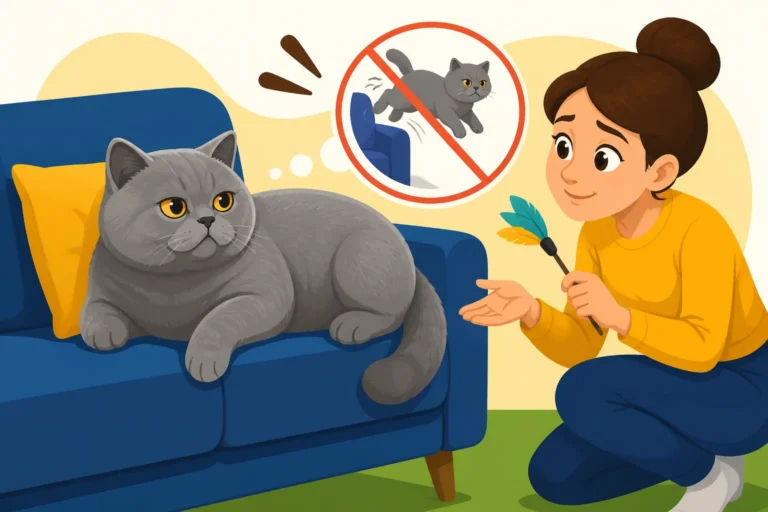
It’s a common scenario that can leave you scratching your head: you bring home this adorable, fluffy British Shorthair kitten, and for the first couple of years, they’re a bundle of clumsy, playful joy. They chase the laser dot, pounce on feather wands, and might even fetch a toy mouse a time or two. But then, almost overnight, they hit around three years old, and suddenly, that playful spark seems to dim. They become the quintessential "couch potato," preferring to observe from a comfortable distance rather than engaging in a vigorous play session. If you’ve noticed your once-energetic British Shorthair seemingly "retire" from active play around this age, you’re not alone, and this guide is here to unravel why this happens and how you can keep your beloved cat engaged, healthy, and happy for years to come.
Understanding the British Shorthair's Natural Temperament and Development
Let's be honest, British Shorthairs aren't exactly known for their boundless, kitten-like energy into old age. Their reputation precedes them as calm, collected, and rather sedentary felines. What you're observing around the age of three isn't necessarily a sudden, alarming change, but often the full blossoming of their inherent breed characteristics.
The Kitten and Adolescent Phases
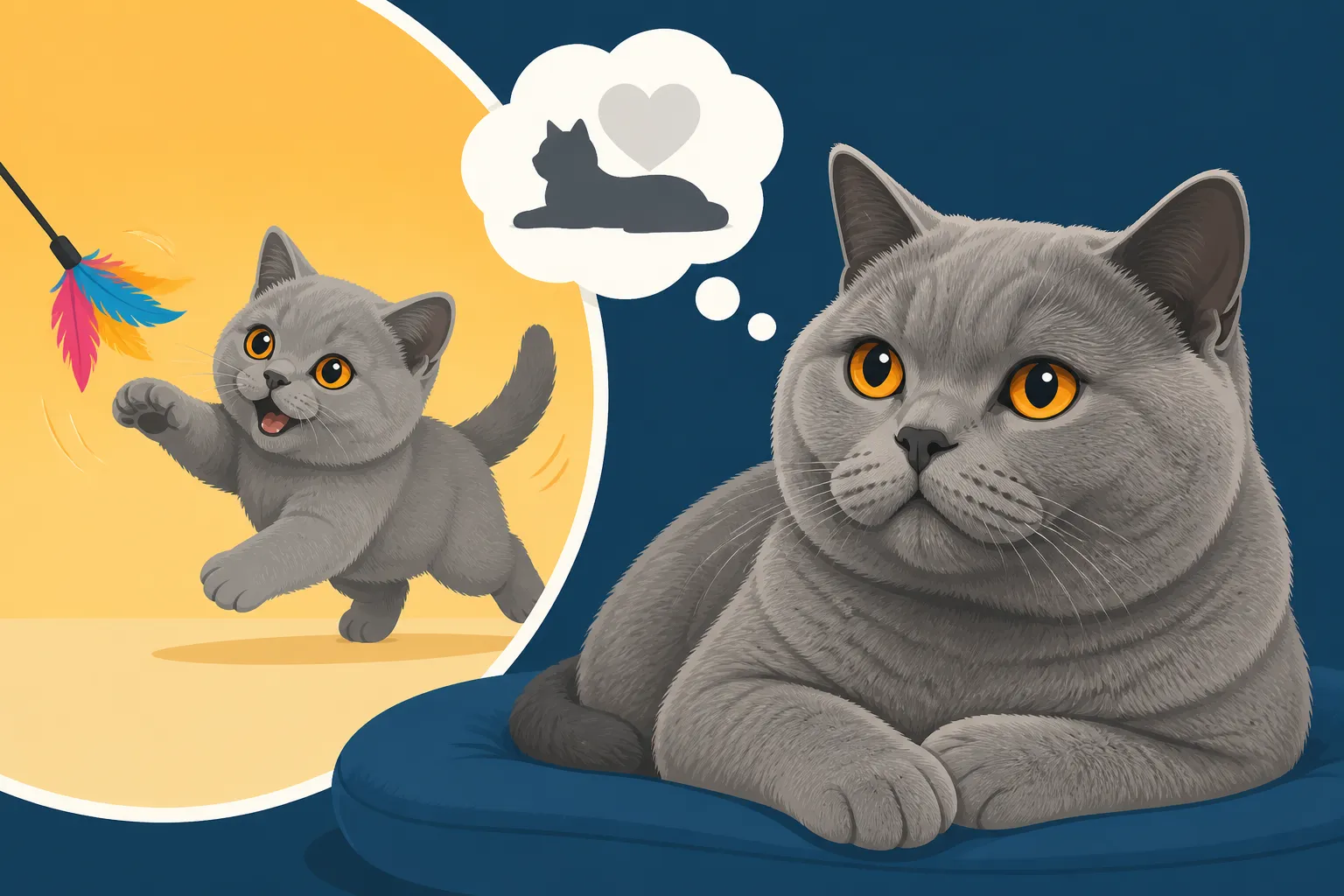
When you first welcome a British Shorthair kitten into your home, they often display a surprising amount of energy. They tumble, swat, and explore with a curious enthusiasm that can sometimes mislead new owners into thinking they've adopted a perpetually active cat. This period of high energy is crucial for their development, helping them build coordination, muscle strength, and learn social behaviors through play with littermates or their human family. They might dash through the house, climb to moderate heights, and engage in lengthy play sessions with string toys or crinkle balls. This initial burst of kitten energy can last well into their first year, sometimes even touching on their second, as they navigate their adolescent phase. During this time, they are still growing, learning, and developing, and their bodies are primed for activity. It’s a wonderful, chaotic phase, full of discovery. You might wonder How Long a British Shorthair Stays a Kitten and enjoy every playful moment.
However, even during these younger years, a discerning eye might notice subtle differences compared to other more "high-octane" breeds. While they play, their movements might be a bit more deliberate, their pounces less acrobatic, and their attention spans for intense activity slightly shorter. They tire more easily, and their recovery time, even as youngsters, might be faster back to a state of calm repose. This isn't a flaw; it's simply a precursor to the magnificent, serene adults they are destined to become.
The British Shorthair's Adult Personality Emerges
As a British Shorthair approaches its second and third birthdays, a profound shift often occurs. The last vestiges of kittenish exuberance begin to fade, replaced by a much more serene, dignified demeanor. This is when their true adult personality, the one the breed is famous for, fully emerges. They become the quintessential "teddy bear" cat – calm, affectionate on their own terms, and perfectly content to be near you rather than on you, observing the world with a wise, unhurried gaze. Their inherent calm, solid nature truly comes to the forefront, and with it, a natural decrease in the need or desire for vigorous, extended play. This doesn't mean they become entirely inactive, but their preferred mode of engagement changes significantly.
They are less likely to initiate boisterous games of chase or leap dramatically for a toy. Instead, they might prefer a slower, more deliberate interaction, a gentle swat at a dangling toy from their comfy perch, or a brief flicker of interest in a new scent. This shift is a natural part of their maturation and aligns perfectly with What a British Shorthair's Temperament Is Really Like. They still enjoy interaction and companionship, but their method of expressing it moves away from high-energy antics towards quiet presence and subtle gestures of affection. It's a testament to their unflappable nature, making them wonderful companions for those who appreciate a peaceful household.
The Physical Realities of Maturing British Shorthairs
Beyond temperament, there are significant physical changes occurring around the age of three that contribute to a British Shorthair's decreased interest in vigorous play. Their bodies are solidifying, and with that comes a different set of physical capabilities and limitations.
Reaching Full Physical Maturity
By the time a British Shorthair reaches three years old, they are typically considered to have reached their full physical maturity. Unlike many other cat breeds that might be fully grown by their first birthday, British Shorthairs are a slow-maturing breed. Their growth plateaus around two to three years of age, and they spend these early adult years filling out, developing their characteristic cobby body, broad chest, and substantial bone structure. This "filling out" phase is often celebrated by breeders and owners alike, as it brings them closer to the iconic "teddy bear" look. You'll notice their broad face and substantial jowls become more pronounced, their muscular body solidifies, and they achieve their full adult weight. Understanding When a British Shorthair Reaches Full Size helps put this into perspective.
However, this substantial build, while beautiful, is not designed for agility or high-flying acrobatics. Their short, thick legs and stocky frame are not built for prolonged bursts of speed or impressive vertical leaps. As they fill out and gain their adult weight, the effort required for such activities increases. A leap that felt effortless as a nimble kitten now demands more energy and places greater stress on their joints. This physical reality naturally leads to a preference for less strenuous activities, or simply more lounging. They learn their physical limits and, being sensible creatures, choose comfort and conservation of energy over exertion.
Joint Health and Comfort
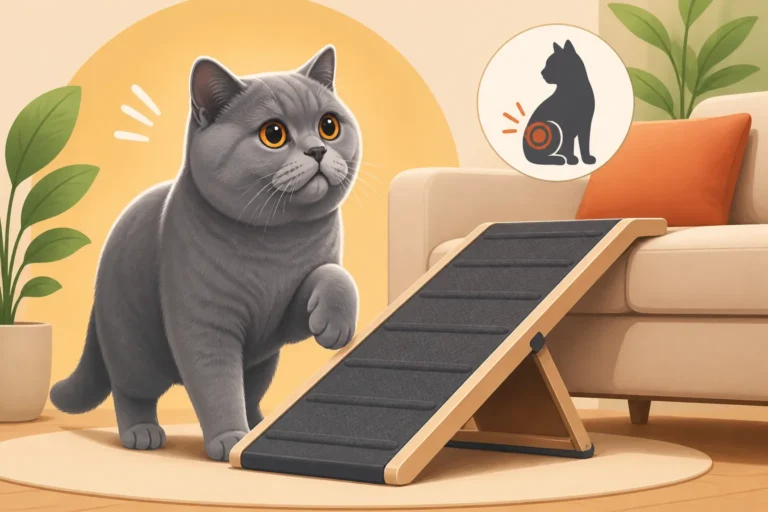
With their solid build and tendency towards a more relaxed lifestyle, British Shorthairs are susceptible to joint issues, especially if they carry extra weight. While significant arthritis might be more common in older cats, the early signs of wear and tear, or even just the potential for discomfort, can begin to influence their activity levels around age three. A cat that previously jumped onto the counter with ease might now pause, or look for a stepping stool, or simply decide it's not worth the effort. This isn't necessarily an immediate sign of debilitating pain, but rather a natural instinct to protect their body and avoid anything that might cause discomfort down the line.
Even without a formal diagnosis of arthritis, the simple reality of supporting a heavier, denser body means that high-impact activities become less appealing. Imagine asking a strong, heavy-set person to suddenly become a gymnast; it's simply not what their body is built for. For a British Shorthair, a graceful leap or a sudden sprint that a more lithe breed might enjoy could cause a jolt or strain they'd rather avoid. This makes the question of What Obesity Does to a British Shorthair's Joints all the more critical, as excess weight exacerbates any natural predisposition to joint stiffness or discomfort. They prioritize comfort and ease of movement, and if active play feels less comfortable, they'll simply opt out.
Environmental and Lifestyle Factors
It's not just their internal wiring or physical development; the world around them and the habits they form also play a massive role in why a British Shorthair might "retire" from intense play. Our homes and routines often inadvertently reinforce their natural tendencies.
The Comfort of Routine and Predictability
British Shorthairs are creatures of habit and thrive on routine. They find comfort and security in predictability, knowing when their meals are, when their humans are typically home, and where their favorite napping spots are located. While this makes them wonderfully stable and easygoing companions, it can also lead to a somewhat static environment where novelty is not particularly sought after. If their day-to-day life is generally calm and unchanging, without new stimuli or consistent invitations to play, their innate curiosity for active engagement might simply fade.
Think about it from their perspective: if every day unfolds in a similar, peaceful pattern, and no exciting new 'prey' appears, why expend energy chasing after something they've seen a hundred times? They become accustomed to their established comfort zones, and breaking out of that comfort, even for a game, might seem like unnecessary effort. This isn't laziness in a negative sense, but rather a deep appreciation for tranquility and a lack of inherent drive to seek out high-stimulation activities. If their environment doesn't offer consistent, engaging play opportunities, their interest naturally wanes.
Sedentary Habits and Weight Gain
One of the most insidious cycles that can contribute to a British Shorthair's reduced playfulness around age three is the link between decreased activity and weight gain. As their kitten energy fades and their adult personality emerges, they naturally become less active. If their caloric intake isn't adjusted accordingly, it's incredibly easy for them to start putting on weight. Their dense, plush coats can often mask early signs of obesity, making it difficult for owners to notice until it's become a significant issue. Suddenly, a cat who was merely "chunky" in their youth is genuinely overweight, and this extra burden makes even moderate play feel like a monumental task.
An overweight cat moves less because moving is harder, and moving less leads to more weight gain – a truly vicious circle. Why a British Shorthair Gains Weight So Easily is a topic many owners grapple with, and it's often directly tied to this natural decline in activity compounded by unrestricted access to food. If a cat is uncomfortable moving, whether due to weight, mild joint stiffness, or simply the extra effort required, they will naturally choose to remain still. This doesn't mean they've stopped enjoying life, but their physical capacity for the playful antics of their youth has diminished. It's a common trap many British Shorthair owners fall into, seeing their cat's contentment with stillness as a sign of health, when it might, in fact, be a sign of a looming weight problem.
Redefining Play for the Mature British Shorthair
Just because your British Shorthair isn't tearing around the house like a kitten anymore doesn't mean play is over. It simply means you need to adjust your approach and redefine what "play" looks like for your dignified adult cat.
Shifting Play Styles
The key to engaging a mature British Shorthair is to understand that their play style will naturally shift. Gone are the days of marathon chasing sessions or impressive aerial maneuvers. Instead, think "strategic hunter" rather than "acrobatic gymnast." Their dense bodies and calm temperaments mean they prefer games that involve less sustained effort and more bursts of focused attention. This is where patience and observation become your best tools.
Consider activities that stimulate their minds and their natural hunting instincts without demanding excessive physical exertion. Puzzle feeders are fantastic for this; they encourage problem-solving and provide a reward, making the "work" worthwhile. Wand toys are still excellent, but instead of encouraging leaps and bounds, try dragging the toy slowly across the floor, mimicking a mouse, allowing them to stalk and pounce with a single, satisfying strike. Short, focused sessions of five to ten minutes, a couple of times a day, are often far more effective than trying to coax them into a long, drawn-out game. The goal is engagement, not exhaustion. You can find a fantastic array of such engaging toys on Amazon, specifically designed to pique a cat's interest without overstimulating them.
Engaging the Hunter Instinct in a Low-Key Way
Even the most relaxed British Shorthair retains a powerful, albeit often dormant, hunting instinct. Tapping into this primal drive is the best way to encourage play. The trick is to make the "hunt" manageable and rewarding for their mature selves. Think about the classic cat-and-mouse dynamic, but slowed down and adapted for a less agile physique.
Feather wands, for example, are still a big hit. Instead of whipping them around frantically, try making the feathers "skitter" along the floor, disappear under a rug, or peek out from behind furniture. This mimics the unpredictable movement of prey and allows your British Shorthair to engage their stalking skills. Laser pointers can also be effective, but always, always, end a laser session by directing the beam onto a physical toy or treat that your cat can "catch" and feel satisfied with. This prevents frustration and provides a tangible reward for their hunting efforts. Remember, a British Shorthair is built for a powerful pounce, not necessarily a long chase, so allow them to complete the "kill." For more ideas on what might capture their attention, check out Which Toys a British Shorthair Will Actually Chase. The important thing is to make play feel like a successful hunt, not a tiresome workout.
Encouraging Activity and Maintaining Engagement
While their natural inclination is towards calm, it's still vital to encourage regular, appropriate activity for your British Shorthair. This isn't about making them into a marathon runner, but ensuring they stay mentally stimulated and physically fit within their breed's capabilities.
Structured Play Sessions
The key to consistent engagement with a mature British Shorthair is structured, predictable play sessions. These cats love routine, so integrating play into their daily schedule can make it a comforting, expected part of their day rather than a surprising demand. Aim for two to three short sessions per day, perhaps 5-10 minutes each. The timing could be before their breakfast and dinner, mimicking the natural hunt-and-eat cycle of a wild cat, or whenever you notice them to be most alert.
During these sessions, be fully present. Put away your phone, and focus entirely on interacting with your cat. Use wand toys, chasers, or even just crumpled paper balls that they can bat around. The goal is to get them moving, even if it's just a few deliberate pounces or a slow stalk across the room. It’s crucial to end the play session on a high note, even if your cat only shows interest for a short time. Allow them to "catch" the toy, give it a victorious chew or lick, and then put the toy away. This builds positive association and keeps them keen for the next session. This consistent, low-pressure engagement can make a huge difference in their overall well-being and is a central answer to How Much Play a British Shorthair Needs.
Environmental Enrichment Beyond Active Play
While active play is important, environmental enrichment plays an equally vital role in keeping a British Shorthair stimulated, especially as they mature. Since they're not natural climbers or jumpers in the same way some other breeds are, consider enrichment that suits their grounded, cobby nature.
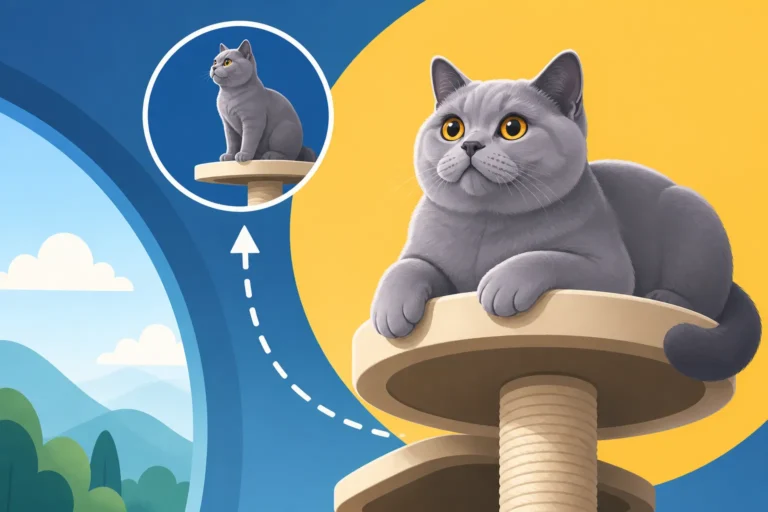
- Vertical Spaces: Even if they don't scale dizzying heights, British Shorthairs appreciate being able to observe their territory from a slightly elevated position. Invest in sturdy, wide cat trees or window perches that offer easy access via ramps or broad steps. A large, robust cat tree from Amazon can provide multiple levels for napping, observing, and feeling secure without requiring acrobatic feats. They appreciate a stable perch. Remember, Which Cat Tree a British Shorthair Uses will largely depend on its size and stability.
- Window Perches: A secure window perch provides endless entertainment as they watch birds, squirrels, and passersby. This is mental stimulation that requires no physical exertion beyond moving to the perch.
- Food Puzzles: As mentioned, puzzle feeders are excellent. They make mealtime an engaging activity, slowing down eating and stimulating their problem-solving skills.
- Rotation of Toys: Keep a variety of toys, but don't leave them all out at once. Rotate toys every few days to maintain novelty and prevent boredom. Even the most "lazy" cat can be enticed by a toy that suddenly reappears after being put away for a week.
- Catnip and Silvervine: These natural attractants can occasionally spark a playful frenzy, even in a sedate British Shorthair. Use them sparingly to maintain their effectiveness. A spray on a favorite toy can sometimes reignite interest.
The Role of Diet in Energy Levels
Maintaining an appropriate weight and providing optimal nutrition are absolutely paramount for ensuring your British Shorthair has the energy and physical comfort to engage in any level of play. As their activity naturally decreases around age three, their caloric needs also decrease significantly. This is where many owners inadvertently set their cats up for weight gain, which then further discourages play.
- Portion Control: This cannot be stressed enough. Free-feeding (leaving food out all day) is almost guaranteed to lead to obesity in a British Shorthair. Instead, measure out their food precisely and feed them two to three meals a day. Portion Control Is the Whole Job With a British Shorthair is not an exaggeration; it's the foundation of their long-term health.
- High-Quality Food: Choose a high-quality cat food appropriate for adult, moderately active cats. Look for foods with good protein sources and balanced nutrients. If your cat is already overweight, discuss a weight-management diet with your vet.
- Hydration: Ensure constant access to fresh water. Many British Shorthairs don't drink enough, and good hydration is essential for overall health, including joint lubrication and organ function. A water fountain can encourage increased intake.
By managing their diet carefully, you can help prevent the weight gain that often saps their desire to move. A healthy weight contributes directly to better joint health and a more comfortable, albeit calm, active lifestyle.
When to Consult a Vet
While a decrease in playfulness around age three can be a normal part of a British Shorthair's maturation, it's always crucial to distinguish between a natural shift in temperament and an underlying health issue. You know your cat best, and any sudden or dramatic change warrants a closer look.
Distinguishing Normal Aging from Health Issues
If your British Shorthair's reduction in play is gradual and consistent with other signs of maturing into their calm adult self, it's likely normal. However, if the change is abrupt, or accompanied by other worrying symptoms, it's time to be vigilant. Look out for:
- Limping or stiffness: A reluctance to jump, difficulty using stairs, or a noticeable limp could indicate joint pain or arthritis, which can become an issue even for younger, heavily built cats.
- Changes in appetite or thirst: A sudden increase or decrease in either could signal metabolic issues, kidney problems, or other illnesses.
- Lethargy beyond normal calm: While British Shorthairs are calm, they should still have moments of alertness and engagement. Excessive sleeping, hiding, or a general lack of interest in their surroundings could be a red flag.
- Changes in grooming: An inability to groom their back thoroughly, matted fur, or excessive licking of certain areas can point to pain or discomfort.
- Difficulty breathing: Open-mouth breathing, rapid breathing, or panting are emergency signs that require immediate veterinary attention, as they can indicate heart issues like HCM.
- Vocalization changes: An increase in meowing or unusual sounds could indicate discomfort or distress.
Conditions like early onset arthritis, dental pain (which can make chewing and even general comfort difficult), or even subclinical heart conditions (like HCM, which British Shorthairs can be prone to, as discussed in What HCM Does to a British Shorthair's Heart) can subtly diminish a cat's desire to play. They are masters at hiding pain, so any change in activity should be observed carefully.
Routine Check-ups and Early Detection
Regular veterinary check-ups are essential, especially as your British Shorthair moves into adulthood. These annual (or even bi-annual for some) visits allow your vet to perform a thorough physical examination, assess their weight, listen to their heart, and discuss any behavioral changes you've observed. Early detection of potential health issues is always the best approach, as it allows for timely intervention and better outcomes.
Your vet might recommend routine bloodwork to check organ function and rule out underlying illnesses. What a British Shorthair's Yearly Bloodwork Should Cover typically includes a full blood count, chemistry panel, and thyroid screening, which can catch issues before they become severe. Don't hesitate to openly discuss your concerns about their reduced playfulness. A good vet can help you determine if it's a normal developmental phase or if diagnostics are warranted to rule out any medical causes. Being proactive with their health care is one of the kindest things you can do for your beloved, maturing British Shorthair.
Here's a table comparing play behaviors at different life stages for a British Shorthair:
| Feature | Kitten/Young Adult (Up to ~2 years) | Mature Adult (3+ years) |
|---|---|---|
| Energy Level | High bursts, curious, often self-initiates play | Lower, calm, prefers observation, may need encouragement |
| Play Style | Energetic chasing, leaping, climbing, wrestling | Stalking, pouncing, batting, short bursts, mental engagement |
| Preferred Toys | Anything that moves fast, danglers, crinkle balls | Wand toys (slow movement), puzzle feeders, catnip toys |
| Play Duration | Longer, sustained sessions (10-20+ minutes) | Shorter, focused sessions (5-10 minutes) |
| Physical Effort | High-impact, agile movements, vertical jumps | Low-impact, deliberate movements, horizontal play |
| Motivation | Innate curiosity, boundless energy, novelty | Food reward, gentle stimulation, routine, familiar toys |
| Overall Demeanor | Boisterous, explorative, sometimes clumsy | Dignified, serene, observant, "teddy bear" personality |
Disclaimer
This article is for general informational purposes only and does not constitute professional advice. Laws, prices and regulations vary by location and change over time. Consult a qualified professional for guidance on your specific situation.