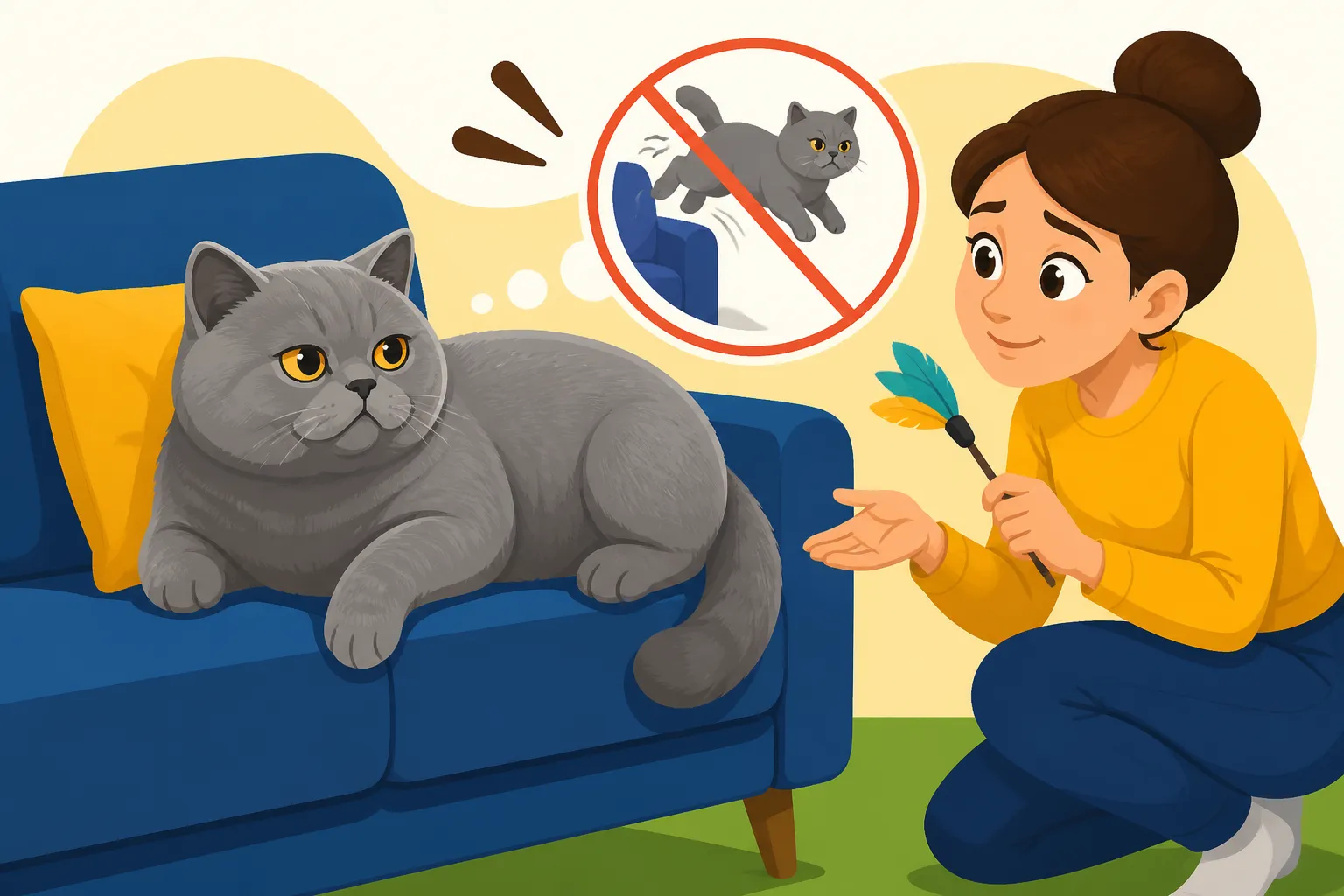
How to Get a British Shorthair Off the Sofa
It’s a scene familiar to many British Shorthair owners: you look around, and there they are, a beautiful, plush rug of a cat, perfectly molded into the cushions of your sofa. While their calm and cuddly nature is undoubtedly part of their charm, an overly sedentary lifestyle can unfortunately lead to serious health issues. This comprehensive guide will walk you through realistic strategies to encourage your British Shorthair to embrace more activity, keeping them healthy and happy.
Understanding the British Shorthair's Nature
Let's be honest, the British Shorthair isn't exactly known for its boundless energy or acrobatic feats. They are, by design, a more laid-back breed, which is one of the many reasons we adore them! But understanding this inherent nature is the first step in gently nudging them towards a more active lifestyle, rather than expecting them to suddenly transform into a high-energy acrobat.
The Calm and Cobby Build
The very essence of a British Shorthair is their robust, cobby build. They are chunky, dense, and solid, not built for the aerial maneuvers or lightning-fast sprints you might see from other breeds. Their ancestors were working cats, sure, but their job was more about patient observation and strategic pounces on rodents, not chasing butterflies for hours on end. This history has shaped them into cats who prefer a quiet corner and a good nap over a marathon play session.
Because of this natural inclination, it's easy for us, as their loving human companions, to fall into the trap of thinking they don't need much activity. We see them lounging, seemingly content, and we assume all is well. But this calm demeanor can often mask a deeper need for engagement, and a lack of proper stimulation can lead to them becoming what many affectionately, but perhaps a little too accurately, call a "couch potato." It's not a fault in their character, but rather a characteristic that requires thoughtful management from us.
The Appeal of the Sofa
Why is the sofa such an irresistible magnet for a British Shorthair? Well, put yourself in their paws for a moment. It's soft, it's warm, it often carries the comforting scent of their favorite humans, and it's typically located in the heart of the home where all the interesting (or not-so-interesting) things happen. It's their personal throne, a safe haven, and a prime napping spot all rolled into one. Why would they leave?
The truth is, many alternative play options simply don't compete with the luxurious comfort of the sofa unless they are made incredibly enticing. A small, flimsy toy might get a half-hearted bat, but it's quickly abandoned for the plush embrace of the cushions. This leads to a vicious cycle: the less they move, the less they want to move, and the more deeply ingrained their sedentary habits become. Over time, that initial preference for lounging can turn into a genuine reluctance to engage in any physical activity, making our job of getting them off the sofa even more challenging.
The Health Implications of a Sedentary British Shorthair
It’s easy to chuckle at our British Shorthairs' love affair with the sofa, but behind the cute "couch potato" persona can lurk some serious health risks. Their naturally robust build, combined with their low activity levels, makes them particularly susceptible to certain conditions that can significantly impact their quality of life and lifespan. We need to be vigilant and proactive, because while a little extra padding might look adorable, it's far from healthy.
The Link to Obesity and Related Issues
Let’s not sugarcoat it: Obesity Is the British Shorthair's Real Disease. Their calm temperament means they burn fewer calories than more active breeds, and their hearty appetite means they'll often eat whatever is put in front of them. This combination is a recipe for weight gain, and unfortunately, once the weight piles on, it opens the door to a host of other medical problems.
Obesity can lead directly to conditions like Diabetes in a British Shorthair, requiring daily insulin injections and careful dietary management. The extra weight also puts immense strain on their joints, accelerating the onset of What Obesity Does to a British Shorthair's Joints and making movement even more uncomfortable. Beyond that, overweight British Shorthairs are more prone to liver issues, respiratory problems, and even Urinary Problems in a British Shorthair due to decreased mobility affecting their litter box habits and water intake. It's a cascade of potential health crises, all stemming from a simple lack of movement and proper weight management. Preventing these issues by encouraging activity is always easier and kinder than treating them once they’ve taken hold.
Mental and Emotional Well-being
It's not just their physical health that suffers when a British Shorthair becomes a permanent fixture on the sofa. Cats, even the most laid-back ones, need mental and emotional stimulation. Imagine being stuck in the same comfortable spot all day, every day, with nothing new to see, smell, or chase. It would be incredibly boring, wouldn't it? Our British Shorthairs feel the same way.
A lack of physical and mental enrichment can lead to a state of chronic boredom, which might manifest in surprising ways. Some cats might become withdrawn, sleeping even more, or even exhibit destructive behaviors like scratching furniture or inappropriate urination out of sheer frustration. Others might become overly reliant on food for comfort, exacerbating their weight issues. Regular play and exploration, even gentle forms, are vital for keeping their minds sharp, their instincts satisfied, and their spirits high. An active British Shorthair is not just a healthier cat; they're a happier, more engaged member of the family.
Strategies to Encourage Movement and Play
Getting a British Shorthair to move is less about forcing them and more about making movement irresistible. They respond best to consistency, patience, and a bit of clever persuasion. Remember, we’re aiming for gentle encouragement, not turning them into an Olympic athlete overnight. Small steps, consistently applied, will yield the best results for your plush companion.
Scheduled Play Sessions
One of the most effective ways to encourage movement is to establish a routine of scheduled play sessions. British Shorthairs thrive on predictability, so incorporating playtime into their daily schedule helps them anticipate and even look forward to it. Forget one long, exhausting session; what they truly benefit from are short, frequent bursts of activity. Think two to three 5-10 minute sessions scattered throughout the day, perhaps before meal times or in the evening. This mimics a cat's natural hunting patterns – short bursts of energy followed by rest.
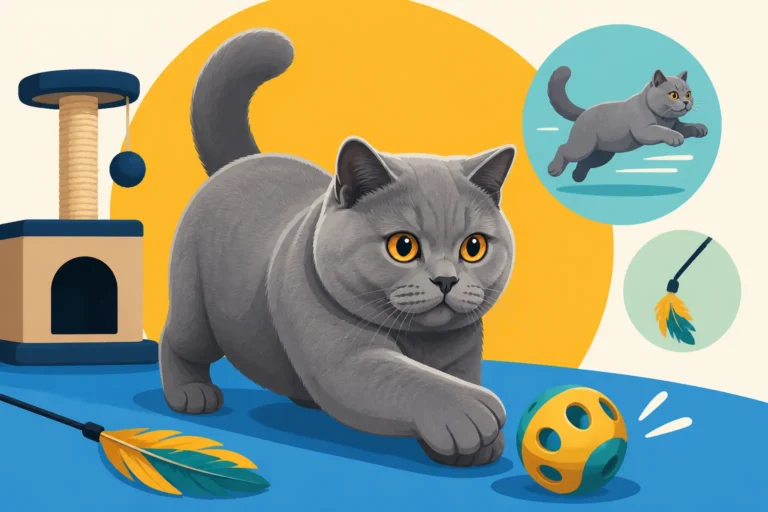
The key is consistency. Make it a non-negotiable part of your day. When initiating play with a reluctant British Shorthair, start gently. Don't thrust a toy in their face. Instead, try dragging a wand toy slowly across the floor, mimicking prey. Let them "catch" it easily at first to build their confidence. Some British Shorthairs prefer a more horizontal style of play, chasing things on the ground, rather than leaping vertically. Experiment with different types of toys; some might love a crinkle ball, while others are entranced by a feather on a stick. For a wide variety of engaging toys, you can find many options online, like those available on Amazon, which can be delivered right to your door.
Engaging Toys and Environmental Enrichment
Beyond scheduled play, enriching their environment is crucial for motivating a British Shorthair to move off the sofa on their own terms. This involves providing stimulation that taps into their natural instincts, even if those instincts are a bit subdued. Interactive toys that move on their own, or puzzle feeders that dispense treats only after a bit of work, can be fantastic motivators. Whether a Puzzle Feeder Motivates a British Shorthair is often a yes, especially if the reward is tempting enough!
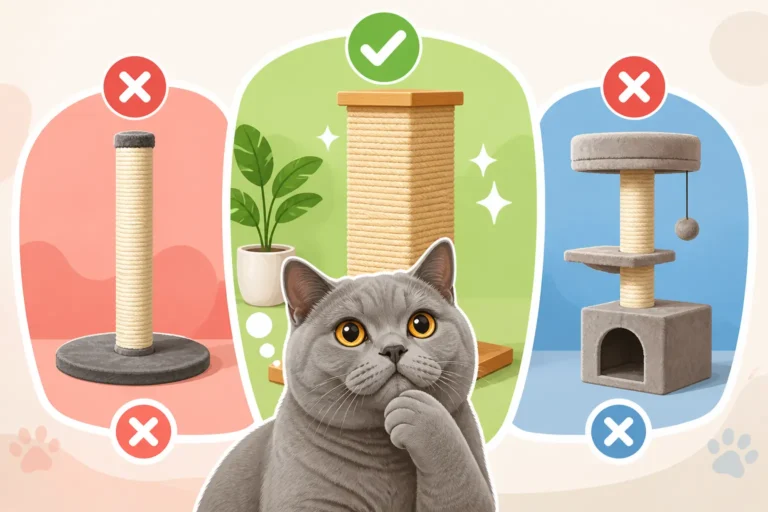
Vertical space is also incredibly important, even for a cat that seems to prefer the ground. A sturdy cat tree can provide safe climbing and observation spots. Since British Shorthairs are larger and heavier, choose one that is exceptionally stable and has wide platforms to accommodate their robust bodies. Which Cat Tree a British Shorthair Uses and What a Cat Tree for a Heavy British Shorthair Costs are important considerations; invest in quality to ensure safety and longevity. Look for ones with sisal scratching posts to encourage healthy claw maintenance while they're at it. Window perches also offer fantastic passive entertainment, allowing them to watch the world outside, which can stimulate their minds even if they're not actively running. You'll find a vast selection of robust cat trees and sturdy window perches suitable for British Shorthairs on sites like Amazon.
Harness Training and Outdoor Exploration
While many British Shorthairs are perfectly content indoors, some might surprise you with an adventurous streak. Harness training can be a wonderful way to introduce them to the stimulating scents and sounds of the outdoors in a controlled and safe manner. It's not for every British Shorthair, and it requires immense patience and positive reinforcement, but it can be incredibly enriching. For a detailed guide, check out How to Leash Train a British Shorthair. Start with short sessions indoors, just wearing the harness, before venturing outside.
If actual leash walks aren't feasible or desirable, consider a catio! These enclosed outdoor spaces allow your British Shorthair to enjoy fresh air and sensory stimulation without the risks of free-roaming. They can observe birds, feel the breeze, and smell new things, all of which provide invaluable mental and physical enrichment, making even the most dedicated sofa-dweller curious enough to venture out and explore. These small adventures, whether on a leash or in a catio, break up the monotony and can significantly improve their overall well-being.
Dietary Adjustments and Hydration
When you're dealing with a British Shorthair who views the sofa as their natural habitat, diet plays an absolutely critical role in managing their weight and overall health. It's not just about what they eat, but how much, how often, and even how they get their water. Making smart choices here will directly support your efforts to get them moving more.
Portion Control and Weight Management
This really is the big one. For a breed that loves to eat and moves so little, Portion Control Is the Whole Job With a British Shorthair. You can try all the play strategies in the world, but if their calorie intake exceeds their output, they will gain weight, which then makes them even less likely to move. It's a challenging cycle to break.
Start by consulting your vet to determine your British Shorthair's ideal weight and the appropriate daily caloric intake for them. Then, measure their food precisely. Don't eyeball it; use a kitchen scale for accuracy. Free-feeding, where food is left out all day, is generally not recommended for British Shorthairs, as it allows them to graze whenever they're bored or passing by, quickly leading to excess calories. Instead, feed two to three measured meals per day. If your cat is already overweight, your vet might recommend a specific weight management or prescription diet. These foods are formulated to be lower in calories while still providing essential nutrients and helping them feel full. Understanding How Many Calories a British Shorthair Needs is fundamental to this process. Be disciplined, because every little bit of food matters when you're managing a British Shorthair's weight.
Encouraging Water Intake
Hydration is often overlooked but is incredibly important, especially for breeds prone to urinary issues. Adequate water intake helps keep their urinary tract healthy, flushes out toxins, and can even contribute to a feeling of fullness, which can be helpful during weight management. However, many cats, including British Shorthairs, aren't naturally big drinkers.
To encourage more water intake, try offering multiple water sources around the house. Some cats prefer ceramic or glass bowls over plastic, as plastic can retain odors. Many British Shorthairs are fascinated by moving water, so a cat water fountain can be a fantastic investment. The circulating water is often more appealing, cooler, and oxygenated, tempting them to drink more frequently. You can find a good range of cat water fountains on Amazon, often with different designs and filters. Placing water bowls away from food bowls and litter boxes can also increase their appeal, as cats instinctively prefer fresh water sources away from their "kill" and waste areas. Adding a little water to their wet food can also boost their daily intake without them even realizing it.
Creating an Active and Stimulating Environment
You don't need a sprawling mansion to encourage your British Shorthair to be more active. It's all about thoughtful design and maximizing the space you have, turning your home into an enticing playground that subtly encourages movement and engagement, rather than just being a giant, comfy cushion. The goal is to make activity a natural and rewarding part of their everyday life.
Utilizing Vertical Space
For a cat that might be hesitant to run laps around the living room, encouraging vertical movement can be a game-changer. British Shorthairs might be stocky, but they still possess an instinct to climb and observe from high vantage points. However, a single, tall cat tree might not be enough. Think about installing cat shelves or wall-mounted steps. These provide a staircase effect, making it easier for a heavy cat to ascend without needing to perform large, strenuous jumps.
The benefits are numerous: it gives them more territory to patrol, offers new perspectives on their world, and provides safe perches away from household commotion. Crucially, it encourages muscle use and flexibility in a low-impact way. Ensure all installations are incredibly sturdy and secured to wall studs, as a falling shelf could not only injure your cat but also deter them from using vertical spaces in the future. These spaces don't have to be elaborate; even a sturdy chest of drawers with a soft mat on top, or a low bookcase with steps leading up, can provide that much-needed elevation.
Incorporating Interactive Elements
Keeping a British Shorthair engaged requires variety. Imagine if you had the same meal every single day – eventually, you'd get bored. Cats are no different. Regularly rotating their toys is a simple yet effective strategy to maintain their interest. Don't leave all their toys out all the time; instead, introduce a few new ones every few days, putting others away. This keeps the "newness" factor high and prevents boredom.
Beyond toys, integrate interactive elements into their environment. Hide small, healthy treats or a few pieces of their regular kibble in different spots around the house – on low shelves, inside crumpled paper bags (safe ones, of course), or in their puzzle feeders. This transforms mealtime into a scavenger hunt, stimulating their minds and encouraging them to walk and explore to find their reward. Even something as simple as scattering a few pieces of kibble across the floor, rather than putting it all in one bowl, can lead to a minute or two of gentle "hunting." Remember, How Much Play Keeps a British Shorthair Slim isn't just about intense bursts; it's also about consistent, low-level activity throughout the day. Grooming, while not exercise, also counts as interaction, and for a British Shorthair, it’s a necessary one due to their dense coat.
Patience, Consistency, and Professional Guidance
Successfully motivating a British Shorthair to move more isn't a sprint; it's a marathon that requires a hefty dose of patience, unwavering consistency, and sometimes, a little help from the experts. Their inherent nature means results won't happen overnight, but persistent, positive efforts will undoubtedly make a significant difference.
The Importance of a Consistent Routine
Cats, including our beloved British Shorthairs, are creatures of habit. They thrive on routine and predictability. Establishing a consistent daily schedule for play, feeding, and even grooming will create a sense of security and help them understand what to expect. If play sessions happen at roughly the same time each day, they'll learn to anticipate them and be more receptive. This consistency builds trust and reinforces the idea that moving and playing are positive experiences, not random demands.
Small, daily efforts truly compound over time. Don't get discouraged if your British Shorthair doesn't immediately transform into a jungle explorer. Celebrate every small victory: a paw reaching out for a wand toy, a short chase after a laser dot, or even just choosing to nap on a cat tree instead of the sofa. These incremental changes are what lead to lasting habits and a healthier, more engaged cat. Remember, it’s about slow, steady progress, not sudden, dramatic overhauls.
When to Seek Veterinary Advice
While we can do a lot at home to encourage activity, there are times when professional guidance is absolutely essential. If you notice any sudden or significant changes in your British Shorthair's activity levels, appetite, or general behavior, it's crucial to consult your veterinarian immediately. Cats are masters at hiding pain and discomfort, so subtle changes can often be indicators of underlying health issues. For example, if your previously somewhat playful cat suddenly refuses to move at all, or seems to struggle with climbing, it could be a sign of pain or a developing condition. Look for Signs a British Shorthair Is Unwell like changes in litter box habits, lethargy, or a decrease in appetite.
Your vet can help rule out medical conditions that might be contributing to their inactivity, such as Arthritis in an Older British Shorthair, or other health concerns. They can also provide a professional assessment of your cat's body condition, recommend a tailored diet plan, and offer advice on safe exercise routines. Regular wellness exams are vital for early detection and prevention; How Often a British Shorthair Needs a Wellness Exam should be discussed with your vet, usually annually for adults and more frequently for seniors. Partnering with your vet ensures you're providing the best possible care, tailored to your British Shorthair's specific needs and health status.
Comparison of Activity-Boosting Strategies for British Shorthairs
| Strategy | Description | Benefits for British Shorthair | Considerations |
|---|---|---|---|
| Scheduled Play | Short, frequent sessions (5-10 min, 2-3 times/day) with wand toys, laser pointers, or crinkle balls. | Builds anticipation, mimics natural hunting, burns calories, mental stimulation. | Requires owner consistency; toys need rotation; may take time to see results. |
| Environmental Enrichment | Providing cat trees, window perches, puzzle feeders, and vertical shelving. | Offers observation points, encourages climbing, satisfies natural instincts, prevents boredom. | Cat trees must be sturdy for their weight; shelves need secure installation; initial investment in items. |
| Dietary Management | Strict portion control, measured meals, high-quality food, potentially vet-prescribed weight loss diet. | Prevents and manages obesity, reduces risk of related diseases (diabetes, arthritis), increases comfort in movement. | Requires owner discipline; regular weighing; vet consultation for specific diet plans. |
| Hydration Focus | Multiple water bowls, cat water fountains, adding water to wet food. | Supports urinary health, aids digestion, helps with weight management by promoting fullness. | Placement is key; cat fountains require maintenance (cleaning, filter changes); may take trial and error to find preference. |
| Harness Training/Catio | Introducing a harness for supervised outdoor walks or providing an enclosed outdoor catio space. | Sensory enrichment (smells, sounds, sights), fresh air, gentle exercise, reduces boredom. | Not all BSH will tolerate a harness; requires significant patience; catio can be an investment. |
Disclaimer
This article is for general informational purposes only and does not constitute professional advice. Laws, prices and regulations vary by location and change over time. Consult a qualified professional for guidance on your specific situation.