How Well a British Shorthair Can Be Cuddled at All
It's a common dream to imagine your future British Shorthair curled up on your lap, purring contentedly as you stroke their famously plush coat. Many people picture a giant, fluffy teddy bear just begging for endless cuddles. However, if you're holding onto that image, you might find yourself a little disheartened when your new feline companion opts for the adjacent cushion instead of your lap, or offers a quick head-butt before retreating to a respectable distance. The truth about how well a British Shorthair can be cuddled is a nuanced one, and this guide is here to help you understand their unique expression of affection so you can build a truly special bond.
The British Shorthair's Unique Approach to Affection
British Shorthairs are renowned for their calm, placid demeanor, and their self-sufficient nature. While they are incredibly affectionate in their own way, it’s often not the overt, clingy type of affection that some other breeds or individual cats might display. This can sometimes lead to misunderstandings for owners who expect a constant lap companion.
More "Near You" Than "On You"
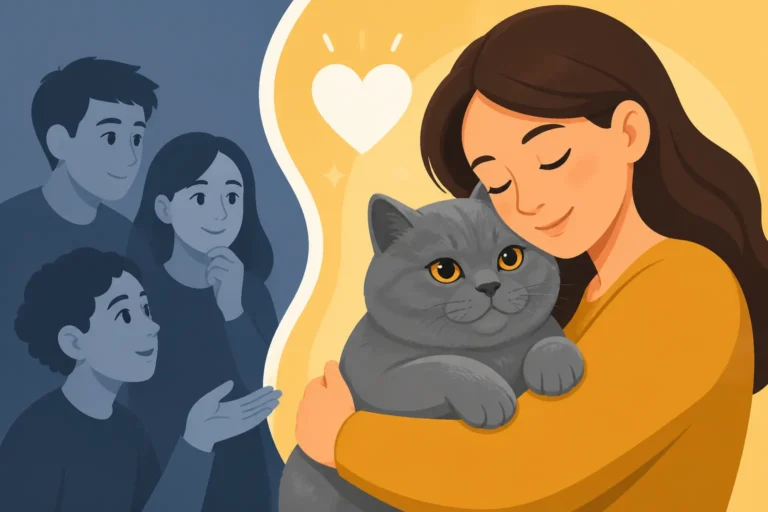
One of the first things many British Shorthair owners notice is their cat's preference for proximity over direct physical contact. They love being with you, just not necessarily on you. Imagine settling down on the sofa for an evening of television; your British Shorthair will likely choose a spot on the same sofa, perhaps at the other end, or in a comfy armchair nearby. They want to be part of the family unit, present in your space, but they often reserve lap time for brief, self-initiated visits rather than extended cuddle sessions. It's not that they don't love you; they simply have a different boundary when it comes to personal space. This "nearness" is a profound expression of their trust and contentment.
The Independent Spirit
To truly appreciate a British Shorthair's affection, it helps to understand their roots. These cats historically served as capable mousers, originating from the common street cats of Britain. This background instilled in them a certain independence and a strong sense of self-reliance. They aren't typically a breed that needs constant reassurance or attention, nor do they often display the vocal demands you might hear from a Siamese, for instance. Their quiet confidence means they are perfectly content in their own company for periods, making them an excellent choice for busy households or those who work away from home. Their calm nature ensures that A British Shorthair Is Genuinely Fine on Its Own, preferring quiet observation to boisterous demands.
Subtle Gestures of Love
Because they aren't always in your lap, it's easy to overlook the myriad ways a British Shorthair communicates its love. They are masters of subtle affection. A slow blink from across the room, a gentle rub against your leg as you walk by, a soft purr when you scratch them just behind the ears, or simply choosing to nap in the same room as you are all powerful indicators of their bond. They might even offer a fleeting head-butt, often called a "bunt," a clear sign of their trust and affection, before moving on to their next quiet activity. Learning to recognize these quiet cues is key to appreciating their unique love language. Don't expect them to perform tricks or vocalize loudly to get your attention; their love is a gentle, steady presence. How a British Shorthair Shows Affection is often through these understated, yet meaningful, gestures.
Decoding the British Shorthair's Cuddle Style
Once you understand that their affection isn't always expressed through traditional cuddling, you can start to decode their unique ways of showing they care. It's a journey of observation and appreciation.
The "Shadow" Syndrome
Have you ever noticed your British Shorthair mysteriously appearing in whichever room you happen to be in, settling down quietly just a few feet away? This is their version of shadowing, and it’s a strong indicator of their attachment. They might not be on your lap, but they want to be in your orbit, always keeping tabs on their favorite human. If you move from the living room to the kitchen, don't be surprised if your plush companion eventually ambles in and finds a new spot to relax, perhaps by the window or under the table. This constant, quiet presence is their way of saying, "I love you and I want to be near you." How Closely a British Shorthair Follows You is often a testament to their deep, though understated, bond.
Short, Sweet, and on Their Own Terms
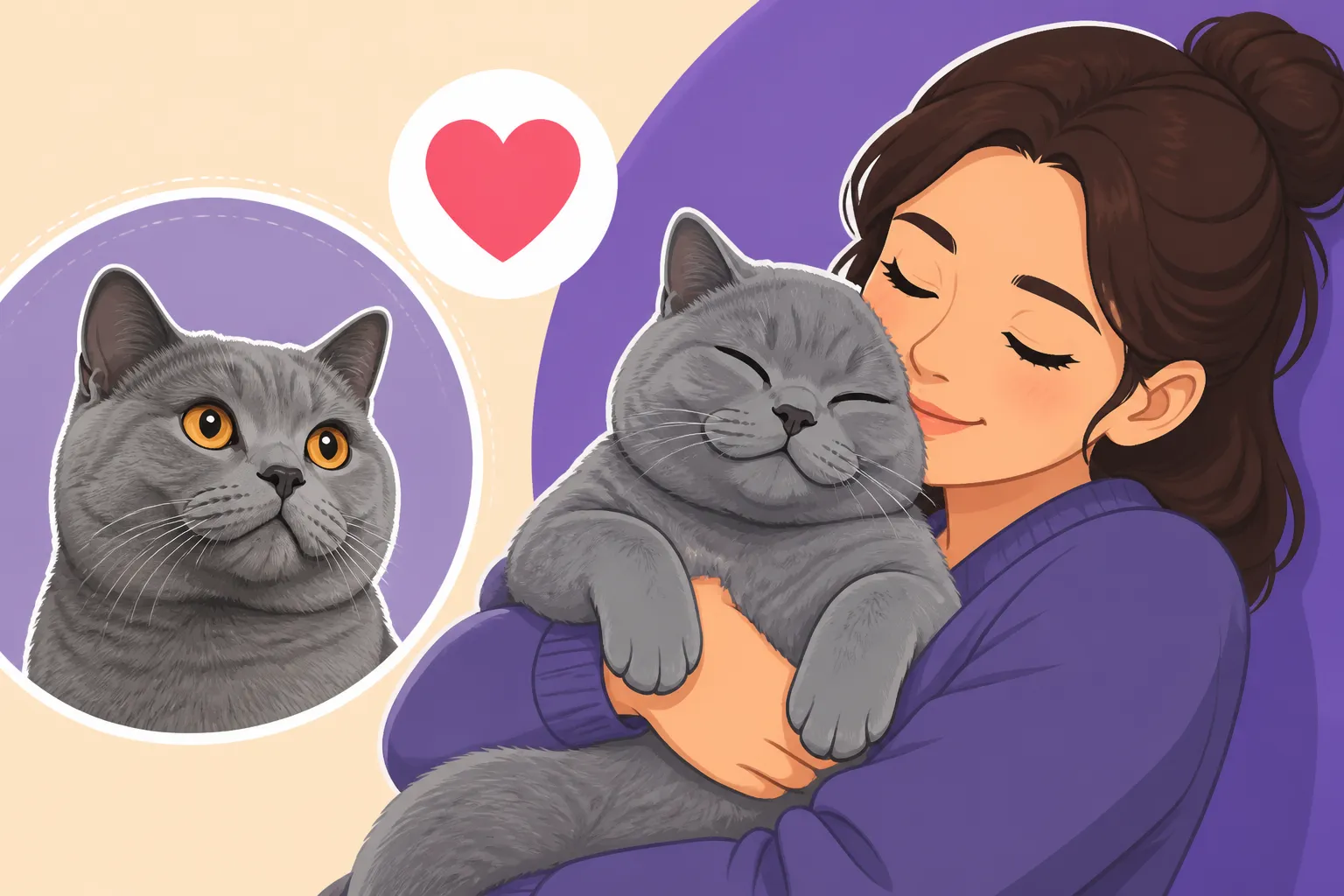
When a British Shorthair does decide to "cuddle," it’s often on their own terms and for a limited duration. They might jump onto your lap, knead a few times, purr deeply, perhaps even rest their head against you for a minute or two, and then suddenly decide they've had enough and hop off. This isn't a rejection; it's simply how they're wired. Trying to force them into a longer cuddle session will likely result in them squirming to get down. They generally A British Shorthair Will Not Be Picked Up and held for long periods against their will. Their affection is a gift, and it’s best received when it’s freely given. Respecting this autonomy builds trust and makes them more likely to seek you out for those cherished, albeit brief, moments of closeness.
Optimizing the Cuddle Zone
Since British Shorthairs prefer to be near you, creating inviting "cuddle zones" can encourage them to share your space even more. Think about where you spend most of your time and place soft, comfortable beds, blankets, or even a plush cat tree nearby. Many owners find success with orthopedic beds or soft faux-fur blankets available on Amazon that provide an appealing spot for their cat to relax. If your British Shorthair has a designated cozy spot next to you on the sofa, they're more likely to spend time there, offering you the opportunity for gentle strokes or a quiet purr. Remember, it's about inviting them into your space, not invading theirs. Where a British Shorthair Sits Instead often reveals their desire to be near you, even if not directly on you.
| Affectionate Behavior | What It Looks Like | What It Means |
|---|---|---|
| The "Slow Blink" | Your cat slowly closes and opens their eyes, sometimes several times. | "I trust you and feel safe with you." Return with your own slow blink! |
| Head Bunting/Rubbing | Your cat rubs their head or cheek against you, a piece of furniture, or another pet. | "You're part of my family/colony. You carry my scent, and I accept yours." |
| Purring | A deep, rumbling vibration, often felt when you pet them. | Usually contentment and happiness, but can also be self-soothing when stressed. |
| Kneading ("Making Biscuits") | Pushing their paws rhythmically into a soft surface (like your lap or a blanket). | A leftover kitten behavior indicating extreme comfort, safety, and happiness. |
| Chirps and Trills | Short, bird-like sounds, often when they see you or are looking for you. | "Hello!" or "Come here!" – a friendly greeting or invitation. |
| Following You | Ambling into the same room as you, finding a spot to lie down nearby. | "I want to be in your presence and feel connected to you." |
| Gift Giving (rare) | Bringing you a toy or a hunted item. | "I want to share my bounty with you, my trusted companion." |
| Tail Quiver | A slight, rapid vibration of the tail, often held high. | Intense excitement and happiness, usually when greeting you. |
Nurturing a Bond with Your British Shorthair
Building a strong, loving bond with a British Shorthair means understanding and catering to their unique personality. It's less about traditional cuddling and more about respect, patience, and engaging in ways they appreciate.
Respecting Personal Space and Boundaries
This is perhaps the most crucial aspect of bonding with a British Shorthair. They are not typically fans of being scooped up and held for extended periods, especially if it's unexpected. If your cat squirms when you pick them up, or tries to escape your lap, let them go immediately. Forcing physical affection can lead to mistrust and actually make them less likely to seek out your company. Instead, offer a hand for them to rub against, or a gentle stroke when they are relaxed and approaching you. Over time, consistent respect for their boundaries will build a foundation of trust that encourages them to be more comfortable and affectionate. It's important to know How Long a British Shorthair Tolerates Being Held – often not very long!
Engaging in Their Preferred Play
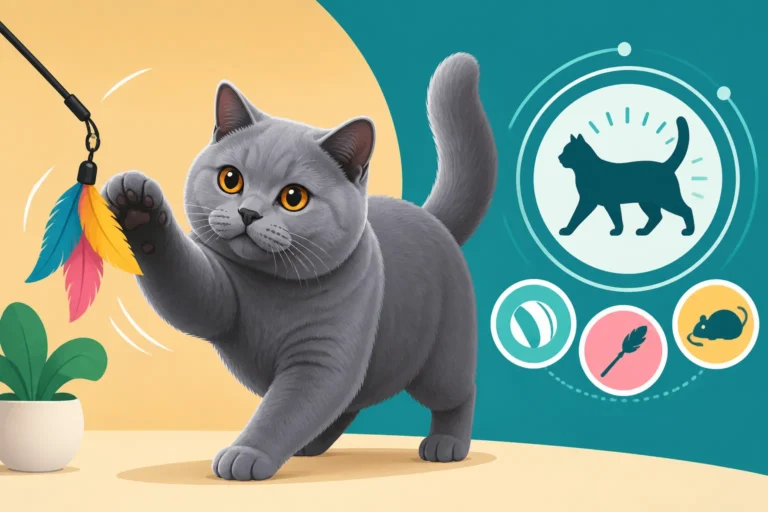
British Shorthairs, despite their calm demeanor, do need mental and physical stimulation. Interactive play can be a fantastic bonding experience, often replacing the need for intense physical cuddling. They might not be acrobatic jumpers, but they often enjoy chasing a laser pointer (with a physical toy chase at the end to "catch" their prey), or pouncing on a feather wand toy. Engage them in short, regular play sessions – even just 5-10 minutes a few times a day can make a huge difference. You can find a wide variety of engaging and durable wand toys on Amazon that will capture their attention and encourage them to move. This activity allows you to interact directly with them in a way they enjoy, building positive associations and strengthening your connection. Don't underestimate Play for a British Shorthair That Would Rather Not; even a sedentary cat can be enticed. Which Wand Toy a British Shorthair Will Chase often depends on its perceived "prey-like" qualities.
Consistent, Gentle Handling from Kittenhood
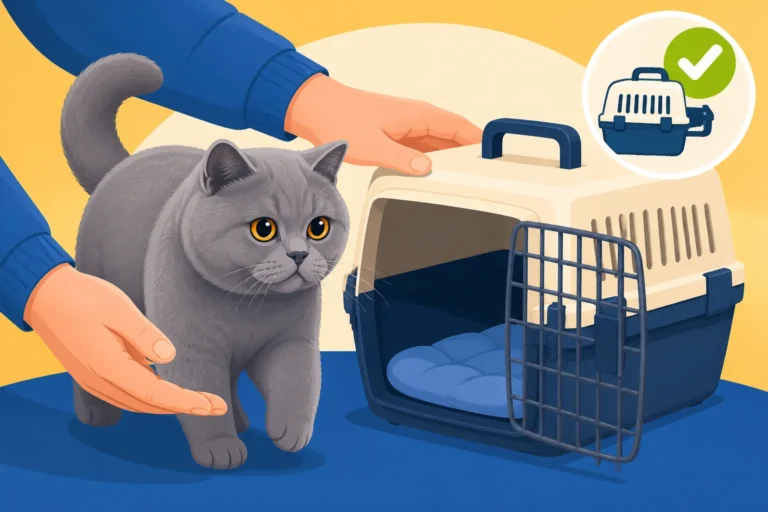
For those bringing a British Shorthair kitten into their home, early socialization and consistent, gentle handling can make a significant impact on their comfort with touch as adults. Regularly, but briefly, handle their paws, ears, and mouth from a young age, associating these experiences with positive reinforcement like treats or praise. This makes vet visits and routine care, such as nail trims or administering medication, much less stressful later on. Even if they never become full-time lap cats, a well-socialized British Shorthair will be much more tolerant of being touched and How to Carry a British Shorthair Safely if required. This gentle introduction to handling also extends to things like How Young to Start Brushing a British Shorthair's Teeth, fostering a general acceptance of human interaction.
Managing Expectations and Cherishing Their Affection
It's vital to adjust your expectations to your British Shorthair's natural temperament. By understanding and embracing their unique personality, you'll find immense joy in their subtle expressions of love.
Not All Cats Are Created Equal
While British Shorthairs share many breed characteristics, every cat is an individual. Just like people, some British Shorthairs might be more naturally outgoing and cuddly, while others remain more reserved throughout their lives. Don't compare your British Shorthair to other cats, even within the same breed, or to the idealized image you might have in your head. Instead, focus on your individual cat's personality and how they choose to interact with you. How Much of a Lap Cat a British Shorthair Is can vary wildly, so appreciate the affection they do offer.
The Payoff of Patience
Building a deep bond with a British Shorthair is a marathon, not a sprint. Their affection is often earned through consistent positive interactions, respect for their boundaries, and patience. Don't get discouraged if your cat isn't immediately a snuggle monster. Over time, as they feel safe, loved, and understood, you might find those brief head-butts turn into longer rub sessions, or those adjacent sofa naps become more frequent, albeit still brief, visits to your lap. The affection they offer, precisely because it is so independent and on their terms, often feels incredibly genuine and special.
Enrichment as a Form of Love
Beyond direct interaction, providing a rich and stimulating environment is a profound way to show your British Shorthair you care. This includes things like sturdy cat trees (ensure they are stable enough for a solid British Shorthair – you can find many robust options on Amazon), window perches for bird-watching, and puzzle feeders that engage their minds and satisfy their natural hunting instincts. A happy, well-enriched cat is a more confident and content cat, and a content cat is more likely to be a relaxed and affectionate companion. Thinking about their needs and providing for them is an act of love they truly appreciate, even if they don't always show it with a hug. Whether a Puzzle Feeder Motivates a British Shorthair can be a great indicator of their engagement.
Disclaimer
This article is for general informational purposes only and does not constitute professional advice. Laws, prices and regulations vary by location and change over time. Consult a qualified professional for guidance on your specific situation.