How Much Play Keeps a British Shorthair Slim
It's a common dilemma for British Shorthair owners: you love your chunky, plush companion, but you also know deep down that those extra pounds aren't doing them any favors. These magnificent cats are notoriously prone to gaining weight, and their calm, sometimes downright lazy, demeanor means getting them to exercise can feel like pulling teeth. This guide is all about tackling that challenge head-on, offering practical strategies and a realistic outlook on how much play truly keeps a British Shorthair slim.
Understanding the British Shorthair's Unique Activity Level
Before we dive into play strategies, it’s really important to understand who you're dealing with. British Shorthairs aren't your typical high-energy, zoomie-inducing cat breed. They're placid, dignified, and often perfectly content observing the world from a comfortable perch rather than actively participating in it. This natural inclination towards a relaxed lifestyle is a huge part of why they gain weight so easily, and it means our approach to exercise needs to be a bit different from what you might try with, say, an Abyssinian.
The Sedentary British Shorthair Lifestyle
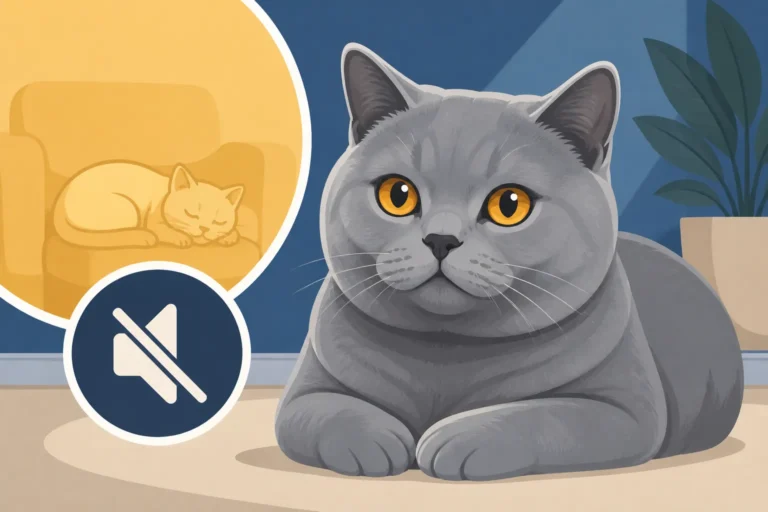
Let's be honest, many of us fell in love with the British Shorthair precisely because of their calm and unhurried nature. They're the perfect lap warmers (when they choose to be), the quiet companions who don't demand constant attention, and they often blend seamlessly into busy households. However, this wonderful trait also comes with a significant health caveat: a tendency towards being sedentary. They're not going to be tearing around the house on their own accord for hours on end. They much prefer a good nap in a sunny spot or a quiet cuddle on the sofa. This low-energy predisposition means that the calories they consume can easily outpace the calories they burn, leading to a gradual, sometimes imperceptible, weight gain. It’s a classic case of their lovable personality working against their best physical interests.
Owners often feel a little helpless, watching their beloved cat transition from a solid, muscular kitten into a somewhat rotund adult. You might find yourself wondering, Why a British Shorthair Gains Weight So Easily, and the answer often lies in this beautiful but low-key temperament combined with a diet that might not be perfectly portioned. They simply don't have the innate drive for high-intensity, sustained activity that other breeds possess, placing the onus on us, their human companions, to gently encourage movement.
Why They Resist Traditional Play
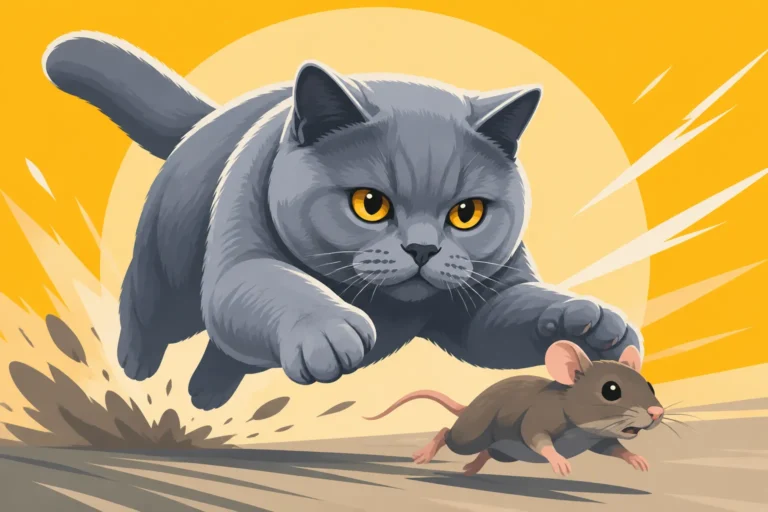
If you've ever tried to get a British Shorthair excited about a toy, you might have been met with a slow blink, a dismissive flick of the tail, or a stare that clearly says, "Is this truly necessary?" It's not that they can't play or don't enjoy it, but their play style is often less about frantic chasing and more about strategic engagement. They're not the type to launch themselves off furniture or sprint across the room after a crumpled piece of paper. Their play often looks more like a slow, deliberate stalk, a swift pounce, and then a quick retreat to observe.
Many owners get frustrated when their British Shorthair doesn't react to typical cat toys with the enthusiasm seen in other breeds. This can lead to giving up on play altogether, mistakenly believing their cat simply isn't "the playful type." But it's less about a lack of playfulness and more about needing the right kind of play. High-energy, bouncy toys might overwhelm them, or they might simply see them as too much effort. They appreciate a challenge, but one that respects their inherent dignity and preference for minimal exertion. Understanding this unique play personality is the first step in devising an exercise plan that they’ll actually engage with.
Tailoring Play for Weight Management
Since our British Shorthairs aren't going to be Olympic athletes, our play strategy needs to be smart, consistent, and designed to appeal to their specific hunting instincts and dignified nature. The goal isn't to turn them into a marathon runner, but to increase their daily caloric expenditure just enough to support a healthy weight, or even encourage a gradual loss if they're already Signs a British Shorthair Is Overweight. This isn't just about weight, either; regular movement helps maintain muscle tone and joint health, which is especially important for a cobby, heavy-boned breed.
Quality Over Quantity: Engaging Their Hunting Instincts
For a British Shorthair, it's rarely about how long they play, but how well they play. Short, focused sessions that mimic a hunt are far more effective than long, drawn-out attempts that quickly bore them. Think of yourself as their personal prey animal, tempting them with movements that trigger their natural predatory sequence: stalk, chase, pounce, capture.
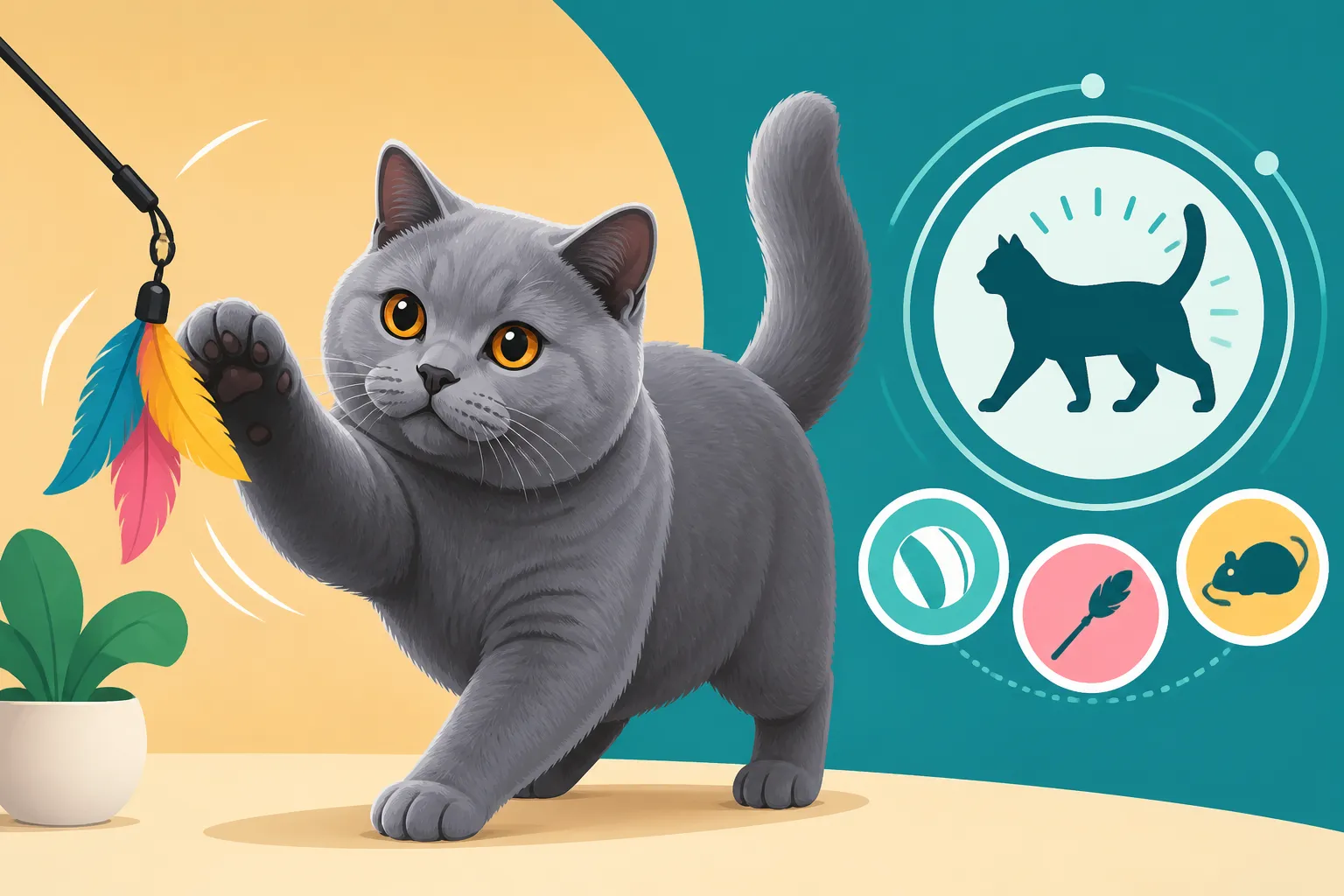
Wand toys are an absolute godsend here. Instead of just waving a feather on a stick erratically, try to make the toy move like a real bird or mouse. Hide it behind furniture, let it peek out, drag it slowly, then make it dart. Allow your British Shorthair to "catch" the prey frequently. Nothing is more demotivating than an endless chase with no reward. Let them catch it, then let them "kill" it with a few happy kicks before gently pulling it away to start the hunt again. This satisfaction of capture is key to keeping them engaged. Laser pointers can also be effective, but always end a laser session by directing the light onto a physical toy they can actually catch, preventing frustration from a chase that has no tangible reward.
Many owners find success with puzzle feeders that dispense treats as the cat manipulates them. This isn't intense cardio, but it encourages mental engagement and physical movement, often for a tasty reward. You can find a good range of these on platforms like Amazon, from simple treat balls to more complex mazes. These types of games tap into their problem-solving abilities and make them work for their food, even if it’s just a few kibbles. Remember, the focus is on consistent, stimulating engagement rather than exhausting sprints.
Integrating Play into Daily Routines
The secret to getting a British Shorthair to move is making it a non-negotiable part of their day, every single day. They thrive on routine, so consistent play at specific times can become an anticipated event rather than a coerced activity. Think of it as "play appointments" that you stick to.
A common pattern that works well involves short bursts of play before meals. A 5-10 minute wand toy session right before breakfast and dinner can do wonders. Not only does it get their metabolism going, but it also ties the positive experience of play with the impending reward of food, making them more receptive. This also capitalizes on their natural instinct to hunt before eating. You might also add another short session in the evening, perhaps before you settle down for your own relaxation time.
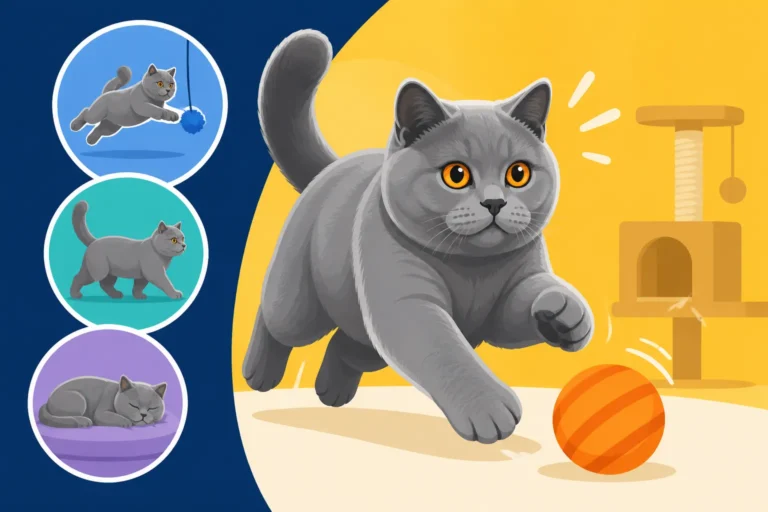
Consider rotating toys to keep things fresh. Even the most stoic British Shorthair can get bored with the same feather wand every day. Have a collection of Which Toys a British Shorthair Will Actually Chase and bring out a different one each session, or even different types within one session. This keeps their interest piqued and prevents them from becoming too complacent. Even simple things like throwing a small, soft ball for them to stalk and pounce on can count. The key is little and often, building momentum slowly but surely. It's truly about finding those tiny windows of opportunity to get them moving.
The Role of Interactive Toys and Tools
Beyond wand toys and puzzle feeders, there's a whole world of interactive tools that can help your British Shorthair get more exercise, even when you're busy. These are especially valuable for encouraging independent play, which can be a challenge for such a calm breed.
- Motorized Toys: Some British Shorthairs respond well to toys that move on their own. Think about automatic laser pointers (again, ending with a real toy is crucial!), mice that scurry, or even rotating feather teasers. Place these in areas where your cat naturally congregates, like near their favorite sleeping spot or by a window. The novelty of unexpected movement can sometimes be enough to spark their interest and encourage a few pounces. Just ensure they're safe and don't tangle in their fur.
- Cat Trees and Climbers: While British Shorthairs aren't known for being avid climbers, a sturdy cat tree can provide vertical enrichment and encourage stretching and a few gentle jumps. Look for ones with wide, stable platforms that can comfortably support their cobby bodies. A cat tree placed near a window with an interesting view can turn observation into a more active pursuit, as they might shift positions or climb up a level to get a better vantage point. You can find many robust options on Amazon designed for larger breeds.
- Food Dispensing Toys: We touched on puzzle feeders, but there are also simpler food-dispensing balls that your British Shorthair has to roll around to get their kibble. This makes mealtime an activity, burning a few extra calories and engaging their minds. If your cat eats dry food, consider putting a portion of their daily allowance in these toys. This is a subtle yet effective way to How to Get a British Shorthair to Move more throughout the day without them even realizing they're exercising.
| Play Type | Engagement Level (BHS) | Calorie Burn Potential | Benefits for British Shorthair | Considerations |
|---|---|---|---|---|
| Wand/Feather Toys | High (interactive) | Moderate | Mimics hunting, builds bond, flexible | Requires owner participation, allow "catches" |
| Laser Pointer | Moderate-High | Moderate | Intriguing, encourages chase | Must end with a physical toy catch to prevent frustration |
| Puzzle Feeders | Moderate (mental & physical) | Low-Moderate | Mental stimulation, slow eating, gentle movement | Good for independent play, use meal portions |
| Motorized Toys | Low-Moderate (passive) | Low | Novelty, independent engagement | Can be ignored quickly, rotate frequently |
| Cat Trees/Climbers | Low (vertical) | Low | Vertical enrichment, stretching, gentle jumps | Must be sturdy and easily accessible, wide platforms |
| Chase/Fetch | Low-Moderate | Low-Moderate | Can engage some BSH, interactive | Not all BSH are receptive, needs specific toy (e.g., crinkle ball) |
Monitoring Progress and Adapting Play Strategies
It’s one thing to start a play routine, but it's another to ensure it's actually working and that your British Shorthair is maintaining or achieving a healthy weight. These cats are masters of disguise when it comes to weight gain, thanks to their incredibly dense fur and cobby build. You really have to be diligent in monitoring them and be prepared to adjust your approach if needed.
Recognizing Signs of Healthy Weight and Engagement
Knowing what a healthy British Shorthair looks and feels like is crucial. Forget the idea that a "chunky" cat is a healthy one for this breed; while they are solid, they should still have a discernible waist and you should be able to feel their ribs without pressing too hard. Many owners are surprised when a vet assesses their cat as overweight, simply because they've become accustomed to their cat's heavier frame. Learning How to Feel a British Shorthair's Ribs Through the Plush is an essential skill for any owner. Your vet can show you how to do a body condition score, which is a far more accurate measure than just relying on the number on the scale, though knowing What a British Shorthair Should Weigh at Two Years can also be a helpful benchmark.
Beyond physical signs, observe their engagement during play. Are they more active? Do they show more enthusiasm? Even a slight increase in their willingness to chase or pounce is a win. A cat that's moving more and at a healthier weight will generally have better mobility, be able to groom themselves more effectively, and may even seem a bit more spry. Look for subtle cues like them initiating play more often, or showing increased interest in moving objects around the house. These are all positive indicators that your efforts are paying off.
When to Consult a Vet or Professional
Sometimes, despite your best efforts with play and diet, a British Shorthair might still struggle with weight. This isn't a sign of failure on your part, but rather an indication that it's time to bring in the professionals. Your veterinarian is your best ally in this situation.
They can rule out any underlying medical conditions that might be contributing to weight gain, such as thyroid issues or even certain medications. More importantly, they can help you establish a truly effective weight management plan that combines appropriate diet adjustments with a realistic exercise regimen. They might recommend specific prescription weight loss foods or guide you on how to precisely portion their meals to control How Many Calories a British Shorthair Needs. Remember, diet is truly 80% of the battle when it comes to weight loss in cats, especially for a less active breed like the British Shorthair.
A vet can also advise on safe ways to increase activity, especially if your cat has conditions like What Obesity Does to a British Shorthair's Joints, which can make certain types of play painful. They can also connect you with resources, such as veterinary behaviorists who specialize in encouraging play in reluctant cats, or even specific products available through vet channels or reputable online retailers like Amazon that are designed for feline weight loss. Don't hesitate to seek their expertise; it can make all the difference in your British Shorthair's long-term health.
Beyond Play: A Holistic Approach to Slimness
While our focus has been on how much play keeps a British Shorthair slim, it's vital to acknowledge that play is just one piece of a larger puzzle. To truly ensure your British Shorthair maintains an ideal weight and lives their healthiest life, you need to consider their entire lifestyle. Think of it as a comprehensive wellness strategy where every element supports the others.
The Indispensable Role of Diet Control
Let's get real: you can play with your British Shorthair all day long, but if their diet isn't under control, you're fighting an uphill battle. For a breed so prone to weight gain, portion control is not just recommended, it's absolutely essential. Many owners fall into the trap of free-feeding, leaving a bowl of kibble out all day for their cat to graze on. While this might work for some high-energy cats, it's often Why Free Feeding Ruins a British Shorthair, especially those with a lower activity level and a hearty appetite.
Measure your cat's food precisely. Every single meal. Don't just eyeball it. Use a kitchen scale for accuracy if possible, rather than a measuring cup, as kibble density can vary greatly. Work with your vet to determine the ideal calorie intake for your cat's specific age, weight, and activity level. If your cat is already overweight, they will likely need a significant calorie reduction to begin losing weight safely. Sometimes this means transitioning to a specially formulated weight management diet. It might feel strict at first, but it's the most impactful change you can make for their health. Treats should be limited and factored into their daily calorie allowance, not given freely on top of their meals.
Environmental Enrichment for Subtle Movement
Beyond direct play sessions, your British Shorthair's environment can also play a subtle but important role in encouraging more movement throughout the day. It's about making their living space stimulating enough that they naturally engage with it more, even if it's just a little bit here and there.
Consider the placement of resources. Instead of putting all their food, water, and litter boxes in one convenient spot, spread them out slightly. If their water bowl is on one side of the room and their food bowl on the other, they have to take a few more steps. If their favorite napping spot is upstairs, and their food is downstairs, that's more stairs climbed. These small, incremental movements add up over the course of a day.
Vertical space is also valuable. Even if your British Shorthair isn't a super climber, a sturdy cat tree or shelves (again, Amazon has options!) placed strategically can encourage them to jump up to observe, to nap, or to simply survey their kingdom. Placing a desirable item, like a favorite toy or a small treat, on a higher platform can entice them to make the effort. Window perches are also fantastic, as the natural world outside can provide endless entertainment and encourage shifts in position, swatting at passing birds, or even a little tail twitching, all of which contribute to a slightly more active existence. Even if it doesn't look like intense exercise, every little bit of movement contributes to their overall well-being and helps keep them trim.
Disclaimer
This article is for general informational purposes only and does not constitute professional advice. Laws, prices and regulations vary by location and change over time. Consult a qualified professional for guidance on your specific situation.