How High a British Shorthair Can Jump
It's a common observation among British Shorthair owners: you see sleek, agile cats practically flying through the air, effortlessly scaling bookshelves and refrigerators, and then you look at your own fluffy, grounded companion. You might wonder if your beloved British Shorthair is simply too lazy, or if their charmingly stout build truly prevents them from reaching those higher perches. This guide is here to shed light on the jumping capabilities of British Shorthairs, their unique physical attributes, and how to understand and safely encourage their natural activity levels without expecting them to be Olympic high-jumpers.
The British Shorthair's Unique Physique and Jumping Prowess
British Shorthairs are renowned for their distinctive, cobby build, which is a significant factor in how high they can jump and their overall athletic inclination. Unlike many other cat breeds that are built for speed and agility, the British Shorthair is a cat of substance, designed more for stability and strength. This doesn't mean they can't jump, but it certainly influences how and when they choose to.
The Cobby Body and Short, Powerful Legs
When you look at a British Shorthair, you immediately notice their broad chest, strong muscular body, and relatively short, sturdy legs. This "cobby" body type is part of their charm and breed standard, giving them that adorable teddy bear appearance. However, these physical traits aren't exactly optimized for soaring leaps. Think of it this way: a sprinter is built differently from a weightlifter. British Shorthairs are more like the latter, built for power rather than explosive, sustained vertical movement. Their dense bone structure and heavy musculature mean they have more mass to propel upwards compared to a more svelte breed. Their shorter legs also provide less leverage for high jumps, making a graceful, arcing leap to the top of a tall cabinet a less common sight than with, say, an Oriental Shorthair or a Siamese. They certainly possess the strength, but their mechanics are geared more towards powerful pushes than delicate springing.
Furthermore, the sheer density of their plush double coat can visually add to their bulk, sometimes making them appear even heavier than they are. This coat, while beautiful and soft, can also slightly restrict their movement if it becomes matted or excessively thick, adding another layer to their preference for lower-impact activities. They simply aren't engineered for sustained aerial acrobatics, and trying to force them into such a lifestyle might even be detrimental to their joints over time. It's about working with their natural abilities, not against them.
The Impact of Weight on Jumping Height
It’s no secret that British Shorthairs have a tendency to gain weight. Their calm demeanor and love for food can sometimes lead to a bit more fluff than is healthy, and this is perhaps the single biggest factor influencing how high a British Shorthair can jump. Even a few extra pounds can significantly increase the effort required to lift their body off the ground, putting additional strain on their joints and muscles. Why a British Shorthair Gains Weight So Easily is a struggle many owners face, and it directly correlates with their willingness and ability to jump.
An overweight British Shorthair will naturally be less inclined to jump and may even struggle with climbing stairs or getting onto lower furniture. The energy expenditure is simply too great, and the impact on their joints can be uncomfortable. Imagine trying to jump high with a backpack full of bricks – that's a bit what it's like for an overweight cat. Keeping your British Shorthair at a healthy weight is crucial not just for their jumping ability, but for their overall health and lifespan. A fit British Shorthair will always be more active, even if their definition of "active" still means a modest leap compared to other breeds. Always consult your vet if you suspect your British Shorthair is carrying too much weight, as they can help you formulate a safe and effective weight loss plan. You can read more about What a British Shorthair Weighs and How Big It Gets to understand healthy ranges.
Typical British Shorthair Jumping Behavior and Preferences
While British Shorthairs can jump, their behavior often indicates a preference for staying closer to the ground. They are generally not the "perching on high" type of cat, and their vertical exploration is often more calculated and less spontaneous than other breeds.
Preference for Ground-Level Comfort
Your British Shorthair is likely a connoisseur of comfort, and that comfort often involves being firmly planted on a soft surface at floor level, or perhaps a low sofa. They are creatures of habit and contentment, and while they appreciate a good view, they don't necessarily feel the innate urge to scale the highest point in the room just for the sake of it. Instead, they might opt for a sunbeam on the rug, a cozy cat bed by the window, or the arm of a favorite armchair. Whether a British Shorthair Prefers a Floor Bed is a question many owners consider, and for good reason! Their calm and composed nature means they're perfectly happy observing the world from a comfortable, accessible vantage point rather than needing to conquer every vertical space.
This preference isn't a sign of laziness; it's simply part of their laid-back temperament. They often prefer to be near their human companions, enjoying a quiet presence rather than demanding constant attention through daring feats. While they might occasionally surprise you with a burst of energy, their default mode is usually one of serene contentment, and that often means staying on solid ground. Don't be disheartened if your British Shorthair isn't constantly climbing; it's simply a reflection of their breed's unique charm.
Strategic Versus Athletic Jumping
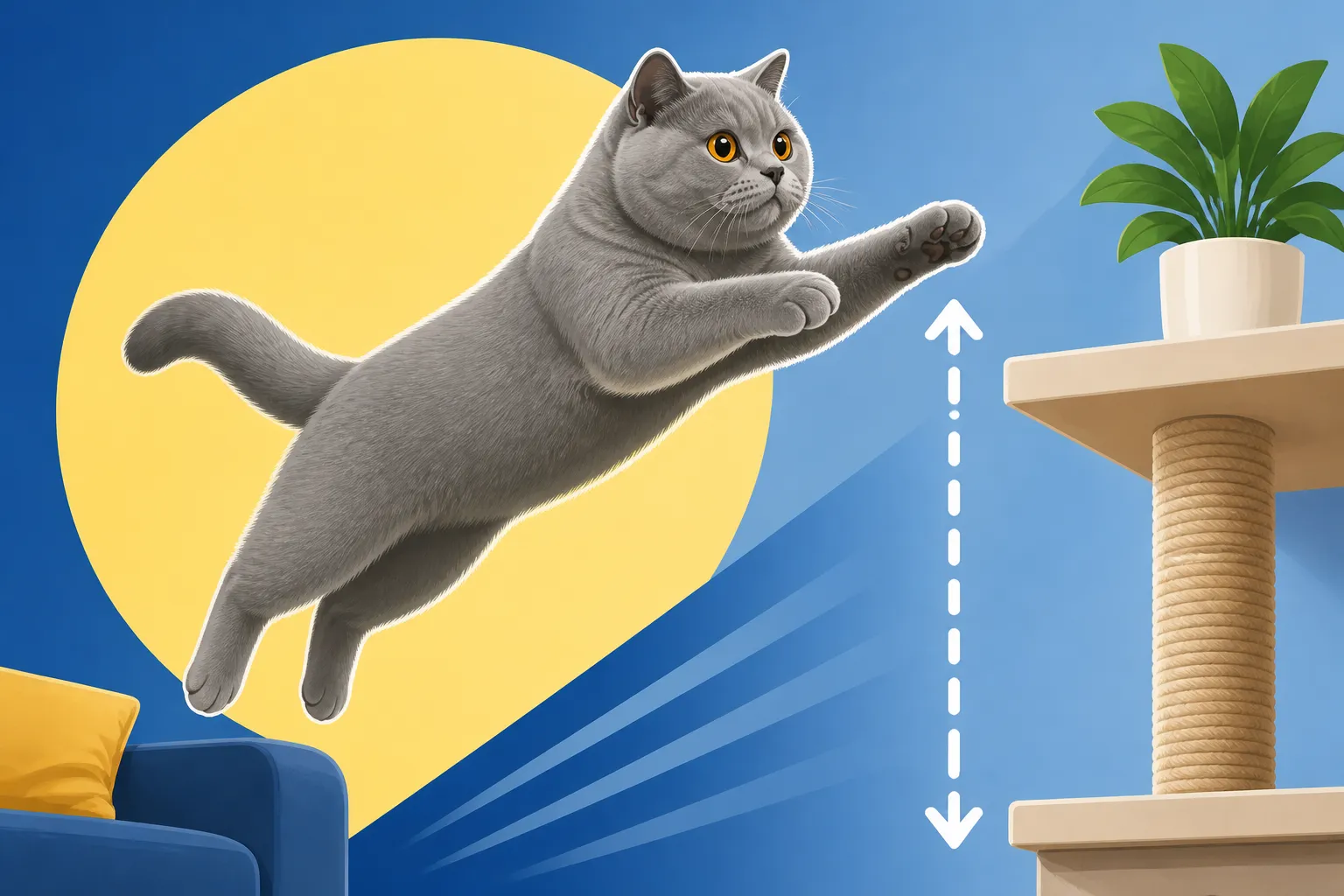
When a British Shorthair does jump, it's often a purposeful, strategic move rather than an athletic display of prowess. They aren't typically found performing parkour stunts across your furniture. Instead, their jumps are usually motivated by a clear goal: reaching a favorite treat, getting to a specific sleeping spot, or perhaps engaging with a particularly enticing wand toy. You might see them jump onto a low table to investigate something interesting, or onto a window sill to bask in the sun. This is a far cry from the spontaneous, high-energy leaps you might witness from other breeds.
Their approach to jumping is methodical. They will assess the situation, plant their sturdy paws, and then execute a powerful, if somewhat less graceful, launch. They're not going to attempt a leap that they aren't confident they can make, which is actually a very smart survival instinct. If they can reach something by finding a step or a furniture boost, they'll often prefer that over a direct, unassisted high jump. This "thinking" approach to vertical movement is a hallmark of their sensible nature. You might observe this when they want to get onto a tall cat tree; they'll use all the intermediate platforms rather than attempting a single large jump. This is why multi-level cat trees with accessible ramps or steps are often more appreciated by a British Shorthair than a single, very tall, column-style tree.
Factors Influencing a British Shorthair's Jumping Ability
Several elements can play a role in how high and how often your British Shorthair jumps. Understanding these can help you better support their physical health and provide appropriate enrichment.
Age and Health Considerations
Just like humans, a British Shorthair's physical capabilities change with age. Kittens, with their boundless energy and developing coordination, will naturally be more agile and prone to playful jumps. They'll experiment with different heights and surfaces, often surprising you with their youthful exuberance. As they mature into adulthood, their jumping frequency might decrease, partly due to their settling temperament and partly as their full, heavy build develops. You can often see their energy levels described in How Active a British Shorthair Is.
In their senior years, which typically begin around the age of ten, you might notice a more significant decline in jumping. This is often due to age-related conditions like arthritis, which can make jumping painful or difficult. Arthritis in an Older British Shorthair is a common concern, and if you notice your cat hesitating before jumping, or struggling to land softly, it's crucial to consult your veterinarian. Weight gain, as mentioned earlier, also becomes more prevalent in older cats and can compound joint issues. Conditions like What Obesity Does to a British Shorthair's Joints can make even small jumps a challenge. Regular vet check-ups are vital to monitor their joint health and manage any pain, ensuring they can move comfortably throughout their golden years. Providing ramps or lower steps can greatly assist an aging or less agile British Shorthair, allowing them to still access their favorite spots without discomfort.
| Age Stage | Typical Jumping Ability & Behavior | Considerations |
|---|---|---|
| Kitten | Energetic, playful, frequent jumps to explore and play. Developing coordination. | Ensure safe landing spots; provide engaging toys. |
| Adult | More strategic, purposeful jumps. Capable of reaching moderate heights. May reduce spontaneous jumping. | Maintain healthy weight, offer enrichment, monitor for signs of discomfort. |
| Senior | Reduced jumping frequency and height. May show hesitation or discomfort. | Consult vet for arthritis/pain management. Provide ramps, lower perches, and easy access to essentials. |
Environmental Encouragement
Your home environment can significantly influence your British Shorthair's willingness to jump. While they might not be scaling towering cat trees, providing safe, sturdy, and accessible vertical spaces can enrich their lives and encourage healthy activity. This isn't about forcing them to jump higher than they're comfortable; it's about giving them options that suit their build. Think about what your cat already enjoys: do they like to sit on a windowsill? A sturdy, wide window perch can be a great addition. Do they enjoy observing from a slight elevation? A low, stable cat tree with wide platforms will be much more appealing than a wobbly, multi-story structure designed for lighter, more agile breeds.
When considering cat furniture, stability is key. A British Shorthair is a substantial cat, and a flimsy tree will be uncomfortable and potentially unsafe. Look for options on platforms like Amazon that emphasize a wide base and sturdy construction. Ramps are also fantastic for British Shorthairs, especially as they age or if they're a bit heavier. These allow them to easily access higher surfaces like beds or sofas without putting stress on their joints. Even simple steps can make a big difference. The goal is to provide gradual, appealing pathways to slight elevations, rather than demanding grand leaps. Which Cat Tree a British Shorthair Uses will often depend on its stability and accessibility.
Encouraging Safe Vertical Enrichment for Your British Shorthair
Even if your British Shorthair isn't a natural gymnast, there are plenty of ways to encourage safe and enriching vertical activity that respects their unique physical characteristics. It’s all about meeting them where they are and providing suitable opportunities.
Smart Toy Choices and Play Strategies
When it comes to toys, British Shorthairs often prefer interactive play that involves chasing and pouncing on the ground, or short, powerful bursts of activity, rather than high-flying acrobatics. Wand toys with feathers or soft toys on strings are excellent because they allow you to control the movement and keep the action low. You can entice them to bat, pounce, and make small, controlled jumps without overexerting themselves. They might engage in short, explosive hops, especially if you drag the toy just out of reach, encouraging a little upward spring.
Puzzle feeders are also wonderful, as they engage their minds and encourage movement without demanding excessive jumping. Placing these feeders on a low, accessible shelf or a sturdy stool can offer a small challenge without requiring a huge leap. Remember, consistency is more important than intensity. Short, regular play sessions, even just 5-10 minutes a few times a day, are far more beneficial than trying to force a long, strenuous play session. This gentle encouragement helps with How to Get a British Shorthair to Play Daily and generally keeps them engaged. They are very much "play-at-your-own-pace" kind of cats, as explored in How Far a British Shorthair Is Lazy or Just Calm.
Creating Accessible Climbing Opportunities
Since most British Shorthairs won't naturally leap to the highest points in your home, it's up to us, their devoted humans, to create accessible pathways to safe, desirable elevations. Think of it as building a luxurious cat staircase rather than expecting them to scale a wall. This could involve strategically placing sturdy ottomans, low bookshelves, or even specially designed cat steps leading up to a favorite window perch or the top of a dresser. The key is gradual elevation, allowing them to comfortably "step up" rather than "jump up."
When looking for furniture or accessories, prioritize stability and width. A cat tree should have large, stable platforms that can comfortably accommodate their broad frame, giving them ample room to lounge without feeling precarious. Many excellent options can be found on sites like Amazon, specifically designed for larger or less agile cats, featuring wide perches and robust construction. You might even consider ramps if your British Shorthair is older or has mobility issues; these provide a gentle incline, making vertical spaces entirely accessible without any jumping required. The goal is to make these slightly elevated spots so inviting and easy to reach that your British Shorthair naturally chooses to use them for napping, observing, or simply feeling a little more involved in the household activity from a comfortable vantage point. Encouraging this kind of gentle movement can go a long way towards How to Get a British Shorthair to Move.
Disclaimer
This article is for general informational purposes only and does not constitute professional advice. Laws, prices and regulations vary by location and change over time. Consult a qualified professional for guidance on your specific situation.