How Far a British Shorthair Is Lazy or Just Calm
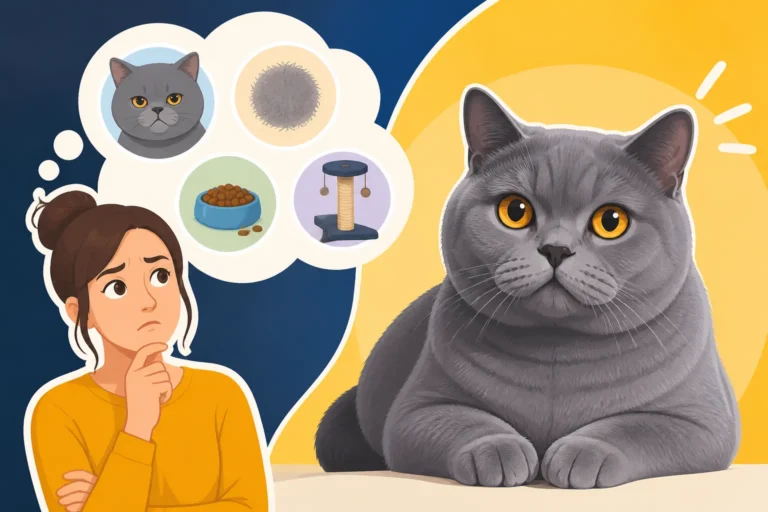
It's a common sight to see a British Shorthair curled up in a sunny spot, seemingly content to watch the world go by. This placid nature often leads owners and admirers to wonder: is my British Shorthair genuinely calm, or are they just… well, a bit lazy? It's a valid question, especially when you compare them to the whirlwind energy of other cat breeds. This guide will help you understand the unique temperament of the British Shorthair, differentiate between their inherent tranquility and signs that might point to a need for more activity or even a health check, and empower you to provide the best life for your beloved furry companion.
The Calm Demeanor of the British Shorthair: Breed Traits vs. Misconceptions
The British Shorthair is renowned for its relaxed, easygoing personality, and this is often the very trait that draws people to the breed. They aren't typically the type to bounce off the walls or demand constant, high-energy play sessions like some of their more athletic feline cousins. This inherent calmness is a hallmark of the breed, developed over generations, and it's something to appreciate, not necessarily to worry about.
A Naturally Reserved Disposition
From the moment you meet a British Shorthair, their calm presence is often palpable. They are generally not clingy lap cats, preferring to sit near you rather than directly on you, absorbing your presence without needing to be the center of a constant commotion. This reserved nature means they are often quite content with their own company, observing their surroundings with a quiet dignity. They tend to be very independent, perfectly happy to nap for hours in a comfortable spot, only rising for food, a litter box visit, or a brief, gentle interaction. This isn't laziness in the human sense of shirking responsibility; it's simply their preferred pace of life. They don't have the restless energy that drives other breeds to constant motion. Instead, their contentment comes from stability and quiet companionship. You'll often find them simply watching, perhaps from a window perch, taking everything in without feeling the need to immediately participate. A British Shorthair Sits Near You, Not On You really delves into this affectionate but not overly demonstrative trait.
The British Shorthair's Energy Levels
It's true that British Shorthairs are generally a low-energy breed, but this can vary a bit with age. British Shorthair kittens, like all kittens, will have their bursts of playful energy. They'll chase toys, pounce on siblings, and explore their new world with gusto. However, even as youngsters, their play sessions might be shorter and less frantic than, say, a Bengal kitten. As they mature, typically around two or three years old, their energy levels tend to settle even further. An adult British Shorthair might enjoy a good five to ten minutes of interactive play once or twice a day, but then be quite happy to retreat to a quiet corner for a long nap.
Many owners find themselves wondering How Active a British Shorthair Is or How Much Play a British Shorthair Needs, and the answer is usually "less than you might think." This breed is built for comfort, not for speed, with their sturdy, cobby bodies and plush coats. Their natural inclination is towards relaxation, which can sometimes be mistaken for an alarming lack of activity. However, if they are eating well, using their litter box, and engaging with you or their environment in small ways, their low energy is usually just part of their charm. It's a genetic predisposition, not a sign they're feeling unwell or bored, as long as it's within their normal range of behavior.
Distinguishing Between Calmness and Concerning Inactivity
Understanding the difference between a typically calm British Shorthair and one whose inactivity might be a cause for concern is crucial. It’s all about context and recognizing subtle changes in behavior.
Signs of a Calm British Shorthair
A truly calm British Shorthair is a picture of serene contentment. They may not leap and bound, but they engage with their environment in their own quiet way. Here are some signs that your British Shorthair is simply calm and well-adjusted:
- Observational Interest: Even when resting, their eyes are often open, following movement in the room, watching birds outside, or tracking your activities. They are engaged, just not physically.
- Responsive to Interaction: When you approach for a pet or offer a treat, they respond positively – perhaps a slow blink, a gentle head rub, or a soft purr. They might stretch languidly or even roll over for belly rubs (though many prefer chest scratches).
- Occasional Play Bursts: They still have moments of play, even if brief. They might bat at a dangling toy, chase a laser pointer for a few minutes, or stalk a catnip mouse. It's not constant, but it's present. You might even find yourself looking for ways to get Getting a Low Energy British Shorthair to Move.
- Good Appetite and Hydration: They eat their meals consistently and drink water. A healthy appetite is a strong indicator of general well-being.
- Regular Grooming: A calm British Shorthair will still maintain its beautiful, dense coat through regular grooming.
- Consistent Litter Box Habits: No changes in frequency or consistency of urine or stool.
A calm British Shorthair is a presence, a quiet anchor in your home. They are relaxed, not lethargic.
When Calmness Tips into Worrying Inactivity
The challenge arises when a British Shorthair's usual calmness shifts into something more concerning. If their inactivity is a change from their established pattern, or if it's accompanied by other symptoms, it warrants attention. Here are signs that their "laziness" might be indicating something more serious:
- Sudden or Drastic Decrease in Activity: If your cat, who used to play for 10 minutes a day, now barely lifts its head, this is a red flag.
- Loss of Interest in Favorite Activities: If they ignore their most beloved toys, turn away from food they usually adore, or stop greeting you at the door, it could indicate discomfort or illness.
- Changes in Appetite or Thirst: Eating significantly less or more, or drinking an unusual amount of water, are all reasons to contact your vet.
- Hiding or Withdrawal: While British Shorthairs enjoy quiet spots, excessive hiding, especially in unusual places, can be a sign of pain or fear.
- Changes in Grooming: A lack of self-grooming can indicate pain, obesity, or depression. Conversely, over-grooming can signal anxiety or skin issues.
- Difficulty Moving: Lameness, stiffness, reluctance to jump (even small distances), or vocalizing when moving can point to musculoskeletal pain, common in heavier breeds like the British Shorthair. What Obesity Does to a British Shorthair's Joints is a good read if you're worried about this.
- Changes in Breathing: Labored breathing, open-mouth breathing, or persistent coughing are always urgent veterinary concerns. Signs a British Shorthair Is Breathing Hard means it's time to see the vet immediately.
- Weight Changes: Unexplained weight loss or rapid weight gain can be serious indicators. British Shorthairs are prone to weight gain, so monitoring What a British Shorthair Weighs and How Big It Gets is essential.
It's important to differentiate between a cat that is choosing to be still and one that cannot be active due to pain, illness, or severe boredom. When in doubt, a vet visit is always the safest course of action.
| Behavior Trait | Calm British Shorthair | Concerning Inactivity / Laziness |
|---|---|---|
| Activity Level | Low but consistent, brief play periods, often observant. | Marked decrease in all activity, no play, seeks isolation. |
| Engagement | Responds to affection, follows household activities with eyes. | Ignores interaction, unresponsive to stimuli. |
| Appetite | Consistent, finishes meals, eager for treats. | Decreased interest in food, refusal to eat, excessive hunger. |
| Grooming | Regular self-grooming, coat is clean and healthy. | Neglected grooming, matted coat, or excessive grooming. |
| Movement | Moves smoothly when it does move, jumps low distances easily. | Stiff, hesitant to move, struggles to jump, limping. |
| Vocalisation | Quiet, occasional soft chirps or purrs. | Unusually silent, or new, distressed vocalizations. |
| Overall Demeanor | Relaxed, content, secure in its environment. | Lethargic, depressed, anxious, or irritable. |
Nudging Your British Shorthair Towards Healthy Activity
Even a naturally calm British Shorthair benefits immensely from a bit of encouragement to move and engage. A sedentary lifestyle, combined with their propensity to gain weight, can lead to health issues like obesity and diabetes. The goal isn't to turn them into an acrobat, but to promote healthy, moderate activity.
Strategic Playtime and Enrichment
Engaging a British Shorthair often requires a different approach than with high-energy breeds. They might not chase a toy for twenty minutes straight, but short, frequent play sessions can make a huge difference.
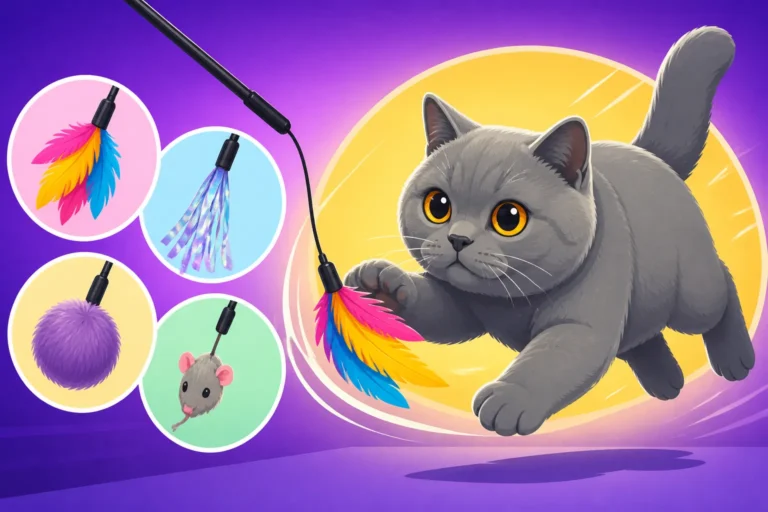
- Wand Toys are Your Best Friend: Feather wands, teasers, or ribbons on sticks are often irresistible. The key is to mimic prey movements – darting, hiding, and pouncing. Don't expect them to launch into the air, but a good stalk and a couple of pounces are great exercise. Look for durable options on Amazon that can withstand their strong grip.
- Puzzle Feeders: These are fantastic for mental and physical stimulation. Instead of just eating from a bowl, your British Shorthair has to work to get their kibble, slowing down eating and encouraging activity. There's a wide range of designs available on Amazon, from simple treat balls to more complex mazes. This also helps with portion control, which is vital for preventing Why a British Shorthair Gains Weight So Easily.
- Short, Frequent Sessions: Aim for 5-10 minute play sessions, two or three times a day, rather than one long, exhausting one. This fits their natural energy cycles better.
- Rotate Toys: Keep things fresh by rotating toys. A toy that's been put away for a week can feel brand new and exciting when reintroduced. Which Toys a British Shorthair Will Actually Chase can give you some good ideas.
Remember, the goal is gentle engagement, not exhaustion. Celebrate every pounce and swat!
Environmental Enrichment
A stimulating environment can encourage even the calmest British Shorthair to move a bit more naturally throughout their day.
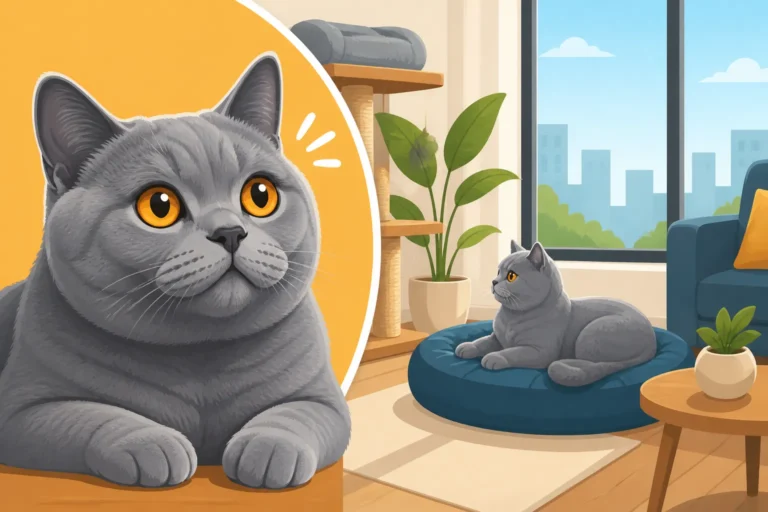
- Vertical Space: While they might not be expert climbers, British Shorthairs still appreciate vertical space. Sturdy cat trees (especially those with wide platforms to accommodate their ample size) or wall-mounted shelves can provide perching spots for observation and gentle climbing. Giving them a vantage point encourages them to get up and down. You can find many robust options on Amazon designed for larger cats.
- Window Perches: A comfortable window perch allows them to observe the outside world, providing mental stimulation. Even watching a squirrel can be a form of engagement.
- Scratching Posts and Boards: Provide a variety of scratching options – vertical posts, horizontal boards, sisal, cardboard. Scratching is not just for claw maintenance; it's a full-body stretch that helps keep their muscles limber.
- "Catios" or Safe Outdoor Access: If possible and safe, a fully enclosed outdoor catio can offer fresh air, new smells, and visual stimulation without the risks of free-roaming. This can dramatically enrich their lives and encourage more natural exploration.
The Role of Diet and Weight Management
One of the biggest pitfalls for a low-energy breed like the British Shorthair is weight gain. Their calm demeanor means they burn fewer calories naturally, and their love of food can quickly lead to an expanding waistline. Obesity Is the British Shorthair's Real Disease is a serious topic for this breed.
- Portion Control is Paramount: Free-feeding is generally not recommended for British Shorthairs. Measure out their food precisely according to their ideal weight, not their current weight, and divide it into two or three meals a day.
- High-Quality Diet: Choose a high-protein, moderate-fat, low-carbohydrate food. Wet food can be particularly beneficial as it has higher moisture content, aiding hydration and satiety.
- Regular Weigh-Ins: Monitor their weight at home regularly. If you notice a creeping increase, you can adjust their portions proactively.
- Consult Your Vet: If your British Shorthair is already overweight, your vet can help you formulate a safe and effective weight loss plan. Crash dieting can be very dangerous for cats, so professional guidance is essential.
By carefully managing their diet and ensuring they get even a modest amount of physical and mental stimulation, you can help your British Shorthair maintain a healthy weight and enjoy a good quality of life.
When to Consult Your Veterinarian About Activity Levels
It's natural to be cautious, and sometimes, a gut feeling that something isn't quite right with your cat's activity level is worth investigating. While British Shorthairs are calm, they shouldn't be entirely unresponsive or show signs of discomfort.
When to Seek Professional Advice
Don't hesitate to reach out to your veterinarian if you observe any of the following changes in your British Shorthair's activity or behavior:
- Sudden or Significant Decline in Activity: If your typically calm cat becomes completely lethargic, unresponsive, or stops engaging even in brief play sessions.
- Reluctance to Move or Jump: If they seem stiff, painful, or hesitant to use stairs, jump onto furniture they once managed easily, or even struggle to get into the litter box. This could indicate arthritis, especially in older cats, or other joint issues. Arthritis in an Older British Shorthair is something to be mindful of.
- Changes in Eating or Drinking Habits: Any unexplained increase or decrease in appetite or thirst should be investigated.
- Difficulty Breathing or Coughing: These are always emergency signs and require immediate veterinary attention.
- Vomiting, Diarrhea, or Straining to Urinate/Defecate: These can indicate a range of illnesses that might lead to lethargy. Urinary Problems in a British Shorthair can be particularly serious.
- Unexplained Weight Loss or Gain: Both can be signs of underlying health conditions.
- Any Other Seemingly Minor Changes that Persist: Sometimes, it's a combination of small things – a slightly duller coat, less purring, or just a general "off" feeling – that indicates something is amiss. Trust your instincts as a pet parent.
Your vet can perform a thorough physical examination, and potentially recommend diagnostics like blood work or imaging, to rule out any underlying medical conditions. Catching issues early is always best, and it's better to be safe than sorry when it comes to your British Shorthair's health. They might be calm, but they still deserve a life free of pain and discomfort. Regular wellness exams, as discussed in How Often a British Shorthair Needs a Wellness Exam, are crucial for monitoring their overall health.
Disclaimer
This article is for general informational purposes only and does not constitute professional advice. Laws, prices and regulations vary by location and change over time. Consult a qualified professional for guidance on your specific situation.