How a British Shorthair Copes in an Apartment
Many cat owners worry about whether their beloved British Shorthair will truly thrive in an apartment setting. It’s a common concern, imagining these robust, plush felines needing vast outdoor spaces or sprawling homes. However, the good news is that the British Shorthair is often one of the most perfectly suited breeds for apartment living, thanks to their inherently calm, independent, and relatively low-energy nature. This guide will walk you through exactly why they cope so well and how you can ensure your apartment-dwelling British Shorthair leads a happy, healthy, and enriched life.
The British Shorthair Temperament and Apartment Life
One of the greatest advantages of bringing a British Shorthair into an apartment is their incredible temperament. These cats aren't the frenetic, wall-climbing types that need constant stimulation and outdoor adventures to be content. Instead, they are typically placid, dignified, and perfectly happy within the confines of a smaller space, provided their basic needs are met. This isn't to say they are boring, far from it, but their energy expenditure is often much lower than other breeds.
Calmness and Independence
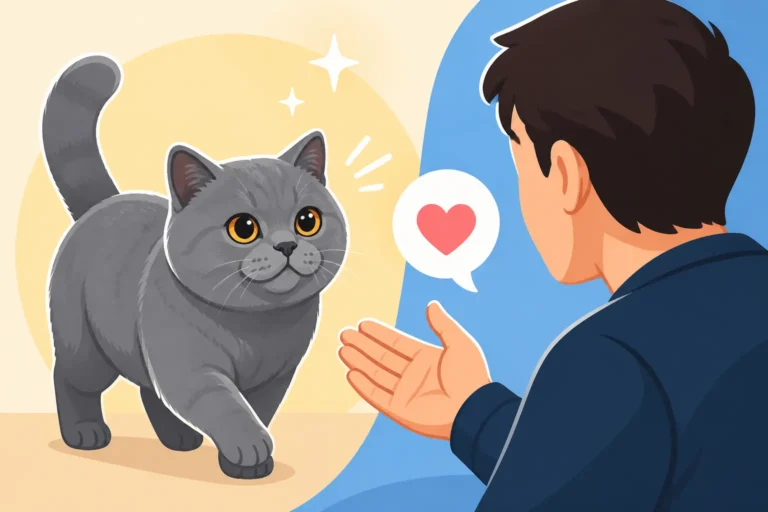
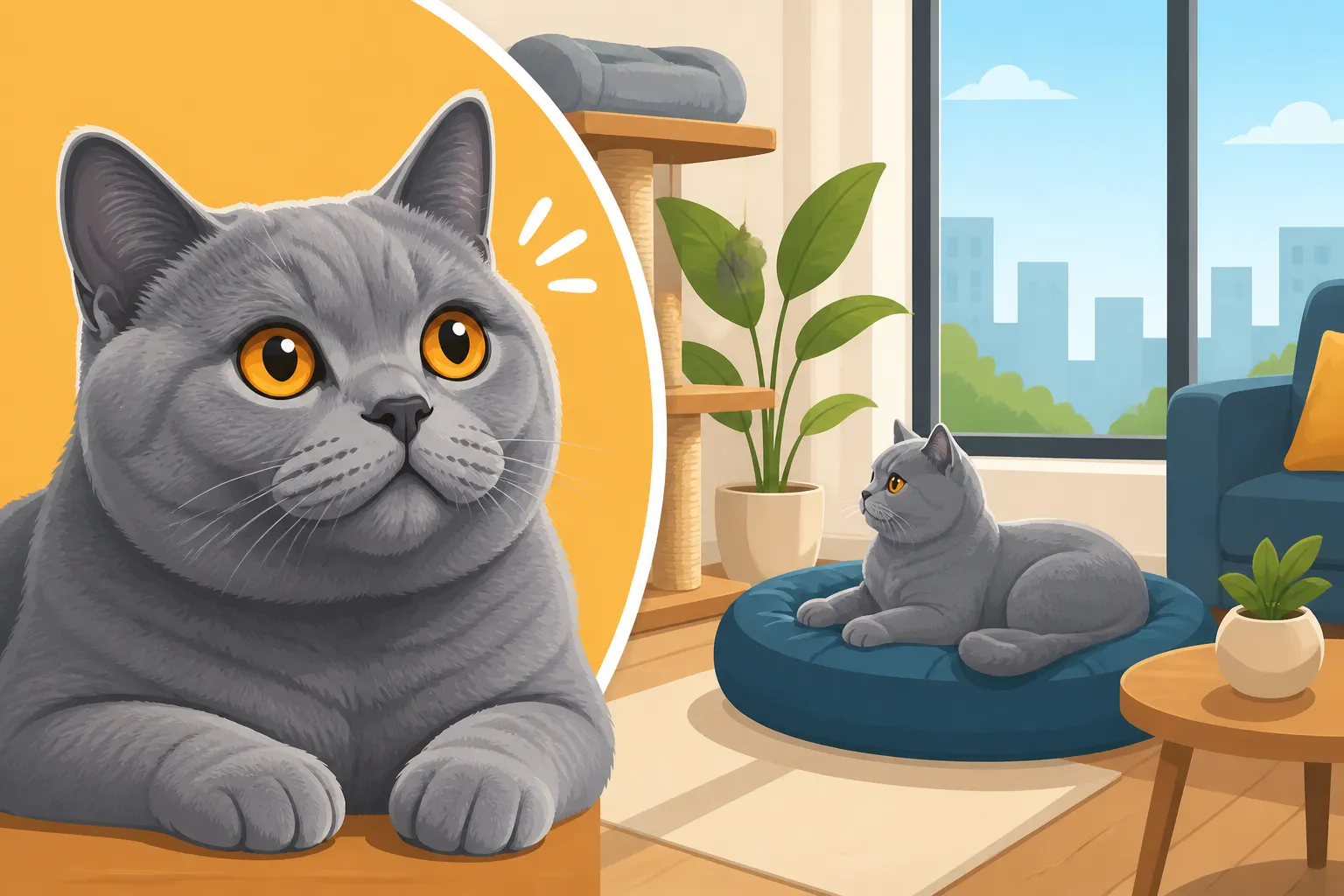
British Shorthairs are renowned for their calm demeanor. They aren't prone to frantic bursts of energy that might lead to knocking over lamps or tearing through curtains. Instead, you’ll often find them observing their surroundings from a comfortable perch, perhaps a soft bed on a windowsill, or simply napping in a sunny spot. This inherent tranquility means they don't feel "cooped up" in the same way a more high-strung, energetic breed might. They value their quiet time and personal space, making them excellent companions for those living in apartments where space is a premium. You won't find them constantly demanding attention or trying to bolt out the door every chance they get. Instead, they are more likely to greet you with a gentle rub against your legs, then settle nearby rather than on your lap, preferring to be How Much of a Lap Cat a British Shorthair Is.
Their independent streak also makes them ideal for apartment living, especially for owners who work full-time. While no cat should be left alone for excessively long periods, a British Shorthair is generally quite content entertaining itself or simply enjoying a long nap while you're out. They don't typically suffer from severe separation anxiety, which can be a huge relief for apartment dwellers who can't always provide constant companionship. When you return home, you'll be met with a calm, affectionate presence, not a cat desperate for attention after hours of loneliness. This quiet confidence allows them to create their own peaceful rhythm within your apartment walls.
Adaptability to Smaller Spaces
The physical build and activity level of a British Shorthair perfectly align with the constraints of apartment living. Unlike some slender, athletic breeds that might feel cramped without ample room to sprint and climb, the British Shorthair's sturdy, "cobby" body and Why a British Shorthair Is So Still nature mean they don't require vast expanses of floor space. Their short, thick legs and rounded frame are designed for a more sedate lifestyle.
They thrive on routine and predictability, which is often easier to provide in a consistent indoor environment like an apartment. The absence of external stressors, like unfamiliar outdoor cats, loud noises, or changing weather, can actually contribute to a British Shorthair's overall happiness and sense of security. They create their comfort zones within your home, whether it’s a favorite chair, a cozy blanket fort, or a designated sleeping spot. As long as they have a few key areas for relaxation, feeding, and litter, they’ll adapt beautifully. This adaptability means you don't need to live in a mansion for your British Shorthair to feel completely at home; a well-planned apartment can offer everything they need.
Keeping a British Shorthair Active in an Apartment
While their calm nature is a huge plus for apartment living, it's a double-edged sword. British Shorthairs can be notoriously inactive, and in a smaller space, this predisposition can quickly lead to weight gain. Preventing obesity and ensuring they get enough mental and physical stimulation is crucial for their long-term health and happiness.
Addressing the Low Energy Predisposition
Let's be honest: your British Shorthair isn't likely to self-exercise. They are masters of the art of relaxation, and if left to their own devices, they might just transition from one comfortable napping spot to another throughout the day. This low energy is natural, but in an apartment, it means you, the owner, need to be proactive about Getting a Low Energy British Shorthair to Move. Structured play sessions are absolutely vital. Think of it as their daily workout. Aim for at least two, preferably three, short play sessions a day – perhaps 10-15 minutes each. These don't need to be Olympic-level sprints; even a vigorous game with a wand toy can get their heart rate up and muscles working.
The key is consistency and finding what your British Shorthair enjoys. Some might be intrigued by a laser pointer (though always end with a tangible toy they can "catch" to prevent frustration), others might prefer chasing crinkle balls, and many adore wand toys with feathers or soft lures. Vary the toys to keep their interest piqued. Remember, this isn't just about burning calories; it's about mental engagement. Hunting and pouncing are instinctive behaviors, and even in a small apartment, you can recreate these scenarios to satisfy their natural urges. Don't be discouraged if they seem hesitant at first; patience and persistence usually pay off.
Preventing Weight Gain in Confined Spaces
Because British Shorthairs are so placid and enjoy their food, they are particularly prone to obesity, especially when living in an apartment where opportunities for movement might be limited. You know how easily they can gain weight; they are quite literally built for it! Why a British Shorthair Gains Weight So Easily is something every owner needs to understand. This means strict portion control is non-negotiable. Free-feeding dry kibble, where food is always available, is an open invitation for them to overeat. Instead, measure out their daily food allowance precisely and divide it into two or three smaller meals.
Consider the type of food as well. Many veterinarians recommend a diet rich in protein and moderate in fat, often leaning towards wet food, which provides more moisture and can help them feel fuller. Discuss with your vet what a healthy weight is for your specific British Shorthair, as their size can vary. If you’re concerned about their weight, a prescription diet might be necessary. This proactive approach to diet, combined with those essential play sessions, will go a long way in keeping your British Shorthair at a healthy weight and preventing associated health issues like diabetes or arthritis. It truly makes a world of difference to their quality of life.
Essential Enrichment for Apartment Dwelling British Shorthairs
While a British Shorthair might not be scaling curtains, they still need mental and physical stimulation to prevent boredom and maintain their well-being in an apartment. Thoughtful enrichment can turn even a modest apartment into a stimulating and comfortable haven for your feline friend.
Vertical Space and Perching Opportunities
Even if your British Shorthair isn't a prodigious jumper, they still appreciate vertical space. Cats feel more secure and enjoy surveying their territory from a height. In an apartment, this is crucial for maximizing usable space and giving them options beyond the floor. Invest in a sturdy cat tree, specifically one designed for heavier, stockier breeds, as cheap, wobbly ones won't cut it for their solid build. Look for broad platforms and secure construction. You can find excellent options on Amazon. Placing it near a window provides entertainment as they watch the world go by, fulfilling their innate curiosity.
Beyond cat trees, consider wall-mounted shelves or cat perches. These can create a "cat highway" around your room without taking up valuable floor space. Ensure they are wide enough for your British Shorthair to comfortably lie down and are securely fastened. A window perch, especially one with a comfortable, washable cushion, can become their favorite spot for sunbathing and bird-watching. This kind of vertical territory reduces stress, provides exercise as they navigate different levels, and enhances their sense of security.
Interactive Play and Puzzle Toys
As we discussed, active play is vital. Beyond wand toys, consider incorporating puzzle feeders and interactive toys. Puzzle feeders, which require your cat to manipulate them to release treats or a portion of their meal, are fantastic for mental stimulation and slow down eating, aiding in weight management. You can find many varieties, from simple treat balls to more complex mazes, often readily available on Amazon. This taps into their natural hunting instincts without requiring you to constantly be present.
Automatic laser toys or robotic toys can also provide bursts of entertainment, especially when you're busy or away. Just remember to vary them and supplement them with direct interaction. Even simple things like rotating their toys every week or so can keep them interested. Don't underestimate the power of a crinkly ball or a toy mouse; sometimes the simplest things are the most captivating. The goal is to make their environment unpredictable and engaging, turning their apartment into a rich hunting ground.
Litter Box and Core Comforts
When living in an apartment, especially a smaller one, ensuring optimal litter box conditions is critical to prevent behavioral issues. British Shorthairs are generally very clean cats, but they need the right setup. They are substantial cats, so they need a large litter box, ideally one that allows them to turn around comfortably without touching the sides. Which Litter Box Size a British Shorthair Needs is a topic often overlooked but paramount for their comfort. Many owners opt for extra-large storage bins converted into litter boxes, which can often be found at a good price on Amazon, as commercial boxes can sometimes be too small for their generous proportions.
| Feature | Recommendation for British Shorthairs | Why it Matters |
|---|---|---|
| Size | Extra-large, at least 1.5x cat's length | Allows comfortable turning, reduces accidents |
| Depth | Moderate to deep | Prevents litter scatter |
| Type | Open top preferred | Better ventilation, less enclosed feeling |
| Litter Type | Unscented, soft texture | Gentle on paws, avoids aversion |
| Location | Quiet, easily accessible | Privacy and ease of use |
| Number of Boxes | Number of cats + 1, minimum 2 for one cat | Reduces stress, provides options |
Place the litter box in a quiet, accessible location where your cat feels secure and has privacy. Avoid high-traffic areas or noisy appliances. Scoop at least once, preferably twice, daily. Their plush coat means they can sometimes track litter, so a good litter mat outside the box is a wise investment. Beyond the litter box, ensure they have soft, comfortable beds in various spots around the apartment – sunbeams, quiet corners, elevated perches. These simple comforts contribute immensely to their feeling of security and well-being in their indoor environment.
Social Needs and Companion Considerations
British Shorthairs are often described as independent, but that doesn't mean they don't have social needs. Understanding their particular brand of companionship is key to ensuring they thrive in an apartment, whether they are your only pet or part of a multi-pet household.
Solitary Nature vs. Company
While many British Shorthairs enjoy their own company and are perfectly content as the sole focus of your affection, it's a common misconception that they are completely aloof. They form strong bonds with their human companions, often following you from room to room or settling nearby as you go about your day. They are generally A British Shorthair Is Genuinely Fine on Its Own for reasonable periods, which makes them ideal for apartment dwellers who might have a regular work schedule. However, "fine on its own" doesn't mean "thrives on neglect." They still need daily interaction, play, and affection.
For those considering getting two cats, British Shorthairs often do well with another calm, equally matched feline companion. They are generally not confrontational and can coexist peacefully. If you're out for very long hours, a second British Shorthair can provide companionship, though introduce them slowly and thoughtfully. Observe your cat's personality – some truly prefer to be the sole monarch of their domain, while others will welcome a quiet friend. Never assume a second cat will solve all problems; ensure you have enough space and resources (litter boxes, food bowls, sleeping areas) for both.
Managing Alone Time
For apartment dwellers, managing alone time effectively is crucial. As established, British Shorthairs handle solitude better than many breeds. However, extended periods of boredom can still lead to stress or undesirable behaviors. Before leaving for work, engage in a good play session to tire them out. This can encourage them to nap while you're gone. Provide plenty of vertical spaces, window perches, and puzzle feeders loaded with a portion of their daily food to keep them occupied.
Consider leaving a radio or TV on low volume; the background noise can be comforting and prevent the apartment from feeling too quiet. Some owners even use pet cameras to check in on their British Shorthair and even engage in interactive play remotely. While a British Shorthair typically copes well, if you notice signs of stress, such as over-grooming, changes in appetite, or inappropriate urination, it might indicate they need more enrichment or interaction during their alone time. Remember, a British Shorthair may be calm, but they still thrive on connection and a thoughtfully enriched environment, regardless of the size of your apartment.
Disclaimer
This article is for general informational purposes only and does not constitute professional advice. Laws, prices and regulations vary by location and change over time. Consult a qualified professional for guidance on your specific situation.