How Hard a British Shorthair Hunts
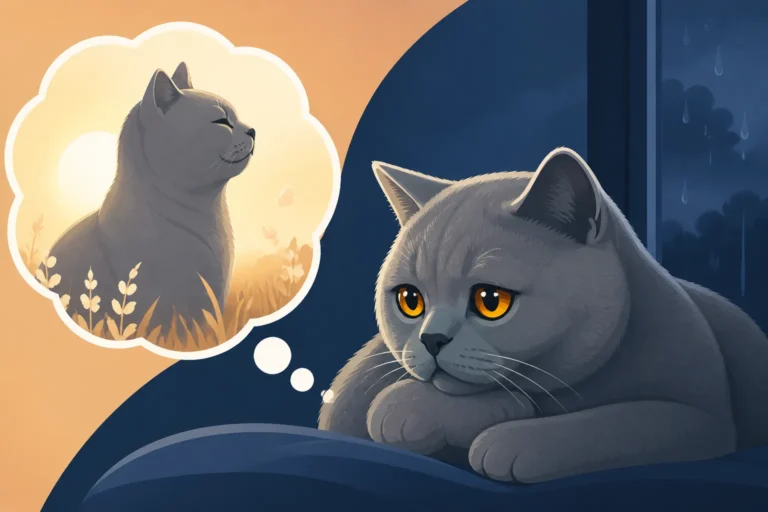
It’s easy to look at a British Shorthair, with their famously placid demeanor and teddy bear good looks, and assume they're all about napping and purring. Many new owners, and even experienced cat people, wonder if these wonderfully chunky cats have any real hunting instinct left, especially compared to their more wiry, energetic cousins. The truth is, beneath that calm, plush exterior lies a history of efficient hunting, and while their methods might be less overt than some other breeds, the drive is absolutely still there, just waiting for the right outlet. This guide will delve into the British Shorthair's hunting nature, examining its roots and how it manifests in the modern household cat.
The Ancestral Hunter Hidden in Plain Sight
You might not picture your soft, round British Shorthair as a stealthy predator, but remember their origins! These magnificent cats weren't always pampered house pets. They began as hardy, working cats on the streets, farms, and even ships of Britain, where their survival depended entirely on their ability to hunt. They were the original pest control, keeping rodents in check, a far cry from the lap-napping furballs we know today.
A History of Prowess
Centuries ago, long before British Shorthairs were show cats winning rosettes, they were earning their keep. Their ancestors were adept at catching mice, rats, and even small birds, a necessary skill for survival in a harsh world. This strong prey drive was a key characteristic, valued by farmers and homeowners who appreciated a cat that could protect their stores and homes from vermin. When Harrison Weir, often considered the "father of the cat fancy," began to formalize the breed in the late 19th century, he started with these robust, common street cats, selecting for their strength, intelligence, and naturally, their innate hunting abilities. The physical traits we now adore – the broad chest, powerful legs, and dense coat – weren't just for looks; they were built for resilience and effective hunting in varied conditions.
Selective Breeding's Influence on Drive
While the British Shorthair has undergone significant selective breeding since those early days, especially after the world wars when The Persians That Rebuilt the British Shorthair After the War helped solidify their look, the fundamental hunting instinct remains. Breeders focused on refining their iconic appearance and temperament – that calm, dignified nature they're so famous for – but they didn't breed out the prey drive. Instead, in many lines, it's simply expressed differently. It's often a more measured, thoughtful approach to hunting rather than a frantic, high-energy one. Think of it less like a cheetah and more like a patient, strategic owl. They might not tear through the house with wild abandon, but their focus and intensity when a toy mouse appears can be surprising. For this reason, it's usually considered that What a British Shorthair Does All Day involves a fair amount of observing and planning, even if it's just planning the next nap.
The British Shorthair's Hunting Style and Indoor Manifestations
So, how does this ancestral hunting prowess translate to the modern indoor British Shorthair? You're unlikely to find them bringing in a freshly caught squirrel, thankfully! Instead, their hunting instincts are often channeled into play, observation, and sometimes, a rather determined pursuit of dust bunnies.
A Measured, Methodical Approach
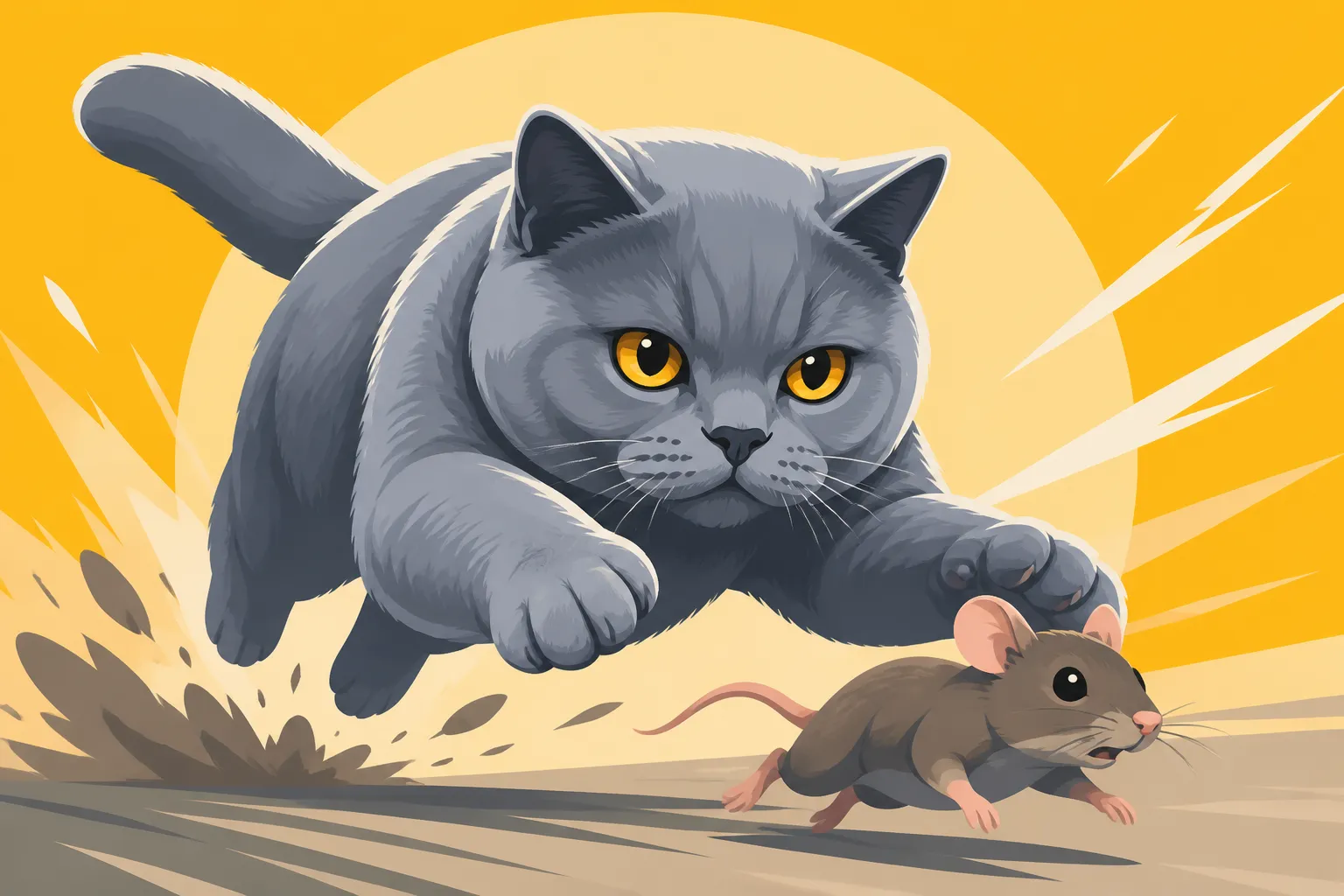
Unlike some breeds that are all about explosive bursts of speed and acrobatic leaps, the British Shorthair's hunting style is typically more methodical. They are not known for their incredible athleticism; in fact, Why a British Shorthair Is So Still is a common trait. They often prefer to observe their "prey" – whether it's a laser pointer dot or a feather wand – before making a move. When they do engage, it's with a surprising amount of power. They'll stalk, crouch low, and then pounce with a heavy, deliberate impact. This isn't to say they can't be fast when they want to be, but their energy conservation is a hallmark of their breed. You might see them watching a fly buzz for ages, contemplating the perfect moment for a single, decisive swat rather than a flurry of uncoordinated attempts. This patient, observant approach is a direct echo of their ancestors who needed to conserve energy and choose their moments wisely.
Indoor "Prey" and Play
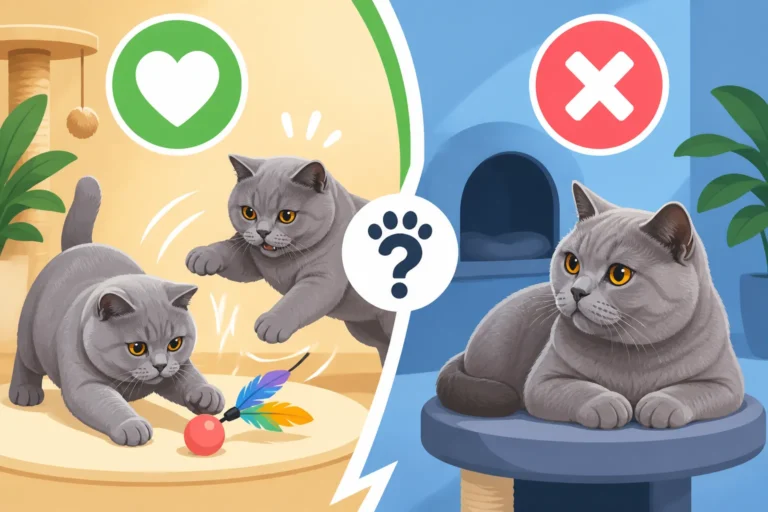
In an indoor environment, your British Shorthair's hunting instincts are primarily satisfied through play. For them, a toy mouse isn't just a toy; it's a stand-in for real prey. They might carry it around, "kill" it with powerful bunny kicks, and even bring it to you as a gift, mirroring the behavior of outdoor hunters. Many British Shorthairs love wand toys, especially those with feathers or crinkly elements that mimic the sound and movement of small birds or rodents. Even seemingly mundane objects, like a stray hair tie or a crinkled piece of paper, can ignite their hunting drive. I’ve seen my own British Shorthair, Jasper, turn into a seasoned tracker when a rogue treat rolls under the sofa, demonstrating incredible focus and problem-solving to retrieve his "kill." It's an important aspect of Getting a Low Energy British Shorthair to Move, as focused play can be more engaging than aimless running.
They may not be the most high-energy cats, and How Much Play a British Shorthair Needs might surprise you as it's often shorter bursts than prolonged marathons. However, the quality of that play, especially when it taps into their hunting instincts, is crucial. If their hunting instincts aren't adequately stimulated, they might turn to less desirable behaviors, like "hunting" your feet under a blanket or engaging in destructive scratching.
Fulfilling the British Shorthair's Hunting Instincts
Even the most relaxed British Shorthair benefits immensely from opportunities to express their natural hunting behaviors. It's not just about physical exercise; it's vital for their mental well-being, preventing boredom and frustration.
Interactive Play Sessions
The best way to satisfy their hunting drive is through regular, interactive play sessions. These aren't just for fun; they're crucial for your cat's health and happiness. Aim for at least two to three short sessions (5-10 minutes each) per day.
- Wand Toys: These are fantastic because you control the "prey." Make the toy dart, hide, and pounce like real prey. Let your British Shorthair "catch" the toy frequently to build their confidence and satisfy the hunting cycle. I highly recommend looking for sturdy wand toys on Amazon with interchangeable lures like feathers, worms, or fabric strips.
- Laser Pointers: Use these with caution. While they can be great for getting a British Shorthair to move, always end the session by letting them "catch" something tangible, like a treat or a physical toy. Ending without a catch can be frustrating for a cat's hunting drive.
- Kicker Toys: British Shorthairs love a good kicker toy. These allow them to use their powerful back legs for "bunny kicks," a key part of their prey-killing sequence. Look for robust, catnip-filled kicker toys on Amazon that can withstand their enthusiastic attacks.
Remember, the goal is to simulate the hunt, not just make them run. Allow them to stalk, chase, pounce, and "kill" the toy. This complete sequence is what truly satisfies their predatory urges.
Puzzle Feeders and Food-Based Challenges
Another excellent way to engage their hunting instincts, particularly if your British Shorthair needs to manage their weight (and many do, as Why a British Shorthair Gains Weight So Easily is a common issue), is through puzzle feeders. Instead of simply putting food in a bowl, make them work for it.
- Slow Feeders: These bowls have obstacles that force your cat to eat more slowly, making mealtime a mental challenge.
- Puzzle Toys: Fill these with their dry kibble or healthy treats, and your cat has to manipulate them to release the food. This mimics foraging and hunting for smaller, scattered prey.
- Hiding Food: Scatter portions of their meal in different places around the house. This encourages them to "hunt" for their food, adding a stimulating element to their daily routine. You can find a wide variety of these ingenious devices on Amazon to suit your cat's skill level.
Safe Outdoor Access and Enrichment
While most British Shorthairs are perfectly content as indoor-only cats, some enjoy supervised outdoor time in a secure catio or on a leash. This can provide incredible mental stimulation and new "hunting" opportunities, like chasing leaves or observing birds from a safe distance. Just ensure their safety is paramount; a British Shorthair's placid nature doesn't mean they're immune to outdoor dangers. Always consider Whether a British Shorthair Should Go Outside carefully.
Understanding Their Natural Rhythms
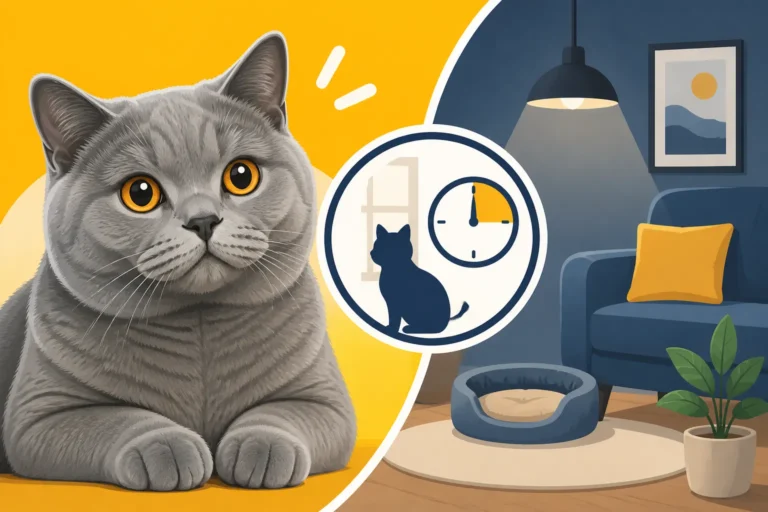
British Shorthairs, like all cats, are crepuscular, meaning they are most active at dawn and dusk. Try to schedule your interactive play sessions around these times when their natural hunting drive is at its peak. This aligns with their biological clock and will make play more engaging for them.
| Hunting Behavior Aspect | British Shorthair Characteristic | How to Fulfill (Indoor) |
|---|---|---|
| Stalking | Patient, observational, low crouch | Interactive wand play, hiding toys for retrieval |
| Chasing | Powerful bursts, not prolonged speed | Short, intense bursts with wand toys, laser pointer (with caution) |
| Pouncing | Heavy, deliberate, strong impact | Toys that can be "pinned" or "bunny kicked" |
| Killing Bite/Kicks | Strong jaw, powerful hind leg kicks | Kicker toys, plush toys for wrestling |
| Foraging/Retrieval | Enjoys finding and carrying "prey" | Puzzle feeders, scattering kibble, fetch with small toys |
| Observation | Watches intently, learns patterns | Window perches, supervised catio access |
Remember, your British Shorthair, despite their calm exterior, is a cat through and through, with a deep-seated instinct to hunt. Providing appropriate outlets for this drive will lead to a happier, healthier, and more engaged companion. It’s about celebrating their true nature, not trying to suppress it. You might even find that encouraging their inner hunter helps with other aspects of their life, such as preventing Obesity Is the British Shorthair's Real Disease by encouraging movement and mental stimulation. By understanding and embracing their ancestral legacy, you can enrich your British Shorthair's life immensely.
Disclaimer
This article is for general informational purposes only and does not constitute professional advice. Laws, prices and regulations vary by location and change over time. Consult a qualified professional for guidance on your specific situation.