Why a British Shorthair Is So Still
If you've ever spent time around a British Shorthair, you've probably noticed something rather remarkable about them: they are incredibly still. While other cats might be zipping around, scaling curtains, or chasing invisible prey with boundless energy, your British Shorthair is often found in a state of serene repose, observing the world with calm, collected dignity. It's a hallmark of the breed, and this guide is dedicated to exploring the fascinating reasons behind this characteristic stillness, offering insights into their nature and how to understand their unique brand of feline contentment.
The Inherently Calm Demeanor of the British Shorthair
The British Shorthair's serene disposition isn't just a quirk; it's deeply ingrained in their history and genetic makeup. They weren't bred for acrobatic feats or high-strung antics, but rather for a sturdy, robust constitution and a calm, intelligent temperament. This has resulted in a cat that is truly a master of quiet contemplation.
Breed History and Temperament
Think about the origins of the British Shorthair. Their ancestors were the common street and farm cats of Great Britain, valued for their mousing abilities and their ability to thrive in various environments. These weren't delicate, flighty creatures; they were resilient and self-sufficient. When Harrison Weir first championed the breed in the late 19th century, he sought to elevate these beloved domestic cats into a pedigreed line, emphasizing their solid build and placid nature. This foundational temperament meant they were never intended to be hyperactive. Instead, their stillness is a manifestation of their deep-seated self-possession and intelligence. They are observers, taking in their surroundings with a quiet intensity rather than needing to constantly interact with them physically. This makes them wonderful companions for those who appreciate a peaceful household, proving that a cat doesn't need to be a whirlwind of activity to be engaging. They are often described as easy-going and tolerant, traits that naturally lead to a more sedate lifestyle.
The "Teddy Bear" Persona
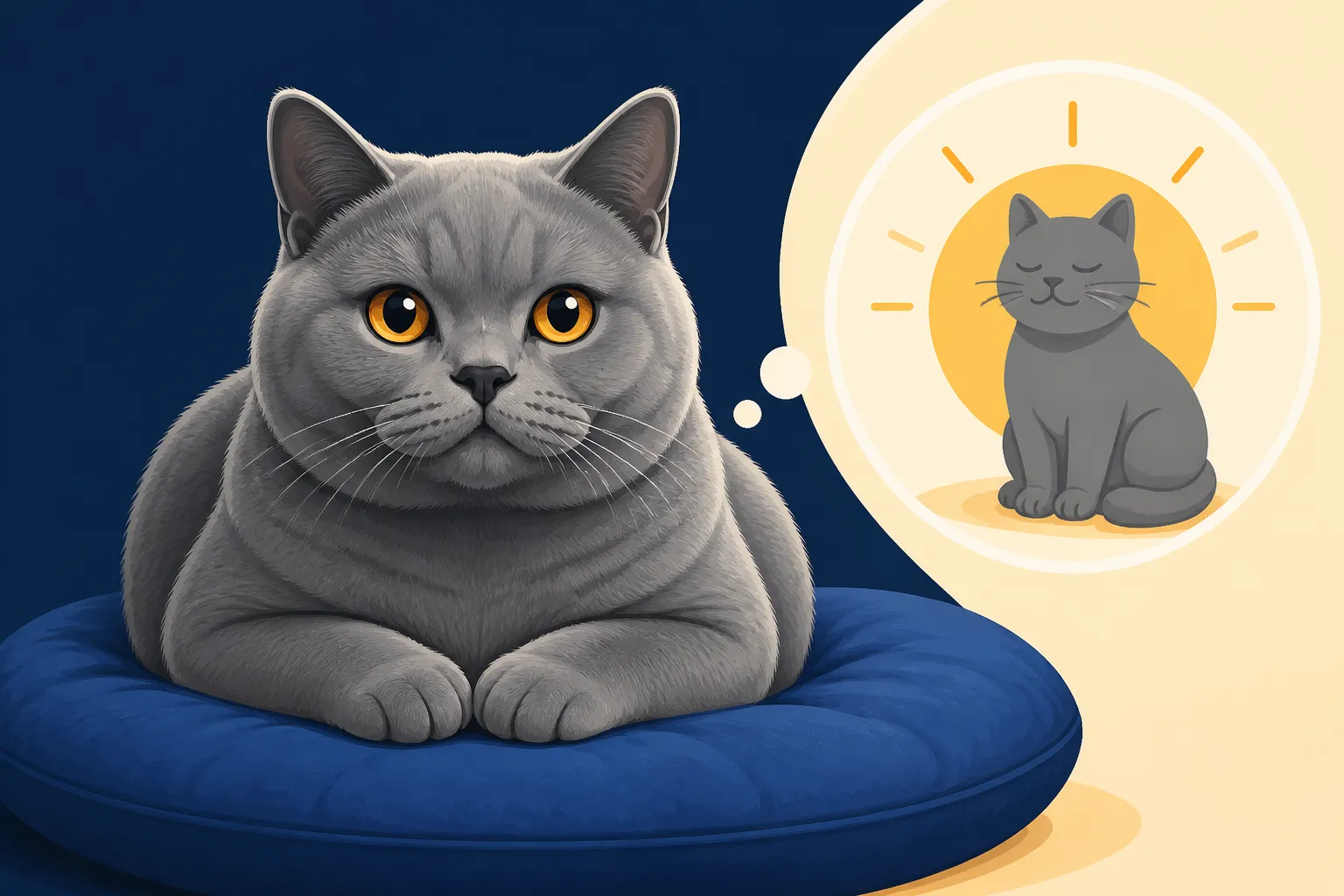
It's impossible to talk about the British Shorthair's stillness without acknowledging their iconic physical appearance. Their thick, dense, plush coats, round heads, chubby cheeks (often referred to as jowls in males), and cobby, powerful bodies give them an undeniable "teddy bear" quality. This physical form naturally lends itself to a less frenetic existence. A British Shorthair isn't built for lightning-fast sprints and agile leaps in the same way a svelte Siamese might be. Their substantial build encourages a more grounded approach to life. They prefer to use their strength for powerful, deliberate movements rather than sustained, high-energy activity. This isn't to say they can't move quickly when motivated, but their default mode is one of comfortable stillness. Their calm expression, often enhanced by large, round, copper-gold eyes, further reinforces this image of tranquility. It's almost as if their very appearance dictates their behavior, making them the quintessential laid-back lap (or, more accurately, next-to-you) cat. You'll often find them curled up in a sunbeam, or perhaps draped over a favorite cushion, looking utterly content.
Understanding Their Daily Rhythm and Activity Levels
While some might worry that a still cat is a bored cat, for a British Shorthair, stillness is often just their way of being. Understanding their natural rhythms can help owners appreciate this unique characteristic.
Prioritizing Comfort and Observation
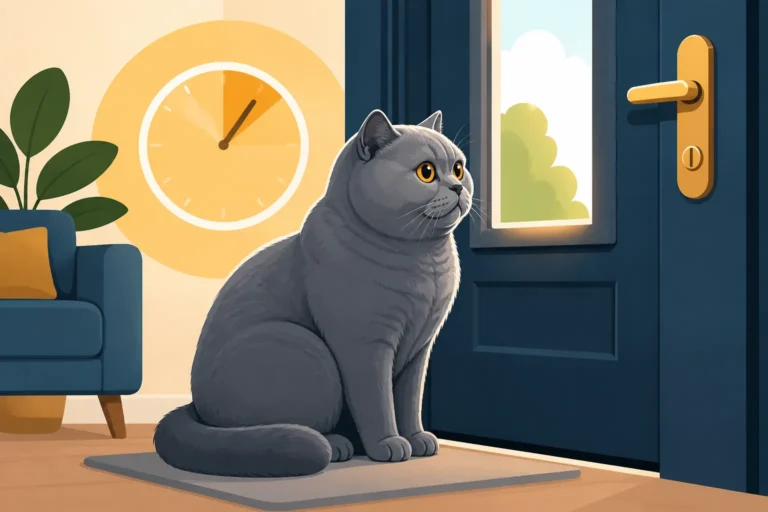
British Shorthairs are masters of comfort. They truly know how to relax and appreciate a good nap or a long stretch. Their daily routine often revolves around finding the warmest, softest, most strategic spot in the house from which to survey their domain. They aren't aloof; they're simply content to be near you, often choosing a spot on the sofa next to you rather than directly on your lap. This observational tendency is a key part of their stillness. They take in everything around them, from the fluttering of leaves outside the window to the quiet movements of their human family. This allows them to stay engaged with their environment without expending excessive physical energy. You might notice them following you with their eyes, processing information with a thoughtful gaze. It's a quiet intelligence at work, making them feel very much a part of the household, even when they're not actively participating. They truly don't get separation anxiety in the same way some breeds might, content with their own company for significant portions of the day. For more on their daily habits, check out What a British Shorthair Does All Day.
Brief Bursts of Play
It's a common misconception that British Shorthairs don't play. They absolutely do! However, their play style is typically different from more high-energy breeds. Instead of long, sustained play sessions, British Shorthairs tend to engage in shorter, more intense bursts of activity, followed by a quick return to their preferred state of relaxation. You might see them suddenly pounce on a toy mouse, chase a laser dot (if used carefully and ethically, always ending with a tangible reward), or engage in a quick tussle with a wand toy. These moments are usually concentrated and efficient. Then, just as quickly, they'll retreat to their comfortable spot, perhaps panting slightly but generally content with their burst of effort. They aren't looking to exhaust themselves; they're looking for stimulation and interaction on their own terms. Interactive toys found on Amazon, like feather wands or puzzle feeders, can be great for these short, engaging playtimes, appealing to their hunting instincts without requiring them to be constantly on the go. If you're wondering how much activity they really need, the article How Much Exercise a British Shorthair Needs dives deeper into this topic.
The Importance of Sleep
Cats, in general, are known for their prodigious sleeping habits, and British Shorthairs are no exception. Their stillness is often simply a natural state of rest. They can easily sleep for How Many Hours a Day a British Shorthair Sleeps, sometimes even more, especially as they get older. These aren't just light naps; they often involve deep, restorative sleep. This extensive sleep is vital for their overall health, allowing their bodies to repair and their minds to process information. When they are awake, they tend to conserve energy, leading to that characteristic stillness. It's not laziness, but a genetically programmed efficiency. Think of them as power-savers, built to optimize their energy output. A truly deep sleeper British Shorthair won't even stir for a door knock, especially if they are nestled in a cozy cat bed, perhaps one you found on Amazon that offers supreme plush comfort.
Factors Influencing Stillness Beyond Breed Traits
While their breed characteristics certainly predispose British Shorthairs to a calm disposition, other factors can also play a significant role in how still they appear.
Age and Maturation
Just like humans, cats change as they age, and this is particularly evident in the British Shorthair. Kittens, as expected, are generally more active and playful, though even a British Shorthair kitten tends to have a more grounded energy than many other breeds. They will have their zoomies, but they often tire quickly and seek out a cozy nap spot. As they mature into adulthood, usually around two to three years of age, their inherent stillness becomes much more pronounced. When a British Shorthair Settles Down covers this transition in detail. By the time they reach their senior years, typically around The Age a British Shorthair Is Considered Senior, their activity levels naturally decrease even further. An older British Shorthair will prioritize comfort and warmth, spending even more time napping and observing. Their play sessions might become even shorter and gentler, or they might simply prefer quiet companionship over active engagement. This natural progression means that a very still cat might simply be a perfectly content adult or senior British Shorthair.
Environment and Enrichment
The environment you provide for your British Shorthair also heavily influences their perceived stillness. A quiet, stable home with predictable routines tends to foster a calmer cat. If a British Shorthair feels safe and secure, they are less likely to exhibit anxious or hyperactive behaviors. Adequate enrichment, even for a calm cat, is crucial. This doesn't necessarily mean elaborate cat gyms, though they might enjoy a sturdy, multi-level cat tree to observe from (ensure it's stable enough for their weight, perhaps one with good reviews on Amazon). It means offering engaging toys for their brief play sessions, opportunities for mental stimulation like puzzle feeders, and plenty of comfortable sleeping spots. A lack of appropriate environmental enrichment could lead to a cat that seems overly still out of boredom, but for a British Shorthair, it's more likely to simply reinforce their natural inclination towards tranquility. Providing windows for them to watch birds and squirrels, or even just a safe, warm spot with a good view, can be immensely enriching for their observational nature.
Health Considerations
While stillness is characteristic of the British Shorthair, a sudden or extreme increase in lethargy, or a refusal to engage even in their typical short bursts of play, should always be a cause for concern. Sometimes, what looks like extreme stillness is actually a sign that something isn't quite right. Cats are masters at hiding pain and illness, so any significant change in their normal routine warrants attention. Conditions such as arthritis, dental disease, heart issues like hypertrophic cardiomyopathy (HCM), or even just general discomfort can lead to a cat becoming much less active than usual. It's important to differentiate between a naturally calm cat and a cat that is lethargic due to illness. Keeping an eye on changes in appetite, litter box habits, or vocalization, in conjunction with increased stillness, are critical indicators. If you're ever worried that your British Shorthair's stillness is a symptom of something more serious, don't hesitate to consult your veterinarian. The article Signs a British Shorthair Is Unwell provides more information on what to look out for.
Encouraging Gentle Movement and Engagement
Even the calmest British Shorthair benefits from regular, gentle engagement. It helps keep them physically healthy, mentally stimulated, and prevents them from becoming truly sedentary, which can lead to weight issues.
Interactive Play Sessions
Getting a British Shorthair to move doesn't require turning them into an Olympic athlete, but it does require understanding their motivation. For many, food or the thrill of the hunt, even a simulated one, is a strong motivator. Wand toys with feathers or small, enticing objects can be incredibly effective. The key is to make the toy behave like prey, moving erratically, hiding, and then reappearing, encouraging short chases and pounces. Try to schedule a couple of short play sessions (5-10 minutes each) daily. This gentle exercise helps maintain muscle tone and supports a healthy weight. You can find a huge variety of engaging wand toys on Amazon that are sure to capture your British Shorthair's attention. Remember to let them "catch" the toy at the end of the session to give them a sense of satisfaction. If you're struggling to motivate your calm companion, Getting a Low Energy British Shorthair to Move offers some great tips.
Mental Stimulation
Physical play isn't the only way to engage a British Shorthair. Mental stimulation is just as important, especially for such intelligent observers. Puzzle feeders, for instance, are excellent for combining their love of food with a little brain work. These require your cat to manipulate objects to get treats or kibble, slowing down their eating and engaging their problem-solving skills. Simply rotating their toys, offering new textures to explore, or even just changing their lookout spots can provide novelty. Talk to your British Shorthair; they may not understand every word, but they appreciate the attention and the sound of your voice. Provide them with safe window perches where they can watch the world go by, offering endless hours of passive entertainment. A cozy bed for these observation points, easily found on Amazon, will make the experience even more inviting. This type of enrichment acknowledges their calm nature while still providing valuable engagement.
Here's a quick look at how typical activity levels might vary:
| Age / Stage | Typical Activity Level | Notes |
|---|---|---|
| Kitten (0-1 year) | Moderately Active | Playful bursts, then deep naps. Explores new environments, generally more curious and energetic. |
| Young Adult (1-3 years) | Low to Moderate | Longer periods of rest, short play sessions. Establishing routines, comfortable in their environment. |
| Mature Adult (3-7 years) | Low | Content with routine, highly observational. Play is often initiated by owner or other pets. |
| Senior (7+ years) | Very Low | Prefers warmth and comfort. Play becomes less frequent and gentle. May sleep even more. |
Validating Their Calmness
It's important to remember that a British Shorthair's stillness is not a flaw; it's a defining and often cherished characteristic of the breed. This isn't a cat that will constantly demand your attention or destroy your home with acrobatic antics. Instead, they offer a quiet, comforting presence, a steadfast companion who enriches your life with their calm dignity and affectionate (though rarely demonstrative) nature. For those who appreciate a peaceful home life and a cat that embodies serene contentment, the British Shorthair's stillness is not boring, but truly a delight. They fit perfectly into quiet households, making them an ideal choice for many. If you're still pondering whether their tranquil nature aligns with your expectations, you might enjoy reading Whether a British Shorthair Is Boring. Embrace their quiet charm, and you'll find a loyal, loving friend in your remarkably still British Shorthair.
Disclaimer
This article is for general informational purposes only and does not constitute professional advice. Laws, prices and regulations vary by location and change over time. Consult a qualified professional for guidance on your specific situation.