Where a British Shorthair Likes Being Touched
Many British Shorthair owners find themselves in a bit of a quandary when it comes to physical affection. You adore your plush companion, but reaching out for a cuddle often feels like navigating a minefield, leaving you wondering if you're doing something wrong or if your cat simply doesn't like being touched. It's a common frustration, but understanding where your British Shorthair prefers to be touched – and, crucially, where they absolutely don't – can transform your interactions and deepen your bond. This guide will walk you through the subtle art of petting your British Shorthair, helping you decode their body language and enjoy more positive, affectionate moments together.
The British Shorthair's Unique Approach to Affection
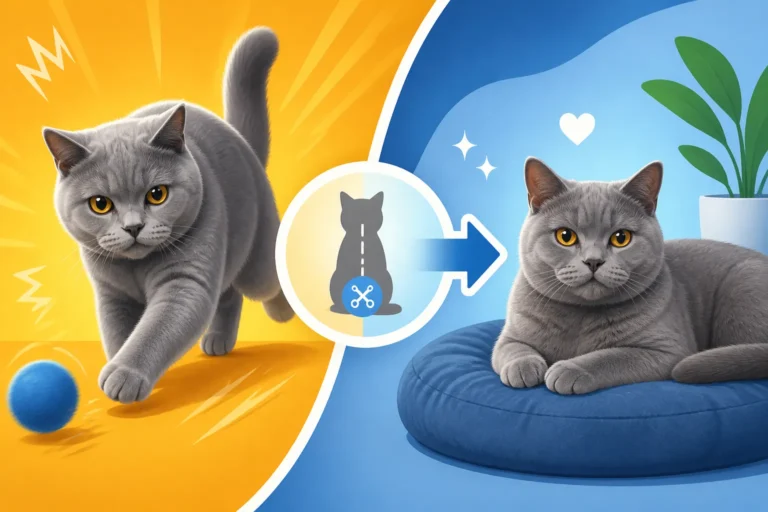
This breed isn't your typical velcro cat, and understanding their general demeanor is key to knowing how they like to be touched. They are notoriously independent, carrying themselves with a calm dignity that often translates into a preference for proximity over direct contact. You might find your British Shorthair happily occupying the same sofa as you, perhaps even draped across your feet, but the moment you try to scoop them up for a full-on hug, they might stiffen or make a quick escape. This isn't a rejection of you, but rather a strong preference for how and when they receive physical attention.
More of an Observer Than a Cuddler
British Shorthairs are often described as being "present but not pushy." They enjoy being in the same room as their human family, watching the goings-on with their wise, round eyes. You'll notice them following you from room to room, settling into a sunbeam nearby, or even snoozing within arm's reach. This quiet companionship is their primary way of showing they care. They might even offer a soft head-butt against your leg as you pass, a clear invitation for a quick scratch, but they're rarely the type to burrow under the covers with you all night. It's a subtle affection, requiring owners to tune into their specific cues. They will often sit near you, but perhaps not on you, a characteristic many owners come to appreciate. If you're wondering about their general level of warmth, How affectionate a British Shorthair Is dives deeper into their loving nature.
Understanding Their Boundaries
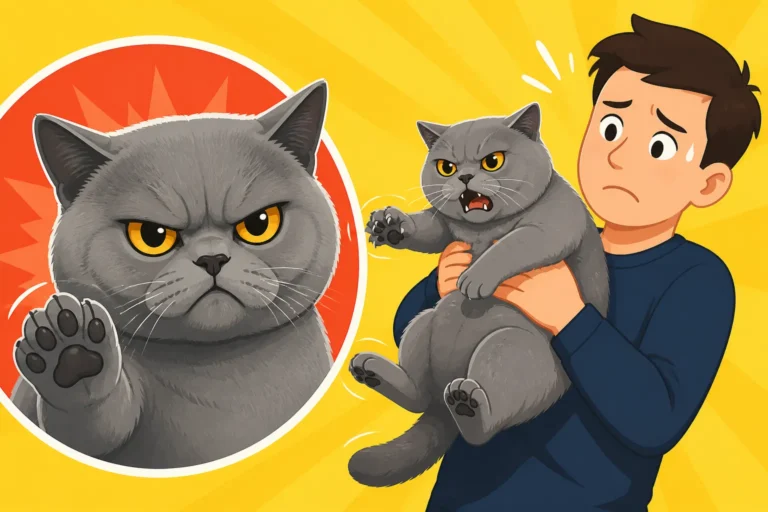
The "teddy bear" look of a British Shorthair can be incredibly deceiving. That dense, plush coat and round face make them seem utterly cuddly, almost begging to be squeezed. However, their physical robustness and self-possessed nature mean they often have very clear boundaries about handling. Think of it less as aloofness and more as respect for their personal space. Many owners report that their British Shorthair will tolerate being picked up for a brief moment, but then wiggle their way back to solid ground. This inherent independence shapes how they want to be touched. Learning to respect these boundaries is paramount to building a trusting relationship. You might find that your British Shorthair is simply not designed for extensive lap-sitting, preferring to be a beloved presence in the room. This contrasts sharply with other breeds that crave constant physical contact. It's important to remember that they are truly A British Shorthair Sits Near You, Not On You rather than becoming a permanent fixture on your lap.
The Green Light Zones Where British Shorthairs Love Being Touched
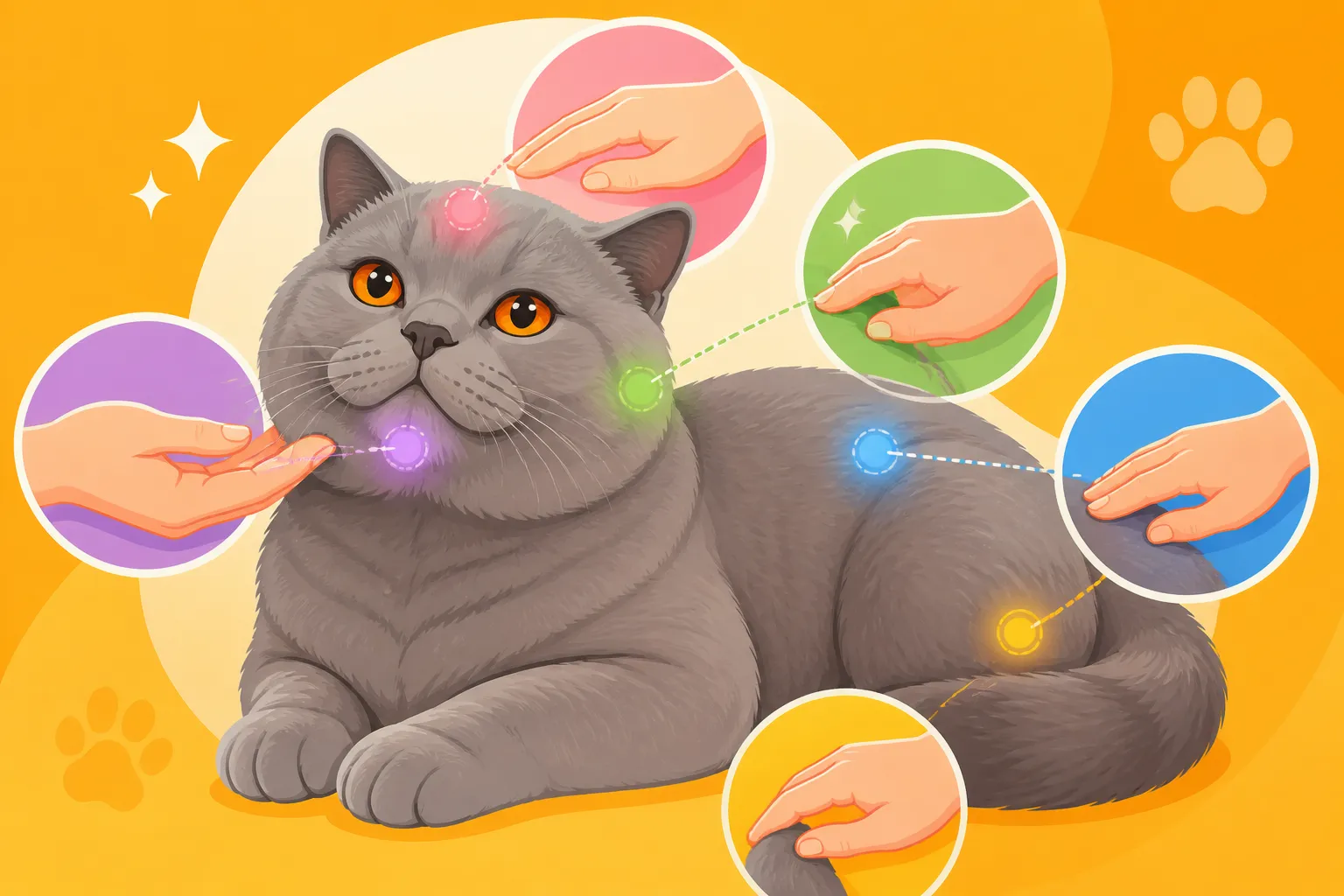
When it comes to petting, British Shorthairs have very specific "yes" zones, areas that tap into their natural instincts and comfort. These are the spots where you're most likely to be met with a purr, a relaxed posture, and perhaps even a gentle head nudge for more. These areas are often associated with scent glands or places where they can't easily groom themselves, making your touch a welcome service.
The Head, Cheeks, and Under the Chin
This is prime territory! Most cats, British Shorthairs included, absolutely adore having their heads stroked. Think about the area between their ears, right on top of their head, or tracing gently along their forehead. The cheeks are another big hit, especially where their whiskers sprout, and underneath the chin where they have scent glands. When you scratch these spots, you're not just providing a pleasant sensation; you're also helping them spread their scent, which is a key part of how they mark their territory and express comfort.
A slow, deliberate stroke along their head, leading to a gentle scratch behind the ears or along their prominent jowls (especially in males!), can often elicit a rumbling purr. You'll notice them push their head into your hand, sometimes even drooling a little in pure bliss. This is often the safest starting point for any physical interaction. Many British Shorthairs will also present their chin to you, craning their neck upwards, signalling a clear request for a good scratch in that often-neglected area. If your British Shorthair consistently enjoys these spots, consider investing in a self-grooming arch that they can rub against, perhaps one you found listed on Amazon, to provide that constant comfort even when you're busy.
Along the Neck and Shoulder Blades
Moving down from the head, the neck and shoulder blades are generally well-received. This area is less vulnerable than the belly and still offers a satisfying rub, particularly if you use firm but gentle pressure. Many cats enjoy a slight massage in these areas, helping to relieve any tension. It’s a good spot to transition to if your cat is enjoying head scratches and seems open to more interaction. Just be mindful of their spine; a gentle stroke along the neck and shoulders is usually preferred over digging in directly.
For a British Shorthair, whose dense coat often requires a bit more effort to groom, a good scratch around the shoulder blades can feel particularly good. It's a spot they can't quite reach themselves, and your fingers act like a much-appreciated grooming tool. This is also a less intimate area than their sides or back, making it a safe choice for cats who are still getting used to extensive petting. A British Shorthair's coat is incredibly dense, and reaching certain spots can be a challenge for them, so your help in these areas is often greatly appreciated.
The Base of the Tail
This one can be a bit more sensitive, but for many British Shorthairs, a gentle scratch or rub at the very base of their tail can be a delightful experience. There are many nerve endings in this area, and a good scratch can be incredibly satisfying. However, you need to pay close attention to their reaction. A happy cat receiving a tail-base scratch will often lift their bottom slightly, arch their back, and might even start purring louder. Their tail might twitch, but not in an agitated way – more like a satisfied quiver. This is one of the clearest signals for How a British Shorthair Shows It Is Pleased.
If you hit the right spot, your British Shorthair might even start kneading their paws or pushing back into your hand. But be warned: moving too far down the tail itself can quickly cross into "no-go" territory. The key is to stick to the very top, where the tail joins the body, and watch for immediate feedback. If they lower their back or flick their tail sharply, it’s a sign to stop. Learning How to Read a British Shorthair's Face can be incredibly helpful here, as their expressions are often subtle but meaningful.
| Preferred Petting Zone | Common Positive Reaction | Why They Tend to Enjoy It |
|---|---|---|
| Top of Head & Forehead | Head pushes into hand, slow blinks, purring | Mimics maternal grooming, scent marking |
| Cheeks & Jowls | Rubbing against hand, head-butts, intense purring | Concentration of scent glands, self-comfort |
| Under Chin | Neck extends, chin lifts, relaxed expression | Hard-to-reach area for self-grooming |
| Neck & Shoulder Blades | Relaxed posture, slight stretch, leaning into touch | Helps with grooming, feels like a massage |
| Base of Tail | Back arches, tail quivers (not thumping), kneading | Highly sensitive nerve endings, satisfying itch |
The Red Light Zones Where British Shorthairs Prefer Not to Be Touched
Just as there are preferred spots, there are definite areas on a British Shorthair's body that are generally off-limits for petting. Ignorance of these "red light zones" can quickly turn a pleasant interaction into an uncomfortable one, potentially leading to a swatted paw or a quick retreat. Understanding these boundaries is crucial for maintaining trust and ensuring your cat feels safe and respected during your interactions.
The Belly: A Vulnerable Territory
The belly is almost universally considered a no-go zone for cats, and British Shorthairs are no exception. While that soft, fluffy tummy might look incredibly inviting, it’s actually one of their most vulnerable areas. In the wild, exposing their belly is a sign of extreme trust or submission, as it leaves their vital organs unprotected. When your British Shorthair rolls onto their back and exposes their belly, it’s often an invitation to play or a sign of comfort in your presence, not an open invitation for a tummy rub.
Reaching for their belly can instantly switch their mood from relaxed to defensive. You might see their ears flatten, their eyes widen, or their tail start thumping. This isn't them being mean; it's a primal instinct to protect themselves. Respecting this boundary is vital. If they show their belly, enjoy the moment, perhaps offer a gentle head scratch instead, but resist the urge to dive in for a belly rub. It's truly a sacred space for most felines. This understanding can help avoid situations where your British Shorthair feels the need to swat or escape.
Paws and Lower Legs: Sensitive and Essential
Another area typically off-limits are the paws and lower legs. These are highly sensitive areas, packed with nerve endings, and essential for balance, hunting, and sensing their environment. Many cats find having their paws touched or held to be extremely unsettling. It can feel restrictive or even threatening. Think about how cats use their paws to bat at toys, test surfaces, or knead – these are finely tuned instruments.
Trying to touch their paws, even gently, can cause immediate withdrawal. It's a good habit to try and get your British Shorthair comfortable with gentle paw handling from a young age, particularly for nail trims, but even then, it should be done with extreme care and positive reinforcement, never during a casual petting session. For grooming, you might find specific paw-friendly clippers on Amazon that make the process less stressful, but keep casual touching of this area to a minimum. Remember that even for necessary tasks like nail trimming, a British Shorthair's patience for handling their paws can be quite limited.
The Tail Itself: A Mood Indicator and Balance Tool
While the very base of the tail can be a delightful spot, the tail itself, especially the mid-section and tip, is generally not for touching. The tail is an extension of their spine and is critical for balance and communication. Grabbing or pulling a cat's tail can be painful and disorienting. Even a gentle stroke down the length of the tail can be perceived as an invasion of their personal space.
Think of the tail as their emotional barometer. A gently swishing tail can mean they are relaxed, while a thumping or tucked tail indicates irritation or fear. Touching it directly can feel like you're interfering with their ability to communicate or balance. Always err on the side of caution and avoid the tail beyond its very base. If you notice your British Shorthair's tail begin to thump, it's a clear signal to stop what you're doing, even if you feel you're only giving them How Much a British Shorthair Likes Being Stroked.
Building Trust and Positive Petting Experiences
Understanding where your British Shorthair likes or dislikes being touched is just the first step. The next is to build a foundation of trust that makes all interactions more positive and enjoyable for both of you. It’s about creating a language of consent and affection, where your cat feels safe, understood, and in control.
Initiating Contact Respectfully
Always let your British Shorthair initiate contact. Offer a gentle hand, palm down, and let them approach and sniff you. If they rub against your hand or head-butt you, that's their invitation to pet them. Start with the preferred zones: the top of the head, behind the ears, or under the chin. Keep initial petting sessions short and sweet, ending while they are still enjoying it, rather than pushing it until they've had enough. This leaves them wanting more and builds a positive association with your touch.
Imagine you're relaxing on the sofa, and your British Shorthair jumps up nearby. Instead of immediately reaching for them, simply offer your hand. If they lean in and rub their cheek against your fingers, that's your cue to start with a gentle scratch on the cheek. If they turn away or ignore your hand, respect their choice and try again later. It's a dance of invitation and acceptance. This approach will cultivate a relationship where they genuinely seek out your touch, rather than merely tolerating it. Even if they don't seem keen on being held, their comfort level with gentle strokes can grow significantly. For more context, consider reading Whether a British Shorthair Ever Learns to Be Held.
Reading Their Body Language Cues
Your British Shorthair communicates volumes with their body language, if only you know how to read it. Learning to interpret their signals is the most important skill you can develop to ensure pleasant interactions. Look for signs of enjoyment: a relaxed posture, slow blinks, a soft purr, pushing their head into your hand, or even gently kneading their paws. These are all clear indications that they are enjoying the moment.
Conversely, watch for signs of discomfort or irritation: a stiff body, tail thumping, ears flattened or swivelling back, skin rippling, a sudden stop in purring, or a quick glance at your hand. If you see any of these, stop immediately and give them space. Never force an interaction. If they consistently react negatively to touch, consider if there are underlying issues, perhaps a sensitive spot due to age or discomfort. For older cats, stiffness might make certain areas sensitive; Arthritis in an Older British Shorthair talks about this. Many British Shorthairs can be quite subtle, so observing them closely is key. Recognizing these cues helps build a bond of trust and mutual respect.
Positive Reinforcement and Rewards
Pairing gentle petting with positive reinforcement can further strengthen the bond. A small, high-value treat offered during or immediately after a short, pleasant petting session can create a strong positive association. This is especially useful if you're trying to get them accustomed to being touched in a slightly less preferred, but necessary, area like their paws for nail trimming. You can find many delicious and healthy treats on Amazon that your British Shorthair will adore.
Think about incorporating petting into a routine, perhaps right before a meal or a favorite play session. For example, a few gentle head scratches while they wait for their food bowl can become a cherished ritual. This consistent, positive pairing teaches them that your touch is associated with good things, making them more receptive over time. It's not about bribing them, but about creating positive experiences that they look forward to. Also consider how How closely a British Shorthair follows you might indicate their desire for interaction, even if they don't explicitly demand it.
Creating a Comforting Environment
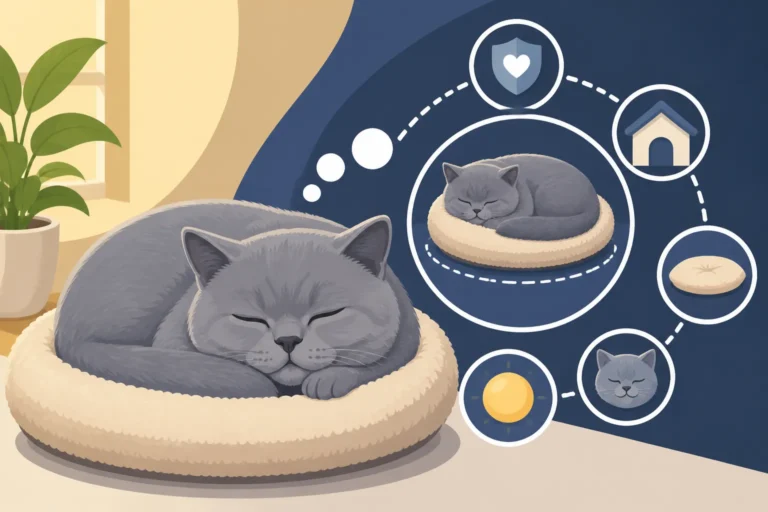
Beyond direct interaction, creating an overall comforting and secure environment can make your British Shorthair more receptive to touch. This means providing plenty of safe spaces, such as cozy beds, cat trees (even if they don't climb them much, they offer a sense of elevation and security), and quiet retreats where they can escape if they feel overwhelmed. A comfortable, familiar environment reduces stress, making them more relaxed and open to interaction. This is especially true for a breed known for its calm demeanor, as they thrive in predictable surroundings.
Ensure their litter box is clean and accessible, their food and water bowls are always full, and they have stimulating toys, even if they're a low-energy breed. A calm, predictable home life fosters a calm, predictable cat. When your British Shorthair feels truly safe and content in their surroundings, they are much more likely to seek out and enjoy gentle, consensual physical contact with you. This can even influence Whether an Older British Shorthair Gets Friendlier over time.
Ultimately, mastering the art of touching your British Shorthair is about patience, observation, and respect. It’s a journey of learning their individual quirks and preferences, but the reward is a deeper, more trusting relationship with your dignified and affectionate feline friend.
Disclaimer
This article is for general informational purposes only and does not constitute professional advice. Laws, prices and regulations vary by location and change over time. Consult a qualified professional for guidance on your specific situation.