How Much a British Shorthair Likes Being Stroked
It’s a common scenario: you’ve got this gorgeous, plush British Shorthair lounging nearby, looking utterly regal, and you just want to shower them with affection. But then you reach out, and sometimes you're met with a gentle head butt, other times a quick sidestep, or even a tail flick. It leaves you wondering, "Does my British Shorthair even like being stroked? Or do they just tolerate it?" It's not always easy to read their subtle cues, and that can be a real source of frustration when all you want to do is bond with your beloved feline. This guide is here to unravel the mystery of the British Shorthair’s unique relationship with being stroked, helping you understand their preferences and build a truly harmonious connection.
The British Shorthair's Unique Affection Code
British Shorthairs are known for their calm, stoic demeanor, often likened to furry, independent teddy bears. This distinct personality often means their affection isn't as overt or demanding as some other breeds, and that includes how they prefer to be stroked. They are not typically "lap cats" in the traditional sense, preferring to be near you rather than directly on you. This can sometimes be misinterpreted as aloofness, but it’s far from it. Their affection is simply expressed differently, in more subtle, understated ways, which extends directly to their enjoyment of physical touch. Understanding this foundational aspect of their temperament is key to appreciating their stroking preferences.
Why They Aren't Always a Cuddle Bug
The image of a cat curled up on your lap, purring endlessly as you stroke them, is a lovely one, but it's not always the reality for a British Shorthair. Their dense, plush coats provide them with a comforting barrier, and their natural independence means they value their personal space. They are generally not fans of being held or confined, and this aversion to feeling restricted can extend to certain types of stroking that feel too invasive or controlling. It’s not that they don't love you; it's simply how they are wired. They show their love through quiet companionship, following you from room to room, settling in the same room, or even just gazing at you with those big, soulful eyes. Many owners can attest to the fact that while their British Shorthair enjoys their presence, a sudden swoop to pick them up might result in a quick squirm to freedom. A British Shorthair Will Not Be Picked Up is a common experience, and stroking needs to respect that boundary.
How a British Shorthair Shows Affection Beyond Touch
Before we dive into stroking, it's important to recognize that your British Shorthair is likely already showing you plenty of affection in their own unique ways. They might slowly blink at you, a classic sign of trust and contentment, or rub against your legs as they walk by, marking you with their scent. A gentle head-butt (or "bunting") is a high compliment, meaning they consider you part of their inner circle. They might even lie down near you, sometimes just a few feet away, content to simply share your space. These subtle gestures are their way of saying "I love you," and understanding them helps to put their stroking preferences into perspective. They might choose to sit near you, not on you, which is a perfectly valid form of feline affection. A British Shorthair Sits Near You, Not On You is a classic British Shorthair trait. If you're wondering how affectionate they truly are, it often comes down to learning their language. How Affectionate a British Shorthair Is is a question many new owners ponder, and the answer is usually "very, but quietly."
Decoding the "Sweet Spots": Where and How Your BSH Likes to Be Stroked
When it comes to stroking, British Shorthairs definitely have their preferred areas and specific ways they like to be touched. Think of it less like a free-for-all and more like a carefully selected menu. Get it right, and you'll be rewarded with rumbling purrs; get it wrong, and you might find yourself abruptly dismissed. The key is gentle, respectful interaction, allowing them to dictate the terms.
Head, Cheeks, and Under the Chin: The Gold Standard
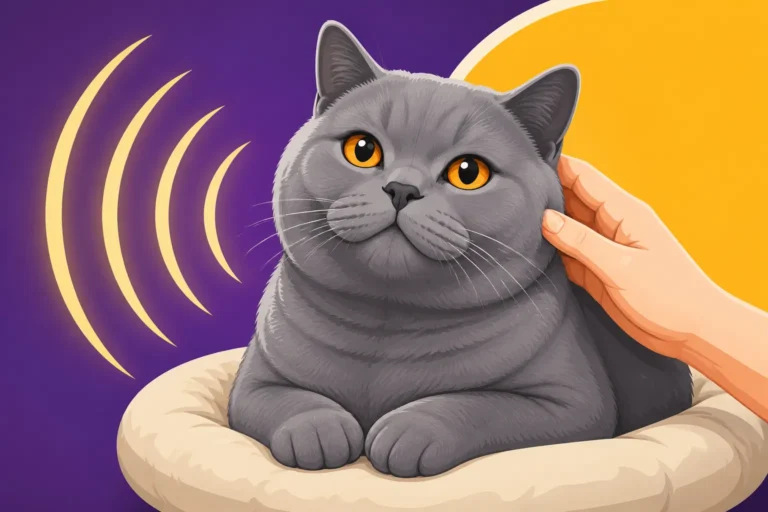
For most British Shorthairs, the head, cheeks, and under the chin are universally accepted — and often highly sought after — zones for petting. These areas contain scent glands, and when you stroke them there, you’re helping them spread their scent, which is a comforting and territorial behavior. A gentle scratch behind the ears can often result in immediate purr activation. Running your fingers softly along their strong jowls and cheeks can feel incredibly satisfying to them, especially if they are a male British Shorthair with prominent jowls. What Jowls Are on a Male British Shorthair explains how these impressive features are a mark of the breed. It's a low-risk, high-reward area that rarely elicits a negative reaction. Always start here, and if they lean into your touch, you know you’re off to a good start.
The Back and Base of the Tail: Proceed with Caution
Many cats enjoy strokes along their back, moving towards the base of the tail. For a British Shorthair, this can be a pleasant spot, but it’s often best approached with a light touch. Some cats are very sensitive at the base of their tail, and while a gentle scratch might be delightful, too much pressure or prolonged attention there can overstimulate them. Imagine someone tickling you too much – it might feel good at first, but then it becomes annoying. Pay close attention to their body language here; a twitching tail or a sudden turn of the head away from your hand could be a signal to stop.
Belly and Paws: Strictly Off-Limits (Usually!)
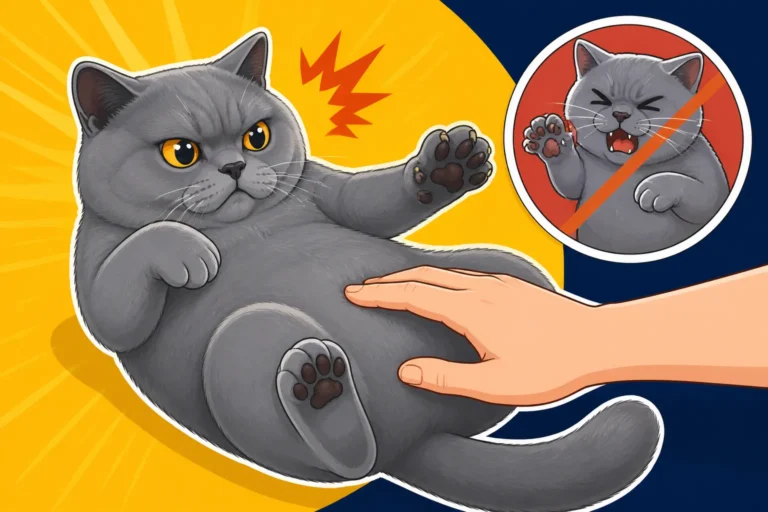
This is where the classic "cat trap" lies! While a British Shorthair might roll onto their back and expose their plush belly, it’s usually an invitation to admire, not to touch. The belly is a vulnerable area for any animal, and touching it can make them feel exposed and threatened. Even if they trust you implicitly, many British Shorthairs will react defensively if you attempt to rub their tummy. The same goes for their paws; these are highly sensitive and generally not appreciated as petting zones. If your British Shorthair does let you touch these areas, consider it a rare privilege and proceed with extreme gentleness and brevity. It’s always best to err on the side of caution and respect this boundary. If you ever wondered Why a British Shorthair Dislikes Its Belly Touched, it's typically due to their instinctual vulnerability.
Here’s a quick guide to common stroking preferences:
| Preferred Stroking Areas | Less Preferred/Sensitive Areas | Signs of Enjoyment | Signs of Discomfort |
|---|---|---|---|
| Head (forehead, top, behind ears) | Belly | Slow Blinks, Purring | Tail Swishing (fast), Ears Flattened |
| Cheeks (especially jowls) | Paws and Tail Tip | Leaning into your hand, Head Bunting | Hissing, Growling, Swatting (no claws) |
| Under the Chin/Jawline | Lower Back/Base of Tail (sometimes) | Kneading, Relaxed posture, Half-closed eyes | Moving away, Turning head, Lip Licking |
| Neck/Shoulders | Inner Thighs | Lifting head for more, Soft trilling noises | Pupils Dilated, Stiffening Body |
The Silent Signals: How to Tell if Your British Shorthair Enjoys Your Touch
Your British Shorthair is a master of subtle communication, and when it comes to stroking, they will tell you exactly what they think without uttering a single meow. It’s all in their body language. Learning to read these quiet cues is crucial for a successful and enjoyable interaction for both of you. Ignoring these signals can quickly turn a pleasant petting session into an uncomfortable one, potentially eroding trust over time.
Positive Cues: "More, Please!"
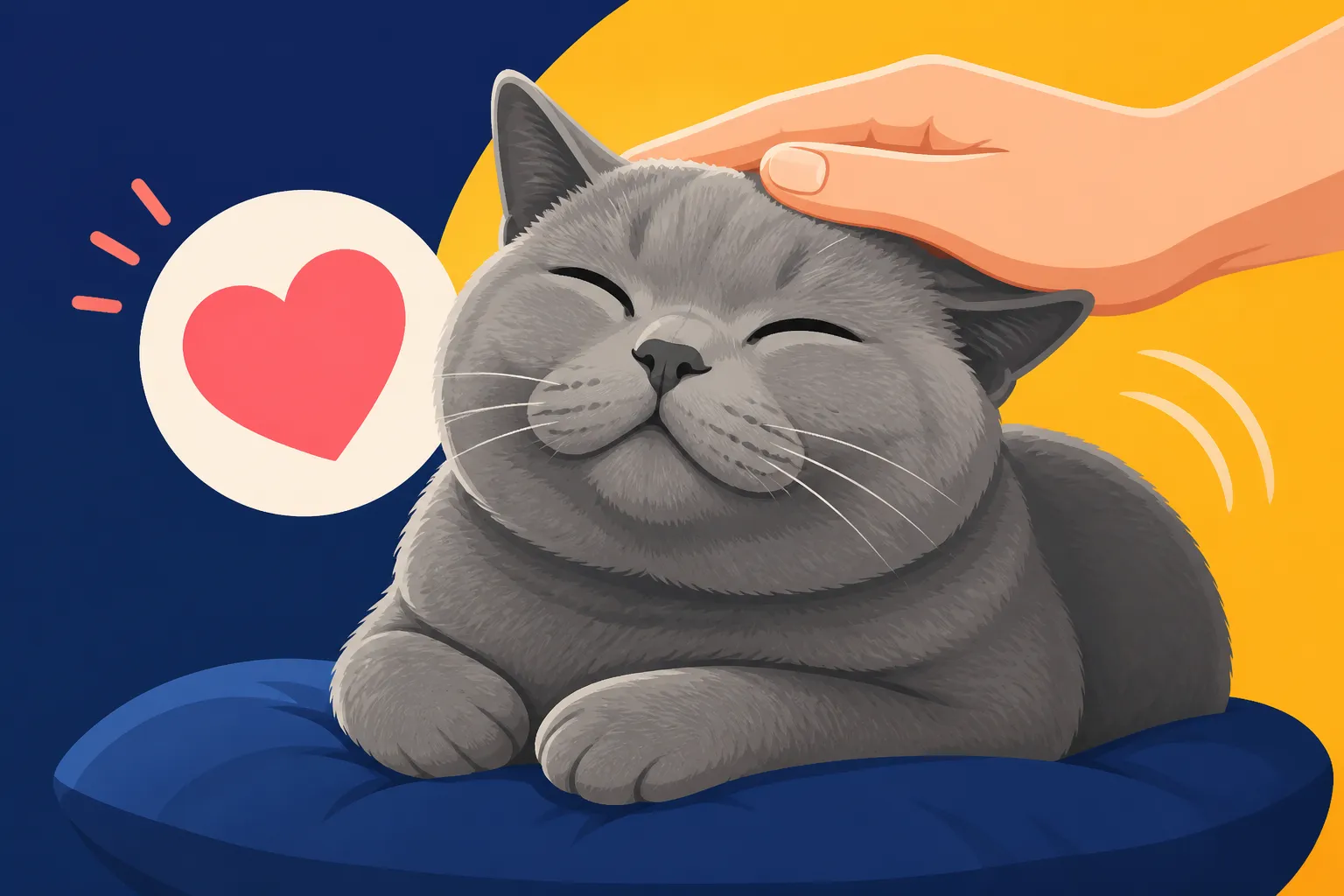
When your British Shorthair is genuinely enjoying being stroked, their body language will radiate contentment. You’ll likely hear that deep, rumbling purr, a clear indicator of happiness. Their eyes might soften and slowly blink at you, a gesture of trust. They might lean into your hand, pushing their head against it for more pressure, or even try to rub their cheeks on you. Some will start to "make biscuits" or knead with their front paws, a leftover kitten behavior that signifies profound comfort. Their tail will often be held high or gently draped around them, with a relaxed, slow swish, if any movement at all. You might even hear a soft trill or chirrup, their way of communicating pleasure. How a British Shorthair Shows It Is Pleased often involves these very subtle signs.
Negative Cues: "Enough is Enough"
On the flip side, British Shorthairs are not shy about signaling when they’ve had enough. This is where many owners get it wrong, mistaking tolerance for enjoyment. A rapid, thumping, or twitching tail is a definite warning sign, indicating irritation or overstimulation. Their ears might flatten or turn backward, signifying anxiety or annoyance. You might see their skin ripple along their back, or they might subtly shift their body away from your hand. Lip licking or a sudden yawn can also be stress signals. If you persist, these warnings can escalate to a tense body, dilated pupils, a low growl, or even a quick swat (often without claws, a warning shot!). It's vital to respect these signals and stop immediately. Pushing past these boundaries is how a cat learns to avoid your touch, or worse, to fear it. Recognizing these cues helps maintain a positive relationship.
Understanding the "Petting Induced Aggression" Phenomenon
Sometimes, a British Shorthair might seem to enjoy being stroked immensely, only to suddenly bite or swat. This is often referred to as "petting induced aggression" or overstimulation. It happens when a cat goes from enjoying physical contact to becoming overstimulated, possibly due to nerve endings firing too much or feeling trapped. It’s not aggression born of malice, but rather a sudden inability to cope with the prolonged sensation. British Shorthairs, with their thick coats, can sometimes be more prone to this if strokes are too vigorous or continue for too long in one spot. This is another reason why short, gentle sessions focused on preferred areas are best. Always watch for the early warning signs mentioned above – the tail twitch, the flattened ears – and stop before they feel the need to give you a more forceful signal.
Cultivating a Connection: Tips for a Harmonious Stroking Routine
Building a truly enjoyable stroking relationship with your British Shorthair is all about patience, observation, and respect for their individual preferences. It’s a dance where they lead, and you follow. By creating a predictable and positive routine, you can strengthen your bond and ensure every interaction is a happy one.
Short and Sweet: Quality Over Quantity
When it comes to stroking a British Shorthair, less is often more. Aim for shorter, more frequent petting sessions rather than one long, intense one. A few minutes of gentle strokes, focusing on their favorite spots, can be far more enjoyable for them than a marathon session that leads to overstimulation. Let them initiate contact by rubbing against you or jumping onto a nearby couch. When they do, offer a few gentle strokes, and then observe. If they lean in for more, continue for a moment, but always try to end on a positive note, before they show any signs of having had enough. This leaves them wanting more, reinforcing the positive association with your touch.
Grooming as a Form of Affection
Many British Shorthairs enjoy being groomed, and a good combing session can be a wonderful way to combine care with affection. Their dense coats need regular attention, especially during shedding seasons. Using a gentle comb, like a good quality metal greyhound comb found easily on Amazon, can feel pleasant and remove loose fur, which also helps prevent matting. Why a Comb Beats a Brush on a British Shorthair is a key piece of advice for this breed. This type of interaction is often more readily accepted than pure petting, as it serves a practical purpose while still providing physical contact. Remember to keep it gentle and focused on areas they tolerate, moving slowly and pausing if they seem uncomfortable. A well-groomed coat also makes them more pleasant to stroke!
Enhancing the Experience with Environment and Treats
Creating a relaxed environment can greatly improve your British Shorthair's willingness to be stroked. Ensure they feel secure and comfortable. Stroking them while they are resting in their favorite bed or on a cozy window perch can make them more receptive. You might also try offering a small, healthy treat after a successful petting session, creating a positive association with your touch. Some British Shorthairs enjoy having their fur stroked with a soft grooming glove, which can be found on Amazon. This mimics the feel of a mother cat's tongue and can be very soothing. You can also try incorporating play before petting; a few minutes of chasing a feather wand can tire them out and make them more amenable to a relaxing stroke session afterward. Play for a British Shorthair That Would Rather Not is an important consideration, as their low energy levels mean they might need encouragement to exercise, which can lead to a more relaxed state overall.
Disclaimer
This article is for general informational purposes only and does not constitute professional advice. Laws, prices and regulations vary by location and change over time. Consult a qualified professional for guidance on your specific situation.