How Loudly a British Shorthair Purrs
Ah, the British Shorthair purr! It's one of those delightful mysteries, isn't it? You get so used to that gentle rumble, sometimes it's barely audible, other times it feels like the whole house is vibrating. Many of us wonder if our cat's purr is 'normal' – perhaps it's too quiet, or suddenly it's become a veritable tractor engine. It's completely natural to be curious about this unique form of feline communication, and to worry when something sounds a little different. This guide is here to demystify the British Shorthair purr, exploring what makes it tick, what influences its volume, and when you might want to pay closer attention to what your beloved furball is trying to tell you.
The British Shorthair Purr: Decoding Their Signature Rumble
There's something incredibly comforting about a cat's purr. It's often the soundtrack to a peaceful evening, a quiet cuddle, or simply a contented snooze. For British Shorthair owners, this sound is particularly iconic, a hallmark of their usually placid and affectionate nature. But what exactly does that purr signify, and how does your British Shorthair produce such a distinctive sound?
The Gentle Hum: What a Typical British Shorthair Purr Sounds Like
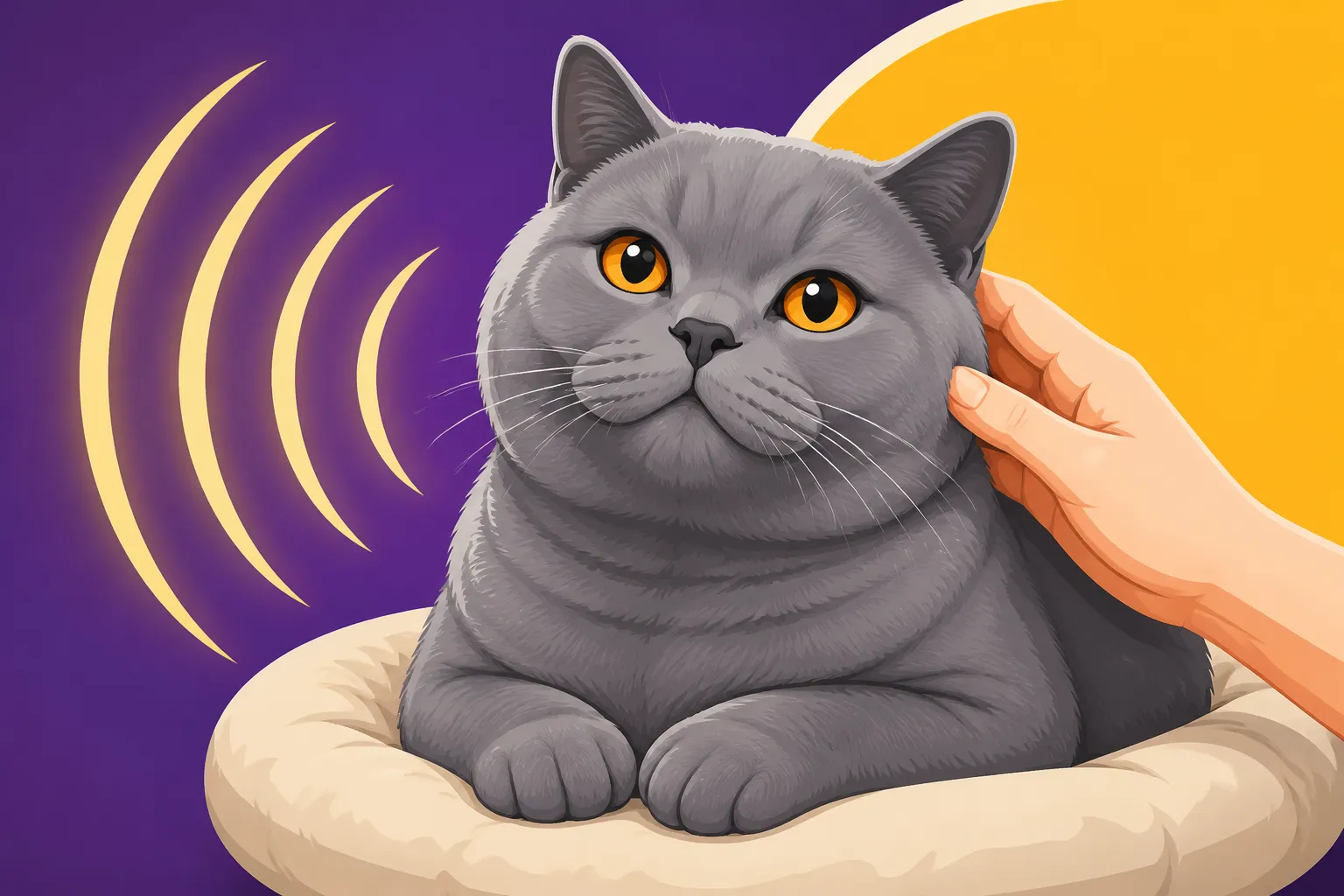
A typical British Shorthair purr is often described as a soft, rhythmic rumble, more of a deep vibration felt against your hand than a booming auditory experience across the room. It’s usually a low-frequency sound, which is why it often feels like it resonates through their entire body. When your British Shorthair is truly relaxed and happy, perhaps curled up beside you on the sofa or enjoying a gentle head scratch, you'll likely feel that subtle, continuous tremor. It's not usually the ear-splitting roar you might associate with some larger, more vocal breeds; instead, it's a steady, comforting hum that speaks volumes about their inner peace.
However, don't be surprised if sometimes you have to put your ear right up to their chest to even detect it! British Shorthairs are known for being quite How Vocal a British Shorthair Is, generally preferring quiet dignity over boisterous chatter. Their purr often follows this pattern, being more of an intimate experience for those close enough to feel its vibrations. This isn't a sign they're unhappy or unable to purr loudly; it's simply part of their charmingly understated communication style.
Think of it like a finely tuned engine at idle – smooth, consistent, and powerful enough to feel, but not overwhelming. This gentle hum is usually a sign of supreme contentment, a kitty meditating in comfort. They might be half-asleep, kneading a soft blanket, or just soaking up your presence. It's their way of saying, "All is well in my world."
Beyond the Purr: Other Vocalizations You Might Hear
While the purr is a lovely indicator of their mood, British Shorthairs have a whole repertoire of subtle vocalizations that complement it. You might hear tiny chirps when they spot a bird outside the window, a soft trill as they wind around your legs, or an almost silent "mew" when they're asking for something specific, like dinner or a door to be opened. These sounds are often very soft, just like their purr, aligning with their reputation as The Quietest Cat in the House.
Sometimes, when they are particularly eager or a bit put out, their vocalizations can become a little more insistent, but rarely truly loud. A British Shorthair typically prefers to convey its wishes with a pointed stare or a gentle nudge rather than an opera. These other sounds, much like the purr, are usually indicators of their general mood and communication. Paying attention to these subtle cues can help you understand your cat's feelings, even if they aren't shouting them from the rooftops.
It's all part of the unique British Shorthair charm, where their expressions of joy, mild annoyance, or requests are delivered with a calm, dignified air. Learning to interpret these sounds, from the softest purr to the quietest trill, builds a deeper bond with your feline companion. For instance, a quick chirrup might just be them saying hello, while a more drawn-out meow might mean they're trying to tell you Signs a British Shorthair Is Unwell.
The Science of the Purr: How Cats Make That Sound
Have you ever wondered how your British Shorthair actually makes that purring sound? It's not quite like our vocal cords, but involves a fascinating mechanism. Cats purr through a combination of muscle contractions in their larynx (voice box) and diaphragm. These muscles rapidly constrict and relax, creating vibrations as air passes over them during both inhalation and exhalation. This rapid oscillation, typically between 25 and 150 vibrations per second, produces the characteristic purring sound and sensation.
Interestingly, purring is not just about happiness. While a contented purr is certainly common, cats can also purr when they are stressed, injured, or even giving birth. It's believed that the low-frequency vibrations produced by purring have therapeutic benefits, promoting bone density and healing. This self-soothing mechanism is a remarkable aspect of feline physiology. So, while your British Shorthair's purr often signals joy, it's also a powerful tool for their own well-being.
The ability to purr continuously, unlike other big cats like lions which can only purr on exhalation, is unique to domestic cats and some smaller wild felines. This constant rumble truly sets them apart and is a testament to the evolutionary marvel that is the domestic cat. So next time you feel that gentle vibration against your hand, remember the intricate biological process happening within your British Shorthair's chest.
Why Some British Shorthairs Purr Louder Than Others
Just like humans have different speaking voices, British Shorthairs have individual purr volumes. You might have one cat who purrs like a tiny motor, barely audible, while another in the same breed sounds like a miniature tractor. It’s not just a random occurrence; there are several factors at play that can influence how loudly your British Shorthair chooses to express their contentment.
Personality and Affection: The Emotional Element of Purring
A huge factor in purr volume is your cat's individual personality and their level of affection. Some British Shorthairs are inherently more demonstrative than others. While they are known to be quite independent, many develop deep bonds with their owners, even if they prefer to be A British Shorthair Sits Near You, Not On You rather than directly on your lap. When these affectionate individuals are feeling particularly loved and secure, their purr might naturally become more pronounced.
Consider a scenario: you've just come home after a long day. Your British Shorthair, who might seem aloof most of the time, greets you with a series of quiet trills and then settles down beside you. As you gently stroke their plush fur, you might notice their purr starts softly and then builds in intensity, becoming a bit louder as they relax into your touch. This isn't just about the physical act of petting; it's about the emotional connection they feel at that moment. The depth of their comfort directly correlates with the expressiveness of their purr. A cat that feels utterly safe and adored is more likely to let that inner rumble truly resonate.
Conversely, a British Shorthair that is naturally more reserved might have a consistently quieter purr. This doesn't mean they're less happy; it's simply how they express themselves. Think about it: some people sing loudly in the shower, others hum softly. Cats are no different. Understanding How Affectionate a British Shorthair Is will help you gauge what a "normal" purr volume is for your specific cat.
Physical Factors: Size, Health, and Respiratory Influence
Beyond personality, physical attributes and health can play a significant role in purr volume. A larger, more robust British Shorthair might naturally have a deeper, louder purr simply because they have a larger chest cavity and more powerful respiratory muscles. Their physical build, those broad chests and round heads, are part of what gives them that distinctive "cobby" appearance, and it can certainly contribute to their sound production.
More importantly, a cat's health can impact their purr. Any respiratory issues, like asthma or even a common cold, could potentially alter the sound or volume of their purr. If you notice a sudden change – a purr that becomes strained, hoarse, or significantly quieter – it's always wise to consider their overall health. Similarly, conditions like heart disease, which can sometimes manifest as breathing difficulties, might subtly change how your cat purrs. This is why regular vet check-ups are so important, as detailed in How Often a British Shorthair Needs a Wellness Exam.
For example, a British Shorthair experiencing a mild upper respiratory infection might have a slightly gurgling or muted purr due to congestion, whereas a perfectly healthy one might have a clear, resonant rumble. If your cat seems to be putting more effort into purring, or if it sounds labored, it's a good idea to consult your vet. A healthy respiratory system is key to a healthy purr.
Environmental Cues: When and Where Purrs Get Louder
The environment your British Shorthair is in can also influence the volume of their purr. Cats are creatures of habit and comfort. A familiar, quiet, and secure environment tends to bring out their most relaxed and contented purrs. If they're in a busy, noisy household, they might purr less often or more quietly as a coping mechanism, or conversely, purr louder to "self-soothe" in a stressful situation.
Consider the difference between a cat purring while nestled on a soft blanket in a sunbeam versus one purring while in a noisy carrier on the way to the vet. The latter might purr as a way to calm themselves, and that purr might sound more anxious or less consistent. A truly happy and relaxed purr is often amplified by a calm setting. Perhaps they’re settled in their favorite spot, completely at ease, enjoying What a British Shorthair Does All Day. This sense of security allows them to express themselves fully, including a nice, resonant purr.
Furthermore, some British Shorthairs might purr louder when they're actively soliciting attention or food. It's a learned behavior; if a loud purr consistently gets them what they want, they'll lean into it. This isn't necessarily a bad thing, but it's an interesting aspect of feline communication. You can observe your own cat's patterns to see when their purr tends to be its most robust.
When a Change in Purr Volume Might Be a Concern
It’s easy to get used to the comforting rhythm of your British Shorthair’s purr. It becomes part of the background noise of your home, a constant reassurance of their well-being. However, like any change in a pet’s behavior or routine, a noticeable shift in purr volume or quality can sometimes be a subtle signal that something isn’t quite right. It's not about panicking, but about knowing what to look out for and when to consider a closer look.
A Suddenly Silent Purr: What It Could Mean
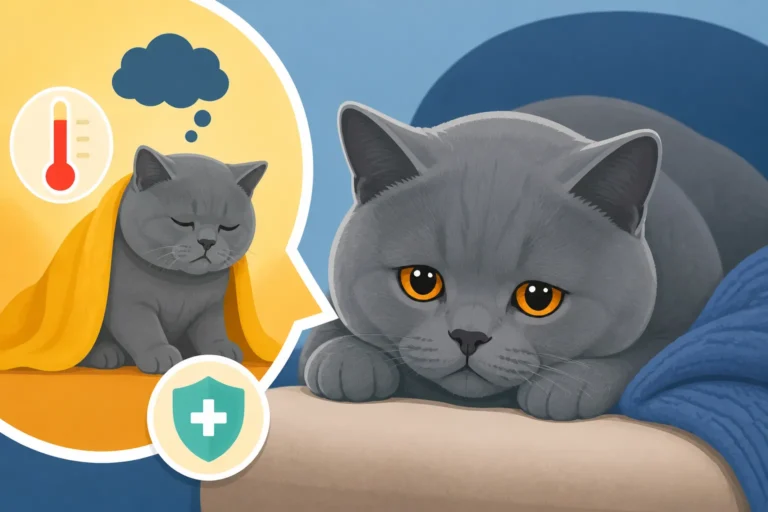
One of the most concerning changes for an owner is a cat that suddenly stops purring, or whose purr becomes so faint you can barely detect it. If your usually purring British Shorthair has gone quiet, it's worth investigating. Cats purr when content, but also when in pain or stressed, as a self-soothing mechanism. So, a lack of purring, especially if it's unusual for your cat, can indicate that they are feeling unwell, anxious, or even in pain.
Think about it this way: if your cat is normally quite vocal with their purrs, and then for a few days, you can't hear a peep, what else is different? Are they eating less? Hiding more? Have their litter box habits changed? These accompanying signs can help paint a clearer picture. For example, if they're also breathing heavily, it might relate to issues like What a British Shorthair's Murmur Means. It's a time to be observant and consider a vet visit, even if there are no other obvious symptoms. Cats are notoriously good at hiding discomfort, and a silent purr could be one of the earliest, most understated warnings.
It’s easy to dismiss a subtle change, but remember that your British Shorthair's usual behavior is your baseline. Any deviation from that baseline, including their purring habits, warrants your attention. If they used to greet you with a rumbling purr and now only offer silence, it's a quiet plea for you to check in on them.
An Abnormally Loud or Hoarse Purr: Signals to Watch For
While a silent purr can be a worry, so can a purr that becomes unusually loud, forced, or takes on a hoarse or raspy quality. If your British Shorthair suddenly sounds like they're struggling to purr, or if the sound itself seems off – perhaps gurgling, wet, or much louder and more guttural than normal – it could be indicative of a physical issue. This might point to anything from a mild throat irritation or respiratory infection to something more significant affecting their lungs or heart.
For instance, an extremely loud purr, particularly if accompanied by changes in breathing, could signal an attempt to alleviate discomfort or even stress. In some cases, a very loud, almost agitated purr might be their way of communicating distress or pain. Imagine a child crying louder than usual; it's a sign they're feeling particularly bad. Similarly, a hoarse purr could suggest inflammation or irritation in the vocal cords or larynx. You might even notice them making other strained noises or displaying Signs a British Shorthair Is Breathing Hard.
| Purr Change | Possible Interpretation (Non-Exhaustive) | When to Act |
|---|---|---|
| Suddenly Silent | Pain, stress, illness, profound sadness | If persists >1 day, or with other symptoms |
| Faint/Muted | Low energy, mild illness, recovering from stress | Observe for other symptoms; if worsens, consult vet |
| Abnormally Loud | Intense contentment, seeking attention, significant pain/stress | Consider context (is it new? with other symptoms?) |
| Hoarse/Raspy | Throat irritation, respiratory infection, inflammation | If persists >2-3 days, or with breathing changes |
| Gurgling/Wet | Congestion, fluid in lungs, aspiration | Immediate veterinary attention advised |
| Labored/Strained | Breathing difficulty, pain, trying to self-soothe through discomfort | If persists, or with changes in activity/appetite, consult vet |
If you notice their purr consistently sounding different, especially if it’s accompanied by coughing, sneezing, changes in appetite, or lethargy, it’s time for a professional opinion.
How to Monitor Your British Shorthair's Purr for Health Clues
Regular, gentle interaction with your British Shorthair is the best way to monitor their purr. Spend time petting them, especially in their favorite spots, like under the chin or along their back. Feel the vibrations with your hand. Listen closely to the sound. Pay attention to the frequency and consistency of their purring. Does it start easily? Does it stop abruptly? Is the rhythm steady?
Beyond just listening, consider the context of the purr. Is your cat relaxed, or are they tense? Are they in a situation that would normally make them happy, or are they somewhere new and potentially stressful? Keeping a mental note of their normal purring habits can help you identify anomalies quickly. For instance, if your British Shorthair is usually quite calm, understanding What a British Shorthair's Temperament Is Really Like can help you discern if a purr is truly out of character.
If you suspect a change, start keeping a simple log. Note down when you hear them purr, what it sounds like, and any other observations about their behavior, eating, or bathroom habits. This information will be invaluable for your veterinarian if you need to seek advice. Remember, you know your British Shorthair best, and your instincts are usually right.
Creating an Environment for Happy, Healthy Purrs
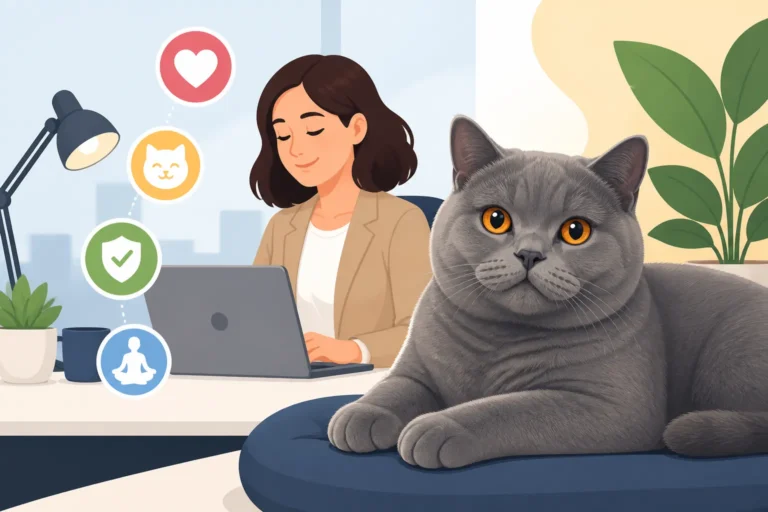
A happy, healthy British Shorthair is usually a purring British Shorthair. While the purr might fluctuate in volume and intensity based on individual personality and momentary contentment, providing a consistent, supportive environment is key to encouraging those delightful rumbles. It's all about making sure their fundamental needs are met, both physically and emotionally.
Comfort and Security: The Foundations of a Contented Cat
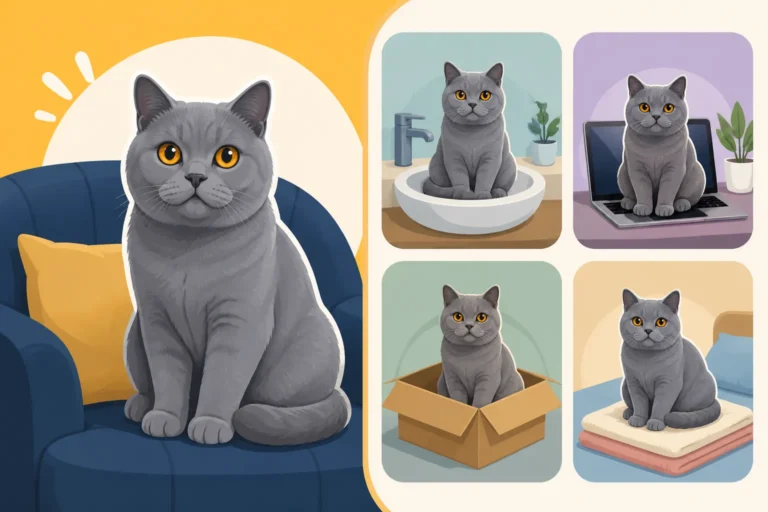
At the heart of a happy purr is a comfortable and secure cat. British Shorthairs thrive in stable environments where they feel safe and loved. This means providing them with cozy sleeping spots, perhaps a soft bed or a dedicated blanket on a favorite chair. They might not be true lap cats, often preferring to simply Where a British Shorthair Sits Instead or nearby, but they deeply appreciate a sense of belonging and warmth. Many British Shorthair owners find that a plush, donut-style bed provides the perfect nest for their cat to feel enveloped and secure, and you can find a wide variety of these on Amazon.
Ensuring they have access to quiet retreats where they can escape from household hubbub is also vital. A cat tree with multiple levels or a cozy hideaway box can offer them a personal sanctuary. The feeling of safety allows them to truly relax and let that contented purr vibrate freely. A cat constantly on edge or feeling threatened is less likely to produce those deep, resonant rumbles of pure joy.
Consistency in routine also contributes to their sense of security. Regular feeding times, predictable interactions, and a stable environment reduce stress, paving the way for more frequent and heartfelt purring. Even something as simple as providing a large, easily accessible litter box, as recommended in Which Litter Box Size a British Shorthair Needs, contributes to their overall comfort and sense of security.
Regular Health Checks: Ensuring Their Well-being
A healthy cat is a purring cat. Underlying health issues can certainly impact a British Shorthair’s ability or inclination to purr. Regular veterinary check-ups are paramount for this breed, not only because they can be prone to certain genetic conditions, but also because their dense coats and stoic nature can make it difficult to spot subtle signs of illness. Your vet can monitor their weight, listen to their heart and lungs, and discuss any changes you've noticed in their behavior, including purring. For a breed that tends to hide pain, these routine visits are critical for early detection of problems.
Consider discussing the specific health screens recommended for British Shorthairs with your vet, especially regarding conditions like HCM in a British Shorthair Has No DNA Test or Polycystic Kidney Disease Came Into the British Shorthair With the Persians. While these won't directly impact purr volume, maintaining overall health ensures your cat remains vibrant and able to express their happiness fully. Proactive care is always better than reactive treatment, especially for a breed known for its resilience and ability to mask discomfort.
Catching potential issues early, such as Gingivitis in a British Shorthair which can cause pain and discomfort, means your cat can return to their comfortable, purring self much faster. A thorough wellness exam, complete with bloodwork as your vet recommends, can give you peace of mind that your beloved British Shorthair is in tip-top shape.
Enrichment and Engagement: Encouraging Positive Vocalizations
Even though British Shorthairs are generally calm and less demanding of attention than some other breeds, they still benefit immensely from regular enrichment and engagement. Interactive playtime, even if it's just for short bursts, stimulates their minds and bodies, leading to greater contentment. This doesn't mean they need to be Getting a Low Energy British Shorthair to Move constantly, but rather that thoughtful play can be very beneficial.
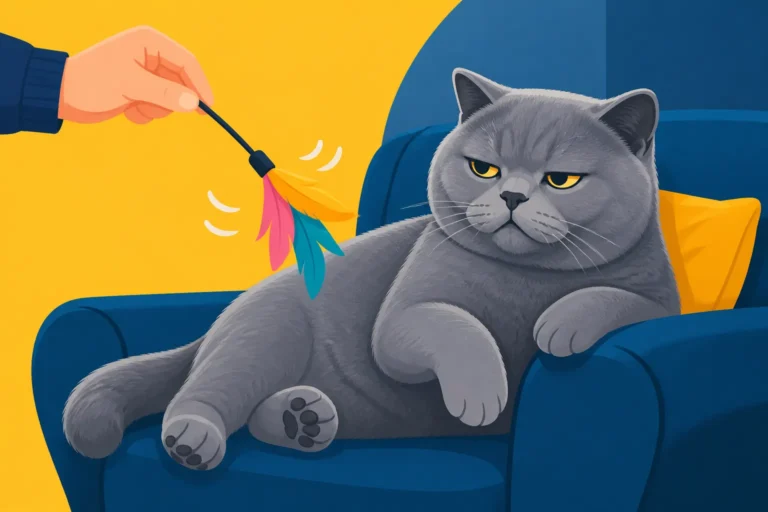
Use wand toys or laser pointers to encourage their natural hunting instincts. Even a few minutes of chasing a feather toy can leave them feeling satisfied and relaxed, ready for a contented purr session. Puzzle feeders can also be a wonderful way to engage their minds, turning mealtime into a stimulating activity rather than just a quick gulp. You can find a fantastic selection of these on Amazon. Remember, a British Shorthair might not chase a toy for ages, but consistent, short play sessions are often appreciated.
Beyond play, simply talking to your British Shorthair, offering gentle strokes, and creating positive daily interactions will foster their happiness. Cats communicate with us in many ways, and when they feel engaged and loved, those happy purrs are a natural byproduct. By combining comfort, health, and thoughtful engagement, you're setting the stage for a lifetime of wonderful, rumbling moments with your cherished British Shorthair.
Disclaimer
This article is for general informational purposes only and does not constitute professional advice. Laws, prices and regulations vary by location and change over time. Consult a qualified professional for guidance on your specific situation.