How Vocal a British Shorthair Is
One of the most common questions I hear from potential British Shorthair owners, or even those who already share their homes with these magnificent felines, is about their vocal habits. It’s easy to feel a bit confused when you read descriptions online that paint them as silent, almost stoic companions, yet you might occasionally hear a distinct sound from your own plush potato. This guide is here to unravel the mystery of the British Shorthair’s vocal nature, exploring what sounds they make, what those sounds mean, and how to interpret their unique ways of communicating.
Understanding the British Shorthair's Nature
When you first welcome a British Shorthair into your life, you might be struck by their calm demeanor and, yes, their relative quietness. This isn't just a rumor; it's a deeply ingrained trait that has made them beloved companions for those who appreciate a more serene household. Unlike some of the more boisterous breeds, a British Shorthair isn't typically one to fill your home with constant chatter or demanding meows.
The Stereotype of the Quiet Cat
The image of the "quiet cat" is definitely one that sticks to the British Shorthair, and for good reason. Many new owners are pleasantly surprised by how little noise their furry companion makes, especially if they're used to more vocal breeds. It’s not that they never make a sound, but rather that their baseline level of vocal communication is significantly lower than what you might expect from other feline friends. This can sometimes lead to misunderstandings, where owners might worry their cat isn't happy or communicative, when in fact, they're simply expressing themselves in a more subtle fashion.
Think of it this way: if a Siamese is the opera singer of the cat world, the British Shorthair is more akin to a quiet, contemplative poet. They express themselves through nuanced body language, slow blinks, and gentle purrs rather than dramatic vocal performances. This serene disposition is part of what makes them so charming and adaptable to various living situations, from bustling family homes to quiet apartments. If you're wondering What a British Shorthair's Temperament Is Really Like, their quiet nature is a huge part of it.
Why Their Vocalizations Are Different
So, if they're not loud, what kind of sounds do they make, and why are they so different? British Shorthairs often have a softer, quieter voice than many other breeds. Their meows are typically brief, low in volume, and often sound more like a polite request than an urgent demand. This difference stems partly from their breed history and temperament, which leans towards a reserved and independent nature. They aren't generally prone to long, drawn-out conversations with their humans, preferring instead to observe and engage on their own terms.
Their vocal cords seem almost designed for discretion. It’s rare to hear a British Shorthair wail or screech unless they are in distress or serious pain. Even then, their cries might be less piercing than those of other cats. This makes it particularly important for owners to pay close attention to any sudden increase in vocalizations, as it could be a sign that something is genuinely amiss. While most cat breeds might use vocalizations to express a wide range of emotions, from hunger to boredom, the British Shorthair often reserves its voice for specific, important moments.
The "Speak Softly" Rule of the British Shorthair
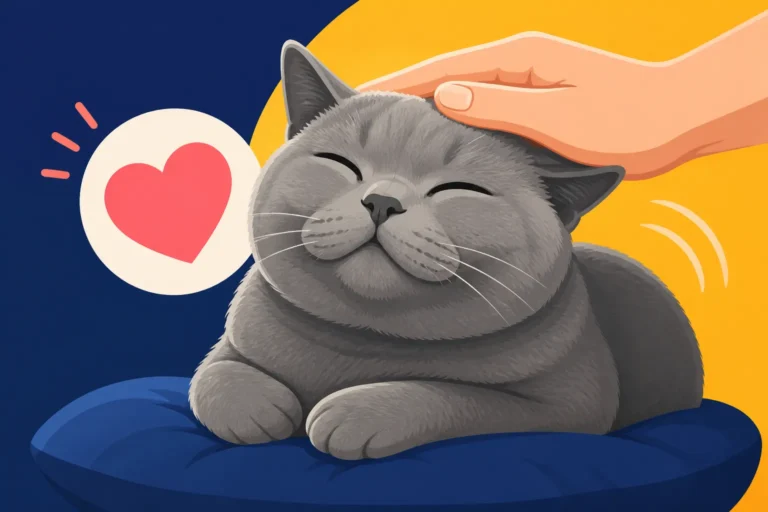
It’s almost as if British Shorthairs live by an unspoken "speak softly and carry a big purr" rule. Their purrs, however, can be quite robust! While their meows might be delicate, their rumbling purrs are often deep and resonant, a clear sign of contentment and affection. This makes their purr a crucial part of their communication toolkit. A happy British Shorthair will purr with gusto, often even when simply enjoying a quiet nap beside you. This contrasts sharply with their generally quiet meows, highlighting the importance of listening for all forms of vocal expression.
The beauty of their quietude is that when they do vocalize, it carries more weight. It signals that they really want your attention, whether for food, a fresh litter box, or just a moment of gentle interaction. If your British Shorthair usually keeps to itself, a sudden meow might be their subtle way of inviting you to engage. It's a reminder that their quiet nature isn't a lack of communication, but rather a different, often more nuanced, approach to it. This can be particularly true if you notice a specific, insistent meow when you are preparing meals.
Common British Shorthair Vocalizations and Their Meanings
While British Shorthairs are generally quiet, they do have a repertoire of sounds they use to communicate. Learning to distinguish these, and understanding their context, will go a long way in strengthening your bond and helping you respond appropriately to your furry friend's needs.
The Subtle "Chirp" or "Trill"
One of the most endearing and common vocalizations you'll hear from a British Shorthair is a soft "chirp" or "trill." This sound is usually a short, rolled "mrrrp" or "brrrp" and is often used as a greeting or an invitation to interact. You might hear it when they first see you in the morning, when you return home, or when they want to lead you to their food bowl or a favorite toy. It’s a polite, gentle way of saying "hello" or "pay attention to me, please."
My British Shorthair, Winston, does this adorable little trill whenever I walk into the kitchen. It’s not a demanding sound, but a soft, almost questioning noise, as if to say, "Is it mealtime yet, human?" It’s a far cry from the loud, insistent meows you might hear from other breeds that are practically shouting for their dinner. This trill is often accompanied by a happy tail wag or a weave around your legs, further indicating their friendly intent. It's truly a lovely, unique sound to experience. You can read more about this specific sound in What a British Shorthair Trill Means.
The Infrequent, Demanding Meow
While generally quiet, British Shorthairs can meow, and when they do, it's usually because they want something specific. These meows are typically not prolonged or excessively loud, but they are purposeful. Common scenarios include hunger (especially if their bowl is empty and they know you're the one to fill it), needing access to a closed room, or sometimes seeking attention or comfort if they're feeling a bit lonely or unwell.
If your British Shorthair, who usually operates in near silence, suddenly lets out a clear, distinct meow, it's definitely worth investigating. They aren't likely to waste their breath on trivial matters! For example, my neighbor’s British Shorthair, Daisy, rarely meows unless she’s found a spider she can’t quite reach on the ceiling and wants an assist. It's their way of escalating their request from a silent stare to an audible plea. This makes understanding How a British Shorthair Asks for Food or attention quite crucial; their infrequent vocalizations are high-priority signals.
The Silent Scream and Body Language Cues
Perhaps one of the most important aspects of British Shorthair communication is their mastery of non-verbal cues. Sometimes, their most "vocal" expression is actually a silent one, conveyed entirely through body language. They might sit and stare intently at you, make direct eye contact, or slowly blink, trying to convey their message without uttering a sound. A British Shorthair might lead you to their water bowl or scratch post, silently indicating their need.
This "silent scream" is particularly evident when they want something you haven't yet picked up on. You might see them pacing near the food bowl, looking at it, then looking at you, then back at the bowl. Their tail might twitch, or their ears might swivel towards you, signaling their desire without a single meow. Learning to read these subtle cues is paramount for British Shorthair owners. If you're not paying attention to their body language, you might miss their message entirely, leading to frustration for both of you. This intricate dance of silent communication is a significant part of How a British Shorthair Shows Affection and other important messages.
Factors Influencing British Shorthair Vocalization
Even within the generally quiet British Shorthair breed, there's a spectrum of vocal activity. Several factors can influence how much, or how little, your individual cat chooses to use their voice.
Individual Personality and Genetics
Just like people, every cat has its own unique personality, and this plays a huge role in how vocal they are. While the breed standard leans towards quietness, you might encounter a British Shorthair who is naturally a bit more chatty, or one who is even more reserved than the average. Some lines within the breed might also be predisposed to being slightly more vocal due to selective breeding or genetic variation. It's important to remember that these are individuals, not robots, and their vocal habits will reflect their distinct character.
I once knew a British Shorthair named Percy who, while still quiet by most cat standards, would engage in little chirping conversations with his owner every evening. It was his special ritual, a display of his unique personality within the breed's general quietude. This variation means that while expectations are helpful, you should always treat your British Shorthair as an individual and get to know their specific communication style. This is a good time to mention that if you're concerned about a silent cat, you might be interested in reading Why a British Shorthair Is So Quiet and how it's often a natural trait.
Environmental Triggers and Routine Changes
Cats are creatures of habit, and British Shorthairs are no exception. Changes in their environment or daily routine can sometimes trigger increased vocalization. A new pet, a house move, a change in your work schedule leading to more alone time for them, or even new furniture can make a British Shorthair more vocal as they try to express their confusion, anxiety, or displeasure.
For instance, if you suddenly start working from home after years of being out all day, your British Shorthair might start meowing more as they adjust to your constant presence, perhaps demanding more playtime or simply commenting on your new schedule. Conversely, if you leave them alone for longer periods than they're used to, you might notice more vocal greetings when you return, indicating a desire for attention or perhaps even a touch of Signs a British Shorthair Is Lonely. Maintaining a stable, predictable environment can often help keep their vocalizations at their typical, quiet level.
Age and Health Considerations
A British Shorthair's vocal habits can also change with age and health status. Kittens are often more vocal as they learn to communicate their needs, though even then, they tend to be less insistent than many other breeds. As they mature, their vocalizations typically settle into their characteristic quiet patterns. However, as they enter their senior years, some British Shorthairs might become more vocal. This can be due to a decline in hearing or eyesight, cognitive dysfunction, or simply a greater need for reassurance and comfort as they navigate the changes that come with old age.
More importantly, a sudden or marked increase in vocalization in an adult British Shorthair can be a significant indicator of a health issue. A cat in pain, discomfort, or experiencing an illness might meow more frequently or intensely than usual. For example, a British Shorthair experiencing urinary problems or discomfort from Arthritis in an Older British Shorthair might vocalize when trying to use the litter box or move around. This is why it’s crucial to observe your cat closely; if their vocal habits change dramatically, especially if accompanied by other behavioral shifts, a trip to the vet is definitely warranted to rule out any underlying medical conditions. Pay attention to Signs a British Shorthair Is Unwell, which can definitely include unusual vocalizations.
Encouraging or Discouraging Vocalizations
Given their naturally quiet nature, how you interact with your British Shorthair can influence their vocal habits. Understanding when to encourage their communication and when to manage excessive noise is key to a harmonious household.
When to Encourage More Communication
Sometimes, you might wish your British Shorthair would vocalize a little more, especially if they are particularly quiet and you want to build a stronger communicative bond. You can gently encourage vocalizations by responding positively to their subtle chirps and meows. When they offer a soft sound, acknowledge it with a gentle pet, a soft word, or by fulfilling their implied request if it's clear. This positive reinforcement teaches them that their voice is heard and valued.
For instance, if your cat gives a little trill when you enter the room, return the sound with a happy "hello" or a soft stroke. If they meow near their food bowl, acknowledge it and then promptly feed them. Avoid ignoring their soft attempts at communication, as this might inadvertently teach them that vocalizing is futile. Toys can also stimulate gentle vocalizations during playtime, especially if they get excited. The Amazon Basics Cat Scratching Post can sometimes get a happy chirp out of them when they're thoroughly enjoying themselves.
Managing Unwanted Vocal Habits
While typically not an issue with British Shorthairs, sometimes a cat might develop excessive vocal habits, even a quiet breed. This could be due to medical issues (which should always be ruled out first by a vet), anxiety, boredom, or inadvertently reinforced behavior. If you find your British Shorthair meowing excessively, especially at night, it’s important to address the root cause rather than simply trying to suppress the noise. For some tips, you might find How Often a British Shorthair Wakes You at Night helpful.
If your vet has given them a clean bill of health, consider if boredom or anxiety might be playing a role. Are they getting enough mental and physical enrichment during the day? Sometimes, simply increasing playtime or providing more puzzle toys can reduce unwanted vocalizations. If they are demanding food through insistent meows, ensure you are not rewarding the meow itself. Wait for a moment of silence before placing the food down. Consistency is key here. Ignoring attention-seeking meows, while difficult, can eventually teach them that persistent vocalization isn't the way to get what they want, especially when you can redirect their attention to a game or a cuddle.
The Role of Enrichment in Vocal Expression
Enrichment plays a vital role in the overall well-being and, consequently, the vocal habits of a British Shorthair. A bored cat can become a vocal cat, even a British Shorthair, simply out of a desire for stimulation or attention. Providing a rich environment with appropriate toys, scratching posts, climbing opportunities (even if they don't climb much), and regular interactive play sessions can keep them mentally and physically satisfied.
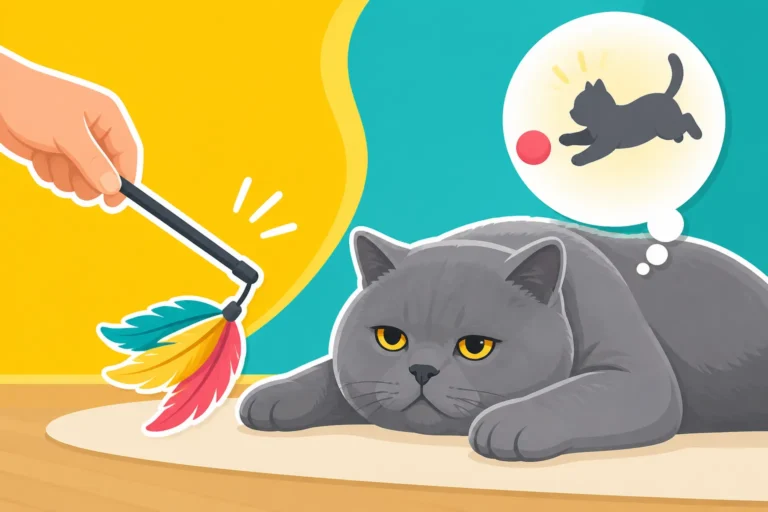
Puzzle feeders, for example, can challenge their minds and keep them occupied, reducing the likelihood of boredom-induced vocalizations. Regular, engaging play with a wand toy can also help burn off excess energy and satisfy their natural hunting instincts, leading to a calmer, quieter cat afterward. Even a quiet cat like a British Shorthair needs stimulation, and a well-enriched environment means a happier, more settled feline who uses their voice only when truly necessary. This can tie into How a British Shorthair Copes With a Full Working Day as proper enrichment can prevent them from feeling neglected or bored.
Comparing British Shorthair Vocalizations to Other Breeds
To truly appreciate the British Shorthair's unique vocal style, it helps to put it into context with other breeds known for their chatter or quietude. This highlights just how distinct their "voice," or lack thereof, truly is.
British Shorthair Versus Siamese and Oriental Breeds
When it comes to vocalization, Siamese and other Oriental breeds are at the complete opposite end of the spectrum from the British Shorthair. These cats are legendary for their loud, insistent, and often complex vocalizations. They are known for having "conversations" with their owners, using a wide range of tones, volumes, and inflections to express their every thought and desire. Their meows can be quite piercing and sustained, a true demand for attention.
Comparing a Siamese to a British Shorthair is like comparing a bustling city street to a quiet countryside lane. The British Shorthair's soft chirps and infrequent, polite meows are a world away from the Siamese's confident, often theatrical vocal performances. This vast difference is why someone accustomed to an Oriental breed might initially perceive a British Shorthair as almost silent, and perhaps even wonder if something is wrong. Rest assured, for a British Shorthair, quiet is normal.
British Shorthair Versus Domestic Shorthairs
Domestic Shorthairs, or "moggy" cats, present a much wider range of vocalizations than a purebred British Shorthair. Because they are not bred to a specific standard, their vocal habits vary immensely from cat to cat. You can find incredibly vocal domestic shorthairs who love to chat all day long, and equally quiet ones who are barely heard. This variability means that while some domestic shorthairs might be just as quiet as a British Shorthair, many will be significantly more vocal.
The key difference lies in the predictability. With a British Shorthair, you can generally expect a quieter cat based on their breed characteristics and What a British Shorthair's Temperament Is Really Like. With a domestic shorthair, it's much more of a genetic lottery. When bringing home a domestic shorthair, you often won't know their vocal propensity until you've spent some time with them, whereas with a British Shorthair, their calm and quiet nature is a hallmark of the breed.
Why Their Quiet Nature Can Be Misunderstood
The British Shorthair's quietness, while a cherished trait for many owners, can sometimes lead to misunderstandings, especially for those unfamiliar with the breed. New owners might misinterpret their silence as a lack of affection, engagement, or even happiness. They might worry their cat isn't bonding with them because it doesn't "talk" to them like other cats they've known. This couldn't be further from the truth.
A British Shorthair's affection and contentment are often expressed through their calm presence, gentle head-butts, slow blinks, and those wonderful, rumbling purrs. A British Shorthair who chooses to sit near you, or even just in the same room, is showing a deep level of trust and companionship. Their quiet nature simply means you need to tune into their other forms of communication – their body language, their eyes, and their purrs – to truly understand their happy, loving disposition. You can explore How Loudly a British Shorthair Purrs to understand just how expressive they can be without meowing.
| Vocalization Type | Typical Volume | Frequency | Common Meaning |
|---|---|---|---|
| Meow (typical) | Low to Medium | Infrequent | Specific request (food, attention, access) |
| Chirp/Trill | Low | Moderate | Greeting, invitation to interact |
| Purr | Medium to High | Frequent | Contentment, affection, comfort |
| Hiss/Growl | Medium to High | Rare | Fear, warning, aggression |
| Yelp/Cry | Medium to High | Very Rare | Pain, distress, extreme fear |
Disclaimer
This article is for general informational purposes only and does not constitute professional advice. Laws, prices and regulations vary by location and change over time. Consult a qualified professional for guidance on your specific situation.