How a British Shorthair Shows Affection
It’s a common misconception, isn't it? You get a British Shorthair, envisioning cozy lap cuddles and constant attention, only to find a cat that prefers to be near you rather than on you. Many first-time British Shorthair owners might even worry their beloved feline isn't truly affectionate, but nothing could be further from the truth. Their love language is simply more refined, a subtle ballet of gestures and quiet companionship. This guide will delve deep into the unique ways your British Shorthair expresses its devotion, helping you decode their nuanced signals and truly understand the depth of their affection.
Decoding the British Shorthair's Affectionate Nature
British Shorthairs are magnificent creatures, renowned for their plush coats, round faces, and calm demeanor. But beneath that stoic, teddy bear exterior lies a heart full of love, albeit one that expresses itself differently from the stereotypical clingy cat. If you're expecting a cat that will constantly demand to be held or draped over your shoulders, you might feel a little disappointed at first. However, once you learn to read their subtle cues, you'll realize they're incredibly affectionate, just on their own terms. It's not that they don't love you; it's that they respect personal space, both yours and theirs.
The "Next to You" Philosophy
One of the most defining characteristics of a British Shorthair's affection is their preference for proximity over direct contact. They are the quintessential "next to you" cats. While they might not be sprawled across your lap for hours, you'll often find them curled up on the adjacent cushion, at the foot of your bed, or even just a few feet away, seemingly observing you. This isn't disinterest; it's their way of showing they want to be part of your world, simply by existing in the same space. It's a quiet companionship, a reassuring presence that speaks volumes without a single meow.
Think about it: you're working at your desk, and suddenly, there's a soft thud as your British Shorthair settles into their favorite cat bed right beside you. Or you're watching television, and they hop onto the sofa, not directly into your lap, but perhaps against your leg or at the opposite end, maintaining that comforting connection. This subtle closeness is a deep sign of trust and contentment. They feel safe and loved enough to relax and be vulnerable in your presence. It's a testament to the bond you share that they choose to spend their quiet moments in your orbit. A British Shorthair Sits Near You, Not On You really delves into this trait.
Slow Blinks and Eye Contact
Have you ever noticed your British Shorthair looking at you, slowly closing their eyes, and then opening them again? This isn't just a sleepy gaze; it's often referred to as a "cat kiss." A slow blink is one of the most profound ways a cat shows trust and affection. In the feline world, direct, unblinking eye contact can be a challenge or a threat. By slowly closing their eyes in your presence, they are signaling that they feel completely safe, relaxed, and secure with you. They are vulnerable, telling you, "I trust you, and I love you."
When your British Shorthair offers you a slow blink, it's a wonderful opportunity to reciprocate. Try gently mirroring their slow blink back to them. You might be surprised at how often they'll repeat the gesture, deepening that silent, loving communication. It's a beautiful, intimate exchange that doesn't require words or even physical touch. This simple act creates a powerful emotional bridge, confirming that your British Shorthair feels deeply connected to you. It's a moment of pure, unadulterated affection that you might easily miss if you're not paying attention.
Head Bumps and Cheek Rubs
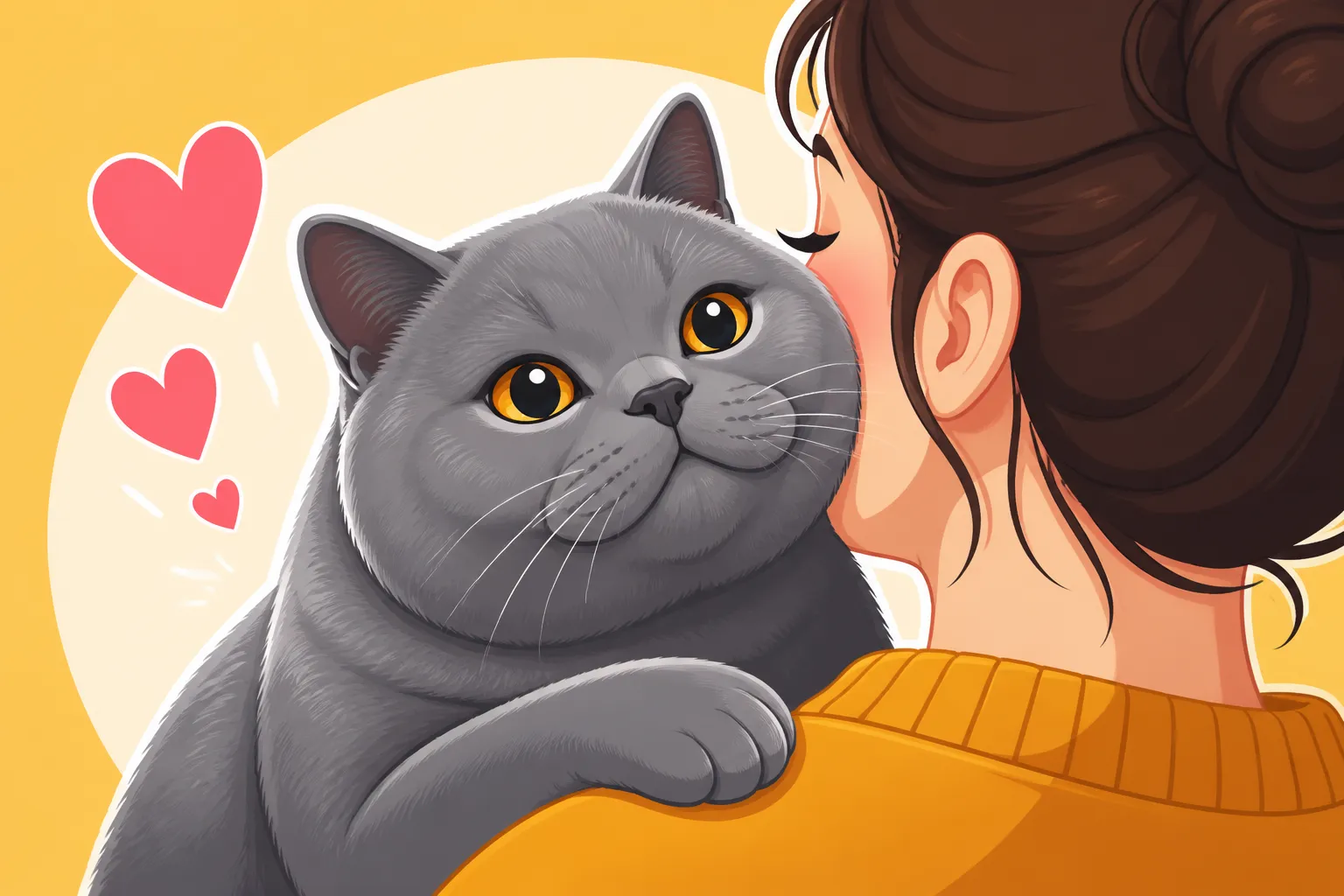
When your British Shorthair walks past and gently bumps their head against your leg, hand, or even your face, they're not just being clumsy. This adorable behavior is known as "bunting" or head-nuzzling, and it's a powerful display of affection and ownership. Cats have scent glands in their cheeks, foreheads, and chins. When they rub these areas against you, they are depositing their unique scent, effectively marking you as part of their family, their colony. It's their way of saying, "You are mine, and I belong to you."
These head bumps are more than just a scent exchange; they are a physical manifestation of their bond. It’s a sign of immense comfort and security. Sometimes, they might even rub their entire flank against you, extending that scent-marking and affection across a larger surface area. These moments are particularly heartwarming because they are initiated entirely by your cat, showing a desire for connection that overrides their natural reserve. It's a confident, loving gesture that demonstrates how deeply they cherish their relationship with you.
Physical Manifestations of British Shorthair Affection
Beyond the subtle hints, British Shorthairs also have more overt physical ways of showing their love. While they might not be the most acrobatic or boisterous cats, their purrs, kneading, and tail movements are clear indicators of their contentment and affection for you. These actions are instinctual and deeply rooted in their feline nature, signaling comfort, trust, and a strong bond.
The Rumble of a Purr
A purr is arguably the most universal sign of a happy, contented cat, and British Shorthairs are no exception. While they are known for being The Quietest Cat in the House in terms of vocalization, their purr can be surprisingly deep and resonant, a powerful vibration that emanates from their entire body. A British Shorthair's purr often indicates extreme happiness and relaxation, especially when they are being petted, cuddled (on their terms, of course!), or simply resting near you.
However, it's important to remember that purring isn't always a sign of happiness. Cats can also purr when they are stressed, injured, or giving birth, as a self-soothing mechanism. So, context is key. If your British Shorthair is purring while kneading your lap, rubbing against you, or enjoying a good chin scratch, you can be fairly certain it’s a strong indication of their affection and comfort in your presence. The deeper and more continuous the purr, the happier your chunky companion likely is.
Kneading, or "Making Biscuits"
This endearing behavior, where a cat rhythmically pushes their paws into a soft surface (like your lap or a blanket), is often called "making biscuits." It harks back to their kittenhood when they would knead their mother's belly to stimulate milk flow. For an adult British Shorthair, kneading is a strong indicator of profound contentment, relaxation, and affection. When they knead on you, they are essentially reverting to that blissful, secure state they experienced as a kitten, signaling that they feel utterly safe and loved.
British Shorthairs, with their dense, plush coats, can be quite enthusiastic kneaders. While their claws might sometimes poke through, it's a gesture of pure affection, and a blanket between you and their paws can make the experience more comfortable for both of you. It's their way of physically expressing profound happiness and connection, a true sign that they feel completely at ease and cherish their bond with you. This behavior often accompanies a deep, rumbling purr, creating a multi-sensory display of love.
Tail Language
A cat's tail is a complex communication tool, and your British Shorthair's tail can tell you a lot about their mood and affection. Unlike dogs whose wagging tails are almost always a sign of happiness, cat tail language is more nuanced. However, there are clear indicators of affection. A tail held high with a slight curl or quiver at the tip usually means they are happy, confident, and pleased to see you. It's a friendly greeting, signaling their contentment in your presence.
A tail that gently wraps around your leg or arm when they walk past is another beautiful sign of affection, a soft embrace from your feline friend. If their tail is gently swishing from side to side while they are relaxed and looking at you, it often indicates a calm and happy state. Conversely, a tail tucked between their legs or thrashing wildly can signal fear or irritation, so understanding the context is crucial. Learning to read these subtle shifts in How to Read a British Shorthair's Face and body language, especially their tail, helps you better understand their emotional landscape and appreciate their unique expressions of love.
Vocalizations and What They Mean
While British Shorthairs are known for being less vocal than some other breeds, they certainly aren't silent. Their vocalizations, though often quiet, are rich with meaning and can be strong indicators of their affection and desire for interaction. They save their most charming sounds for those they trust and love most.
Quiet Chirps and Trills
Instead of loud meows, British Shorthairs often communicate with soft chirps and trills, especially when they are greeting you or seeking your attention. These gentle, bird-like sounds are often reserved for their favorite people and are a clear sign of contentment and friendly acknowledgement. Imagine walking into a room, and your British Shorthair, from their cozy spot, offers a delicate trill. This isn't just a sound; it's a personal greeting, a quiet "hello, I'm happy you're here" meant just for you.
These sounds are often precursors to other affectionate gestures, like a head bump or an invitation for a gentle petting session. They are an intimate part of What a British Shorthair's Chirp Means and their unique communication style, a testament to their quiet yet profound bond with their human companions. When you hear these soft vocalizations, know that your British Shorthair is expressing its pleasure in your presence and its desire to connect.
Soft Meows and Greetings
While not frequent, British Shorthairs do use meows, particularly when they want something or are greeting you after an absence. These meows are typically soft, low-pitched, and often accompanied by a deliberate approach and eye contact. A soft "mrrrow" as they rub against your legs might mean they're hungry, or it could simply be their way of saying, "Welcome home! I missed you."
The context is key, of course. If they meow and then lead you to their food bowl, it's pretty clear what they're after. But if it's a gentle greeting meow, followed by them settling near you, it’s a clear sign of affection and recognition of your return. They are acknowledging your presence and expressing their pleasure in it. These gentle vocal greetings are a special part of the bond you share, highlighting their individual personality and their quiet way of expressing love.
British Shorthairs and Trust: The Foundation of Affection
For a British Shorthair, affection is deeply intertwined with trust and comfort. They are not typically a breed that showers strangers with attention. Their love is earned, and once you have it, it's a steady, unwavering devotion. Signs of trust are often the most profound expressions of their affection, as they indicate a feeling of security that allows them to truly relax in your presence.
Presenting Their Belly (Often a Trick!)
When a cat rolls over and exposes their belly, it can be a sign of extreme trust, as the belly is a very vulnerable area. For a British Shorthair, this is often an invitation to admire their plush fluff, but not necessarily to rub it! While it indicates immense trust and comfort in your presence, most British Shorthairs prefer you to admire from a distance. Attempting to rub their belly might result in a swift, albeit usually gentle, correction with their paws.
So, if your British Shorthair rolls over, enjoy the moment. Appreciate the trust they're showing you. Perhaps offer a gentle head scratch instead of diving for the belly fluff. This nuanced interaction highlights their unique personality: "I trust you enough to show you my vulnerable side, but please, respect my boundaries!" It's a clear sign that they feel completely safe and secure in your environment and with you as their guardian.
Sleeping Near You
As previously mentioned with their "next to you" philosophy, sleeping in your vicinity is a profound sign of affection and trust for a British Shorthair. Cats are most vulnerable when they are asleep. By choosing to sleep in the same room as you, on your bed (even if at the foot), or in a designated spot near your workspace, they are demonstrating that they feel completely safe and protected in your care. They trust you implicitly to keep them safe during their most vulnerable moments.
This isn't just about convenience; it's a deliberate choice. They could choose any quiet, secluded spot, but they opt for one close to you. This shared quiet time, even when both of you are asleep, strengthens the bond immensely. It's a testament to the fact that they consider you part of their inner circle, their safe haven. This is one of the clearest indications of How Affectionate a British Shorthair Is at heart, even if they aren't draped over you.
Following You Around (Their Way)
British Shorthairs aren't typically shadow cats that will follow your every move, tripping you up at every turn. However, they often display a more subtle form of following. You might notice them moving from room to room as you do, settling into a new spot near you, or simply appearing in the doorway to watch you. This isn't necessarily about seeking immediate attention, but rather about staying connected and aware of your whereabouts.
It's their quiet way of ensuring you're still part of their world and that they're still part of yours. It’s a gentle tracking, a low-key companionship that speaks to their deep attachment. When you get up to move to another room, and your British Shorthair eventually joins you there, it's a subtle affirmation of their desire to be close to you, even if they're not always underfoot. This consistent presence is a powerful, yet often understated, form of affection.
Encouraging Affectionate Behavior in Your British Shorthair
While British Shorthairs have their own unique ways of showing love, there are definitely things you can do to encourage more affectionate interactions and deepen your bond with them. It’s all about understanding their preferences and creating an environment where they feel comfortable expressing themselves.
Respecting Their Space and Boundaries
This is perhaps the most crucial aspect of fostering affection in a British Shorthair. Unlike some more overtly needy breeds, British Shorthairs value their independence and personal space. Forcing interaction, picking them up when they don't want to be held, or chasing them for cuddles can actually backfire, making them more withdrawn. Instead, let them initiate contact. Offer a gentle hand, let them rub against you, or settle near you without immediate expectation of physical interaction. A British Shorthair Will Not Be Picked Up is a fact many owners learn quickly.
When they approach you, respond gently and calmly. If they rub against your legs, offer a soft stroke on their head or back. If they jump onto the sofa next to you, simply acknowledge their presence. Over time, as they learn that their boundaries are respected, they will feel safer and more confident in initiating more frequent and prolonged affectionate gestures. It's a reciprocal relationship built on mutual respect and understanding.
Gentle Interaction and Consistent Routine
British Shorthairs thrive on routine and gentle, predictable interactions. Establish a regular petting time, perhaps when you're relaxing on the sofa in the evening, or first thing in the morning. Focus on areas they enjoy, such as chin scratches, behind the ears, or along their cheeks. Many British Shorthairs absolutely adore a good chin scratch. Pay attention to their body language: if their tail starts twitching or their ears flatten, it might be time to stop.
Consistency in your gentle interactions builds trust and reinforces positive associations with you. They learn to anticipate these moments of quiet connection and look forward to them. Even just sitting quietly with them, offering a soft word or a slow blink, can deepen your bond. Remember, these cats aren't about grand gestures; they're about the consistent, comforting presence you provide. For grooming, a good quality steel comb found on Amazon can become a bonding tool. How a British Shorthair Takes to Brushing can be an affectionate interaction.
Playtime as Bonding
Even though British Shorthairs are generally low-energy cats, playtime is still a vital part of their enrichment and can be a wonderful way to foster affection. They might not be marathon runners, but short, engaging play sessions can bring out their inner kitten and strengthen your bond. Focus on interactive play with wand toys, laser pointers (used responsibly, always ending with a tangible toy), or puzzle feeders. This type of play allows them to "hunt" and feel successful, which is deeply satisfying for them.
A British Shorthair might not chase a toy with wild abandon for long, but a few minutes of focused play can be incredibly enriching. Look for toys that appeal to their natural hunting instincts but don't require too much exertion, perhaps a feather wand that mimics a bird's flight. After a successful play session, they are often more inclined to settle near you, purring contentedly, further solidifying the connection. You can find a vast array of engaging cat toys on Amazon that cater to their specific play style. Which Toys a British Shorthair Will Actually Chase highlights some great options.
Understanding Their Unique Personality
Every British Shorthair is an individual, and while they share breed characteristics, their personalities can vary. Some might be a bit more outgoing, while others are incredibly shy. Pay close attention to your own cat's specific preferences and tailor your interactions accordingly. Does your cat love a good head rub but detest having their tail touched? Do they prefer to sit on your lap only when they decide it's time?
| Affectionate Behavior Trait | General Cat Tendency | British Shorthair Expression | What it Means for Your Bond |
|---|---|---|---|
| Lap Sitting | Common, can be frequent | Infrequent; prefers adjacent spot | High trust, chooses proximity over direct contact |
| Purring | Common when happy | Deep, resonant, often quiet | Contentment, relaxation, happiness in your presence |
| Kneading | Common in comfort | Enthusiastic, often with purring | Extreme security, feeling loved and safe (kitten-like bliss) |
| Head Bumping (Bunting) | Common for marking/affection | Gentle, deliberate rubs | Claiming you as family, deep sense of belonging |
| Slow Blinks | Universal cat kiss | Direct eye contact followed by slow closure | Ultimate trust, "I love you," feeling safe with you |
| Vocalization | Varies by breed | Quiet chirps, trills, soft meows | Personal greetings, seeking gentle attention, comfort |
| Tail Wags/Wraps | Happy, confident, greeting | High tail with slight curl; gentle leg wrap | Friendly greeting, contentment, soft embrace |
| Belly Exposure | High trust, not always invitation for rubs | Display of trust, usually for admiration only | Feels completely safe and vulnerable in your presence |
| Following | Varies, some "shadow" cats | Subtle room-to-room presence | Desire for companionship, quiet awareness of your location |
By being observant and learning their unique signals, you can build a stronger, more fulfilling relationship with your British Shorthair. Their affection might not be loud or flashy, but it is deeply genuine and enduring, a quiet, steadfast love that enriches your home. Ultimately, How Well a British Shorthair Can Be Cuddled at All depends on the individual cat and the bond you've built.
Disclaimer
This article is for general informational purposes only and does not constitute professional advice. Laws, prices and regulations vary by location and change over time. Consult a qualified professional for guidance on your specific situation.