How Well a British Shorthair Can Be Left Overnight
The thought of leaving your beloved British Shorthair home alone overnight can really tug at your heartstrings, can't it? You picture their round, earnest face, and a wave of guilt washes over you. Will they be lonely? Will they be bored? More practically, will they have enough food and water, and will everything be okay? It's a common worry for many cat parents, especially those new to the breed, who sometimes think these placid giants are more delicate than they actually are. This guide is here to walk you through exactly how well a British Shorthair typically copes with a night without you, offering practical advice and reassurance to make sure your kitty is safe, content, and well-cared for until you return.
Understanding Your British Shorthair's Independence
One of the most wonderful traits of the British Shorthair, and one that often surprises new owners, is their remarkable independence. They aren't typically the type of cat that clings to your side every waking moment, demanding constant interaction. This inherent self-sufficiency is a huge asset when considering overnight absences.
The British Shorthair Temperament
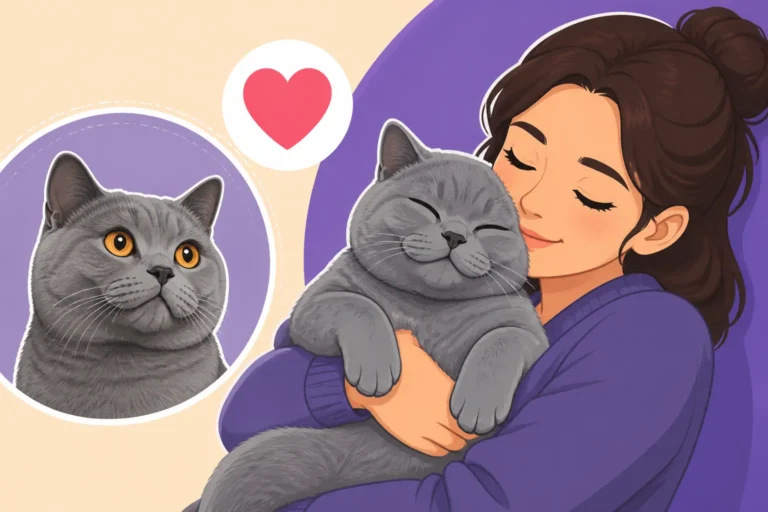
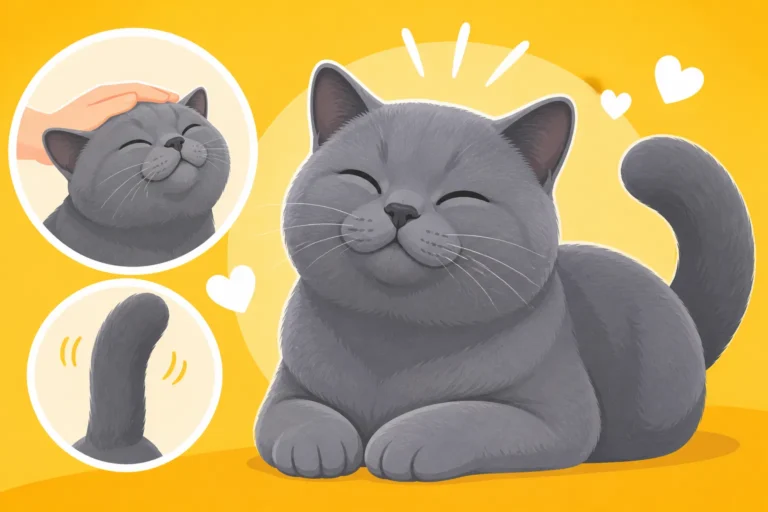
British Shorthairs are renowned for their calm, easygoing, and dignified nature. They are often described as "teddy bear" cats, not just for their plush coats and chunky build, but for their placid demeanor. While they certainly appreciate affection and companionship, they're not usually prone to the intense separation anxiety sometimes seen in more high-strung breeds. They enjoy being in the same room as their humans, observing the household goings-on, but often from a comfortable, slightly removed vantage point. You'll find them contentedly napping on a sunny windowsill, watching the world outside, or curled up in a favorite chair. This quiet confidence means that for many A British Shorthair Is Genuinely Fine on Its Own, as long as their basic needs are met and their environment is safe and familiar. They thrive on routine and stability, which makes a predictable overnight absence far less stressful for them than it might be for a cat who relies heavily on constant human interaction.
Imagine a typical evening in your home. Your British Shorthair might enjoy a brief play session, perhaps a head scratch or a quick cuddle, and then they're off to find a cozy spot for a nap. They aren't usually underfoot, tripping you as you move from room to room, nor do they typically vocalize constantly to get your attention. This calm disposition translates directly to their ability to handle periods of solitude. They're not wired to panic or become destructive simply because you've stepped out for a night. Instead, they'll likely just adjust their schedule to include more napping and quiet contemplation, resuming their usual activities when you return.
Their Daily Routine and Sleep Patterns
It's easy to project our human need for constant company onto our feline friends, but cats operate on a very different clock. Their natural rhythm involves significant periods of rest, punctuated by bursts of activity. British Shorthairs, being relatively low-energy cats, are masters of napping. They can sleep for a substantial portion of the day, often fitting in twenty-minute power naps here and there, totaling many hours over a 24-hour cycle. Think about it: during your typical workday, your BSH is likely catching up on Zs, only becoming truly active when you arrive home in the evening.
When you're away overnight, their schedule often simply shifts to accommodate your absence. They'll likely sleep more, perhaps choosing different napping spots they wouldn't normally occupy when you're around. Cats are crepuscular, meaning they are most active during dawn and dusk. So, if you leave in the evening and return in the morning, you're missing their peak activity times anyway. A British Shorthair typically gets How Many Hours a Day a British Shorthair Sleeps, and a significant portion of that happens when the house is quiet, whether you're there or not. They might stretch, wander to their food bowl, visit the litter box, and then find another comfy spot for a snooze. Their quiet independence truly shines in these moments.
Signs They Cope Well (or Don't) with Solitude
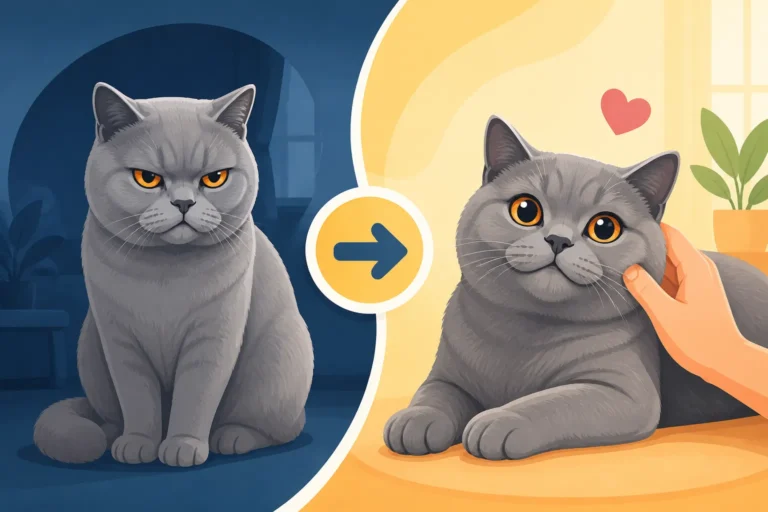
Observing your British Shorthair's behavior when you're present and when you return from short outings can give you valuable clues about their comfort level with being alone. A cat that copes well will generally greet you calmly, perhaps with a quiet meow or a rub against your legs, before settling back into their routine. You won't find signs of significant distress like excessive vocalization, destructive behavior, or inappropriate urination. They might be a bit more eager for a cuddle or a play session upon your return, but it won't be frantic or desperate.
On the other hand, a British Shorthair who struggles with solitude might exhibit more pronounced behaviors. These could include a frantic greeting, where they're excessively vocal, clingy, or try to trip you up. Some cats might show subtle signs of stress like over-grooming, changes in appetite, or even hiding. In more severe cases, you might notice accidents outside the litter box, or scratching at doors or furniture beyond their usual habits. If you've ever wondered Signs a British Shorthair Is Lonely, these are key indicators. For example, if you come home to overturned water bowls or scattered food that wasn't previously available, it could point to a restless or anxious cat. Pay close attention to these cues, as they are your cat's way of communicating their emotional state. Most British Shorthairs, however, fall into the category of quiet stoics who take your absence in stride.
Preparing Your Home for an Overnight Absence
Ensuring your British Shorthair has everything they need for a comfortable and safe overnight stay alone is paramount. Thoughtful preparation can ease your mind and prevent any potential issues, allowing your cat to truly thrive in their solitude.
Essential Resources: Food, Water, and Litter
When you're leaving your British Shorthair overnight, the absolute basics need to be covered generously. First up is food. Don't just leave a single bowl of kibble; consider multiple, easily accessible food stations. For most British Shorthairs, who are notoriously good eaters, portion control is key to preventing obesity, even when you're away. An automatic feeder can be a godsend here. Many models allow you to program several meals throughout your absence, dispensing measured portions at set times. This not only ensures your cat isn't overeating out of boredom but also maintains their routine, which can be comforting. You can find reliable automatic feeders on platforms like Amazon, offering different capacities and programming options. Just make sure to test it a few times before your trip to ensure your cat is comfortable with it and that it functions correctly.
Water is equally, if not more, important. Leave several bowls of fresh water around the house, ideally in different locations. Cats can be particular about their water sources, and having options reduces the risk of a single bowl being accidentally knocked over or becoming stale. A pet drinking fountain, which continuously filters and circulates water, can also entice your British Shorthair to drink more, which is crucial for their kidney health. Whether a British Shorthair Needs a Water Fountain is a common question, and while not strictly necessary for every cat, it can certainly be beneficial, especially for promoting hydration. Ensure all water sources are stable and heavy enough to resist tipping.
Finally, litter boxes. The general rule of thumb is one litter box per cat, plus one extra. So, if you have one British Shorthair, you should ideally have two litter boxes available. Scoop them thoroughly right before you leave. A dirty litter box is not only unhygienic but can also lead to your cat seeking alternative, less desirable places to relieve themselves. For a British Shorthair, which is a fairly large and substantial cat, ensuring you have Which Litter Box Size a British Shorthair Needs is also vital – they need ample space to maneuver comfortably. A wider, more open litter box is usually preferred over small, enclosed ones.
Safety and Security Measures
Cat-proofing your home before an overnight absence is non-negotiable. Even the most placid British Shorthair can get into mischief when left unsupervised, especially if they become bored or curious. Start by securing any cabinets that contain hazardous materials like cleaning supplies or medications. Child locks or cabinet latches can be very effective here. Remove any small objects that could be swallowed, such as rubber bands, hair ties, or loose strings, which pose a choking hazard or can cause internal blockages. Check all windows and doors to ensure they are securely closed and locked. Even if your British Shorthair is strictly an indoor cat, an open window or screen can present an escape route or a dangerous fall risk.
Consider the temperature of your home. If you're going to be away during extreme weather, ensure your thermostat is set to a comfortable range to prevent your cat from getting too hot or too cold. A sudden heatwave or cold snap can be more than just uncomfortable; it can be dangerous. As a general rule, Whether a British Shorthair Should Be Indoor Only is almost universally recommended for their safety and well-being, protecting them from traffic, predators, and illnesses. Double-check that all electrical cords are tucked away or covered to prevent chewing. Even though British Shorthairs are typically not chewers, it's always better to be safe than sorry.
Enrichment to Prevent Boredom
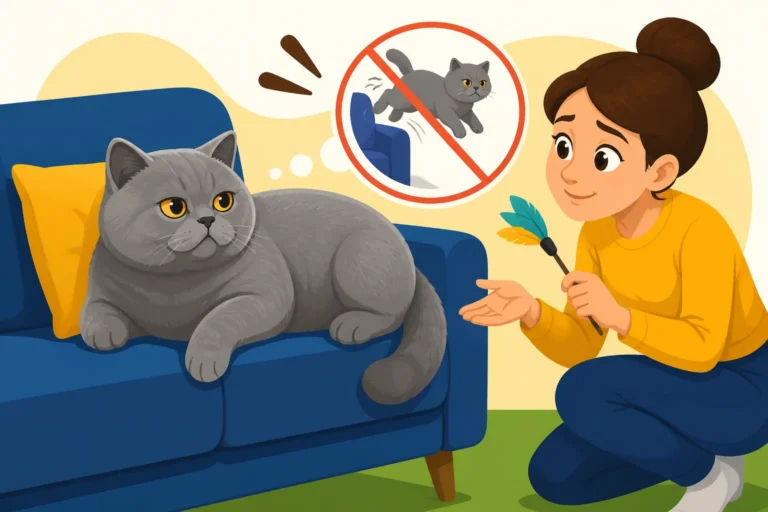
A bored cat can quickly become a destructive or anxious cat. To keep your British Shorthair mentally stimulated and content during your absence, provide plenty of enrichment. A variety of toys can help. Rotate their usual toys before you leave, introducing a "new" selection that they haven't seen in a while to pique their interest. Interactive toys that dispense treats when manipulated can provide hours of engagement. You can find a wide array of cat toys, from crinkle balls to elaborate puzzle feeders, on sites like Amazon. These feeders not only provide mental stimulation but also slow down eating, which is beneficial for managing weight in this prone-to-chubbiness breed.
Consider providing vertical space. While British Shorthairs aren't typically avid climbers compared to some other breeds, a sturdy cat tree or How Much a British Shorthair Uses a Window Perch can offer valuable observation points. They love to survey their domain, and a perch allows them to watch birds or passersby, which can be incredibly engaging. Make sure any cat tree is stable enough to support their solid build. Lastly, ensure they have access to several comfortable sleeping spots. This could be a plush bed, a favorite blanket, or even a soft chair. Whether a British Shorthair Prefers a Floor Bed is often a matter of personal preference for the cat, but having options demonstrates thoughtfulness for their comfort. Giving them choices for rest and play can significantly reduce any potential stress from your absence.
The Duration of Your Absence: One Night vs. Longer
Understanding the nuances of how long you can comfortably leave your British Shorthair alone is crucial. A single night is very different from an extended weekend, and each scenario calls for different considerations.
A Single Overnight Stay
For the vast majority of healthy, well-adjusted British Shorthairs, a single overnight stay (meaning you're gone for roughly 24 hours or less) is perfectly manageable. These cats are champions of calm and routine. If their food, water, and litter needs are amply met, and their environment is safe and familiar, they will likely spend a good portion of your absence napping, observing, and engaging in quiet self-play. They're not the type to pine frantically or become destructive after just one night.
Think about it from their perspective: your British Shorthair already spends many hours alone during your workday. Adding another 12-16 hours onto that, especially when you've prepared their resources thoughtfully, often doesn't dramatically alter their sense of security. They thrive on the predictable rhythm of their home, and as long as that rhythm isn't violently disrupted, they adapt. Many owners worry excessively about this first overnight absence, but most report returning to a calm, happy cat who is simply ready for some attention and perhaps a meal at the usual time. The key is consistent preparation and knowing your cat's individual personality.
When to Consider a Sitter or Boarding
While a single night is generally fine, things start to change when your absence extends beyond 24-36 hours. If you're planning to be away for two nights or more, it's really time to seriously consider outside help. Even the most independent British Shorthair can start to feel the effects of prolonged solitude. Their litter boxes will become less appealing, fresh water might run low, and the lack of human interaction, even if they're not a lap cat, can lead to boredom and even stress over time.
For longer trips, a professional pet sitter who visits your home daily is often the best option. This allows your British Shorthair to remain in their familiar territory, maintaining their routine, while still receiving fresh food, water, litter box cleaning, and a bit of human interaction. A good sitter can also administer medications if your cat has special health needs, such as diabetes or a heart condition. For some British Shorthairs, Whether a British Shorthair Even Needs a Sitter really depends on the length of absence. If your cat tends to get stressed by new environments or has specific medical needs, an in-home sitter is almost always preferable to boarding.
Boarding facilities are another option, but they typically work best for cats who are very adaptable and outgoing. British Shorthairs, with their preference for routine and calm, can sometimes find the change of environment, new smells, and presence of other animals quite stressful. How a British Shorthair Copes With Boarding varies greatly from cat to cat, but generally, their dignified and somewhat reserved nature means they may not enjoy the hustle and bustle of a boarding kennel. If boarding is your only option, choose a facility that offers individual suites, minimal exposure to other animals, and attentive staff who understand feline behavior. Always do a trial run with a shorter stay if possible.
Gradual Acclimation for Anxious Cats
If you have a British Shorthair who leans towards the more anxious side, or if this is your first time leaving them overnight, gradual acclimation can make a huge difference. Don't just spring a 24-hour absence on them. Start small. Leave them alone for a few hours, then half a day, then a full workday. Observe their reaction when you return. Did they seem stressed? Did they make a mess?
Establishing a consistent routine is key. Cats thrive on predictability. Feed them at the same times each day, play with them regularly, and create a calm home environment. Before a longer absence, try to maintain this routine as much as possible. When you know you'll be gone overnight, prepare everything well in advance so your departure isn't rushed and chaotic. Leaving a shirt or blanket with your scent on it in their favorite sleeping spot can also provide comfort. Some owners find that pheromone diffusers, which release calming scents, can help anxious cats adjust to periods of solitude. By slowly increasing their alone time and creating a stable environment, you can build their confidence and make any future overnight absences much smoother.
Common Concerns and Troubleshooting
Even with the most independent British Shorthair and the best preparations, some worries inevitably creep in. Let's address those common concerns and equip you with troubleshooting strategies.
The "Guilt Trip" and Owner Anxiety
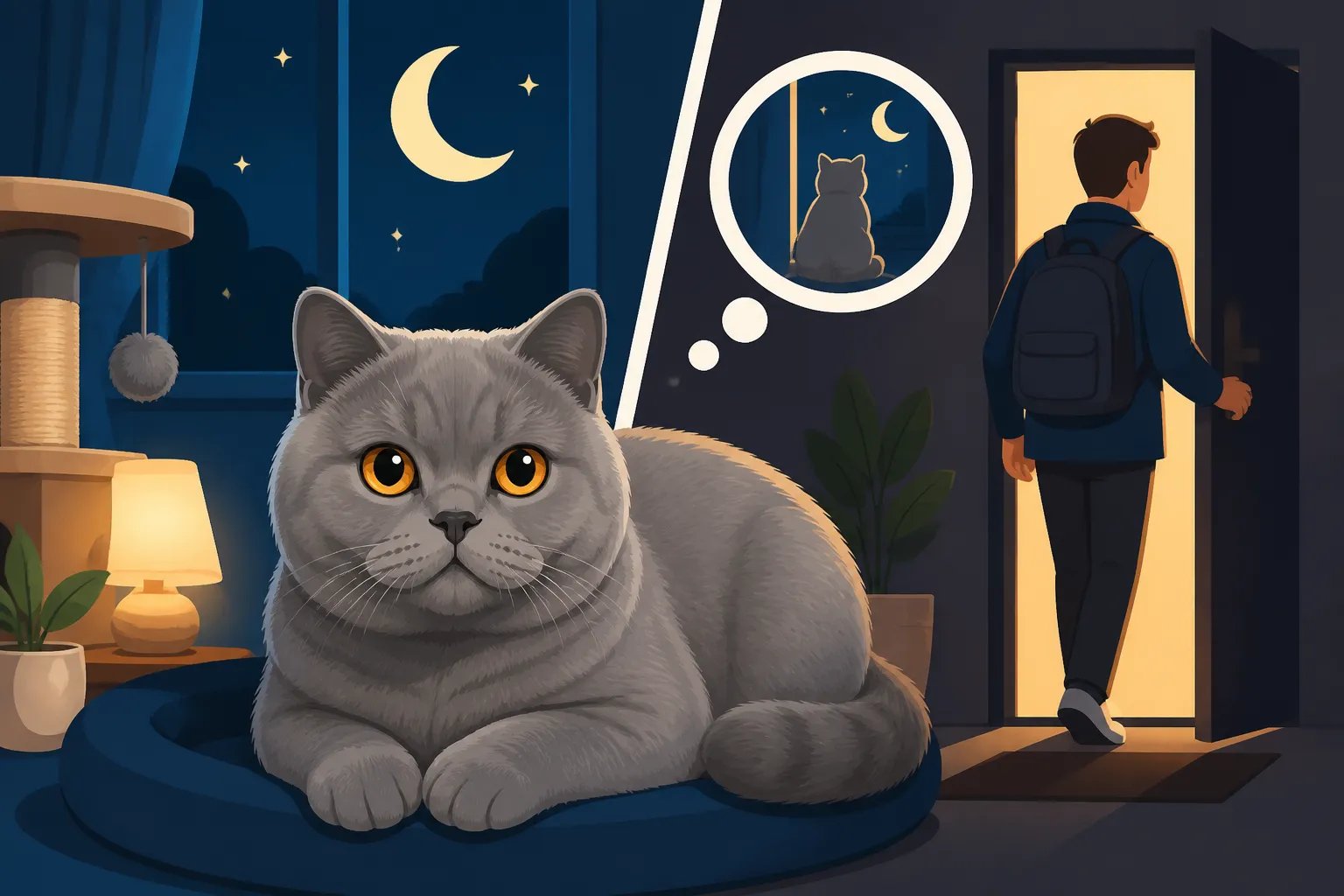
Oh, the guilt! It's a universal feeling for pet owners. That mental image of your sweet British Shorthair sitting alone, perhaps looking out the window, can be enough to make you cancel plans. It's important to acknowledge this feeling because it's real and comes from a place of love. However, it's also important to differentiate your human anxieties from your cat's actual needs and temperament. Your British Shorthair, with their famously calm and self-sufficient disposition, is often far more resilient than we give them credit for. They are creatures of habit and comfort, and as long as their environment remains stable and all their necessities are provided, they typically take a night of solitude in stride.
Reframe your perspective: you're not abandoning them; you're trusting them to manage their safe, comfortable home while you handle your human responsibilities. By providing ample resources, a secure environment, and mental enrichment, you've done everything you can to ensure their well-being. This preparation is the antidote to the guilt trip. Remind yourself that a well-cared-for British Shorthair is likely spending most of your absence napping in various sunbeams or cozy spots, eagerly anticipating your return, rather than pining away dramatically. Many British Shorthair owners would agree that How Well a British Shorthair Suits an Office Worker is a testament to their ability to be alone during the day, and extending that for a single night usually poses no significant issue.
Potential Issues: Accidents, Boredom, and Mishaps
Despite your best efforts, sometimes things don't go perfectly. When you return home, keep an eye out for any signs that your British Shorthair might have struggled. Inappropriate urination or defecation outside the litter box can be a sign of stress, a dirty litter box, or even a medical issue. If this happens, clean the area thoroughly, reassess your litter box situation (more boxes, cleaner boxes, different type of litter), and if it persists, consult your vet to rule out health problems.
Boredom can manifest in various ways. You might find items knocked off shelves that are usually safe, or new scratch marks on furniture. British Shorthairs are generally not destructive, but a bored cat will seek stimulation. If you're seeing new damage, review your enrichment strategy. Were there enough engaging toys? Was there a window perch for observation? Why a British Shorthair Scratches Furniture often comes down to a lack of appropriate scratching surfaces or simply boredom. Consider adding new scratching posts or interactive puzzle toys for future absences.
Mishaps, though rare with good preparation, can happen. Perhaps a water bowl was knocked over, or a piece of furniture was accidentally tipped. This is why multi-point preparations (e.g., several water bowls) are so important. Upon your return, do a quick survey of the home to ensure everything is as you left it and that your cat is safe and sound.
Technology and Monitoring
In this modern age, technology can be a huge comfort for anxious pet owners. A pet camera with two-way audio can allow you to check in on your British Shorthair periodically throughout your overnight absence. You can watch them sleep, observe their movements, and even speak to them (though some cats might find this confusing!). Many pet cameras are available on Amazon and offer features like night vision, motion detection, and even treat dispensing. This can provide immense peace of mind, allowing you to visually confirm that your cat is calm and that all resources are intact.
Smart feeders, as mentioned earlier, also fall into this category. Beyond simply dispensing food, some advanced models connect to apps on your phone, allowing you to manually dispense a treat, record your voice, or even get notifications when your cat eats. While not strictly necessary, these tools can certainly alleviate owner anxiety and offer a window into your British Shorthair's independent life while you're away.
Here's a quick summary of considerations for various lengths of absence:
| Duration of Absence | Recommended Preparations | Considerations | Best for Your British Shorthair |
|---|---|---|---|
| Up to 24 hours | Ample food (auto-feeder optional), multiple water sources, extra clean litter boxes, cat-proofed home, familiar toys. | Most healthy BSH cope very well. Focus on safety and plenty of resources. Owner anxiety often higher than cat's. | Excellent. Most independent British Shorthairs are perfectly fine. |
| 24-48 hours | All above, plus auto-feeder highly recommended, more water points, potentially another litter box. More enrichment. | Still manageable for many BSH, but increased risk of boredom or resource depletion. | Good. Still fine for most, but consider a quick check-in from a friend if possible. |
| Over 48 hours | All above, plus daily visits from a pet sitter or trusted friend. Medical needs require professional care. | Critical to have human interaction, fresh supplies, and litter box cleaning. Boarding is an alternative, but can be stressful. | Not Recommended Alone. Essential to have someone check in daily. |
Ultimately, the goal is to make your British Shorthair's solo time as stress-free and comfortable as possible. With thoughtful planning and a good understanding of their unique personality, leaving your British Shorthair overnight can be a smooth experience for everyone involved.
Disclaimer
This article is for general informational purposes only and does not constitute professional advice. Laws, prices and regulations vary by location and change over time. Consult a qualified professional for guidance on your specific situation.