Whether a British Shorthair Is Boring
It’s a common worry, isn't it? When you're dreaming of bringing a beautiful British Shorthair into your home, you might hear whispers or read comments online suggesting they're a bit… well, boring. You might envision a cat that just sits there, an inanimate plush toy rather than a lively companion. This guide is here to tell you that nothing could be further from the truth. While they may not be scaling curtains or constantly demanding attention like some breeds, their quiet dignity and profound affection offer a depth of companionship that is anything but dull.
Understanding the British Shorthair Temperament: Calm, Not Catatonic
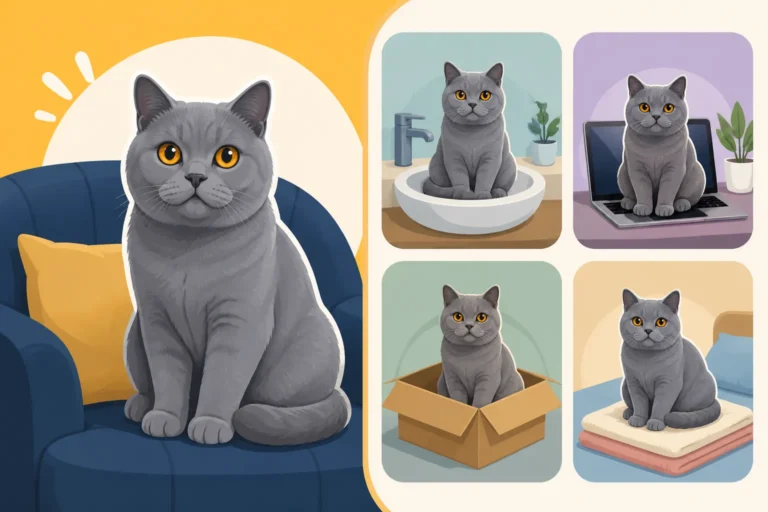
The perception of a British Shorthair being "boring" often stems from a misunderstanding of their inherently calm and composed nature. These cats are not typically prone to wild antics or boisterous energy bursts. Instead, they possess a quiet confidence and a dignified demeanor that many find incredibly charming. They aren't constantly seeking the spotlight, but that doesn't mean they aren't engaged with their environment or their beloved humans.
The Myth of Low Energy Versus Relaxed Presence
Many people associate "not boring" with high energy and constant activity. When they see a British Shorthair lounging serenely on a sofa or observing the world from a comfortable perch, they might mistakenly interpret this calm as apathy. However, a British Shorthair isn't just "there"; they are present, attentive, and often deeply involved in the quiet rhythms of the household. They are the ultimate observers, taking everything in with their large, watchful eyes. They enjoy a peaceful environment and thrive on routine, finding comfort in predictability rather than seeking constant novelty. This relaxed presence is a huge part of their appeal for those who appreciate a less demanding, more tranquil pet.
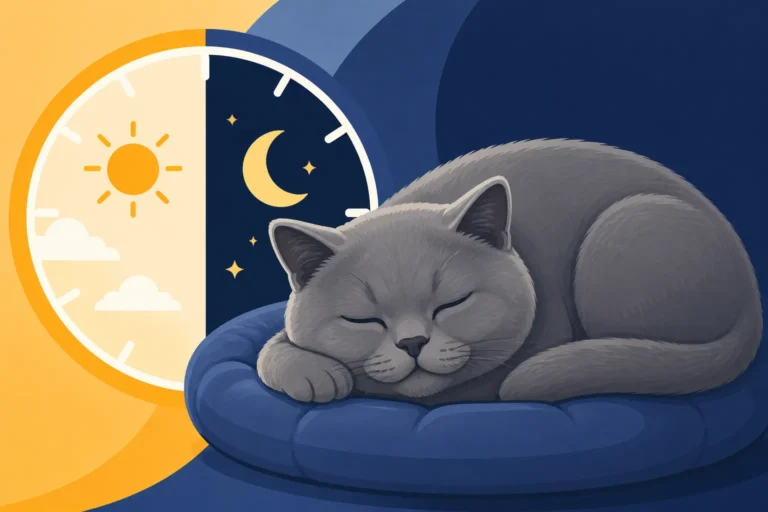
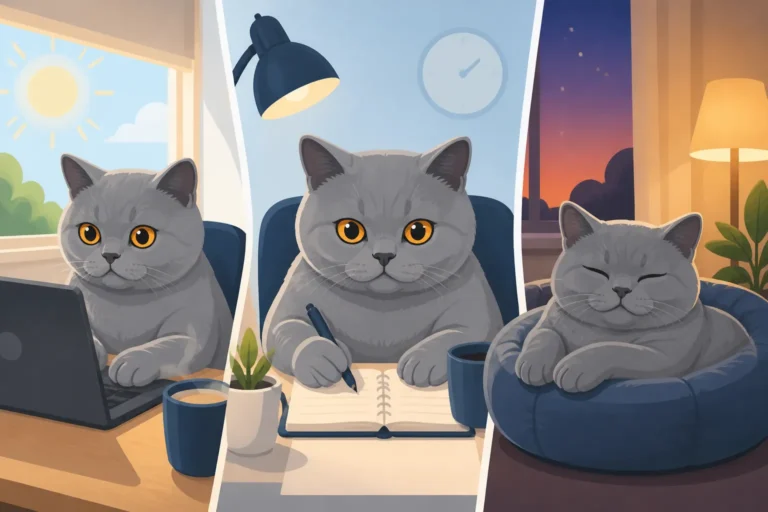
Imagine coming home after a long, stressful day. Do you really want a whirlwind of fur demanding your immediate and undivided attention for an hour of intense play? Or do you long for a calm, comforting presence that greets you with a soft head-nuzzle against your leg before settling nearby, radiating peace? For many, the latter is a profound relief, and that's precisely the experience a British Shorthair offers. They are masters of quiet companionship, always there but rarely overwhelming. What a British Shorthair Does All Day delves deeper into their daily routines.
Independent Souls Who Appreciate Company
Another aspect often misinterpreted as "boring" is the British Shorthair's independence. Unlike some breeds that can become quite clingy, British Shorthairs are perfectly content to entertain themselves or simply coexist peacefully alongside their family members. This doesn't mean they don't love you; it means they have a healthy sense of self and don't require constant validation or interaction. They might follow you from room to room, settling in the next chair rather than on your lap, simply to be near you.
This independence is actually a huge benefit for busy households or individuals who work away from home. You won't typically find a British Shorthair suffering from severe separation anxiety if left alone for reasonable periods. They’ll likely enjoy a good nap in a sunny spot, groom their magnificent coat, or watch the birds outside the window. They value their quiet time, but they also genuinely appreciate your return and the comfort of your presence. It's a balance many cat owners crave: a loving pet that respects your space as much as you respect theirs.
How a British Shorthair Shows Affection: Subtle Love
If you're expecting a cat that constantly jumps into your lap for cuddles or rubs frantically against your legs every time you walk by, you might initially feel that a British Shorthair is not very affectionate. However, their displays of love are simply more understated and profound, requiring a keen eye to truly appreciate. They are not grandstanders; they are quiet romantics.
The Nuances of British Shorthair Cuddles
A common "frustration" for new British Shorthair owners is the cat's general dislike for being picked up or held. They tend to feel most secure and comfortable with all four paws on the ground, so don't expect them to be a cat you can easily scoop up for a long cuddle session. This isn't a rejection of you; it's simply a characteristic of the breed. They prefer to initiate physical contact on their own terms, often when you're settled and relaxed. A British Shorthair Will Not Be Picked Up explains this behavior in more detail.
Instead of being a lap cat in the traditional sense, a British Shorthair is more likely to be a "next-to-you" cat. They'll hop onto the sofa and settle beside you, maybe even leaning into you gently, letting their substantial weight be a comforting presence. A head bunt, a slow blink, or a soft purr while perched on the armrest are all profound declarations of love. They might even nudge your hand for a scratch behind the ears or under the chin, but then retreat to their preferred spot as soon as they've had their fill. This subtle interaction is often more meaningful because it is offered freely and willingly.
Vocalizations and Affectionate Gestures
British Shorthairs are generally known for being quiet cats. They don't typically engage in lengthy meowing conversations or constant vocal demands. Their voices are soft, often described as a gentle chirp or a quiet trill, especially when they're greeting you or expressing contentment. This quiet nature can lead some to think they aren't communicating or don't have much personality, but it's just their way.
When a British Shorthair does vocalize, it's usually meaningful. A short, sweet chirp as you enter the room, a happy trill when you offer their dinner, or a soft rumble of a purr during a petting session are all strong indicators of their affection. Beyond vocalizations, watch for their body language: the slow blink that signals trust and love, the gentle rub against your leg as they pass by, or the subtle tail twitch of approval. These are their love languages, and learning to interpret them will reveal a deeply affectionate companion who loves in their own unique, understated way.
Enrichment for the Thoughtful British Shorthair: Beyond the Zoomies
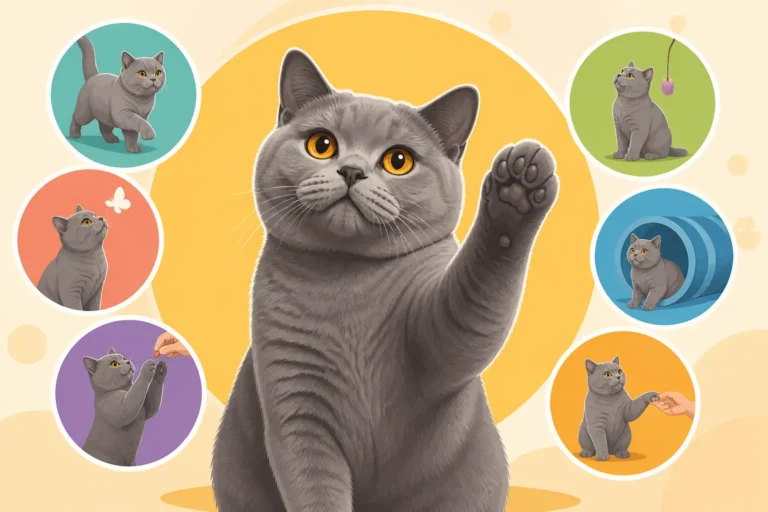
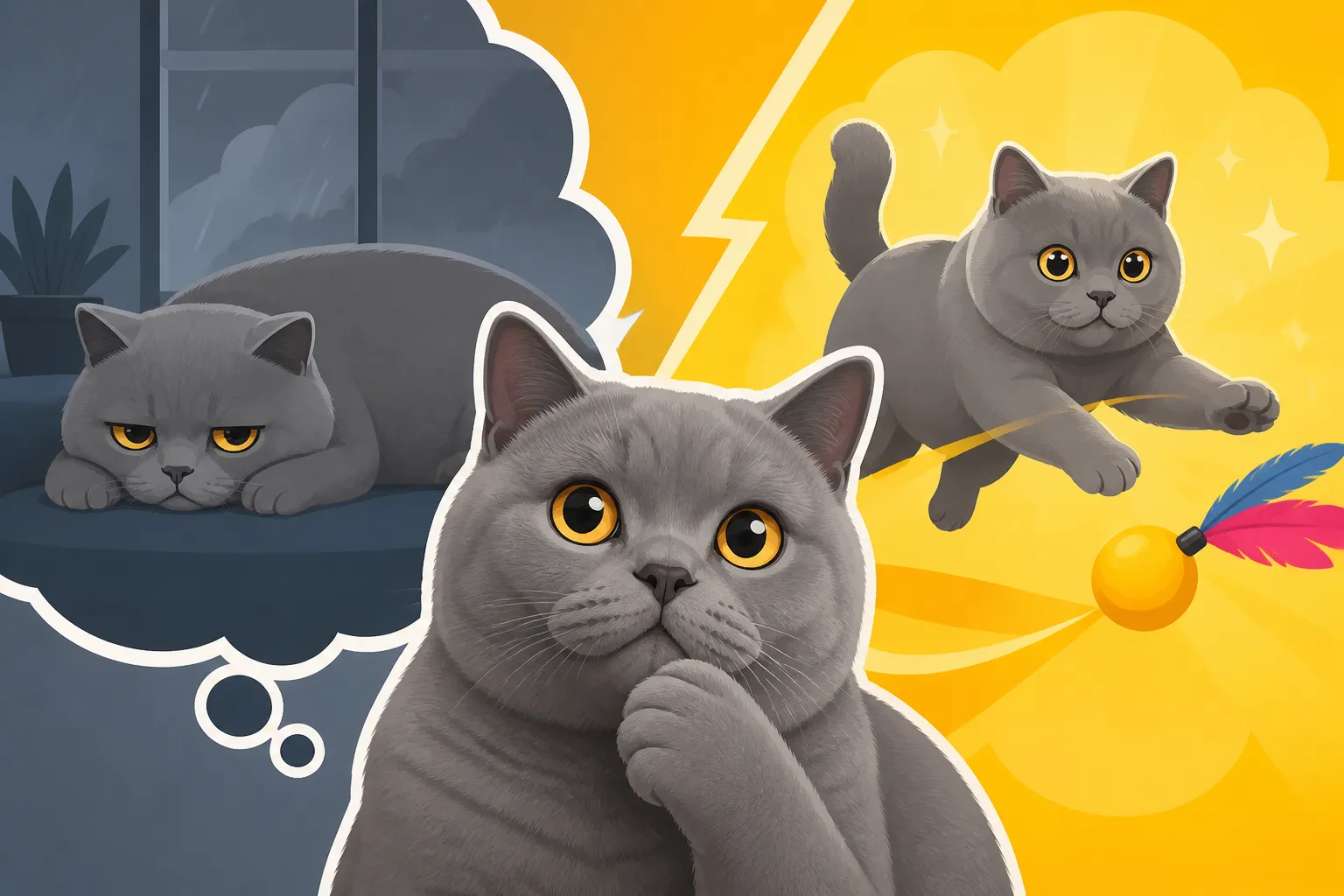
Just because a British Shorthair isn't tearing through the house like a feline tornado doesn't mean they don't need mental and physical stimulation. Their play style is often more measured, thoughtful, and less frenetic than that of other breeds. Providing the right kind of enrichment is key to keeping them happy, healthy, and far from "boring."
Engaging Their Minds: Puzzle Toys and Observation
British Shorthairs might not chase a laser pointer for twenty minutes straight, but they are intelligent cats who enjoy a good mental challenge. Puzzle feeders are an excellent way to engage their minds, as they require your cat to figure out how to extract treats or kibble. This mimics their natural hunting instincts in a low-impact way and prevents them from gobbling their food too quickly, which is a concern for a breed prone to weight gain. You can find many varieties of these on Amazon, from simple treat balls to more complex labyrinth designs.
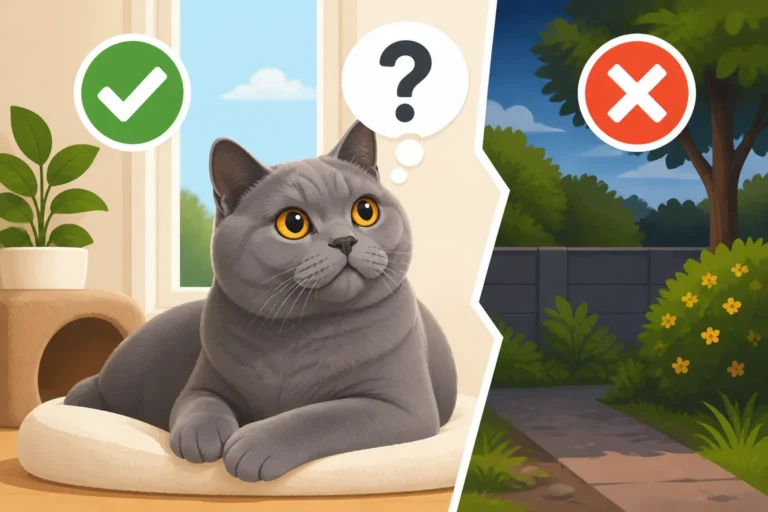
Observation is another favorite pastime. A sturdy cat tree placed near a window or a comfortable window perch can provide hours of entertainment as they watch the world go by. Birds, squirrels, or even just the rustling leaves on a tree can captivate their attention. Consider even setting up a bird feeder outside that window to enhance their "cat TV" viewing experience. This passive form of enrichment is deeply satisfying for a British Shorthair, allowing them to engage with their environment without expending excessive physical energy. Getting a Low Energy British Shorthair to Move offers more tips for encouraging activity.
Interactive Play for the Dignified Hunter
While they may not be hyperactive, British Shorthairs still enjoy playtime, especially when it involves interaction with their human. The key is often shorter, more focused play sessions. Wand toys with feathers or small soft toys are often big hits. They prefer toys that mimic prey movement, allowing them to stalk, pounce, and "kill" their quarry with a satisfying bite. They might not jump particularly high or perform acrobatic feats, but their deliberate pounces are incredibly endearing.
Keep play sessions short, perhaps 5-10 minutes a couple of times a day, to match their energy levels. It’s better to have frequent, short bursts of engagement than to try and force a long, tiring session. They might play enthusiastically for a few minutes, then decide they've had enough and wander off for a nap. This isn't rudeness; it's simply their preference. Providing a variety of toys, rotating them to keep things fresh, and allowing them to "win" at the end of a play session by catching the toy, will keep them interested and engaged. A sturdy toy mouse or a crinkle ball found on Amazon can provide simple, yet effective, enjoyment.
Dispelling the Myth: Is a British Shorthair Truly Boring?
The idea that a British Shorthair is "boring" often comes from comparing them to more boisterous or overtly playful breeds. However, judging them by such metrics misses the unique joy and deep satisfaction they bring to a home. Their charm lies in their quiet companionship, their unwavering presence, and their subtle expressions of love.
The Joys of a Predictable and Peaceful Companion
In a fast-paced world, the British Shorthair offers an oasis of calm. They are creatures of habit, appreciating routine and contributing to a peaceful household atmosphere. This predictability isn't boring; it's comforting. You know what to expect from your British Shorthair: a loyal, affectionate friend who enjoys quiet moments, appreciates a gentle fuss, and is always there to lend a comforting presence. They are low-maintenance in terms of high-octane entertainment, but high-value in terms of companionship.
Consider their presence as a calming anchor in your home. They reduce stress, offer silent empathy, and provide a sense of stability. For many, this is precisely what they seek in a pet – not a constant source of commotion, but a serene companion who enhances the tranquility of their living space. They make excellent companions for individuals, couples, and even families with respectful children, as they are generally tolerant and good-natured. How Well a British Shorthair Suits a First Time Cat Owner explores their suitability as a companion.
Why a British Shorthair Might Not Be for Everyone
It's true that a British Shorthair won't appeal to everyone, and that's perfectly okay. If you're looking for a cat that will regularly play fetch, climb your bookshelves, or sleep curled up on your head every night, a British Shorthair might not be the best fit. If your definition of a "fun" cat involves constant motion and loud vocalizations, you might indeed find their demeanor to be less exciting than what you envision.
However, if you appreciate a cat with a distinct personality, who loves on their own terms, enjoys a quiet life, and offers a calm, reassuring presence, then a British Shorthair will be anything but boring. They are deep thinkers, gentle souls, and utterly devoted companions to those who understand and appreciate their subtle charms. They are the epitome of sophisticated comfort, a living, purring teddy bear that fills your home with quiet joy and unwavering affection.
Here's a quick comparison to help reframe the perception:
| Perceived "Boring" Trait | Actual Charming British Shorthair Trait |
|---|---|
| Doesn't jump and climb much | Prefers ground-level comfort, enjoys observing from secure spots |
| Not a traditional "lap cat" | A "next-to-you" companion, offering quiet, reassuring presence |
| Doesn't play constantly | Enjoys shorter, focused interactive play sessions, loves puzzle toys |
| Not very vocal | Communicates with soft chirps, trills, slow blinks, and gentle nudges |
| Seems independent | Content with self-entertainment, but deeply appreciates your company |
| Doesn't always want to be picked up | Prefers to initiate physical contact on their own terms, respects boundaries |
In conclusion, the British Shorthair is not boring; they are simply discerning, dignified, and delightful in their own unique way. They offer a brand of companionship that is profound, peaceful, and deeply rewarding for those who are open to understanding their subtle magic.
Disclaimer
This article is for general informational purposes only and does not constitute professional advice. Laws, prices and regulations vary by location and change over time. Consult a qualified professional for guidance on your specific situation.