How a British Shorthair Copes With a Full Working Day
It's a common worry among British Shorthair owners: you love your chunky, placid companion, but what happens when you have to be out of the house for a full working day? The guilt can be immense, picturing your beloved feline sitting by the door, pining for your return. Rest assured, while every cat is an individual, the British Shorthair breed generally possesses a temperament that makes them surprisingly well-suited to managing longer periods of solitude, provided their environment is set up thoughtfully. This guide will walk you through understanding your British Shorthair's unique needs and how to ensure they cope beautifully while you're away.
Understanding the British Shorthair's Independent Nature
When you choose a British Shorthair, you're not typically getting a cat that clings to your every move or demands constant high-energy interaction. This breed is renowned for its calm, self-possessed demeanor, which can be a huge advantage for owners who work full-time. They aren't generally prone to the frantic separation anxiety seen in some other breeds, but that doesn't mean they don't need consideration.
The British Shorthair Temperament for Solo Time
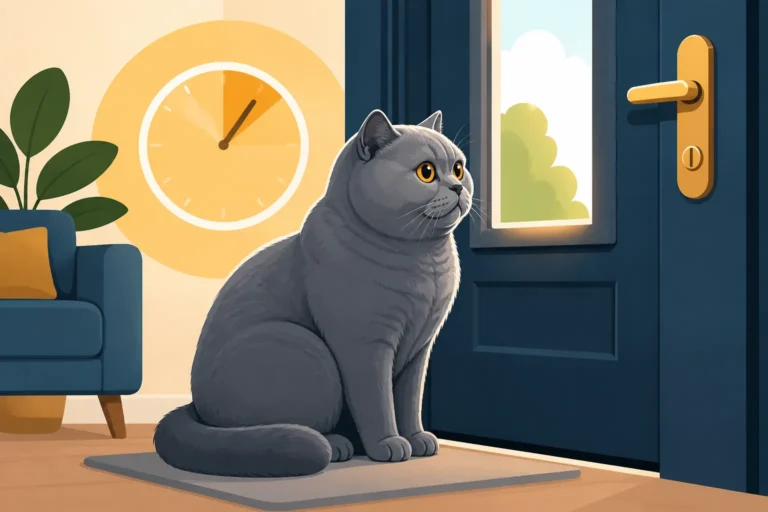
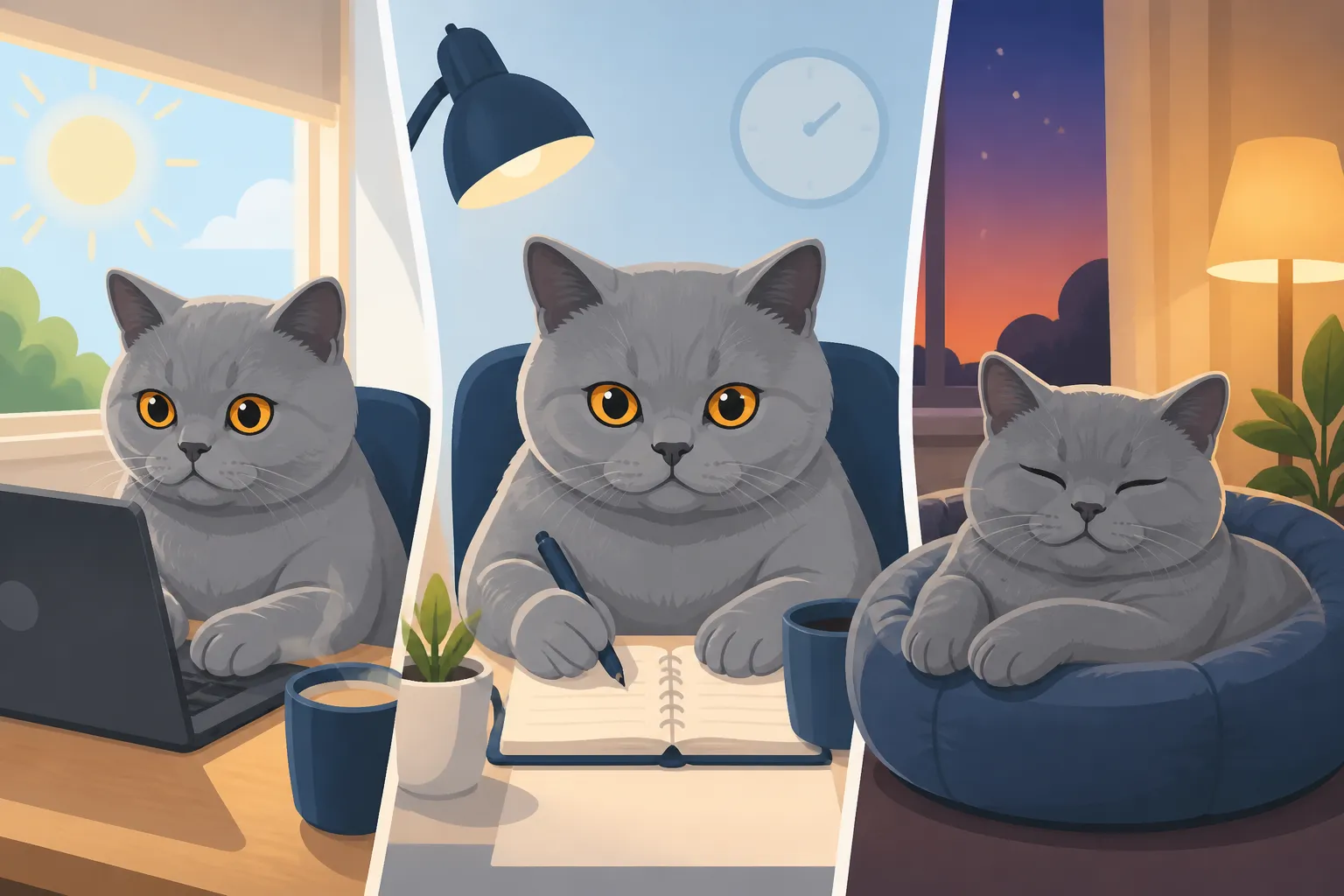
British Shorthairs are often described as quiet observers. They enjoy being in the same room as their human family, perhaps curled up on a nearby sofa or in a sunny spot, rather than always on your lap. This inherent independence means they're quite content to entertain themselves or simply snooze for many hours. They have a remarkable ability to adapt to a household routine, quickly learning when you leave and when you're likely to return. For many British Shorthairs, a full working day simply means a long, uninterrupted nap session.
They're not typically vocal cats, so you won't often hear loud complaints about your absence. Instead, their contentment is often expressed through a soft purr when you finally do sit down with them, or a gentle rub against your legs as they follow you from room to room. Their calm disposition means they don't typically get into destructive mischief out of boredom, unlike some more high-strung breeds. They prefer predictability and peace, making them excellent companions for those with regular work schedules. For more insight, you might want to read How Many Hours a British Shorthair Can Be Left.
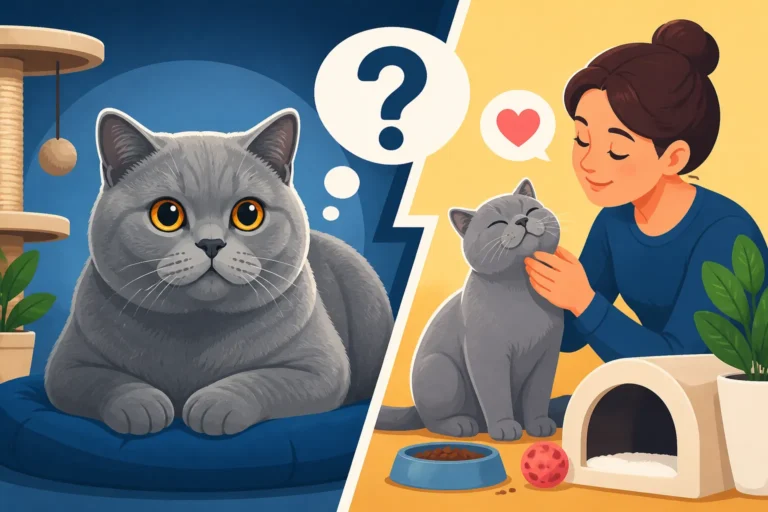
However, "independent" doesn't mean "unfeeling." While they may not outwardly show distress like some other breeds, they still thrive on routine and comfort. A sudden change in schedule or environment can unsettle them, even if they don't vocalize their concerns. Providing consistency, even when you're not there, goes a long way in reinforcing their sense of security.
How Much Activity a British Shorthair Actually Needs
One of the defining characteristics of the British Shorthair is their relatively low energy level. They are not known for scaling curtains or racing through the house like a feline tornado. Instead, their play tends to be more sedate and short-lived. A quick burst of chasing a feather wand, followed by a long stretch and a nap, is a typical play session for many of these cats. This is particularly true once they mature; a British Shorthair kitten might be a bit more boisterous, but by the time they reach adulthood, their calm nature truly shines. You might find it helpful to explore How Active a British Shorthair Is.
This lower activity requirement means that they don't necessarily need constant human interaction to burn off energy. A few dedicated play sessions before you leave for work and again when you return are often sufficient to keep them physically and mentally stimulated. Over-exercising a British Shorthair is rarely the concern; rather, the challenge is often Getting a Low Energy British Shorthair to Move enough to maintain a healthy weight. Their preference for lounging means they often spend the bulk of a working day simply relaxing, perhaps moving from a sunbeam to a favorite soft bed.
While physical activity might be limited, mental stimulation is still important. A bored British Shorthair, even a calm one, can become lethargic or even slightly withdrawn. Providing opportunities for them to observe their surroundings, engage their hunting instincts (even if it's just for treats), and explore new scents can make a significant difference in their overall well-being during your absence.
Setting Up a Supportive Environment for Your Absence
Leaving your British Shorthair alone for a full working day isn't about simply closing the door and hoping for the best. It's about consciously crafting an environment that caters to their needs, keeps them safe, and provides enrichment.
Maximizing Enrichment and Mental Stimulation
One of the best ways to help your British Shorthair cope with your absence is to provide a variety of engaging activities. Think about what your cat enjoys most and how you can replicate that safely while you're gone.
- Puzzle Feeders: These are fantastic for slowing down mealtime and engaging your cat's brain. Instead of just putting down a bowl of kibble, try a puzzle feeder that requires them to "work" for their food. There are many options available on Amazon, from simple treat balls to more complex feeders. This taps into their natural foraging instincts and can keep them occupied for a good chunk of time. You can learn more about Whether a Puzzle Feeder Motivates a British Shorthair.
- Interactive Toys: While battery-operated toys can be great, ensure they are safe and durable. Some toys turn on periodically, offering short bursts of play throughout the day. Others are simple, like crinkle balls or soft mice, that they can bat around at their leisure. Rotate toys daily or weekly to keep things fresh and interesting.
- Window Perches: British Shorthairs love to observe the world. A sturdy window perch, especially one overlooking a bird feeder or a bustling street, can provide hours of entertainment. Make sure it's secure enough to hold their substantial weight. You can often find well-reviewed options on Amazon designed for larger cats. This offers passive mental stimulation, allowing them to track movement and scents without expending much energy.
- Cat Trees and Scratching Posts: Even if your British Shorthair isn't a huge climber, a stable cat tree with multiple levels provides vantage points and scratching opportunities. Choose one with wide, sturdy platforms suitable for their robust build. Horizontal scratching pads are also a good idea. Consider Which Cat Tree a British Shorthair Uses for specific recommendations. These structures offer a sense of territory and security.
It's also worth thinking about how different types of enrichment cater to different aspects of their behavior. A puzzle feeder satisfies hunger and problem-solving, a window perch satisfies curiosity and observation, and a sturdy scratching post allows for natural claw maintenance and stretching.
Ensuring Comfort and Security
Beyond entertainment, your British Shorthair needs a comfortable and secure environment to truly relax during your absence.
- Designated Resting Spots: British Shorthairs are champions of napping. Ensure they have several comfortable, quiet spots throughout the house. This could be a soft bed, a cozy blanket on a sofa, or a hidden igloo bed. Having choices allows them to move with the sun or find a cooler spot as needed. Their quiet nature means they appreciate a peaceful environment without excessive noise or sudden disturbances.
- Food and Water Access: Always provide fresh water, ideally in multiple locations. A water fountain can encourage hydration, which is vital for urinary health, especially in male cats. For food, if you're not using a puzzle feeder, consider an automatic feeder. This ensures they receive their meals at consistent times, which can be particularly comforting for a creature of routine. Many reliable automatic feeders are available on Amazon, often with programmable timers. This consistency can also help manage their appetite and prevent overeating, a common concern for this breed.
- Litter Box Cleanliness: A clean litter box is non-negotiable for any cat, but especially for the fastidious British Shorthair. Scoop the box before you leave for work and again as soon as you get home. An unkempt litter box can lead to inappropriate elimination, which is stressful for both cat and owner. Ensure the box is large enough for them to comfortably turn around in; a small box can feel cramped to a mature British Shorthair.
These elements of comfort and security aren't just about luxury; they contribute directly to your cat's sense of safety and well-being. A cat that feels safe and has its basic needs met is much more likely to cope well with solitude.
Recognizing Signs of Distress and Maintaining Well-being
Even with the best intentions and a perfectly set-up home, it's crucial to be attuned to your British Shorthair's behavior. While they are resilient, prolonged loneliness or boredom can manifest in subtle ways.
Spotting Subtle Cues of Loneliness or Boredom
British Shorthairs aren't always dramatic in their expressions, so you'll need to pay close attention to their habits and demeanor to determine if they're genuinely coping well or if they're starting to feel the strain of your absence.
- Changes in Appetite: Is your cat eating less, or perhaps eating ravenously the moment you walk through the door, suggesting they might be holding off on eating when alone? Or are they eating more out of boredom? Keep an eye on their food consumption.
- Excessive Grooming or Lack Thereof: Stress can sometimes lead to overgrooming (pulling out fur, creating bald spots) or, conversely, a reduction in grooming, leaving their usually pristine coat looking a bit unkempt.
- Inappropriate Elimination: While rare for a clean British Shorthair, urinating or defecating outside the litter box can be a sign of stress, anxiety, or a protest against perceived neglect. Rule out medical issues first with a vet.
- Increased Clinginess or Withdrawal Upon Your Return: Some cats might become overly clingy and demanding when you get home, as if trying to make up for lost time. Others might become more withdrawn, spending less time interacting with you than usual. Neither extreme is ideal. You can learn more about Signs a British Shorthair Is Lonely.
- Changes in Play Behavior: If your cat, who once enjoyed a short play session, now shows no interest in toys or interaction, it could be a sign of boredom or low mood. While they aren't the most active players, a complete disinterest is unusual.
It's important to differentiate between a truly content, calm British Shorthair and one that is simply quietly tolerating your absence. A happy British Shorthair will still greet you with affection, maintain good grooming habits, and show interest in their surroundings and occasional play.
Practical Strategies for a Smooth Routine
Making your British Shorthair's day as smooth and predictable as possible is key. Consistency is their friend, and you are the architect of that consistency.
- Establish a Consistent Morning Routine: Before you leave for work, dedicate 15-20 minutes to your cat. This could involve a stimulating play session, a good cuddle, and then feeding them. This ritual gives them positive attention and signals the start of their solo time in a reassuring way. A tired and fed cat is more likely to settle down for a nap.
- Consider a Mid-Day Check-in: If possible, a brief pop-in during your lunch break can be a game-changer for some cats. Even just 10-15 minutes of attention, a fresh bowl of water, and a quick scoop of the litter box can break up their day. If a physical visit isn't feasible, a pet sitter or a trusted friend could stop by. Even video calls from motion-activated cameras can give you peace of mind, allowing you to observe their activities.
- Make Arrivals Calm and Reassuring: When you get home, avoid overwhelming your cat with excessive excitement. Offer a calm greeting, perhaps a gentle head scratch, and let them come to you. Then, dedicate another good play session to help them burn off any pent-up energy or just enjoy your company. A predictable evening routine, including another meal, can reinforce their sense of security.
- Weekend Reinforcement: While your cat might be okay during the week, ensure your weekends are filled with quality time. Explore What a British Shorthair Does All Day on a weekend. This doesn't mean constant stimulation, but rather shared space, petting, and gentle play. This balances their independent nature with their need for companionship, strengthening your bond and reassuring them that your absences are temporary.
Ultimately, your British Shorthair can absolutely cope with a full working day, largely thanks to their naturally calm and independent disposition. By understanding their needs and thoughtfully setting up their environment with enrichment, comfort, and a consistent routine, you can ensure they remain happy and healthy while you're away. It’s about creating a safe, stimulating sanctuary where they feel secure and cherished, even when you're not physically present. This is part of How Well a British Shorthair Suits an Office Worker.
| Aspect of Care | During Working Day | Benefit for British Shorthair |
|---|---|---|
| Feeding | Portion-controlled meals (manual or automatic feeder), puzzle feeders | Prevents overeating, provides mental stimulation, maintains routine |
| Hydration | Multiple water bowls, water fountain | Encourages drinking, supports urinary health |
| Litter Box | Scooped before work, large, easily accessible | Prevents inappropriate elimination, reduces stress |
| Comfort Spots | Multiple soft beds, blankets, high perches (e.g., A British Shorthair Sits Near You, Not On You) | Offers choices for napping, enhances sense of security |
| Mental Enrichment | Window perches, puzzle toys, rotating toy selection (e.g., from Amazon) | Combats boredom, engages natural instincts, provides visual interest |
| Physical Activity | Dedicated play sessions before and after work | Ensures adequate exercise, strengthens bond |
| Social Interaction | Calm greetings, consistent routines, mid-day check-in (if possible) | Reduces feelings of loneliness, reinforces security and trust |
Disclaimer
This article is for general informational purposes only and does not constitute professional advice. Laws, prices and regulations vary by location and change over time. Consult a qualified professional for guidance on your specific situation.