When a British Shorthair Finally Grows Up
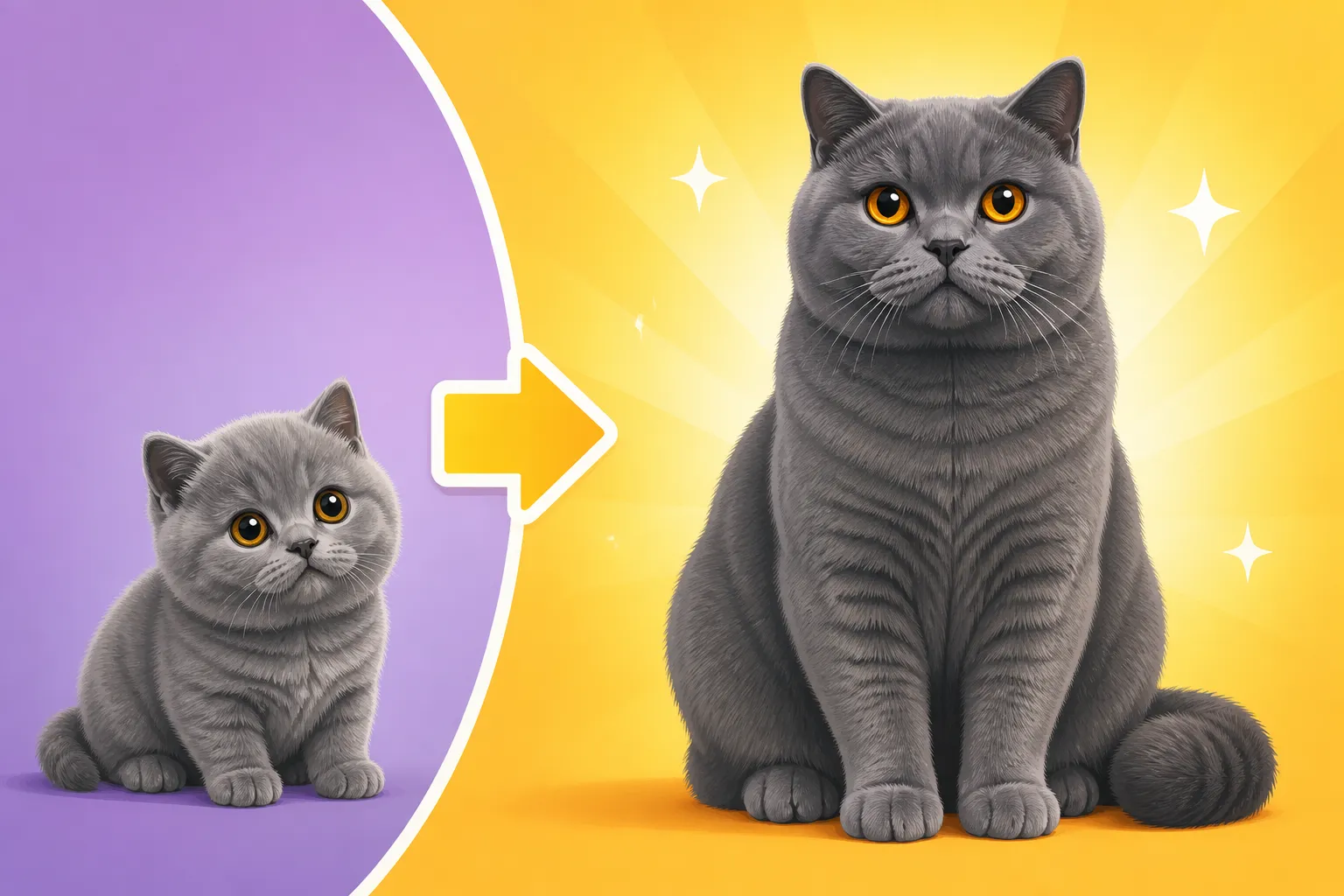
It’s a common misconception that British Shorthair kittens are quick to mature, just like some other cat breeds. Owners often find themselves scratching their heads, wondering when their delightful, but sometimes chaotic, kitten will finally settle into that calm, dignified adult persona. The truth is, the British Shorthair is a breed known for its slow maturation, taking much longer than you might expect to truly “grow up” both physically and mentally. This guide will walk you through the various stages of a British Shorthair's development, shedding light on when you can expect to see that famous teddy bear look and the serene temperament fully blossom.
The British Shorthair Kitten: A Long Adolescence
When you first bring home a British Shorthair kitten, you might be surprised by their bursts of energy and playful antics. They’re certainly not the static, reserved adults you see pictured! This early phase is a crucial time for their development, but it's important to remember that their journey to full maturity is a marathon, not a sprint.
More Than Just Playful Pounces
During their initial kittenhood, British Shorthairs are full of beans, exploring their new world with wide-eyed curiosity. They'll chase toys, pounce on shadows, and engage in all the typical kitten mischief. This period of high energy is essential for developing their motor skills and understanding their environment. You’ll see them social learning, watching you, and beginning to understand household routines. It’s a joy to watch, but if you’re expecting a quiet lap cat right away, you might need to adjust your expectations. This active phase often lasts well into their first year, sometimes even longer than with more precocious breeds, making their adolescence feel extended.
They are learning how to be a cat in your home, testing boundaries, and figuring out what’s safe and what’s fun. Don't be surprised if your little fluffball is tearing through the house one minute and snoozing peacefully in a sunbeam the next. This dichotomy is perfectly normal for a growing British Shorthair. It’s their way of burning off energy and then recharging for the next adventure, even if that adventure is just watching a bird from the window.
Physical Development and the "Leggy" Phase
Physically, British Shorthair kittens experience rapid growth in their first few months. They can often appear quite "leggy" or lanky during this stage, looking a bit disproportionate compared to the compact, cobby adults you envision. Their body grows in length before it starts to fill out in breadth, creating an almost awkward teenage appearance. This is a normal part of their development, as their skeletal structure matures before the characteristic British Shorthair muscle and bone density fully develop.
Their coat, while soft and plush, also hasn't quite achieved the dense, crisp texture that is a hallmark of the adult breed. It's often thinner and less resistant than what it will eventually become. As they shed their kitten fluff, you’ll start to see the adult coat pushing through, gradually thickening and developing its characteristic "stand-off" quality. Patience is key here; that teddy bear look takes time to form.
The Teenage Years: Around One to Two Years Old
As your British Shorthair moves past its first birthday, you’ll begin to notice a significant shift. The frantic kitten energy starts to wane, replaced by a more considered and deliberate approach to life. This is their true adolescence, where they start to really embody the personality traits the breed is famous for.
Settling Into Their Personality
Around one to two years old, your British Shorthair will begin to settle into its core personality. The wild bursts of energy become less frequent, giving way to a calmer, more observant demeanor. They might still enjoy a good play session, but it will likely be on their terms, perhaps a focused chase after a favorite wand toy rather than an endless circuit of the house. You'll notice they spend more time watching, surveying their domain, and choosing their moments of interaction more carefully.
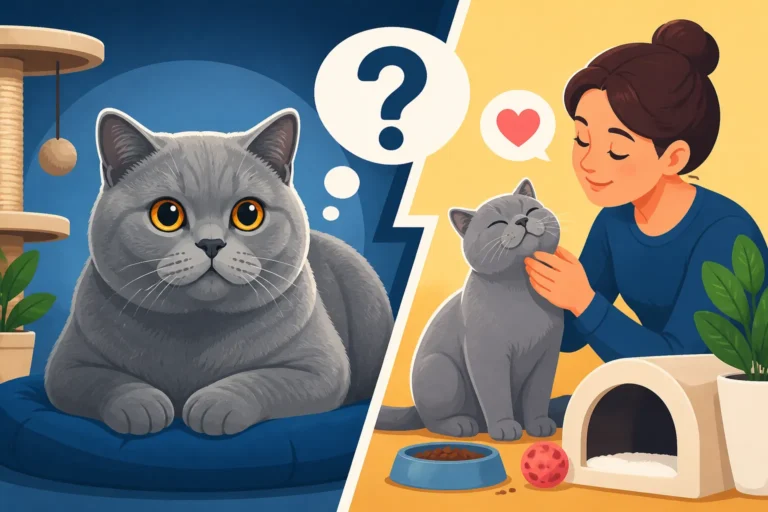
This is when the British Shorthair's true "British" temperament starts to shine through. They become more composed, less boisterous, and you'll appreciate their quiet companionship. They enjoy being near you, perhaps on the sofa beside you, rather than constantly demanding attention. How Affectionate a British Shorthair Is is often subtly shown, through gentle headbutts or simply choosing to occupy the same room.
The Growth Spurt Continues, Slowly
While the rapid growth of kittenhood slows down, your British Shorthair is far from finished physically. From one to two years, they continue to fill out, gaining muscle and bone density. This is when they start to develop that signature cobby, rounded appearance. Their chests broaden, their bodies become more substantial, and the classic "teddy bear" look really starts to emerge. Males, in particular, will begin to develop their impressive jowls, giving them that wonderfully dignified, mature facial structure. These jowls are a secondary sexual characteristic, a sign of their full maturity, and they contribute significantly to the breed's iconic look. You can read more about What a Male British Shorthair's Jowls Are to understand this fascinating aspect of their development.
The dense, plush coat also continues to thicken during this period. It gains its famous crisp texture and impressive density, offering a wonderfully tactile experience. This coat isn't just for show; it's a testament to their heritage and one of the defining physical features that indicate a maturing British Shorthair.
Maturing Socially and Emotionally
Emotionally and socially, the one-to-two-year mark sees your British Shorthair becoming more confident and secure in their environment. They form stronger bonds with their family members, often choosing a favorite person to follow around the house. Their reserved nature becomes more apparent; they aren't typically "in your face" cats, but they are deeply affectionate in their own quiet way. They might still have moments of playful silliness, but these are often punctuated by long periods of serene napping or watchful contemplation.
They learn to trust and feel secure, which translates into a relaxed and contented household companion. Guests might find them initially reserved, but once they feel comfortable, they often observe visitors from a distance with quiet interest. They truly become a part of the family fabric, a comforting and steady presence that brings joy without constant demands.
Full Adulthood: Two to Four Years and Beyond
This is where the British Shorthair truly shines. Unlike many breeds that hit their stride at a year old, British Shorthairs take their sweet time. It’s often between two and four years, and sometimes even a bit longer, that they finally reach their peak physical and behavioral maturity.
Reaching Peak Physicality
By two to four years of age, your British Shorthair should have fully achieved its impressive cobby build. This means a broad chest, short, strong legs, and a dense, muscular body. They will have reached their full adult weight, which for males can be quite substantial, often making them feel like a little lion when you pick them up. What a British Shorthair Weighs and How Big It Gets can be quite surprising if you’re used to smaller breeds. Their head will be perfectly round, supported by a thick, short neck, and their magnificent copper eyes (for blue varieties) will have deepened in intensity.
The coat will be at its thickest and most luxurious, standing away from the body with that unique crisp feel. This full physical development is what makes the British Shorthair such a striking and recognizable breed, truly earning its "teddy bear" moniker. It’s a wonderful transformation from the lanky kitten days, showing off the careful breeding and slow maturation process. You'll notice their tail, too, has become thick at the base and tapers to a rounded tip, perfectly proportioned to their substantial body.
The Zen Master of the House
Behaviorally, a British Shorthair at this age becomes the ultimate Zen master of the house. Gone are the unpredictable zoomies and sudden pounces of youth. Instead, you'll find a calm, placid cat who prefers observation over participation. They love a comfortable bed, a sunny window perch, or a spot on the sofa where they can quietly supervise household activities. They are typically very content with their own company, making them an excellent choice for individuals who work from home or those who appreciate a less demanding feline companion.
This doesn't mean they are unresponsive or aloof; quite the opposite. They are simply serene. They enjoy being in the same room as you, perhaps dozing nearby, offering a comforting, grounding presence. Many owners describe them as The Quietest Cat in the House, with soft chirps or trills only when they really want to communicate. Their routine becomes quite established, and they thrive on consistency.
Establishing Routine and Preferences
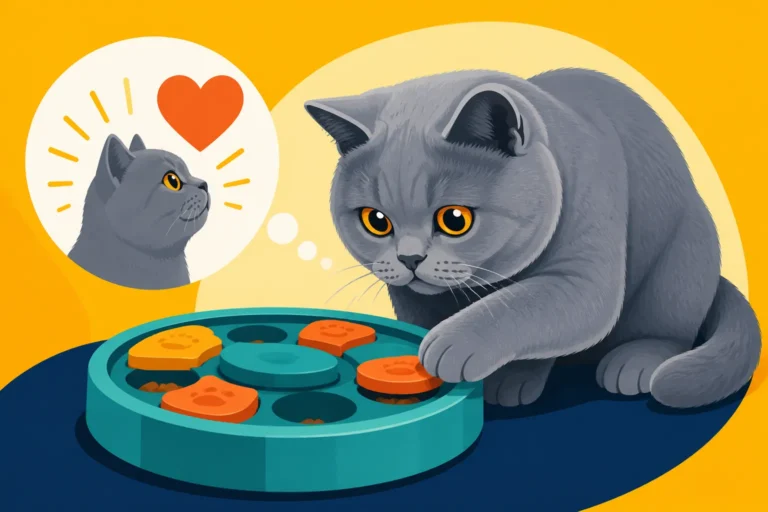
As a fully mature British Shorthair, your cat will have very clear preferences and routines. They’ll have their favorite nap spots, their preferred times for meals, and specific ways they like to interact. They are creatures of habit, and any disruption to their established routine might be met with mild disapproval, though usually expressed in a quiet, dignified manner. Their play sessions, while still enjoyable, will be shorter and more focused, often centered around toys they can bat at or puzzle feeders that engage their minds.
Their presence in the home is less about boisterous activity and more about a comforting, stable energy. They truly know What a British Shorthair Does All Day: sleeping, observing, eating, and enjoying quiet affection. You'll find them curled up in the same spot day after day, a testament to their love of predictability. They might even develop a little ritual for greeting you when you come home, perhaps a gentle rub against your legs before returning to their chosen napping spot.
The Role of Neutering and Environment in Maturation
While genetics play a huge role in a British Shorthair's slow maturation, external factors like neutering and their living environment also significantly influence when and how they "grow up." These elements can shape their temperament and physical development.
Hormonal Changes and Behavioral Shifts
Neutering or spaying your British Shorthair, typically done between six months and one year of age, can have a profound impact on their development and behavior. From a behavioral standpoint, removing the hormonal drives associated with reproduction often leads to a calmer, more settled cat. Males, in particular, may become less prone to spraying, roaming, and aggressive behaviors. They may retain more of their kitten-like playfulness without the intense drive to assert dominance. This contributes to their overall "settling down" process, making them more amenable house pets. You might even wonder Whether a British Shorthair Calms After Neutering, and for most, the answer is a resounding yes.
Physically, neutering can also influence how a male British Shorthair develops its jowls and overall cobby physique. While intact males often develop more pronounced jowls due to testosterone, neutered males can still develop impressive jowls, though perhaps at a slightly slower pace or with a slightly softer look than their intact counterparts. For both sexes, neutering can also reduce the drive for excessive exercise, making them more prone to weight gain if diet isn't carefully managed.
Creating an Enriching Adult Environment
Even though British Shorthairs are famously calm and don't demand constant attention, a stimulating environment is crucial for their mental and physical well-being as they mature. Providing appropriate enrichment helps prevent boredom and keeps their minds sharp. This doesn't mean an obstacle course; rather, it means offering vertical spaces like sturdy cat trees – ensuring they are robust enough for a large, heavy cat – and a variety of interactive toys they can engage with at their leisure. Puzzle feeders, for example, can provide mental stimulation while also helping manage their food intake. Many excellent options for these items can be found on Amazon, allowing you to tailor your enrichment to your specific cat's preferences.
Scratching posts are also vital, both for maintaining their claws and for providing an acceptable outlet for natural behaviors. Investing in a tall, sturdy scratching post that they can really stretch out on will be much appreciated. Which Scratching Post a British Shorthair Uses often comes down to personal preference, but generally, sisal-covered posts are a big hit. Even as they mature, these small considerations go a long way in ensuring a happy, well-adjusted adult cat.
The Influence of Companionship
The presence or absence of other pets can also influence how a British Shorthair matures and expresses its adult personality. While British Shorthairs are often described as independent and perfectly content as only cats, many thrive with the companionship of another calm, well-matched feline. If they grow up with a gentle playmate, their social skills might be more refined, and they might retain a playful spark for longer. Conversely, if they are the sole pet, they might lean more into their independent nature, forming a very strong, singular bond with their human family.
Introducing a second cat needs careful consideration, especially if your British Shorthair is already an adult. Whether a British Shorthair Accepts a Second Cat can depend heavily on their individual personality and how the introduction is handled. Generally, a British Shorthair will prefer a calm, non-confrontational companion who respects their space and quiet nature. The maturity of both cats plays a role here; two calm adults are often easier to integrate than a mature British Shorthair with a boisterous kitten.
Recognizing the Signs of a Fully Grown British Shorthair
So, how do you know your British Shorthair has finally reached that coveted state of full adulthood? It’s a combination of physical attributes and behavioral patterns that solidify over time. There isn't an exact date on the calendar, but rather a gradual evolution.
The Tell-Tale Physical Indicators
By the time a British Shorthair is fully mature, typically between three and five years old, their physical appearance will be unmistakable. They will exhibit the full "cobby" body type: a heavy, muscular build with short, strong legs and a thick tail. Their head will be perfectly round, with full cheeks and, for males, prominent jowls that frame a sweet, often slightly grumpy-looking face. This roundness is a key characteristic, contributing to their teddy bear appeal. The Round Head and Copper Eye a British Shorthair Is Judged On are often cited as prime examples of their breed standard traits.
Their coat will be at its peak density, plush and firm to the touch, standing away from their body. The eye color will also be fully developed and rich, whether it's the deep copper of a blue British Shorthair or the vibrant green of a silver tabby. They will have achieved their full adult weight and size, feeling substantial when held, with no hint of the lanky kitten left.
Behavioral Maturity: Calm, Confident, and Observant
Behaviorally, a fully mature British Shorthair is a picture of serene confidence. They are no longer prone to sudden bursts of energy or unpredictable mischief. Instead, they move with a deliberate, unhurried grace. They are supremely observant, often preferring to watch the world go by from a comfortable vantage point rather than actively participating in every activity. This quiet contemplation is a hallmark of the adult British Shorthair.
They will be utterly settled in their routine and environment, displaying a calm self-possession. While they may not be lap cats in the traditional sense, they show affection in subtle ways – a slow blink, a quiet presence in the same room, a gentle nudge for attention. How a British Shorthair Shows Affection is often through proximity and calm acceptance, rather than overt displays. They are excellent communicators through body language, and a soft gaze or a relaxed posture tells you they are content.
Beyond the Calendar: It's an Individual Journey
It’s crucial to remember that while these timelines provide a general guide, every British Shorthair is an individual. Some may develop their full physical presence and calm demeanor a little earlier, perhaps closer to two years of age. Others, particularly larger males, might take closer to four or five years to fully "fill out" and reach their ultimate majestic state. There’s no exact calendar date when they suddenly become an adult. It's a gradual, nuanced process that unfolds differently for each cat.
The most important thing is to provide consistent care, a loving environment, and appropriate nutrition throughout their development. Watching them grow and mature, observing their personality unfold, is one of the true joys of sharing your life with a British Shorthair. Their slow journey to adulthood means you get to enjoy their kitten and adolescent phases for longer, culminating in a magnificent, dignified companion.
| Stage of Development | Approximate Age Range | Key Physical Traits | Key Behavioral Traits |
|---|---|---|---|
| Kittenhood | 0-12 months | Rapid growth, often leggy, kitten coat | High energy, curious, playful, learning social cues |
| Adolescence | 1-2 years | Continued filling out, jowls forming (males), coat thickening | Calmer, personality settling, more deliberate play, subtle affection |
| Early Adulthood | 2-3 years | Approaching full size/weight, cobby build, dense coat, round head | Generally calm, established routine, observant, confident |
| Full Maturity | 3-5 years | Peak physical condition, pronounced jowls, thickest coat, adult weight | Zen-like calm, dignified, deeply affectionate but reserved, routine-oriented |
Disclaimer
This article is for general informational purposes only and does not constitute professional advice. Laws, prices and regulations vary by location and change over time. Consult a qualified professional for guidance on your specific situation.