Whether a British Shorthair Accepts a Second Cat
Bringing a second feline friend into your home when you already have a beloved British Shorthair can feel like walking a tightrope. You adore your current chunky companion, but the thought of another fluffy face brightening your days is tempting – yet, you worry if your calm, sometimes aloof, British Shorthair will actually accept a newcomer. This guide is here to walk you through understanding your British Shorthair's unique personality and offer realistic, actionable steps to maximize the chances of a peaceful, harmonious multi-cat household.
Understanding the British Shorthair's Unique Temperament
Before you even think about bringing another cat home, it's absolutely crucial to understand the inherent nature of your British Shorthair. These cats are distinct from many other breeds, and what works for a Siamese or a Bengal might be a recipe for disaster with a British Shorthair. They are known for their placid, easygoing demeanor, but that doesn't necessarily mean they're inherently social butterflies with other felines.
The British Shorthair's Calm Demeanor
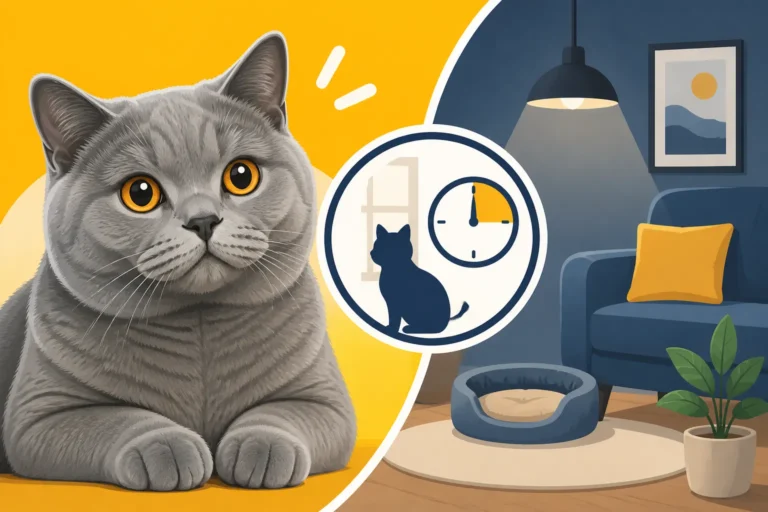
Your British Shorthair likely spends a good portion of its day napping, observing, and generally being a serene presence in your home. They are not typically high-energy cats that constantly demand attention or seek out boisterous play. In fact, many British Shorthairs are content to be near you rather than on you, preferring a quiet spot on the sofa or a sunny windowsill. This calm nature is one of their most endearing qualities, but it also means they can be easily stressed or overwhelmed by sudden changes or overly energetic companions. If you've been wondering What a British Shorthair Does All Day, you'll know it's often a lot of quiet contemplation.
They appreciate routine and predictability. A sudden new resident, especially one that is loud, playful, or demanding, can disrupt their carefully cultivated sense of peace. Imagine if your quiet neighbor suddenly moved in with a marching band; that's how a British Shorthair might feel with an overly boisterous new cat. Their stoic expression can often mask their true feelings, making it difficult to gauge their stress levels until problems become obvious. They might simply retreat and hide, which can be devastating for a new cat trying to make friends, and for you, hoping for a happy outcome.
Independent but Also Bonded
While British Shorthairs aren't typically "lap cats" in the traditional sense, they form deep, quiet bonds with their humans. They enjoy being in the same room, following you from a distance, and offering a head bump or a slow blink. This independent streak often leads people to believe they don't need much companionship, and for many British Shorthairs, this is true. They are often described as being Genuinely Fine on Its Own. However, an only cat can still experience loneliness or a lack of mental stimulation, even if they don't overtly show it like more demonstrative breeds.
The key here is that their bond is often with you, not necessarily with other cats. If your British Shorthair seems to crave more interaction or exhibits subtle signs of boredom, a companion might be beneficial. But it has to be the right companion. Introducing another cat isn't about replacing your attention; it's about enriching their environment with appropriate feline companionship. A poor match can lead to stress, territorial disputes, and even health issues for both cats.
Signs Your British Shorthair Might Be Ready for a Friend
It’s easy to project our desires onto our pets, but taking an honest look at your British Shorthair’s current behavior is crucial before considering a second cat. Not every British Shorthair is cut out for a multi-cat household, and forcing the issue can lead to prolonged stress for all involved.
Observing Current Social Cues
Think about how your British Shorthair interacts with you and any visitors. Do they retreat the moment a stranger walks in, or are they cautiously curious? If your British Shorthair is particularly shy or prone to hiding when people visit, they might struggle immensely with a permanent new feline resident. If you often wonder How a British Shorthair Greets Strangers, and the answer is usually by vanishing under the bed, that's a red flag.
Pay attention to their current play habits. Does your British Shorthair ever get the "zoomies"? Do they enjoy chasing toys, or do they prefer sedate, short play sessions? If your cat barely plays and seems to prefer quiet contemplation, a highly energetic kitten might be too much. On the other hand, if your British Shorthair shows interest in reflections, tries to "hunt" your feet under a blanket, or stares longingly out the window at birds, they might have a hidden desire for more stimulation. These subtle cues are vital.
| Behavior Trait | Potential for Second Cat | Rationale |
|---|---|---|
| Friendly to visitors | Higher | Indicates a more adaptable and less territorial nature. |
| Curious about new things | Higher | Suggests openness to change and new experiences. |
| Plays regularly | Higher | Shows capacity for interactive behavior and enjoyment of companionship. |
| Enjoys gentle grooming | Higher | Comfortable with physical contact, which might translate to other cats. |
| Independent/Aloof | Moderate | May tolerate another cat but not seek close interaction; careful pairing needed. |
| Hides from visitors | Lower | Prone to anxiety and stress from new presences; new cat could be very disruptive. |
| Aggressive/Territorial | Very Low | High risk of conflict, stress, and potential injury to both cats. |
| Extremely shy/Timid | Very Low | Likely to be overwhelmed and withdraw completely, leading to an unhappy situation for both. |
Addressing Potential Loneliness or Boredom
Sometimes, a British Shorthair who seems perfectly content might actually benefit from a companion, especially if they are left alone for long periods. If you work long hours and your British Shorthair is home alone all day, they might actually be experiencing a quiet form of loneliness or boredom, even if they don't show destructive behaviors. For some, the quiet temperament can actually be a sign they would benefit from another presence. Consider if How Many Hours a British Shorthair Can Be Left is a concern for you, and if a companion could alleviate potential solitude.
Signs of this subtle boredom or loneliness might include excessive sleeping, lack of interest in toys, or a tendency to follow you around more intently when you are home, as if trying to soak up all available attention. While they are known for their independence, persistent solitude can still impact their well-being. A carefully chosen companion can provide gentle interaction, shared sunbeams, and a sense of "pack" that enhances their quality of life, without demanding constant human interaction.
Choosing the Right Companion for Your British Shorthair
This is arguably the most critical step. You wouldn't throw just any two people together and expect them to be best friends, and the same goes for cats. The success of your multi-cat household hinges on making a thoughtful, informed choice about the new addition.
Matching Energy Levels and Personalities
The golden rule for a British Shorthair companion is to choose a cat with a similar, or slightly lower, energy level. A boisterous, playful kitten or a highly demanding, dominant cat is almost guaranteed to create conflict. Think about a quiet, introverted person being constantly pursued by an extrovert who just wants to play – it’s exhausting and stressful. Your British Shorthair needs a companion who respects their personal space and quiet nature. Which Second Cat Suits a British Shorthair is often one that mirrors their calm, easygoing attitude.
Look for a cat that is described as calm, gentle, and perhaps a little independent itself. An older, sedate cat who enjoys napping in sunbeams or a shy, sweet cat who prefers quiet companionship over wrestling matches would likely be a much better fit than a super-social, high-energy Siamese or a perpetually playful Maine Coon kitten. Breeds known for their placid temperaments, or even a quiet rescue cat of unknown lineage, could be excellent candidates.
Considering Age, Sex, and Size
Age plays a significant role. A tiny kitten, while adorable, can be a non-stop bundle of energy that overwhelms an adult British Shorthair. While some British Shorthairs can tolerate a kitten's antics, many will simply retreat, leading to the kitten pestering them and escalating tension. A better age match might be a cat that is already a few years old, past the most boisterous kitten phase, and has a more established, calm personality.
The sex of the companion can also be a factor, though it's less critical than temperament. Generally, two spayed females or a spayed female and a neutered male tend to get along well. Two neutered males can also be fine, especially if they are introduced properly and have plenty of resources. What's more important than sex is whether the cat is already spayed or neutered, as this dramatically reduces territorial behaviors and marking. Size-wise, choose a cat that is roughly similar in stature. A much smaller cat might feel intimidated, while a significantly larger, more dominant cat could easily overpower your British Shorthair, leading to stress.
The Art of Introduction: Slow and Steady Wins the Race
This is where many people go wrong, rushing the process and setting both cats up for failure. Introducing cats, especially to a British Shorthair who values routine and personal space, requires patience, careful observation, and a methodical approach. Skipping steps will almost always lead to setbacks.
Scent Swapping and Controlled Spaces
The very first step, even before your new cat sets a paw in your main living space, is scent swapping. Scent is incredibly important to cats; it’s how they identify friends, foes, and territory. You want both cats to associate the other's scent with positive experiences before they even see each other. Start by giving each cat a blanket, a toy, or a small towel to sleep on for a day or two. Then, swap them. Place your British Shorthair's scented item in the new cat's room, and vice versa. Observe their reactions. Are they curious, agitated, or indifferent? Reward calm behavior with treats.
Next, set up a "safe room" for the new cat – a spare bedroom or bathroom, for example. This room should have everything they need: food, water, a litter box, a scratching post, and a cozy bed. This is their sanctuary, where they can decompress and feel secure without being threatened by your resident British Shorthair. Allow them to settle in for a few days, getting used to the sounds and smells of your home. During this time, continue scent swapping by rubbing a clean cloth on one cat and then presenting it to the other. You can even feed them on opposite sides of the closed door to create a positive association (food!) with the other cat's presence. Many cat owners find effective calming diffusers, like Feliway, helpful during this initial stage, and you can often find these, along with scent-absorbing toys on Amazon.
Gradual Visual Introduction
Once both cats seem comfortable with each other's scent, it's time for the first visual introduction, but with a barrier. A baby gate or screen door works perfectly for this. Place the barrier in the doorway of the new cat's room. Allow them to see each other through the barrier for short, supervised periods, ideally during meal times. Feed them on opposite sides of the gate, gradually moving their bowls closer as they become more relaxed. Keep these sessions brief and positive. If either cat shows signs of aggression (hissing, growling, flattening ears, puffed tails), separate them immediately and go back a step. Never force an interaction.
Over several days or even weeks, gradually increase the duration of these visual encounters. Allow them to explore each other's spaces (while keeping the other cat confined) to further mix scents and give them more information about each other. It's like letting them read each other's journals before they have a face-to-face conversation. Remember, British Shorthairs appreciate a slow pace and dislike sudden changes. Rushing this stage is often the biggest mistake. If you've ever dealt with a British Shorthair who struggles with new experiences, you'll know Why a British Shorthair Hates Change and how important patience is.
Supervised Interactions and Full Integration
Once they are calmly eating and relaxing in sight of each other through the barrier, you can begin short, supervised, barrier-free interactions. Choose a neutral territory in your home, not a place either cat considers their primary domain. Keep these initial sessions very short, perhaps just 5-10 minutes. Distract them with treats or gentle play with separate toys. If any signs of tension appear, calmly separate them and end the session. Never leave them unsupervised until you are absolutely certain they are getting along.
The goal isn't necessarily for them to become best friends who cuddle constantly. For many British Shorthairs, successful integration means they tolerate each other's presence, coexist peacefully, and perhaps engage in a little mutual grooming or quiet play. Some British Shorthairs will eventually bond quite closely, but for others, a respectful "parallel play" relationship is the best outcome. Ensure there are always enough resources – litter boxes (one per cat plus one extra), food and water bowls, scratching posts, and elevated resting spots – to prevent competition. These resources should be scattered around the house so no cat feels cornered or has to "fight" for access. You can find a wide variety of cat trees and scratching posts suitable for heavier cats on Amazon.
Managing a Multi-Cat Household with British Shorthairs
Bringing a second cat home isn't a "one and done" process; it's an ongoing commitment to ensuring both felines feel secure, loved, and have their individual needs met. Especially with a British Shorthair, maintaining harmony is key.
Ensuring Ample Resources and Private Spaces
In a multi-cat home, resource guarding can quickly lead to stress and conflict. It's critical to provide an abundance of everything, so no cat feels the need to compete. This means:
- Litter Boxes: The general rule is one litter box per cat, plus one extra. So for two cats, you should ideally have three litter boxes. Place them in different, private locations around the house to prevent ambushes.
- Food and Water Bowls: Provide separate food and water stations, ideally in different rooms or at least far enough apart that one cat can eat without feeling threatened by the other. Consider microchip feeders if one cat tends to steal food or if one needs a specific diet.
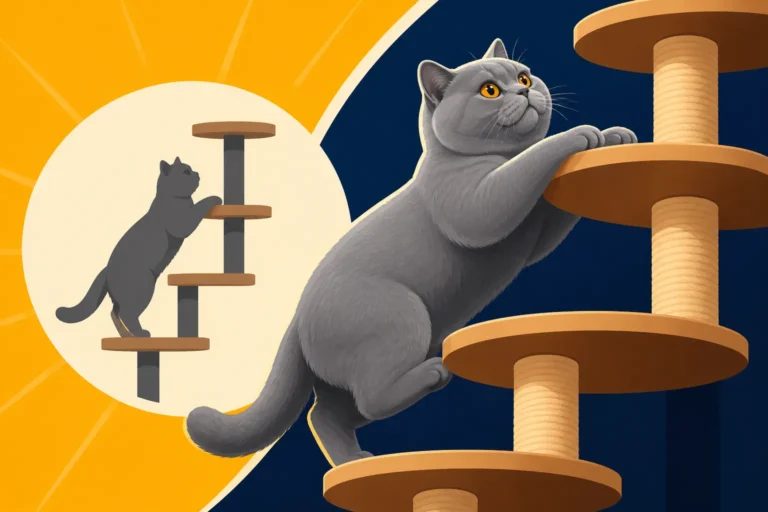
- Scratching Posts and Cat Trees: Offer multiple scratching surfaces (vertical and horizontal) in various materials. British Shorthairs, despite their calm nature, still need to scratch! Provide sturdy cat trees or shelves for climbing and resting, especially if your British Shorthair enjoys high vantage points or wants to escape a more boisterous companion. Which Cat Tree a British Shorthair Uses should be chosen for stability and wide platforms.
- Beds and Hiding Spots: Every cat needs its own safe haven. Provide a variety of beds, cubbies, and hiding spots (cat caves, carriers left open) where each cat can retreat for undisturbed rest.
Regularly evaluate these resources. Are they being used? Is one cat monopolizing a specific area? Adjust as needed to ensure fairness and reduce potential conflict points.
Continued Monitoring and Intervention
Even after cats seem to be getting along, continuous monitoring is essential. Look for subtle signs of stress or discord that your British Shorthair might display, such as changes in appetite, litter box habits, or grooming. If your British Shorthair suddenly stops using a litter box, it could be a sign of stress related to the other cat. Are they eating less, or showing reluctance to enter certain rooms? These are all indicators that something is amiss. Signs a British Shorthair Is Unwell can sometimes be subtle behavioral changes.
It's also important to ensure both cats are receiving adequate individual attention from you. Your British Shorthair may still prefer one-on-one time, even with a companion in the house. Engage them in their preferred type of play (often gentle, shorter sessions) and give them plenty of petting and quiet bonding time without the other cat present. This reinforces your bond and reassures them they haven't been replaced. If you notice signs of tension, such as staring, blocking, or one cat consistently avoiding the other, you may need to re-implement some of the introduction steps, like feeding them separately or having short "time-outs" from each other.
When Things Don't Go to Plan: Troubleshooting Multi-Cat Homes
Despite your best efforts, sometimes cat introductions don't go as smoothly as planned. It's not uncommon, and it doesn't mean you've failed. What matters is recognizing the signs of trouble and knowing when and how to intervene.
Recognizing Persistent Conflict
It's easy to dismiss a hiss or a growl as "just cats being cats," but persistent conflict can have serious consequences for their well-being. If you're seeing regular chasing, fighting, blocking access to resources (food, litter box), constant staring, or one cat perpetually hiding, you have a problem that needs addressing. Your British Shorthair, being naturally quiet, might simply retreat and become withdrawn, making it seem like the problem is solved when in reality, they are deeply stressed. Why a British Shorthair Hides Heart Failure indicates their general tendency to mask issues, and this applies to behavioral stress as well.
Chronic stress can lead to physical ailments, including urinary problems, weakened immune systems, and behavioral issues like inappropriate urination or aggression towards humans. If your cats are truly unhappy together, you'll notice a marked change in their overall demeanor. One cat might start losing weight because it's afraid to eat, or its coat might become unkempt because it's too stressed to groom. Don't ignore these signs; they are cries for help.
Re-Evaluating and Seeking Professional Help
If your introduction has stalled or devolved into persistent conflict, the first step is to completely separate the cats and go back to square one, as if you're introducing them for the very first time. Re-establish safe rooms, re-do scent swapping, and proceed with extreme slowness. This time, you might need to stretch each step out significantly longer.
If repeated attempts at reintroduction fail, or if the conflict is escalating to actual physical altercations, it's time to seek professional help. A certified feline behaviorist can assess your specific situation, observe the cats' interactions, and provide tailored strategies and interventions. They might suggest specific calming aids, environmental modifications, or behavioral modification techniques. In some rare cases, despite everyone's best efforts, two cats simply cannot coexist peacefully in the same household. This is a difficult truth to face, but sometimes, the kindest thing you can do for both animals is to acknowledge the incompatibility and explore rehoming options for one of them, ensuring they both find happiness in separate homes. It's a last resort, but prioritizing their welfare is paramount.
Conclusion: A Peaceful Coexistence is Possible
Bringing a second cat into a British Shorthair home isn't an impossible feat, but it requires careful planning, deep empathy for your resident cat's unique needs, and a generous dose of patience. By choosing the right companion, implementing a slow and controlled introduction, and diligently managing your multi-cat household, you can foster an environment where both your beloved British Shorthair and their new friend can thrive. Remember, the goal is often peaceful coexistence, not necessarily inseparable best friends, and that's a wonderful outcome in itself.
Disclaimer
This article is for general informational purposes only and does not constitute professional advice. Laws, prices and regulations vary by location and change over time. Consult a qualified professional for guidance on your specific situation.