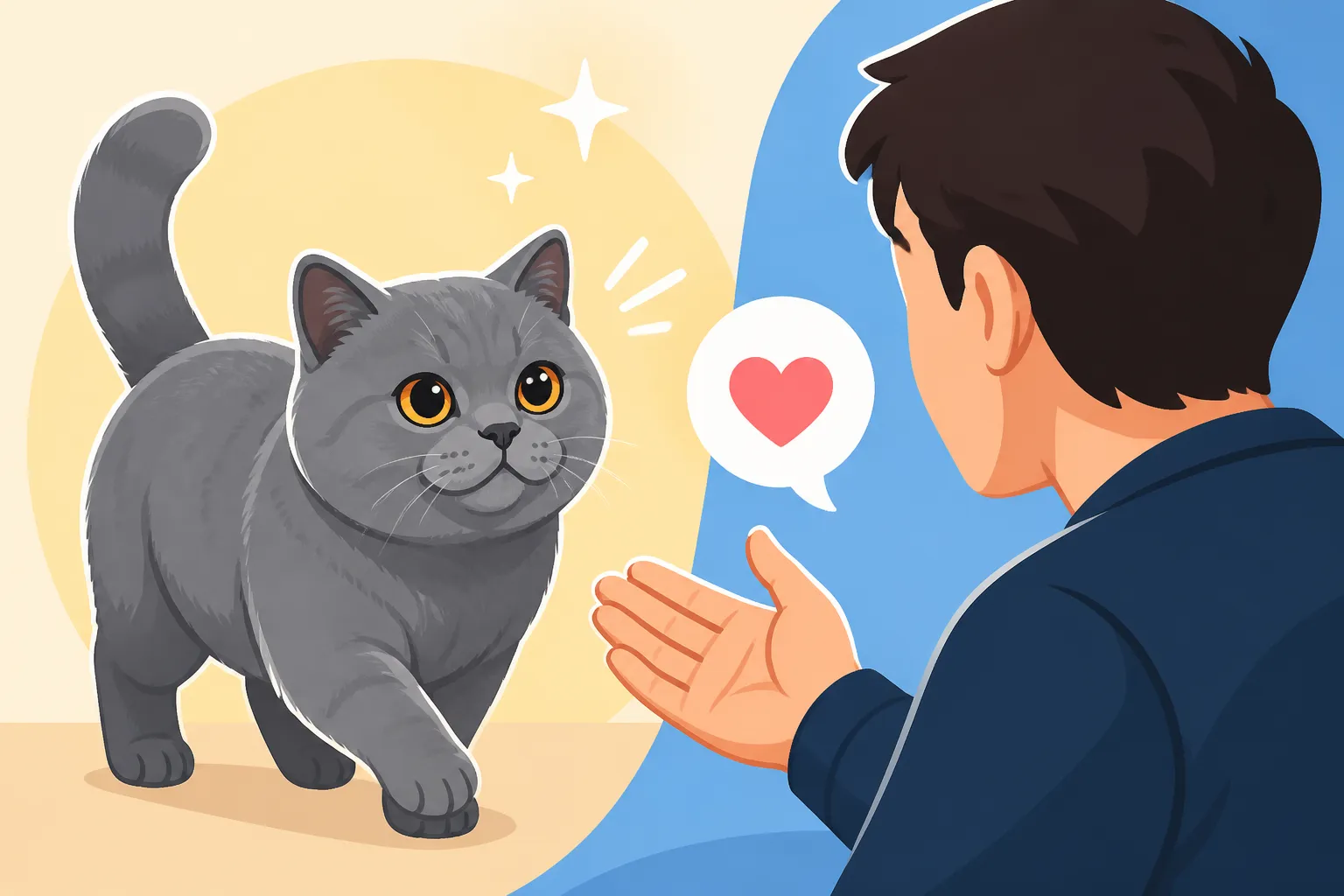
How a British Shorthair Greets Strangers
It’s a common fantasy to imagine your cat, a fluffy, purring shadow, instantly charming every guest who walks through your door. With a British Shorthair, however, that particular dream usually bumps up against a very different reality. Many owners find themselves explaining, "Oh, he's not usually like this," or "She'll come out eventually," as their beloved feline vanishes at the first sound of a doorbell. This guide is here to shed light on exactly how your British Shorthair interacts with strangers, what their unique behaviors mean, and how you can help them (and your guests) have the most comfortable experience possible.
The British Shorthair's Natural Disposition Towards New Faces
When it comes to meeting new people, a British Shorthair isn't your typical exuberant greeter. Their approach to strangers is often a careful, considered, and deeply personal affair. It’s not that they’re unfriendly; rather, they operate on a different social wavelength, valuing security and predictability above all else. This can be a source of frustration for owners who wish their beautiful cat would be more outgoing, but understanding their inherent nature is the first step to managing expectations.
A Reserved and Dignified Demeanor
The British Shorthair is renowned for its calm, dignified, and somewhat reserved temperament. They carry themselves with an air of quiet confidence, preferring to observe situations from a safe distance rather than diving headfirst into the fray. This isn't a breed that generally rushes to the door to greet new arrivals with tail-up enthusiasm. Instead, they’re more likely to adopt a "wait and see" strategy, melting into the background or finding a high vantage point to assess the newcomer. Think of them less like a boisterous Labrador and more like a wise, old professor who prefers a quiet nod of acknowledgment over a loud handshake.
This reserved nature means they have a strong sense of personal space, and they expect others to respect it. They are not typically a cat that will tolerate being picked up by just anyone, and certainly not by a stranger who hasn't earned their trust. For a British Shorthair, an unknown person entering their territory represents a disruption to their carefully curated sense of order and safety. Their initial reaction is almost always one of caution, not curiosity. This isn't rudeness on their part; it’s simply how they’re wired, a deep-seated instinct to protect their peace and quiet.
Why Instant Friendliness Isn't Their Style
So, why aren't British Shorthairs instantly friendly with strangers? It boils down to a combination of their ancestral background and their personality traits. Historically, these cats were hardy working felines, bred for their independence and rat-catching prowess, not for charming houseguests. They learned to rely on themselves and their immediate, trusted circle. This self-reliant streak carries over into modern British Shorthairs, making them less inclined to seek out new social interactions. They find comfort in routine and predictability, and a stranger introduces an element of the unknown that they'd rather avoid until thoroughly vetted.
Furthermore, British Shorthairs are typically unflappable in their daily lives, but they can be sensitive to sudden changes or loud noises. A new face, accompanied by unfamiliar voices, different scents, and potentially unexpected movements, can be quite overwhelming for them. They’re not prone to dramatics, but they will express their discomfort by simply removing themselves from the situation. It’s a quiet form of self-preservation. They're trying to minimize stress and maintain their inner calm, which is why they are often described as The Quietest Cat in the House. For a British Shorthair, true friendship is something that must be earned, slowly and patiently, rather than given freely.
The Initial Encounter: A Study in Observation
When a stranger enters a British Shorthair's domain, don't expect a grand entrance or a warm welcome. What you'll likely witness is a masterclass in covert surveillance and strategic withdrawal. Their initial interactions are less about direct engagement and more about gathering intel and securing their personal safety.
The Scent Check and The "Freeze and Observe"
Before any physical interaction, a British Shorthair will engage in a thorough, albeit subtle, "scent check." Cats rely heavily on their sense of smell, and a stranger brings a whole new array of unfamiliar odors into the home – different perfumes, soaps, outdoor scents, and even the scent of other animals. Your BSH will likely position themselves somewhere they can observe without being directly observed, perhaps peeking from behind a sofa or from the top of a cat tree. From this safe distance, they'll "read" the room, processing the new scent profile, the sound of the stranger's voice, and their body language.
During this phase, many British Shorthairs adopt a characteristic "freeze and observe" posture. They might appear utterly still, almost like a beautifully crafted statue, with their broad face and intense, round eyes fixed on the newcomer. This isn't fear in the dramatic sense; it's intense concentration. They are collecting data, evaluating the potential threat or lack thereof. This period of quiet assessment can last anywhere from a few minutes to an hour or more, depending on the cat and the perceived "threat level" of the guest. It's crucial for guests to understand that this observation period is vital for the cat's comfort and should not be interrupted by attempts at immediate interaction.
The Art of the Strategic Retreat
If the British Shorthair feels overwhelmed, or if their initial assessment doesn't meet their stringent approval, they won't hesitate to execute a strategic retreat. This often means disappearing from sight completely. One moment they might be peeking from a doorway, the next they've vanished into a different room, under a bed, or to the highest point of a tall cat tree. This isn't a sign of aggression or deep distress, but rather a preference for avoiding confrontation and maintaining their tranquility. They simply choose to remove themselves from a situation they find uncomfortable or overstimulating.
Owners often try to coax their British Shorthair out, but this can be counterproductive. Forcing interaction before the cat is ready can create a negative association with guests. Instead, it’s best to let them have their space. They might reappear later when things have quieted down, or they might choose to remain in their sanctuary for the duration of the visit. Providing them with easily accessible escape routes and safe hiding places is paramount. A sturdy cat tree, especially one with multiple levels and cozy cubbies, can be a great investment. Many owners find excellent options for such cat furniture on Amazon, ensuring their furry friend always has a safe haven to retreat to.
Approaching with Patience: The Key for Guests
For guests eager to make friends with a British Shorthair, patience is more than a virtue; it's an absolute necessity. The biggest mistake a stranger can make is to rush the introduction. No sudden movements, no loud greetings, and definitely no reaching out to pet without an explicit invitation. Imagine someone you don't know suddenly coming into your personal space and touching you – it's unsettling. Cats feel the same way, perhaps even more acutely.
The best approach for a guest is to essentially ignore the cat initially. Sit down quietly, keep conversation calm, and let the British Shorthair decide if and when they want to approach. If the cat does eventually venture closer, a gentle, outstretched hand (palm down, allowing the cat to sniff the back of the hand) is usually the appropriate first step. Even then, let the cat rub against your hand rather than initiating the stroke yourself. Some British Shorthairs may take How Long a British Shorthair Takes to Warm to a Visitor, sometimes several visits, before they even consider a close interaction. Respecting this slow, deliberate pace is crucial for building any future rapport.
Decoding Their Cues: Signs of Comfort and Discomfort
Understanding your British Shorthair's non-verbal communication is vital, especially when strangers are around. Their signals can be subtle, and misinterpreting them can lead to a less-than-ideal interaction for both cat and human. Learning to read their body language ensures you can intervene if needed or simply appreciate their rare moments of openness.
Subtle Signals of Acceptance
When a British Shorthair begins to accept a stranger, their signals are often very subtle, almost understated. They won't usually jump into a lap or demand immediate attention. Instead, look for:
- Slow Blinks: Often called "cat kisses," a slow blink is a sign of trust and relaxation. If your BSH makes eye contact with a stranger and slowly blinks, it's a huge compliment. Guests can reciprocate with a slow blink back to show they understand and mean no harm.
- Relaxed Posture: A cat that is comfortable will have a relaxed body posture. Their ears will be facing forward or slightly to the side, their tail held loosely or with a gentle curve, and their body not tense or crouched. They might even stretch out lazily in the same room as the guest.
- Approaching for a Scent Exchange: If the British Shorthair eventually approaches a guest, they might rub against their leg or a piece of their clothing, marking them with their scent glands. This is a significant step, indicating they are beginning to view the person as part of their acceptable environment.
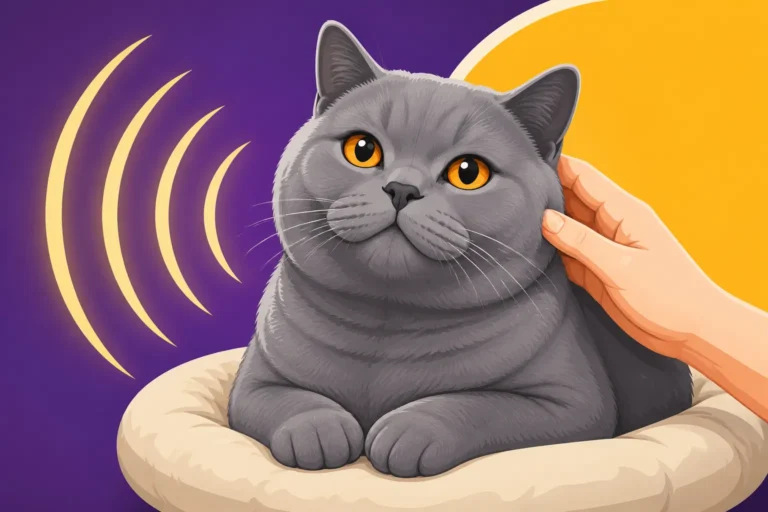
- Tentative Head Bumps or Rubs: A rare but wonderful sign of acceptance is a soft head bump against a guest's hand or leg. This is an invitation for interaction, a sign that the cat feels safe enough to initiate physical contact. For more on what these subtle displays mean, check out How a British Shorthair Shows Affection.
Remember, even these signs might not lead to sustained interaction. They might give a head rub and then wander off, perfectly content with that brief acknowledgment. Each small step is a victory with this reserved breed.
Clear Warnings of Unease or Fear
Conversely, British Shorthairs will also provide clear (if sometimes subtle) warnings when they are uncomfortable or feeling threatened. It's essential for everyone to recognize these signs to prevent escalating stress or a potential negative reaction.
- Tucked Tail and Flattened Ears: A tail tightly tucked between the legs or held low and stiff, combined with ears flattened back against the head, are classic signs of fear or anxiety. These mean the cat wants to disappear or is preparing to defend itself.
- Dilated Pupils: Wide, dilated pupils, especially in a normally lit room, can indicate fear or arousal. The cat is taking in as much light as possible to assess a potential threat.
- Hissing, Growling, or Swatting: These are unmistakable "leave me alone" signals. If a British Shorthair resorts to these, their boundaries have been pushed too far, and immediate space is needed. These are direct warnings, not playful gestures.
- Excessive Grooming: While grooming is a normal cat behavior, excessive or sudden grooming (licking themselves intensely) can be a displacement behavior, indicating stress or anxiety. It’s a way for them to try and calm themselves in a tense situation.
- Stiff Body Language or Crouching: A cat that is hunched low to the ground with tense muscles is feeling vulnerable and possibly ready to bolt or defend. This is a definite sign that the cat is not at ease. These cues are important to recognize, much like understanding a cat's behavior in unfamiliar and stressful environments like a vet visit, as discussed in How a British Shorthair Behaves at the Vet.
Ignoring these warnings can lead to a British Shorthair associating guests with negative experiences, making future interactions even more challenging. It’s always better to give them more space than they seem to need.
Nurturing a Positive Relationship with Guests
While your British Shorthair may never become the life of the party, you can certainly foster an environment where they feel comfortable and safe, leading to more positive (if still reserved) interactions with visitors. It’s all about setting boundaries, providing positive reinforcement, and respecting their inherent nature.
Respecting Their Personal Bubble and Boundaries
The golden rule for anyone interacting with a British Shorthair, especially a stranger, is to respect their personal bubble. This breed isn't known for being overly keen on being held, even by their owners, as detailed in Why a British Shorthair Squirms When Lifted. With strangers, this aversion to being picked up or confined is even stronger. Consent is absolutely key. The cat must initiate contact and dictate the pace and duration of any interaction.
Educate your guests (and remind yourself!) that forced affection is never acceptable. This includes chasing the cat, cornering them, or reaching out to pet them when they are clearly trying to avoid it. If a British Shorthair does allow a stroke, it's typically on their terms, and they have specific areas they prefer. Generally, the cheeks, under the chin, and behind the ears are safe bets. The belly is almost universally off-limits, even to trusted family members, let alone strangers. Understanding How Much a British Shorthair Likes Being Stroked and Where a British Shorthair Likes Being Touched can make a big difference. If they walk away, let them. If they hide, don't try to pull them out. Building trust with a British Shorthair is a long game, played entirely on their terms.
The Power of Positive Reinforcement: Treats and Gentle Play
One of the most effective ways to encourage a British Shorthair to tolerate (and perhaps even enjoy) the presence of strangers is through positive reinforcement. This means associating the guest with good things. High-value treats are your secret weapon here. Before guests arrive, you can prepare a small stash of your cat's favorite irresistible snacks. Many excellent options, from crunchy to soft and chewy, can be found readily on Amazon.
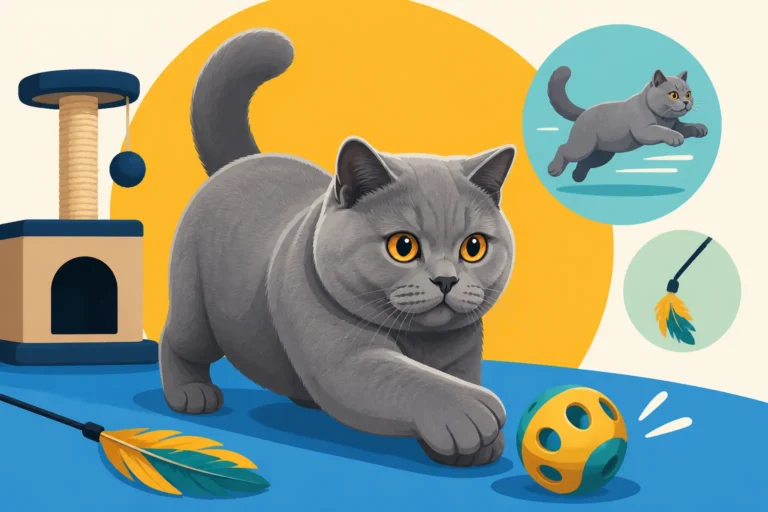
When a guest is present and the cat is observing from a distance (or even slightly closer), the guest can very calmly and gently toss a treat towards the cat, but not directly at them. The goal is to create a positive association: "When this new person is around, good things (delicious treats!) happen." A quiet, non-threatening game with a wand toy can also work wonders. If the cat is willing to bat at a feather wand from a safe distance, it can help break the ice and build a bridge between the cat and the stranger. Just remember, these play sessions should be low-key and end before the cat loses interest, preventing overstimulation. Don't force them to chase if they're not in the mood; remember Which Toys a British Shorthair Will Actually Chase.
Creating a Predictable and Safe Environment
Preparation is key to a successful visit. Before guests arrive, ensure your British Shorthair has their usual safe spaces easily accessible. This might mean leaving a bedroom door open, ensuring their favorite cat tree isn't blocked, or even setting up a temporary "cat haven" in a quiet room with their bed, food, water, and litter box. This gives them the option to retreat entirely if they feel overwhelmed, which can significantly reduce their stress levels. Consider using a calming pheromone diffuser, like Feliway, in the main living areas to help create a more serene atmosphere.
Maintaining routine as much as possible is also important. Feed your British Shorthair at their usual times, and try to keep noise levels to a minimum, especially during the initial part of a visit. A predictable environment helps them feel secure, even with an unfamiliar presence. The ability to retreat to a known safe spot is paramount for a British Shorthair to cope with strangers. This kind of preparation directly addresses why they hide from guests (Whether a British Shorthair Hides From Guests) and gives them control over their environment.
Special Considerations for British Shorthairs and Strangers
While the general rules of patience and respect apply, certain situations or types of visitors require extra consideration when it comes to your British Shorthair. Their calm nature can be easily disturbed by high energy or overwhelming interactions.
Overly Enthusiastic Visitors and Children
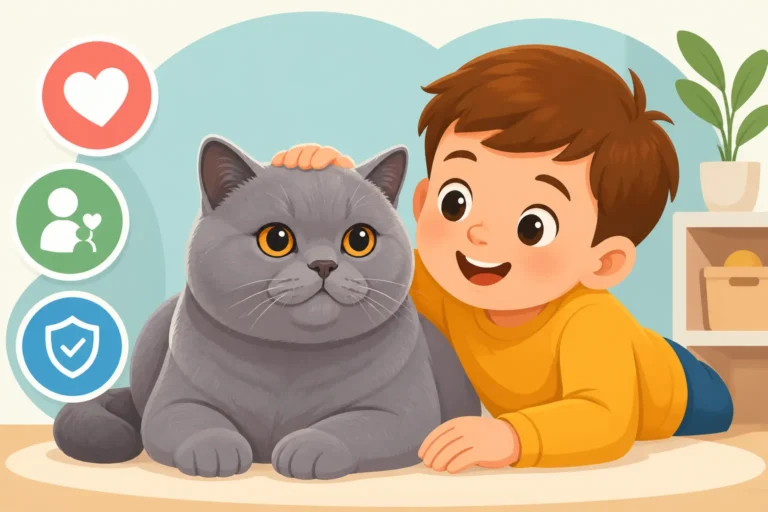
Children, particularly young ones, can be a major source of stress for a reserved British Shorthair. Their natural exuberance, loud voices, quick movements, and understandable desire to hug or chase the "kitty" can be terrifying for a cat that values peace and quiet. It's imperative to educate children (and their parents) on how to interact respectfully. This means:
- No Running or Loud Noises: Keep children calm and instruct them to use quiet voices.
- No Chasing or Picking Up: Emphasize that the cat needs its space and will approach if it wants to. They should never try to grab or confine the cat.
- Gentle Interaction Only: If the cat approaches, teach children to offer a hand for sniffing and to stroke gently on the head or back, avoiding the belly and tail.
- Supervision is Non-Negotiable: Never leave young children unsupervised with a British Shorthair, even if your cat is typically tolerant. A scared cat might swat or scratch out of self-defense.
By setting clear rules and actively supervising, you can help prevent negative experiences for both your cat and your young guests. This guidance directly relates to How a British Shorthair Behaves With Children.
Introducing to Other Pets in the Home
If a stranger brings their own pet, especially a dog, into your home, the situation becomes even more complex. British Shorthairs are generally tolerant, but not necessarily social butterflies with other animals they don't know. Introducing an unfamiliar dog, for example, requires extreme caution:
- Separate Spaces: Ensure the visiting pet and your British Shorthair have completely separate, secure areas. Do not allow them to interact freely, especially initially.
- Gradual Introduction (if at all): If an introduction is absolutely necessary, it should be slow, supervised, and through a barrier (like a baby gate) where they can see and smell each other without direct contact.
- Escape Routes: Make sure your British Shorthair has high places to escape to, out of reach of a visiting dog. A tall cat tree or shelf can be a lifesaver.
- Focus on Your Cat's Comfort: Your cat's well-being should be the priority. If they are stressed, do not force the interaction.
Even in multi-cat households, a British Shorthair might resent the intrusion of a new feline scent or presence. Their serene demeanor shouldn't be mistaken for boundless sociability. For advice on bringing new animals into the home, you might find Whether a British Shorthair Accepts a Second Cat helpful, as the principles of slow introduction apply.
The Independent Nature and Limited Social Needs
It's vital for owners to remember that the British Shorthair's reserved approach to strangers isn't a flaw; it's a characteristic of the breed. They are highly independent creatures who typically derive most of their social fulfillment from their immediate human family. They don't crave constant external validation or extensive social interaction beyond their trusted circle. This is why A British Shorthair Is Genuinely Fine on Its Own and rarely suffers from Whether a British Shorthair Gets Separation Anxiety.
They are perfectly content to observe from afar, retreat to a quiet spot, or simply coexist in the same space without needing to be the center of attention. This independent streak is part of their charm. Trying to force them into a more outgoing role with strangers goes against their very nature and will likely only lead to stress for your cat. Embrace their unique way of interacting, and you’ll both be happier for it.
Long-Term Relationships: Moving Beyond the First Impression
While the initial encounter with a British Shorthair can be an exercise in patience, consistent positive interactions with repeat visitors can slowly, over time, build a degree of acceptance and even a quiet form of affection. It's a testament to their thoughtful nature that they don't easily forget a friendly face.
Repeat Visitors and Familiarity
For those guests who frequent your home, the journey from stranger to accepted acquaintance will likely accelerate, though still at the British Shorthair's own pace. The consistent scent, sound, and calm demeanor of a regular visitor gradually become part of the familiar home environment. The BSH will start to recognize them, associating them with a lack of threat and, hopefully, with pleasant experiences like quiet presence or perhaps even those tossed treats.
You might notice a shift: from hiding completely, they may move to observing from a more open vantage point. Then, they might progress to staying in the same room, perhaps even lying down within eyesight. Eventually, for very patient and consistent visitors, a British Shorthair might allow a tentative stroke, a head rub, or even briefly perch on a chair nearby. These small acts of trust are huge milestones. They signify that the visitor has moved from an unknown entity to a benign, and perhaps even welcome, presence in their world. The slow, steady drip of positive reinforcement truly pays off.
The British Shorthair's Unique Bond with Its Chosen People
It’s crucial to understand that even if your British Shorthair never becomes a "cuddly" cat with strangers, their bond with their immediate human family is typically incredibly deep and unwavering. Their reserved nature with others actually highlights the specialness of the trust and affection they reserve for their chosen people. They may not greet you at the door with a flurry of meows or demand constant attention, but they show their love in their own quiet ways: following you from room to room, sleeping near you (though rarely on you), and offering slow blinks of contentment.
Their discerning approach to strangers is not a reflection of a lack of affection; it’s simply a testament to their selective nature. They value quality over quantity in their relationships, and once you are "in," you are truly valued. Their loyalty, though expressed quietly, is profound. Understanding How Affectionate a British Shorthair Is helps put their interactions with strangers into context. They may never be the life of the party, but they are steadfast companions to those they deem worthy.
When to Seek Professional Advice
While a reserved demeanor with strangers is normal for a British Shorthair, there are instances when their reactions might cross into concerning territory. If your British Shorthair consistently exhibits extreme fear, aggression (beyond a warning hiss), or an inability to cope with any new presence, even after considerable time and effort, it might be time to seek professional advice.
First, always rule out underlying health issues with a veterinary check-up. Pain or discomfort can often manifest as behavioral changes, including increased fear or aggression. If health issues are ruled out, a certified feline behaviorist can provide tailored strategies and guidance. They can help identify triggers, implement behavior modification plans, and suggest environmental adjustments to help your cat feel safer and more comfortable in their own home, even when guests are present. They can also help differentiate between normal breed-specific reservation and genuine anxiety or behavioral problems that need intervention.
Summary of British Shorthair Stranger Interactions
| Behavior Towards Strangers | Common British Shorthair Reaction | What it Means | Recommended Guest Action |
|---|---|---|---|
| Initial Greeting | Retreats, observes from distance, or hides. | Cautious, assessing the situation, prioritizing safety. | Ignore the cat, sit quietly, let the cat approach. |
| Vocalization | Minimal, perhaps a quiet trill or chirp if comfortable. | Not a highly vocal breed, especially with strangers. | Avoid loud noises or trying to elicit a response. |
| Physical Contact | Avoids being picked up; may allow a sniff or head rub. | Values personal space; needs to initiate contact. | Never force interaction; wait for the cat to approach. Offer hand for sniffing. |
| Body Language (Comfort) | Slow blinks, relaxed posture, tail held loosely. | Beginning to feel safe and accepting of presence. | Gentle, slow movements; continue to respect space. |
| Body Language (Discomfort) | Tucked tail, flattened ears, dilated pupils, hissing. | Feeling threatened, stressed, or overwhelmed. | Immediately give the cat space, remove any perceived threat. |
| Playfulness | May watch or engage in quiet play if comfortable. | Can be a way to build trust, but usually from a distance initially. | Use a wand toy from a distance; don't force play. |
| Duration of Acceptance | Can take minutes, hours, or multiple visits. | Patience is crucial; trust is earned slowly. | Be patient and consistent with a calm, non-threatening demeanor. |
Disclaimer
This article is for general informational purposes only and does not constitute professional advice. Laws, prices and regulations vary by location and change over time. Consult a qualified professional for guidance on your specific situation.