How Much Exercise a British Shorthair Needs
It's easy to look at a British Shorthair, with their famously placid demeanor and often chunky appearance, and assume they don't need much exercise at all. Many first-time owners are actually relieved by the idea of a low-energy cat, but this misconception can lead to serious health issues down the line. This guide will clarify the real exercise needs of your British Shorthair and offer practical, empathetic advice on keeping them happy, healthy, and moving.
Understanding the British Shorthair's Unique Activity Profile
The British Shorthair is renowned for its calm, dignified nature. They aren't typically the type of cat that will scale your curtains or tear through the house like a furry rocket at 3 AM. This inherent tranquility, while charming, often leads people to believe they require minimal physical activity. However, mistaking their calm demeanor for a complete lack of need for exercise is a disservice to this wonderful breed and can inadvertently contribute to common health problems.
The Appearance of Laziness Versus True Calmness
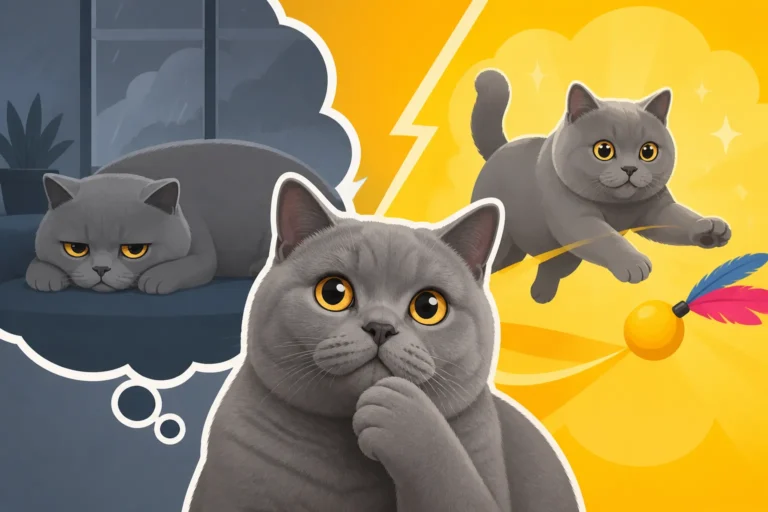
Let's be honest, British Shorthairs can look incredibly, wonderfully lazy. They are masters of the art of napping, finding the sunniest spot on the rug, or simply observing the world with a serene, almost philosophical gaze from the sofa. Their dense, plush coat and sturdy, cobby build make them appear even more sedentary, often resembling a furry, immovable cushion. It's a look that pulls at the heartstrings, making you want to cuddle them even more, but it also masks a fundamental truth: beneath that calm exterior is a cat that still needs to move. This isn't a breed built for agility, but for strength and a more measured pace. They don't express their energy in frantic bursts like some other breeds; instead, their activity often comes in shorter, more focused play sessions. They won't usually solicit play with the same intense enthusiasm as, say, an Abyssinian, so it's up to us, their human companions, to initiate and sustain those crucial periods of physical activity. Ignoring this can be tempting, especially when your British Shorthair looks so perfectly content doing absolutely nothing, but it's vital for their long-term well-being.
Historical Instincts and Modern Sedentary Lifestyles
Consider the lineage of the British Shorthair. While they are now celebrated show cats and beloved companions, their ancestors were working cats. They were the robust, dependable mousers of British streets, farms, and homes. This heritage means they possess an underlying instinct for hunting, chasing, and pouncing, even if it's deeply buried under layers of domestic comfort. They weren't bred to be couch potatoes; they were bred to be strong, resilient, and effective predators, albeit ones that were not overly hyper. In their natural, ancestral environment, these cats would have spent a significant portion of their day patrolling, stalking, and engaging in short bursts of high-intensity activity to catch prey. Our modern British Shorthairs, living indoors with readily available food and a distinct lack of mice to hunt, don't get this natural outlet. This is where the disconnect lies. Their bodies are still designed for a certain level of activity, even if their current environment doesn't demand it. If we don't provide a substitute for those natural movements, those instincts can lead to a build-up of unspent energy, contributing to weight gain and even boredom. Understanding this historical context helps us appreciate that while they are calm, they are not inherently designed for complete inactivity. This is particularly important for Getting a Low Energy British Shorthair to Move.
Defining "Enough" Exercise for Your British Shorthair
So, if they're not going to run marathons, how much exercise do they actually need? The key here is consistency and quality over sheer quantity. It's not about forcing them into long, arduous workouts, but rather engaging them in ways that tap into their natural play drive without overwhelming their calm disposition. Many owners wonder How Much Exercise a British Shorthair Needs, and the answer isn't as simple as a number of minutes, but more about structured engagement.
The Daily Playtime Sweet Spot
For a British Shorthair, we're typically looking at two to three dedicated play sessions each day, with each session lasting around 10 to 15 minutes. That's right, we're not talking hours on end. These sessions should be interactive and stimulating, mimicking hunting behaviors. Think about the "stalk, chase, pounce, capture" cycle. Your goal is to get their heart rate up, their muscles working, and their minds engaged. This isn't just about physical exertion; it's about mental enrichment too. It's perfectly normal if they seem to run out of steam relatively quickly. Their energy comes in bursts, and they're quick to tire. Pushing them beyond their comfort level will only make them disengage. The challenge is often finding that balance where they are excited to play but not completely exhausted or frustrated. It’s a delicate dance, often requiring patience and observation to understand their individual preferences. Remember, even short, consistent bursts of activity throughout the day are far more beneficial than one long, infrequent session. Play for a British Shorthair That Would Rather Not will give you some more ideas on how to approach these sessions.
Incorporating Movement Into Everyday Life
Beyond structured play, there are subtle ways to encourage movement in your British Shorthair's daily life. This can be especially helpful for older cats or those who are particularly resistant to formal play. One excellent strategy is to use meal times as an opportunity for activity. Instead of simply placing their food bowl down, try hiding small portions of their kibble in various spots around the house, or even using a puzzle feeder. This encourages them to "hunt" for their food, engaging both their minds and bodies. Even a little walk to find a hidden treat can add up.
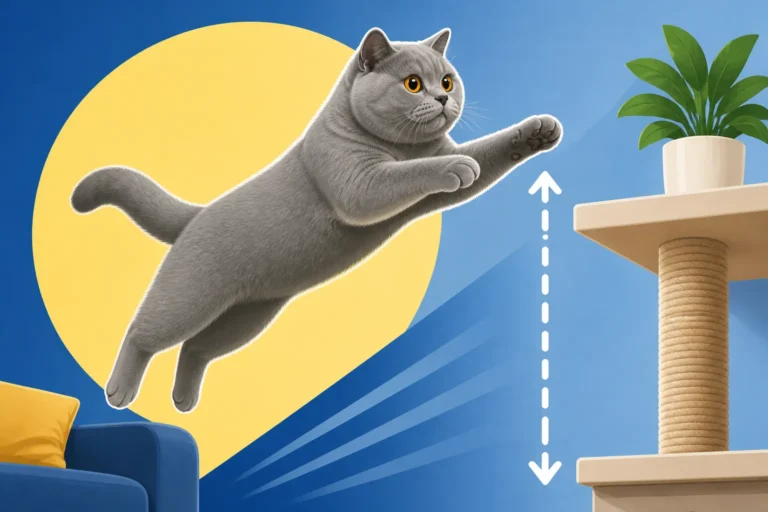
Consider vertical space. While British Shorthairs aren't known for being champion climbers, many still appreciate elevated perches where they can observe their domain. A sturdy cat tree, designed to accommodate their solid build, can encourage them to jump and climb a bit more. Ensure the platforms are wide and stable enough for them to feel secure. Even simple things, like encouraging them to follow you from room to room with a treat or a gentle call, can add small bits of activity to their day. Every little bit of movement counts in counteracting a purely sedentary lifestyle, which can be critical given Why a British Shorthair Gains Weight So Easily.
| Activity Type | Recommended Frequency | Duration (Per Session) | Benefits |
|---|---|---|---|
| Interactive Play | 2-3 times daily | 10-15 minutes | Cardiovascular health, muscle tone, mental stimulation, bonding |
| Puzzle Feeding | Daily, for at least one meal | Varies | Mental enrichment, slowed eating, gentle physical activity (walking, pushing) |
| Vertical Exploration | Daily | Ongoing | Muscle strength, stretching, environmental enrichment, sense of security (from height) |
| "Hunting" for Treats | Several times a day | Short bursts | Engagement, low-impact movement, satisfies natural foraging instincts |
Practical Strategies to Ignite Your British Shorthair's Play Drive
Getting a British Shorthair to play can sometimes feel like a gentle negotiation rather than an enthusiastic invitation. They aren't always immediately captivated by every new toy or game. The trick is to understand their preferences and create an environment that subtly encourages their participation. This is all part of How to Get a British Shorthair to Move.
Selecting Engaging Toys and Play Methods
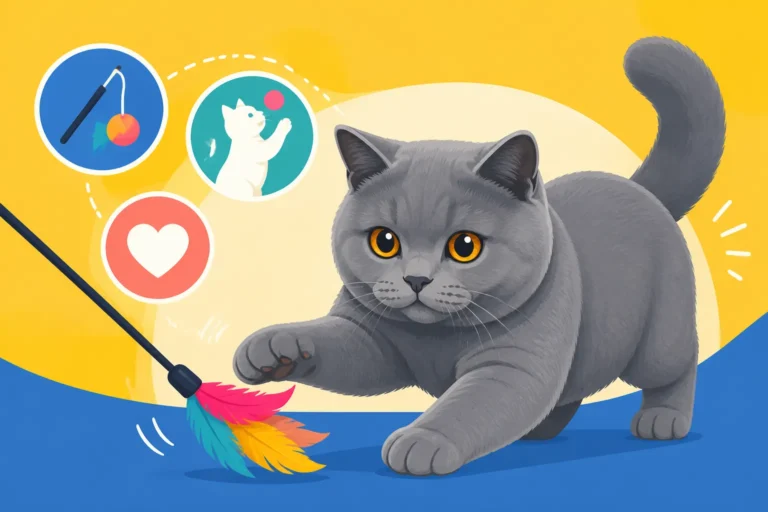
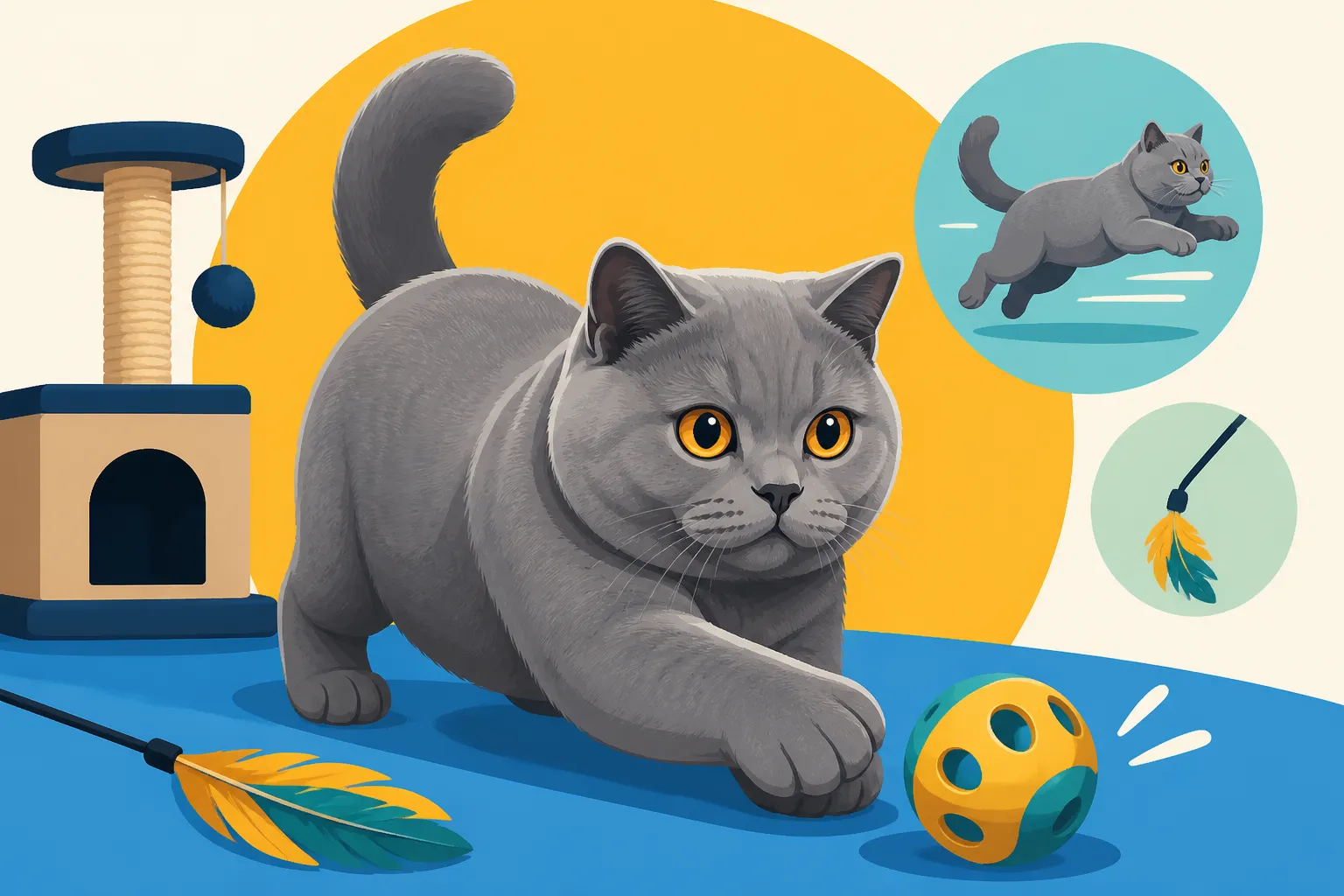
British Shorthairs tend to respond best to toys that mimic prey. Think about feather wands, fishing pole toys with various attachments (feathers, small fabric "mice"), or even crinkly balls. The key is movement. A stationary toy, no matter how attractive, usually won't hold their attention for long. You want to make the toy dart, hide, and pounce like real prey. Avoid simply dangling a toy in front of them; make it elusive. Drag it under a rug, make it peek from behind furniture, let them "catch" it occasionally to build their confidence and satisfaction. When they do catch it, let them have a moment to "kill" it before you gently retrieve it to continue the game. This completes the hunting cycle.
Laser pointers can be effective for getting them moving, but always end a laser session with a physical toy they can capture. Otherwise, the lack of a "kill" can lead to frustration and redirected hunting behaviors. For solo play, puzzle feeders are fantastic. There are many options available on Amazon, from simple treat balls to more complex labyrinths. These make your cat work for their food or treats, slowing down their eating and providing mental stimulation. Don't be afraid to experiment with different types of toys. What one British Shorthair adores, another might ignore. Some might prefer simple ping-pong balls, while others are drawn to more elaborate remote-controlled mice. Remember Which Toys a British Shorthair Will Actually Chase and don't give up if the first few don't spark joy.
Building a Consistent, Enjoyable Play Routine
Consistency is paramount with British Shorthairs. They are creatures of habit and thrive on predictability. Establish a regular playtime schedule – perhaps once in the morning before you head out, and again in the evening when you're settling down. This routine helps them anticipate and look forward to these sessions. If you try to play at random times, they might be less receptive.
Create a positive association with play. Use an excited, encouraging tone of voice. Offer a small, favorite treat at the end of a successful play session as a reward. This reinforces that playtime is a fun and rewarding experience. If your British Shorthair seems reluctant, start with very short sessions, maybe just 5 minutes, and gradually increase the duration as they become more engaged. Never force them to play or chastise them for not being interested. This will only create negative associations. Remember that a British Shorthair might "quit" playing around the age of three in terms of kitten-like energy, so adapt your methods as they mature. You'll want to focus on How Much Play Keeps a British Shorthair Slim throughout their lives. Sometimes, all it takes is finding that one special toy or that perfect time of day that gets them genuinely interested. Consider getting a varied pack of wand toys from Amazon to see what captures their attention best.
The Critical Importance of Adequate Exercise for British Shorthair Health
The consequences of insufficient exercise for any cat can be serious, but for a British Shorthair, given their natural predisposition to a calm lifestyle, it's particularly critical. Their sturdy build and often hearty appetite mean they are at a higher risk for several health issues if not kept adequately active. It's not just about physical health either; mental well-being is deeply intertwined with appropriate stimulation.
Preventing Obesity and Related Health Issues
This is, by far, the most pressing concern for an under-exercised British Shorthair. They have a propensity to gain weight easily, and their round, plush appearance can unfortunately mask the onset of obesity until it's quite advanced. A British Shorthair that doesn't get enough exercise, combined with an uncontrolled diet, is a prime candidate for becoming overweight. Over time, this extra weight puts immense strain on their joints, potentially leading to conditions like arthritis, particularly as they age. It also significantly increases their risk of developing other serious health problems, such as diabetes, heart disease, and even certain types of cancer. If you're wondering What a British Shorthair Weighs and How Big It Gets, knowing their ideal weight range is the first step in prevention.
Moreover, an overweight British Shorthair often struggles with grooming, especially reaching their back and hindquarters, leading to matted fur and skin issues. They become less mobile, creating a vicious cycle where inactivity leads to weight gain, which then makes activity even harder. It's a challenging situation for both cat and owner, but regular, consistent exercise is a powerful preventative measure. It helps burn calories, maintain muscle mass, and keeps their metabolism ticking along healthily. If you've ever seen Signs a British Shorthair Is Overweight, you know how quickly it can creep up. Addressing it proactively with both diet and exercise is crucial. You might be surprised to learn What Obesity Does to a British Shorthair's Joints and Whether an Overweight British Shorthair Gets Diabetes, highlighting the importance of prevention.
Mental Enrichment and Behavioral Well-being
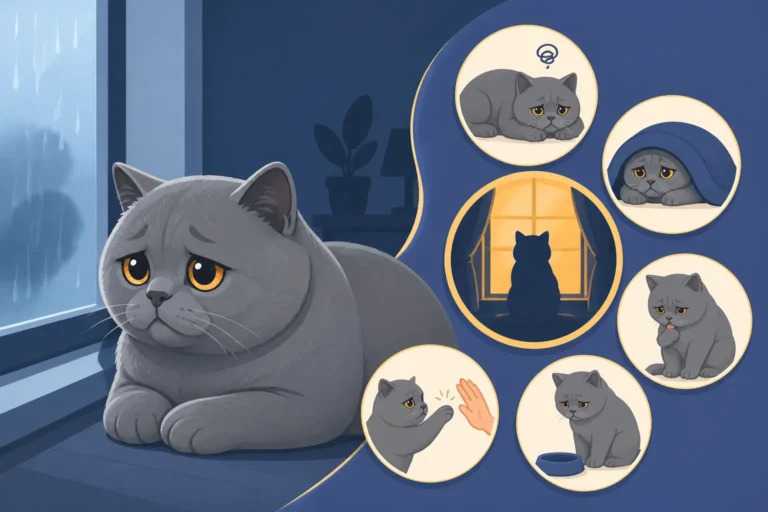
Beyond the physical, exercise and play provide vital mental enrichment for your British Shorthair. Even the calmest cat needs stimulation. Without appropriate outlets for their natural hunting instincts, they can become bored, leading to a range of behavioral issues. This might manifest as excessive vocalization, destructive scratching (even if they have scratch posts), or even anxiety and stress. Imagine being a creature with innate drives to stalk and pounce, but never having the opportunity to fulfill those urges; it can be incredibly frustrating.
Structured play sessions offer a chance for them to "hunt" and "capture" prey, satisfying those primal urges in a safe and appropriate way. Puzzle toys available on Amazon also provide mental challenges, forcing them to problem-solve to get their treats. This kind of enrichment helps keep their minds sharp and prevents the onset of boredom-induced behaviors. A mentally stimulated cat is a happier, more well-adjusted cat, and a British Shorthair is no exception, even if they sometimes give the impression of being perpetually calm, or Why a British Shorthair Is So Still. Regular interaction through play also strengthens the bond between you and your feline companion, fostering trust and affection. Remember, a British Shorthair, despite their independent reputation, thrives on connection and engagement with their human family.
Disclaimer
This article is for general informational purposes only and does not constitute professional advice. Laws, prices and regulations vary by location and change over time. Consult a qualified professional for guidance on your specific situation.