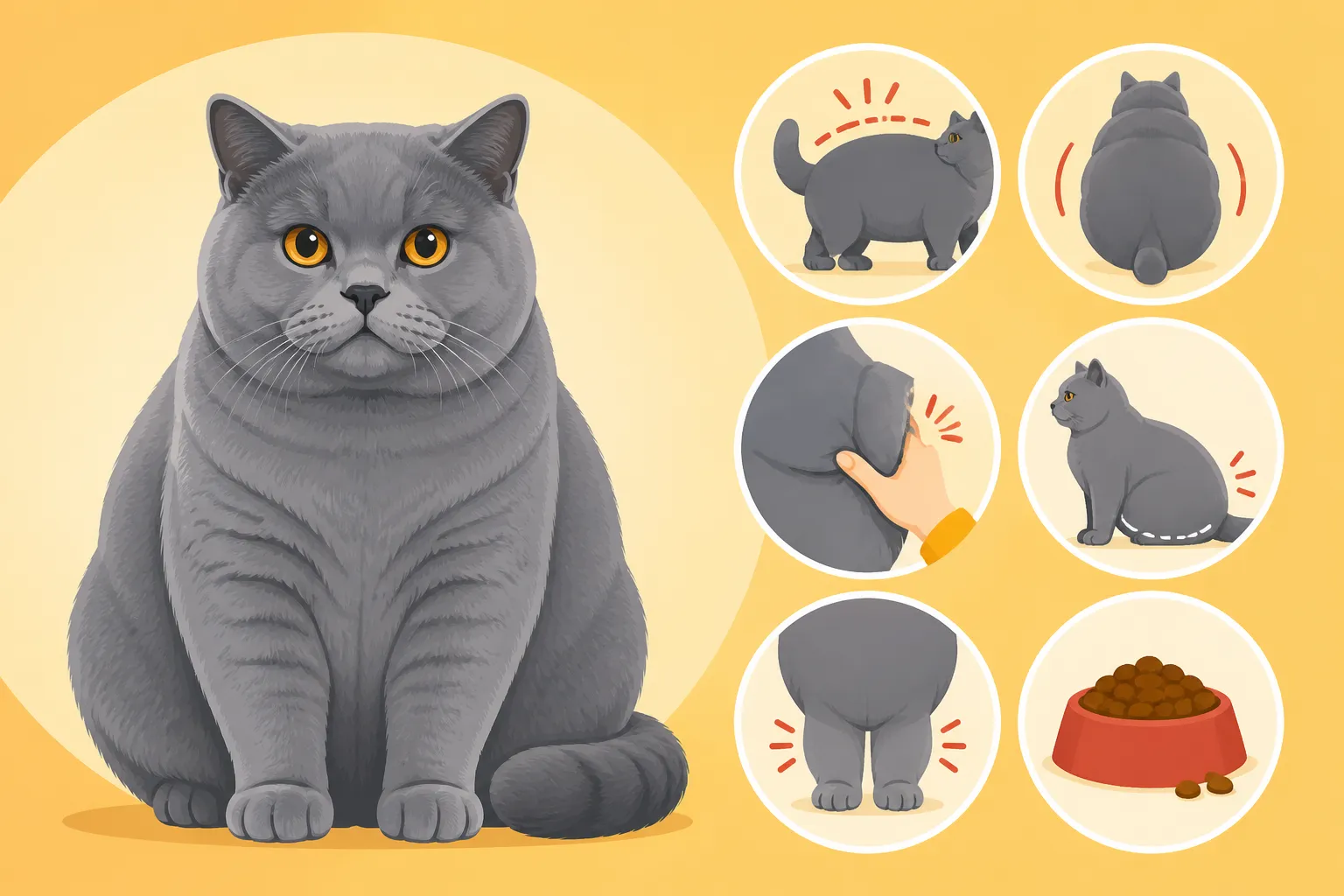
Signs a British Shorthair Is Overweight
Many British Shorthair owners struggle with whether their beloved feline friend is just wonderfully robust or secretly carrying a bit too much weight. Their naturally cobby, rounded build can be incredibly deceiving, often leading to unnoticed weight gain that can significantly impact their long-term health and well-being. This comprehensive guide will walk you through the clear, actionable signs to look for, both visual and behavioral, to help you identify if your British Shorthair is overweight so you can take proactive steps.
The Deceptive Charm: Why British Shorthairs Hide Weight So Well
It's a common frustration: you look at your British Shorthair, and all you see is that adorable, plush teddy bear. How are you supposed to know if that's just their breed standard chonk or if they're genuinely carrying excess weight? The truth is, their very genetics and temperament conspire to make weight gain incredibly subtle, almost as if they're actively trying to fool you into thinking they're perfectly fine. This can make it so difficult to spot when they're actually becoming overweight.
Naturally Stocky Build Confounds Owners
One of the most endearing qualities of the British Shorthair is their distinctive, compact, and powerful build. They're meant to be broad-chested with a short, thick neck and robust legs. This "cobby" body type, combined with their dense, plush coat, creates an illusion of perpetual fluffiness and solidness. It’s easy to mistake their natural heft for healthy weight, especially if you’re not familiar with the breed's ideal body condition. You might think, "Oh, that's just how a British Shorthair looks, big and cuddly!" but that thought can lead to overlooking actual fat accumulation. It's truly a challenge to differentiate between a genuinely well-built British Shorthair and one that is carrying a few extra pounds. Learning how to Tell a Chunky British Shorthair From a Fat One is often the first hurdle for many dedicated owners.
For example, when you see photos of show-quality British Shorthairs, they often appear quite substantial. This sets an expectation that "big is normal." However, those show cats are often perfectly conditioned, with muscle mass proportionate to their bone structure. Your pet British Shorthair, lounging on the sofa, might have the same visual bulk but be composed of a much higher percentage of fat. Their coat itself is a master of disguise; it stands away from the body, making it incredibly hard to see a clear waistline or subtle changes in shape until the weight gain is quite advanced. This dense fur is a beautiful feature, but it can hide a multitude of sins when it comes to weight.
Their Sedentary Nature and Love for Food
Beyond their deceptive appearance, the British Shorthair's personality also contributes significantly to their predisposition for weight gain. These aren't typically high-energy, zoomie-prone cats. They are known for their calm, placid demeanor and often prefer long naps over vigorous play sessions. This naturally lower activity level means they simply don't burn as many calories as more active breeds. Couple this with their generally robust appetite – many British Shorthairs will genuinely eat whatever you put down, and often ask for more – and you have a recipe for silent, steady weight creep. You might even find yourself asking, Why a British Shorthair Gains Weight So Easily.
Imagine your British Shorthair, Mittens, spending most of her day curled up on a sunny windowsill, moving only for food, water, and a quick litter box break. If Mittens is free-fed, constantly having access to a bowl of kibble, those small, frequent snacks add up quickly. It’s not uncommon for owners to overestimate the amount of exercise their cat gets or underestimate the calories in their food and treats. This is especially true for indoor-only cats, which most British Shorthairs are. The convenience of an automatic feeder can also unwittingly contribute to overfeeding if portion sizes aren't meticulously calculated for their specific needs. It's a double whammy: low calorie output and often high calorie input.
Visual Clues: What Your Eyes Can Tell You
Even with their fluffy camouflage, there are distinct visual signs that your British Shorthair is becoming overweight. It's all about looking past the initial "teddy bear" impression and focusing on specific areas of their body. These aren't always obvious at first glance, but once you know what to look for, they become much clearer.
Loss of That Iconic 'Teddy Bear' Shape
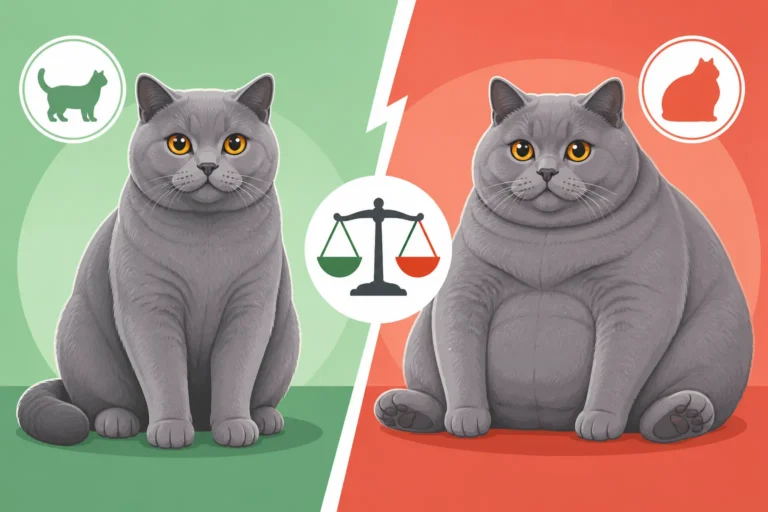
A healthy British Shorthair has a lovely, rounded appearance, but it’s a specific kind of roundness. Think of a well-formed, plump cushion, not a shapeless blob. When they start to gain too much weight, that distinct, balanced "teddy bear" silhouette begins to distort. Their back might flatten or even become slightly convex rather than having a gentle curve, and their sides will broaden excessively. The characteristic short, thick legs might appear even shorter and more stumpy relative to their widening body.
Consider Bartholomew, your beloved British Blue. In his prime, he had a magnificent, rounded head and a substantial, well-proportioned body that tapered ever so slightly towards his tail. Now, you might notice that his body seems to have merged with his head, losing that elegant transition from neck to shoulders. His overall shape might seem more like a sausage than a well-defined cylinder. The definition in his powerful, broad chest might lessen, blurring into a larger, less sculpted front. It’s a subtle shift, but once you start to compare his current look to pictures of what a British Shorthair should ideally look like, the differences can become quite striking.
The Disappearing Waistline and Bulging Sides
Perhaps the most classic visual indicator of excess weight in any cat, including the British Shorthair, is the absence of a discernible waistline. When viewed from above, a healthy cat should have a slight indentation or "tuck" behind their ribs, before their hips. For British Shorthairs, this tuck is never dramatic, but it should still be present. If your cat's body forms a straight line from their ribcage to their hips, or worse, bulges outwards, that's a significant red flag.
Imagine looking down at your British Shorthair as they stand or sit. Do their sides gracefully curve inwards after their ribcage? Or do they simply continue outwards, resembling a loaf of bread? A healthy British Shorthair's body should still have some athletic definition under that plush coat. If you run your hands along their sides and feel a continuous outward slope without any narrowing, it’s a strong sign of fat accumulation. This bulging can be particularly noticeable when they're lying down, as their belly might spread out considerably, often protruding beyond their limbs.
New Fat Pads in Unexpected Places
While a certain amount of belly "pouch" (the primordial pouch) is normal for many cat breeds, including the British Shorthair, especially after neutering, excessive fat pads in other areas are a clear sign of being overweight. These can appear on the flanks, at the base of the tail, or even around their face and neck, creating a less defined jawline.
Take, for instance, a male British Shorthair like Winston. He's always had those handsome jowls, which are a characteristic feature, especially in entire males, contributing to their round facial appearance. But if Winston starts accumulating fat behind his front legs, where his "armpits" would be, or if his jowls seem to extend much further down his neck, blurring the distinction between his head and body, that's fat, not just breed type. Similarly, a thick, spongy layer of fat at the base of the tail, making it feel less like muscle and bone, is another telling sign. These aren't areas where a healthy British Shorthair should carry significant fat.
Tactile Evidence: Feeling for the Truth
Sometimes, visuals aren't enough, especially with a coat as dense as the British Shorthair's. That's when you need to get hands-on and feel your cat's body. A gentle examination can tell you far more than your eyes alone. This is often where the reality of your cat's weight truly sinks in.
Difficulty Feeling Ribs, Spine, and Hip Bones
The primary tactile test for a healthy weight involves feeling for your cat's bony landmarks. You should be able to easily feel, but not necessarily see, their ribs, spine, and hip bones with a light touch. If you have to press firmly to locate these bones, or if you can't feel them at all beneath a layer of soft, spongy tissue, your British Shorthair is likely overweight.
Imagine gently running your flat palms along the side of your British Shorthair's chest. You should feel individual ribs, like running your fingers over a washboard, but covered by a thin layer of muscle and skin. If it feels more like a padded sofa cushion, where the ribs are completely obscured by fat, that's a problem. Similarly, trace your hand down their back, along the spine. You should be able to feel the bumps of the vertebrae without pressing hard. If the spine feels like a smooth, unbroken roll of fat, it's time to reconsider their diet. When you can't feel their bony structure easily, it means there's too much insulation in the way, and that insulation is fat. It's a critical indicator that's often missed because we're so used to their overall "plushness."
A Thick Layer of Softness Over the Body
Beyond the difficulty in feeling bones, an overweight British Shorthair will have a general sense of "softness" and a thick layer of fat across their entire body. This isn't just fluffy fur; it's a palpable layer of adipose tissue. When you lightly pinch the skin along their flank or over their spine, you should feel a minimal layer. If you can pinch a substantial amount of thick, spongy tissue, it confirms excessive fat stores.
Think of it this way: a healthy cat feels firm and muscular underneath their fur. An overweight one feels squishy and yielding, like a well-stuffed beanbag. This is particularly noticeable around their belly and flanks. While a British Shorthair's coat can make it hard to visually assess, your hands can cut through the fluff to the truth of their body composition. Regular handling, even if it's just during a petting session, can make you more attuned to these changes. If you suddenly notice that your British Shorthair feels "rounder" or "softer" than usual, don't dismiss it as just a fluffy day; it might be a genuine sign of weight gain that needs addressing.
Behavioral Red Flags: Actions Speak Louder Than Pounds
Sometimes, the most telling signs of a British Shorthair carrying too much weight aren't what you see or feel, but what they do – or, more accurately, what they stop doing. Changes in their activity levels, grooming habits, and even breathing can all be subtle indicators that their weight is impacting their quality of life.
Reduced Activity and Reluctance to Play
British Shorthairs are generally calm, but they still enjoy bursts of play and interaction. An overweight British Shorthair, however, will often become even more sedentary. They might seem less interested in toys, struggle to jump onto furniture they once easily accessed, or simply choose to nap more than usual. This reduced activity isn't just "being lazy"; it's a sign that moving around has become more effortful and perhaps uncomfortable.
Consider Luna, who used to chase her favorite wand toy with surprising agility for a few minutes each day. Now, she might just watch it with her big, round eyes, maybe giving it a half-hearted paw swat before settling back down. Or perhaps she used to effortlessly leap onto the kitchen counter (a habit you were trying to break, but still) and now she hesitates, or even gives up, finding it too difficult. When you notice your British Shorthair avoiding strenuous activity, finding it harder to navigate vertical spaces, or simply being less enthusiastic about playtime, it’s a strong indication that their weight is getting in the way. It becomes a vicious cycle: less activity leads to more weight gain, which leads to even less activity. This can be especially frustrating when you're trying to figure out How to Get a British Shorthair to Move when they would rather not.
Struggling with Grooming and Litter Box Habits
One of the most concerning behavioral changes in an overweight British Shorthair is their difficulty with self-grooming. Cats are meticulously clean animals, and an inability to reach certain parts of their body due to excess weight can lead to matted fur, skin issues, and a generally unkempt appearance. Furthermore, navigating the litter box can become a challenge, sometimes resulting in accidents outside the box.
If you've noticed your British Shorthair, Oscar, has a perpetually messy backside, or if there are mats forming on his lower back or near his tail that he can't reach, it's a clear sign his flexibility is compromised by his weight. An overweight British Shorthair Cannot Groom Its Back effectively because their body simply gets in the way. This can lead to skin irritation, dandruff, and even secondary infections. Similarly, a cat who struggles to squat comfortably in a regular litter box might opt for an easier, less strenuous position, which can result in urine or feces outside the tray. This isn't necessarily a behavioral protest; it could be a physical limitation caused by their size. Ensuring they have a wide litter box and easy access is crucial, but addressing the underlying weight issue is paramount.
Changes in Breathing and Energy Levels
Excess weight puts a significant strain on a cat's entire body, including their cardiovascular and respiratory systems. An overweight British Shorthair might exhibit changes in their breathing patterns, especially after even minimal exertion. They might also appear lethargic, sleeping more deeply and for longer periods, even beyond their usual lazy tendencies.
Imagine your cat, Daisy, usually just purrs contentedly. Now, after a short walk to her food bowl or a brief wrestling match with a toy, you notice her breathing seems a little heavier, or she might even pant slightly. While panting in cats is never normal unless under extreme stress or heat, even slight changes in respiratory effort can signal a problem. You might also find her unusually tired, needing more sleep than ever before, or taking longer to 'wake up' and respond to stimuli. This lethargy isn't just cute; it points to a decreased overall energy level, likely due to the extra effort her body has to exert just to function. These subtle shifts are vital clues that her weight is impacting her overall health and need to be taken seriously.
Understanding the Body Condition Score (BCS)
Given how deceiving a British Shorthair's appearance can be, relying solely on visual cues or a number on the scale isn't always enough. This is where the Body Condition Score (BCS) comes in. It's a standardized, objective tool that helps you and your veterinarian assess your cat's fat reserves and determine if they are at an ideal weight. Many vets use a 9-point scale, where 1 is emaciated, 5 is ideal, and 9 is morbidly obese.
Learning the 9-Point Scale
The 9-point BCS scale is a fantastic way to get a more accurate picture of your British Shorthair's body composition. It combines both visual and tactile assessments to give a comprehensive score. A score of 5 means your cat is at an ideal weight:
- Ribs: Easily felt without excess fat covering.
- Waist: Clearly visible behind the ribs when viewed from above (though subtle in BSH).
- Abdominal tuck: Visible (or a gentle upward slope) from the side.
- Fat pads: Minimal to none around the abdomen, chest, or base of the tail.
If your British Shorthair scores a 6 or higher, they are considered overweight. A score of 7-9 indicates obesity, with increasing health risks. For example, at a BCS of 7, you might still feel the ribs, but only with moderate pressure, and the waist will be nearly or completely absent. At a BCS of 9, the ribs, spine, and hip bones are extremely difficult or impossible to feel, and there will be obvious abdominal distension and extensive fat deposits. This system allows for a more nuanced understanding than simply saying "fat" or "thin."
Here's a simplified table illustrating key points of the 9-point Body Condition Score for a British Shorthair:
| BCS Score | Description | Visual Cues (BSH Context) | Tactile Cues (BSH Context) |
|---|---|---|---|
| 1-2 | Underweight/Emaciated | Ribs, spine, hip bones very prominent; severe abdominal tuck. Body very narrow. | No fat felt; bones sharp and easily palpable. |
| 3-4 | Lean | Ribs easily visible in short-haired cats (less so BSH); obvious waist. Minimal fat. | Ribs easily felt with minimal fat cover. |
| 5 | Ideal | Well-proportioned; slight abdominal tuck; subtle waist (visible from above, less so in BSH). | Ribs easily felt, thin fat layer. Abdomen tucked up. |
| 6 | Overweight | Rounded appearance; slight bulge over ribs/spine; waist still barely perceptible. | Ribs palpable with slight pressure; mild fat layer. |
| 7 | Heavy Overweight | Noticeably rounded; no waist; belly may begin to sag. Overall 'blob' appearance. | Ribs require moderate pressure to feel; moderate fat layer. |
| 8-9 | Obese | Obvious fat deposits on chest, spine, base of tail; no waist or abdominal tuck; marked belly sag. | Ribs very difficult to feel; thick fat layer. |
Why Your Vet is Your Best Ally
While you can certainly learn to assess your cat's BCS at home, nothing beats a professional assessment from your veterinarian. They have the expertise to accurately score your British Shorthair and, more importantly, can discuss the implications of their weight and develop a tailored plan to get them to a healthy weight. This is particularly crucial because obesity isn't just about looking a little chunky; it can lead to serious health problems like arthritis, diabetes, and even liver disease. If these issues arise, having pet insurance like Healthy Paws can be incredibly helpful in managing unexpected veterinary costs.
Your vet can also perform a physical exam and blood tests as part of your cat's routine wellness check-up, such as What a British Shorthair's Yearly Bloodwork Should Cover, to rule out any underlying medical conditions contributing to weight gain or complications arising from it. They can calculate the ideal What a Healthy British Shorthair Weighs on the Scale for your individual cat and recommend a specific caloric intake and type of food. For example, they might suggest a prescription weight-management diet or advise on How Much a British Shorthair Should Actually Eat. They can also provide guidance on safe exercise strategies to help your British Shorthair become more active, given their predisposition to sedentary behavior. Regular check-ups are key to catching these problems early, and investing in a good pet insurance plan from providers like Healthy Paws can make those crucial vet visits and potential treatments much more accessible, ensuring your British Shorthair receives the best care without financial strain.
The Serious Health Consequences of Obesity
It’s easy to dismiss a little extra weight as harmless, especially when your British Shorthair looks so adorably round. However, obesity is a serious medical condition that significantly shortens a cat's lifespan and dramatically reduces their quality of life. It’s not just about looking good; it’s about preventing a cascade of painful and debilitating health problems that can sneak up on your beloved companion.
Increased Risk of Diabetes and Joint Issues
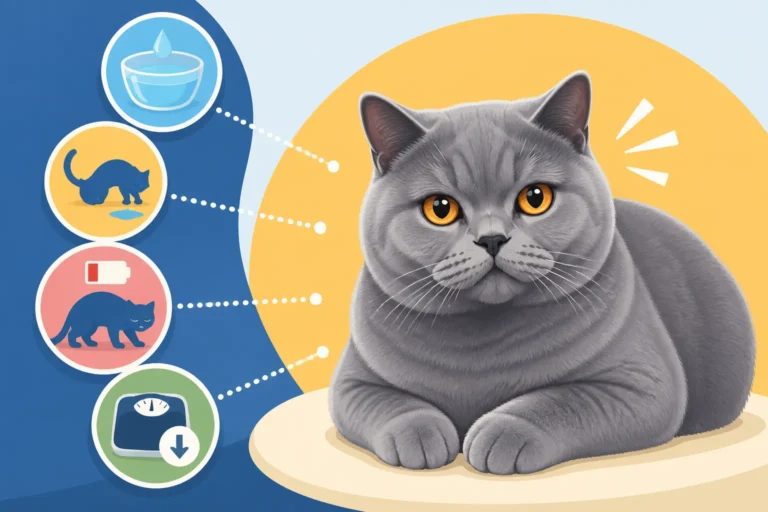
One of the most common and devastating health consequences of feline obesity is an increased risk of Type 2 Diabetes. Just like in humans, excess fat tissue can lead to insulin resistance, making your cat's body unable to properly regulate blood sugar levels. This can manifest as increased thirst, frequent urination, and unexplained weight loss despite eating normally – all Signs a British Shorthair Is Diabetic. Managing diabetes often requires daily insulin injections and strict dietary control, which can be a significant commitment for owners and a stressful routine for the cat.
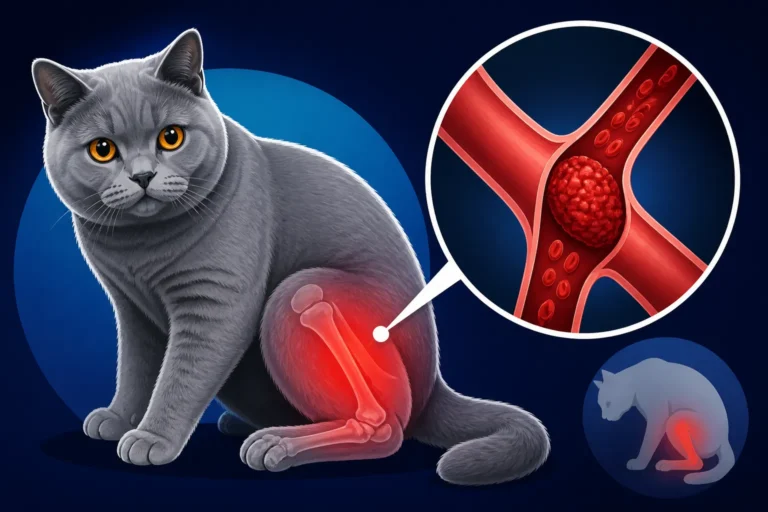
Beyond metabolic diseases, the sheer physical burden of carrying extra weight takes a massive toll on a British Shorthair's joints. Their robust frame is designed to support a healthy weight, not an obese one. The excess pressure on their hips, knees, and spine can accelerate the development of arthritis, leading to chronic pain, reduced mobility, and a reluctance to jump or play. You might notice your cat becoming stiff, struggling to use their favorite cat tree, or even showing subtle signs of lameness. Understanding What Obesity Does to a British Shorthair's Joints is critical for appreciating the long-term impact of those extra pounds. This can become especially problematic as they approach The Age a British Shorthair Is Considered Senior, making their golden years far less comfortable than they should be.
Liver Disease and Urinary Tract Problems
Obesity can also have profound effects on internal organs. Cats, particularly when they lose weight too rapidly or are simply very overweight, are susceptible to a serious condition called hepatic lipidosis, or fatty liver disease. This is where fat accumulates in the liver, impairing its function and becoming a life-threatening condition that requires aggressive veterinary intervention. It's a stark reminder of What Obesity Does to a British Shorthair's Liver.
Furthermore, overweight cats are at a higher risk of developing various urinary tract problems, including bladder stones and urinary tract infections. The mechanics of an obese cat's body can alter how they urinate, and sometimes they may not fully empty their bladder, leading to a build-up of bacteria. The reduced mobility also means they might not visit the litter box as frequently, further exacerbating the issue. These conditions are not only painful but can recur, leading to ongoing discomfort and costly veterinary bills. While preventative measures are key, having a robust pet insurance policy like those offered by Healthy Paws can certainly help mitigate the financial impact if your British Shorthair develops these chronic, weight-related illnesses.
Taking Action: From Identification to Intervention
Spotting the signs of an overweight British Shorthair is the first, crucial step. The next, and often most challenging, is initiating an intervention. It requires commitment, patience, and often a close partnership with your veterinarian, but the benefits for your cat's health and happiness are immeasurable.
Working with Your Veterinarian on a Weight Loss Plan
Once you've identified that your British Shorthair is carrying too much weight, your first call should be to your veterinarian. They can accurately assess your cat's current Body Condition Score, rule out any underlying medical conditions that might be contributing to the weight gain, and help you establish a realistic and safe target weight. Rapid weight loss in cats can be dangerous, potentially leading to hepatic lipidosis, so a slow, controlled approach is essential. Your vet can provide specific recommendations on portion control and may suggest a therapeutic diet designed for weight loss. They are the best resource for tailoring a plan to your cat's individual needs.
For instance, your vet might recommend a specific calorie count per day, which might mean a significant reduction from what you're currently feeding. This isn't just about feeding less; it's about feeding the right type of food. Prescription weight loss diets are often formulated to be lower in calories but higher in fiber and protein, helping your cat feel full while still losing weight. They can also advise on whether a switch to a purely wet food diet could benefit your British Shorthair, as wet food generally has a lower caloric density and higher moisture content than dry kibble, which can aid satiety. Regular weigh-ins at the vet's office are crucial for monitoring progress and making necessary adjustments. While these visits might feel frequent, remember that pet insurance, such as a plan from Healthy Paws, can help manage the costs of these critical monitoring appointments and any subsequent treatments.
Increasing Activity and Enriching Their Environment
Beyond diet, increasing your British Shorthair's activity level is vital for successful weight loss and overall well-being. This can be a challenge with a naturally sedentary breed, but it's not impossible. The key is consistency and finding what motivates your particular cat. This could involve short, frequent play sessions, incorporating puzzle feeders, or even trying a harness and leash walk if your cat is amenable.
Think about incorporating 10-15 minute play sessions multiple times a day. Instead of expecting them to chase a laser pointer (which can be frustrating for cats as they never "catch" anything), use wand toys with feathers or small plush animals that they can physically capture and "kill." This satisfies their natural hunting instincts. For a British Shorthair, which might not be interested in high-flying acrobatics, dragging toys along the floor or using kickers can be more engaging. Another excellent tool is a puzzle feeder, which makes your cat "work" for their food, slowing down their eating and engaging their minds. These feeders can be simple DIY options or commercially available products. If you have an indoor-only cat, consider a secure "catio" or outdoor enclosure, if feasible, to provide safe stimulation. Even simple changes, like moving food and water bowls to different levels of the house or encouraging them to follow you from room to room with a treat, can add up to more movement throughout the day. Remember, even a little bit of movement is better than none for a cat notorious for its low energy levels.
Disclaimer
This article is intended for informational purposes only and is not a substitute for professional veterinary advice. Always consult with a qualified veterinarian for any health concerns or before making any decisions about your pet's health or treatment.