Whether a British Shorthair Blood Type Test Uses DNA or a Card
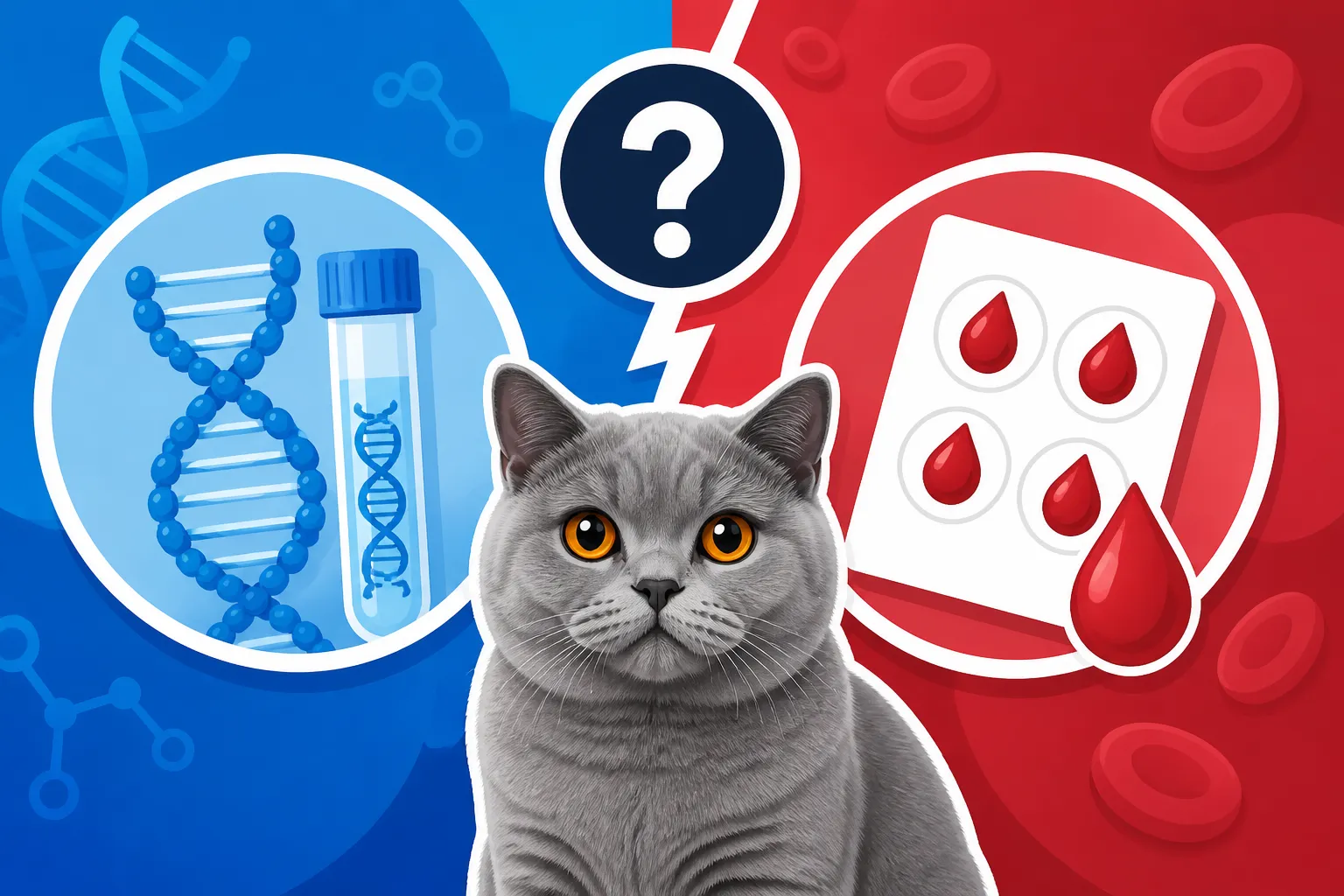
It’s a common moment of confusion for British Shorthair owners, especially breeders: when your vet or a lab talks about blood typing, you might wonder if they’re poking around for a DNA sample or if it’s a quick on-the-spot test. The truth is, both DNA-based tests and in-clinic card tests are used to determine a British Shorthair's blood type, and each has its own purpose, accuracy, and ideal application depending on what you need to know and why. This guide will walk you through the differences, helping you understand which method is right for your beloved feline friend.
Understanding British Shorthair Blood Types
Before we dive into the testing methods, let's talk briefly about why blood typing is so crucial for our British Shorthairs. Unlike humans with their complex A, B, AB, and O types, cats generally have three primary blood types: A, B, and AB. For British Shorthairs, specifically, there's a higher prevalence of Type B blood compared to many other breeds. This isn't just a fun fact; it's a critical piece of information, particularly for breeders.
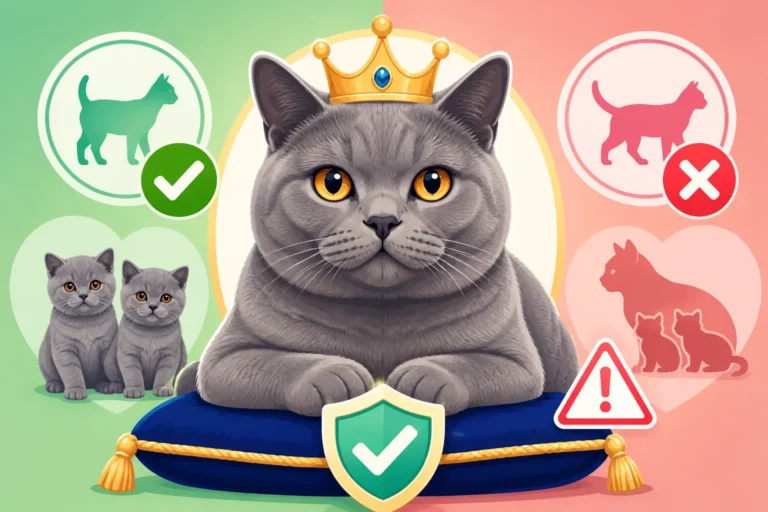
If you’re wondering, "How Many British Shorthairs Are Blood Type B", you'll find that estimates suggest a significant percentage carry or express this blood type. The big danger comes with Which British Shorthair Pairing Causes Neonatal Isoerythrolysis. When a Type B queen (female cat) is bred to a Type A tom (male cat), the kittens can inherit Type A blood from their father. Here's the kicker: Type B cats naturally have strong antibodies against Type A blood. If these Type A kittens nurse from their Type B mother, they ingest these antibodies in the colostrum (first milk). This leads to a severe, often fatal, condition called neonatal isoerythrolysis, where the mother's antibodies destroy the kittens' red blood cells. Knowing your cat's blood type, especially if you're a breeder, is literally a matter of life and death for newborn kittens. This is why understanding What Blood Type B Means in a British Shorthair is so important.
Why Blood Type B is a Concern
It's not just an academic exercise; the ramifications of not knowing a queen's blood type can be heartbreaking. Imagine the joy of a new litter, only to see seemingly healthy kittens fade away within their first few days. That's What Neonatal Isoerythrolysis Does to a British Shorthair Kitten. It's a silent killer that can be entirely prevented with proper blood typing and breeding management. This concern also extends to blood transfusions, where a mismatch could be deadly, although this is less common for pet owners.
When Blood Typing Becomes Essential
For the average pet owner with a neutered British Shorthair, blood typing might not be an immediate concern unless an emergency transfusion is needed. However, if you have an intact cat, especially a female, and you're considering breeding, or even if you just want to be fully prepared for any medical emergency, blood typing is a non-negotiable step. This is often why breeders will include blood type results (Whether a Breeder Should Show a British Shorthair's Blood Type) as part of their health guarantees.
The In-Clinic Blood Typing Card Test
Let's start with the method you're most likely to encounter at your local veterinary clinic for a quick check: the blood typing card test. This is often the first line of defense for a rapid result when time is of the essence or for initial screening.
How a Card Test Works
A blood typing card test, sometimes referred to as an agglutination test or a rapid test kit, is fairly straightforward. It involves taking a small sample of your British Shorthair's blood, usually from a vein, and mixing it with specific reagents on a specialized test card. These cards are designed with different sections containing antibodies that react to specific feline blood types (Type A or Type B).
When your cat's blood is mixed with these reagents, a visible reaction, typically agglutination (clumping of red blood cells), will occur if the corresponding antigen is present. For example, if your cat has Type A blood, the blood will clump in the section containing anti-A antibodies. If it clumps in the anti-B section, your cat is Type B. If it clumps in both (or sometimes neither, depending on the specific kit and how AB is detected), then your cat has AB blood. These results are usually visible to the naked eye within minutes, often less than 10-15 minutes, right there in the clinic. This speed makes it invaluable in emergency situations or for quick pre-breeding screenings.
Advantages of Card Tests
The biggest advantages of the card test are its speed and convenience. You get results almost immediately, which can be incredibly reassuring if you're a breeder trying to make a quick decision about a breeding pair or a vet needing to determine blood type for an urgent transfusion. The cost of these tests also tends to be lower than DNA tests, making them more accessible for routine checks. If you're looking into What a British Shorthair Blood Type Test Costs, you'll likely find these to be on the more affordable end. Many clinics can perform these tests on-site without needing to send samples out to an external laboratory, which further reduces turnaround time.
Limitations and Accuracy
While card tests are fantastic for quick results, they do come with limitations. Their accuracy, while generally high, can sometimes be influenced by factors such as improper technique, expired reagents, or certain medical conditions that affect red blood cells. A common concern is the potential for false negatives or false positives, especially in the less common AB blood type, which can be challenging to definitively identify with some card kits. For breeders, who absolutely must have definitive results to avoid the tragedy of neonatal isoerythrolysis, this slight margin of error, however small, can be a major source of anxiety. It also doesn't provide any information about carrier status – a cat might express Type A but carry the gene for Type B, which is crucial for genetic planning.
Consider this scenario: A breeder might get a "Type A" result from a card test for their queen. Confident, they breed her to a Type A tom. However, if that queen was actually Type A carrying Type B, and the tom was truly Type A, any Type B kittens born (if the queen secretly carried the B gene) would still be at risk with a Type A queen's milk, but the card test wouldn't have flagged her carrier status. This highlights the need for a more comprehensive approach, especially in breeding programs.
The DNA Blood Typing Test
For the most precise and comprehensive blood typing, particularly for breeding British Shorthairs, a DNA test is often the preferred method. This involves sending a sample to a specialized genetic testing laboratory.
How a DNA Test Works
A DNA blood type test doesn't look at the antigens on the red blood cells directly, like the card test. Instead, it analyzes your British Shorthair's genetic material (DNA) to identify specific gene mutations that determine blood type. For cats, the primary gene responsible for the AB blood group system is called the CMAH gene. Mutations in this gene are associated with Type B blood.
To perform a DNA test, your vet will typically take a buccal swab (a swab from inside your cat's cheek) or a blood sample. This sample is then sent to a genetic testing laboratory, such as the University of California, Davis Veterinary Genetics Laboratory (UC Davis VGL) or Optimal Selection (a Mars Petcare Science brand), which are well-known for offering these services. The lab extracts DNA from the cells in the sample and uses molecular techniques to detect the presence or absence of specific genetic markers related to Type A, Type B, or Type AB blood.
The beauty of a DNA test is that it can not only identify the expressed blood type (phenotype) but also determine if your cat is a carrier of the Type B gene (genotype). For example, a cat might test as Type A, but the DNA test could reveal they are genetically "A/b" meaning they have Type A blood but carry one copy of the Type B gene. This carrier status is invaluable for responsible breeding decisions.
Advantages of DNA Tests
The paramount advantage of a DNA blood type test is its unparalleled accuracy and the depth of information it provides. It's considered the gold standard for breeders because it can identify carrier status, which is something a card test cannot do. This means a breeder can make informed decisions to avoid dangerous pairings that could lead to neonatal isoerythrolysis. Knowing the genetic makeup allows for long-term breeding strategies to potentially reduce the prevalence of Type B in their lines, if that's a goal.
Another benefit is that DNA is very stable, so results are not affected by factors like anemia or other blood conditions that could potentially interfere with a card test. Once a DNA test is done, the results are definitive for life; your British Shorthair's genetic blueprint won't change. This permanent record is incredibly useful, and you can get a certificate from the lab confirming the results. This is often the kind of detailed information that responsible British Shorthair breeders share, much like they would with other genetic screenings.
Drawbacks and Cost Considerations
The main drawbacks of DNA testing are the turnaround time and the cost. Since samples need to be sent to a specialized lab, it can take anywhere from a few days to a couple of weeks to receive results. This isn't ideal for emergency situations. Additionally, What the DNA Blood Type Test Costs a British Shorthair Breeder is typically higher than a simple in-clinic card test. While the initial outlay might be more, many breeders consider it a crucial investment for the health and safety of their litters.
When considering costs, it's worth thinking about the bigger picture. While a DNA test costs more upfront, avoiding even one litter loss due to neonatal isoerythrolysis, or the emotional toll of seeing kittens fail, makes the investment worthwhile. For owners who are concerned about unforeseen vet bills, pet insurance plans like those offered by Healthy Paws might help cover a portion of diagnostic testing or emergency care, although it's essential to check policy details regarding genetic testing specifically. Always read the fine print!
Comparing the Two Methods for British Shorthairs
Let's break down the key differences to help clarify which test might be most suitable for different scenarios involving your British Shorthair.
| Feature | In-Clinic Card Test | DNA Blood Type Test |
|---|---|---|
| Method | Agglutination of red blood cells with reagents | Analysis of specific gene mutations in DNA |
| Sample Type | Blood | Buccal swab (cheek) or blood |
| Result Speed | Minutes (10-15 min) | Days to weeks (typically 3-10 business days) |
| Information | Expressed blood type (phenotype) only | Expressed blood type (phenotype) and carrier status (genotype) |
| Accuracy | High, but can have external influences | Very high, considered gold standard |
| Cost | Generally lower | Generally higher |
| Ideal Use Case | Emergency transfusions, rapid initial screening | Breeding programs, definitive genetic record, carrier identification |
| Influence of Anemia/Disease | Can potentially interfere | Unaffected |
| Portability | Results not always easily transferable/certified | Often comes with a certified lab report/certificate |
When to Choose Which Test
For most pet owners, especially those with spayed or neutered British Shorthairs, a card test performed by your vet for general health records or in a rare emergency transfusion scenario might be perfectly adequate. There's often no pressing need to delve into the complexities of genetic carrier status for a cat that won't be reproducing. If you're wondering Whether a Neutered British Shorthair Needs Typing, the answer is usually only for emergency purposes, not for breeding implications.
However, if you are a British Shorthair breeder, or are considering becoming one, the DNA blood type test is absolutely essential. It provides the most comprehensive and reliable information for making responsible breeding decisions and preventing the devastating loss of kittens due to neonatal isoerythrolysis. It's the only way to truly understand your cat's genetic predisposition and to plan pairings that safeguard future generations. Many reputable breeders will insist on DNA testing for all their breeding cats to ensure they are fully informed about their lines.
Even if you're just a curious owner with an intact cat, understanding Why Type B Is So Common in British Shorthairs through a DNA test can be a fascinating insight into your cat's unique genetic heritage. While it might not be a medical necessity for a non-breeding pet, the peace of mind of having a definitive genetic record can be priceless. Remember, any testing, particularly for breeding purposes, should be done in consultation with your veterinarian and potentially a genetic counselor for animals, ensuring you understand the results and their implications fully.
Looking Ahead: Responsible British Shorthair Ownership
Ultimately, whether your British Shorthair's blood type test uses DNA or a card depends on the specific circumstances and the depth of information you require. Both methods serve vital roles in feline healthcare. The rapid, accessible card test is excellent for immediate needs, while the in-depth, accurate DNA test is indispensable for responsible breeding and long-term genetic planning.
For our beloved British Shorthairs, with their unique genetic predispositions like the higher incidence of Type B blood, being informed about these testing options is a key part of ensuring their health and well-being. By understanding the tools available, we can make the best choices for our feline companions, whether they are cherished pets or valuable members of a breeding program. Always prioritize their health, and don't hesitate to discuss these options thoroughly with your veterinarian.
Disclaimer
This article is intended for informational purposes only and does not constitute veterinary advice. Always consult with a qualified veterinarian for any health concerns or before making any decisions related to your pet's care or breeding program.