Whether a Breeder Should Show a British Shorthair’s Blood Type
Bringing a British Shorthair into your home is an incredibly exciting time, but the journey to finding the right kitten can be filled with uncertainty, especially when trying to understand all the health screenings a breeder should be doing. Many prospective owners find themselves wondering just how transparent a breeder really needs to be, and a big question that often comes up is whether they should openly share information about their cats' blood types. This guide will delve deep into why a British Shorthair's blood type is crucial, what reputable breeders ought to provide, and how you can ensure you're making an informed decision for your future feline companion.
Why British Shorthair Blood Types Matter
It might seem like a niche detail, but a British Shorthair's blood type is far from trivial; it's a critical piece of genetic information that can have life-or-death implications for kittens. Understanding this aspect of feline genetics is paramount for breeders and should be a point of discussion for any responsible buyer. Without proper awareness and testing, breeders risk a devastating condition that can wipe out entire litters, causing immense heartbreak.
Understanding A, B, and AB Types
Just like humans, cats have different blood types, though the system is a bit simpler. The most common feline blood types are A, B, and a rare AB type. In British Shorthairs, specifically, you'll find a higher prevalence of type B blood compared to many other breeds. In fact, if you've ever looked into Why Type B Is So Common in British Shorthairs, you'd know that this breed has a significant percentage of individuals carrying the B allele. This unique distribution makes blood typing even more critical for British Shorthair breeders. Type A is dominant over type B, meaning a cat can be genetically A/A or A/B and still present as blood type A. Only cats with two B alleles (B/B) will be blood type B. The AB type is uncommon and has its own set of complexities, but for breeders, the primary concern revolves around the interaction between A and B.
Understanding the genetics behind these blood types is the first step towards responsible breeding. A cat's blood type is determined by a single gene, with type A being dominant over type B. This means a cat that carries even one 'A' gene will have type A blood, unless it also carries the rare 'AB' allele. A cat must inherit two 'B' genes to express type B blood. Breeders need to know not just the phenotypic blood type (what it expresses) but also the genotypic blood type (what genes it carries) if they are to make informed decisions and prevent future complications. Many labs offer simple tests, often using a card or DNA, to identify these types. If you're wondering Whether a British Shorthair Blood Type Test Uses DNA or a Card, both methods are available and widely used.
The Danger of Neonatal Isoerythrolysis
Here's where the importance of blood typing becomes starkly clear: a condition called Neonatal Isoerythrolysis (NI). This is the devastating outcome when a blood type B queen (female cat) is bred to a blood type A tom (male cat), resulting in type A or AB kittens. When these type A or AB kittens nurse from their type B mother, they ingest her colostrum (first milk), which contains powerful antibodies against type A blood. These antibodies then attack the kittens' red blood cells, leading to severe anemia, organ damage, and ultimately, death within the first few days of life. It’s a heartbreaking scenario, and sadly, it's preventable.
What Neonatal Isoerythrolysis Does to a British Shorthair Kitten is truly tragic. The kittens may appear healthy at birth, but within hours or days, they become weak, jaundiced, fail to thrive, and their urine may turn dark red or brown due to the destruction of red blood cells. Often, owners and even inexperienced breeders don't recognize what's happening until it's too late. The internal damage is swift and catastrophic, leading to a silent, painful demise. This isn't just a theoretical risk; it's a real and present danger in breeds like the British Shorthair where type B blood is common, making Which British Shorthair Pairing Causes Neonatal Isoerythrolysis a vital piece of knowledge for anyone involved with the breed.
Impact on Breeding Decisions
For responsible British Shorthair breeders, blood typing is a non-negotiable part of their health screening protocol. They need to know the blood type of every cat in their breeding program to make safe pairing decisions. The simplest way to avoid Neonatal Isoerythrolysis is to never breed a type B queen to a type A tom. If a type B queen is used, she must be bred to a type B tom only, ensuring all kittens are also type B. Alternatively, a type A queen can be bred to either a type A or type B tom, as she doesn't carry the anti-A antibodies.
This crucial information empowers breeders to avoid devastating losses and ensures the health and survival of their kittens. It's an ethical obligation. Some breeders, if they must use a type B queen with a type A tom for other genetic reasons, will hand-rear the kittens for the first 24-48 hours, feeding them a milk replacer or colostrum from a type A queen, to prevent them from ingesting the dangerous antibodies. This is an intensive and often stressful process, but it can be done. If you're curious about such extreme measures, you might want to read How to Save a British Shorthair Kitten From Isoerythrolysis. Ultimately, prevention through careful pairing is always the preferred and most responsible route.
What Information Reputable Breeders Provide
When you're looking for a British Shorthair kitten, a reputable breeder won't just tell you about the kitten's adorable personality; they'll openly discuss health screenings and provide evidence. This transparency isn't just a courtesy; it's a hallmark of a breeder who genuinely cares about the well-being of their cats and the future of the breed. You're investing a significant amount into a kitten, and knowing that the breeder has done their due diligence, especially regarding critical issues like blood typing, provides immense peace of mind.
The Standard of Transparency
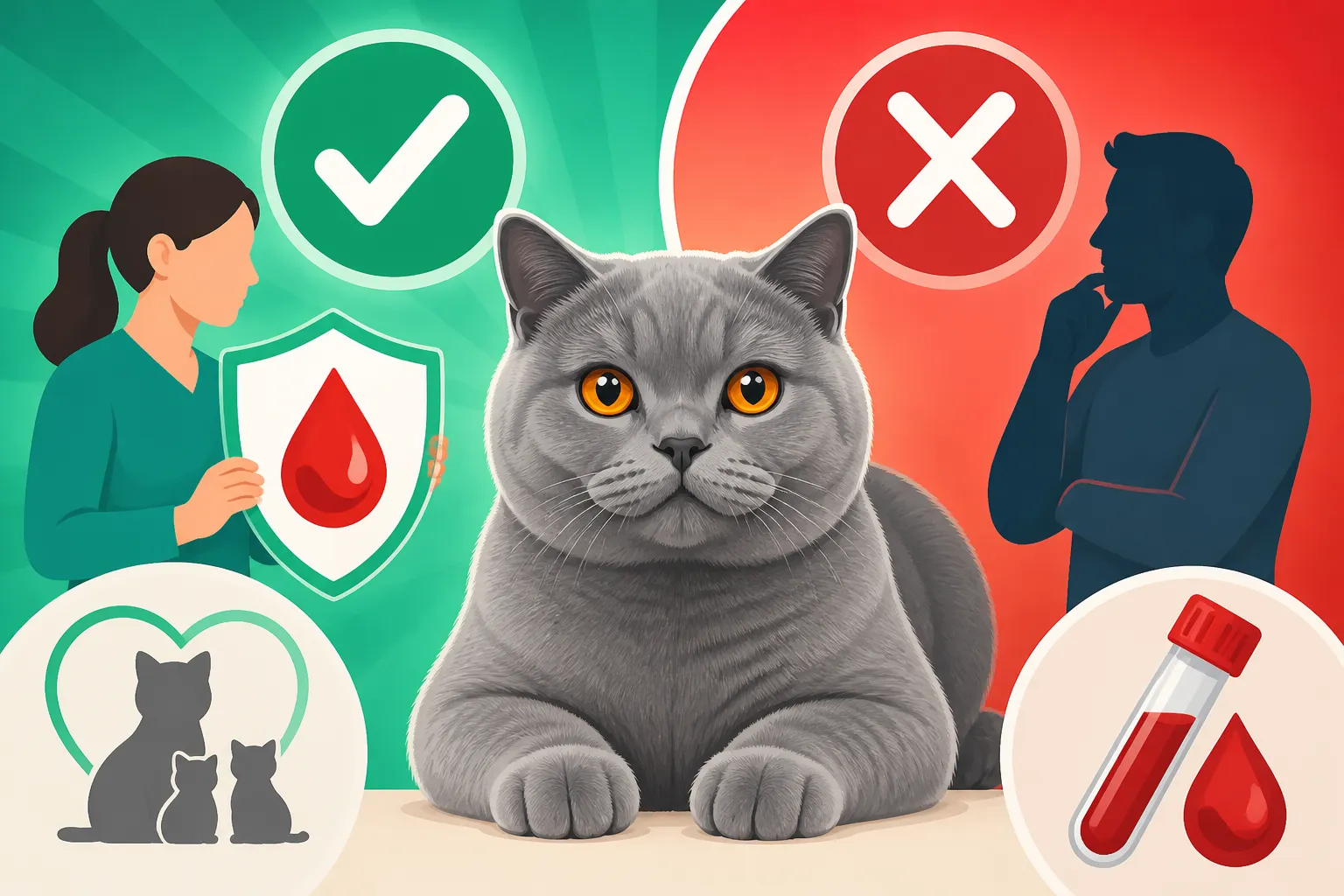
A truly responsible British Shorthair breeder will not hesitate to share the blood type results of their breeding cats. In fact, they should proactively offer this information, much like they would other vital health screening results. This typically includes documentation from a veterinary lab, clearly stating the blood type of both the queen and the tom used in the pairing. If you're seeking to understand the full scope of screenings, a comprehensive article like What a British Shorthair Breeder Should Have Tested can give you a solid overview of what to expect. This isn't just about avoiding NI; it demonstrates a commitment to genetic health that extends to other conditions prevalent in the breed.
This level of transparency sets the expectation for the quality of care and ethical practices. A breeder who is proud of their health testing and rigorous breeding practices will readily provide certificates, discuss the implications of the results, and explain how these results influenced their breeding decisions. They understand that educating prospective owners is part of their role, ensuring that the new families are also informed advocates for their kitten's health. This is particularly important for breeds that may have specific genetic predispositions, emphasizing the need for robust screening.
Requesting and Interpreting Blood Type Results
As a prospective buyer, it's not only acceptable but highly recommended that you ask to see proof of blood typing for both parent cats. Don't be shy about it. A reputable breeder will have these documents on hand, whether digital or physical, and should be able to explain them clearly. If they hesitate, deflect, or claim it's "not necessary," consider it a significant red flag. You should be looking for official lab reports, not just verbal assurances. You can even ask What a British Shorthair Blood Type Test Costs to get a sense of the investment a breeder makes.
When interpreting the results, focus on the pairing. If the queen is blood type B, you must verify that the tom is also type B. If the queen is type A, the tom's blood type is less critical in preventing NI, but knowing both parents' types is still part of complete genetic transparency. Remember, even if a kitten is sold as a pet, knowing its lineage's blood types can be useful for future veterinary care or if you ever consider breeding (though most pet contracts require spaying/neutering). For example, if your cat ever needed a transfusion, knowing its blood type would be incredibly important. This might lead you to wonder Whether a Pet British Shorthair Needs Blood Typing – typically, for a pet, it's not immediately necessary, but good to know for future emergencies.
Beyond Blood Type: A Holistic View of Health
While blood typing is crucial, it's just one piece of the larger health puzzle. Responsible British Shorthair breeders will conduct a range of health screenings, especially for conditions known to affect the breed. This includes screening for Hypetrophic Cardiomyopathy (HCM), Polycystic Kidney Disease (PKD), and sometimes other genetic conditions like Hemophilia B. For example, if a breeder is truly transparent, they would also readily share information about cardiac screenings. Many potential owners wonder Whether a British Shorthair Breeder Shows Echo Results, and the answer for a good breeder should be a resounding yes. They know that a comprehensive approach to health is key to breeding robust, long-lived cats.
These screenings represent a significant investment in time and money, and they contribute to the overall What a British Shorthair Costs to Buy in 2026. Breeders who cut corners on health testing are often the ones selling kittens at unusually low prices, which can lead to heartbreaking and expensive problems down the line. A reputable breeder sees these tests as an investment in the health of their lines and the future happiness of their kitten buyers. This holistic approach ensures that you are bringing home a kitten with the best possible start in life, and provides peace of mind that a trusted breeder like those found via British Shorthair Club recommendations prioritizes health above all else. This proactive health management can also impact the cost of pet insurance plans from providers like Healthy Paws, as a healthy kitten with well-documented lineage may be seen as a lower risk.
How to Identify a Responsible British Shorthair Breeder
Finding a responsible British Shorthair breeder can feel like navigating a maze, especially with so much information available and varying levels of transparency. But there are clear indicators and specific questions you can ask to ensure you're working with someone who prioritizes the health and welfare of their cats above all else. This isn't just about finding a beautiful kitten; it's about finding one that has been ethically and healthily produced.
Questions to Ask Prospective Breeders
Don't be afraid to ask a lot of questions. A good breeder expects it and welcomes the opportunity to show off their knowledge and commitment. Here are some key questions to consider, especially concerning blood typing and health:
- "What blood types are the parents of this litter, and can I see the official lab results?" This is your primary question regarding blood typing. If they provide types A and B for the parents, ask how they ensured the kittens wouldn't be affected by Neonatal Isoerythrolysis.
- "What other health screenings do you perform on your breeding cats, such as HCM or PKD tests?" Ask to see those results as well.
- "Are you a registered breeder with organizations like TICA, CFA, or GCCF?" Membership in reputable cat associations indicates adherence to breed standards and often, ethical guidelines.
- "How old are the breeding cats, and how often are they bred?" Responsible breeders ensure their cats are mature enough to breed and aren't overbred.
- "What kind of socialization do the kittens receive before going to their new homes?" Kittens should be raised in a home environment and exposed to household sounds and interactions.
- "What is included in your kitten contract and health guarantee?" This should detail their responsibilities and yours.
- "Can I visit your cattery or do a video call to see where the kittens are raised?" This allows you to observe the cleanliness, living conditions, and the temperament of the parent cats.
For a more comprehensive list, refer to Which Questions to Ask a British Shorthair Breeder. Remember, the goal is to feel completely comfortable and confident in your breeder's practices.
Red Flags to Watch Out For
While asking questions is important, sometimes what a breeder doesn't do or say is just as telling. Be vigilant for these red flags:
- Lack of transparency on health testing: If a breeder is vague about health screenings, refuses to show documents, or claims testing isn't necessary, walk away. This is perhaps the biggest red flag, particularly concerning blood typing in British Shorthairs.
- Selling kittens too young: Kittens should not leave their mother before 12-16 weeks of age. This allows for crucial socialization, immune system development, and vaccinations.
- Multiple litters available at once or constant availability: This can indicate a high-volume operation that prioritizes profit over welfare, sometimes referred to as a "kitten mill."
- Unsanitary or poor living conditions: If you visit and the environment is dirty, overcrowded, or the cats seem unwell or unsocialized, it’s a clear sign of neglect.
- No contract or health guarantee: A reputable breeder will always have a written contract outlining terms, health guarantees (often for genetic diseases), and spay/neuter clauses.
- Reluctance to let you meet the parent cats: You should be able to meet the mother (queen) at the very least. If she's hidden or unavailable, it's suspicious.
- Pressure to buy immediately or cash-only transactions: High-pressure sales tactics are a sign to be cautious. A good breeder wants the right home for their kittens, not a quick sale.
An upfront investment in a kitten from a responsible breeder might seem higher, but it significantly reduces the likelihood of encountering costly health issues later on. For instance, addressing issues that could have been prevented by proper screening can lead to expensive vet bills, something insurance providers like Healthy Paws are familiar with.
The Role of Health Guarantees and Contracts
A robust health guarantee and a clear, written contract are essential components of any transaction with a responsible British Shorthair breeder. These documents outline the breeder's commitment to the health of their kittens and provide recourse should a genetic health issue arise. Typically, a health guarantee will cover genetic defects for a specified period, often a year or more, and might include provisions for a replacement kitten or a partial refund if a serious condition (like HCM or PKD) is diagnosed by a licensed veterinarian.
The contract will also detail important aspects like the kitten's spay/neuter agreement (most pet kittens are sold with a contract requiring this), return policies, feeding recommendations, and vaccination schedule. For conditions like Neonatal Isoerythrolysis, a responsible breeder’s contract may explicitly state that the parents were blood typed and that no incompatible pairings were made, demonstrating their proactive measure to ensure kitten health. While it can be a dry read, thoroughly understanding your contract is as important as asking questions about blood types. It protects both you and the breeder and ensures that both parties understand their obligations. Should a health issue arise, having comprehensive pet insurance from a provider like Healthy Paws can also offer significant financial protection.
| Blood Type of Queen | Blood Type of Tom | Potential Kitten Blood Types | Risk of Neonatal Isoerythrolysis (NI) | Breeder Action |
|---|---|---|---|---|
| A | A | A | No | Safe pairing. |
| A | B | A/B | No | Safe pairing. Kittens will be type A (phenotypically) or carry both A and B genes. |
| B | B | B | No | Safe pairing. All kittens will be type B. |
| B | A | A/B | HIGH | AVOID THIS PAIRING. If accidentally bred, hand-rear kittens immediately after birth (first 24-48 hrs). |
| AB | Any | Varies | Potentially Low (complicated) | Consult specialist. Often managed like Type A due to lack of anti-A antibodies, but can have anti-B antibodies. |
Disclaimer
The information provided in this article is for general informational purposes only and does not constitute veterinary advice. Always consult with a qualified veterinarian for any health concerns or before making any decisions about your pet's care or treatment. Blood typing and other health screenings should always be performed and interpreted by veterinary professionals.