How Hemophilia B Shows in a British Shorthair Kitten
Finding out your precious British Shorthair kitten might be facing a serious genetic health issue like Hemophilia B is truly terrifying. It’s a gut-wrenching experience to see a tiny, vulnerable creature struggle, and often, the signs can be subtle at first, making diagnosis even more challenging. This comprehensive guide is here to help you understand exactly how Hemophilia B manifests in British Shorthair kittens, what to look for, and when to act, so you can be the best advocate for your furry friend.
Understanding Hemophilia B in British Shorthairs
Hemophilia B, also known as Factor IX deficiency, is a serious inherited bleeding disorder that can cast a long shadow over the future of a kitten. It's not a common condition, which sometimes makes it harder for owners and even some vets to recognize immediately. However, for those who encounter it, understanding its origins and how it specifically impacts the stoic British Shorthair is crucial.
The Genetic Basis of Hemophilia B
At its heart, Hemophilia B is a genetic condition, meaning it’s passed down from parent to offspring. Specifically, it's an X-linked recessive disorder. What does that mouthful mean for your British Shorthair? It means the gene responsible for producing Factor IX, a vital protein needed for blood clotting, is located on the X chromosome. Because males only have one X chromosome (XY), if they inherit the affected X, they will develop the disease. Females, with two X chromosomes (XX), typically only become carriers if they inherit one affected X, as their second, healthy X can compensate. They would need two affected X chromosomes to show symptoms, which is incredibly rare. This inheritance pattern is why you’ll almost always see Hemophilia B affecting male kittens. It’s a silent threat carried by seemingly healthy female cats, often going unnoticed until an affected male kitten is born.
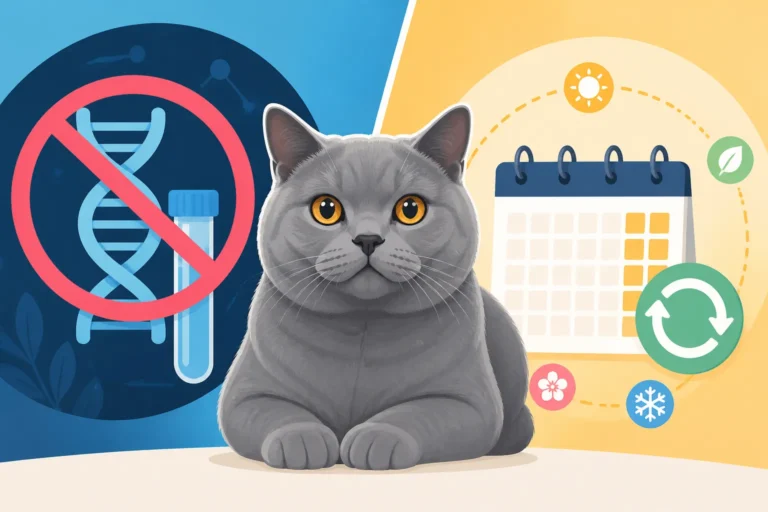
This genetic lottery makes careful breeding practices absolutely essential. A responsible breeder will take great pains to understand their lineage, as the presence of carriers in a line can perpetuate the disease. Thankfully, for prospective owners, there's been progress in identifying carriers, so it's always worth asking Whether a DNA Test for British Shorthair Hemophilia Exists and for health certificates. Knowing the genetic background of your kitten's parents can provide immense peace of mind or, conversely, prepare you for potential challenges.
Why British Shorthairs Are Affected
While Hemophilia B isn't exclusive to British Shorthairs, this particular breed, along with several others like Devon Rex, Himalayan, and Maine Coon, has documented cases of the condition. This highlights the importance of breed-specific health awareness. Over the generations, certain genetic mutations can become prevalent within a breed due to closed breeding pools and the emphasis on specific physical traits. While breeders strive for the charming round faces and dense coats British Shorthairs are known for, sometimes, less desirable genetic traits, like those for Hemophilia B, can inadvertently be carried forward.
The relatively thick, dense coat and calm demeanor of the British Shorthair can also subtly mask some of the outward signs of bruising or discomfort that might be more obvious in other breeds. Their quiet nature means they aren't always quick to vocalize pain, which adds another layer of difficulty for owners trying to spot problems. This makes it even more imperative for British Shorthair owners to be hyper-vigilant and educated about potential health concerns, including rare genetic disorders that might affect their beloved companions. It's not about blaming the breed, but about understanding its unique predispositions to ensure the best care possible.
Early Signs and Symptoms in Kittens
Spotting Hemophilia B in a British Shorthair kitten can be incredibly challenging because kittens, by their very nature, are tiny, fragile, and often experience minor bumps and scrapes during play. What might be a normal bruise for one kitten could be a serious warning sign for another. The key is knowing what specific, abnormal patterns of bleeding or discomfort to look for, especially as these kittens are so good at hiding illness.
Subtle Clues in Newborns
In the earliest days and weeks of a kitten's life, signs of Hemophilia B can be heartbreakingly subtle. A breeder might notice a kitten that seems weaker than its littermates, struggling to nurse effectively, or just generally failing to thrive. These could be vague indications of an underlying issue, not specifically Hemophilia B, but certainly a cause for concern. More direct signs might include prolonged bleeding from the umbilical cord site after it detaches, which should typically clot and heal quickly. If a newborn kitten has any type of open wound, even a tiny scratch from a sibling’s nail, and it continues to ooze blood for an unusually long time, that’s a red flag.
Another alarming sign can be the sudden and unexplained death of a male kitten within the first few days or weeks of life. While there are many reasons for fading kitten syndrome, if other health issues are ruled out, and this occurs in lines with a known history of bleeding disorders, Hemophilia B should be considered. These tiny ones are so vulnerable, and their bodies simply aren't equipped to handle even minor internal bleeding or persistent external blood loss without adequate clotting factors. A breeder tracking their lines and performing health screenings like What a British Shorthair Breeder Should Have Tested is vital for preventing such tragedies.
Visible Bleeding and Bruising
As kittens grow and become more active, the signs of Hemophilia B can become more apparent and frankly, quite alarming. You might notice unusual bruising, often without any clear memory of an injury. A typical kitten tumble should not result in large, dark, spreading bruises. These bruises might appear on their belly, inner thighs, or even around joints. They can range from small, discolored patches to quite extensive hematomas, which are collections of blood under the skin that can feel firm or spongy.
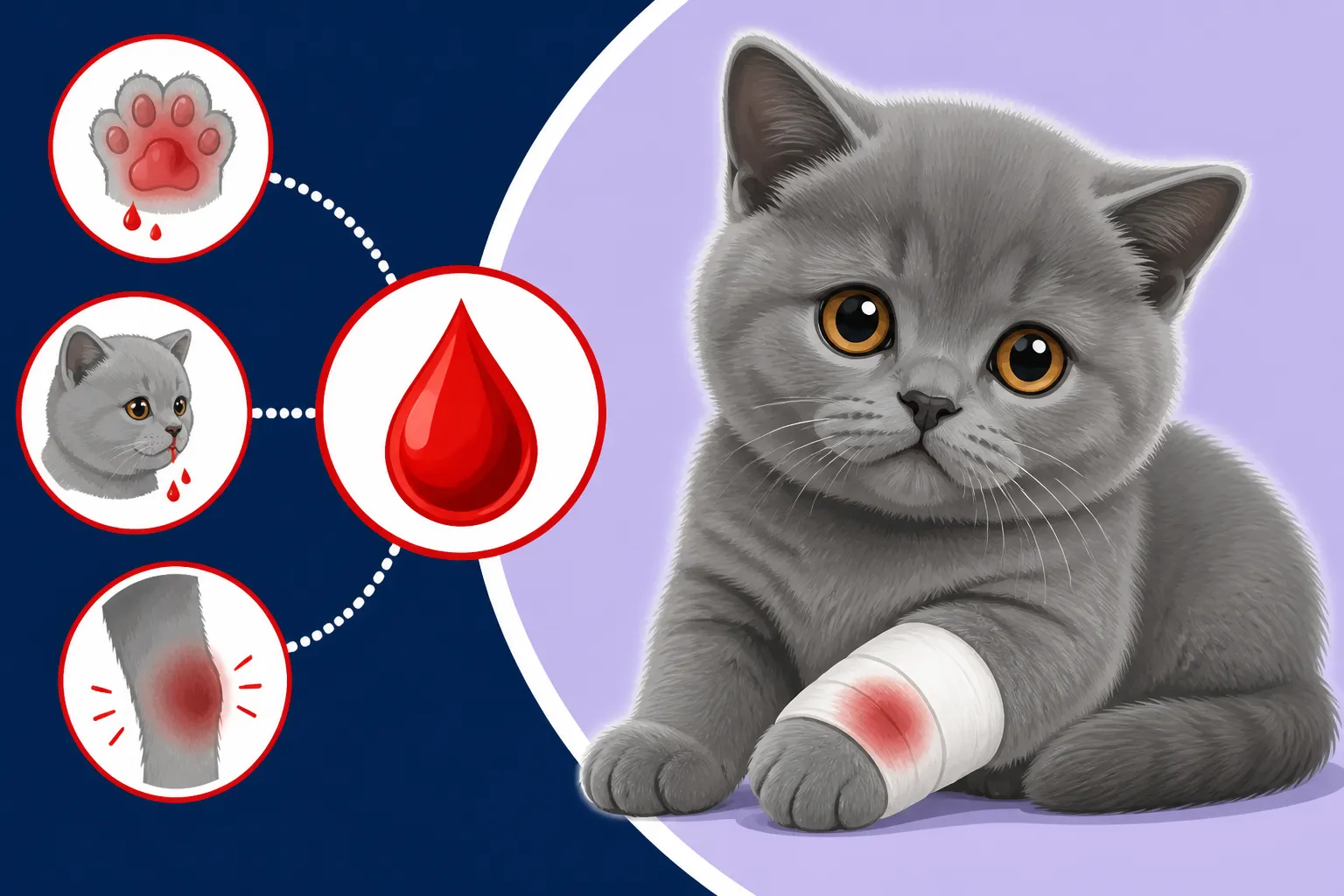
Even a routine procedure like vaccination or a nail trim can trigger excessive bleeding. After a vaccination, the injection site might continue to bleed or swell more than normal, indicating a clotting problem. Similarly, a nail trim, which should only involve a tiny pinprick of blood if you cut too short, could result in persistent dripping. This isn’t just a nuisance; it’s a direct indicator that the kitten’s blood isn’t clotting properly. Owners should also watch for blood in the urine or feces, which points to internal bleeding, a much more serious and often hidden symptom. Any visible bleeding from the gums, nose, or ears, even minor, should be treated with extreme urgency.
Unexplained Lameness or Swelling
Beyond obvious bleeding, Hemophilia B can manifest in ways that might initially seem unrelated to a clotting disorder. One of the most common and distressing symptoms is unexplained lameness or swelling in a joint. This occurs when blood accumulates within a joint space, a condition known as hemarthrosis. Imagine the discomfort and pain! The affected joint—often a knee, elbow, or hip—will become visibly swollen, warm to the touch, and incredibly painful. The kitten might refuse to put weight on the limb, limp, or become very reluctant to move or play.
This lameness isn't due to a fracture or sprain in the traditional sense, but rather the internal bleeding causing pressure and inflammation. Without proper clotting, even the normal stresses of kitten play can lead to microscopic bleeds that turn into significant issues. If you notice your British Shorthair kitten suddenly favoring a leg, or if a joint appears puffy and tender without a clear external injury, it’s imperative to consider a bleeding disorder. These episodes can be debilitating, causing long-term joint damage if not managed promptly. It's a cruel twist for these playful little creatures to have their mobility compromised by an invisible enemy within their own blood.
When to Seek Veterinary Help
Recognizing the subtle and often confusing signs of Hemophilia B in your British Shorthair kitten is just the first step. The next, and most critical, is knowing when and how to seek professional veterinary intervention. Time is often of the essence with bleeding disorders, and prompt, informed action can make all the difference for your little one.
Initial Veterinary Examination
If you suspect your kitten might have a bleeding disorder, don't wait. Contact your veterinarian immediately. When you arrive, be prepared to give a detailed history: when you first noticed symptoms, what they looked like, any recent minor traumas (even a small fall), and if any littermates or parents have had similar issues. This information is invaluable. Your vet will perform a thorough physical examination, looking for signs of bruising, swelling, pale gums (indicating anemia from blood loss), and assessing their overall demeanor. They might gently palpate joints to check for swelling and tenderness, keeping in mind the kitten’s stoic nature.
Your vet will likely recommend basic blood tests, such as a complete blood count (CBC), to check for anemia and platelet levels. While Hemophilia B is a deficiency in a clotting factor (a protein), not usually in platelets, a CBC helps rule out other causes of bleeding and assesses the impact of any blood loss. This initial visit is about gathering as much information as possible to build a picture of what might be happening internally. Be upfront about any concerns regarding genetics, especially if you know the kitten comes from a line where How Many British Shorthair Lines Carry HCM or other inherited conditions are a concern.
Diagnostic Testing and Confirmation
Confirming a diagnosis of Hemophilia B requires more specialized tests beyond a routine blood panel. The key diagnostic tests are coagulation assays, specifically looking at the activated partial thromboplastin time (aPTT). This test measures how long it takes for blood to clot, and in a cat with Hemophilia B, this time will be significantly prolonged. A normal prothrombin time (PT) is usually observed, which helps differentiate Hemophilia B from other clotting disorders.
The most definitive diagnosis, however, involves measuring the actual level of Factor IX in the blood. This specific factor assay will reveal if Factor IX is deficient and to what extent. Given the complexity and rarity of the condition, your vet might need to send blood samples to a specialized veterinary laboratory equipped to run these tests. It's a detailed process, but absolutely necessary to get a definitive answer. Insurance providers like Healthy Paws may cover these diagnostic costs, which can be significant, so understanding your policy is important.
Table: Common British Shorthair Kitten Symptoms and Potential Hemophilia B Indicators
| Symptom Category | Normal Kitten Behavior / Minor Issue | Potential Hemophilia B Indicator | Urgency Level |
|---|---|---|---|
| Bruising | Small, faint bruise from rough play, resolves quickly | Large, dark, spreading bruises without clear injury; frequent bruising | High |
| Bleeding | Minimal blood from nail trim, stops quickly | Prolonged bleeding after minor cuts, vaccinations, or nail trims; nosebleeds, gum bleeds | Emergency |
| Joint Swelling | No swelling | Swollen, warm, painful joint (e.g., knee, elbow) with reluctance to move | High |
| Lethargy/Weakness | Tired after intense play, bounces back quickly | Persistent weakness, reluctance to play or eat, failure to thrive | High |
| Pale Gums | Healthy pink gums | Gums appear very pale or whitish (sign of anemia) | Emergency |
| Blood in Urine/Stool | No visible blood | Red or dark blood in urine or stool | Emergency |
Emergency Care and Stabilization
If your British Shorthair kitten is actively bleeding excessively or experiencing acute hemarthrosis, it is an emergency. Immediate veterinary intervention is crucial to stabilize them. This could involve several critical steps. Firstly, any external bleeding will need to be controlled with direct pressure, though this can be difficult if the bleeding is internal. For severe blood loss leading to anemia, a blood transfusion may be necessary. This introduces healthy red blood cells and, importantly, fresh plasma containing the missing clotting factors (Factor IX) into the kitten's system. Finding a compatible blood donor can be a challenge, but veterinary emergency clinics often have protocols in place.
Pain management is also paramount, especially if there's significant joint bleeding. Your vet will administer appropriate pain relief, often avoiding NSAIDs which can thin the blood and worsen bleeding. Strict rest and immobilization of an affected joint are often recommended to prevent further bleeding and allow existing bleeds to resolve. In such critical situations, early diagnosis helps ensure the vet knows exactly what they are dealing with, allowing them to bypass unnecessary tests and go straight to life-saving treatments. Knowing What a British Shorthair's Yearly Bloodwork Should Cover and having genetic tests done preemptively can be a true lifesaver for kittens from at-risk lines.
Living with a Hemophilia B Diagnosis
Receiving a Hemophilia B diagnosis for your British Shorthair kitten is undoubtedly devastating, but it's not the end of the road. While there's no cure, effective management strategies can help your kitten live a comfortable and fulfilling life. It requires diligence, careful planning, and a deep partnership with your veterinary team.
Management Strategies at Home
The cornerstone of managing Hemophilia B at home is prevention. You’ll need to create a super safe environment for your British Shorthair to minimize the risk of injury. This means identifying and removing potential hazards that could cause even minor cuts, scrapes, or bumps. Think about sharp corners on furniture, unstable cat trees that could fall, or even rough play with other pets that could lead to injury. You might consider soft claw caps to prevent accidental scratches if you have multiple cats. Keeping your home calm and quiet, especially during periods of stress, can also help.
Regular, gentle grooming is important, but be incredibly careful with nail trims. You might need to trim them more frequently but take off only the very tips to avoid the quick. Using a styptic powder or cornstarch to quickly stop any accidental bleeding is a must-have in your first-aid kit. Any medication administered should be discussed thoroughly with your vet, as some common over-the-counter pain relievers or anti-inflammatories can interfere with clotting. Maintaining a healthy weight is also crucial, as obesity can put extra strain on joints, potentially increasing the risk of hemarthrosis. This is particularly relevant for British Shorthairs, who are prone to gaining weight, so focusing on Portion Control Is the Whole Job With a British Shorthair is key.
Long-Term Care and Prognosis
The long-term care for a British Shorthair with Hemophilia B is a lifelong commitment. Regular veterinary check-ups are essential, not just for monitoring their general health but also for addressing any new symptoms or developing issues. Your vet may recommend periodic blood tests to monitor clotting times and overall health. Managing joint issues is a significant part of long-term care; supportive therapies like joint supplements (chondroitin, glucosamine), physical therapy, or even alternative therapies might be considered to maintain mobility and reduce discomfort.
While some cats with severe Hemophilia B may unfortunately have a reduced lifespan due to spontaneous bleeding episodes or complications, many can live relatively normal lives with careful management. The prognosis truly depends on the severity of the factor deficiency and the owner's ability to consistently implement preventive and supportive care. Financial planning for these ongoing needs is also important; pet insurance like Healthy Paws can be a valuable tool to help offset the costs of emergency treatments, regular vet visits, and specialized medications, allowing you to focus on your cat's health rather than the bill. Owners often worry about their cat's overall health, and understanding Whether the British Shorthair Is a Healthy Breed can help put this specific condition into a broader context.
Breeding Considerations for Affected Lines
If Hemophilia B is identified in a British Shorthair kitten, it inevitably brings up critical questions about the kitten's parents and wider lineage. For the health and future of the breed, it is absolutely paramount that affected cats and known carriers are not used for breeding. This is not a judgment on the individual cat, but a responsible decision to prevent the perpetuation of a painful and potentially life-threatening genetic disorder.
Any queen who has produced an affected male kitten is, by definition, a carrier, and any male who has the disease should obviously be neutered. Reputable breeders will already be undertaking comprehensive health screening, and this should include genetic testing for known conditions where possible. By rigorously testing breeding stock and removing carriers from breeding programs, the incidence of Hemophilia B within the British Shorthair population can be significantly reduced over time. It’s a tough decision for breeders, but one that ultimately prioritizes the welfare of the breed. For potential owners, always ask for health certifications and genetic test results, as this is a non-negotiable part of responsible pet ownership.
Disclaimer
This article is intended for informational purposes only and does not constitute veterinary advice. Always consult with a qualified veterinarian for any health concerns or before making any decisions about your pet's care.